
With autumn being the season that the calves return to the hill enclosure, along with their mums, it’s always exciting to see them and to start to get to know them as characters. Having spent all summer with males only in the enclosure, it’s suddenly a bit overwhelming to have a sea of ‘new’ reindeer to get to know once again! The calves are the hardest to learn who is who.
Last time we saw them properly, in late spring, they were tiny and heading out to free-range in their calf coats, which are quite different in colouration to an adult reindeer’s coat. By autumn they’ve moulted, grown their new winter coat, and are many times bigger – i.e. they look COMPLETELY different! Other than very obvious colour variation and face markings, their wee antlers are the easiest way to tell them apart. The photo below shows Macchiato at 4 months old, looking about as generic as is possible for a reindeer calf – very average size and shape antlers, along with being very much the ‘normal’ body colour. Difficult to tell one from t’other, looking like this!
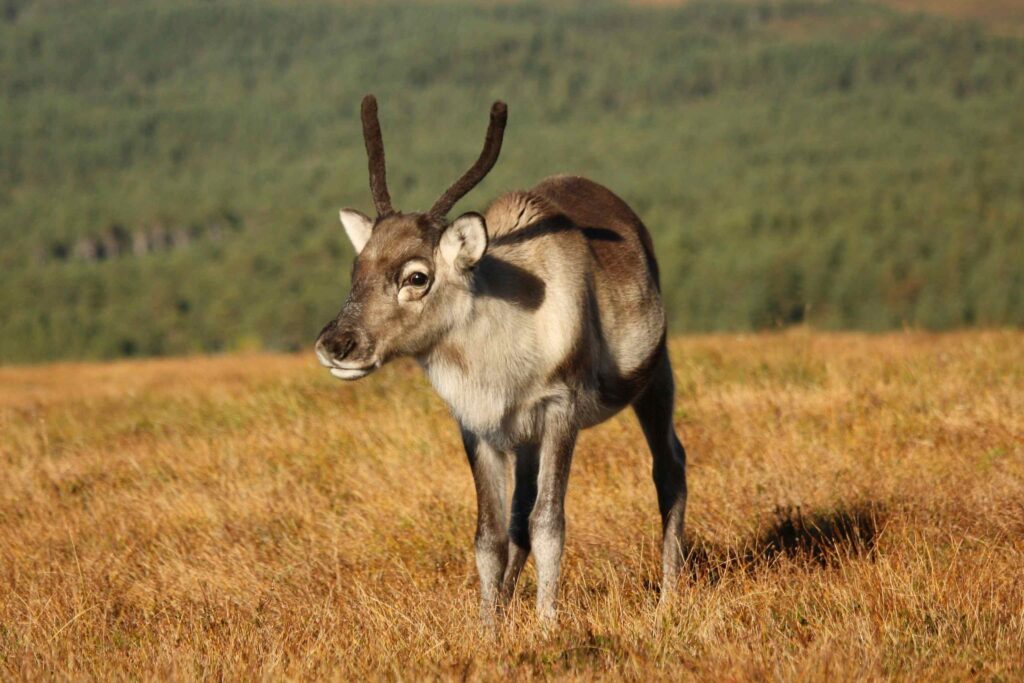
So I thought I’d show some of the antler shapes of calves over the years in this blog. The memorable ones tend to be the biggest ones, of which the outright winner – by a country mile – is Gandalf. However, he was born in Sweden, and many of the Swedish calves we’ve imported over the years (to increase our genetic diversity within the herd) have had very big antlers so maybe he should be disqualified my list…

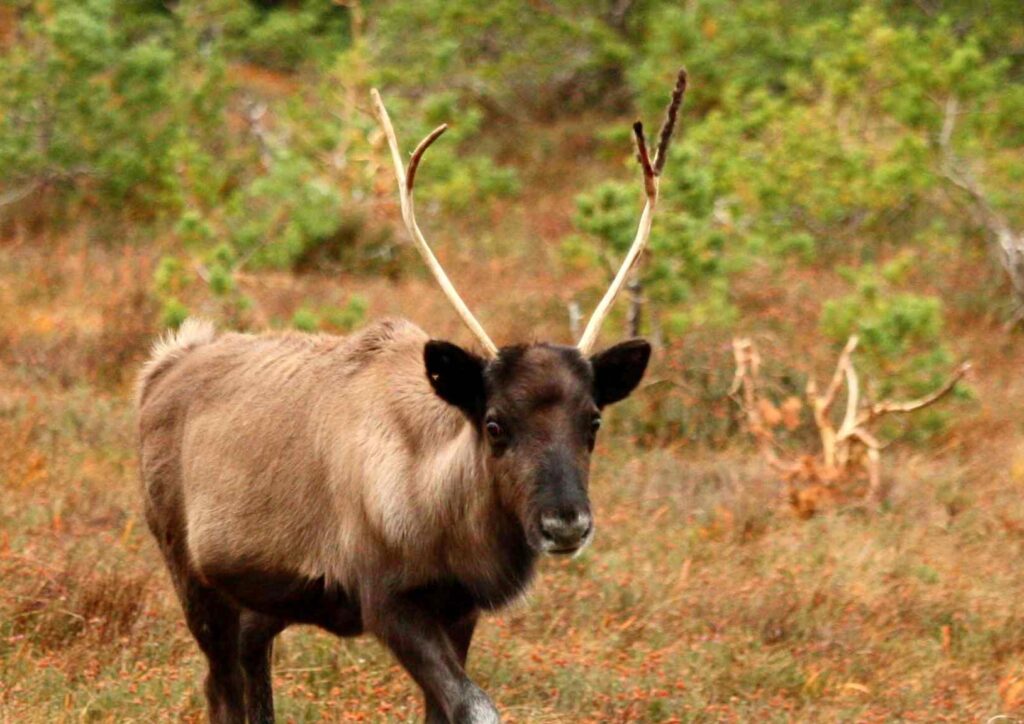
So… my winner for sheer height of antler is Jester, who definitely looked a bit out of proportion as a calf. He’s gone on to grow enormous adult antlers too, though tending towards wider rather than tall.
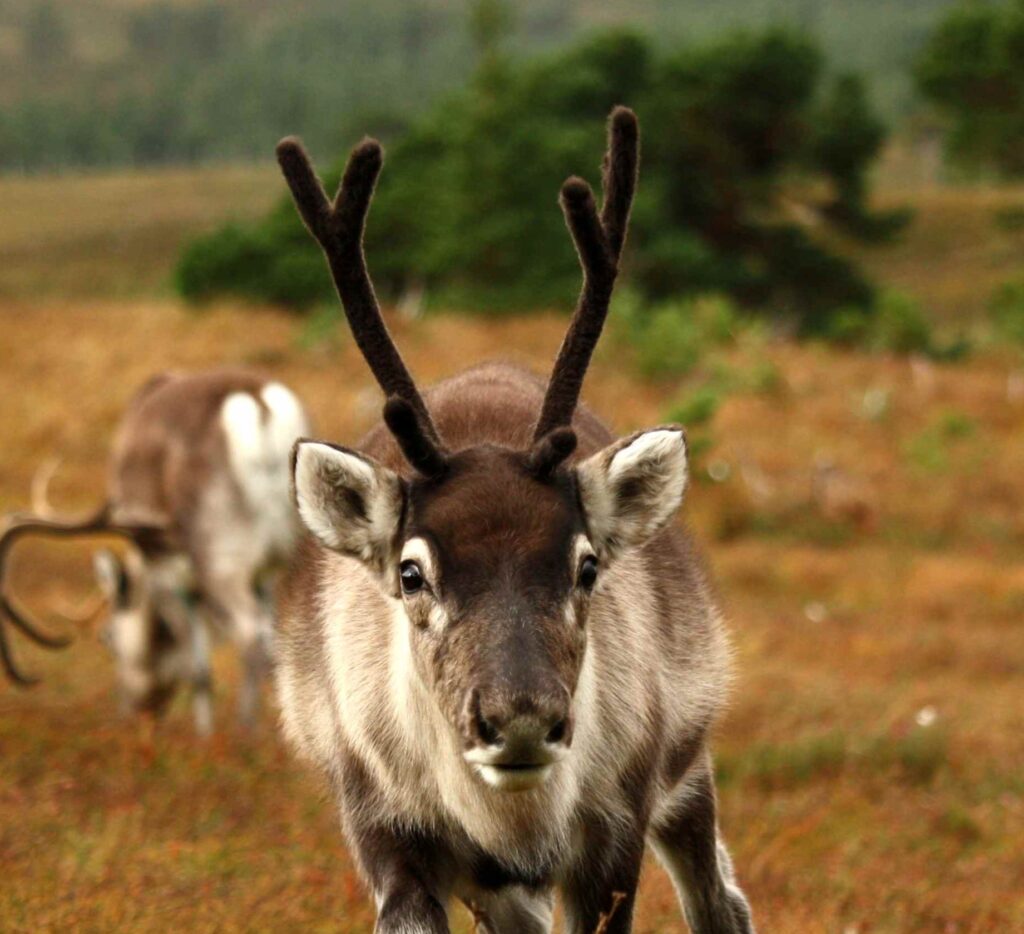
Some calves have really complex antlers – not quite as tall as Jester’s but more elaborate with several points on each. Examples include:
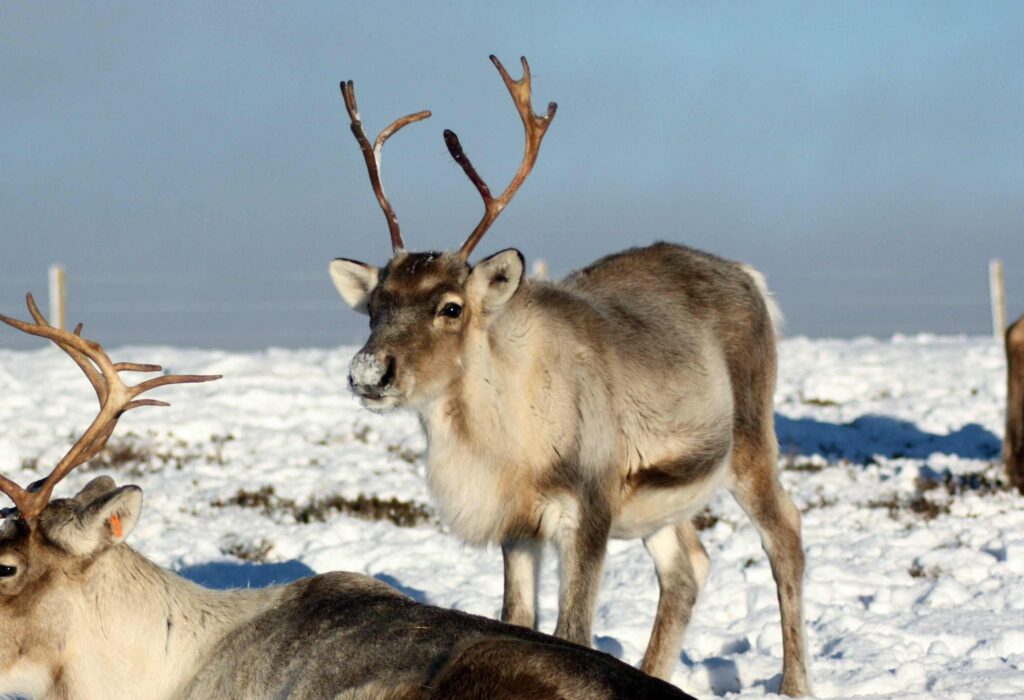
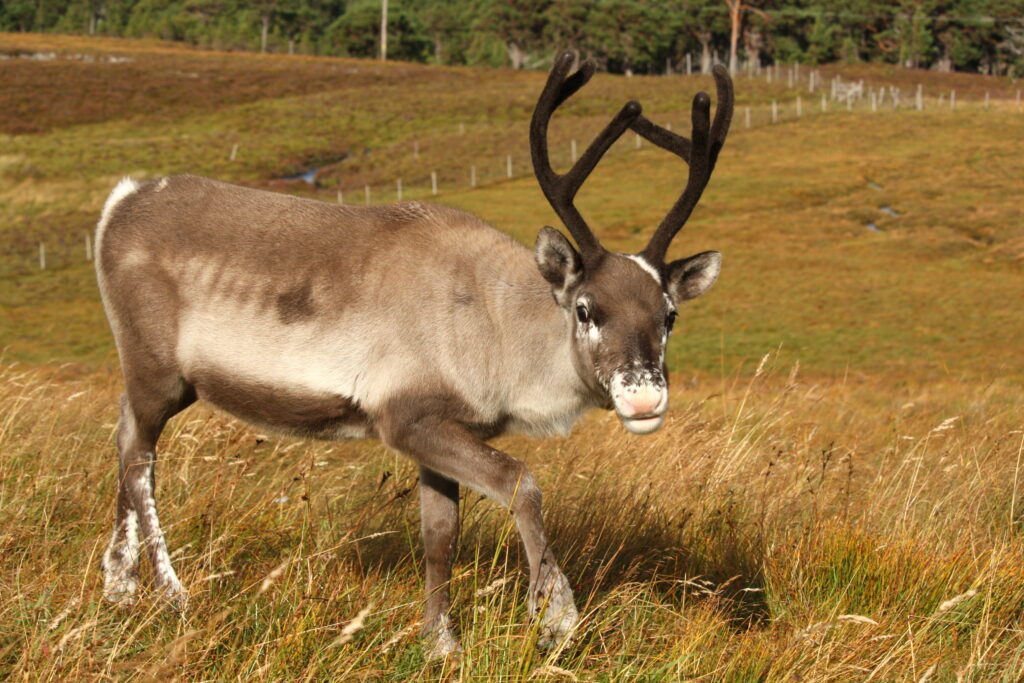
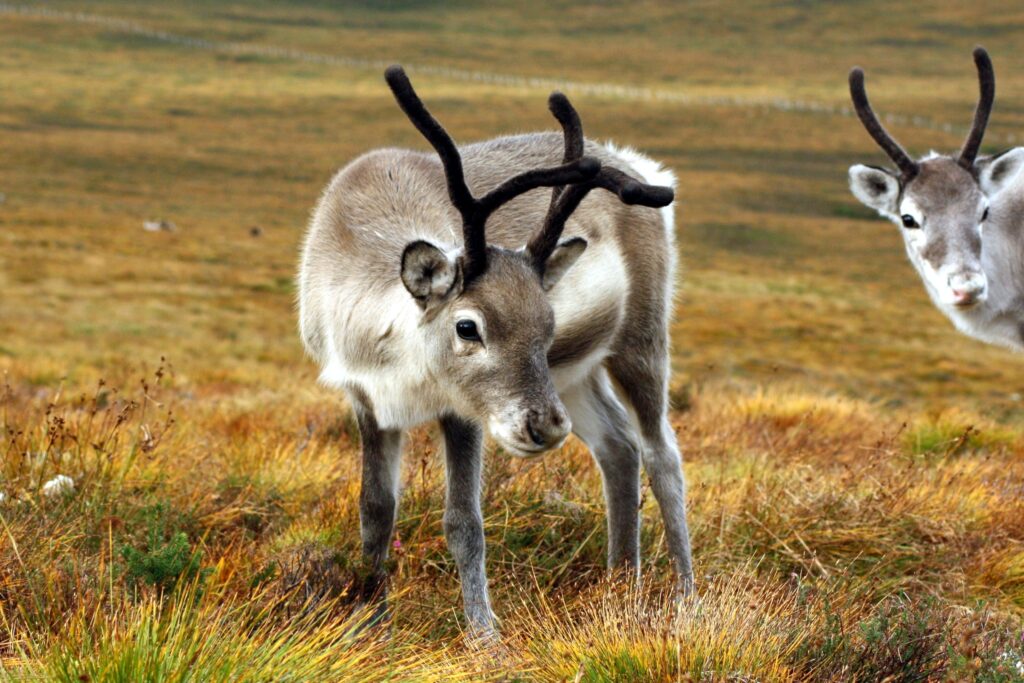
Duke gets a bonus point for having a forward-pointing tine at the base of one of his calf antlers – perfectly normal in an adult reindeer, but rare in a calf.

Whilst not the biggest calf antlers ever, Fez wins my ‘prettiest’ antlers award. Small and perfectly formed, with several points top and bottom. Beautiful!
But sometimes, it all goes wrong. Calf antlers, being thinner than adult antlers, are easily broken, especially as adult reindeer show no love whatsoever for anyone else’s offspring other than their own, and are all too willing to whack a calf on the head with a hoof should they get in their way. This results in antlers breaking, and this happens whilst the antler is still growing, they will sometimes fuse at the break and the calf is left with a flopped-over broken point.
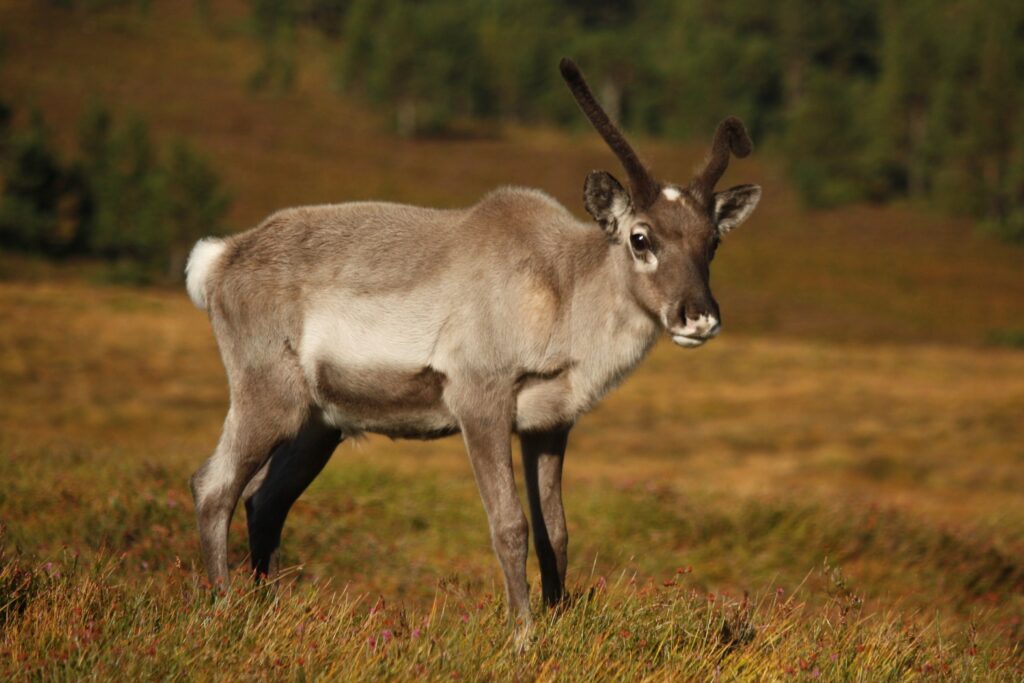
If this happens early enough in the season, the antler will, once the break is fused and healed, start to grow upright once again from the break. Here’s Fava below, who had managed to break his right hand antler not once but twice, resulting in two downward pointing bits. His antler shows a centimetre of new, upward growth from the break – and then he ran out of time to grow any more!
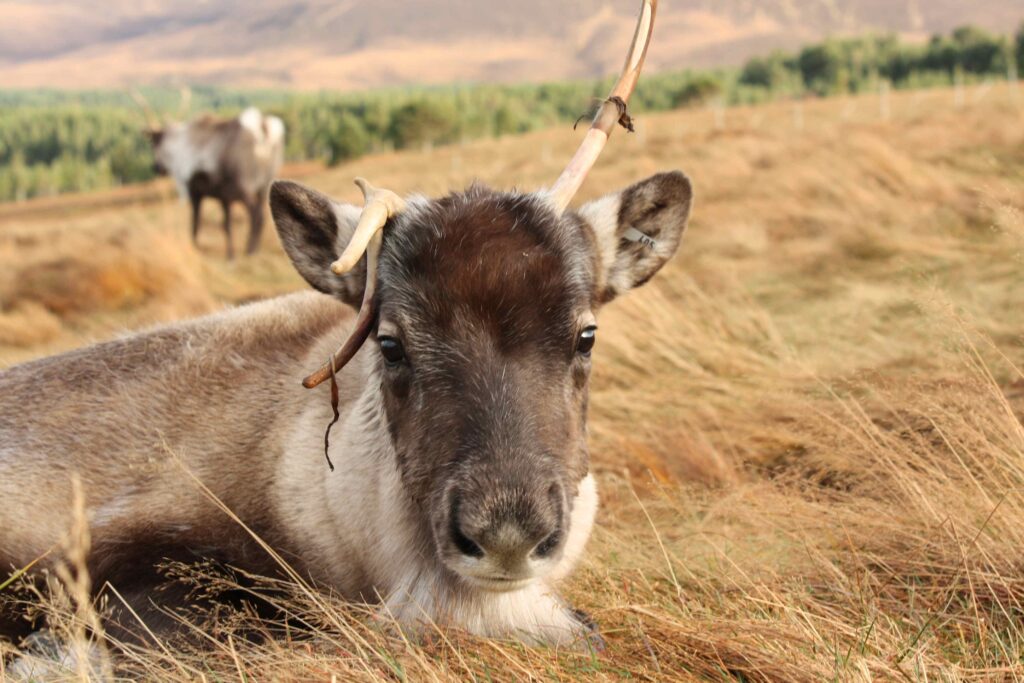
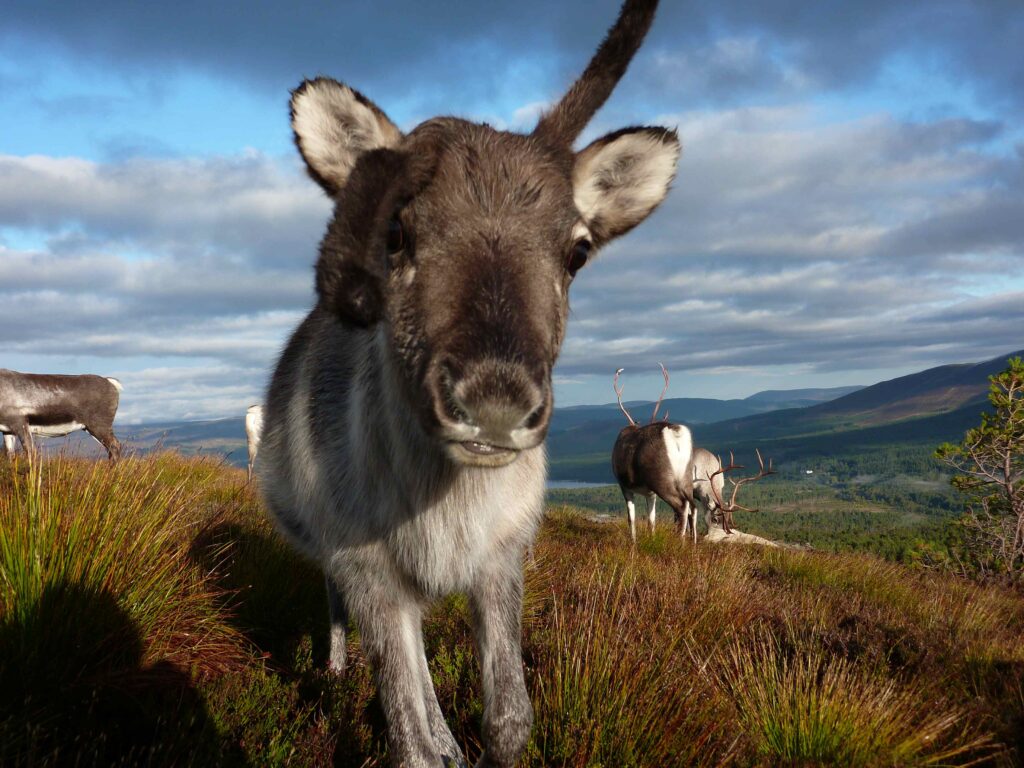
Antlers broken right at the base can cause a problem with obscuring vision, poor Hopscotch here had to have this disaster (above) sawn off once it had lost all feeling in the autumn, so she could see where she was going!
And sometimes, it all just goes terribly, terribly wrong…
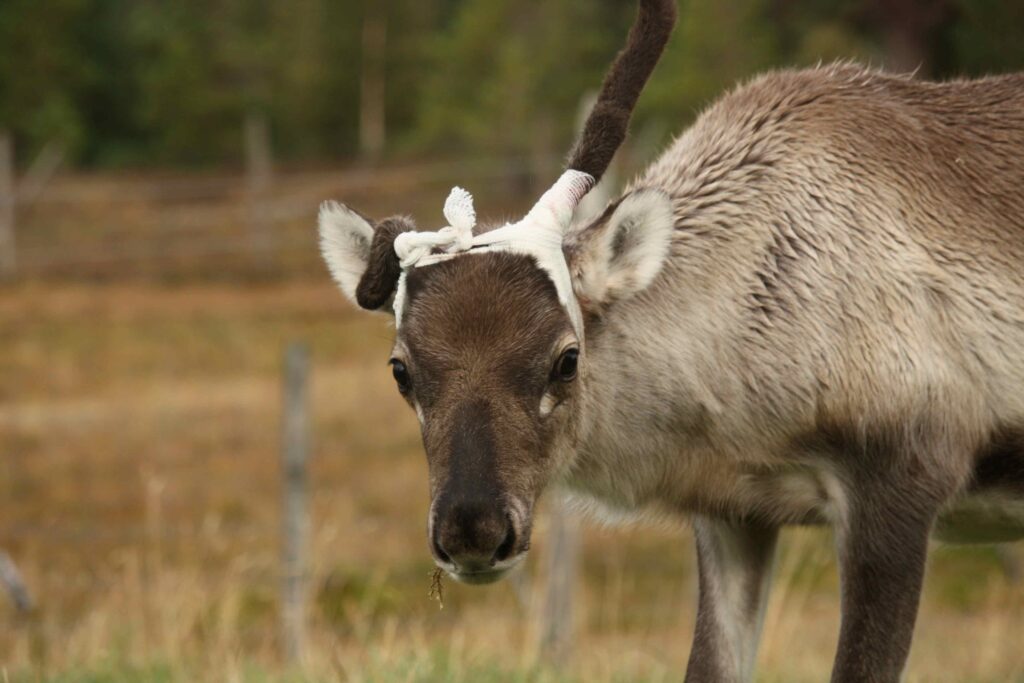
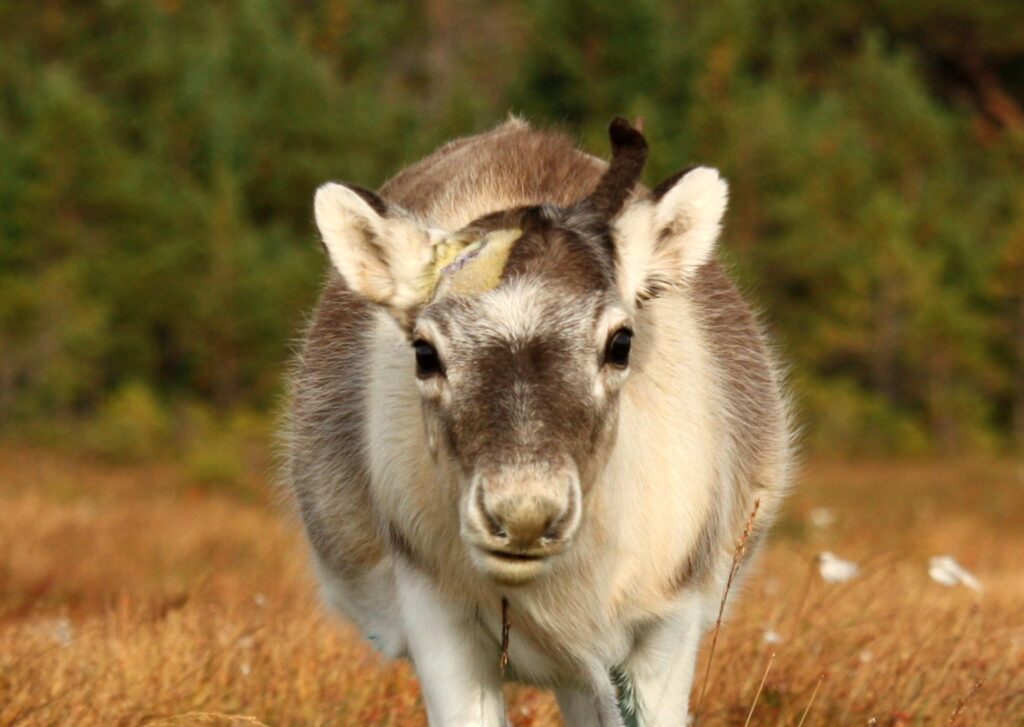
Holy Moley’s broken antler resulted in a shaved head after the vet had to remove the broken bit right at the base to prevent further damage. Some of you might remember watching her story on our Channel 4 documentary in 2020!
Hen