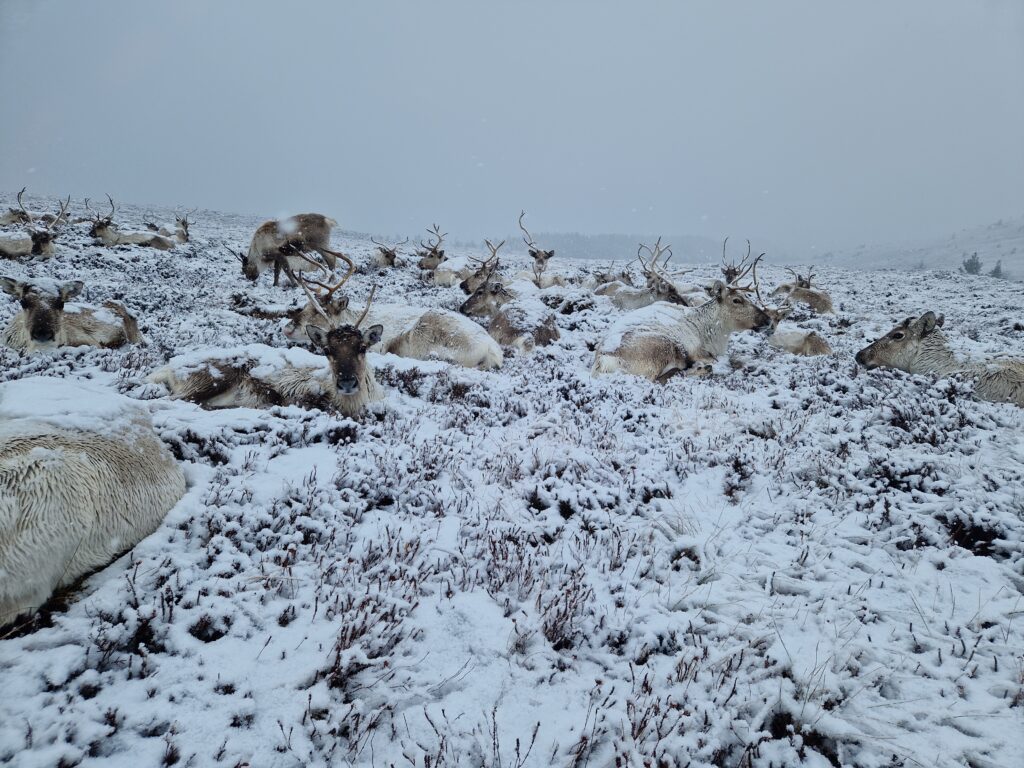
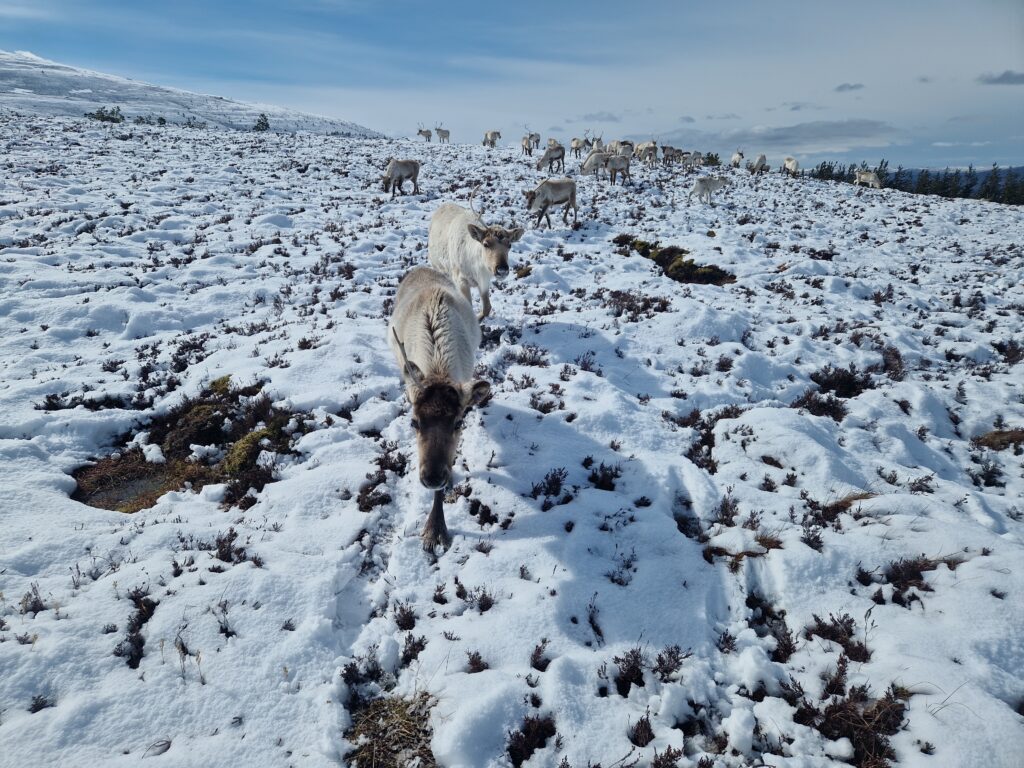
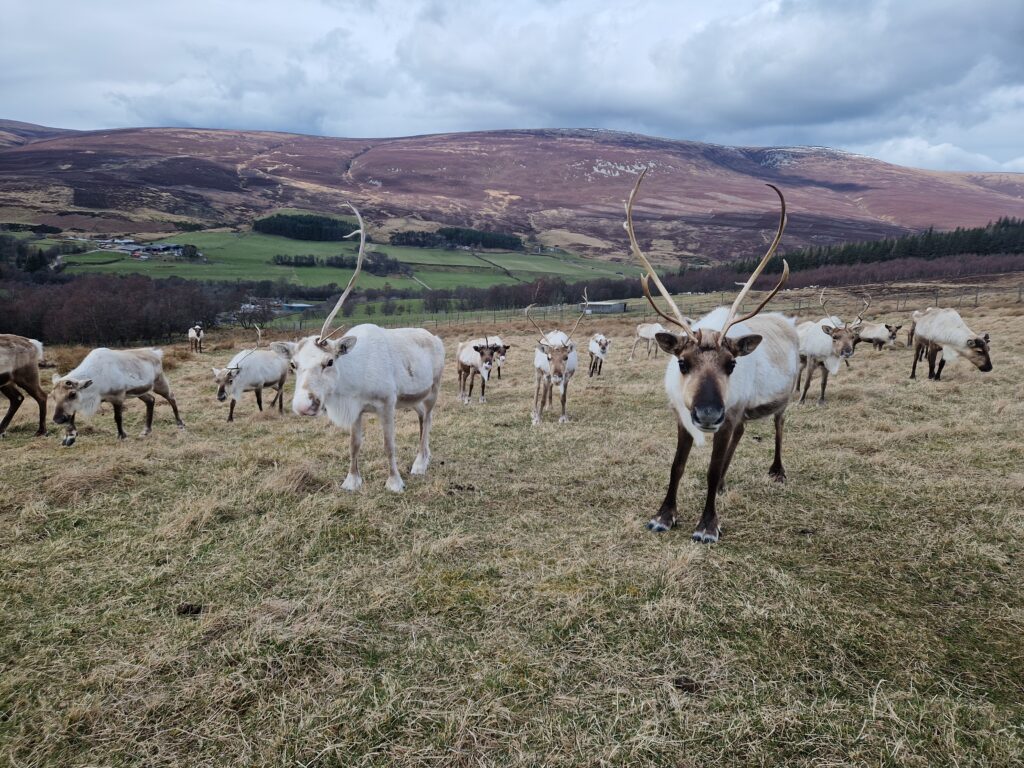
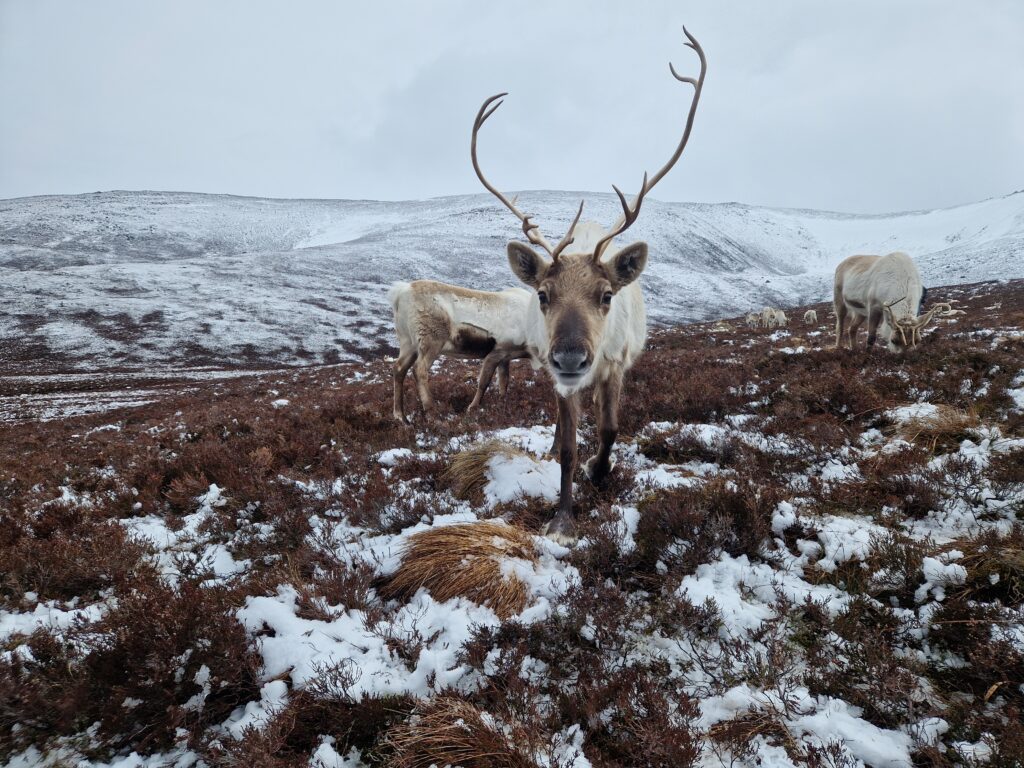
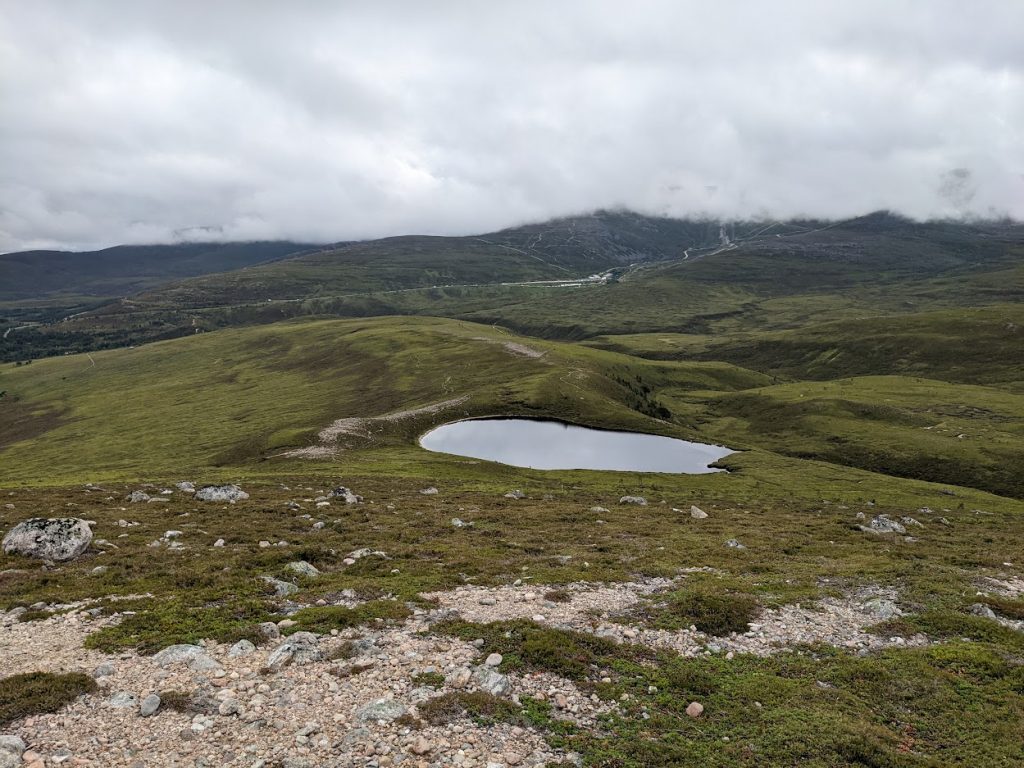
April started with snow showers and continued with frequent snowy showers higher in the hills nearly to the end of the month. Throughout the month we have definitely started to see the signs of spring lower down, with the Blaeberry beginning to flower and the mountain flora becoming greener!
Our female reindeer enjoyed a few more weeks out on the free range before we moved them into our hill enclosure in preparation for the Calving season; there are definitely a few big bellies and udders starting to form. Every year the reindeer herders partake in a calving bet which involves us choosing a reindeer and hoping that they are not the last to calve. If they do, we are required to bake a cake for us to enjoy when we name the calves in September; it isn’t the worst if you lose the calving bet. Some herders chose strategically and others chose their favourite reindeer, so by the end of April all the calving bets are in, and it has become a waiting game!
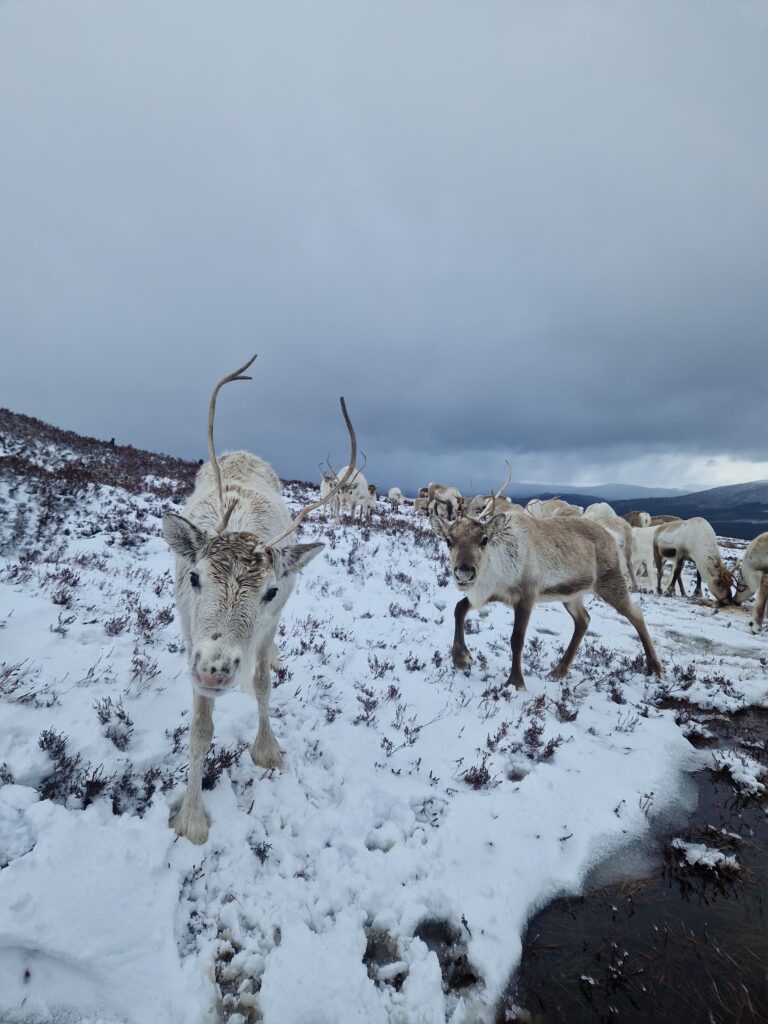
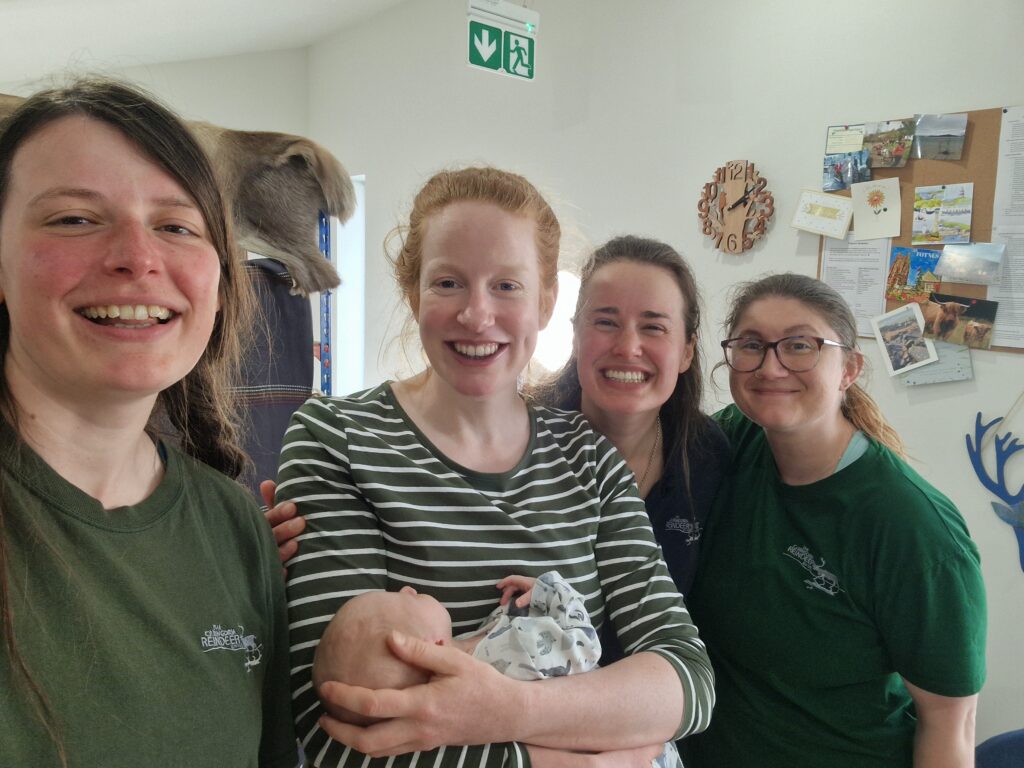
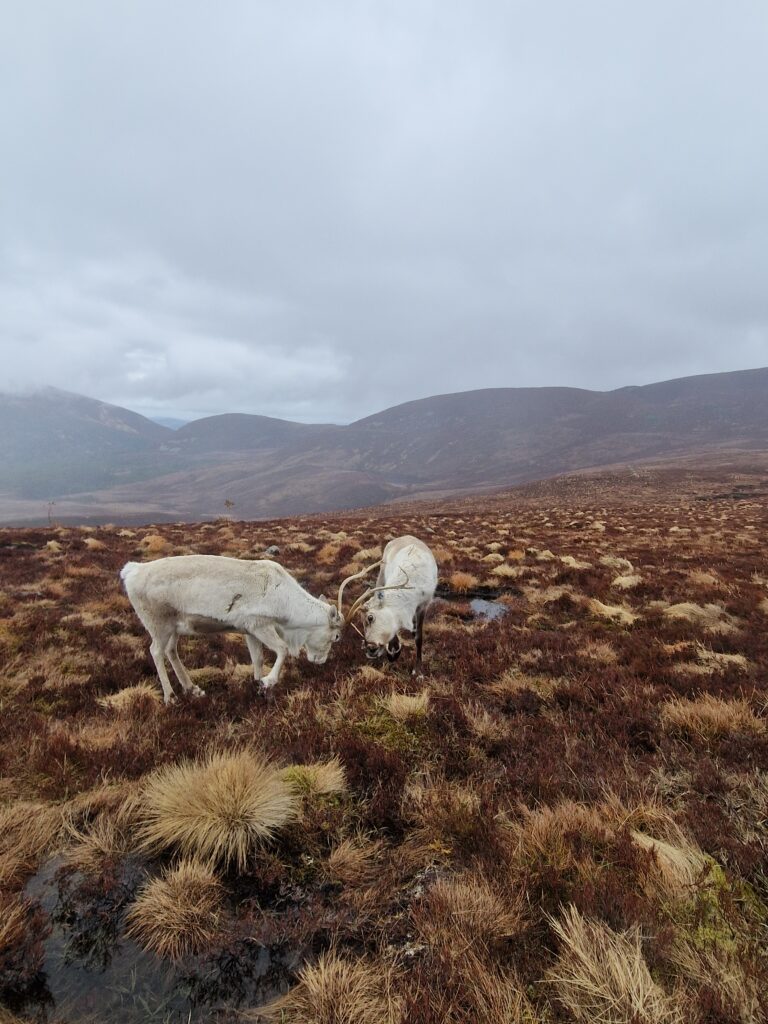
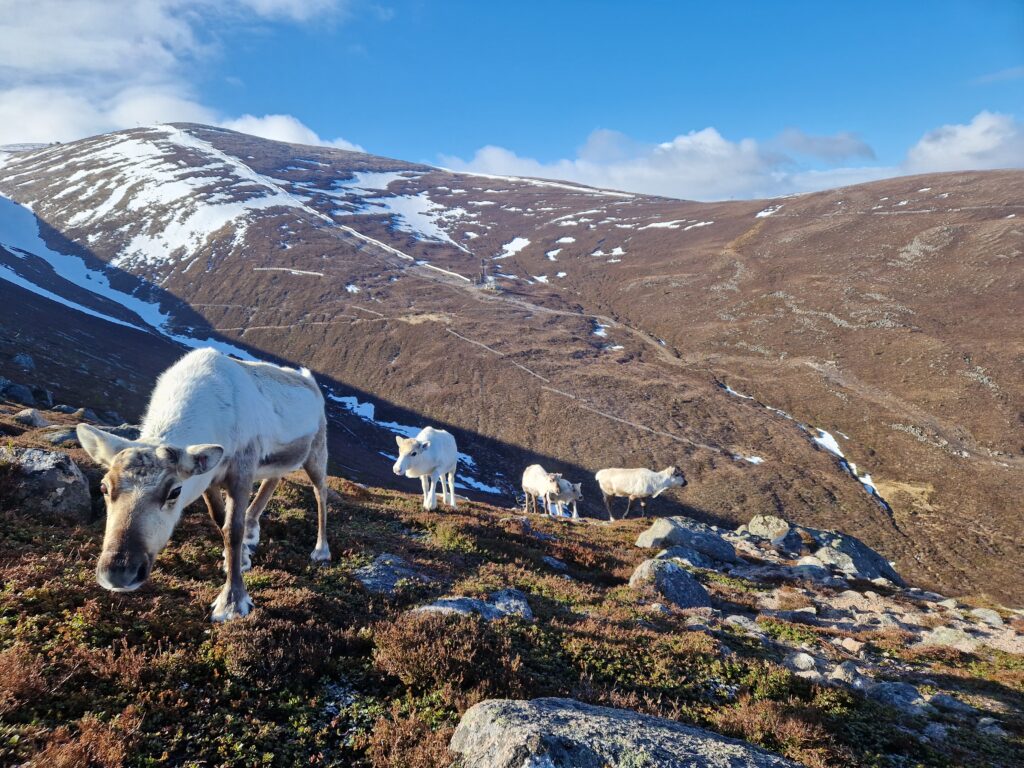
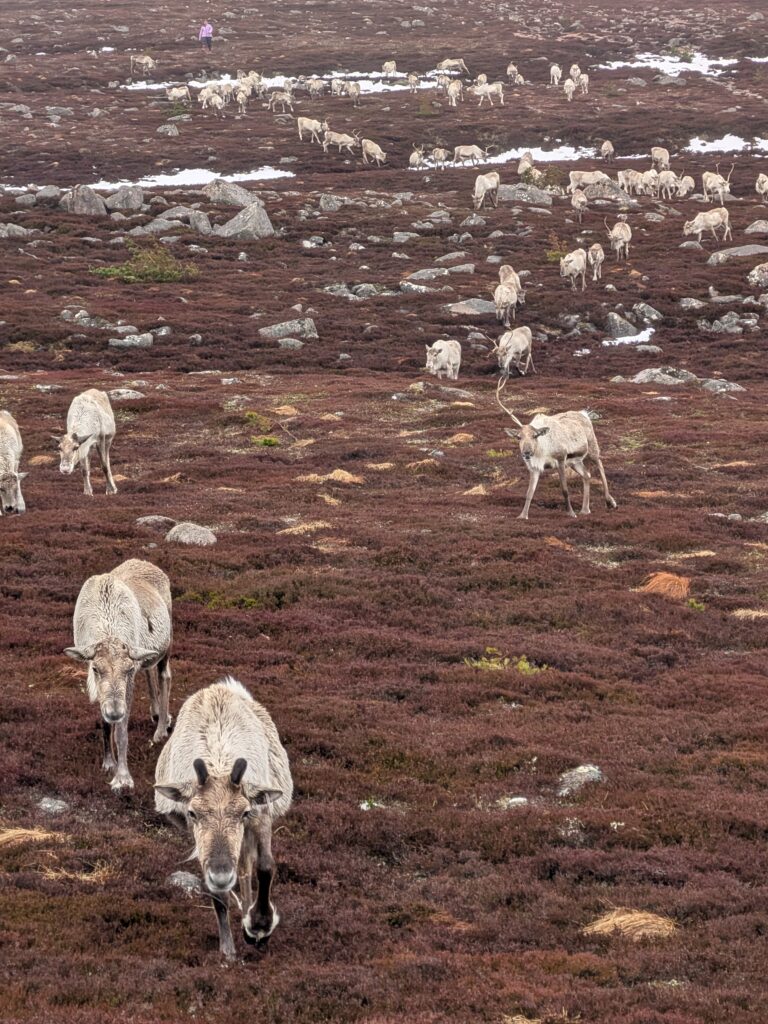
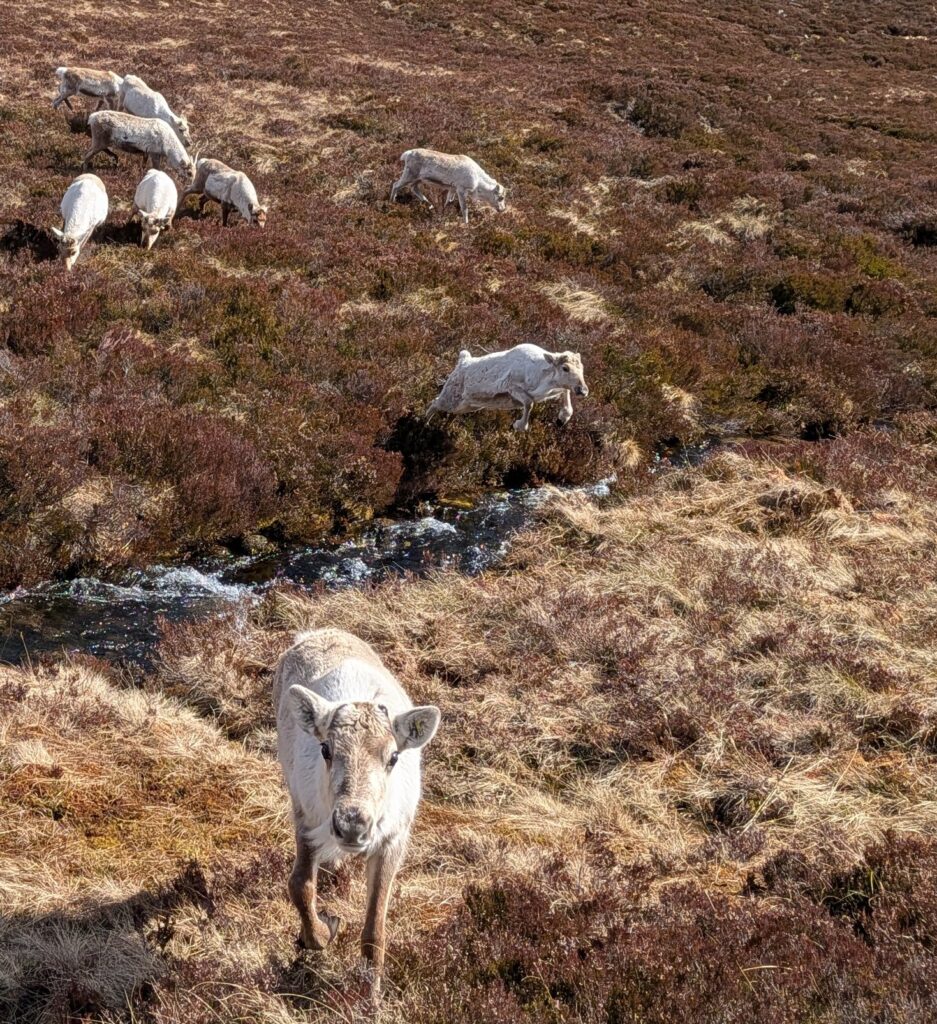
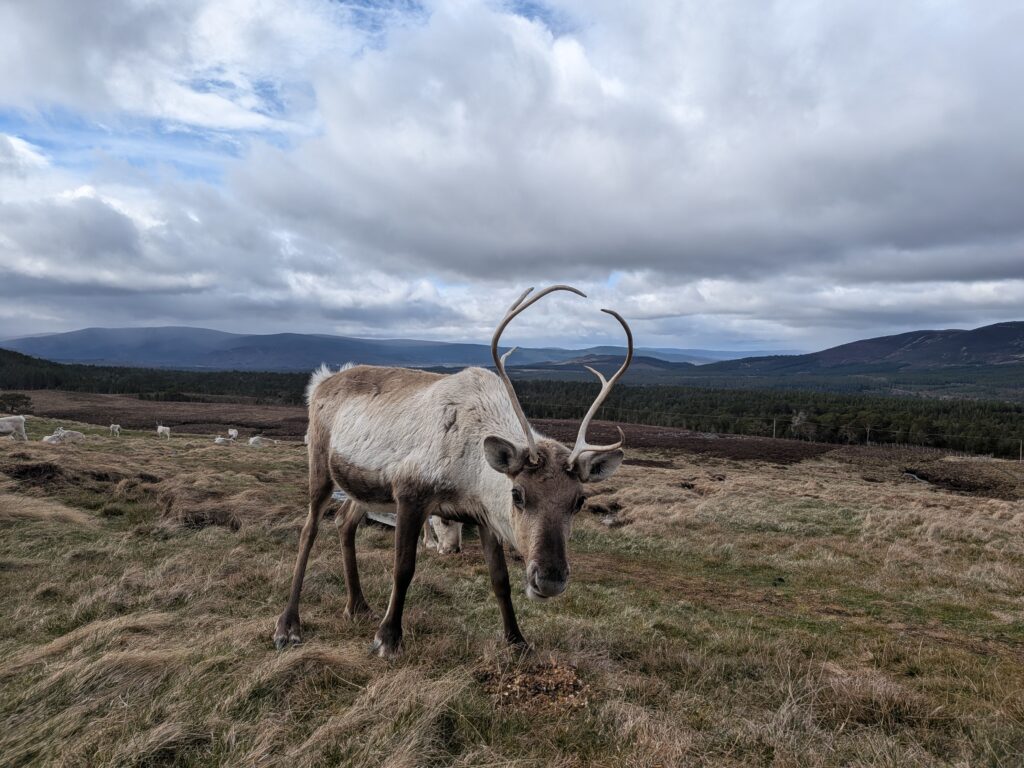
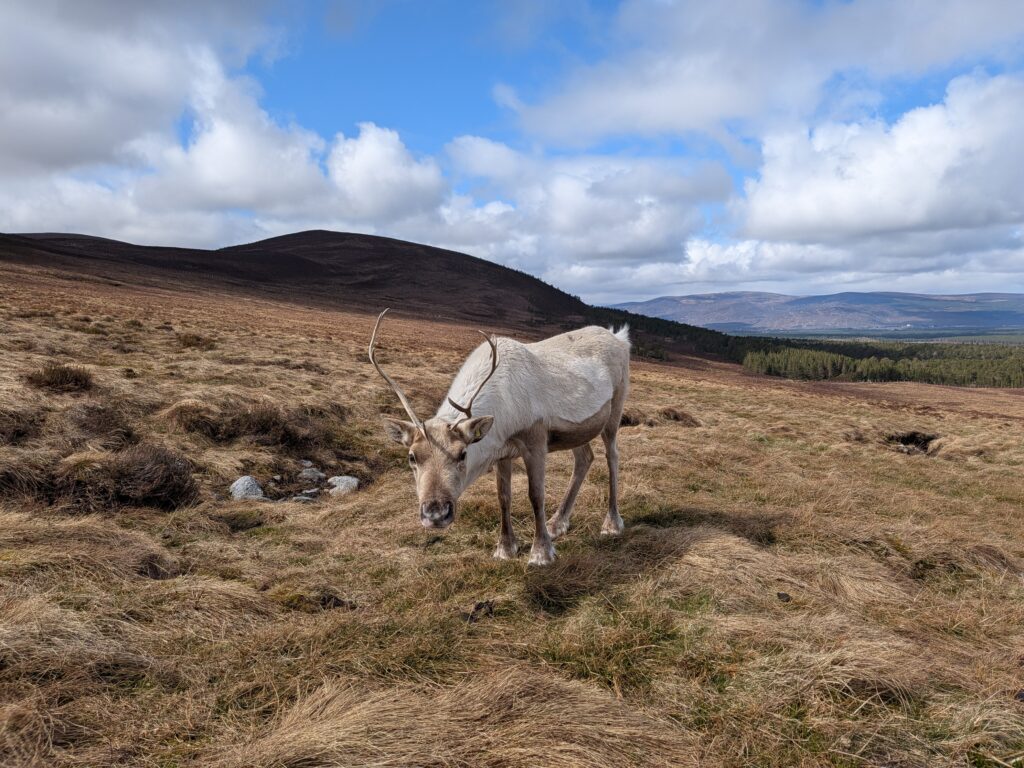
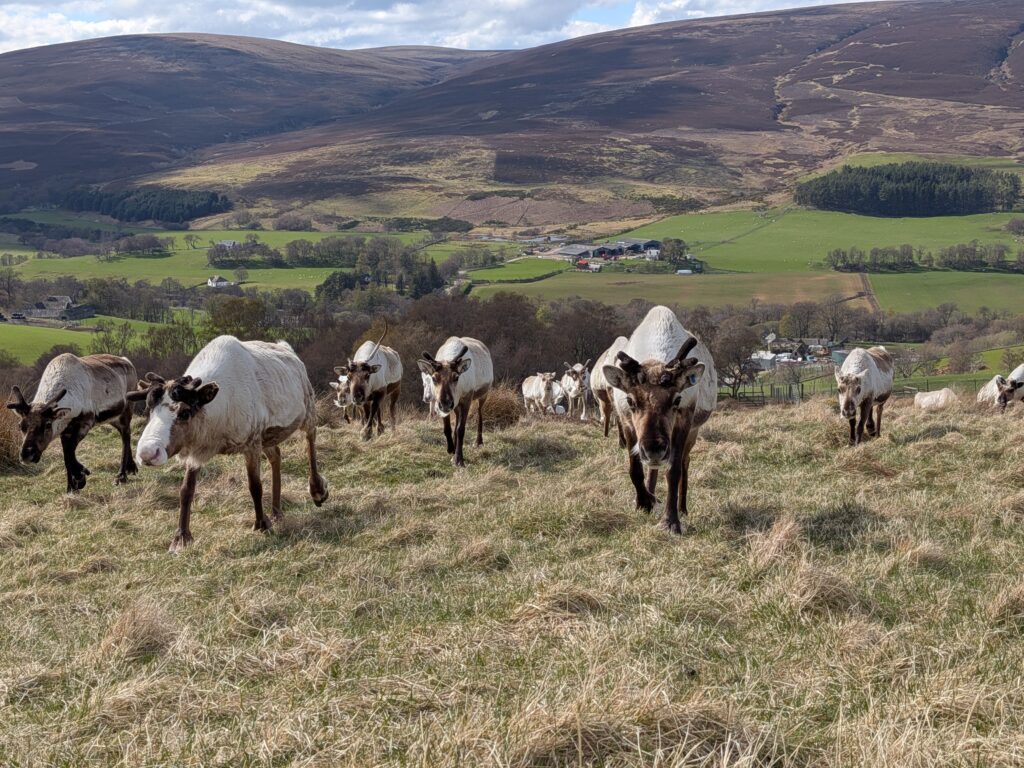
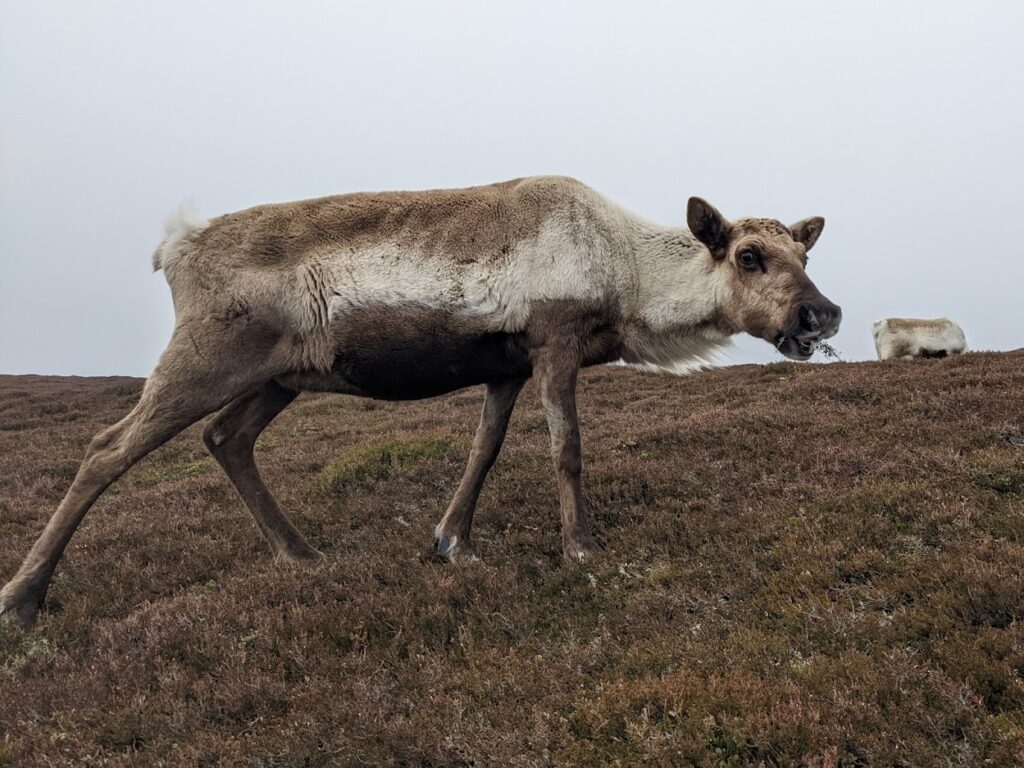
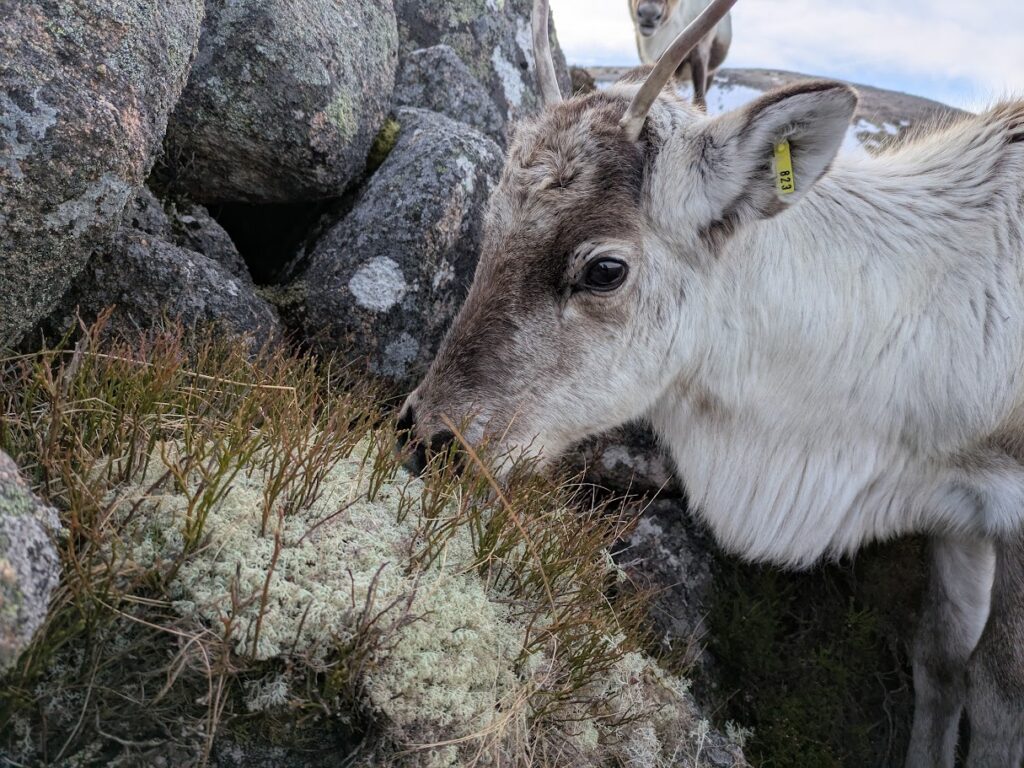
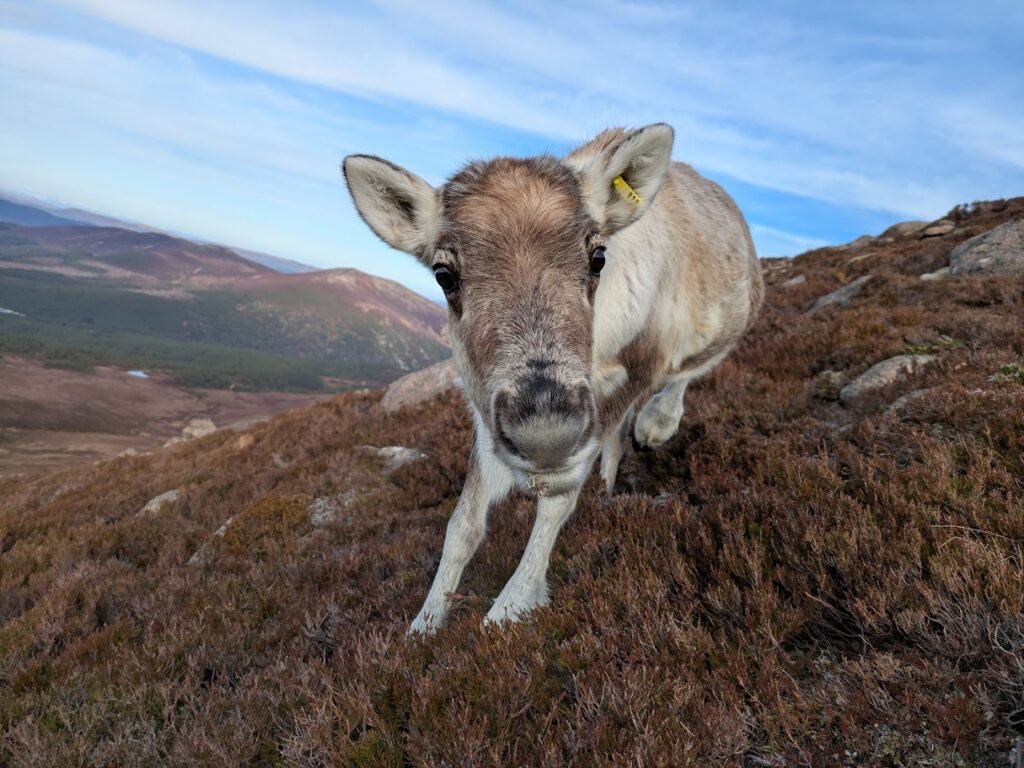
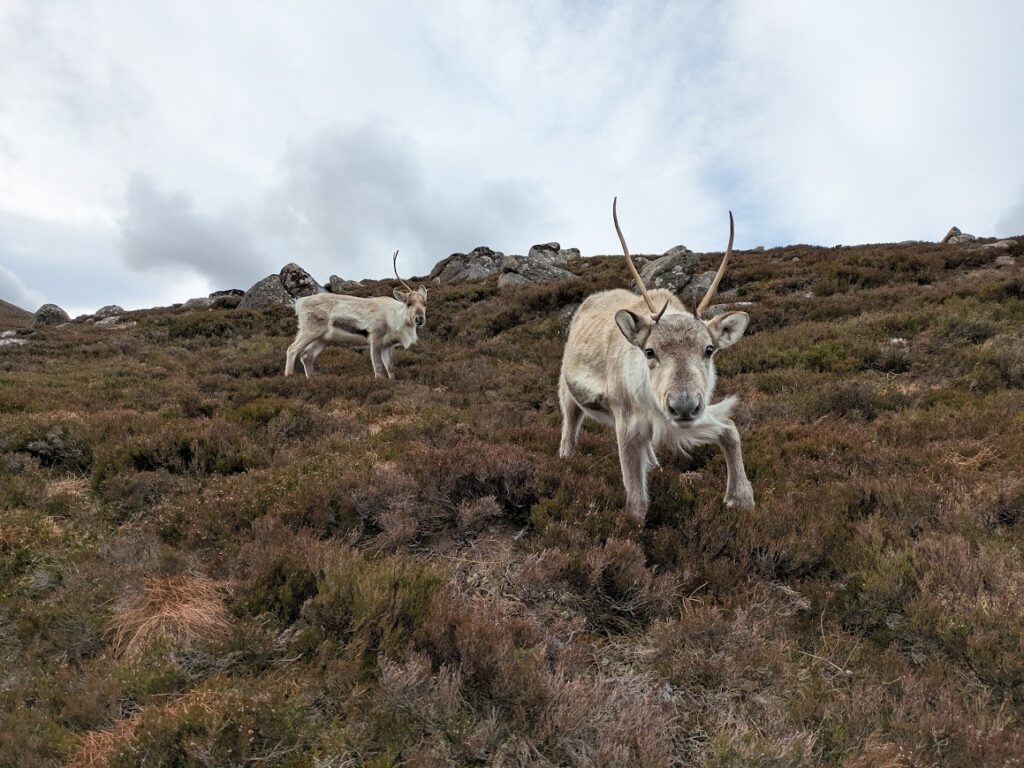
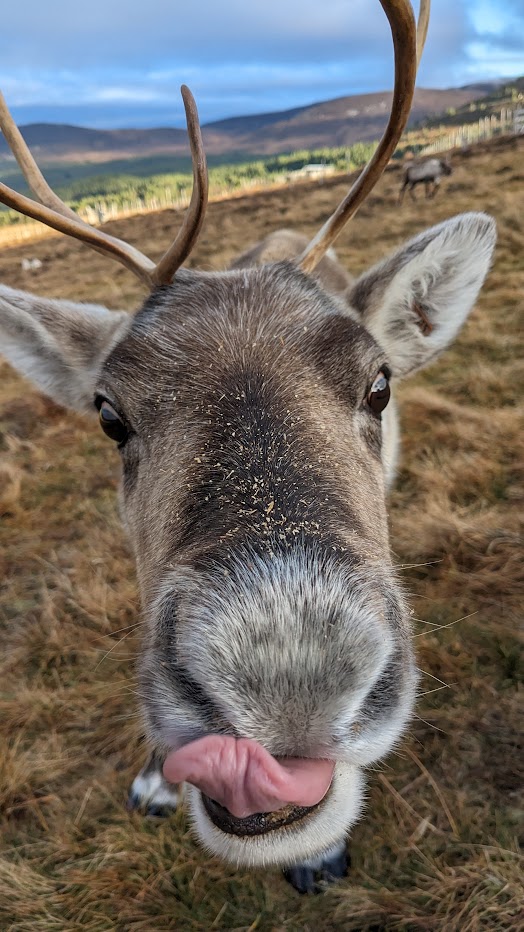
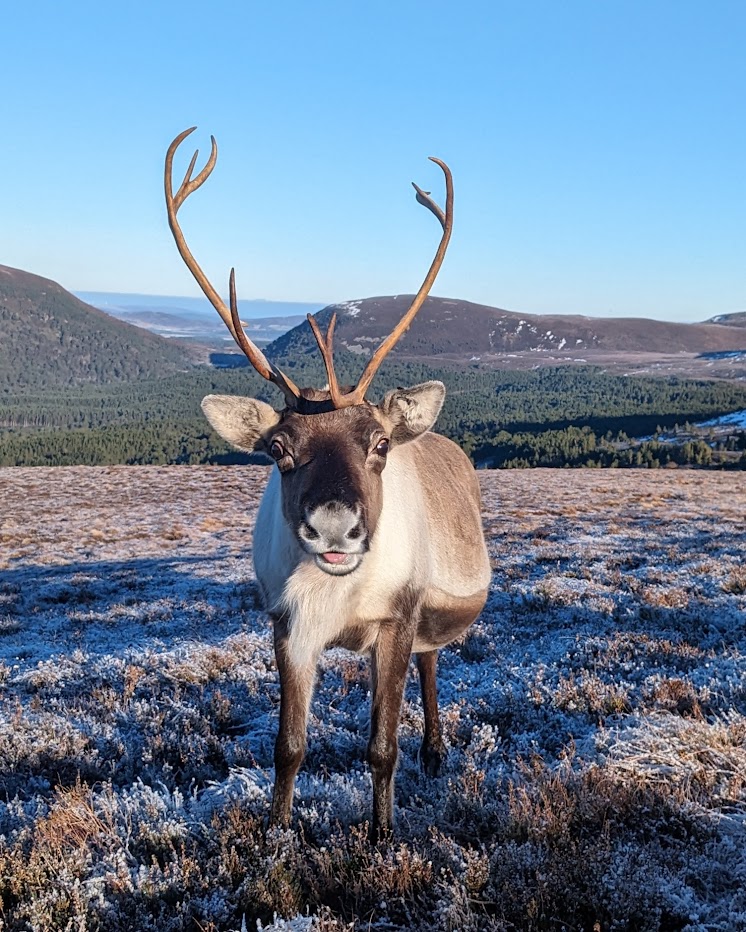
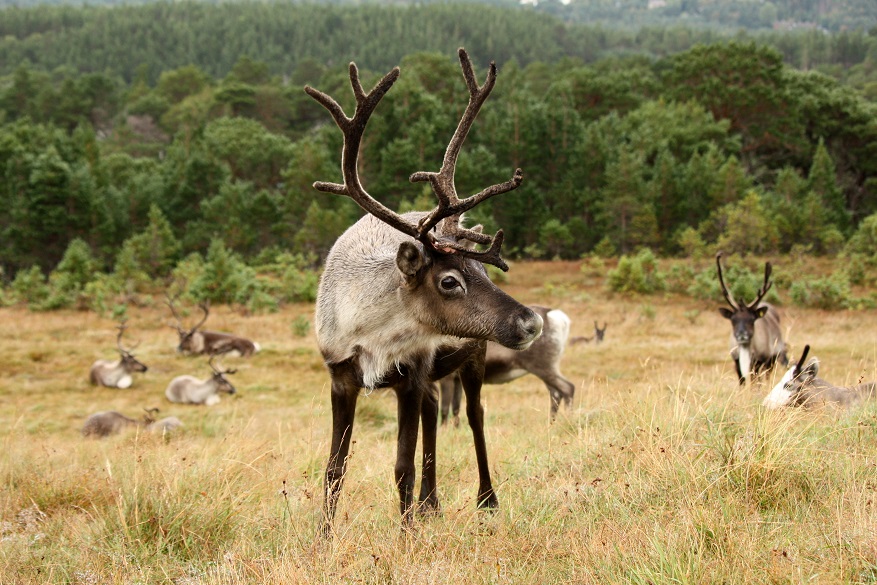
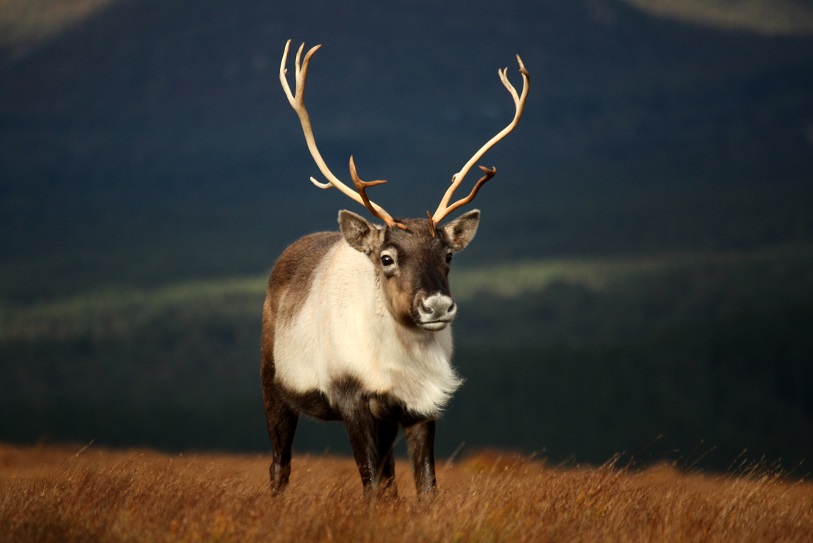
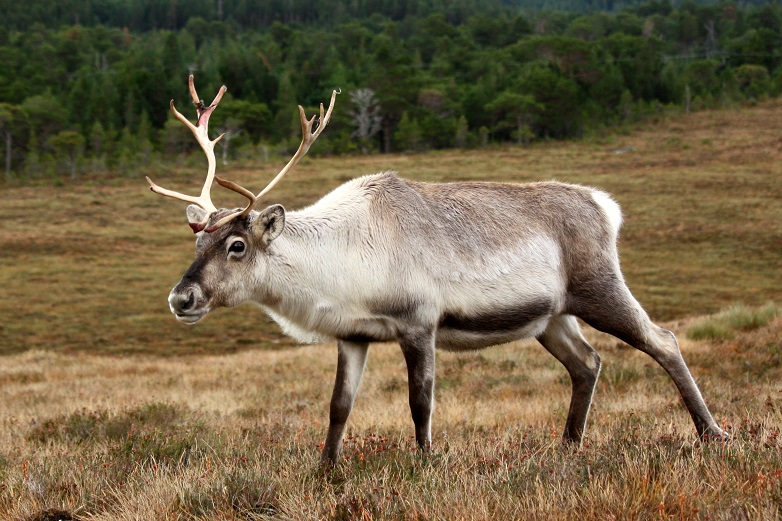
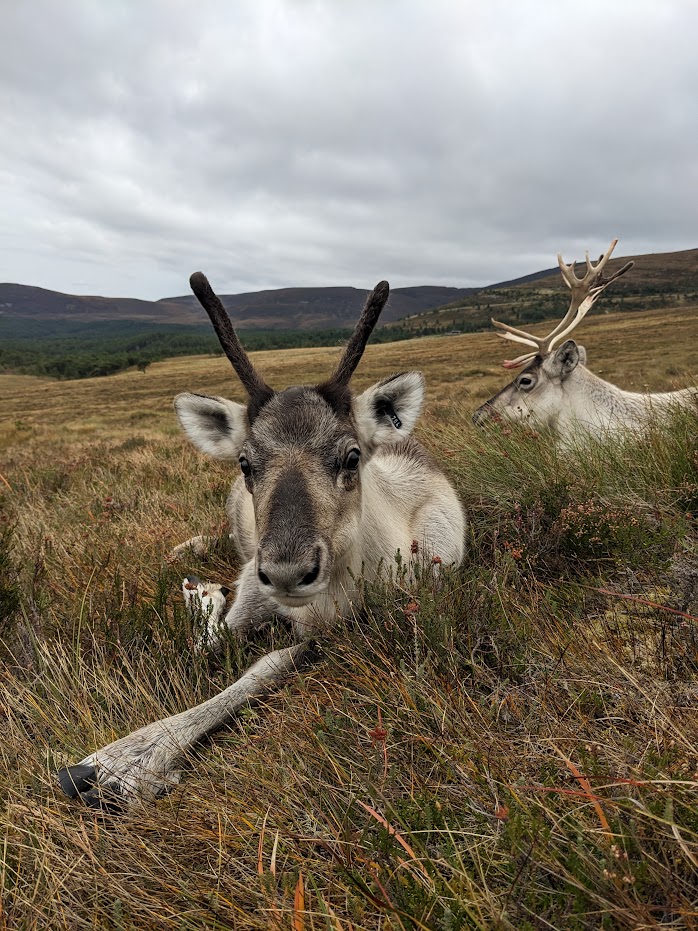
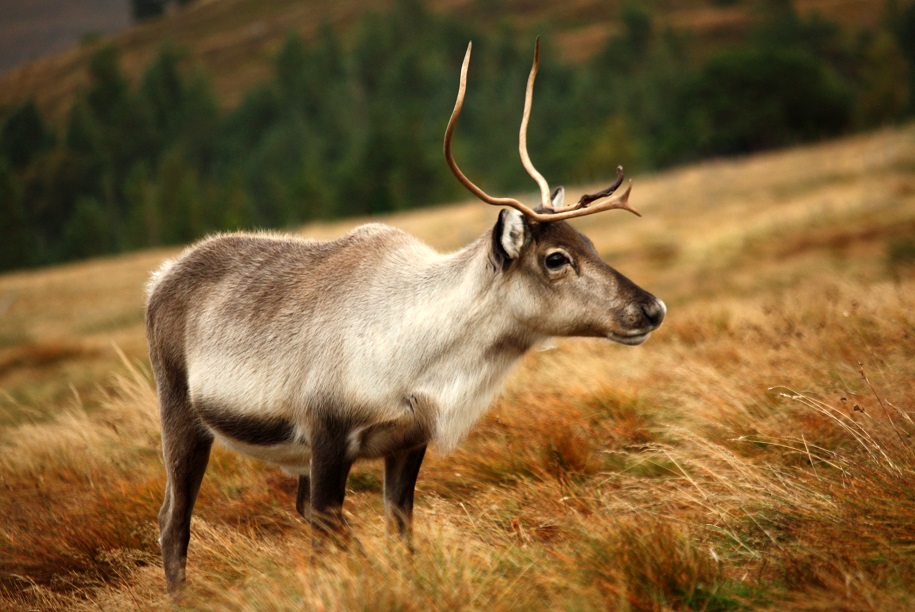
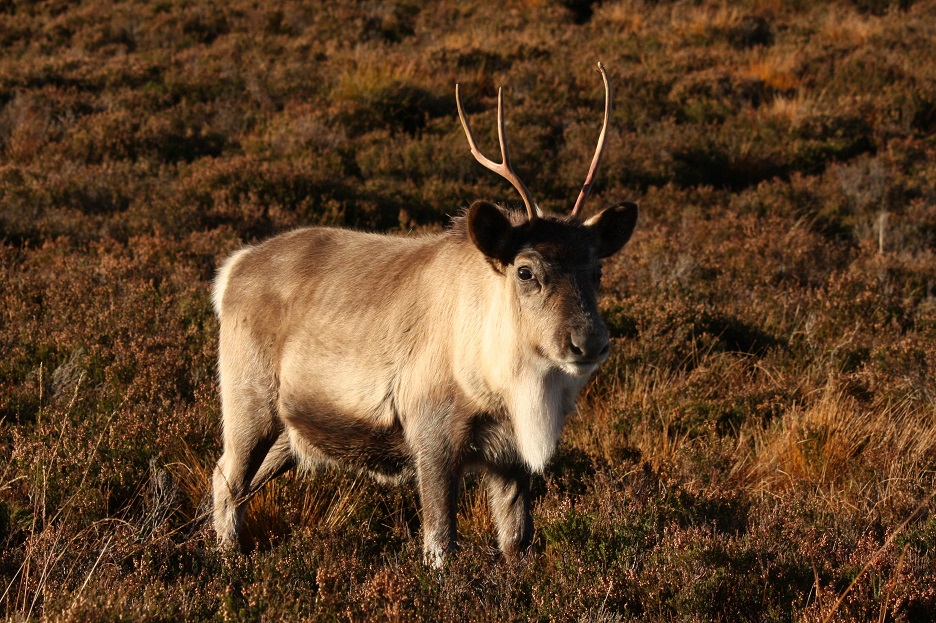
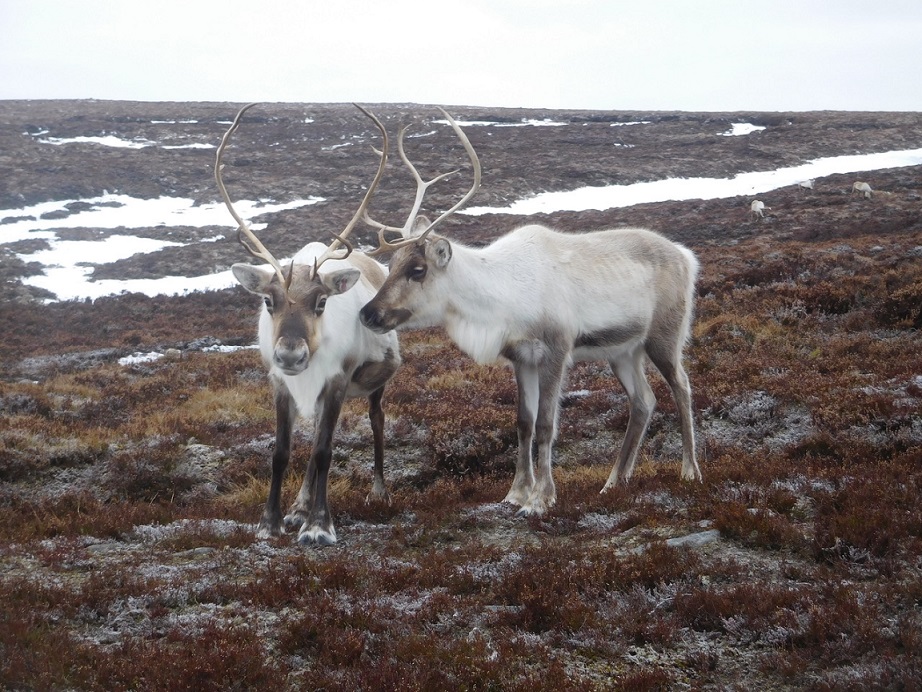
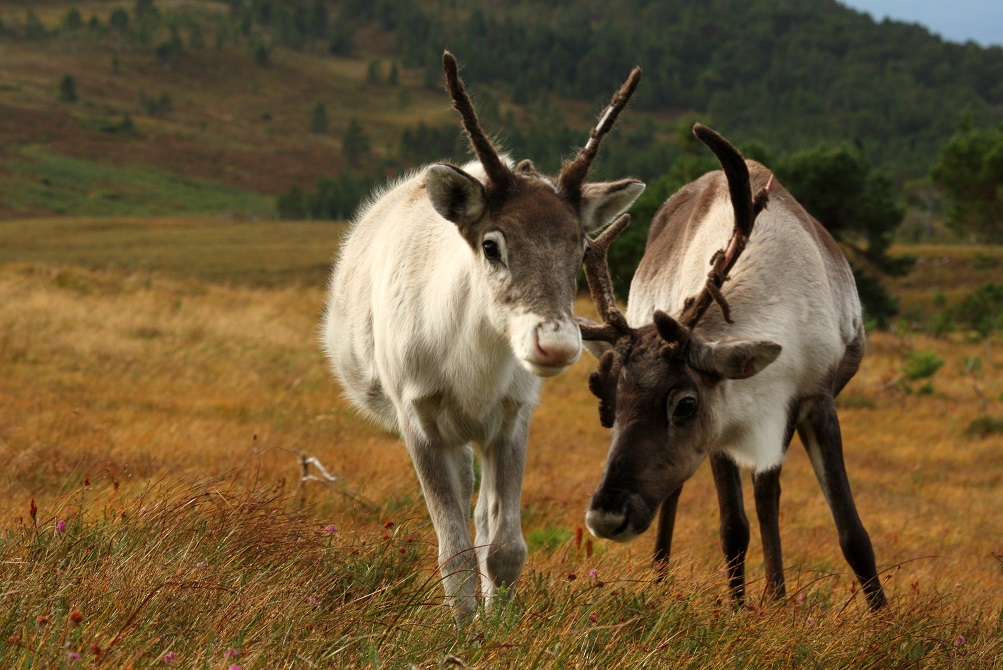
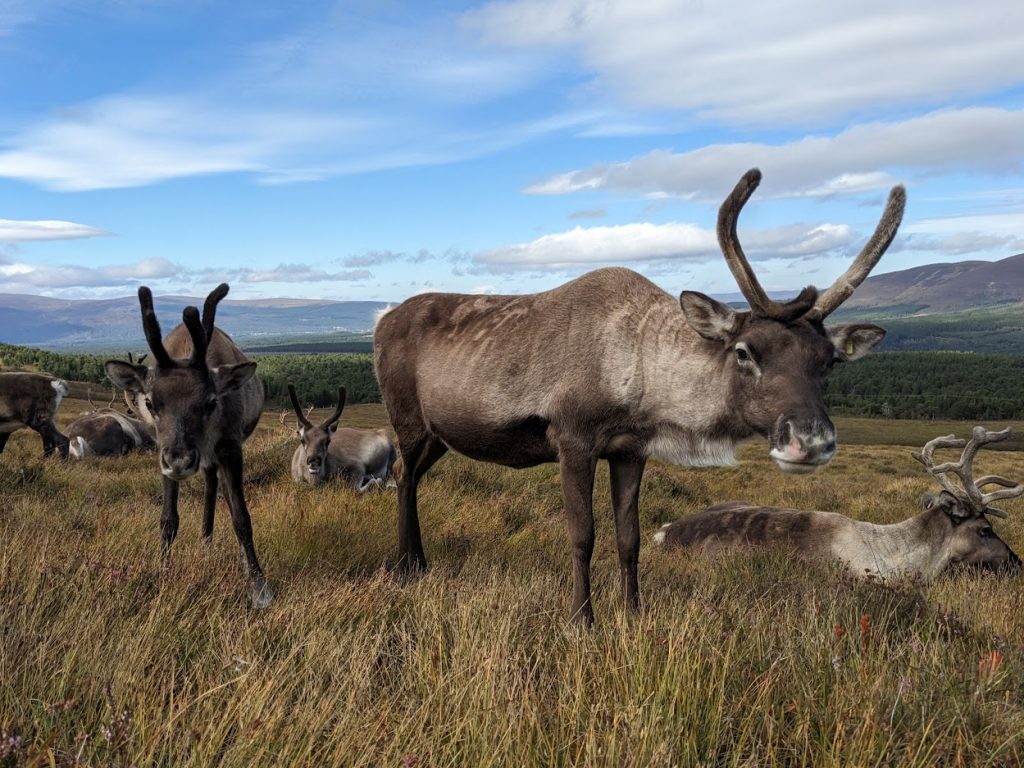
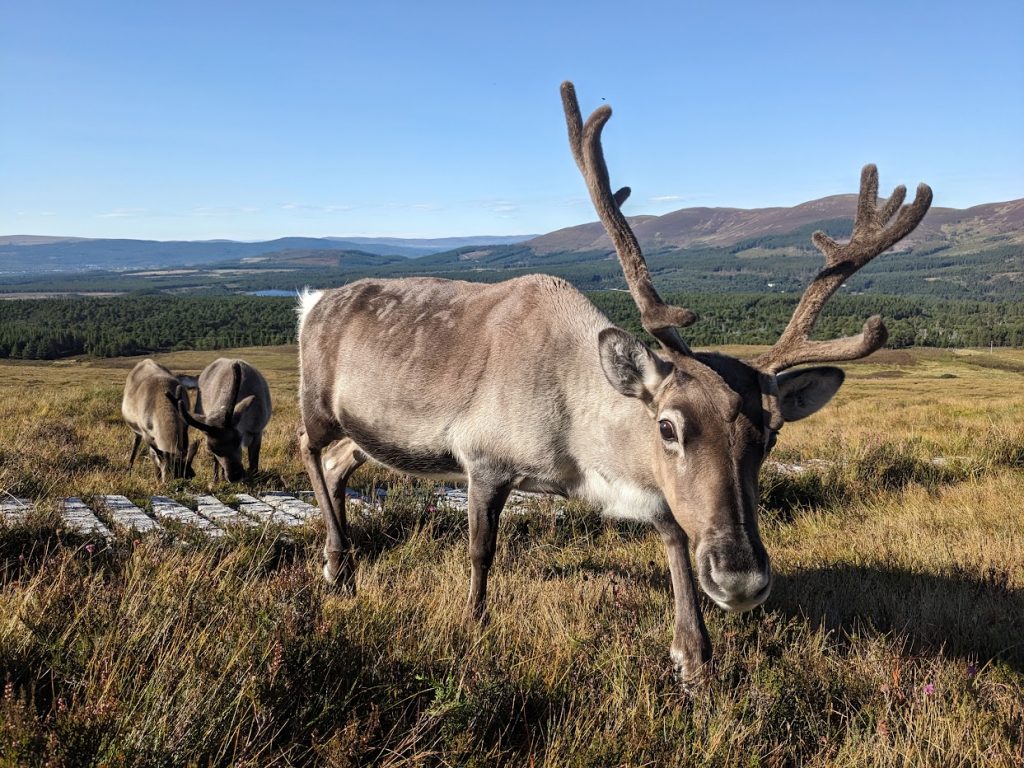
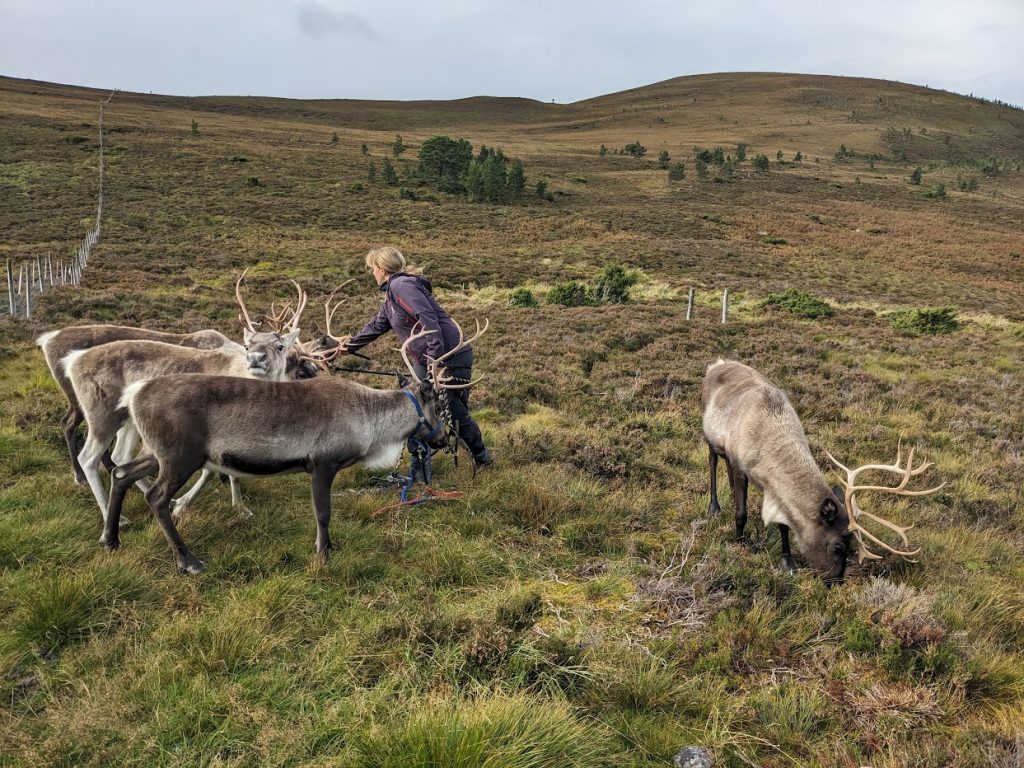
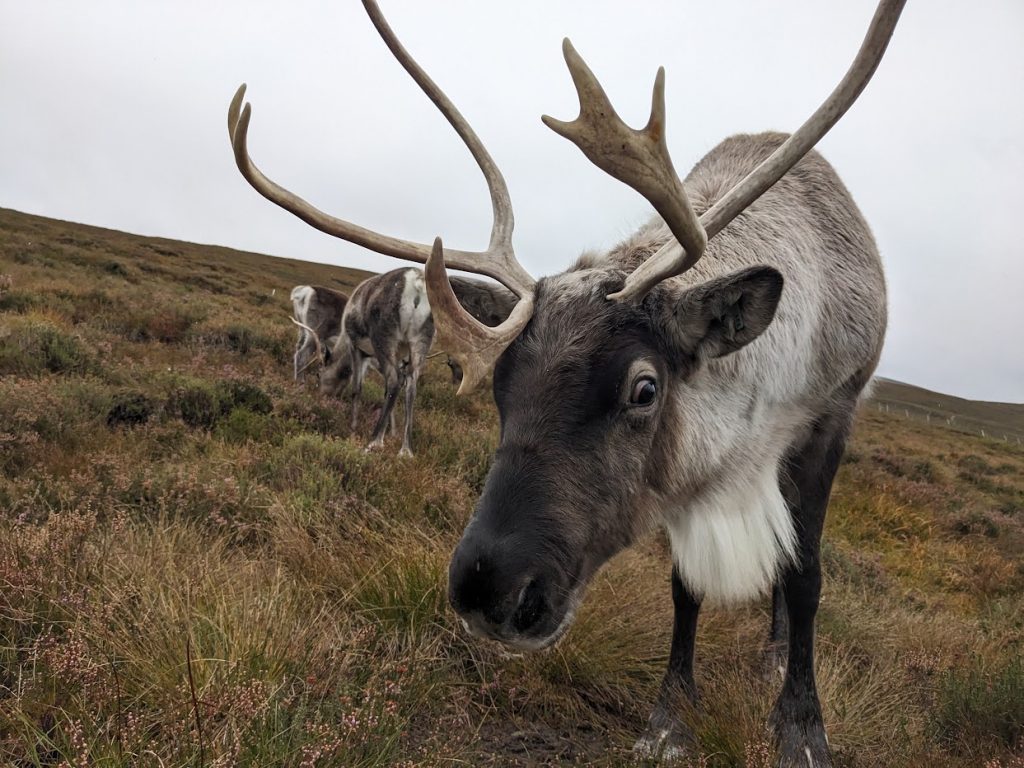
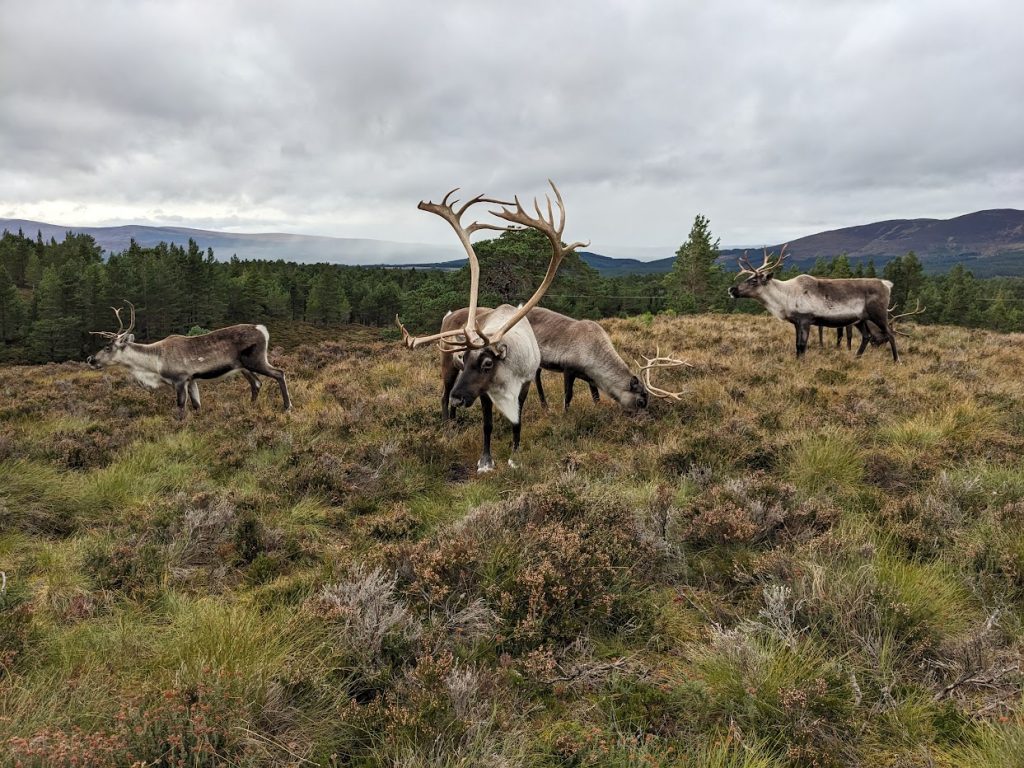
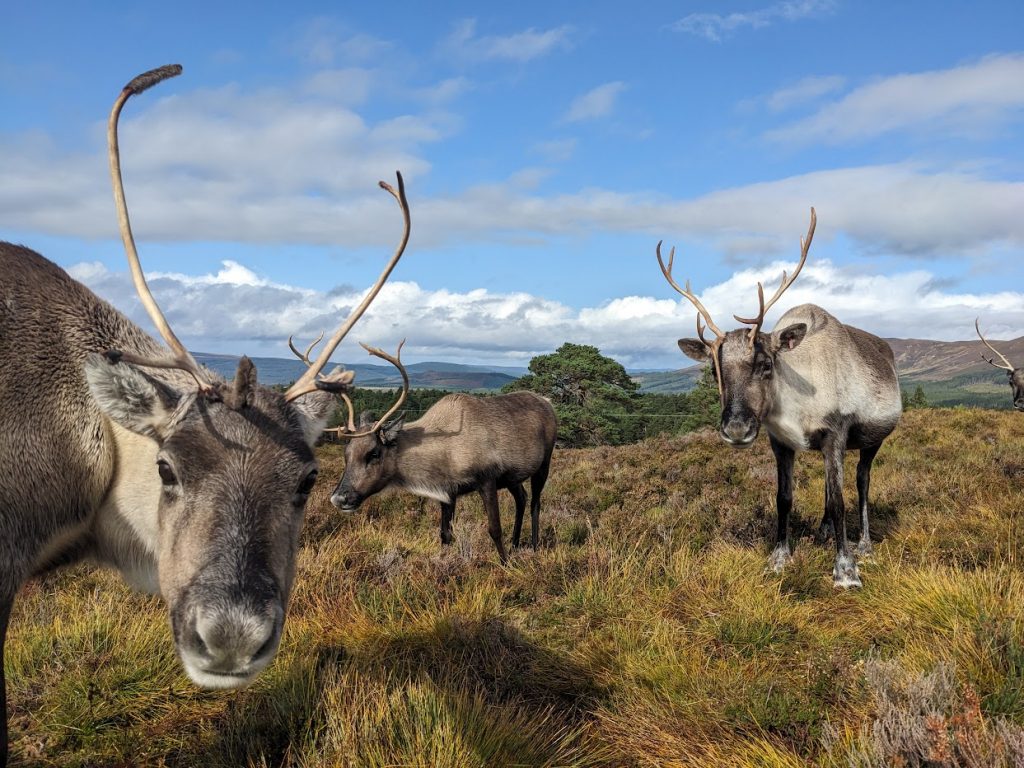
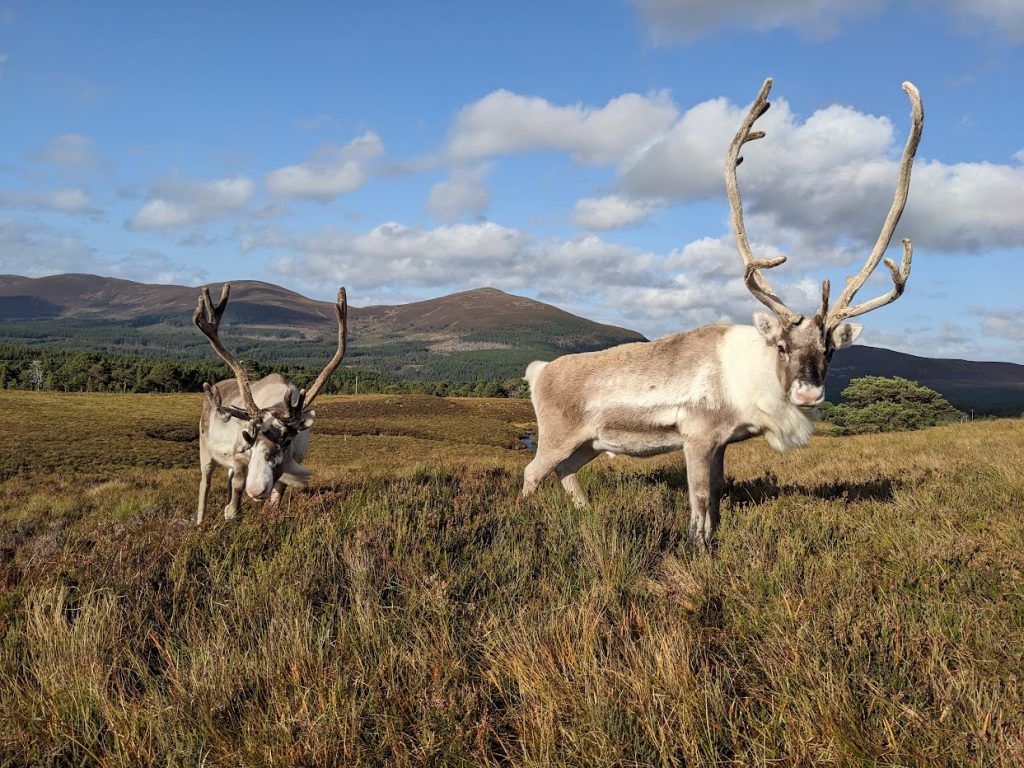
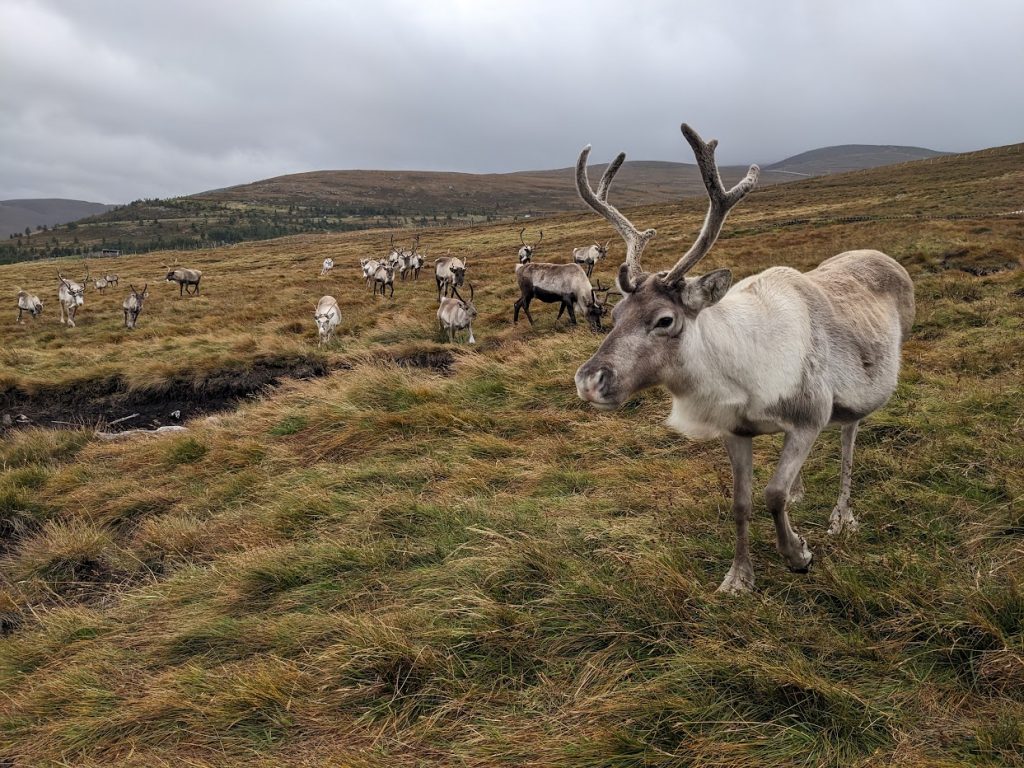
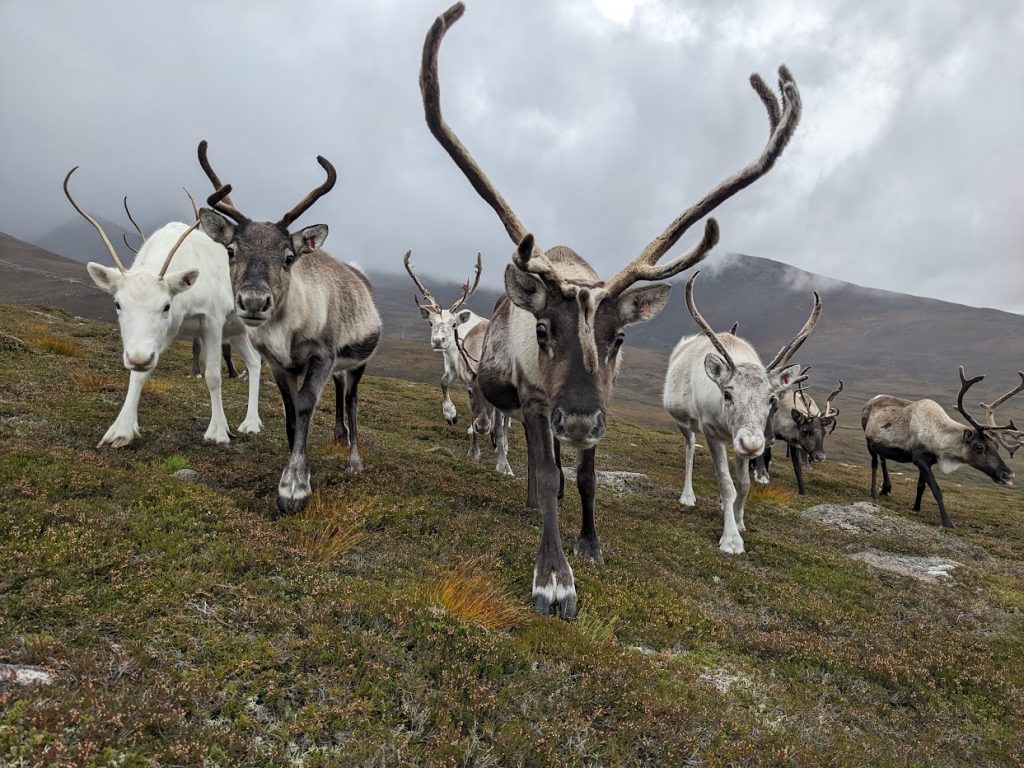
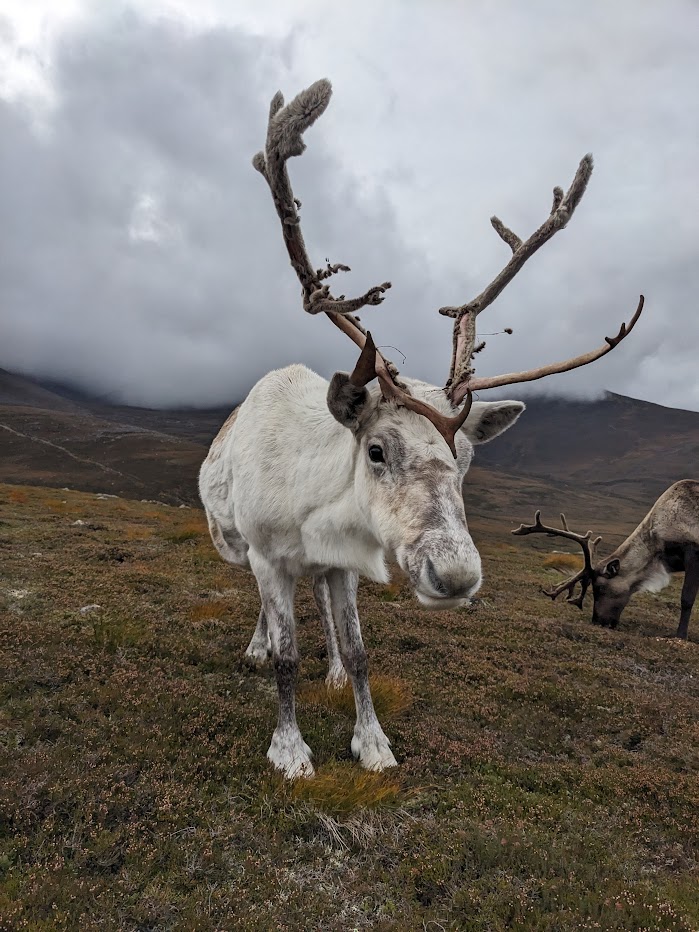
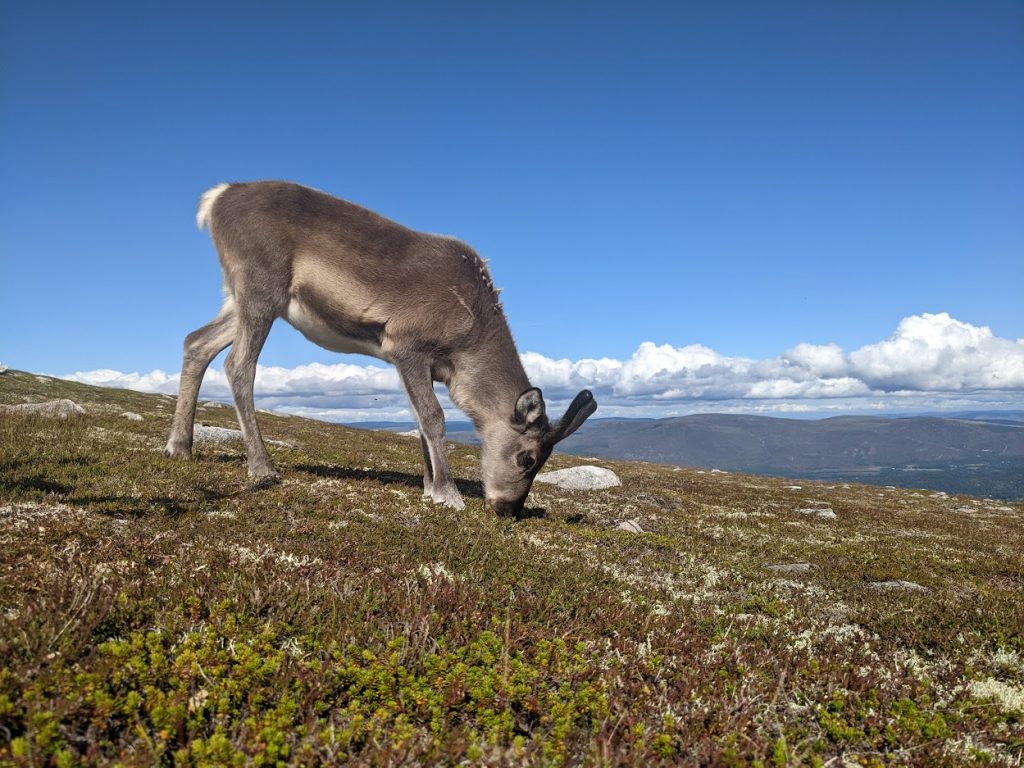
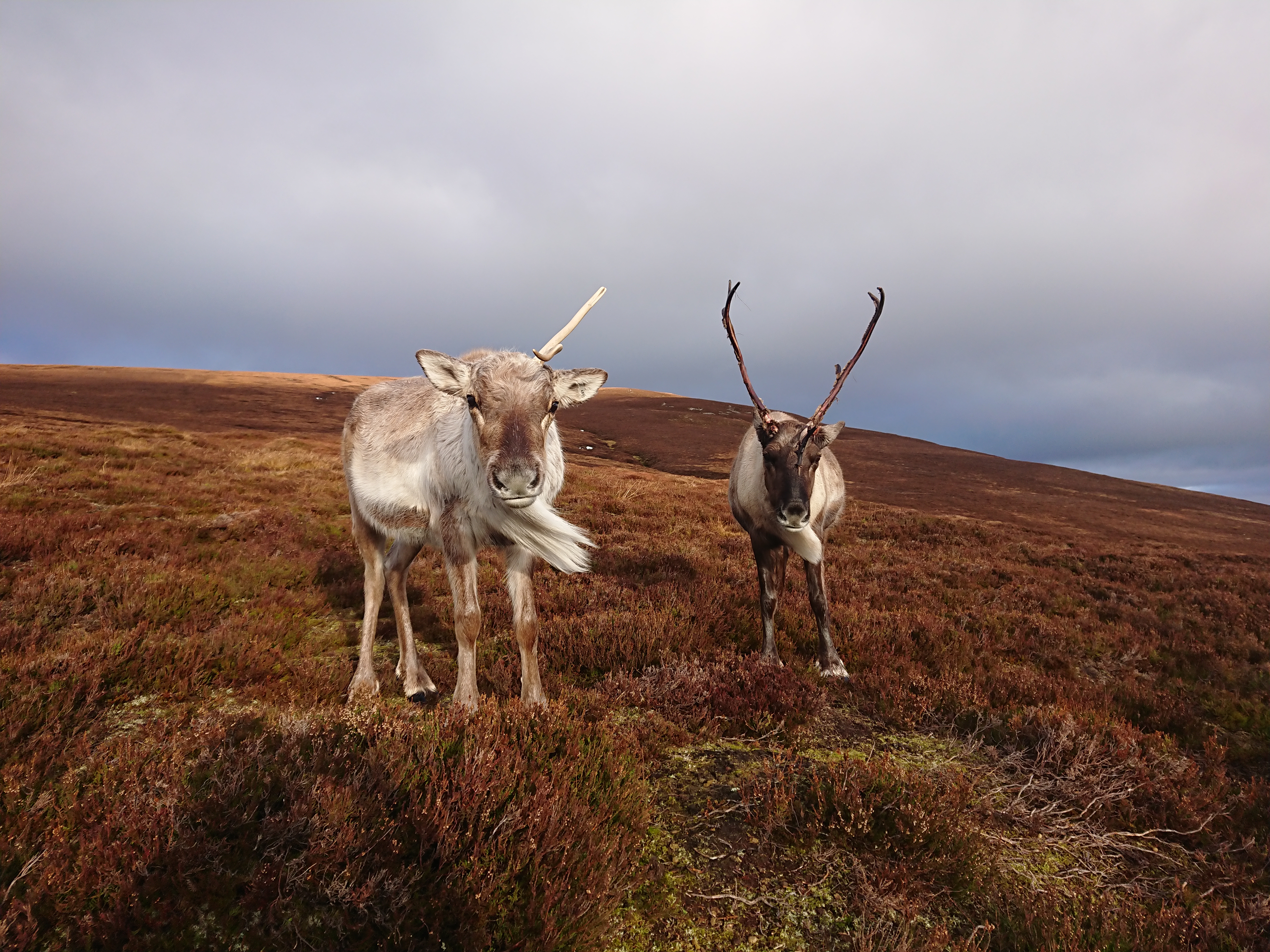
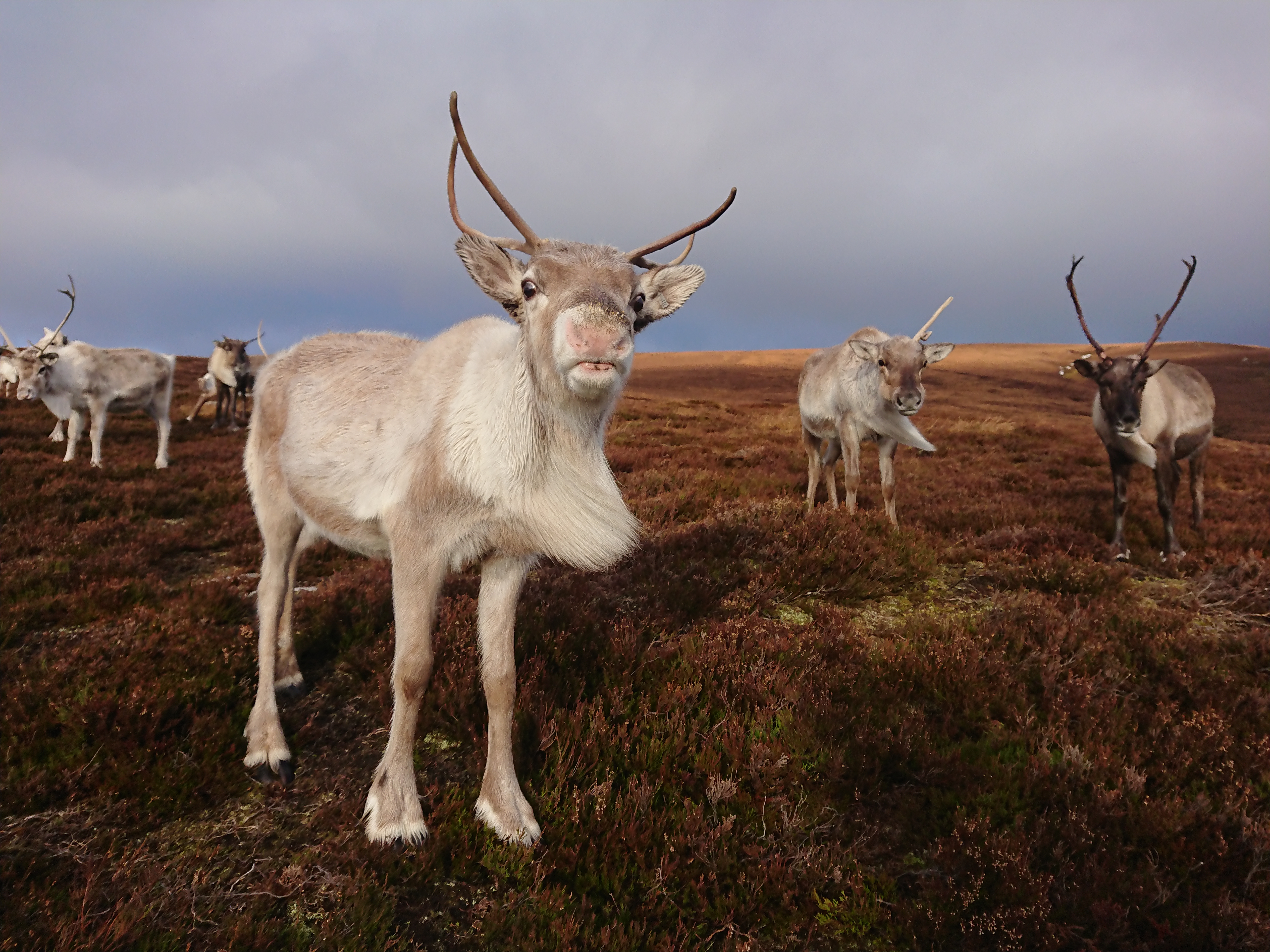
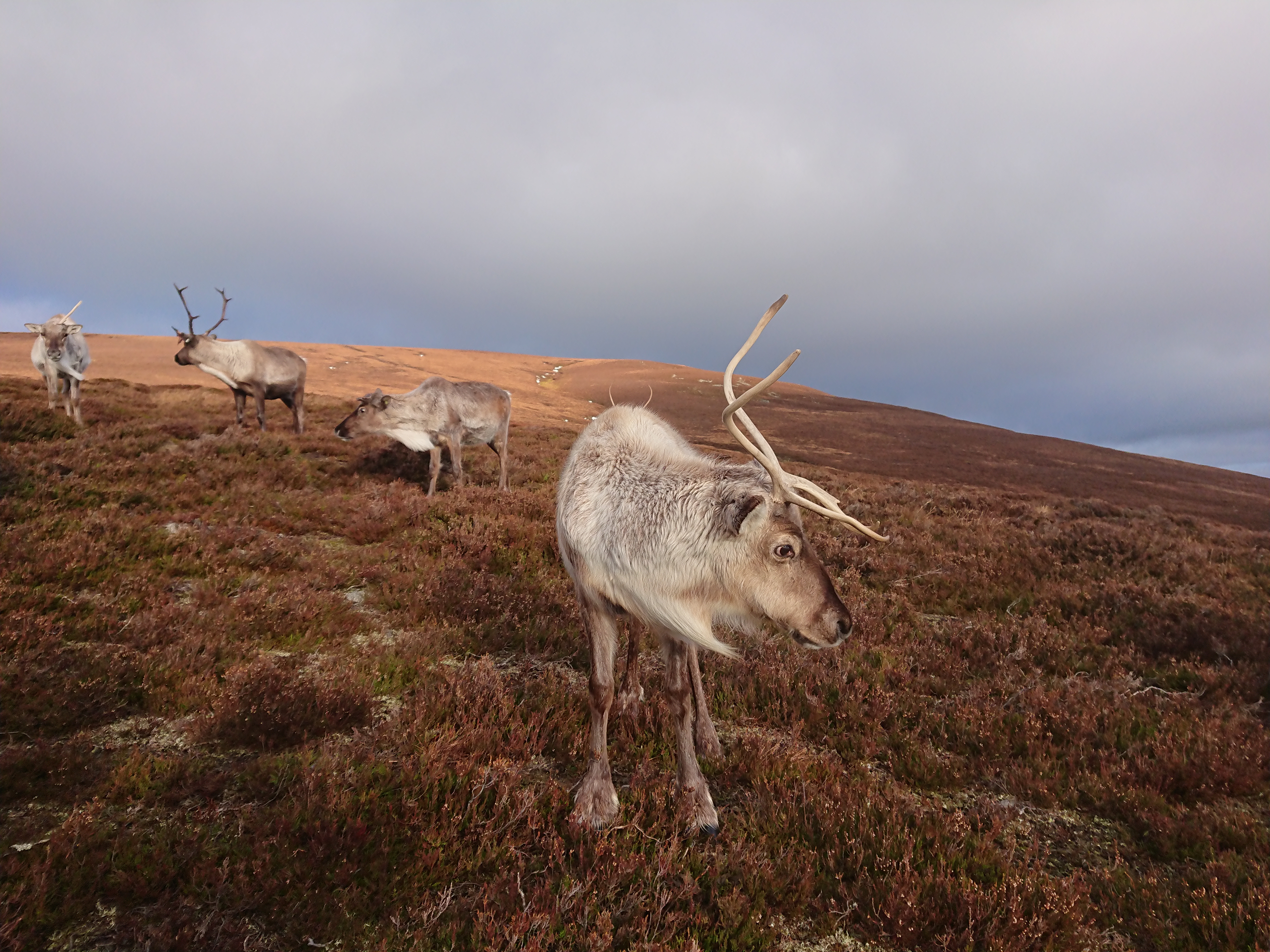
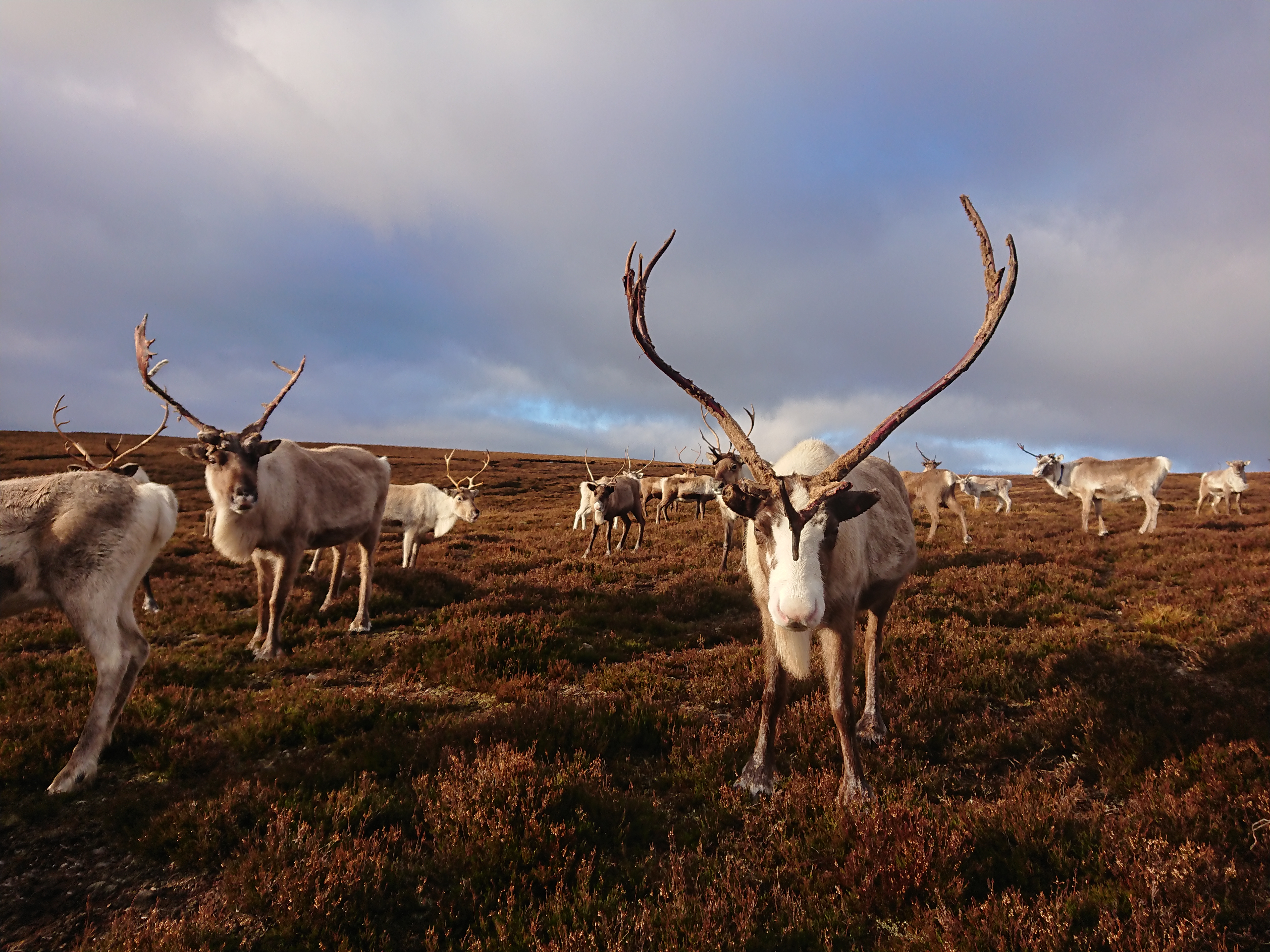
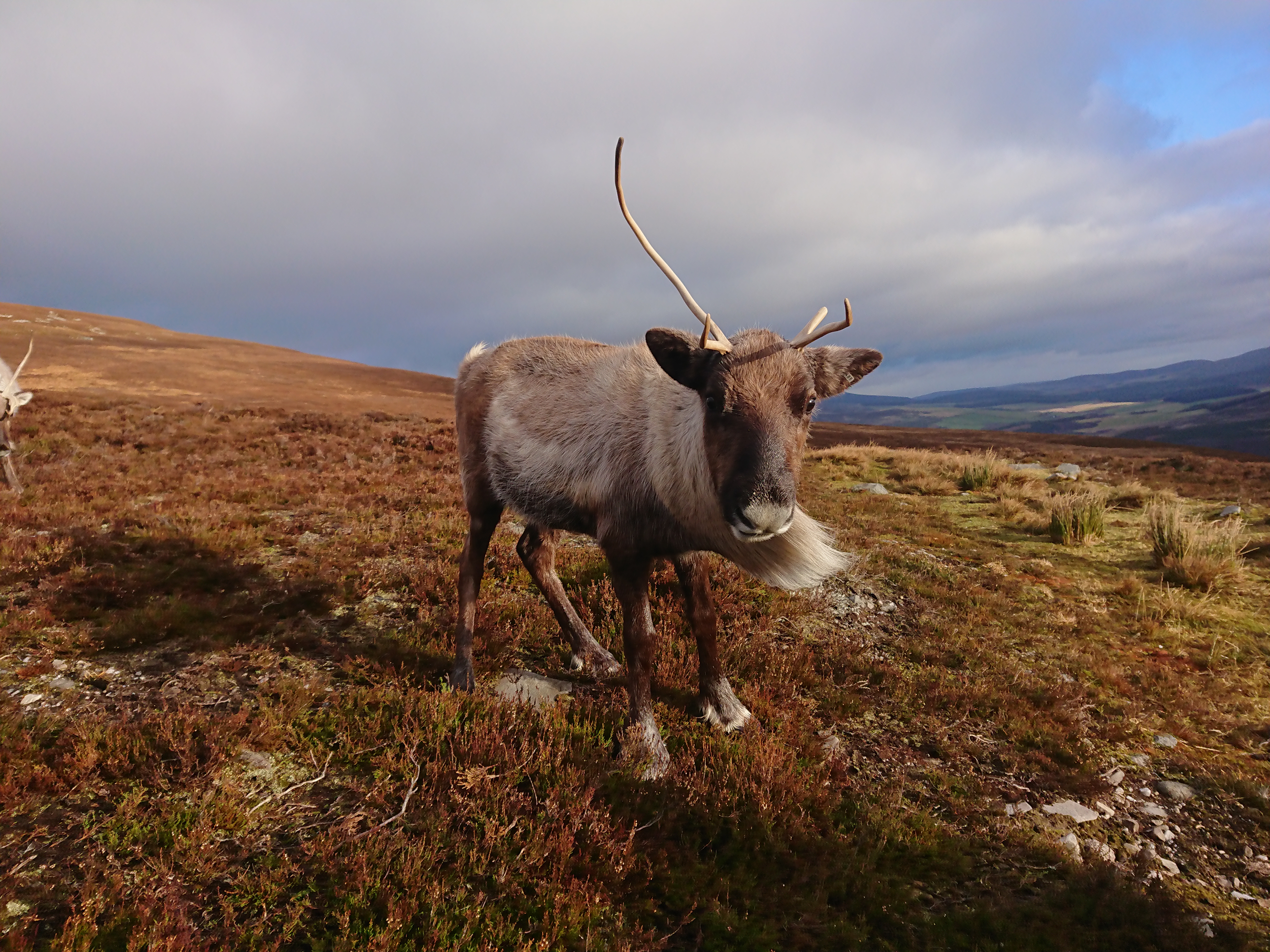
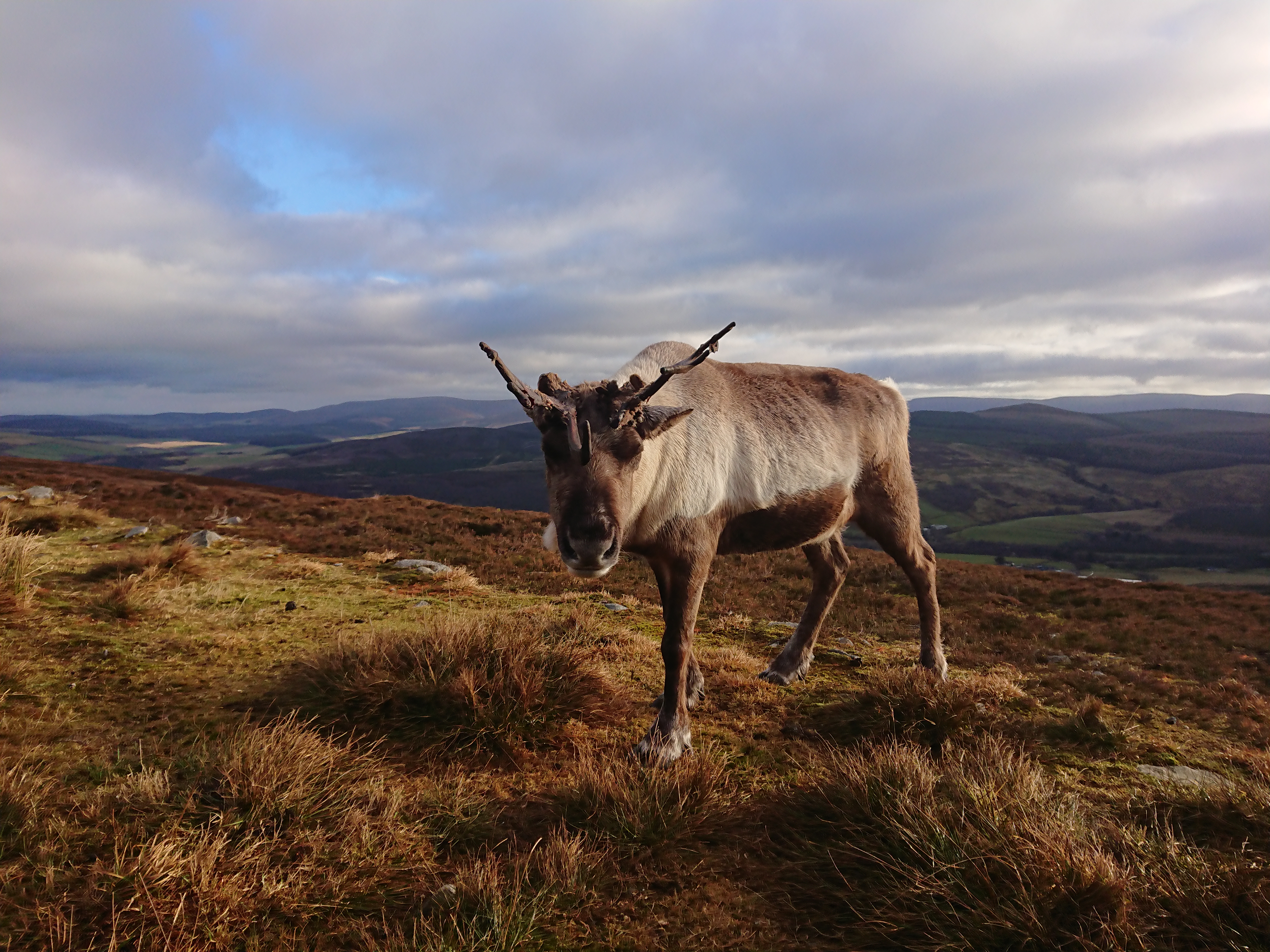
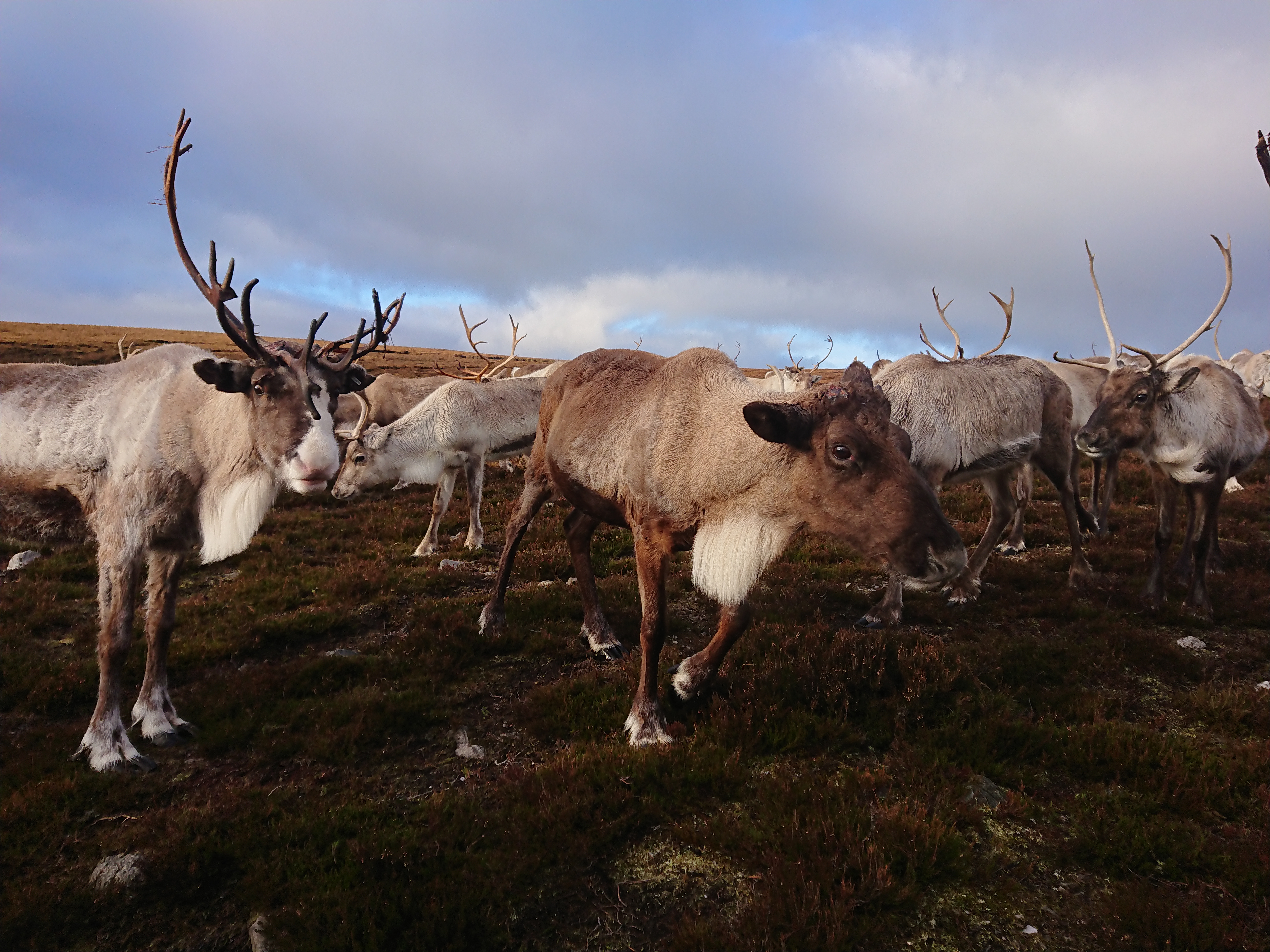
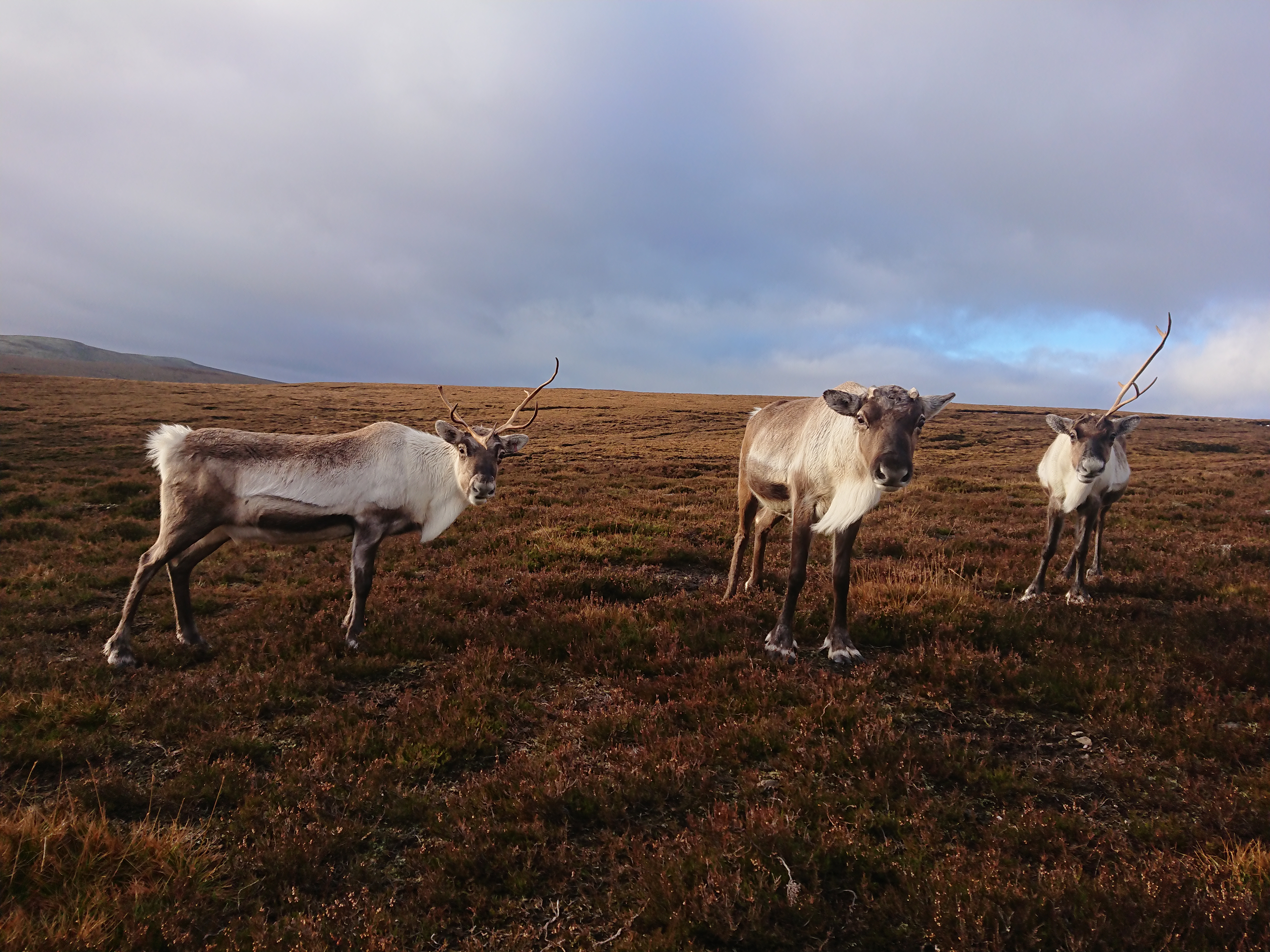
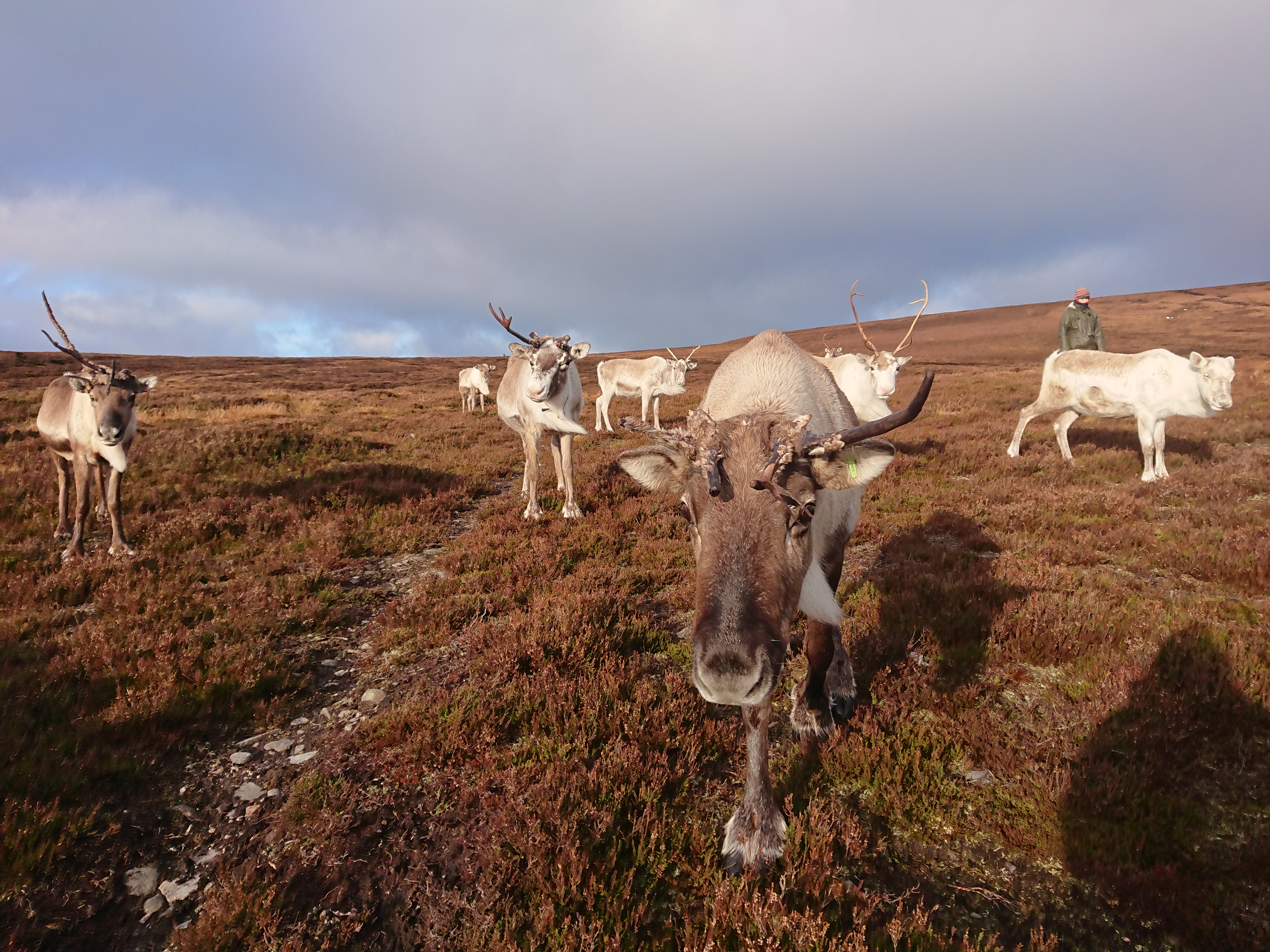
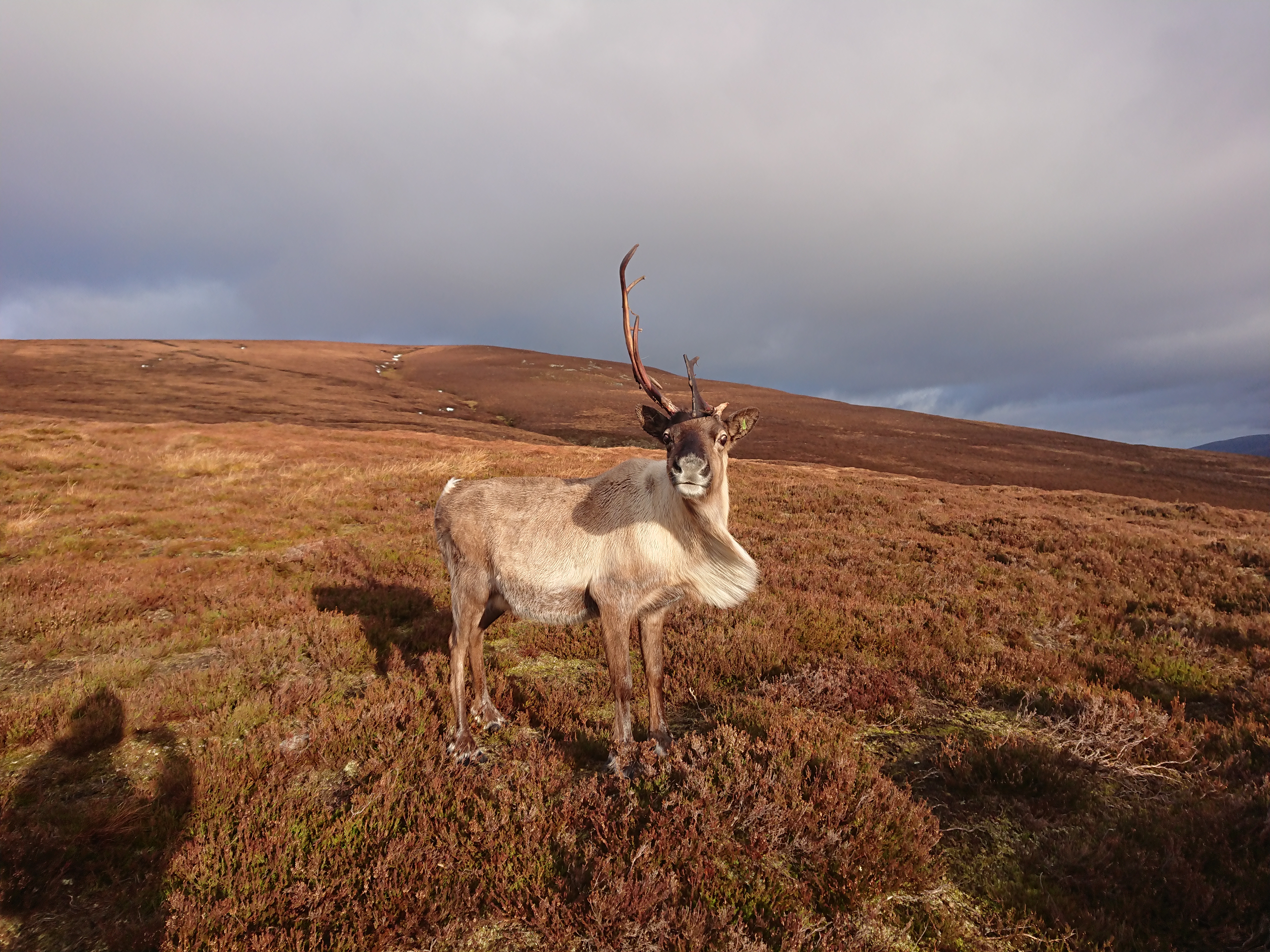
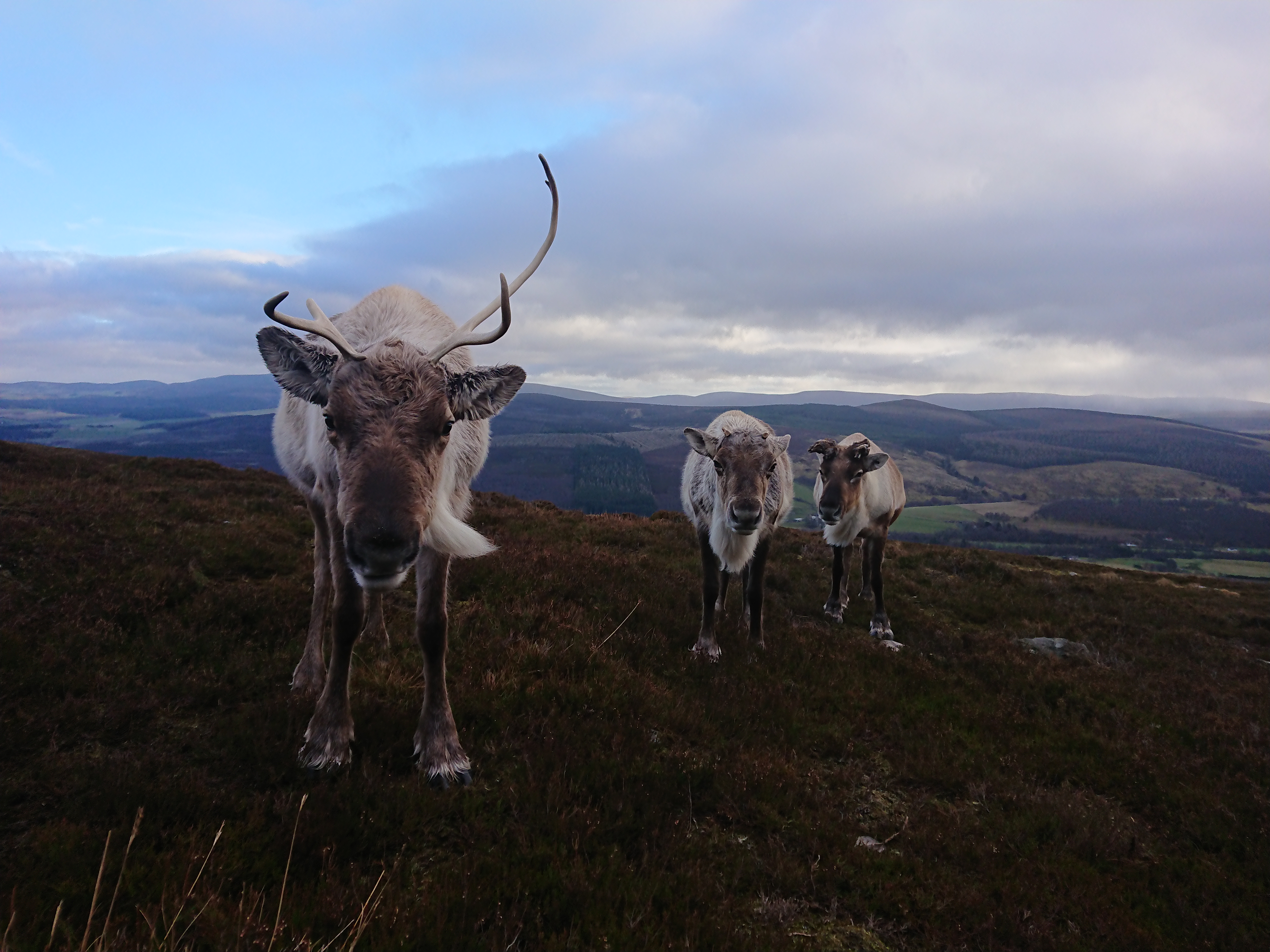
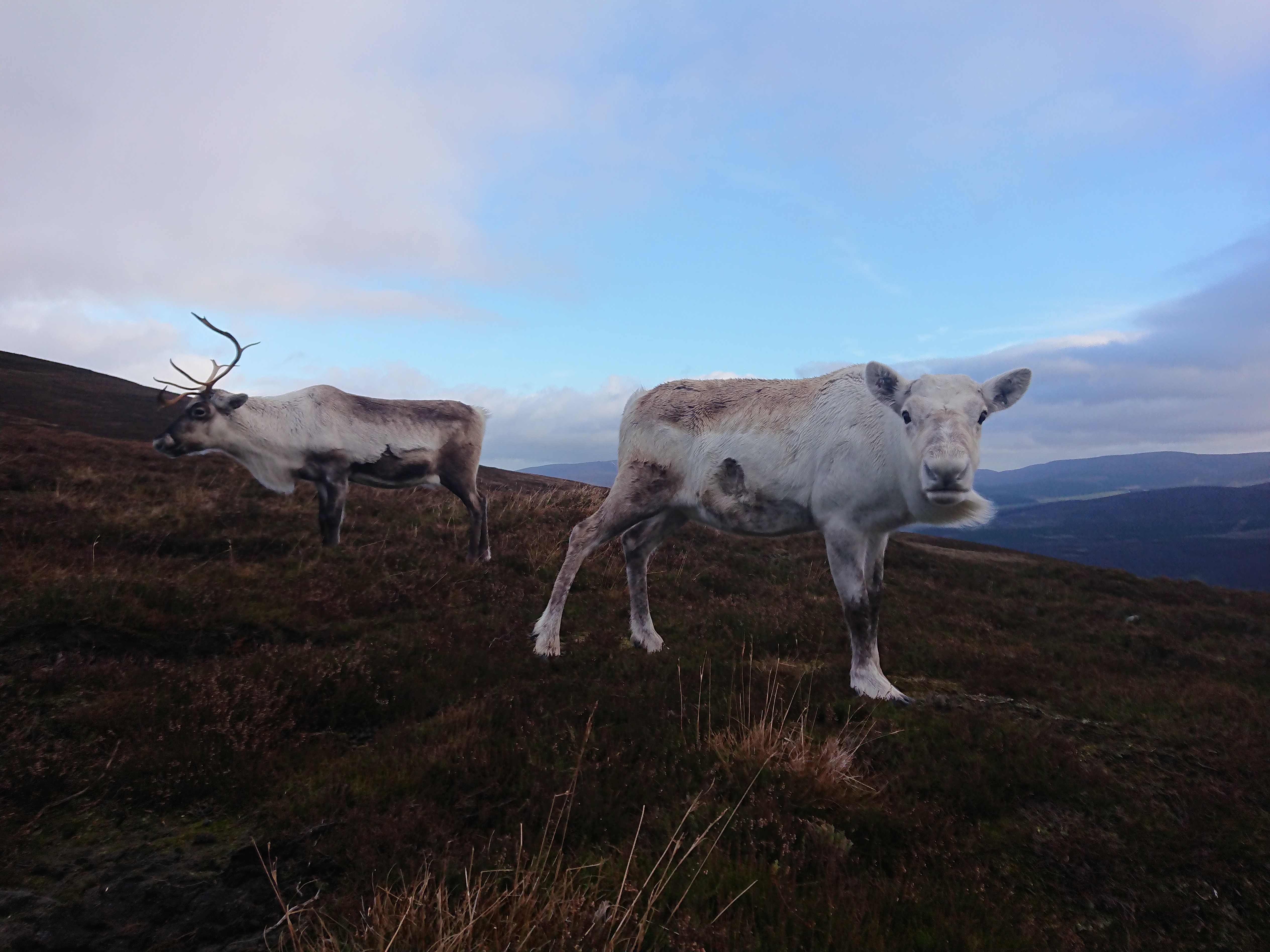
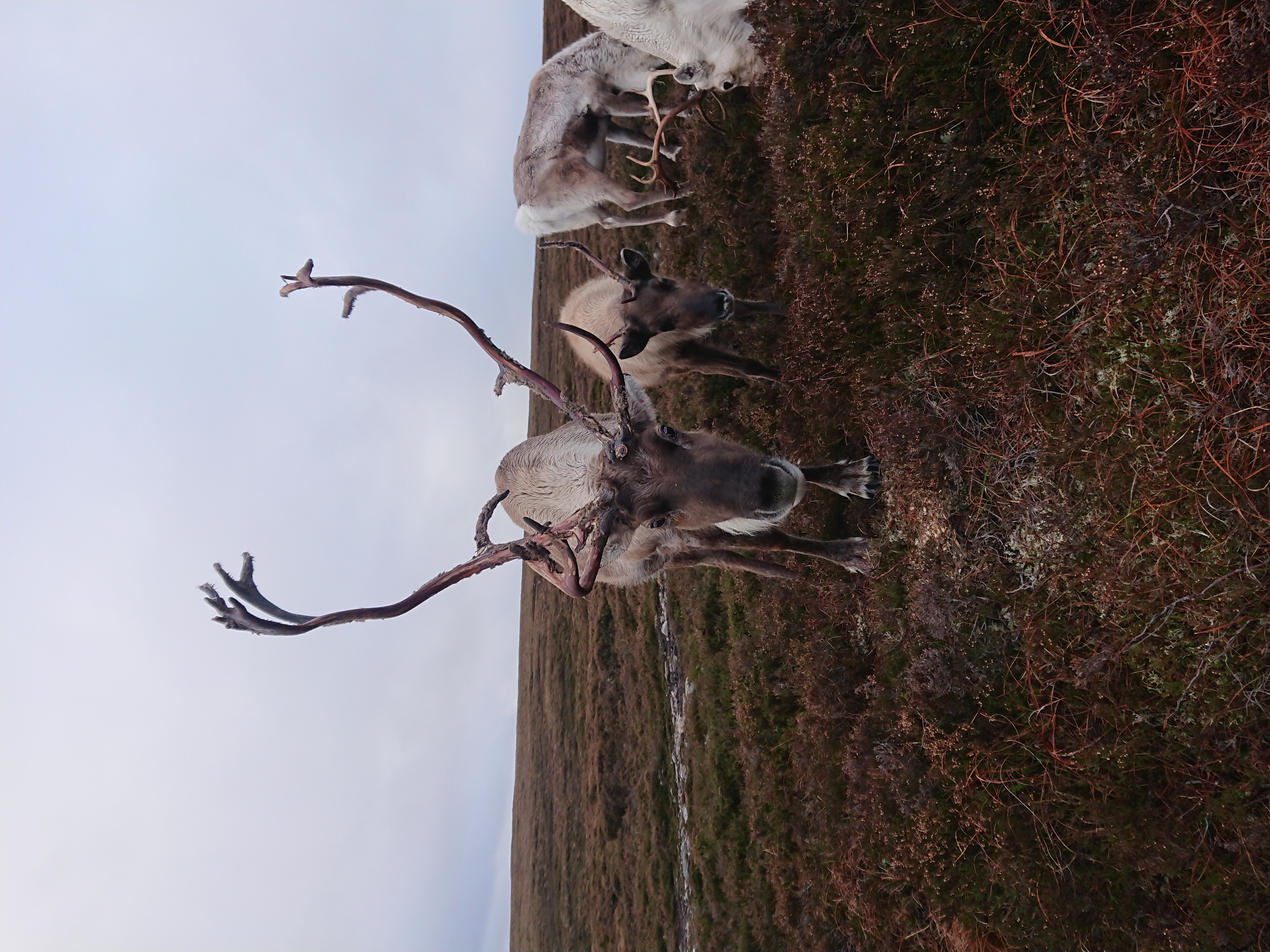
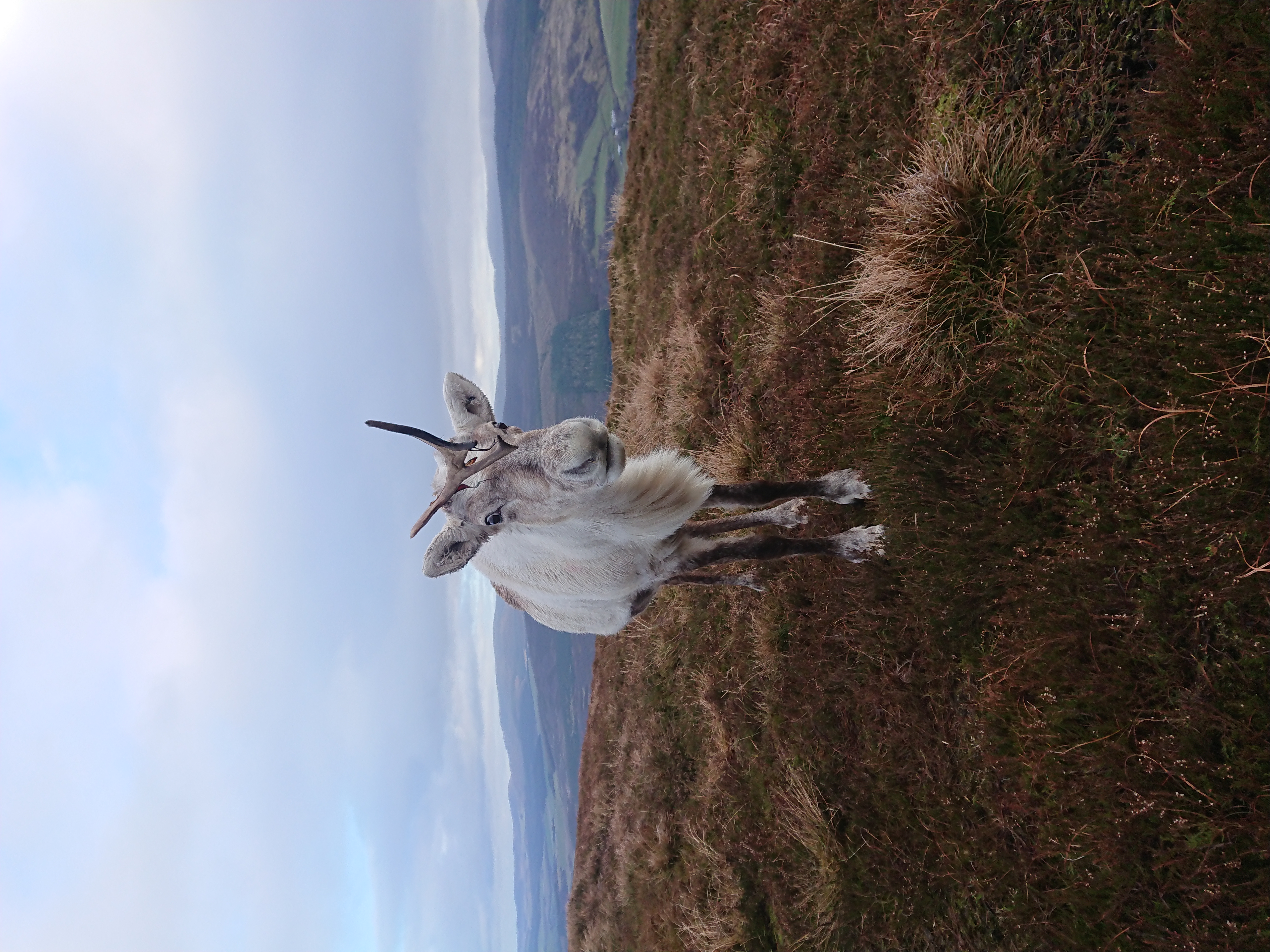
1st of April: After taking visitors out to see the reindeer in the morning, when there was no snow, this was an absolute treat to find them again in the afternoon! You can see Disco on the left, Sundae behind her, Turtle on the right and Tetley.2nd of April: Disco has lost one of her antlers over night. Here is Disco and Latte leading the herd over the the Hill Trip spot. 3rd of April: A trip to see the reindeer over on our Hill farm. From left to right we have Caterpillar, Mangetout, Merida, Spartan, Hemp, Oatcake, Spy, Pumpkin, Brie, Mushy and Busby 4th of April: Beautiful Amazon looking for extra food after the Hill Trip. Over the last year Amazon has grown in confidence and is very greedy.5th of April: As you can seen the snow hung around lower down for a few days. Here is Chai and Camomile scouting out whether i’ll offer more food.7th of April: A suprise visit from Ruth and Baby M9th of April: Despite Cheer having an epic set of antlers, this didn’t deter Trilby from a bit of antler sparring. At the time, Trilby only had half of one antler left. They will both soon lose these antlers in preperation for a new set to grow.10th of April: Hopscotch and Foxtrot leading the herd over a steep sided ridge, the herd didn’t bat an eyelid, and it often amazes me the places the herd chooses to rest. 15th of April: Ryvita, Sika, Christie and Winnie in the Mid ground. Ryvita has the start of her new antlers growing. I often find at this stage the reindeer often look a little like Giraffe. 16th of April: Tetley with Latte excelling at jumping the burn in the background. Turns out reindeer can be agile!18th of April: Our cows and calves are now in our hill enclosure before we split our pregnant females, who will stay in the hill enclosure for the calving season which will start in May. Here is lovely Shannon enjoying some feed after the Hill Trip.19th of April: Before coming over to our hill enclosure, Brie spent her time free ranging at our secondary site. 21st of April: Here come the boys! Dr Seuss (on the left) and Cowboy (on the right) leading the boys up for their feed.
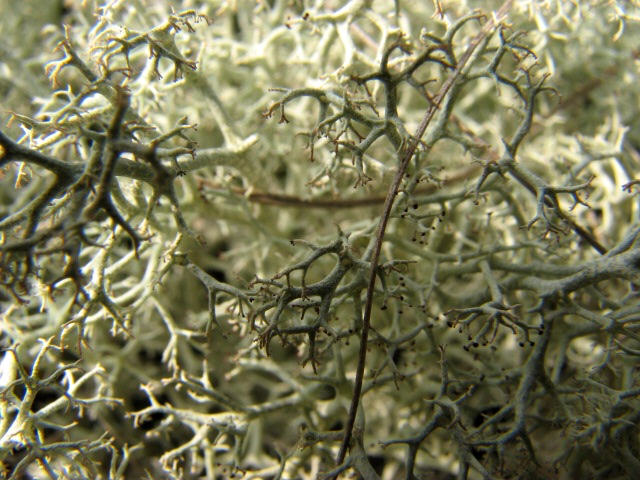
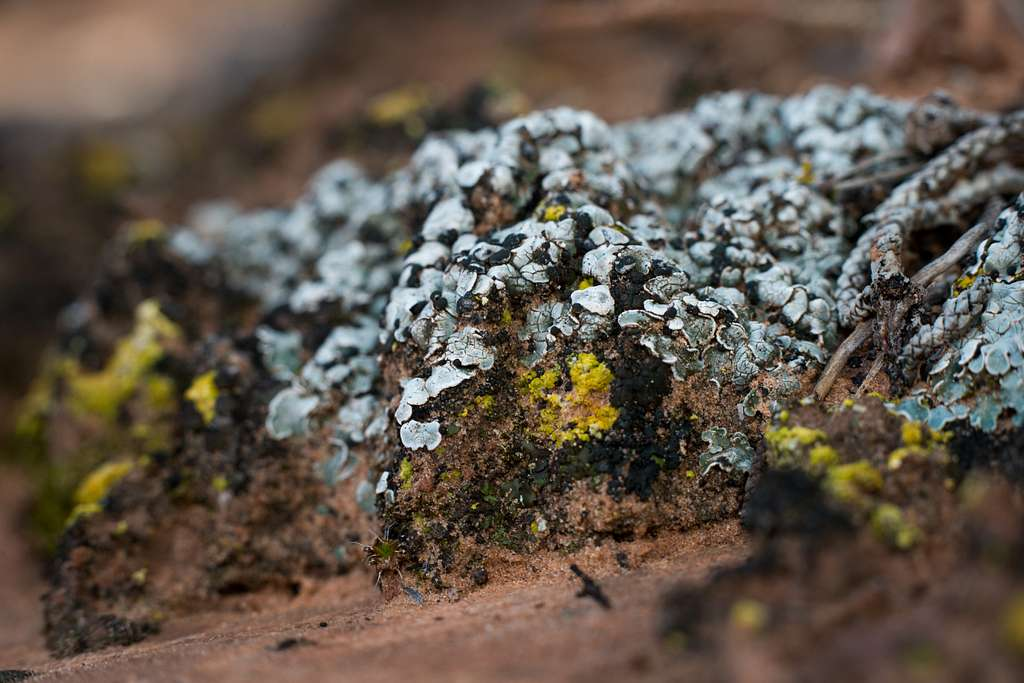
“Lichen, any of about 15,000 species of plant-like organisms that consist of a symbiotic association of algae (usually green) or cyanobacteria and fungi (mostly ascomycetes and basidiomycetes)” (Britannica, 2025). Now that’s a lot of big words and what do they actually mean? What really is a ‘symbiotic association of algae’? And why is lichen so important for reindeer?
Lichen (AKA reindeer moss). Photo by Evelyn Simak
Let’s look at the bigger picture to start. Cast your minds to the vast open landscape that makes up a subarctic tundra ecosystem. Excitingly enough, we can talk about our very own Cairngorm mountains for this, as our reindeer live in the only ecosystem of its kind in the UK.
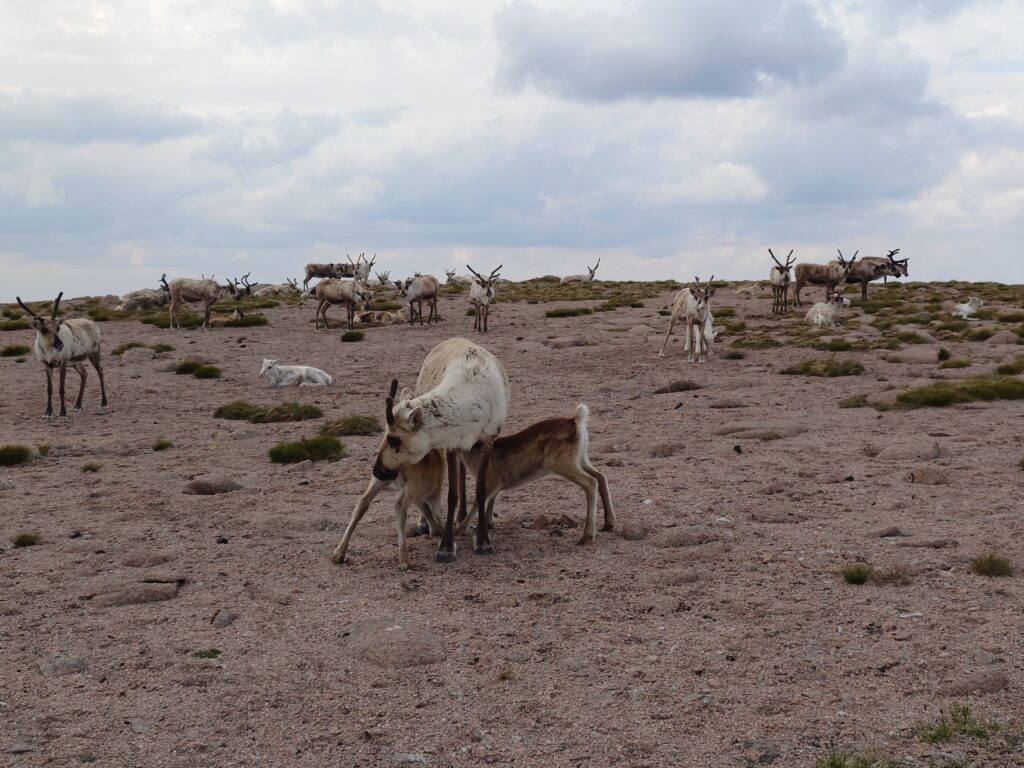
The Cairngorm reindeer free roaming in the mountains.
A subarctic tundra ecosystem falls south of the Arctic Circle line and includes treeless habitats of permafrost and generally short flora growing seasons due to harsh weather and low temperatures. It can include fragmented plant growth, like rocky mountainous peaks with scatterings of low growing vegetation including mosses, grasses, dwarfed shrubs, and lichens.
These harsh conditions mean that lichen do not have to compete for space or light with other forms of vegetation, enabling the lichen to grow in blankets across mountain plateaus. Due to their unique differences to other plant life, they are also able to grow on exposed rocks and as part of biological soil crusts. These soil crusts are found in cold and dry areas and make up the majority of all living ground cover in these almost uninhabitable places. The crusts are made of living material that sit on the top few millimetres of ground, meaning larger plants are unable to root and grow due to the ground conditions.
An example of biological soil crust.
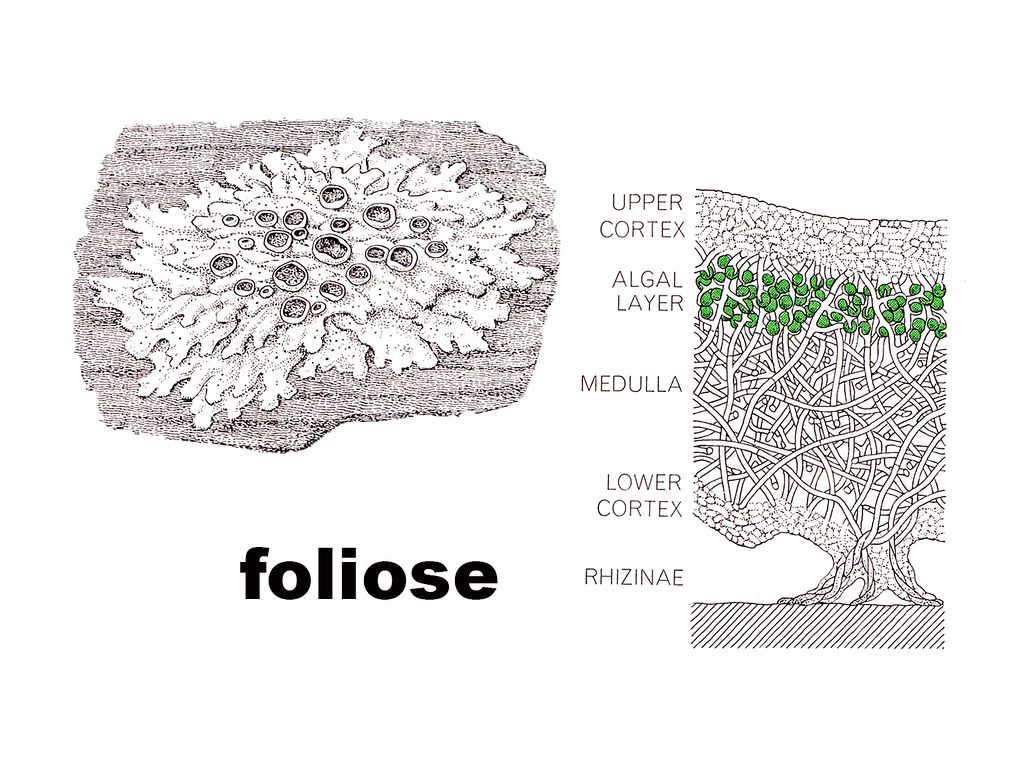
So that brings us back to our opening question, what is a symbiotic association of algae? What is lichen? From what we understand of lichen, it is a community of living organisms from both the fungi and the algae family. The fungi provide the water and minerals, as well as giving the lichen its structure, and the algae provides the food in the relationship, through photosynthesis. This happy partnership allows the lichen to grow and cope with harsh conditions that a normal single organism may not be able to thrive in.
The perfect partnership.
Now let’s add the reindeer into the mix! Reindeer rely heavily on lichen, consuming so much that it can make up to 70% of their annual food intake. This is because those harsh landscapes we spoke about earlier have very little choice available for the reindeer, but they can always rely on the lichen to grow all year round. Reindeer even have specialised gut floras to be able to properly digest the carbohydrates lichen contains.
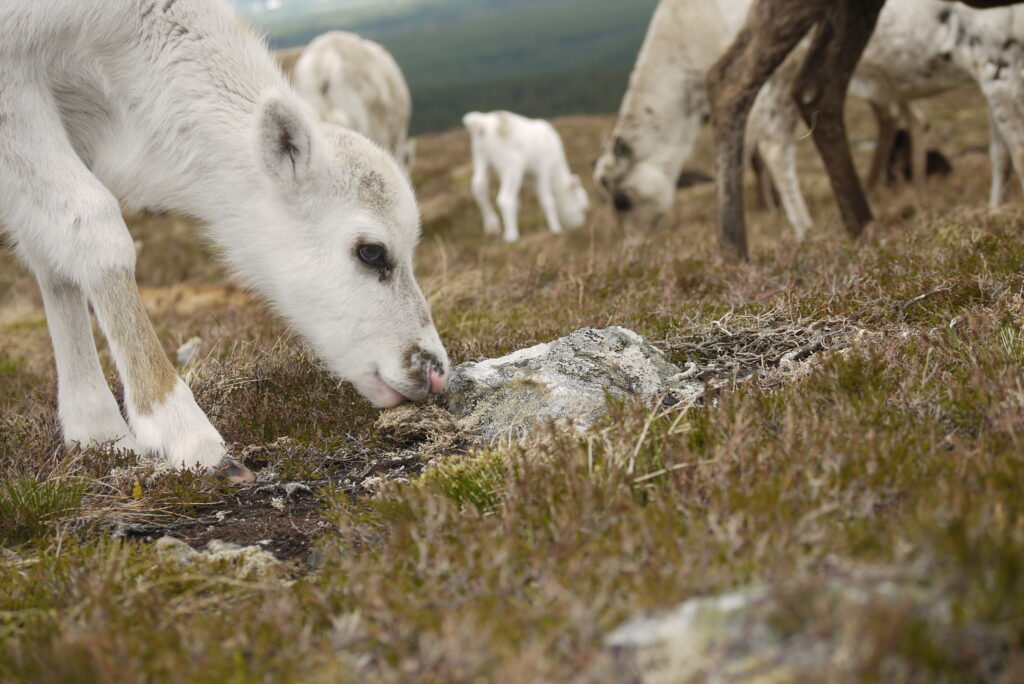
Winter lichen for our free ranging reindeer.
Maybe it’s not that it tastes good then, maybe it’s because they have little other choice?…
But if you asked our reindeer, they would tell you it’s the best thing on the menu!
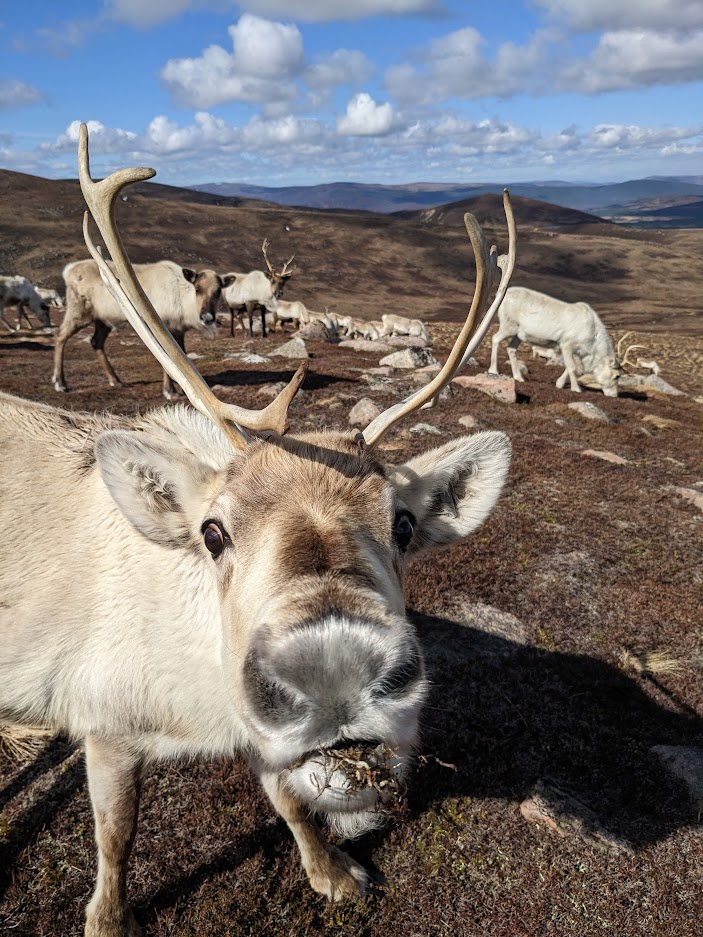
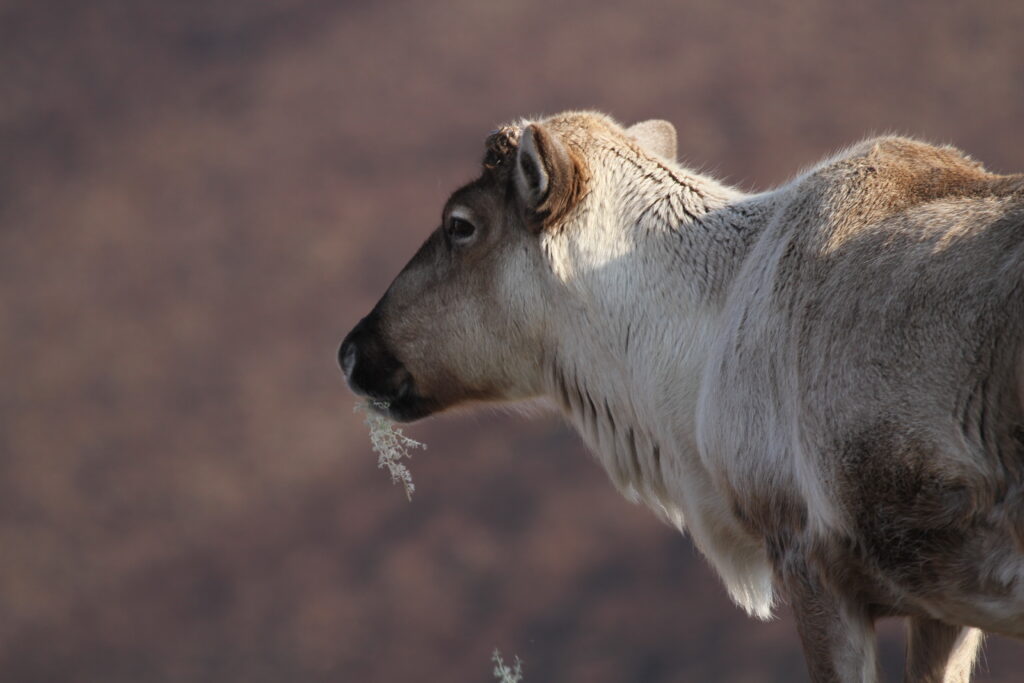
Delicious!Dixie enjoying a mouthful of lichen. Macchiato with a lovely big patch.Mocha with a bit of lichen hanging from her bottom lip!
March has been a great month for us here at the Centre. We’ve become so used to working in the new Centre it’s hard to imagine life working from Reindeer House! March is always a relatively quiet month for visitors so it’s meant an excellent ratio of reindeer to people on our daily Hill Trips. Things will start getting busier in April with the school holidays, and reindeer will be back in our Paddocks from Saturday 29th of March. The Paddocks will be a work in progress for some time as we continue to landscape, but at least the reindeer will be back on display for folks to see! Have a read here for up to date info about what’s on offer in the Paddocks: https://www.cairngormreindeer.co.uk/paddocks/.
Here’s lots of lovely photos of some of our gorgeous reindeer taken throughout the month!
3rd of March: Chai is such a cutie, and she knows it!3rd of March: Two girls with big antlers! Mangetout (born 2020) has the biggest set of antlers compared to the females in her year group and Pukka (born 2024) has the biggest out of hers, including the boys!4th of March: Fiona, Lotti and I walked three cows and their calves up the hill to join the free ranging herd we have here on Cairngorm. Previously they’d been free ranging at our second winter site. Feta and Earl Grey, Beanie and Coffee, and Christie and Espresso. 5th of March: We’re so proud of these two! Alba at the front and Winnie behind. Both hand-reared in 2023 and now proper free-roaming reindeer! Go girls.12th of February: Snow! And Cuppa’s awesome eyebrows.12th of March: The top of Ryvita’s head. She’s usually the first cow to start growing her antlers. 13th of March: Winter has returned. Sundae looking particularly beautiful!13th of March: Zambezi and the herd on their way in for breakfast. 13th of March: Winnie and Cameron. 14th of March: Torch making sure Cappuccino is looking good for our visitors. 17th of March: Shannon on St. Patrick’s Day. Shannon was named by herder Amy after the river in Ireland. 17th of March: Ryvita up to her usual tricks! She’s an old girl so I may have allowed this for longer than I would have if it was somebody younger! 18th of March: Trilby leading the herd on a beautiful day. 19th of March: Another old girl enjoying our backpacks – this is Oatcake. 21st of March: Amy and I went over to our second site to help Tilly which was very fun! We got to see all the male reindeer including this greedy chap – Aztec!21st of March: Spartan looking very handsome and enjoying free ranging. He’s just beginning to grow a new set of antlers. 22nd of March: Peanut is a beautiful reindeer. She’ll turn 5 in the spring and is relatively shy in nature but very sweet!22nd of March: Zambezi wondering if I’ve got any food!23rd of March: Sunflower and Fika being very sweet!25th of March: Christie cast her anlters a couple of weeks ago but still looks gorgeous. Her new antlers will begin to grow before too long.27th of March: 10 month old Coffee leading the herd this morning. He’s a very confident chap!
December has been another mixed month for me in terms of work with time at home on the hills, and out and about on tour! Here at home, I’ve been on the hill working with the herd, taking lots of people up to meet the reindeer on Hill Trips, and helping to keep the office afloat at this incredibly busy time of year. I’ve also been on road again with Christmas teams doing parades and events in Strathaven, Dunkeld, Fife, and very locally in Carrbridge amongst other places. Once again, the reindeer were super and made me incredibly proud.
The Paddocks has also been open – hoorah! We’re still not allowed in the building, and it’s all quite basic at the moment, but at least we have had beautiful reindeer on display, and we have even been visited by Santa. Here’s just a few photos from December for you all.
4th of December: Earl Grey is one of the biggest calves of 2024. What a chunky boy, and a complete poser!4th of December: Cuppa and his funky “eyebrows” making him look super serious all the time.5th of December: The mallards often steal the show on a Hill Trip!6th of December: The team enjoying their lichen after a Christmas parade to the Benarty Centre, Fife.7th of December: Cowboy ready to pull the sleigh in Dunkeld. This is his first season as a sleigh puller and he’s an old pro already!8th of December: Chai was so relaxed behind the sleigh whilst waiting for Santa to arrive she laid down! 11th of December: A funny face from Mangetout!12th of December: Dad Ärta and his son Earl Grey, with matching white noses!13th of December: Scully is in great condition just now after having a year off motherhood, hopefully she may now be in calf. Fingers crossed for the spring. 14th of December: Latte at Landmark Forest Adventure Park in Carrbridge. Completely unfazed about the giant T-rex looming over the pen!15th of December: Christie and Morven. 15th of December: Maisie is a local lass who’s been working with us on weekends and during her school holidays, here she is with two “hats”, Beanie and Trilby!15th of December: Some of the lovely dogs posing by the fire in the shop, Fraoch, Elsie, Ginger, and Tiree! 18th of December: Scully, Christie, and Torch posing beautifully! There’s even a wee rainbow if you look super close. 20th of December: Irish being cute!20th of December: Mocha and her mum Vienna. Vienna has recently lost an antler this week.
Merry Christmas and a Happy New Year to all our blog readers, we really do appreciate your support and hope to entertain you every Friday of 2025 too!
In early October, a few of us were up the hill with the reindeer at about 8pm (the time on the camera was set wrong – definitely wasn’t 3am!), when it was already pitch dark. One of our friends, Sam, had a thermal camera with him that he was playing with, so we thought a few of his photos would make an interesting blog subject.
We always talk about how good a reindeer’s coat is during the Hill Trips – up to 10,000 hairs per square inch of the skin, with a percentage of those hairs (the ‘guard hairs’) being hollow to trap in body heat, and the remaining hairs forming an incredibly dense undercoat. This coat is designed to keep reindeer alive in incredibly cold environments; the recorded coldest temperature that reindeer have been found alive in is -72 degrees Celsius. Thankfully in Siberia and not Scotland!
These are female reindeer Turtle and Mangetout in this picture. You can see that they don’t show up as much as you might expect, and this is down to that super efficient thick coat that is trapping their body warmth in. Most heat is lost around their eyes and muzzles, and you can see heat retained within their coats where the hair is slightly parted.
A little bit of heat is being lost around the base of Scully’s antlers too, but her antlers themselves are in hard bone just now, with no velvet skin covering them – as you can see there is no heat at all coming from them.
Another setting on the camera, showing in colour this time. Again the eyes and muzzle are most obvious, this time on Merida, along with her legs where her coat isn’t as thick.
This photo is interesting for a couple of reasons. This is me (Hen), and look at how much heat is being lost at my neck. My body is showing up relatively well too, although perhaps not as much as expected – however in this picture I’m wearing a long-sleeved thermal top, a t-shirt, a jumper, a bodywarmer and a waterproof jacket, as well as a neck buff and gloves (it was a very cold night, in my defense)! Yet still my body is showing up as warmer on average than a reindeer’s – with a couple less layers on I would have been glowing like the sun!
The other (more) interesting thing in this photo is the set of antlers in the middle of it, belonging to Pip’s big female calf, who’s grown amazing antlers for a calf this year. Unlike all the adult reindeer in these pics, the calf’s antlers are still covered with velvet skin – but one is dark and one is light. At this time of year the blood supply to the calves’ antlers is cutting off, so here the right hand antler is still vascular (has a blood supply) whilst the left hand one has already lost it’s supply. Sure enough when Sam pointed this out, I touched her antlers briefly and the right hand one was still warm but the left one stone cold. How cool – we’d have never have known without Sam’s camera!
The castrated male reindeer mostly still have velvet skin on their antlers just now, but unfortunately there were none in this group that we could point the camera at – it would be interesting to see how vascular they are still, if at all. Another time! In the meantime I’ll stand by my statement that antlers are one of the coolest things in the animal kingdom!
Many thanks to Sam Ecroyd for the use of his photos for this blog.
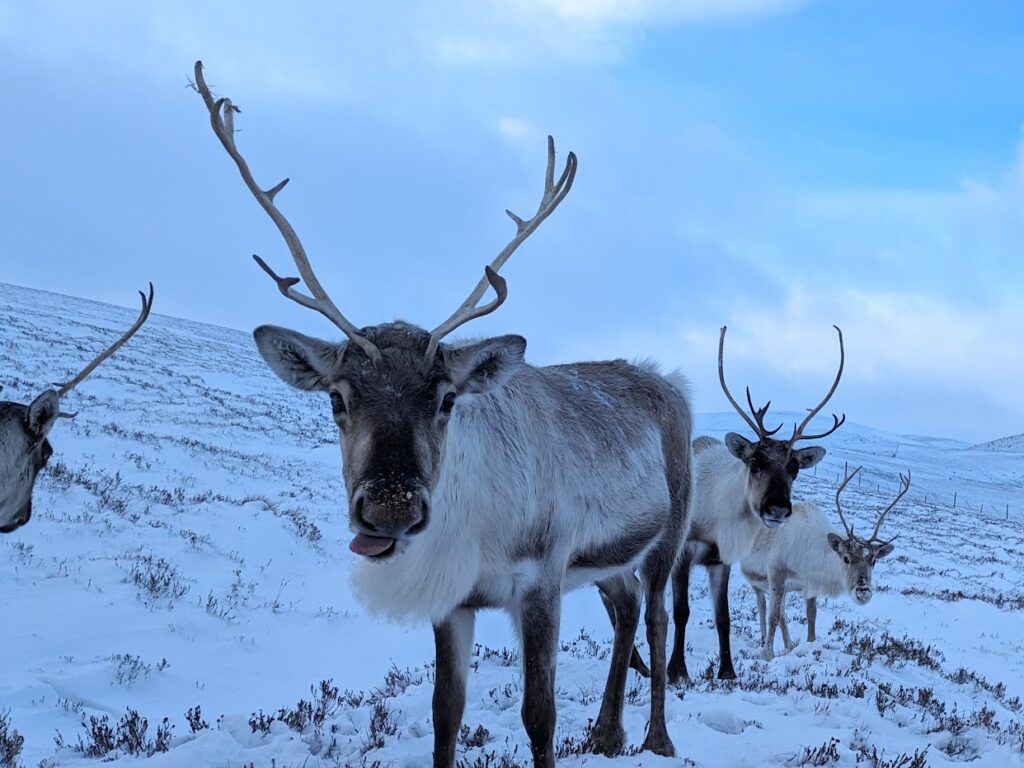
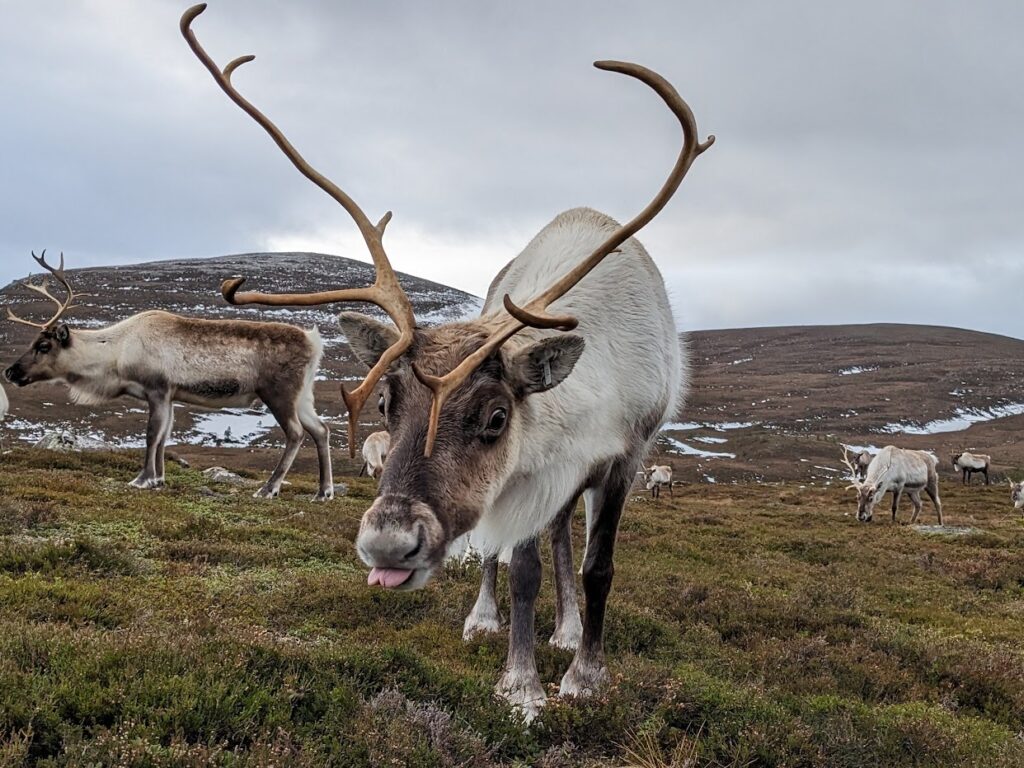
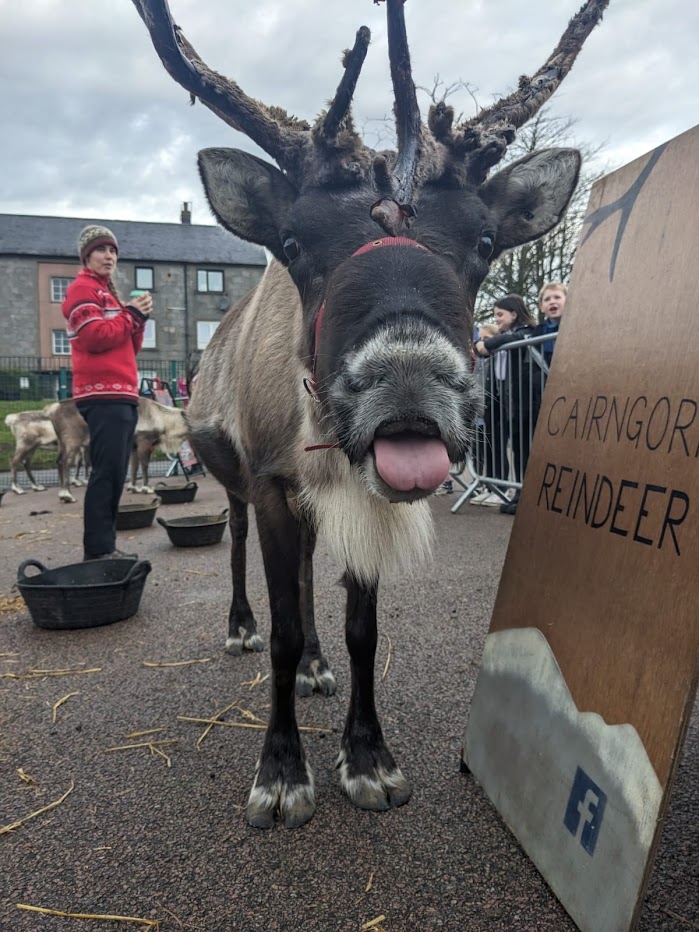
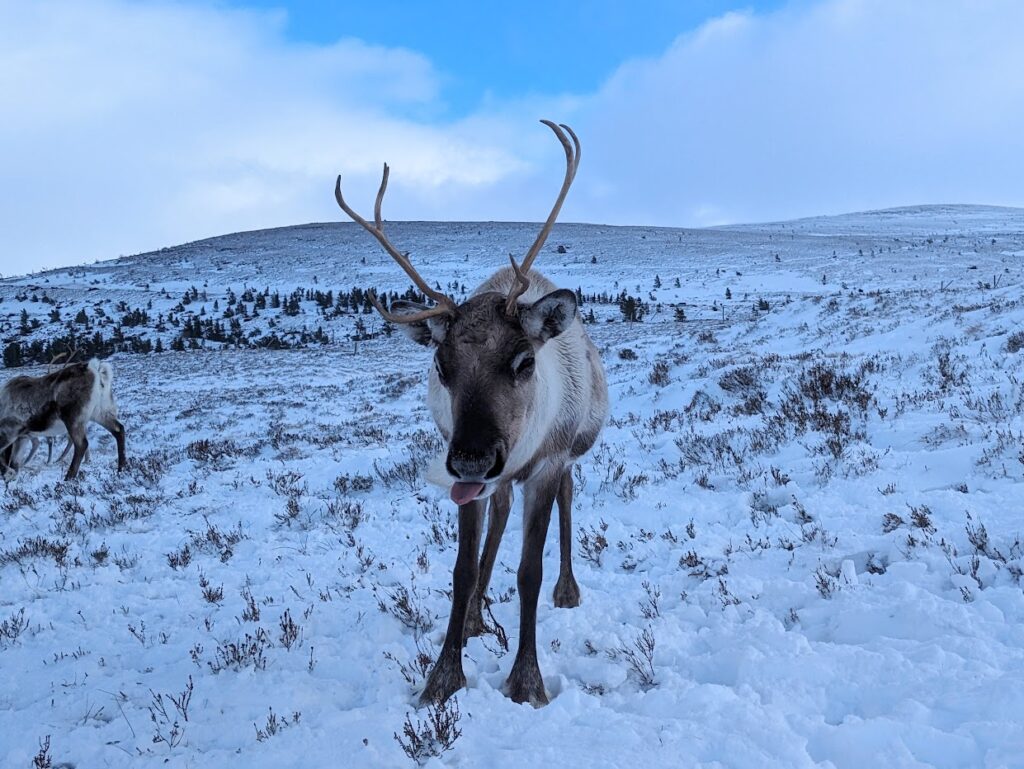
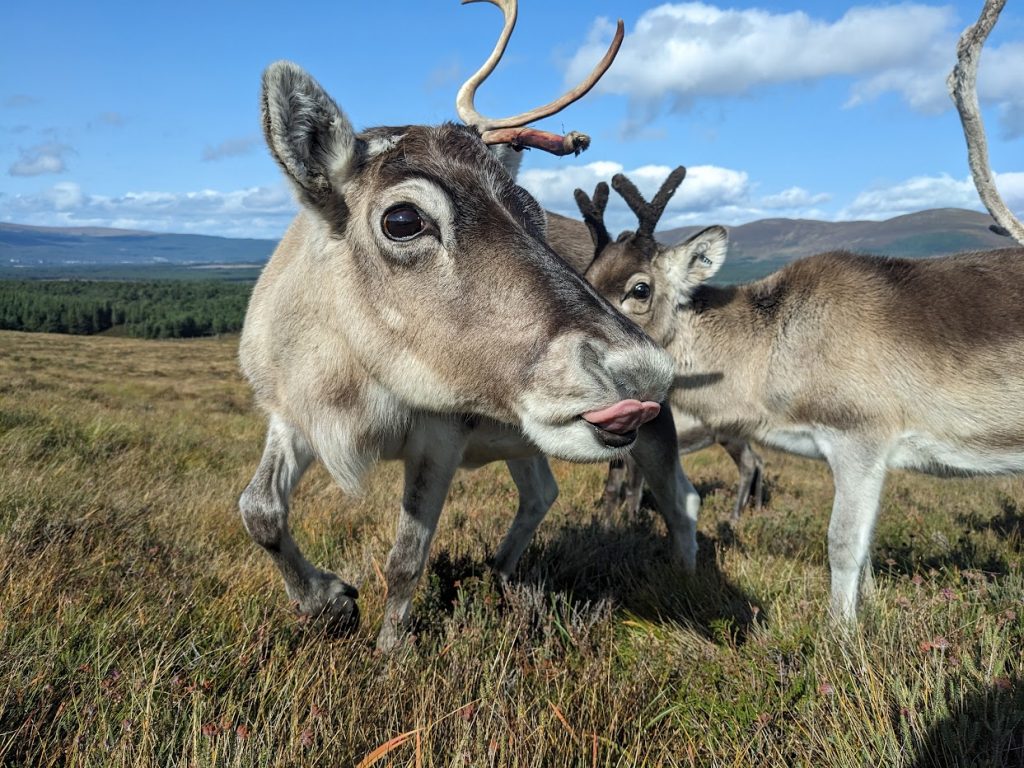
When we came off the hill today, I was having a flick through the photos I had taken in order to find a couple to post on social media. I found that two of the reindeer today had stuck their tongues out to me. They must have been unimpressed at having their photos taken. I thought that our blog readers might appreciate seeing some rather silly photos taken over the past couple of months.
Mangetout trying to lick the last bit of food off her nose.It clearly runs in the family as here is Mangetout’s auntie Morven.Olympic sticking his tongue out at a Primary school class who we visited.Peanut, usually one of the most photogenic reindeer in the herd…Bordeaux is also attempting to get the last bit of feed off her snout.The tip of Torch’s tongue (there’s a tongue twister to be found in their somewhere).
It would be impossible to write a blog of tongue out photos without featuring the lovely Dug, king of the lolling tongue! Dug is one of the Reindeer House dogs and due to a combination of an unusually long tongue, and a slight overbite, he spends 99% of the time with his tongue stuck out. This causes great amusement to everyone who sees Dug, and we frequently look out our office window to passersby sticking their tongues out back to Dug. Thanks for making us all laugh Dug!!
Dug and his tongue catching the breeze!Dug and Tiree.Dug enjoying some afternoon sunshine!
A few years ago, Andi started a series of blogs titled Dynasties after watching the David Attenborough series with the same title. These highlighted matriarchs within the herd, in particular some of our most successful breeders. I thought I would continue this theme and in this blog I will write about Spy. I have only know Spy as an adult reindeer, and she has always been notorious for being a feisty girl, in fact you can read an entire blog about why we are all a little afraid of Spy, written a couple of years ago by Hen: Spy – the reindeer we’re all a bit scared of – The Cairngorm Reindeer Herd.
Spy with some of the most beautiful (and pointy) antlers in our herd.Spy at 7 years old.
Whilst she is fairly wild most of the time, she becomes particularly terrifying when she has a newborn calf. Most of the reindeer, particularly the older mums are quite happy for us to be nearby their calves, knowing we won’t cause them any harm. Spy however will absolutely not let you anywhere near any of her calves, if you read through Hen’s blog linked above it will tell you all about the different tactics required at calving time. Whilst we curse Spy lots of the time, her fierce protection of her offspring makes her a fantastic mother and she has raised now 4 strong female calves; Morven, Dante, Florence and Sundae. In fact, all 11 of Spy’s surviving descendants are female, guaranteeing the continuation of her genetics.
Spy feeding Florence.
Morven was born in 2015 and was named in the ‘Scottish hill races’ theme. Morven has always been a fairly independent reindeer, like her mother. She’s definitely tamer but you still wouldn’t always guarantee being able to catch her out on the free-range. She’s one of the strongest and healthiest reindeer in our herd and herself has now had two daughters of her own, Pinto and Mochi.
Morven as a calf.Morven showing off her beautiful antlers.
Pinto was born in 2020 and despite being one of our Covid calves, is tamer than her mother yet again. It seems as though with each generation, Spy is diluted a little. Pinto has now had her first calf, the incredibly sweet Orinoco who was born last year. Orinoco is very sweet and tame, but not pushy at all, making her a favourite amongst herders. Mochi is also a real sweetie, she is now almost two years old but due to being one of the smallest of her year is often mistaken for a calf, which sometimes results in her getting preferential feeding along with the calves which she’s certainly not complaining about.
Pinto free-ranging in the winter.Orinoco on the free range aged 4 months old and clearly very relaxed in our presence already. Mochi as a calf, who looks much like her mum at the same age.
Dante was born in 2017 and is without a doubt one of the prettiest members of our herd. She also grows an impressive set of antlers each year, even whilst rearing a calf at the same time. Dante whilst also shy in nature, through years of bribery is now reliable to catch and a lovely reindeer to work with. She herself has now had three daughters, Mangetout, Glacée and Amazon.
Dante as a 2 year old.Dante fully grown.
Mangetout is now fully grown and mother herself, but I couldn’t resist this photo of her as a newborn calf! Mangetout is also tame enough to reliably catch, but occasionally granny Spy shines through as she shows us her beautiful (and pointy) antlers! Mangetout had her own calf this year who we have named Darling. There was some controversy over whether we would name a calf Darling, after the river in Australia. Some of the herders thinking it was a bit too ‘cute’. In the end we thought if we gave is to Mangetout’s calf (Spy’s great-granddaughter) she would almost certainly turn out to be the opposite! So far she has proved us wrong and is generally a lovely reindeer, although can be a bit of a menace if you try to stand between her and a bag of feed.
Mangetout as a new born calf in 2020.Mangetout at 3 years old.Darling with mum behind.
Dante’s middle daughter Glacée is now almost two and like her big sister, was also given a French name, the word for ice cream. Glacée is very recognisable as she’s got a big white tuft of hair between her antlers! Amazon, her younger sister, is without a doubt the most impressive calf born last year. Her antlers are absolutely huge, with elaborate splits in them and she’s just as tall as many of the yearlings.
GlacéeAmazon as a calf, already being mistaken for a yearling.
Florence is the next down in Spy’s daughters. She was born in 2019 as is named after the Italian city. I would say she is tamer yet again than either of her sisters, she is the spit of her mother in looks but temperament wise is much calmer. Florence has calved just once, and very sadly he didn’t survive his first summer. Florence is almost 5 so I have no doubt she will have many more breeding years in the herd and will go on to produce just as many wonderful reindeer as either of her sisters.
Spy and Florence.Florence at almost 3 years old.
Sundae is the youngest and last of Spy’s daughters. She was born in 2022 and named after an ice cream Sundae. Sundae has got a white nose, which she gets from her dad, Spartan. The rest of her features, including the big white rings around her eyes and her large slightly floppy ears, are all Spy! Sundae is now almost two years old and has lost her antlers a bit earlier than some of the others so currently spends feeding time doing her very best calf impression to sneak into the ‘calf only’ green feed sacs. Who can blame her though!
Sundae as a calf with Spy behind.Sundae and Spy a year later, still side by side.
Spy will be thirteen this year so whilst her breeding days are now behind her (cue huge sigh of relief from all the reindeer herders involved in calving season), her legacy will be continued by all her offspring. She currently has 4 daughters, 5 grand-daughters and 2 great-granddaughters, all of whom are either at breeding age or will be in the next couple of years. There is definitely no fear of the Spy line dying out in our herd, but diluting her ‘Spyness’ a little with each generation, is definitely no bad thing!
I love September! The reindeer look super, we’re busy with free ranging reindeer, we name the calves and we start learning their individual personalities, plus the rut kicks off. Having said that, I planned a two week holiday in one of my favourite months – must remember not to do that again! So there is a big gap in the photos for this month’s blog, but I’ve made up for it by just sharing more from the same day.
Just a reminder – we don’t reveal the names of the calves online until our adopters receive their newsletter next month.
2nd of September- Sambar (in the background) and Okapi. Both now 15 years old and looking great for their age. This was taken on one of my reindeer retrieval missions.3rd of September – Brie and her wee daughter. Back in the enclosure and both looking good after a summer free ranging. 4th of September -Mangetout looking beautiful on a lovely autumnal afternoon. Her daughter and her new sister (belonging to mum Dante) are the calves behind her.19th of September (a) – After a TWO week holiday, I’m back to work and the first job is to split the reindeer for the rut. Exciting times! Here is Fiona putting some cows out on Silver Mount, an area within the hill enclosure.19th of September (b) – Step two is to add the bull! Fiona and I took Sherlock for a walk to the enclosure. Here he is off to find his girls – a man on a mission!19th of September (c) – Our other breeding bull is three year old Jelly. He looks a bit less sure about the situation compared to Sherlock but he quickly got the idea.20th of September – Holy Moley and her calf behind. Holy Moley is delighted to be back in the enclosure after the summer in the hills. Here she is on the hunt for more hand feed.21st of September – Sherlock with some of his girls – Bordeaux, Pip and Jenga.22nd of September – Trying to get a nice pic of Mushy and Jenga but Bordeaux wants in on the action. Or maybe it’s the white bag under my arm.22nd of September – Christmas Reindeer, Frost and Adzuki, looking handsome in the late afternoon sunshine.26th of September – Emmental is the first to the feed bag on today’s Hill Trip.26th of September – Girls out free ranging! These are some of our single ladies, either too young to breed or retired from breeding. From L to R: Vanilla, Sorbet, Diamond, Sambar, Lolly, Solero and Suidhe (sticking her tongue out!)26th of September – Catching up with this old lady on the free range! Diamond is now 11 years old and looking super. She is stripping the velvet off her antlers.
Being the most recent person to start working at the Reindeer Centre I am experiencing the day-to-day workings of the Centre throughout the seasons for the first time. I thought I would write about one of my favourite “firsts” to date, which is finding the first calf to be born for the 2022 season. It was a beautiful day at the tail end of April, which happened to be my first day back at work after my usual two days off and Andi’s first day back at work after a holiday. We started our usual morning routine and set off from the house to head up to the enclosure to check on our pregnant cows and feed them, upon feeding the cows we realised that one reindeer was missing, so we grabbed our calving bag which includes: feed for the mother, spot on and antibiotic blue spray for the calf’s naval and made a start on searching the enclosure. For anyone that hasn’t been to our enclosure it is a vast amount of space to search, the perimeter line is 8km in length alone! The missing reindeer was the lovely, four year old, Dante.
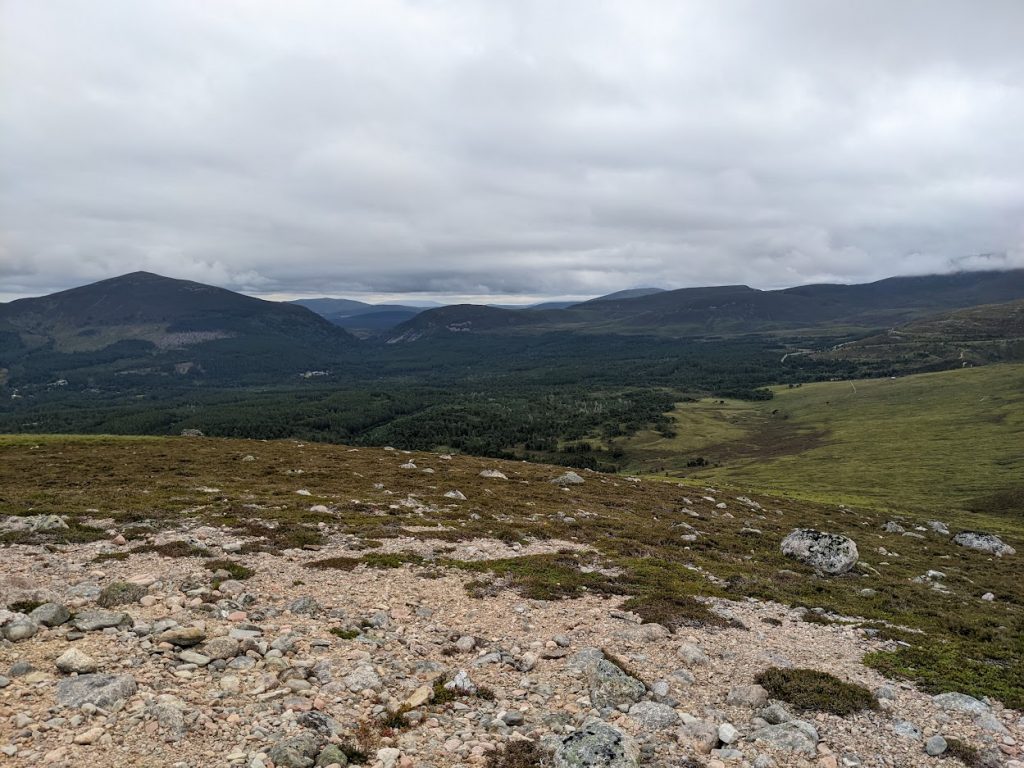
We headed along the top ridge of the enclosure to check a well-known calving area up there, but the missing reindeer was nowhere to be seen so we continued climbing to the summit of Silver Mount in search of Dante. Keeping with the theme of many “first” experiences, this was also my first time being on and seeing the summit of Silver Mount, which has glorious views of the Northern Corries, Loch Morlich and down onto Glenmore. Luckily for us, Dante was also at the summit of Silver Mount.
Looking down the top ridge towards Black Loch and Coire Cas in the distance.The view from Silver Mount looking across our enclosure towards the Pass of Ryvoan.
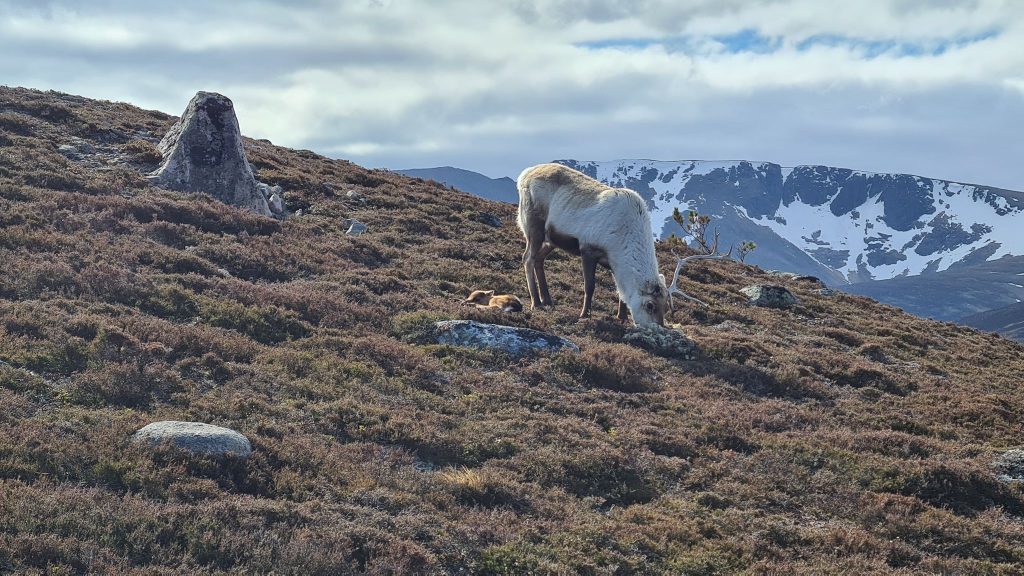
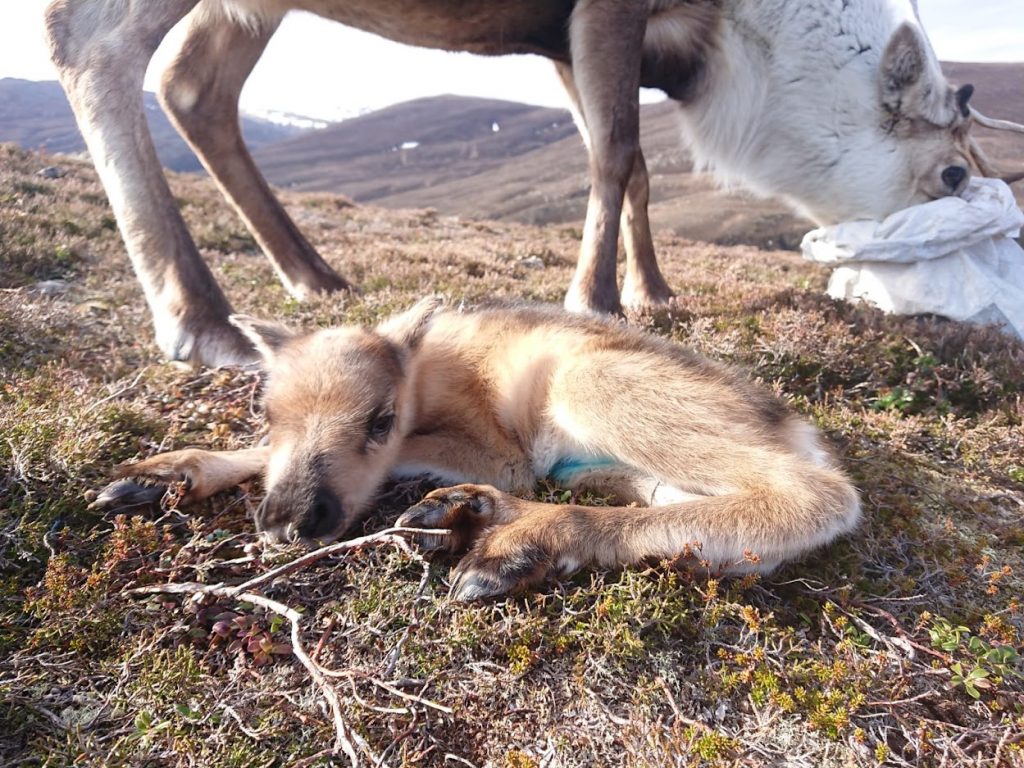
With the easy part over we had to try and see whether Dante had calved or not and for the untrained eye this was a lot harder than it sounds. We could see that the reindeer was focusing on a specific ginger looking spot, but was this a new-born calf or a rock? A question that all herders ask themselves on a regular basis when looking for full grown reindeer, never mind a tiny calf! We were lucky though and the ginger mound began to move which confirmed that we had officially found the first calf of the season (later named Glacée)! Andi headed over to feed the mother, treat the naval of the calf and give spot on to give it protection from those dreaded ticks. Once we had checked that all was ok we headed back down to reindeer house to share the amazing news that our calving season had begun!
Dante and calf looking epic with the snowy Northen Corries behind. Close up of Dante’s calf – the blue colour on her navel is the antibiotic spray.
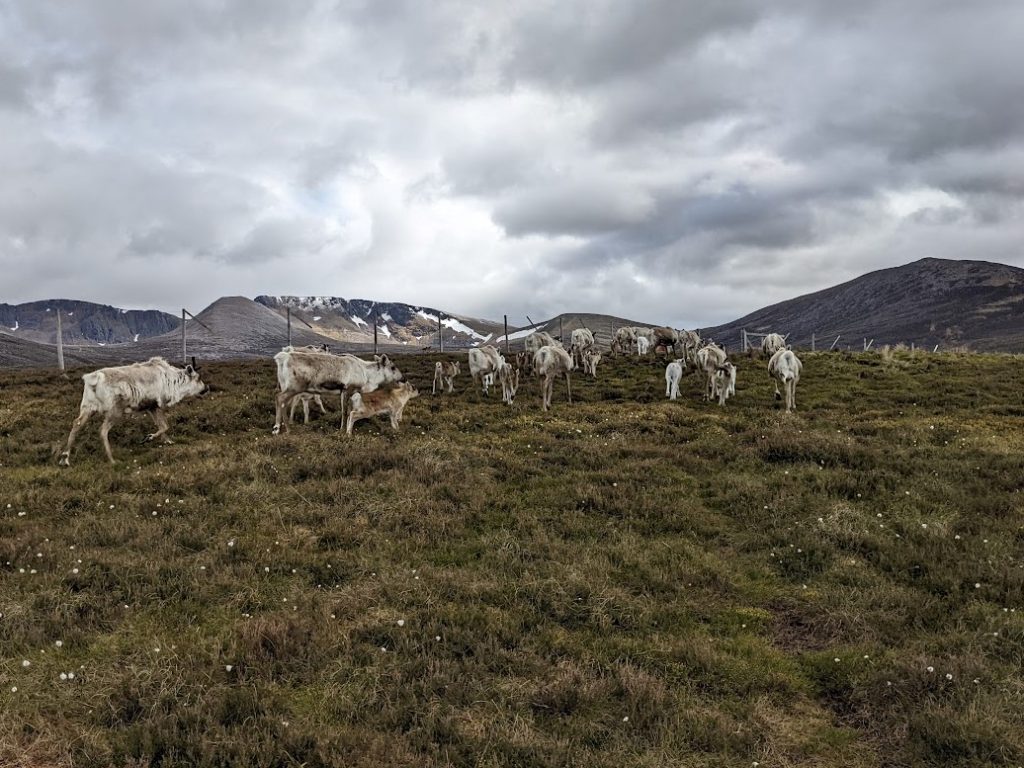
At the end of May Dante and her one month old calf headed out to the hills for the summer, along with around half of our other mums and calves. We caught up with them a few times whist they roamed freely in the hills, both mum and daughter seemed to have a great summer as they were always in excellent condition. The pair are now back in our hill enclosure for the autumn where we’ll begin to train Dante’s calf to wear a halter and get to know her personality. Hopefully she’ll grow up to be a big strong girl like her mum, and big sister Mangetout.
A big moment when the first batch of cows and calves are let out of the enclosure to free range for the summer.Dante’s calf enjoying the tasty lichen whilst out free ranging at the end of August – 4 months old to the day!
In the winter months, all of our adult male reindeer plus some of our cows roam free on the mountains over near Glenlivet. Tilly and the farm crew take care of their day-to-day feeding but occasionally one of us herders from the Glenmore base will pop over to help. Here is a random selection of photos from one of my recent visits:
Cicero and SliochButter, Cicero and SliochLegumeAnster, Emmental, Hemp, Dr Seuss and BorisLupinOld lad StrudelJonne, Mangetout, Bourbon and FavaSpy, Morse, and his granny PavlovaRubiks, Addax, Boris, Arta, Aztec, Cheer, Diamond (and Tilly in the background!)Druid the poser!Jelly, Kiruna and StenoaSpy and DiamondBingo and wee Cannellini, with Lulu to the rightLX