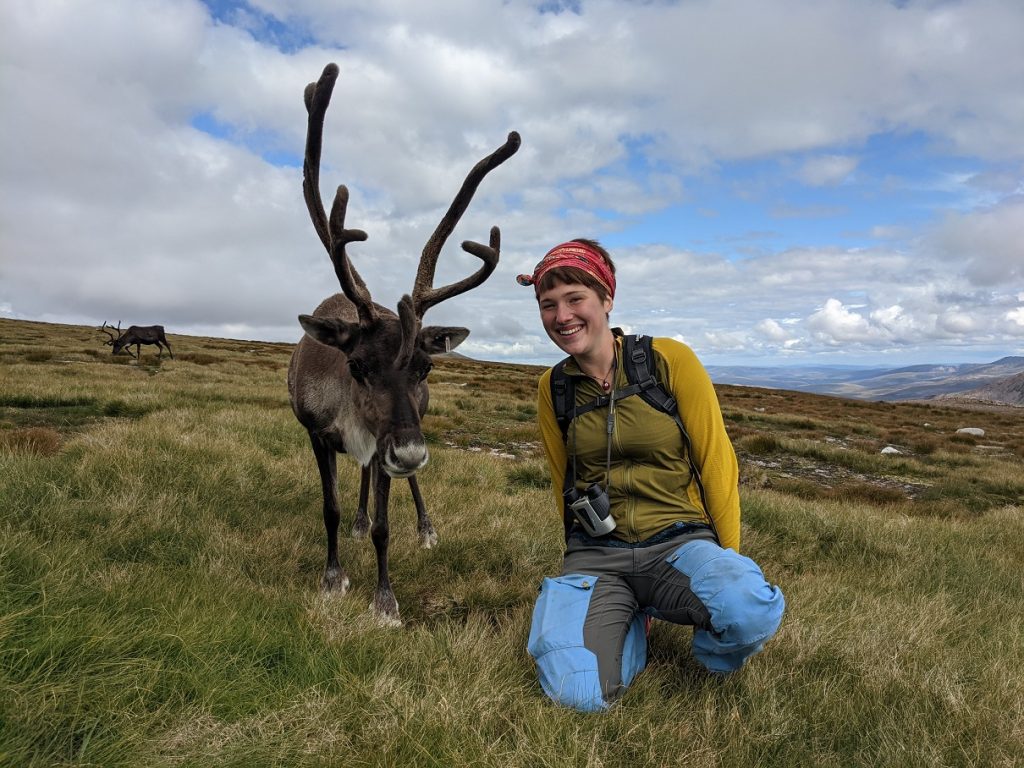
There’s more to us than reindeer…

Coming to visit us in the Cairngorms again when this is all over? Here’s a blog that’s been adjusted slightly from an old newsletter about the wonderful wildlife that surrounds us here in the Cairngorms:

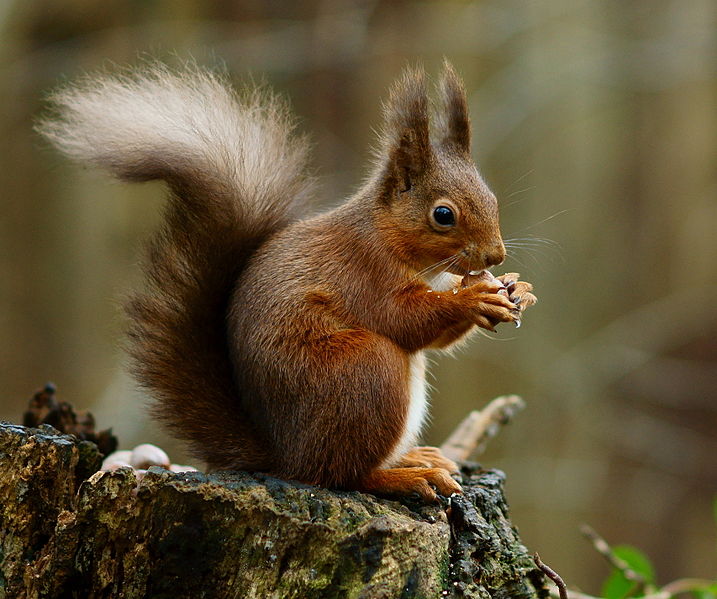
It’s not just reindeer that you might see here, there’s so much more. Around 25% of the UK’s threatened flora and fauna can be found here, and some of it is very easy to spot. The Red Squirrel is perhaps one of the most iconic animals in Scotland, but there’s no need to search too hard for them at Reindeer House as they are usually to be found on the peanut feeders in our garden or in the reindeer paddocks beside the house. Sometimes people soon forget about the reindeer when the squirrels make an appearance!

Photo by Peter Trimming
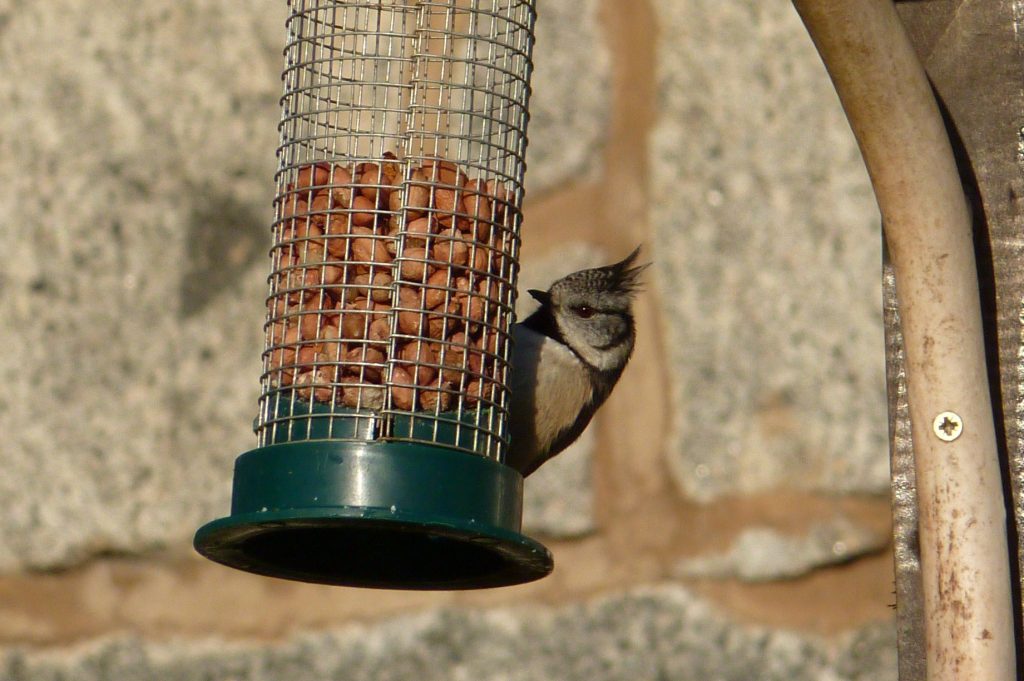
Crestie on the feeder. Photo by Hen Robinson

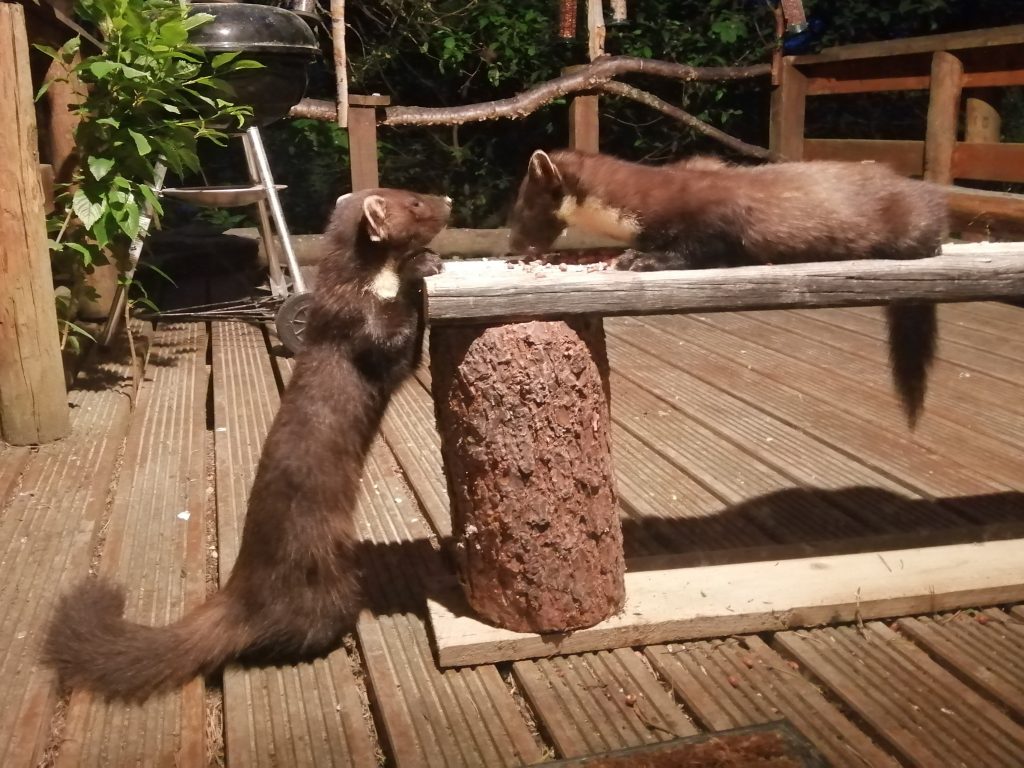
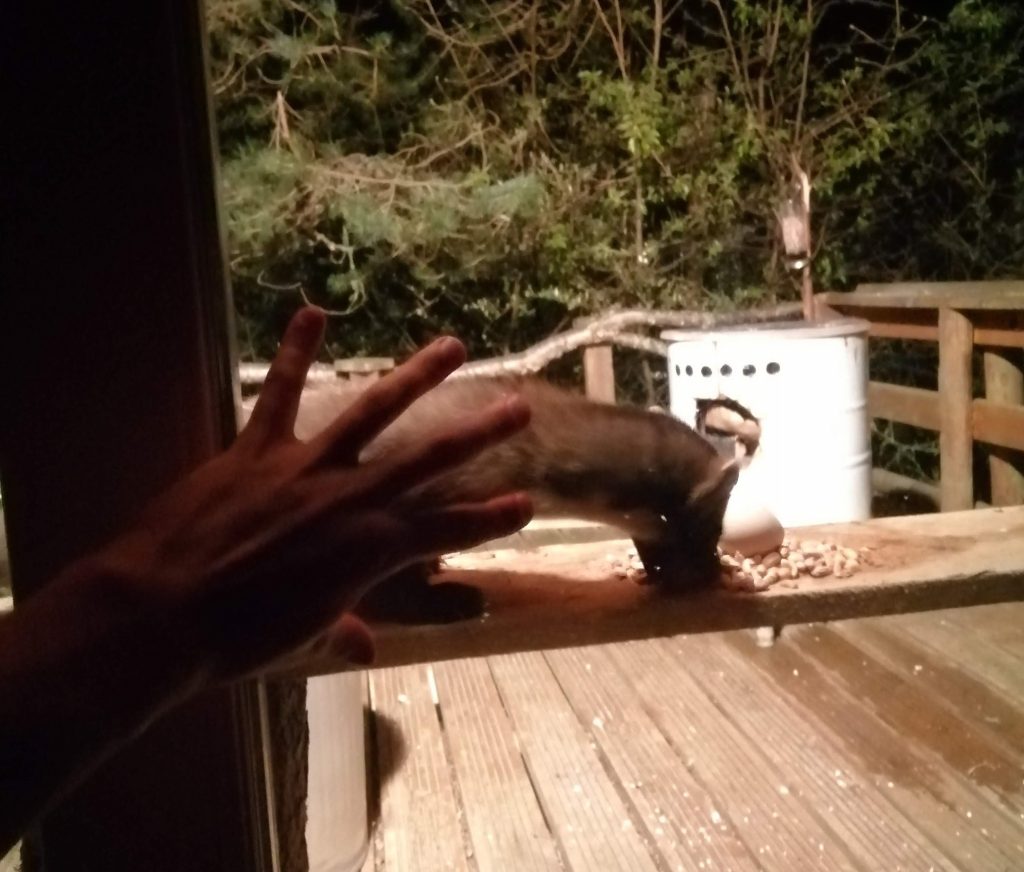
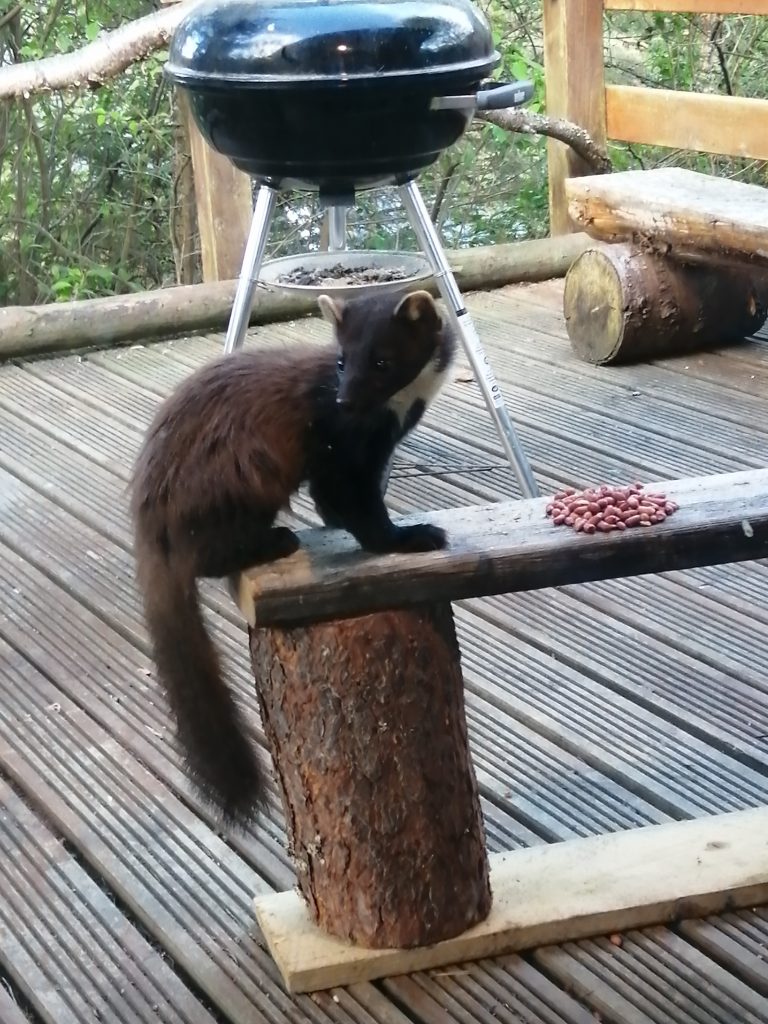
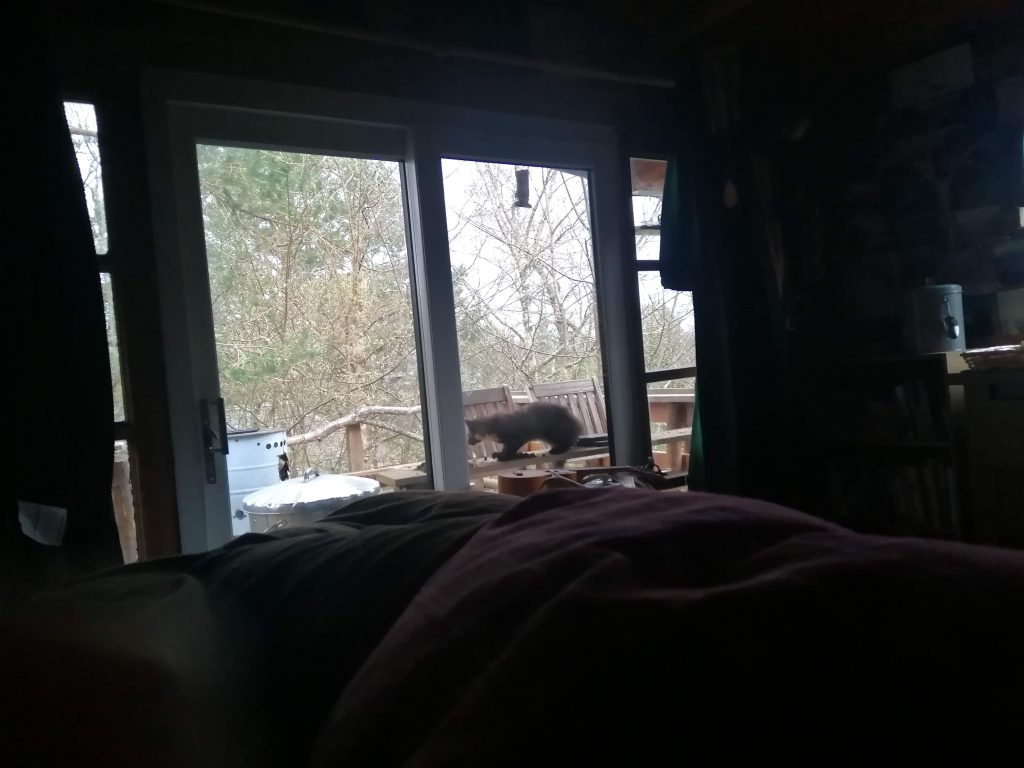
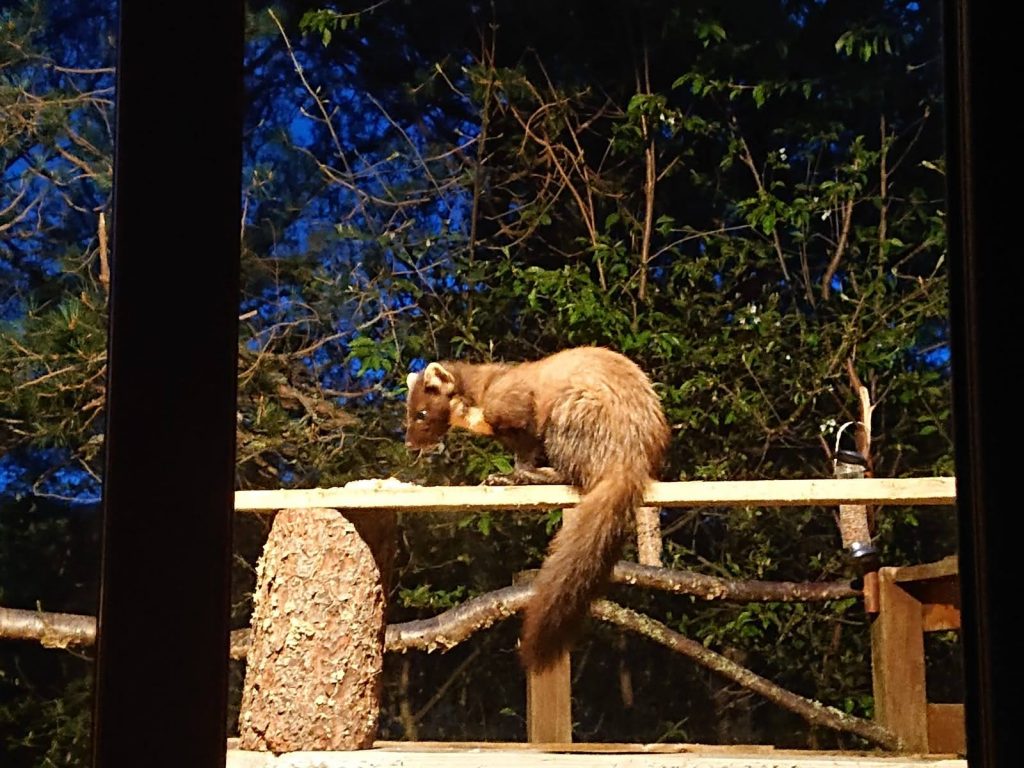
Another bird feeder highlight is the Crested Tits, a much sought after species for bird watchers due to their rarity. And like the squirrels, look no further than our front garden (but only in the winter months)! Every winter we have absurdly good views from our office window, mere feet away. The bird table is also visited by Siskins, Chaffinches, Blue Tits, Great Tits, Coal Tits, Robins, Blackbirds and Dunnocks. Among many other species, Crossbills are to be found in the forests around Reindeer House, and Pine Martens are seen regularly right outside the house at nighttime, much to our delight.

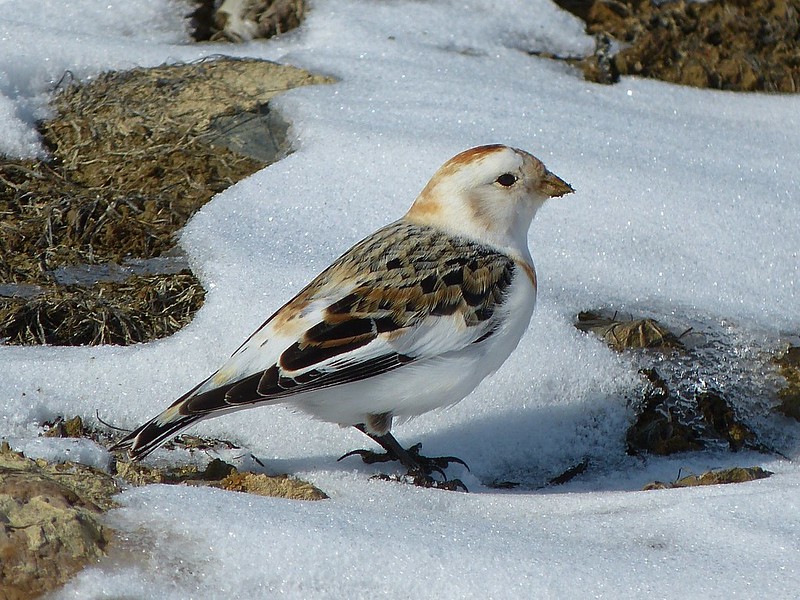
Many visitors to our hill enclosure remark upon the Mallards pottering around amongst the reindeer, a somewhat surprising sight it seems, especially so in the snow. The ducks do have an ulterior motive as they are after the barley in the reindeer feed, arriving every day on schedule to clear up after feeding time! They could well be the best fed ducks in Scotland. Other enclosure visitors are the Snow Bunting flocks in winter, having bred up on the high mountain plateau during the summer; and sometimes we have a pair of curlew in summer residence too.

Snow Bunting in winter plumage

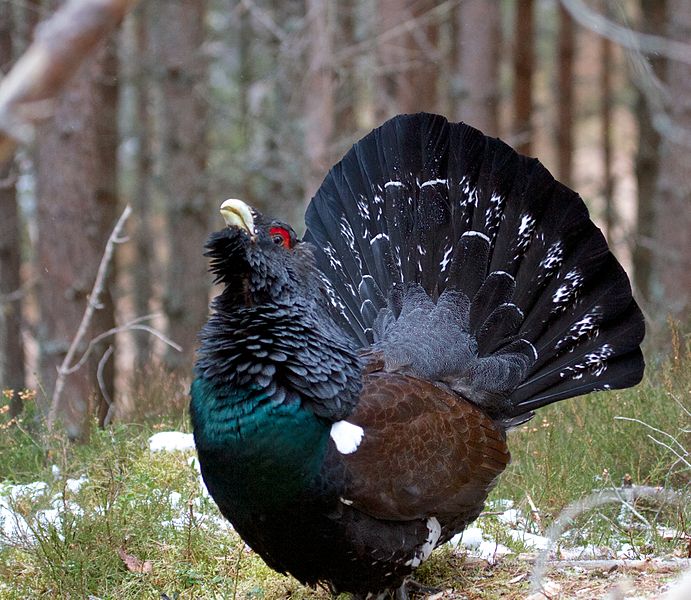
In fact our 1200 acre enclosure on the slopes of the Cairngorms is home to a variety of wildlife all year round, much of it being rather secretive. May expeditions to search for newly born calves at an unsociably early hour result in good views of Black Grouse, displaying right in the middle of the enclosure. However, by the time we take visitors up the hill at 11am the grouse have sensibly retired for the day. The Red Grouse are easier to see, and are a common sight on the reindeer treks in the summer as they nest near our trek routes. Most exciting of the grouse species is the elusive Capercaillie, of which we see a few of each year in the pine forest down near Utsi’s Hut, in the far reaches of the hill enclosure.
A male capercaillie displaying. We more often see the smaller, brown females. Photo copyright: sighmanb

And there’s plenty more. We spend hours out on the Cairngorm plateau in the summer, checking the female reindeer and their calves (if we can find them!), and frequently see the most alpine of the grouse species, the Ptarmigan; and Dotterel, rare migrant waders. Golden Eagles are spotted occasionally too.

Dotterel high up on the mountains in their summer breeding grounds. Photo by Andi Probert

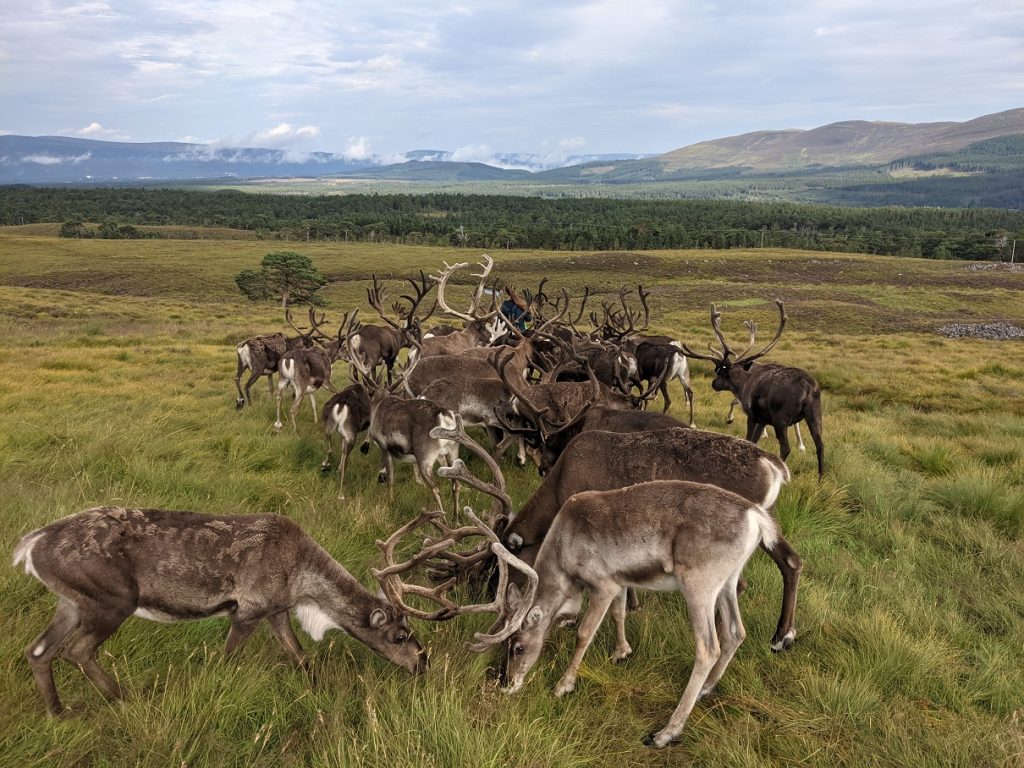
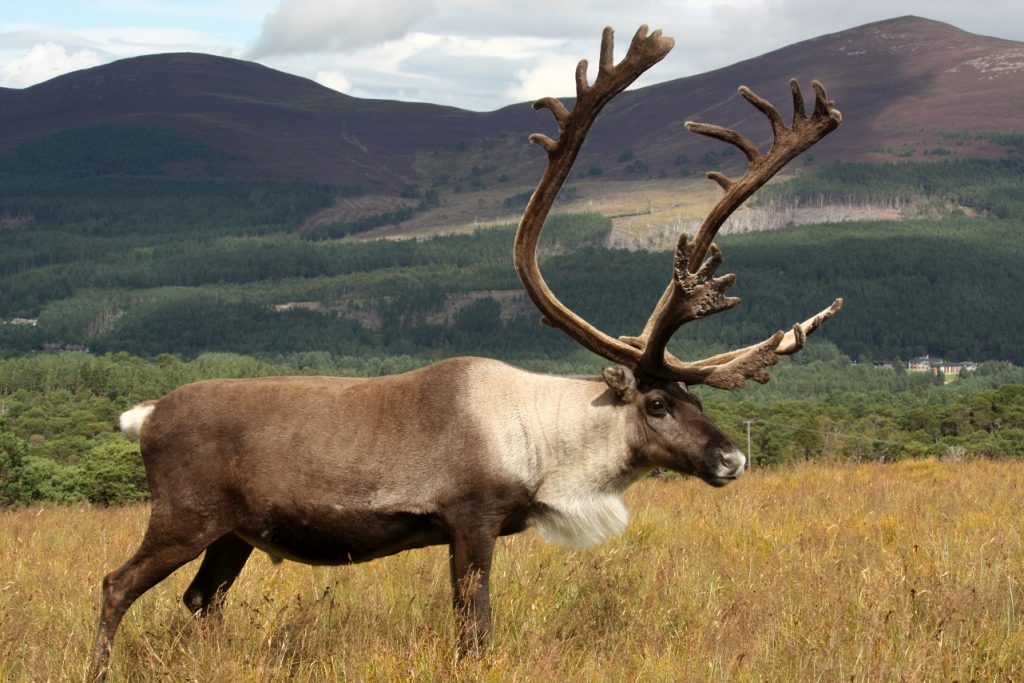
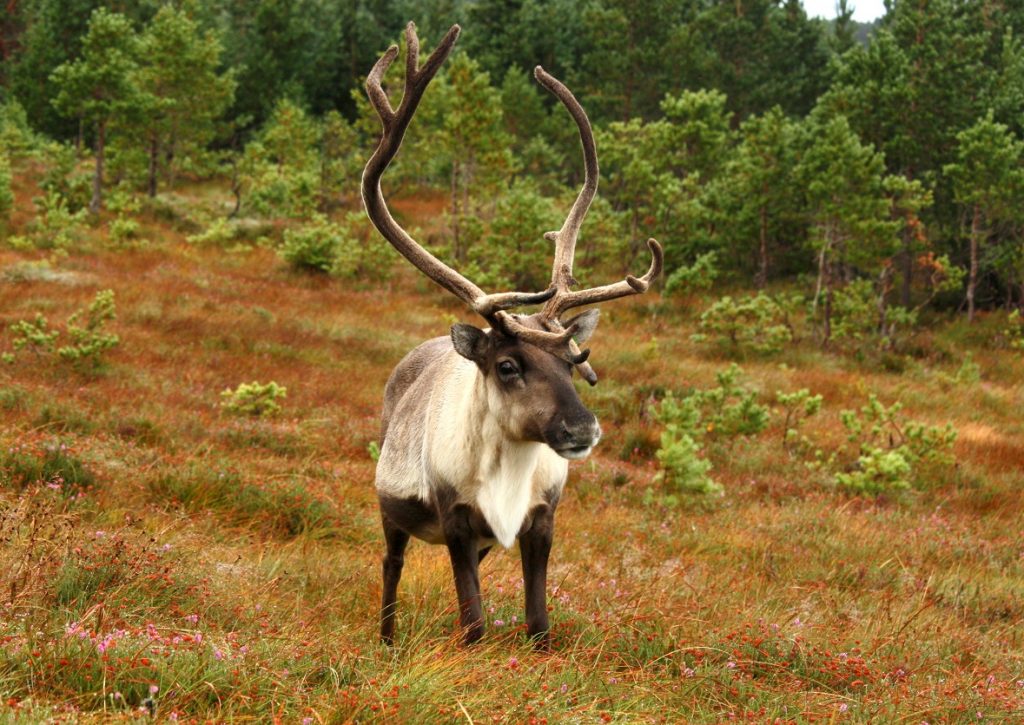
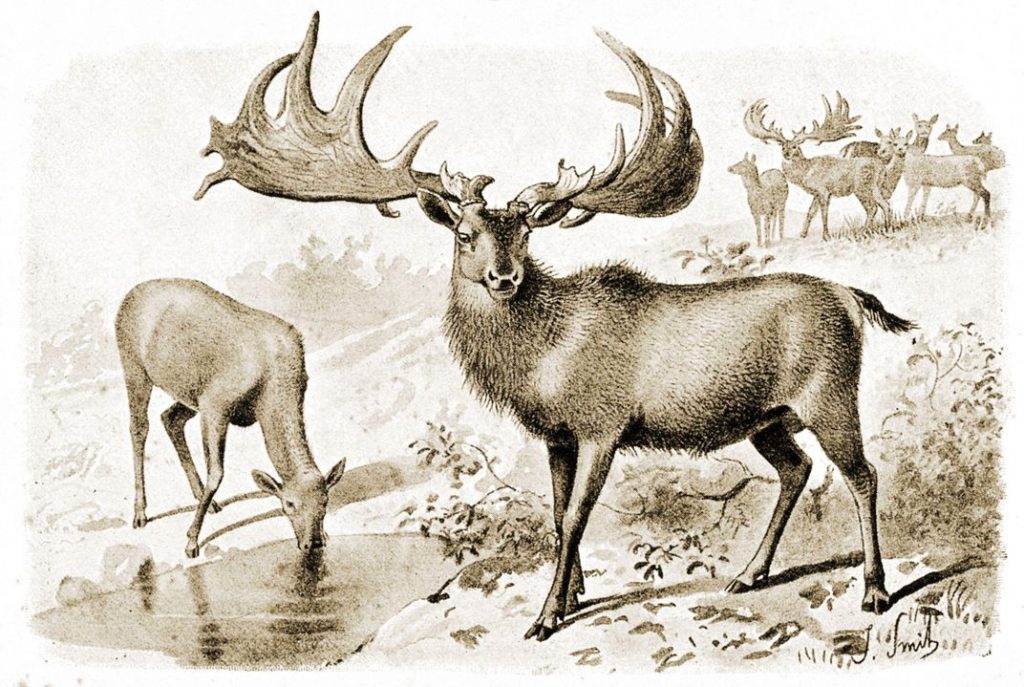
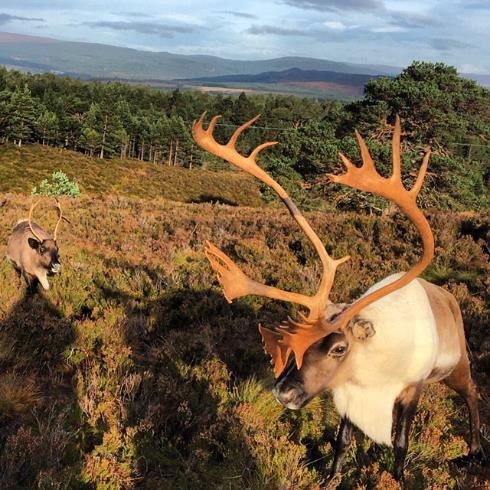
So while our focus is undoubtedly the reindeer, sometimes they do have to share the limelight with other species. Reindeer were originally native to Scotland, and while we will probably never see the likes of bears, wolves and wolverines roaming free here again, visitors to the Cairngorms can catch a glimpse of the past as the reindeer browse the heathery slopes.

Hen

Autumn in the Cairngorm Mountains

Mammals

Reindeer

During the autumn months reindeer are starting to prepare for winter. By October, their summer coat has begun to disappear below a fresh new winter coat. Reindeer winter coat is one of the warmest coats in the animal kingdom, with over 2000 hairs per square inch on their body. About 600 hairs per square inch are hollow allowing air to be trapped between them forming an insulating layer, which can keep help them survive down to 72°C.

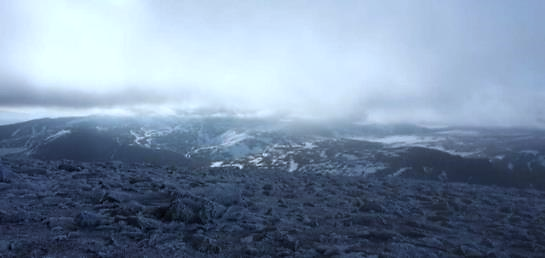
Cairn Gorm views

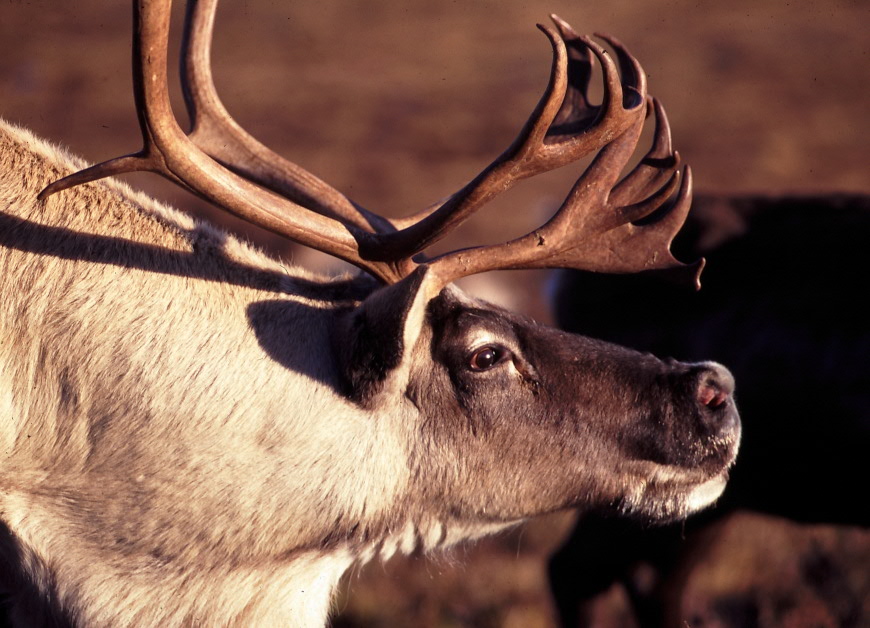
The rutting season is an important time of year for Reindeer bulls. First their velvet strips off their antlers leaving them with solid bone, stained red from the blood supply that was there to help the antlers to grow. Eventually the antlers lose the red stain and their impressive sets are revealed!

Kota during this year’s rutting season

Castrated males don’t lose the velvet from their antlers quite so quickly. This is because the reduction of testosterone doesn’t trigger the response to shed it. This also means that the castrated males get to keep their antlers slightly longer than the bulls. Because of this, castrated males make for the best Christmas reindeer.

Females that are put with the bulls during the rutting season spend the majority of the time with the breeding bull. Calves and yearlings will stay with their mothers during this period too.

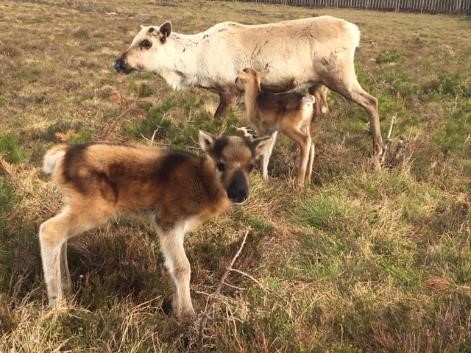
Female with her calf and a friend

Red squirrels

The red squirrels are also preparing for winter during the autumn too. They collect stores of nuts and burry them so once winter begins they have a source of food, even when no suitable food is available. The only issue they have is remembering where they buried their store.

Also during the autumn Red Squirrels begin to grow their winter coat. Their winter coat, like reindeer, is thicker than their summer coat, and denser. This allows them to keep warm during the winter. Their ear tufts also become thicker and more prominent.

Pine Martins

A group of pine martins is called “richness”, even though they are skillful climbers they normally hunt on the ground. Pine martens are believed to have come to Britain around 10,500 BC, at the end of the last ice age. They live in woodland habitats and were Britain’s second most common carnivore around 6,500 years ago in Britain and Ireland.

Similar to red squirrels, pine martins do not hibernate. They have thick fur all over there body to keep them warm during the cold winters. Pine Martins are hardy mammals and will eat anything including mushrooms, insects, small mammals such as voles and bird eggs. Being omnivorous allows them to always have a source of food even when certain plants and berries have died off due to the winter frost. They mainly forage or hunt for food at night or late in the evening.

The local bar to the Reindeer Centre is named after this elusive creature, the reason being that several Pine Martins have been spotted outside the bar late in the evening eating the various feed which is left out for the Red Squirrels. (Reindeer herders are also often found at the Pine Marten Bar late in the evening…)

Birds

Osprey

During the autumn Ospreys will start their incredible journey back to Africa, where they travel up to 5000 miles. The female is the first to leave. She leaves the nest and her fledglings in the care of the male who will continue to fish for them until they are able to fend for themselves, once they can the male will set of on the migration. Then finally the young will start their journey.

The mating pair may not see each other over the winter period, but will meet up again the following breeding season back in Scotland or Northern England. Ospreys were driven to extinction in the UK in the 1900’s due to egg collectors, they were also considered a pest due to them eating the salmon and trout.

Ospreys returned for the first time to breed in 1954 to Loch Garten near Aviemore. This was a natural recolonization, but the birds still needed a huge amount of help and protection to breed successfully in the Scottish highlands.

Eventually several pairs of osprey began to breed successfully in more remote parts of Scotland. However, many birds were helped with artificial nest platforms and nest protection watches, and a huge public enthusiasm for the birds helped ensure their survival.

Golden eagle

The golden eagle is the top predator in Scotland. It’s a massive bird of prey that mainly hunts rabbits and mountain hares but will also catch foxes, young deer and large birds like grouse. It can be seen soaring high in the sky in upland areas and remote glens. Golden eagles have large home territories, nesting on rocky cliff faces and in trees where it builds a giant nest or ‘eyrie’. These nests are often used by successive generations to rear their own young. Furthermore, similar to Osprey, Golden eagles pair for life

There are around 400 breeding pairs of Golden Eagles within Scotland and Northern England too. The birds are perfectly adapted to survive the harsh Scottish environment. Their talons can grow up to three inches, along with an amazingly sharp beak makes them perfect hunters. Also their varied diet means that there will always be some sort of prey to hunt.

Ptarmigans

They are exclusively found in the Scottish Highlands. Mature birds eat a diet of seeds, berries, nuts and leaves, while juveniles will also eat invertebrates. During the breeding season, males usually mate with one hen, producing one brood a year of around seven eggs.

You can often find them all year round on top of the highest mountains in the UK, especially on the Cairngorm Plato. Ptarmigans prefer the rocky tops of mountains to the forest environment.

During the autumn months they start to grow in their winter feathers. Eventually they change from brown to a pristine white colour. This helps protect them from predation. Blending into the snowy winter background makes it more difficult for Golden Eagles to hunt the small bird.

Izzy

Bog Blog

One day last summer I was leading Okapi and Ryvita from the Cas flats to the reindeer enclosure. I was just about to cross the burn that is crossed by Utsi bridge further down the hill when with one misplaced step I found myself thigh deep in bog. What followed consisted of much giggling (from both me and the reindeer), a serious struggle to get my leg out and a very wet arm having had to reach down into the bog to retrieve my welly. As a squelched my way to the reindeer enclosure I started thinking about the different plants that grow in a bog, especially the indicator plants that could have helped me avoid my rather soggy fate.

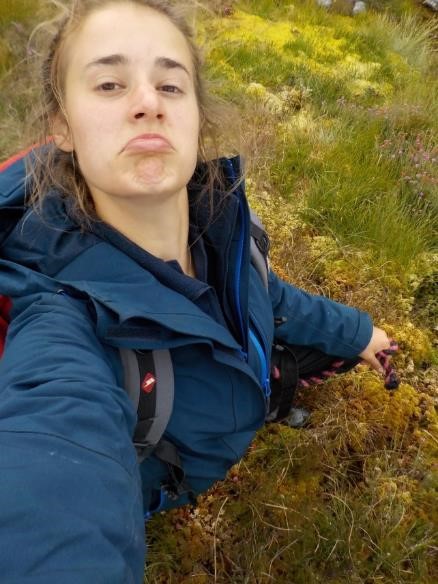
Stuck in a bog

Sphagnum moss

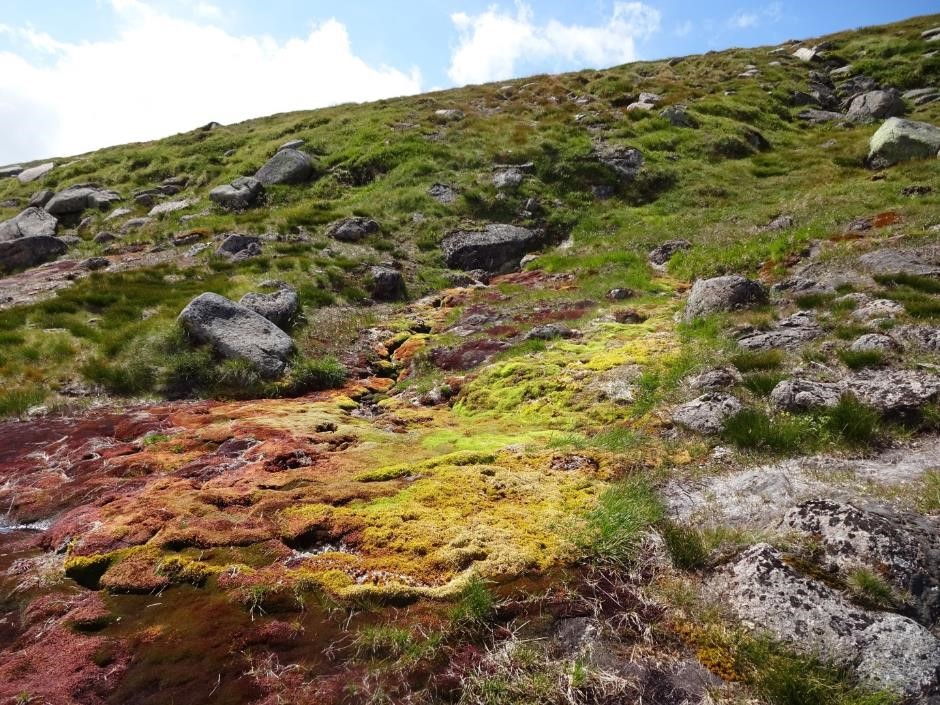
Sphagnum moss is probably the most important plant to look out for. Also known as peat mosses, this group of plants can retain an incredible amount of water (up to 26 times their dry weight). It is so absorbent that it was even used by native North American babies in nappies. This means that standing on this bright green moss (notice it behind me in my bog selfie) will almost always leave you in a similar predicament as I was in. Sphagnum mosses have two types of cells that make up the plant; small living cells and large dead cells. It is the dead cells which have a large water holding capacity. (Disclaimer: if you have no interest in biochemistry then please skip the next sentence or two) Sphagnum mosses are very good at out competing the surrounding plants by carrying out a process called cation exchange, in which nutrients such as potassium and magnesium are taken up and hydrogen ions are released. The increase in concentration of hydrogen ions in the surrounding environment is responsible for making it more acidic and stopping other species from growing there. The acidic conditions along with the layering of the sphagnum produces the peat that we see on the mountains.

Sphagnum

Bog cotton

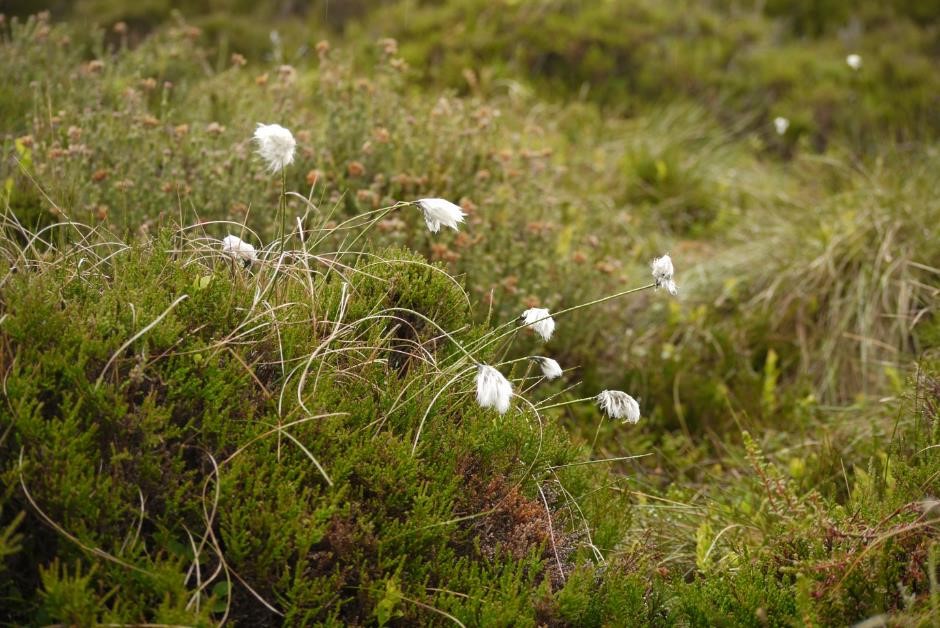
Bog cotton is a good indicator of a boggy area as its seed head stick up above the ground and warn you of the wet area beneath. Its white cotton-like seed heads can often be seen bobbing in the wind. Unlike regular cotton, bog cotton cannot be weaved into fabric, however in northern Europe it has been used to produce paper, pillows, candle wicks and wound dressings.

Bog Cotton

Bog asphodel

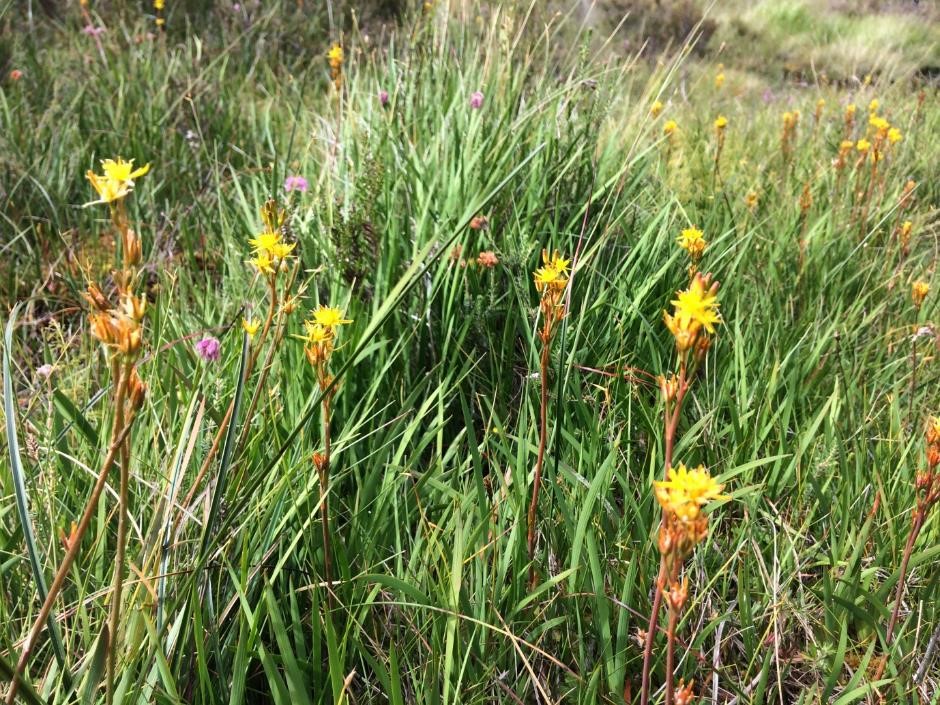
For those of you who have been on the hill trip, you may have seen the yellow spiky flowers of the bog asphodel plant. The Latin name for bog asphodel means ‘bone-breaker’ due to the belief that when sheep eat it then develop brittle bones. However it is more likely that it is correlation rather than causation as sheep eating a low calcium diet are prone to bone weakness and bog asphodel grows in calcium deficient soil. Our reindeer however have no problem getting calcium, as displayed by the wonderful antlers that they grow each year.

Bog Asphodel

Sundew and butterwort

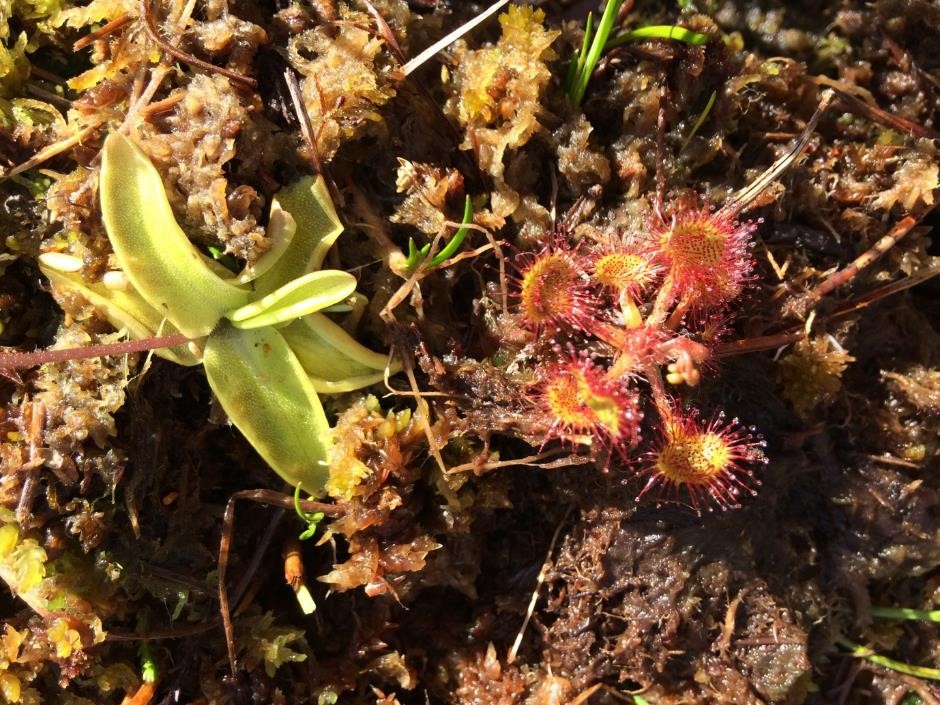
The most vicious of all the plants I have described are these two carnivorous plants. They both survive the harsh environment that they live in by catching insects to eat. Sundew catches insects by sensing their movement and elongating the cells on one edge of the leaf and retracting the cells on the other surface of the leaf causing the leaf to curl around the unsuspecting fly. Butterwort uses a different hunting method, the insects stick to its sticky glandular leaves and are then digested by the plant. If you ask me, the plants up on the hill are not working nearly hard enough to catch the midges this summer.

Sundew and Butterwort

Lotti

Midges

Midges…complete and utter nuisances. That’s what most people tend to say.
Well…I’ve heard quite a few individuals use more colourful language than that, but that’s the gist of most people’s views on this small flying insect that occupies the Highlands. This view is commonly expressed whilst people flap their hands around as if they’re aiming to actually launch off and flee the plague of midges.
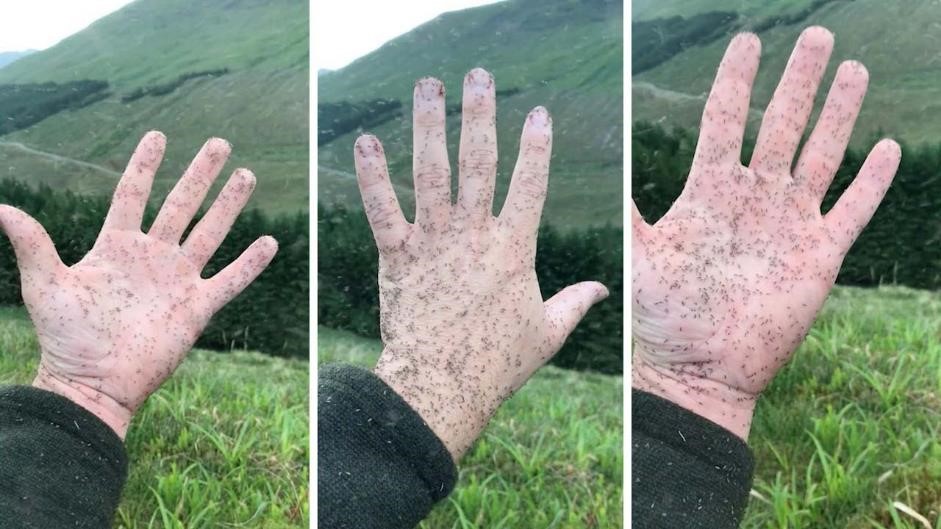
In the bible there is reference to a plague of locust but this past week it is the midge numbers that have been of biblical proportions, causing people to look like they have moustaches and tattoos. In the five years that I’ve been reindeer herding last week was by far the worst that I’ve ever seen the midges.
During this past week I also found that the term midge can get lost in translation! We recently had a visitor who complained about being attacked by midgets. It’s amazing the difference one letter in a sentence can make!

Horrible sight
Source: https://www.youtube.com/watch?v=Ox8SwZCvugE

It was during the latest inundation of midge attacks that I found myself asking: Where do these midges even live? Why are they biting us? How long do they live? Well, look no further folks…let’s rattle out some midge facts.
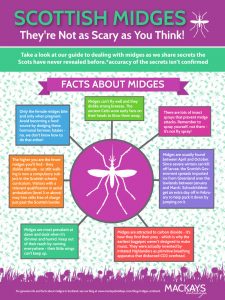
• Midges have a life span of around one month. Although adults are only capable of flight for a short portion of that time.
• Midges lay their eggs in wet soil, bogs, mires and the soggy surrounding landscape.
• In the U.K. there is 2-3 batches of midge eggs per year. The first batch is in May or June depending on warmth and moisture levels. A second occurs in late July or early August. And if the season is a warm one, a third batch can occur in September.
• In the U.K. alone there are more than 500 species of non-biting midges, and more than 150 species of biting midges. Most of these are found in Scotland, however they can also be found in Northern England and Northern Wales.
• Only the female midges bite. The male and female midges survive upon sugary food such as plant nectar. However, the females need a protein rich meal of fresh blood in order to mature their eggs. They get this from both birds and mammals, with the majority of blood coming from cattle, sheep and deer.
• Female midges tend to bite in close proximity to their breeding site and rarely go further than 1km away (cough, cough, Utsi bridge).
• Once they’ve found a blood source, midges emit pheromones and summon all their buddies to come on over, hence the swarming.
• They have short and sharp mandibles to pierce the skin of mammals and then they increase the blood flow via histamines in their saliva. This is what causes the wound to swell afterwards.
• Low light spurs their feeding habits so they’re most active at dawn and dusk.
• It takes a midge five minutes of feeding to become engorged.
• Mild and wet winters usually means a bigger midge season. Moreover, a very cold winter can also mean a bigger midge season. In 2010 the prolonged freezing conditions in Scotland reduced the number of natural predators such as bats and birds, meaning more midges.
• It is estimated that midges cost the Scottish tourism industry around £268 million per year in lost visits.
• On the Isle of Rum, folk lore says that as punishment for improperly burying a body, a gravedigger was stripped, tied to a post and left outside for the midges to feast on. They did kill him, eventually.
• Rumour has it that pomegranate skin, marmite, lavender and charcoal are all deterrents.
• They’re attracted to the CO2 that us animals produce. Some people are more attractive than others due to a combination of specific body odour and temperature. They are also more attracted to dark coloured clothing than light coloured clothing.
• There is a midge forecast, detailing how torrential the midge downpour is across Scotland, which can be located at https://www.smidgeup.com/midge-forecast/.

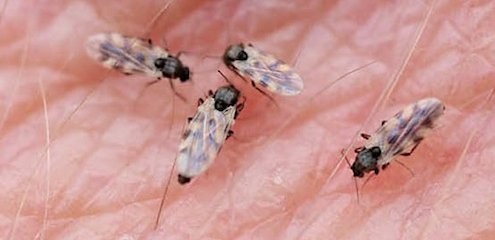
Close up of the horrible things
Source: https://www.mosi-guard.com/articles/midge-bites-how-to-recognise-midges-treat-bites-and-avoid-both-altogether

So, there you have it. They say knowledge is power, but I’m not sure this knowledge will stop you being attacked by these small critters, but at least it may give you some happiness to know that you’re playing a part in a midge’s life cycle. Bah, who am I kidding? Probably not! But you may get some happiness in knowing that at least you’re not a midge.

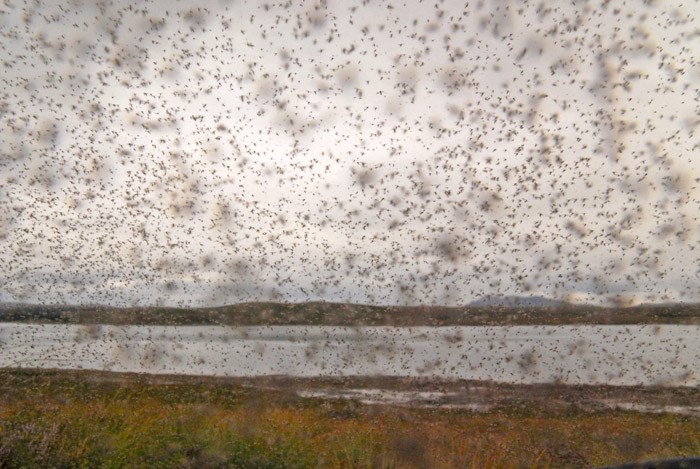
Swarm
Source: https://www.visitinvernesslochness.com/blog/the-highland-midge/

References:
https://www.lifesystems.co.uk/news/45-facts-about-the-highland-midge

Reindeer as a Species

On our kids quiz in the Paddocks is the question ‘Name a sub-species of reindeer’, and I notice it’s often the one that people get stuck at (despite the fact that the answers are there on the display boards). I’ve realised over the years however, that this is often down to a basis lack of understanding of a percentage of the population of the concept of species and sub-species, rather than anything else. So therefore, allow me to explain.

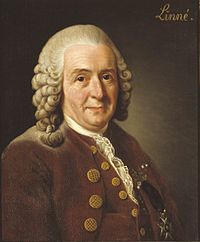
As a zoology student (all too many years ago, so bear with me if my science is rusty), the classification of all organic species using a system of ‘taxonomic rank’ was drilled into us. The system still in use today was founded by Swedish botanist Carl Linnaeus in the 16th Century and brought order and clarity to the then chaotic and disorganised way of naming and categorizing all types of life. No wonder I loved learning about taxonomy – lists and organisation? My kinda thing.

Carl Linnaeus (1707 – 1778)

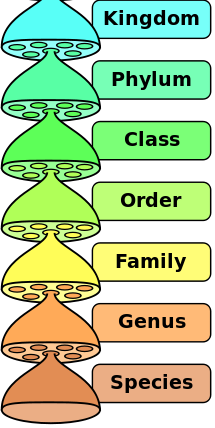
The Linnaean system breaks down all living things into 7 major kingdoms, animals being one and plants another, and then each kingdom is broken down further, into different phyla. Then phyla are broken down once more to the next level, which is class, and the system carries on through order; family, genus and finally species. So reindeer can be categorized as such:

Kingdom: Animalia (Common name: Animals)

Phylum: Chordata (Chordates  – meaning ‘possessing a nerve cord’)

Class: Mammalia (Mammals)

Order: Arteriodactyla (Even-toed hooved mammals)

Family: Cervidae (the Deer family)

Genus: Rangifer

Species: tarandus


Biological classification chart

The two part ‘binomial’ name Rangifer tarandus is perhaps more commonly known as a ‘Latin name’, and every species in the world has one. You will be familiar with ours as Homo sapiens, and like humans, reindeer are the only species within their genus, Rangifer. A regular question from visitors is ‘So….how are reindeer different from deer?’ Bizarrely, it can be quite hard explaining to people that reindeer are deer. My usual analogy is to get people to think about lions and tigers. Both obviously cats, so therefore members of the cat family (‘Felidae’), but at the same time both clearly different species from each other. So while reindeer are a member of the deer family, they are a different species from other types of deer. For example, moose, red deer and muntjac – all clearly distinguishable in looks from one another, but crucially also genetically different.

But then, as with most things, it all gets a little more complicated. Not content with 7 major divisions, scientists introduced sub-divisions in order to break down everything further. So now there are, among others, sub-classes, sub-families, sub-genera etc. Arghh! While Rangifer has no sub-genus, there are some subspecies to contend with, and this is the relevant info that we hope people will track down in our Paddocks. All seven subspecies of reindeer and caribou are all still Rangifer tarandus, so effectively all genetically the same animal, but a subspecies is shown by adding a third name after the binomial. Just to clarify too, reindeer and caribou are the same animal, but reindeer are the domesticated version of caribou. The differences are also geographical, in that reindeer are found in Europe and Asia, while caribou are found in North America and Greenland.

So back to our seven subspecies. We have:

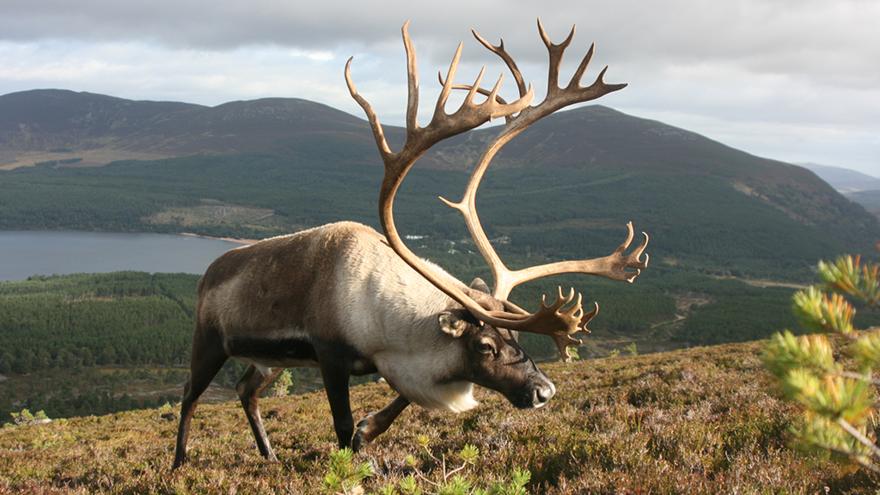
Eurasian Tundra reindeer (Rangifer tarandus tarandus): Open-ground dwelling subspecies, which the majority of all domesticated reindeer belong to, including ours.

Our big bull Crann, a ‘tundra reindeer’

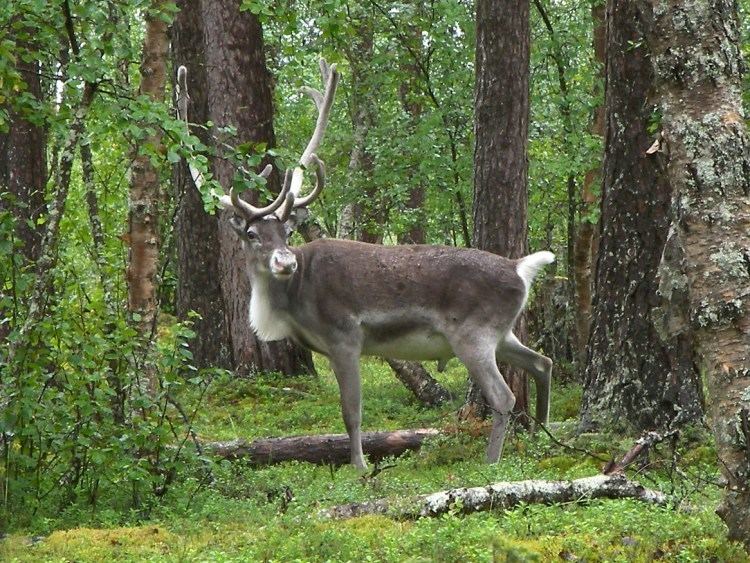
Eurasian Forest reindeer (Rangifer tarandus fennicus): Boreal forest dwelling subspecies, typically taller than tundra reindeer.

Forest reindeer

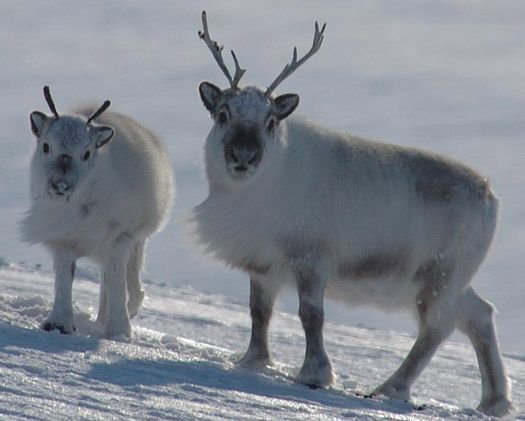
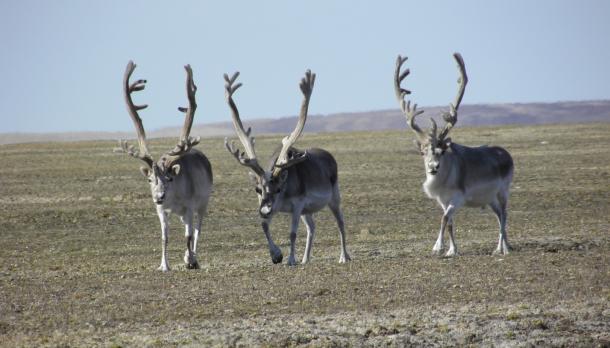
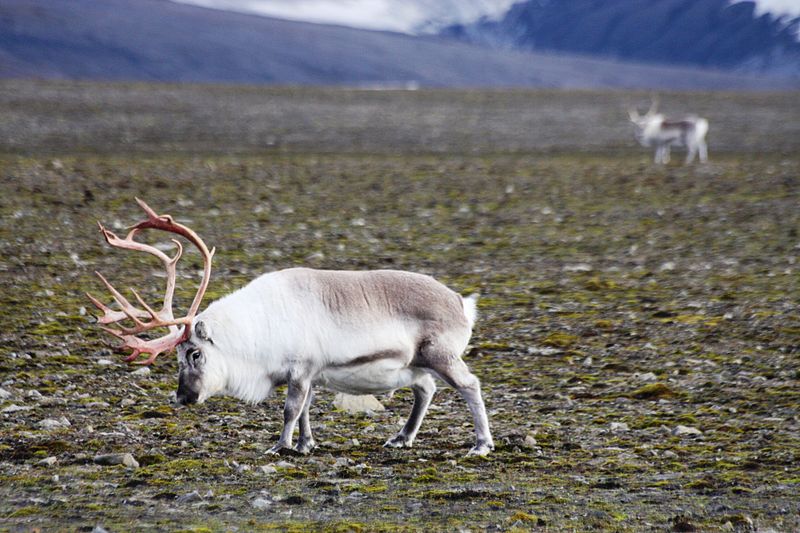
Svalbard reindeer (Rangifer tarandus platyrhynchus): Smallest subspecies, endemic to the arctic archipelago of the Svalbard islands. Short legged!

Svalbard reindeer

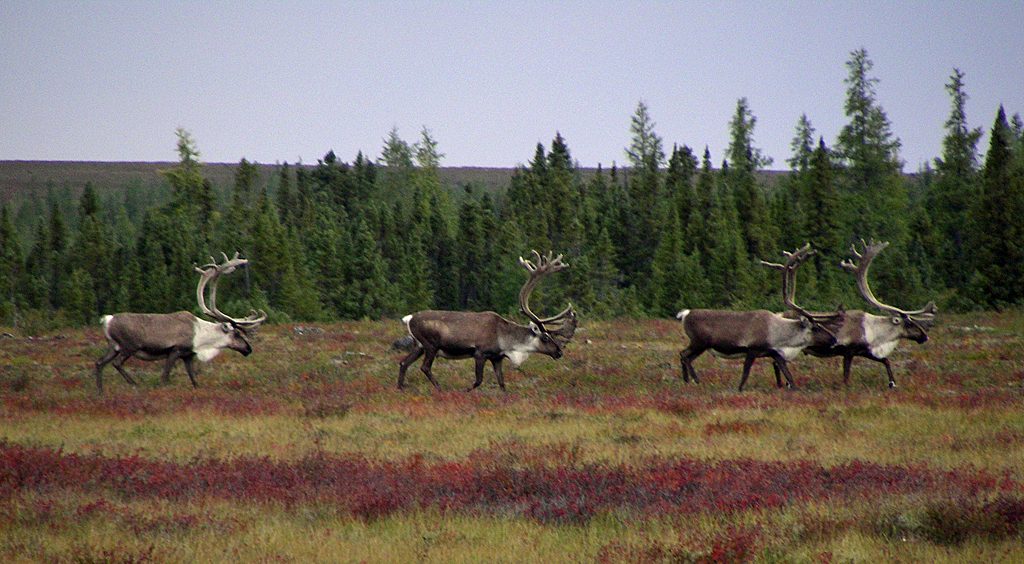
Barren-ground caribou (Rangifer tarandus groenlandicus): Migratory subspecies of open ground. The most similar of the caribous to our tundra reindeer.

Barren-ground caribou

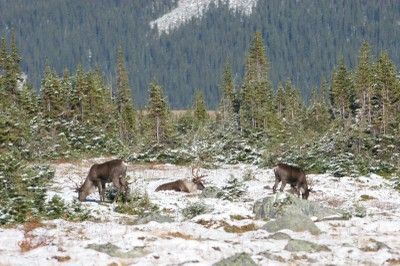
North American woodland caribou (Rangifer tarandus caribou): Largest caribou subspecies, often darker in colour. As the name suggests, they live in forests, and generally don’t migrate.

Woodland caribou Copyright Paul Sutherland

Peary caribou (Rangifer tarandus pearyi): Smallest of the caribou subspecies.

Peary Caribou Copyright Trent University 

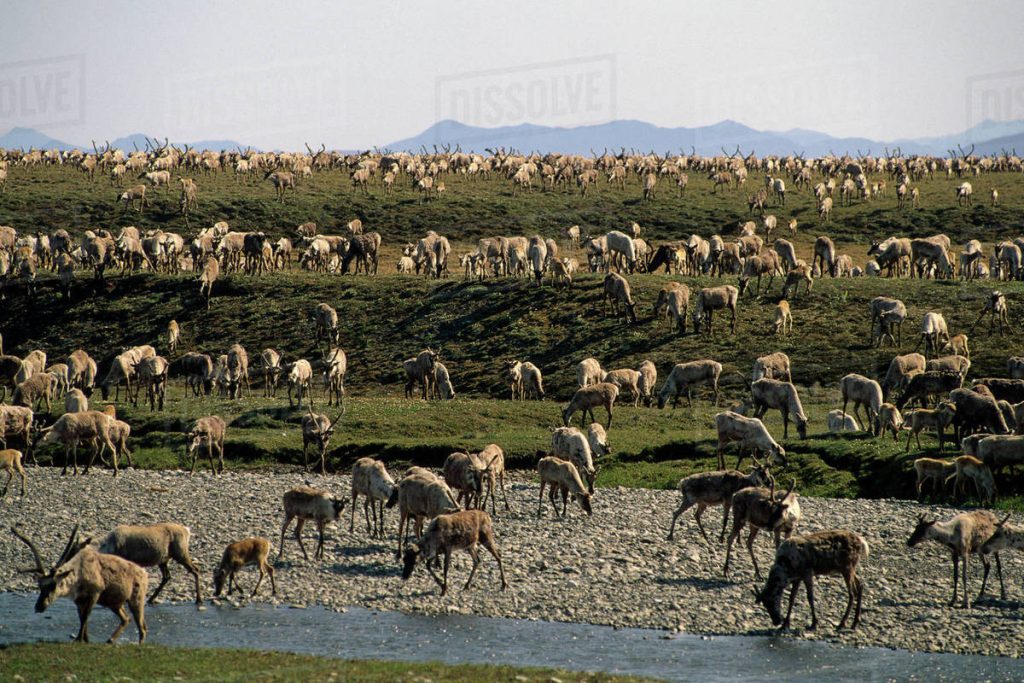
Alaskan or Porcupine caribou (Rangifer tarandus granti): Migratory subspecies most closely resembling the barren-ground caribou, and named after the Porcupine river, which runs through much of their range. The longest migrating land mammal on Earth.

Porcupine caribou

There have been two other subspecies in the past but these have now died out – the East Greenland Caribou and the Queen Charlotte Island Caribou.

So there you go, a brief taxonomy lesson, and congratulations to anyone who has stuck with me, as well as apologies for some slight over-simplifications for any scientists amongst you. Hopefully you’ll have all learnt something though – I’m a big believer of sneaking in educational blogs among the pretty pictures and funny stories we often post! And if it’s all too much and you’d just prefer something a bit more light-hearted, head off and google pictures of Svalbard reindeer. You’ll not be disappointed.

Hen

Attack of the flying beasts

First off, I’m not talking about the reindeer in that heading. Reindeer only fly at Christmas time after Santa has given them the magic powder and our lovely reindeer don’t attack.

I am of course talking about the flying mini beasts – flies, bugs and, the worst of the worst, midges. Scotland wouldn’t be Scotland without those little terrors, and they are a sign that summer has finally arrived here in Cairngorm, but they aren’t my friends.

No one here likes the midge, including the reindeer. With the heat rising above 20°C and them still having some of their winter coat, our boys are feeling the heat. In hot weather we often give them access to the shed to hide from the heat – you’d be amazed how many come running out at feeding time.

They are also bothered by the flies and midges, but there’s not much we can do there. As much as I’d like to eradicate midge for both my own and the reindeer’s comfort, they are an important food source for birds, toads and frogs, and bats.

Our boys cope with the midges fairly well; in the Paddocks they hide under our shelter shed and up on the hill avoid stagnant pools where midges breed and shake to get rid of the biting buggers. Sometimes it’s like watching a little reindeer dance: they stomp their back foot a few times, then the other, a little shake, a few more stomps, and then if the midges are really ferocious, they’ll burst off in a sprint, jumping and kicking the air. It’s quite funny to watch!

We also spotted Oryx doing something a bit odd. It was the end of a Trip, and we were heading to the gate to leave the enclosure. A few boys followed us, no doubt thinking there’d be more food. There’s a large mud bath just at the gate, which usually the reindeer don’t bother with, but this time Oryx got into the big puddle and just stood there. He seemed pretty content, so he was left to his own devices while Fran and I did some poo picking (the glamorous lives we lead). Eventually he decided his spa treatment was finished and got out of the mud bath. He looked ridiculous with mud socks up to his ankles, but he seemed pretty happy with himself.

It’s known that red deer wallow, or bathe in mud, but the cause for this is still unknown. Some think it may be to reduce ectoparasites, while others believe it is to cool down. I’m not sure it’s ever been recorded in reindeer before (a quick Google search didn’t come up with much) but I think Oryx may have been trying to avoid the midges biting at his legs. Either that or he fancied a quick mud treatment at the ‘spa de le Cairngorm’.

Oryx in mud
Oryx in mud 2

Calling all deer..

Deer in general are fairly quiet animals, uttering little or no noise in their daily lives. However there are two quite vocal times of year, in the spring when female deer calve and in the autumn when the males are competing for the breeding females.

In spring time whether it is a Red deer hind, a Roe doe or Reindeer cow they will call softly to their young when they are looking for them. In May time when our reindeer calves are born the mothers can get quite agitated if their young calves are not right beside them, grunting incessantly to call them back. Red deer hinds ‘mew’ to their young calves and a Roe doe gives a low whistle when calling her young.

red deer hind
A Red deer hind with her young. Photo from Wikipedia Commons

But the call of the rutting males can be quite different and is sometimes meant to warn off competing males and signal ‘how big and tough’ they are. At this time of year in the forests and glens of Scotland the red deer are in full rut and they make a fabulous bellowing noise rather similar to the roar of a lion. There have been scientific studies on the meaning of bellowing and it has been proven that the more times a stag roars at one session the more likely he is to be a successful breeding male.

Frontal view of red deer stag (Cervus elaphus) roaring during the rut, mouth open, in England
A Red deer stag bellowing. Photo from Wikipedia Commons.

However Reindeer (and Caribou) do not bellow like red deer but instead ‘grunt’ rather like a female calling to her calf, but more ‘gutteral’. And the grunting only really takes place when a bull is chasing after a cow. It is not a loud noise and certainly is not a threatening call in the same way as the red deer bellowing.

Bulls spar autumn04
A tussel will often follow reindeer grunting, with the winner going on to breed with the females.

Roe buck, patrolling his territory will bark (like a dog) to challenge other bucks who dare to step a foot in his domain and Fallow bucks are different again, issuing a husky, rolling grunt in an attempt to attract the does and warn off other prospective males.

roe buck
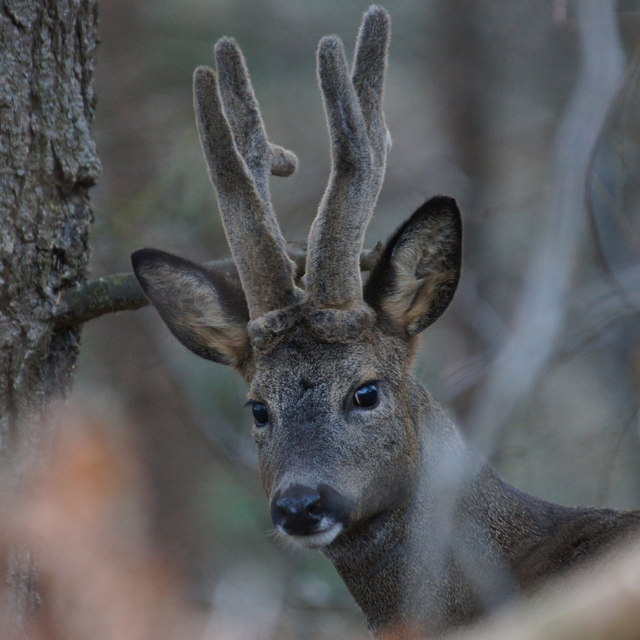
A Roe deer buck with velvety antlers, just before the rut. Photo from Geograph.
Persian_Fallow_Deer_1
The grunt of a Persian Fallow deer buck, to warn off competitors. Photo from Wikipedia Commons.

The non-native Sika deer, which were introduced into GB at the turn of the last century, have a characteristic kind of whistle, which turns into a high-pitched scream during the rut.

Sika Deer Roe Deer Hirsch Wild Free Deer Red Deer
The more delicate looking of deer species in rutting season, a male Fallow deer. Photo from Max Pixel.

So there is a vast variation of noises from grunts to screams, even among the deer found here in Great Britain. So if you go out in the countryside at certain times in the year and hear something unusual, don’t take flight, it will probably be a female and young calf, or else a harmless male deer in full flow because it’s the rutting season..

Tilly


How does Svalbard get his name?

Each year all the calves are named in September after spending the first four months of their lives free-ranging in the Cairngorms. Every year we select a theme to name the calves by. In 2011 the theme was “Games and Past Times”; as a result we have Scrabble, Rubiks, Rummy, Origami, Monopoly, Puzzle and Jenga amongst others.

However, as with any rule there is always an exception and Svalbard, also born in 2011, is the odd one out for that year!

Svalbard is currently in our Hill Enclosure here in the Cairngorms and, because of his large white nose (not to mention his fondness for food), he often stands out leading visitors on our Hill Trips to ask what his name is. This has prompted me to answer the question, why is Svalbard, called Svalbard?!

 To fully answer I’m going to first take us to the Arctic Ocean and the archipelago of Svalbard itself…

1
You talkin’ about me?!

The Svalbard archipelago of Norway is found in the Arctic Ocean north of mainland Europe, approximately halfway between Norway and the North Pole.

Svalbard is an incredibly wild place with a land area of 61,022 km2 and a human population of only around 2700 (for comparison Scotland’s land area is 77,933 km2). Approximately 60% of the archipelago is covered with glaciers! The islands are home to only a few species of mammal which include polar bear, Arctic fox and its own subspecies of reindeer, called the Svalbard reindeer (Rangifer tarandus platyrhynchus).

2.png
Svalbard is located in the Arctic Ocean. Map from Wikipedia.

The Svalbard reindeer has inhabited this harsh wilderness, and has been geographically isolated from other reindeer for over 5000 years. As a result they have become very well adapted to the particular landscape and roam on nearly all non-glaciated areas of the archipelago. The Svalbard reindeer wins the award for being the most northerly living herbivore mammal in the world!

3
A wild Svalbard landscape. Photo from Wikipedia.

The Svalbard reindeer is the smallest subspecies of all reindeer and caribou. Bulls average 65-90kg in weight, and cows between 53-70kg compared with our Cairngorm reindeer where bulls can weigh 150kg. Svalbard reindeer are very distinctive for having short faces and short legs, making them appear ‘dumpy’. They also have a very think, long winter coat. The long coat also contributes to their short-legged appearance and even starved individuals can appear fat in the winter!

4.jpg
A Svalbard bull with tiny legs! Photo from Wikipedia.

Svalbard reindeer may make short altitudinal movements, or slightly longer inter-island journeys across the sea ice but they are mostly sedentary and therefore have low energy demands. The lack of migration could be a reason why they have evolved short legs, also helping them have conserve heat with a smaller surface area.

However, don’t let their short legs deceive you! They can reach speeds of up to 60 km an hour on a good running surface, giving them the ability to out run a polar bear, the only predator they face on Svalbard (apart from man).

Unlike the majority of Reindeer on the Norwegian mainland the Svalbard Reindeer have not been domesticated, and also do not live in large herds but tend to be solitary or stay in small groups.

5.jpg
Svalbard reindeer, with proportionally shorter legs. Photo from Wikipedia.
6.jpg
Not sure what our Scottish lassies would make of these fellas! Photo from Wikipedia.

I’m digressing, so back to our Scottish Svalbard…

7.jpg
Back to me… finally!

Svalbard was born on the free-range in May 2011 to Arnish, as a result his exact birthday is unknown. Arnish and young Svalbard were not seen between July and October that year, until Svalbard turned up by himself  in October at the Hill Enclosure, without his mother, who was sadly not seen again.

When this orphaned calf turned up, he was given a name according to the theme for that year. But the herders at the time kept commenting on how dumpy and short-legged he was; as a result he was quickly nick-named “the Svalbard reindeer”. Before too long, the name stuck and he’s been Svalbard ever since! Thankfully for him, he lost his stocky proportions and we now have a handsome reindeer with a big personally!

This whole blog was basically an excuse to show some cute photographs of a young Svalbard (and to research a future holiday destination!) so here come the pictures…

8.jpg
Svalbard with his mother, Arnish (who never grew antlers). Looks like he’s got pretty long legs here!
9.jpg
Svalbard – perhaps I can see the short legs here?
10.jpg
Svalbard in his gangly teenage phase?
11.jpg
Svalbard as a young bull in 2013 with his obvious white nose.


Ruth


A Pied Wagtail story

Up on the hill in our 1200 acre enclosure there is a shed. We use the shed to house sick reindeer, catch the wild ones, and store all our hill-working tools and materials.

For the last couple of months we have had a visitor in our shed on the hill. A little female Pied Wagtail decided that the shed made an excellent house to hold her nest, and it even came supplied with a renewing source of insulation – reindeer hair!

Tucked neatly out of the way, hidden behind some spare fencing wire, Mrs Pied Wagtail laid her second-of-the-year clutch of four teeny-tiny Pied Wagtail eggs. With the reindeer hair lining, and her body warmth for much of the day, the eggs were kept nice and toasty through the variable Scottish summer.

IMG_20170712_100148573.jpg
Can you spot the nest?
IMG_20170712_100234711.jpg
Mrs Pied Wagtail has used her initiative and used all the spare winter-coat reindeer hair to line her nest. Each reindeer hair is hollow, making it an excellent insulator.

On the morning of the 18th of July, we walked into the shed to the shed to find four little chicks huddled up against the nest. A couple of days later we were greeted by the sound of cheeping, and were delighted to find 4 yellow open beaks hungrily competing for food. It is of course incredibly important not to disturb the mother on her nest, or the chicks whilst they are alone, so these photos were taken quickly whilst the mother was already away.

18 July
The newly hatched chicks, huddled up keeping warm whilst Mamma Wagtail is away.
Wagtail chicks (fleg 31)
Four little chicks on the 24th July, hungrily asking for food.
Wagtail chicks 30th July.jpeg
After 2 weeks in the nest, the chicks are noticably bigger and ready to fledge!

Pied Wagtails are a common British bird, often known by slightly unusual nicknames such as ‘Polly Washdish’, or ‘Dishwasher’. These names are thought to come from olden days when women would wash dishes in streams where Pied Wagtails were common. They are lovely, sprightly birds that appear very cheerful and eager with their wagging tails and chirping call.

4402371_6cfb8803.jpg
A fully gown Pied Wagtail. Photo by Albert Bridge.

By the 31st of July, the chicks had fledged, and are now off in the big bad world, where we wish them all the best. We are always happy to see birds and beasts using our shed for shelter, and hope to see our little female Pied Wagtail back next year!

Morna

Yellow’s on the Broom

This is the title of a Scottish song about the Travellers (sometimes called Tinkers) who lived a nomadic life which often settled for a short while during the harder winter months. The lyrics show the Traveller anxious for Spring and a new start to traveling.

The guided walk out to the reindeer herd at this time of year is particularly colourful because the broom is in full flower with its multitude of bright yellow flowers. After the muted colours of winter, old heather and deciduous trees without leaves the flowering broom brings splashes of colour into the hills. I can understand why the yellow Broom would have lifted the hearts of many a traveller.

t
The Hill Trip group paused for a breather at Utsi’s Bridge, about to cross the Allt Mhor Burn. The yellow Broom flowers light up the valley at this time of year.

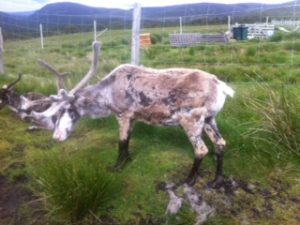
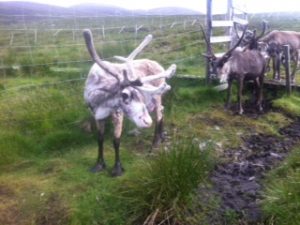
In fact the daily hill visit to the reindeer which takes us across the Allt Mhor Burn to the summer grazing of part of the herd is incredibly picturesque just now, perhaps making up for the reindeer themselves who can look quite scruffy at this time of year as they lose their winter coats to reveal their short dark summer coats underneath.

Picture of a really scruffy reindeer

From a distance Broom can look really quite similar to Gorse, another shrub which has lurid yellow flowers.  Both plants tend to grow in the same kinds of places; heathlands, uncultivated land, roadsides etc. In a dense clump where both are found, it can be hard to tell where the Gorse ends and the Broom begins.

However once you get up close you immediately see the difference, Broom is a large, deciduous shrub, like Gorse, but without the spines. You would never push your way through a gorse bush in shorts, that’s for sure.

6
The soft stems of broom give no barrier to the hill wanderer.
gorse.jpg
In contrast, gorse is virtually impossible to pass through without a full coat of proection against those spines. Photo by Nigel Mykura.

For me, my personal preference is definitely Broom, with no sharp, jaggy spines and a slightly lighter coloured yellow flower, but it is a mystery to me why some areas are dominated by Gorse and others by Broom.

Perhaps a more learned person than me can come up with the answer..

Tilly

Book Now