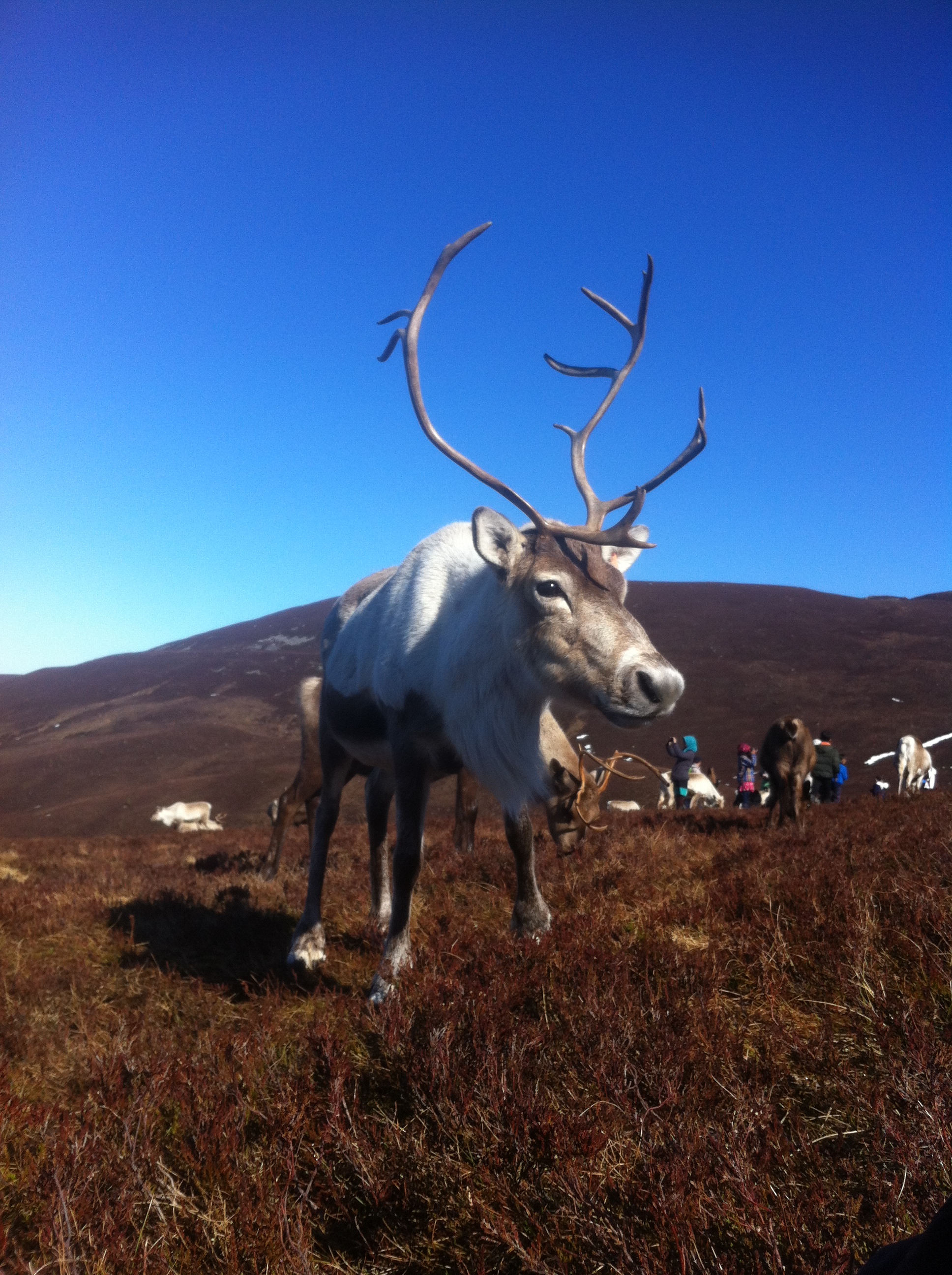
The Early Shift

No job with animals is entirely “9 til 5”. As reindeer herders, we normally work from 8am to 5pm. In calving season, however, this becomes rather more flexible. When cows are ready to give birth, they tend to head away from the herd to find a nice secluded spot, which in our 1,200 acre enclosure means they can vanish! Every time we feed the herd, we do a head count to check if anyone is missing, work out who they are, then someone will be dispatched to walk round the enclosure looking for them. This means we can hopefully find them not too long after they’ve given birth, check the calf over, spray its navel and put a drizzle of insecticide on their back to protect against ticks. If a reindeer heads off at the morning, this is easy – a herder will walk out. But if a cow is heading away in the afternoon, we take turns to do an “early” – basically starting at the crack of dawn to give ourselves the best chance of an unhurried search of the enclosure.

Loch Morlich mist
There can be some cracking views early in the morning

Now, like several of the other herders, I’m really not a morning person, but I never resent taking my turn at an early. There’s something incredibly special about being alone up the hill as the sun rises and the world wakes up for another day. The potential of being the first person to find a newborn calf is also good motivation! I thought I’d fill you in on a typical early start in the calving season…

5am: Painful as it is, the alarm clock buzzes me out of slumber, and I get up and ready quickly, putting toast on and making up a flask of coffee to take with me. I’m entirely dependent on caffeine, especially when I’m awake unsociably early.

5.15am: Out of the door and on the short commute to Reindeer House. This early in the morning it seems that the rest of mankind is still asleep – all I see are numerous wood pigeons (who seem to love sitting on roads in the early morning) and a roe deer buck.

5.30am: Arrive at Reindeer House and swap into the work van. The night before it was prepared with reindeer feed, binoculars and the all important “baby bag” – stocked with lichen, reindeer food, headcollar, antiseptic spray and emergency chocolate. I then drive round the mountain road – it gives a good view across to the enclosure and a bit of an advance idea of where missing reindeer may be hidden – anything to make it a bit less “needle in a haystack”.

5.45am: Shoulder a sack of feed and the baby bag, and walk up to the enclosure. The sun is just coming up, the woods are alive with birdsong, and the day is already warming up. Whilst some of our reindeer cows calve out on the free-range, we use the enclosure for most of them as it provides a safer environment (away from dogs) and means we can keep a bit of an eye on them. They are great mums and rarely have any problems, but just on occasion we can give them a helping hand.
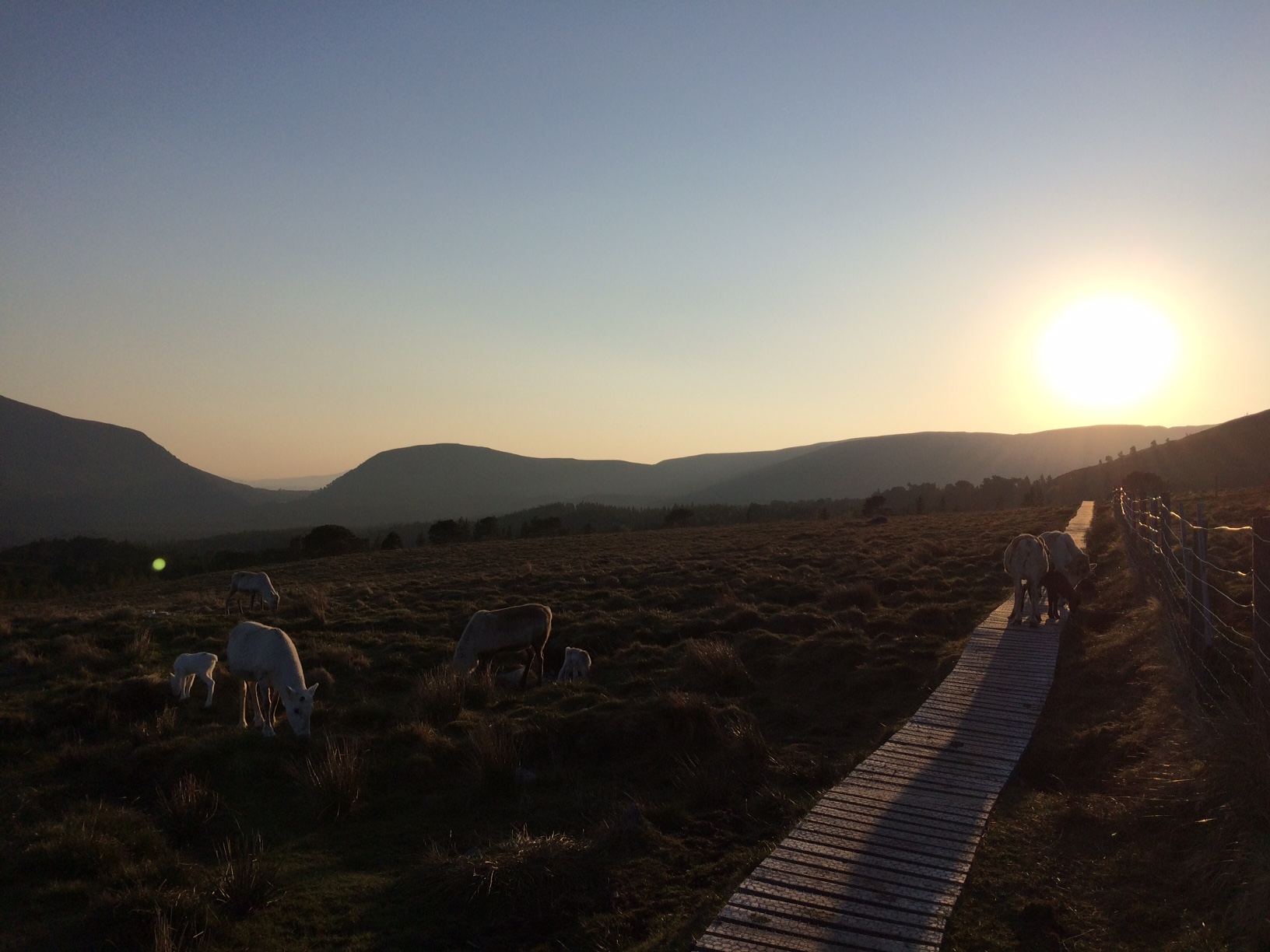
IMG_6149
Some of the cows and calves as the sun comes up

6am: Most of the herd are already waiting at the gate, back from their night of wandering, aware that we are on “calving time” and there is a chance an early breakfast may be on offer. I let them in to a different part of the enclosure, feed them, then go along the line of munching reindeer, naming them out loud: “Bumble, Clarinet, Enya, Orkney, Morven…” When I reach the end of the line I scan over the list of the reindeer who should be there and note the absentees – in this case four of the females. One of them we have already seen with her new calf, but we haven’t yet got her in to our “nursery” area of the enclosure. The others are potentially away to calve, or perhaps are just a little late in for breakfast!
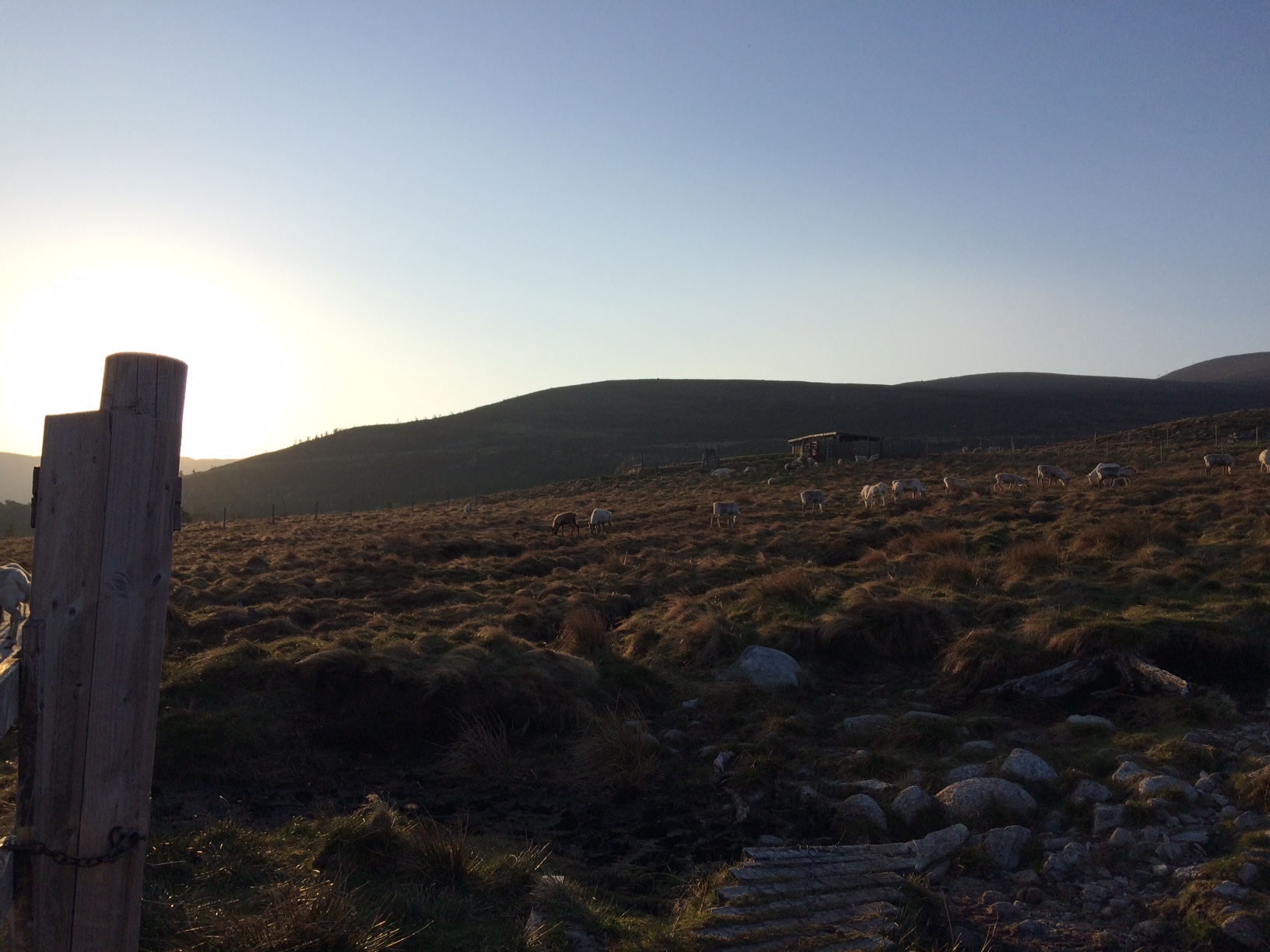
IMG_6150
The main herd in, fed, counted and ID’d

6.15am: With the herd fed and content, I begin the walk round the enclosure. Everyone ends up with their own favoured route, but in general everyone begins by walking right up and round Silver Mount, the small mountain in the enclosure, before searching the woods. You can expect to be walking for about 2 hours, stopping to peer through binoculars at anything that could be a reindeer (so many reindeer-shaped rocks in this part of the country…). Today it’s already a glorious sunny day and I’ve soon taken off my jumper, but the weather isn’t always so kind – Fiona had the first early of the year in gale force winds and hail! Once I gain the height of the ridge, I spot two of the cows at different places in the woods, but no sign of the third one, so I carry on walking.
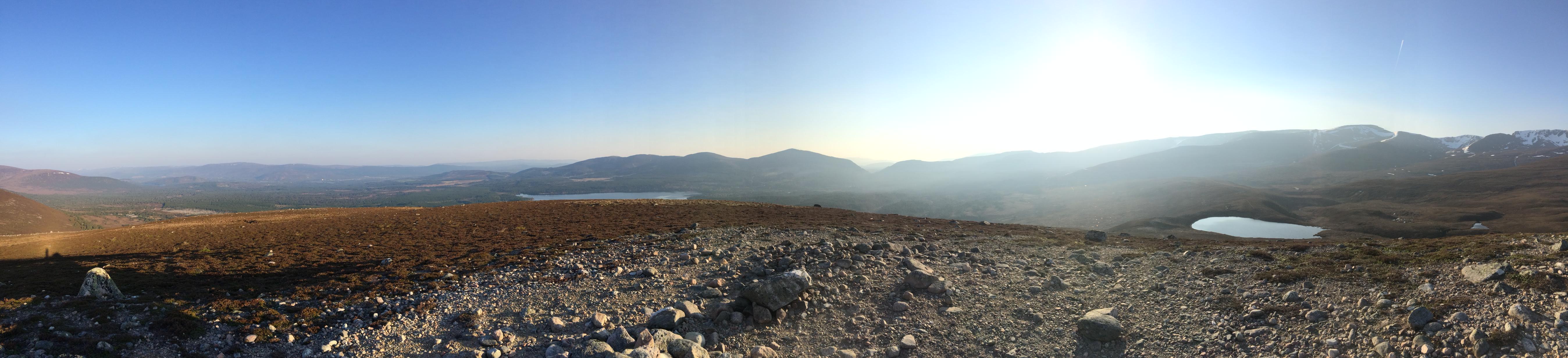
IMG_6151
Glorious views from the summit of Silver Mount, at 6.30am in the morning.

7.30am: I’ve almost completed my circuit, and haven’t found the third cow, but have had nice views of a cuckoo, tree pipits and a black grouse. We’re lucky to have a huge amount of wildlife set up home within the enclosure, probably because its mostly free of people (apart from when we’re searching for reindeer!) and dogs. Last week there were even two osprey circling above, though I suspect they decided Black Loch was too small for their purposes!

7.45am: I reach one of the cows I’d spotted from the ridge. She stands up when I call to her and despite shaking a bag of food for her, she heads away from me purposefully. There is no calf following at her heels, but her behaviour suggests that she’s soon to give birth, so I leave her to it.

IMG_6152
Spot the reindeer! A lone cow is in the centre of the trees.

8am: I find the second cow that I’d spotted, but she is equally as keen to keep her distance, and sadly for me hasn’t calved yet either. Finding a newborn calf is always the highlight, and many of the females are just delighted to get some food, so are completely unconcerned by you checking the gender of the calf, spraying its navel and having a quick cuddle before leading them in to join the group of cows and calves. Some of the cows, however, do turn completely wild once they’ve calved, and won’t come anywhere near you – instinct kicking in to protect the vulnerable calf from any potential danger. Thankfully they tend to calm down after a couple of days.

8.15am: No new calves for me this morning, but I do have the task of getting in the female who calved a few days ago. She isn’t too far from the gateway that I need her to go through, but is in a flighty mood so it is a case of gently herding her in the right direction. I’m lucky that she is happy to go the direction I’d like her to go, as there is no way I can outrun her two-day-old calf! Once through with the group of cows and calves, she immediately comes over for a pile of food – flight mode forgotten!
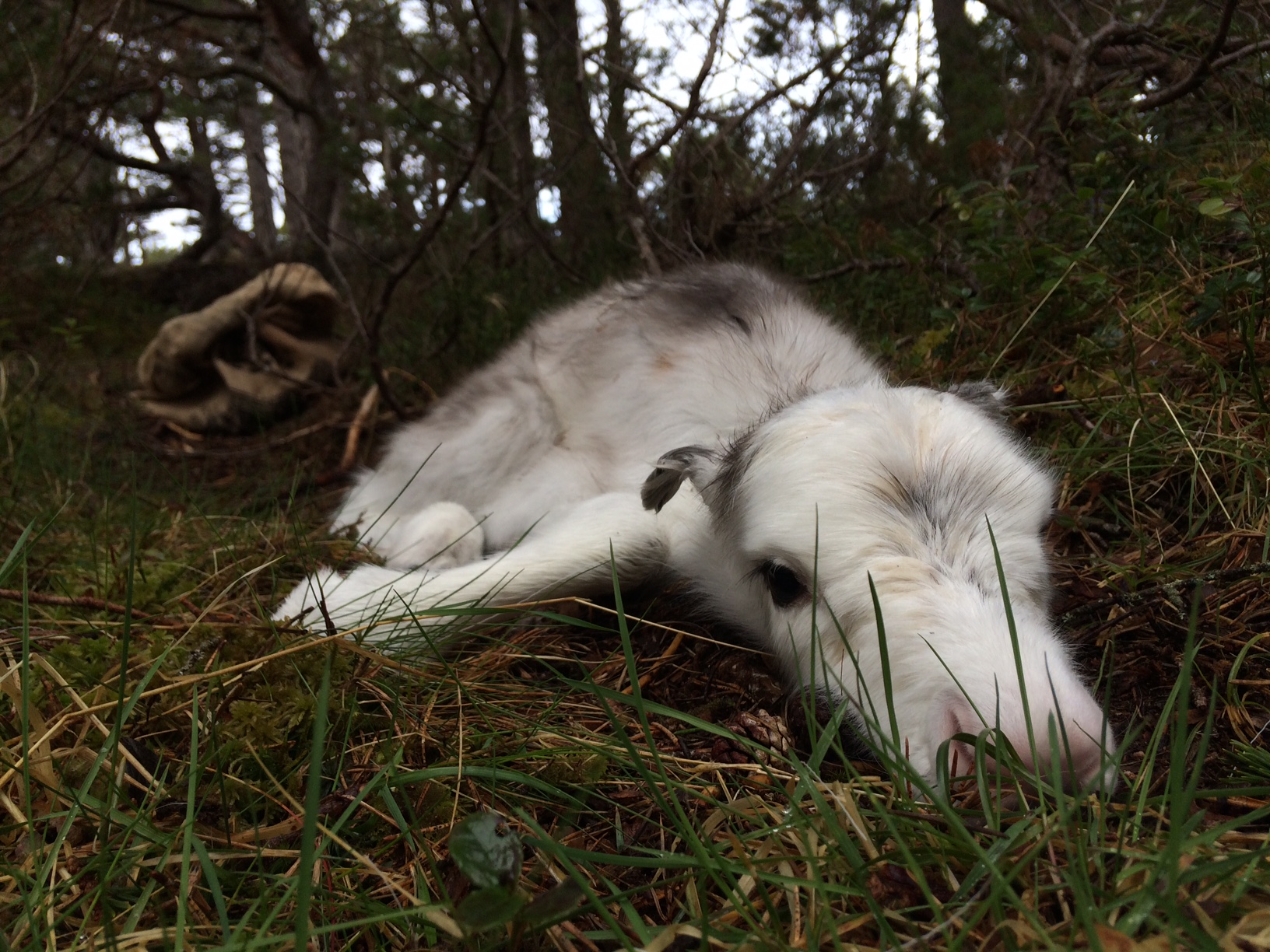
calf
This is what you’re always hoping to find – a newborn bundle of calf!

9am: With the main herd let back out into the main enclosure, and everyone fed, it is time for me to head back down to the Centre. An unsuccessful morning in a way, with no new calves found and one cow successfully hiding from me (shows how massive the enclosure is!), but when the sun is shining and all the reindeer are well, there’s no way I can begrudge the early start.

Later that day Hen was the lucky one to find the first cow I’d come across with a newborn female calf. Maybe I’ll be treated to a newborn calf the next time!

Andi
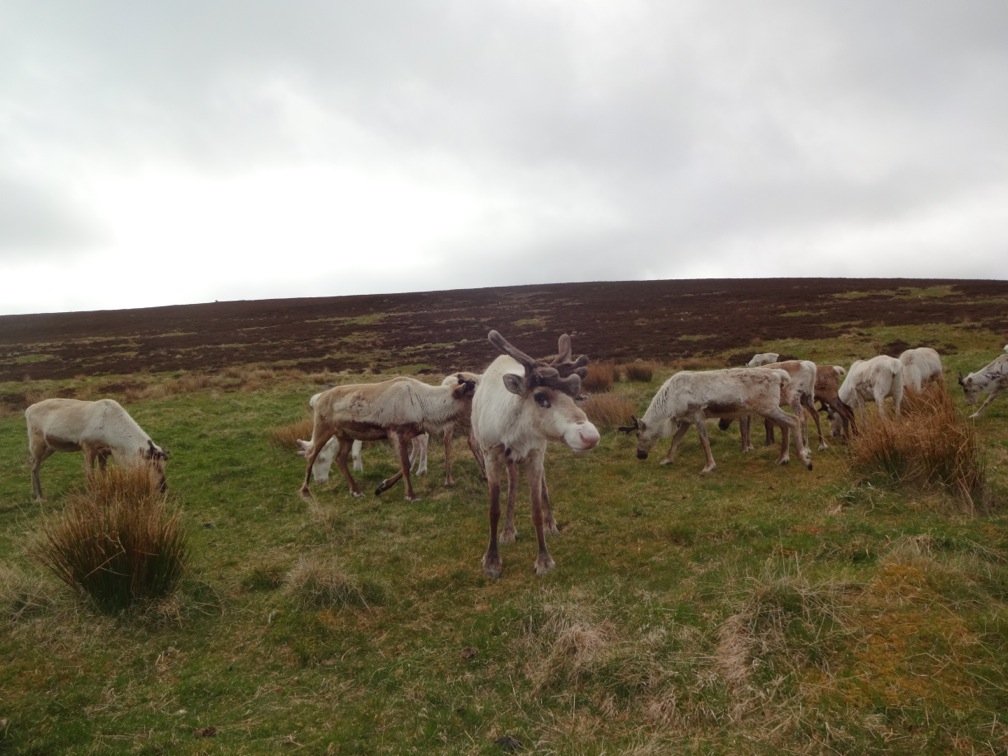
Another tale from Glenlivet

DSC04549

As most of you know part of the Cairngorm reindeer herd lives over near Tomintoul on the Glenlivet Estate. We first took part of the herd over to our hill farm back in the early 1990’s and to this day the herd is split between Glenlivet and Cairngorm.

DSC04548

Over the winter months the reindeer at Glenlivet are up on the Cromdale range but by the end of April it is time to bring them down for the summer closer to the farm. Reindeer love routine and by the time we get to the last few days of April the reindeer are expecting to be on the move.

DSC04546

From now onwards it is all about eating. With spring just about here many of the reindeer are beginning to grow their new antlers and need to put on weight, lost over the winter. They need extra sustenance to achieve this and the winter diet of lichens and last years vegetation is not enough. The new spring growth and the extra feed we give them is what’s needed. Appetite increases many fold and to be absolutely honest everything we give them, they eat.

DSC04543

Every farmer up in the Highlands of Scotland will tell you that this year spring is really late. Whether it is the fields of grass that need to grow for hay and silage later in the year or the newly sown spring barley, the weather has just been too cold. And despite and recent few days of incredibly high temperatures it is not enough to kickstart the growing season yet. New vegetation on the higher ground is also absent so even more reason for us to be feeding the reindeer more than normal for the time of year.

Tilly

Has Spring Sprung?

You’ll all have noticed on our Facebook page the lovely snowy photos we’ve been taking with the reindeer. When news channels report that it’s going to be warm and sunny, that the daffodils are out and spring is in the air, we are usually still huddled under our blankets, heating on full with no sign of those bright yellow trumpets. However, we’ve had a few gloriously sunny days here in Glenmore, so thought we’d do a quick round up of pictures (as evidence!) before the warm weather disappears and we get snow again.

photo 2 - Copy
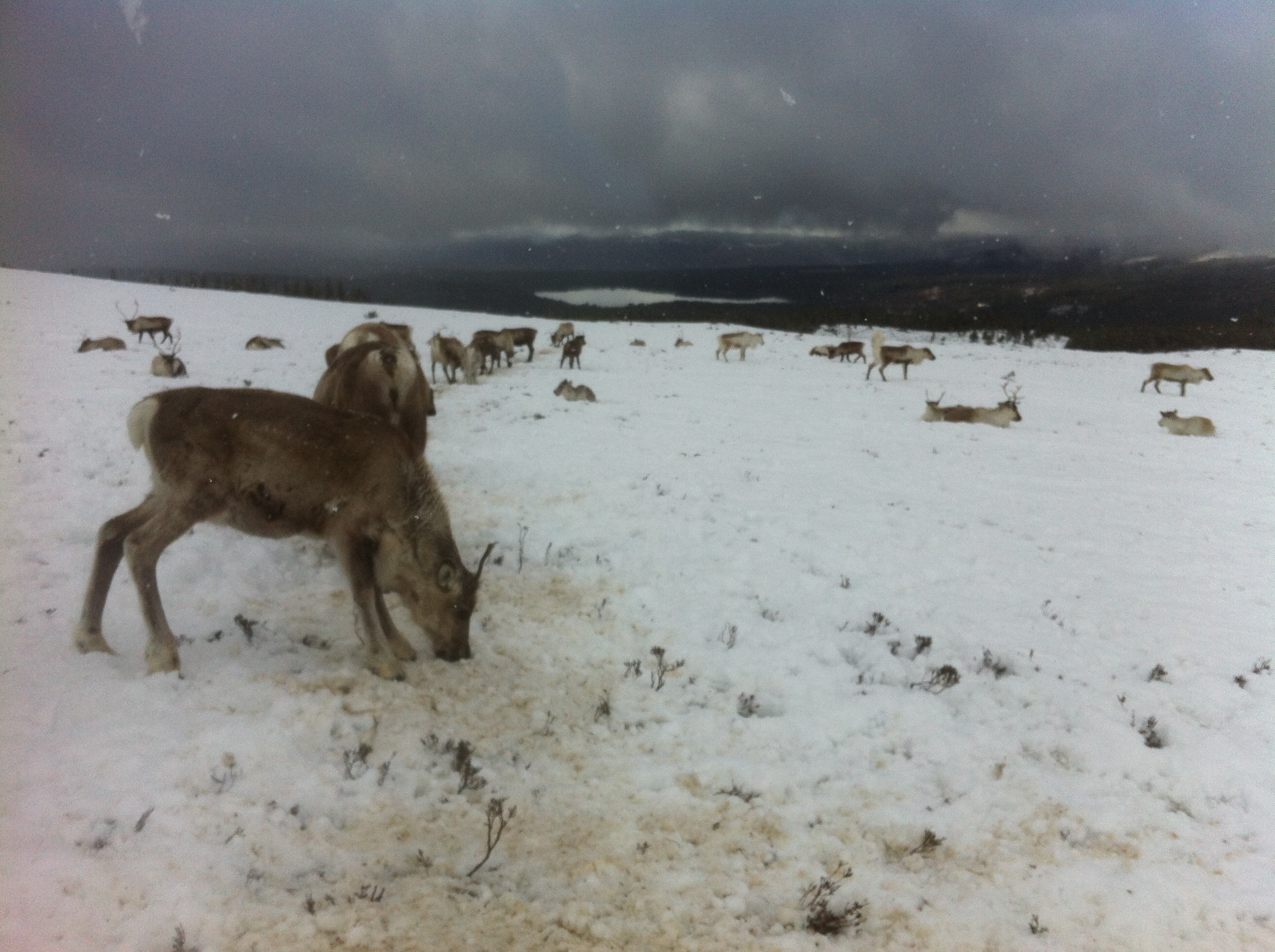
Snowy day with grey cloudy skies and reindeer eating off the line
1
Snow and a little reindeer off to the side

This was the picture last week – snowy, but pretty. The reindeer do love the snow and when you get snow and sunshine, it’s just bliss.

photo 3
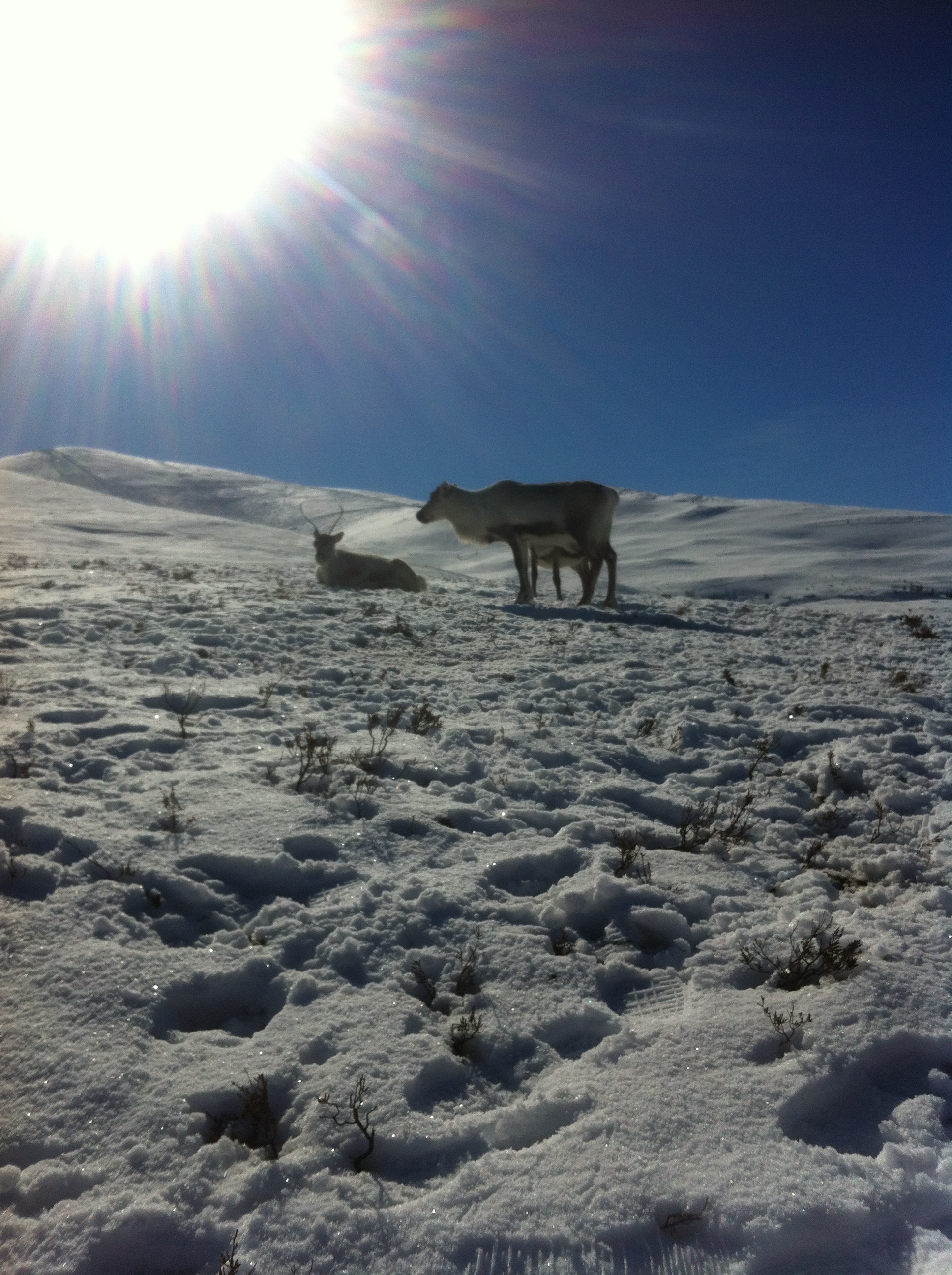
Reindeer, snow and sunshine – bliss!
photo 4
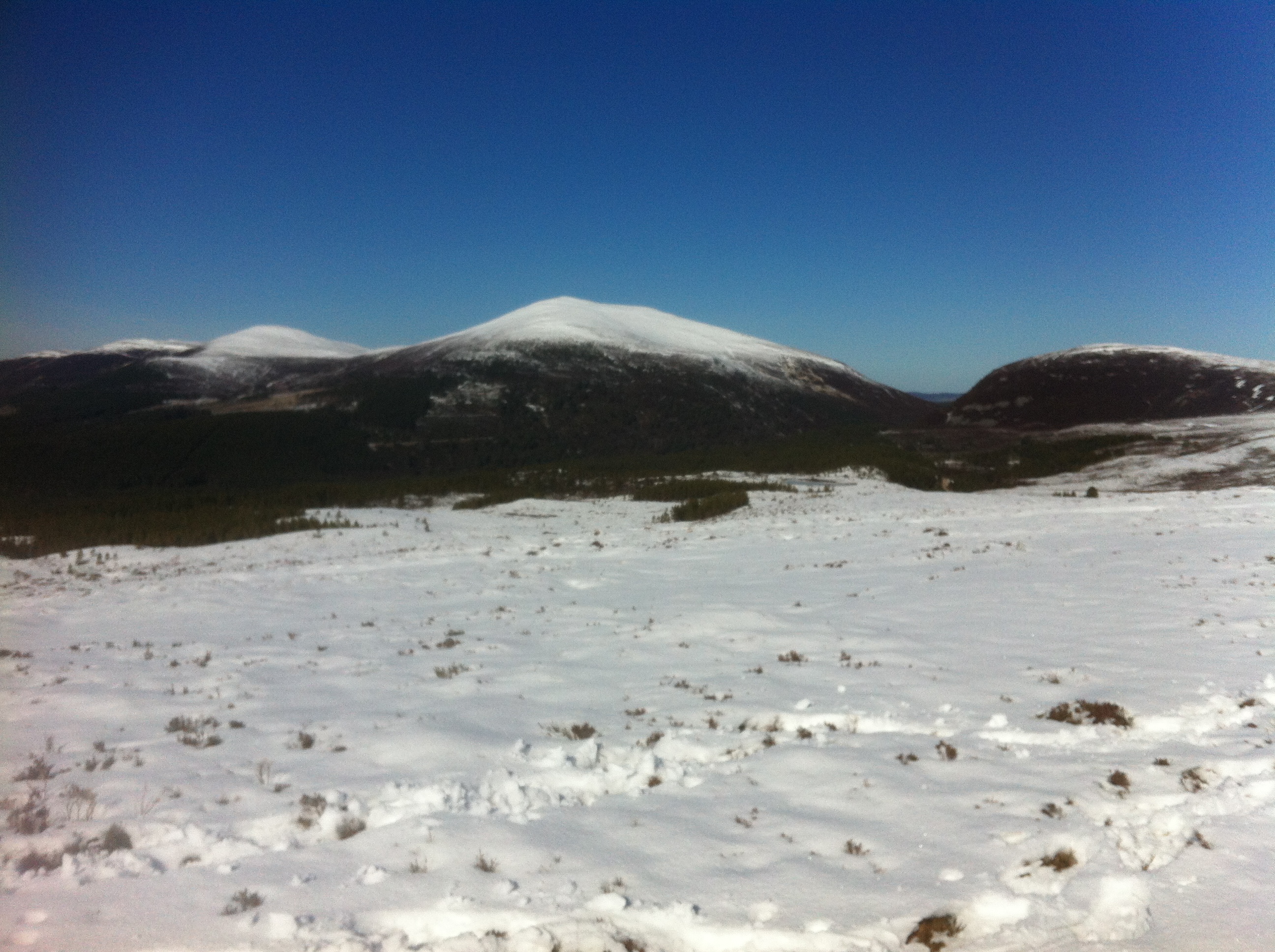
Snowy hills, blue skies

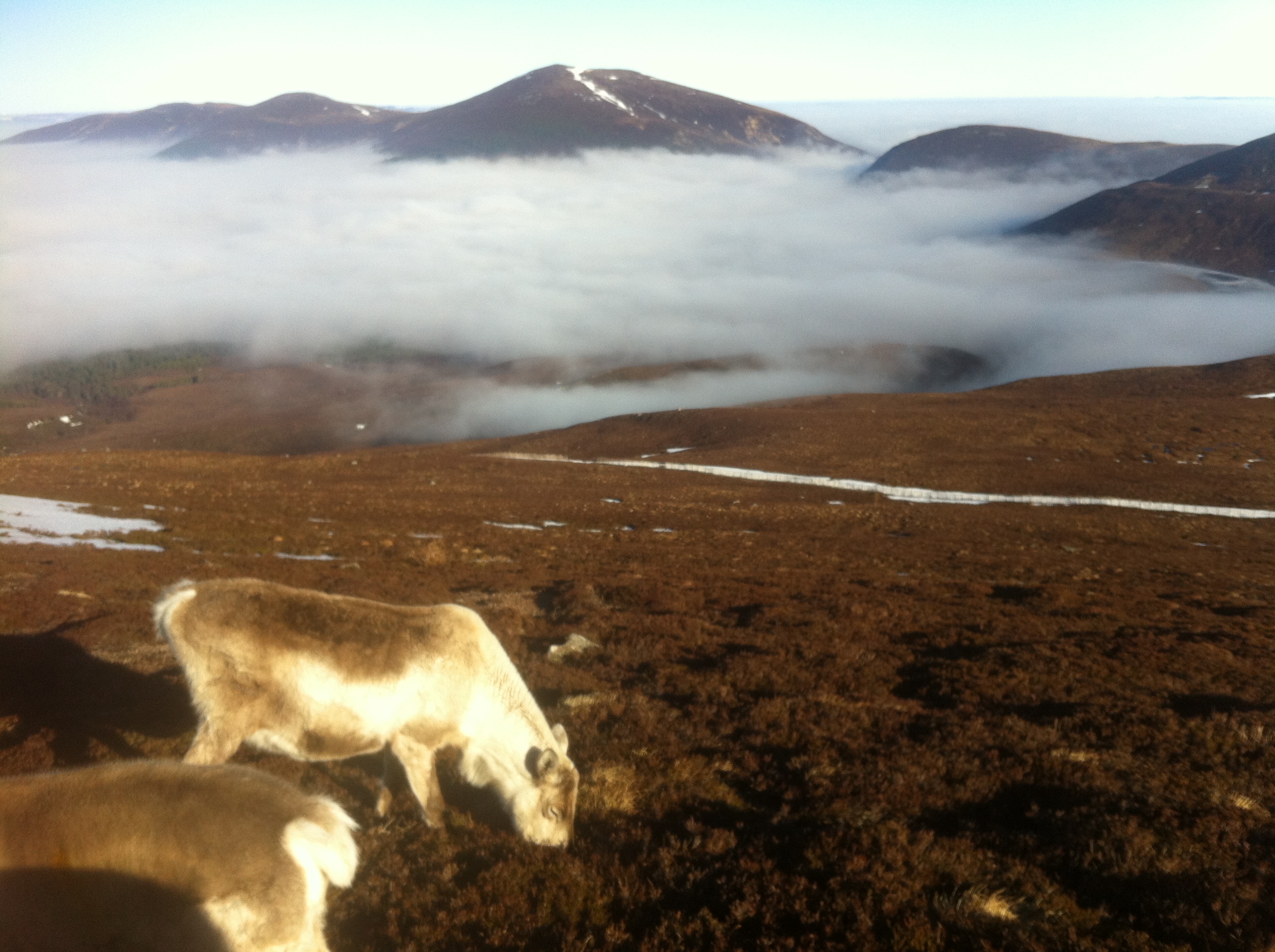
One week later, and it’s full on sunshine and cloud inversions. I drove to work in mist and fog, thinking it would be a cold, grey day on the hill. To my surprise, and delight, the sun was shining as we drove higher up and on my morning mission to find reindeer, I was down to just a tshirt. The fog cleared and we had a gloriously sunny and hot visit. The poor reindeer were feeling the heat a little, but are great at dumping heat when temperatures occasionally soar.

photo 11
Clarinet, and unidentified reindeer bum, with hills and cloud


photo 21
Cloud inversion and hill tops
photo 22
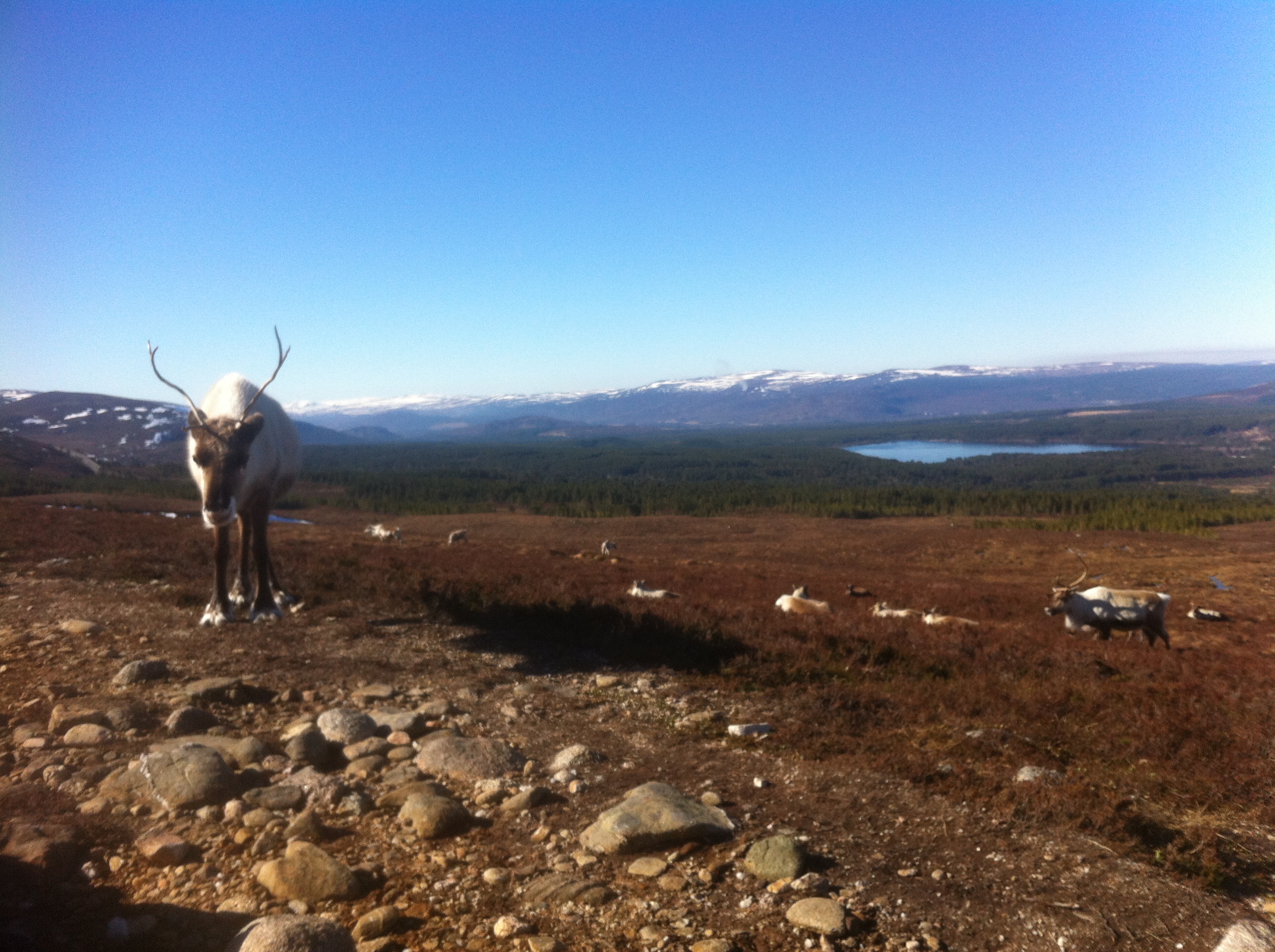
Gloriana and co enjoying the sun
photo 41
Our office
photo 12
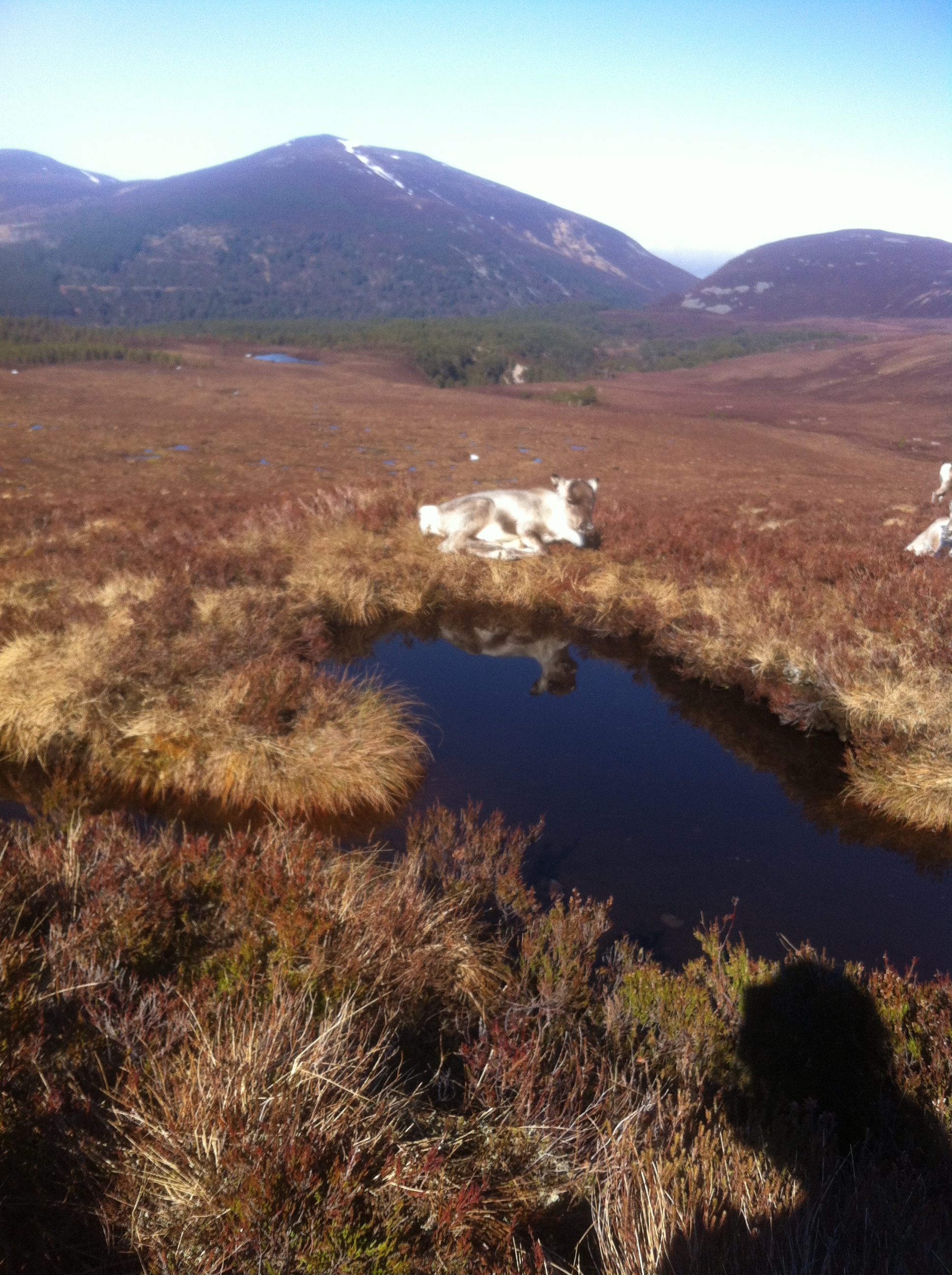
Little Arrochar having a lie down

Since the weather has been so good, we’ve been getting on with our outside jobs, some painting and tidying up that is just too hard to face when the weather is miserable. We even found a little newt in the garden as we were raking! I thought maybe I’d raked over him a little too hard (by accident, of course!) but he was a resilient wee thing and we rehomed him to a wee burn.

photo 5
Newt!

There is a thick harr over Glenmore today, and unfortunately I think the weather is going to change next week. It was good while it lasted though!

photo 51
Okapi looking majestic


Imogen

Tales from Glenlivet: Minute and the Curlew Chick

Minute
Minute with some of the Glenlivet herd

Here at our Glenlivet farm one of the best times of day is the evening, when the reindeer are herded back out onto the hill for the night. As they slowly walk up through the birch wood, clicking as they go, the wood is alive with songbirds singing as they flit from tree to tree.

The birch wood is rich with young leaves to browse, moist tree lichens to nibble and underfoot fresh herbs and grasses to graze on. So the reindeer take a while to wend their way up to the top of the wood.

Yesterday evening as I reached the open hill with the reindeer in front of me, a pair of curlew were circling above us, madly calling and quite upset that we had disturbed them. Their calls became agitated and one of them landed in front of the reindeer and scuttled ahead trying to lead the reindeer away. It’s at this point that I realised why there is such a commotion. Minute, our biggest three year old bull with very long velvet antlers, was looking inquisitive with his nose close to the ground. Right in front of him was a brown and creamy white fluffy ball of young feathers, a curlew chick, probably only hatched the day before. Minute looked as surprised as the chick at their encounter and turned to join the herd while the wee chick scuttled into the rushes.

Peace returned as the reindeer headed for the hills and the parents of the chick realised the danger had gone. I walked back down through the wood, the sun setting and the songbirds still calling.

A great way to finish a spring day on our farm.

Tilly

The Return of the Natives

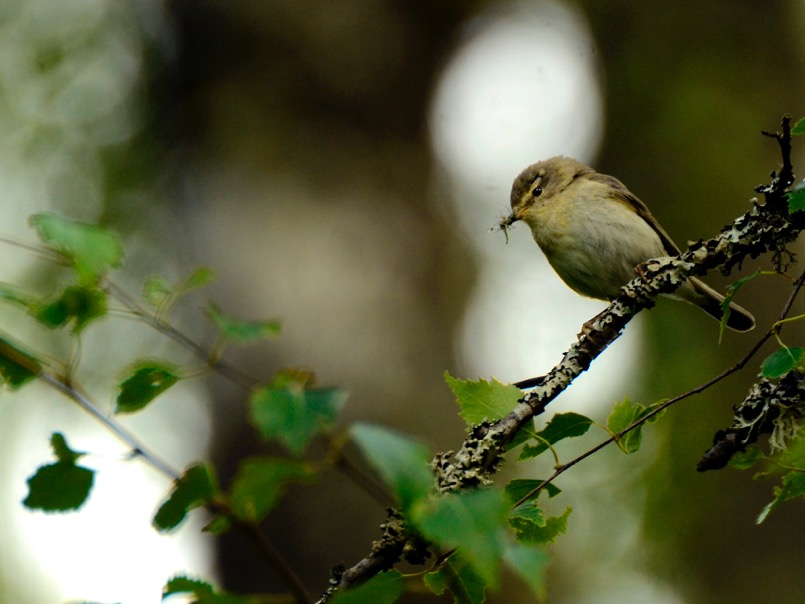
Willow Warbler
Willow Warbler – photo courtesy of Jack Ward of Alba Wildlife (much better photographer than me!)

While the other reindeer herders are spending the first part of the year watching the female reindeer gradually expand outwards and wondering who is going to calve first, I am often preoccupied with the return of the birds – the first fluting song of a Willow Warbler is one of my annual highlights, heralding the onset of summer. An ‘outdoor job’ in such a beautiful location as the Cairngorms means I’m in the right place at the right time to see, bit by bit, the changing of the seasons – and nothing makes me happier than to see winter finally receding! And added to that, I’m lucky enough to work in an area with outstanding birdlife, some of which is very rare elsewhere in the country.

Christmas Day 2010
Christmas Day 2010 (left to right Veikka, Fiona, Kermit, Bee, Eco, Tilly and Go)

The first sign I look out for is the birds starting to sing once again and I can remember, on Christmas Day in 2010 in Coylumbridge, taking photos (above) in the snow of Fiona, Tilly and our team of reindeer just before our first parade of the day (we do four parades at local hotels on the big day itself) and hearing a Coal Tit sing – the first of the new breeding season. A new season starting before the other had even finished. Ironically that is my most vivid memory of the whole day! That might just have been a particularly enthusiastic, or at least optimistic, bird however, as this year I think it was into February before I heard anything singing.

After that excitement there’s a long lull as winter drags on, seemingly never-endingly, but the days tick by as we retrieve the reindeer for the daily 11am visits each morning, one by one their antlers falling off as we get later into the winter. The Red Grouse get more and more noisy in March, often erupting out of the heather calling as we walk past and startling me, although the reindeer don’t appear to even notice them. Into April and spring is definitely starting to make an appearance, the weather milder (sometimes!), the plants starting to show fresh growth, while curlews, meadow pipits, pied wagtails and black-headed gulls move back into the area from their coastal wintering areas. Meanwhile the reindeer get wider and wider…

Ring ouzel
Ring ouzel on the hill enclosure fence – taken with my compact camera so not the best photo, sorry!

Then the migrants start to return, back from Africa. I usually see my first Wheatear up at one of the ski car parks on Cairngorm, the white flash of their rump unmistakable. Then there are the Ring Ouzels, basically looking like a blackbird with a white chest, but again they’ve come all the way from Africa; and the Cuckoos in the forest below the reindeer enclosure, their iconic call carrying miles across the hillside. The Swallows are back too, and as usual are in and out the reindeer shed up on the hill when they nest annually. In the summer, as we harness up reindeer in the shed to go trekking, I wonder how many visitors have noticed there is a swallow on her nest just feet from them, peering down at the daily proceedings. High up on the mountain plateau the Dotterels return in May, one of only two species in Britain where the male incubates the eggs so the female is the one with the brighter plumage.

Dotterel
Dotterel on the Cairngorm plateau – photo courtesy of Andi Probert

But it is the little, greenish Willow Warblers that are my absolute favourite, and I keep an ear on the grapevine in April, as news of them making their way north after their arrival at the south coast trickles in, and in mid-April they arrive on mass, the birch trees lining the Sugar Bowl path up to the enclosure suddenly dripping with them. And not long after their arrival, then the calving season kicks in and spring is well on its way, winter is behind us, and all is right with my world!

Hen

Book Now