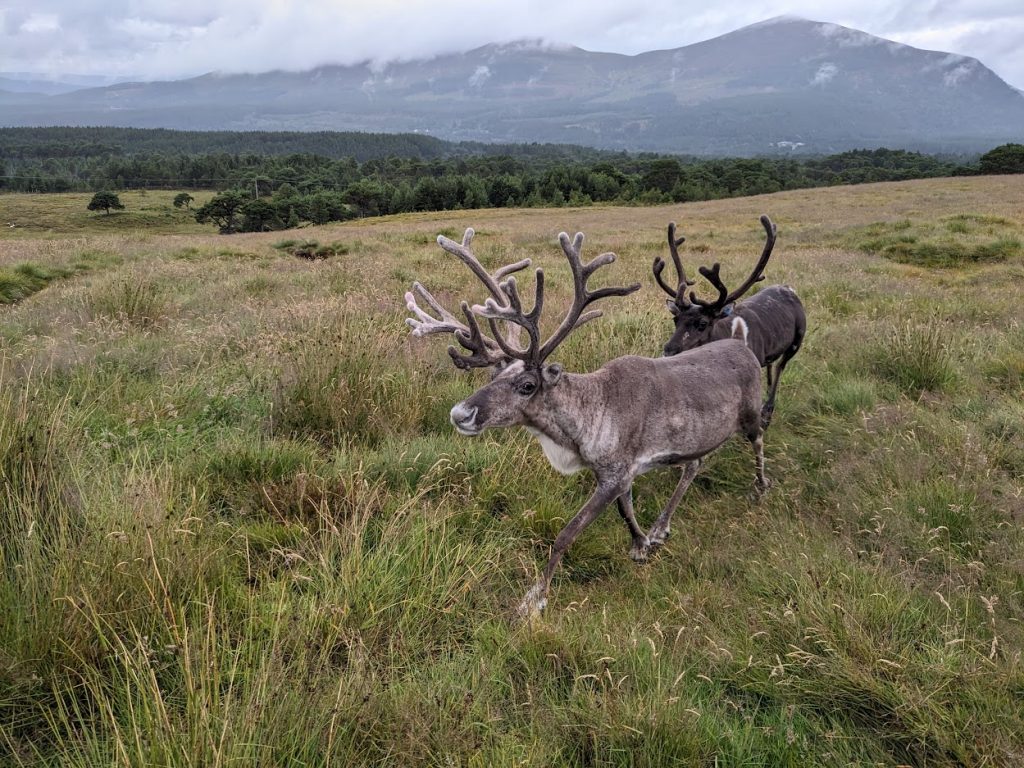
Learning to ID reindeer

One of the trickiest things to learn when starting out as a herder is telling reindeer apart! With over 150 reindeer in the herd, all with their own name, it can seem a very daunting task. So how do you tell a reindeer apart from all the rest?
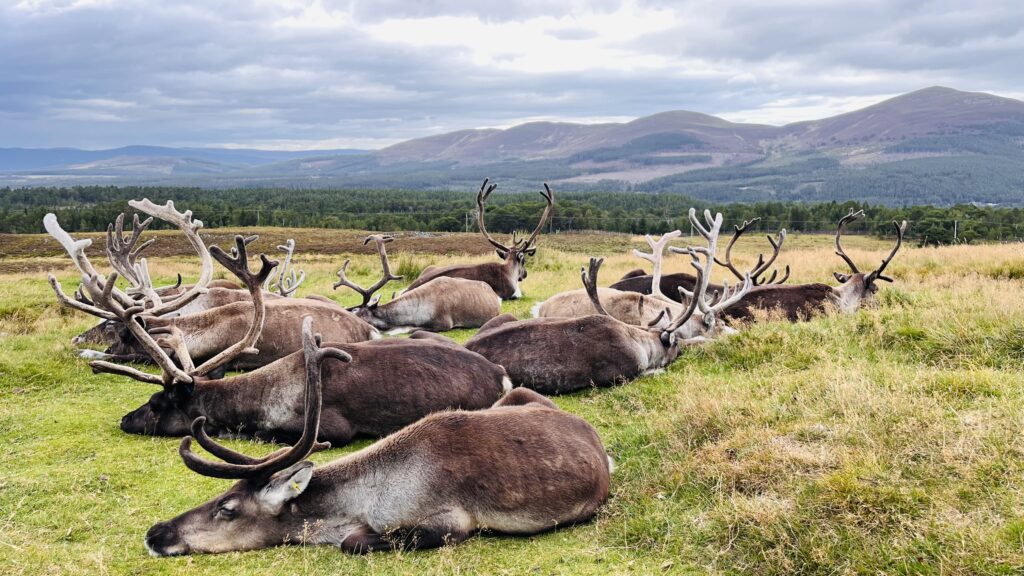
Who’s who?

Every herder has their own method of identifying reindeer. Most can just take one glance, and due to having spent years with the same reindeer and learning to tell them apart – instantly know who it is. But if you haven’t spent years watching the reindeer grow and change with the seasons, there are a few techniques you can use. Be warned though, you’ll constantly feel like you’re back at square one should you visit us throughout the year and try to recognise your favourite.

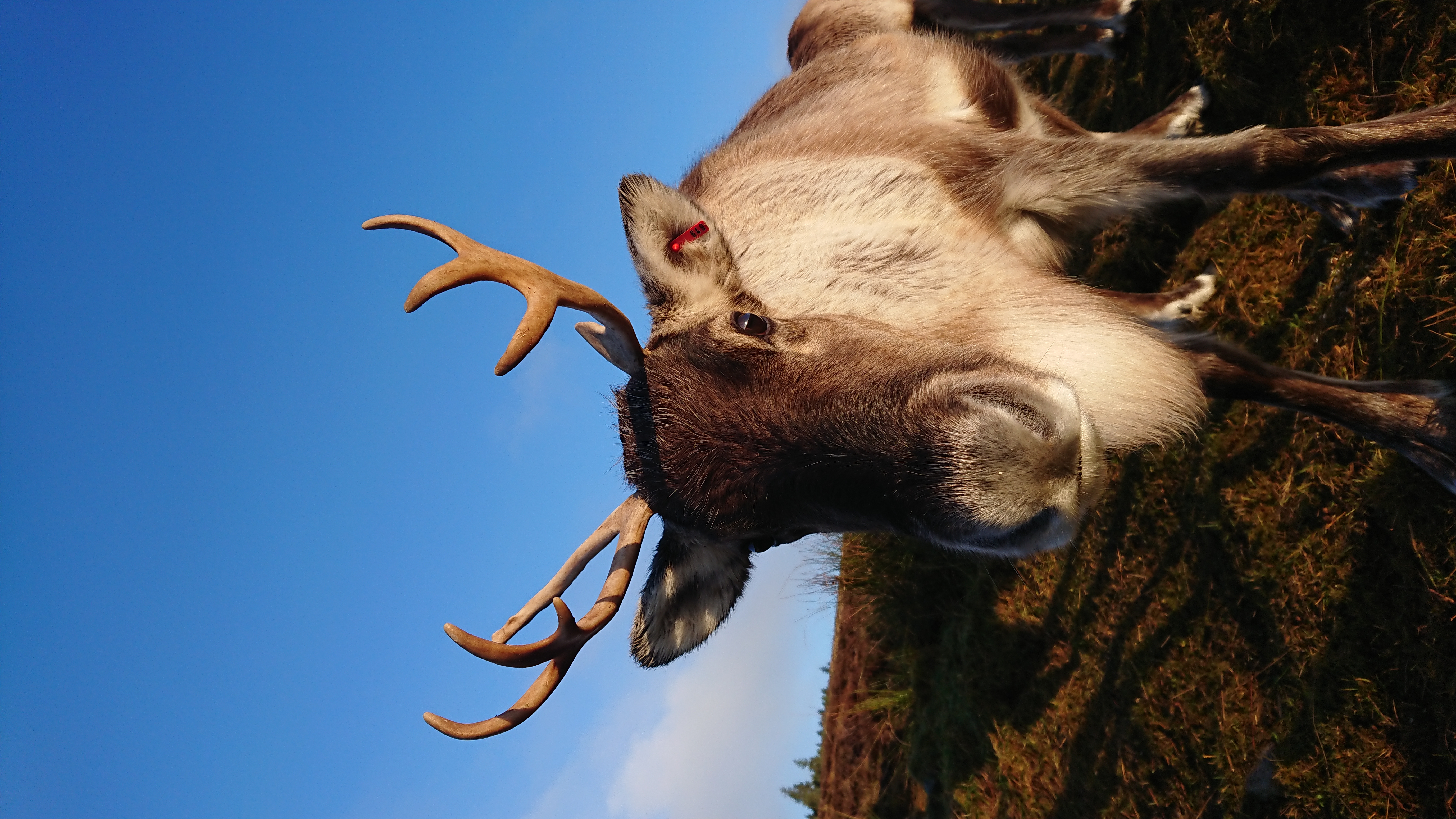
I’ll start with the easiest way to tell the reindeer apart – their ear tags. Each of our reindeer are tagged with a group colour and a unique number. The colour changes each year, allowing us to quickly work out how old they are. For example, yellow ear tags are for this year’s yearlings, born in 2024 and all named after hot drinks. Silver ear tags belong to the peas, beans and seeds calves of 2020, making them all five this year, and so on. The number then allows you to straight away know exactly who the reindeer is (orange tag 201 for instance, being the lovely, and very well-known Sherlock). The downside to this method is, you have to memorise over 150 ear tag colours and corresponding numbers…
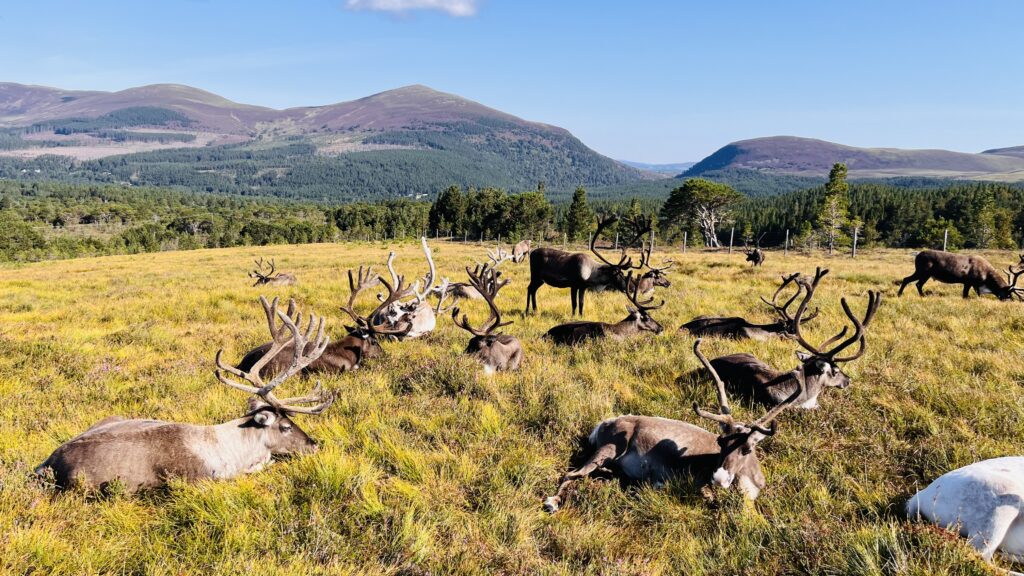
Can you see our ear tags from there?

The more enjoyable method is personalities. All our wonderful reindeers have their own unique quirks and traits. Whether they’re extremely greedy and can always be counted on to be front and centre for our hill trips (I’m talking about you Nile!), or if they have a more reserved character and tend to be the shy contemplator at the end of the feed line. Their personalities shine through and can be a good way for us to tell who’s nearby.
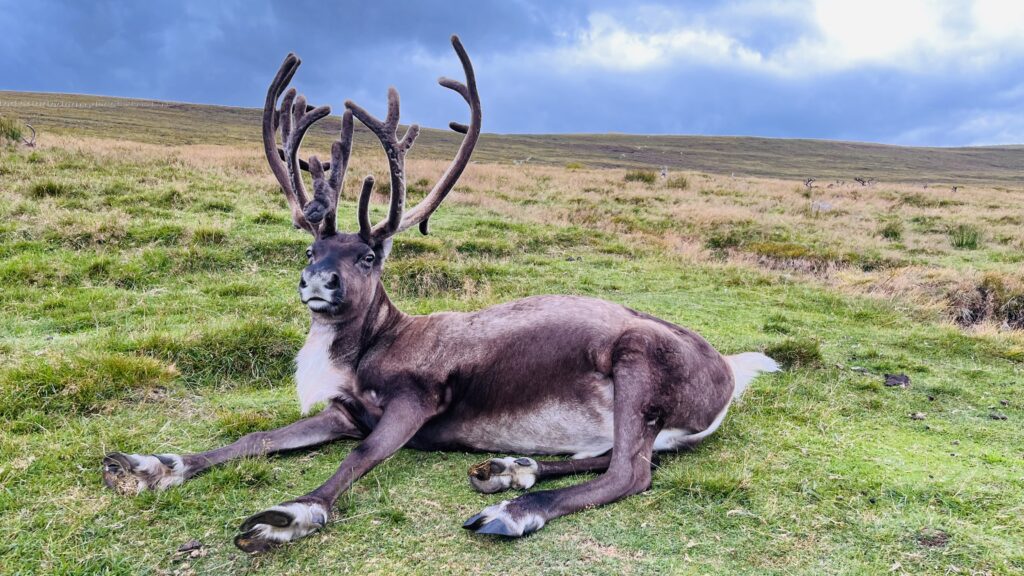
As chilled as a reindeer can be. Busby is good at chilling!

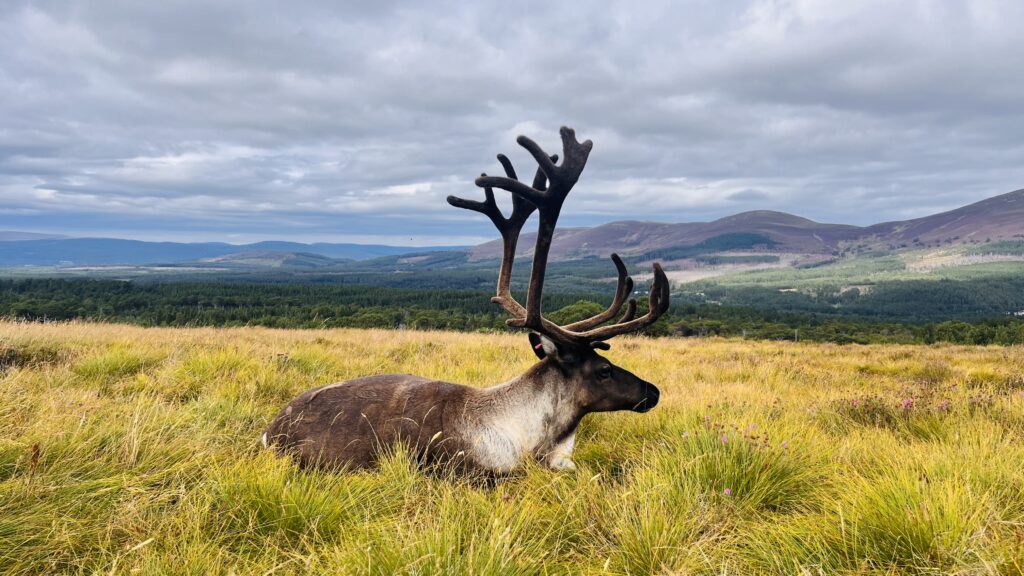
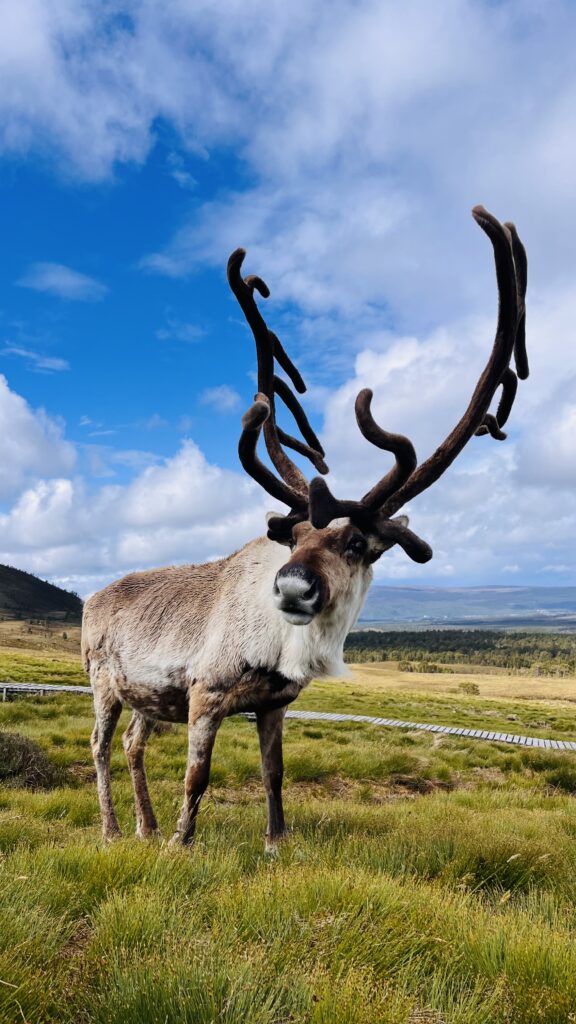
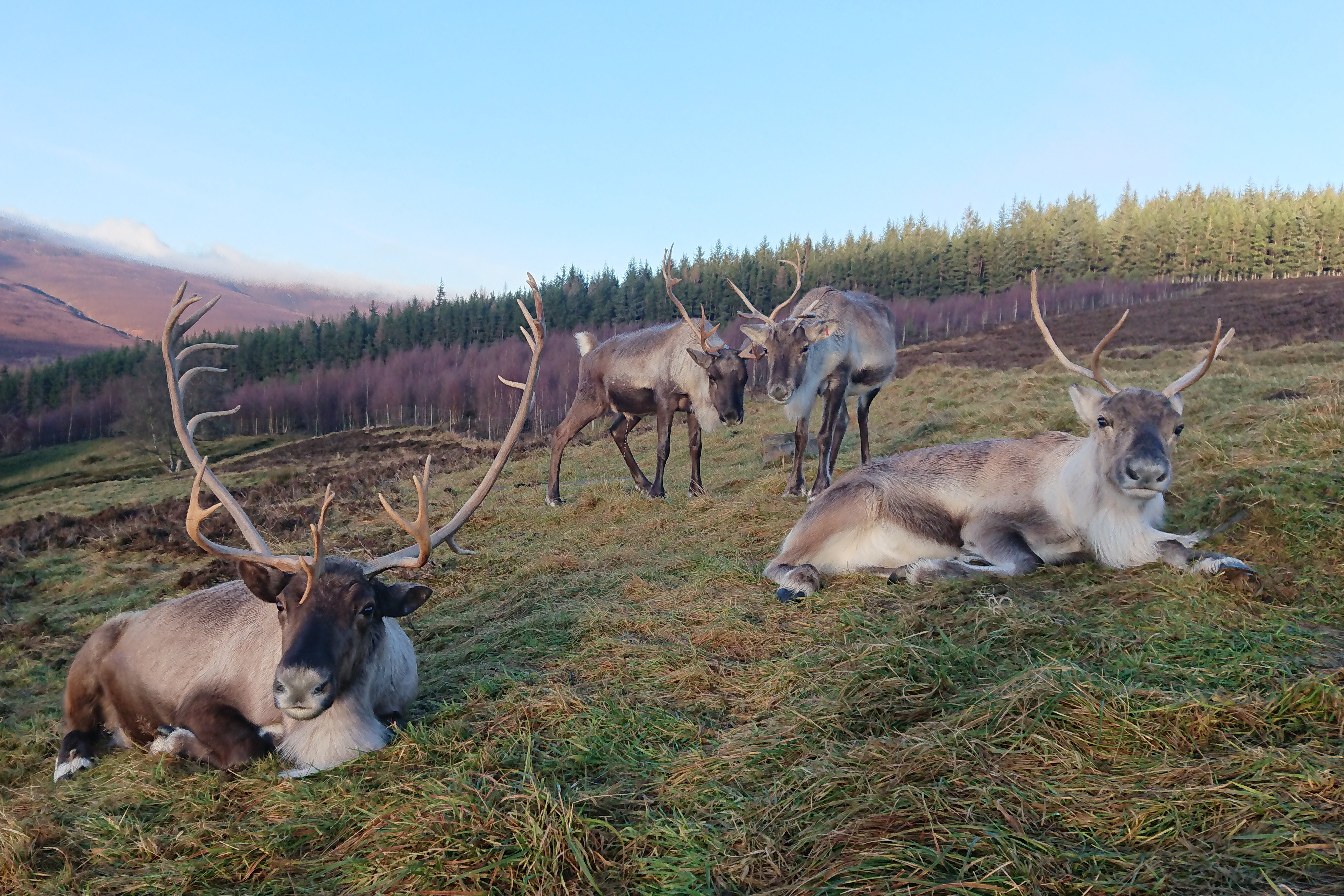
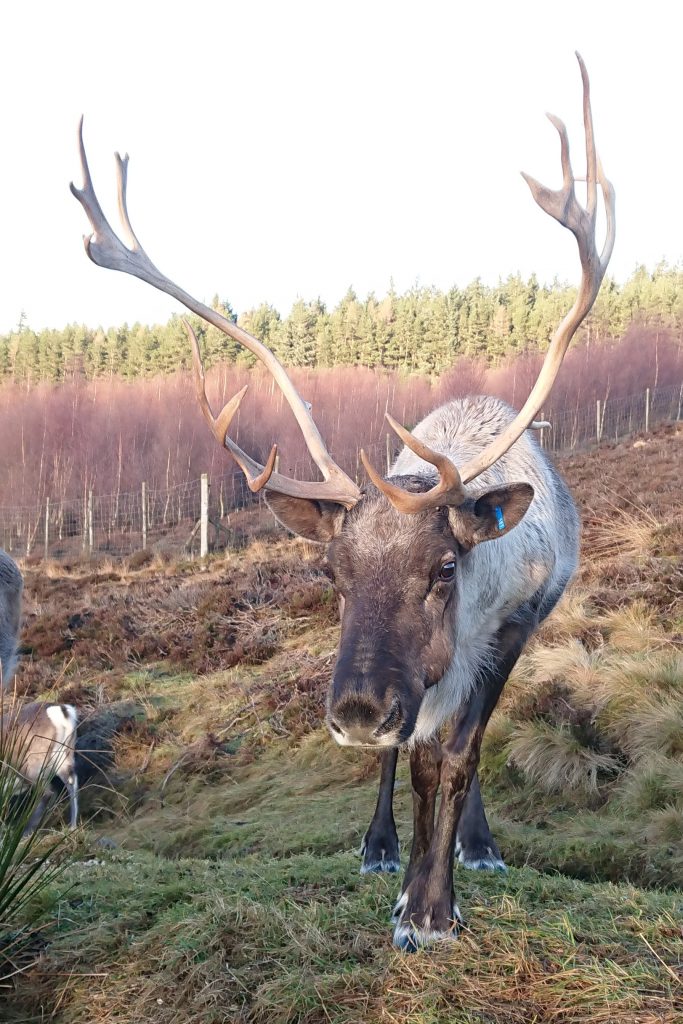
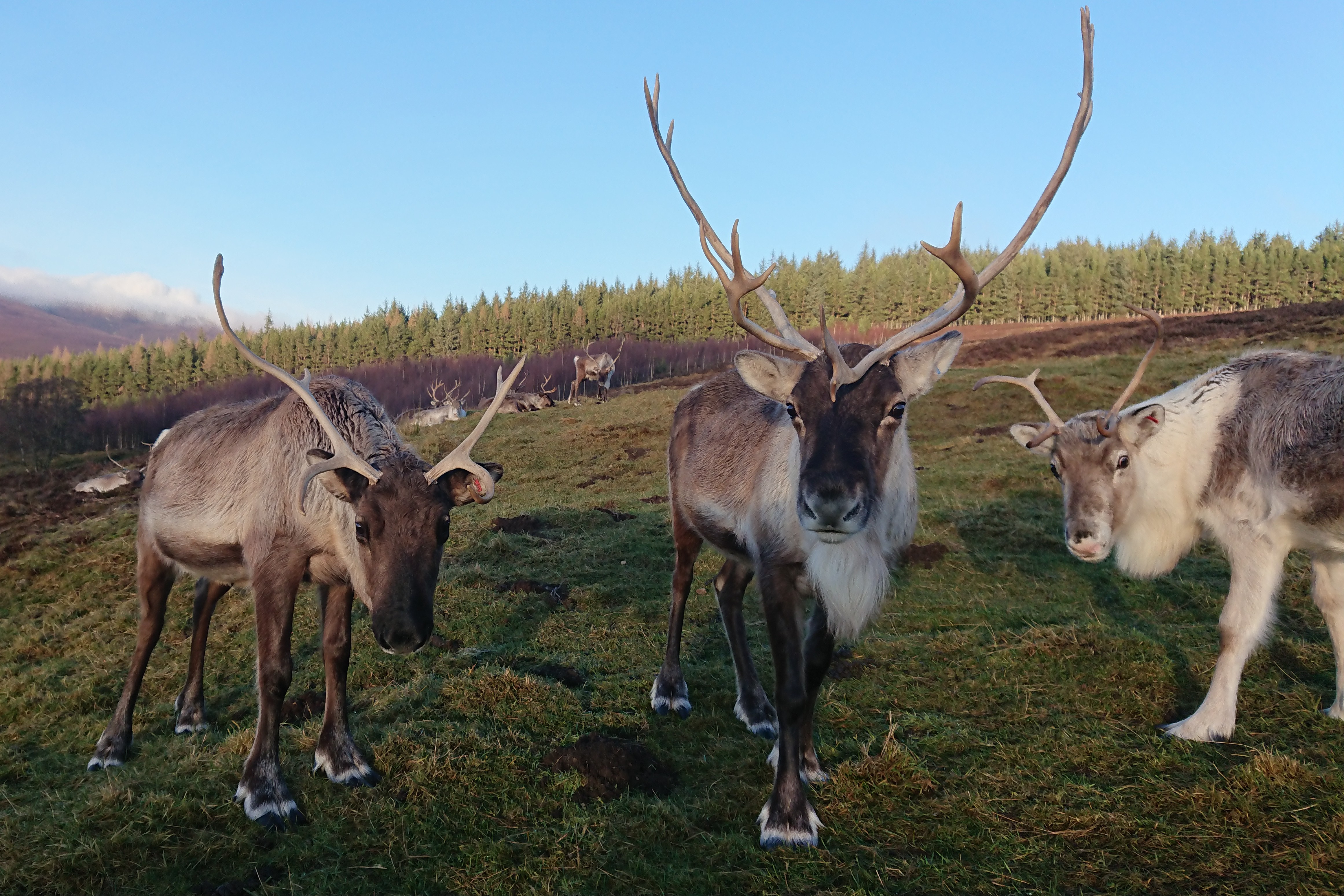
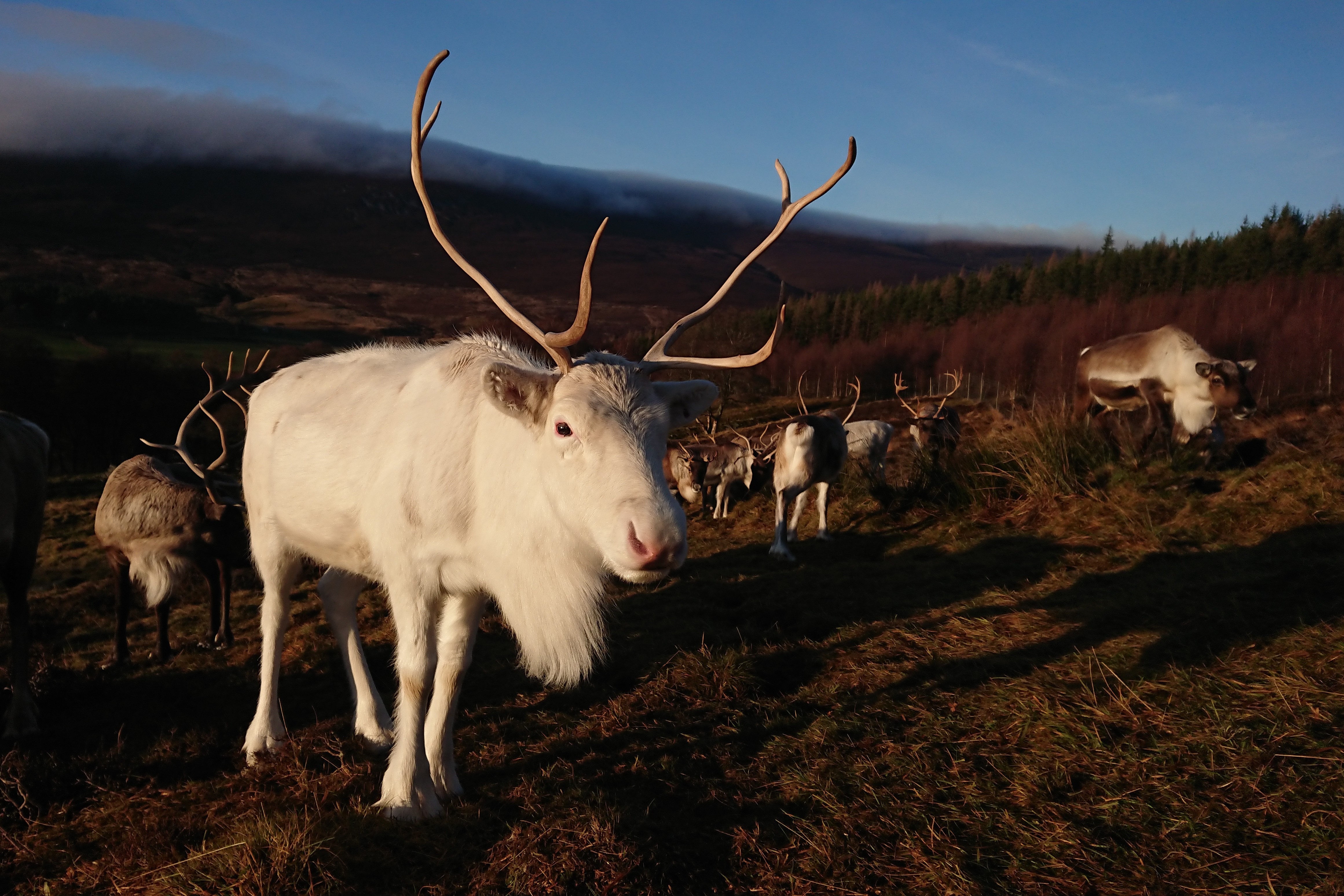
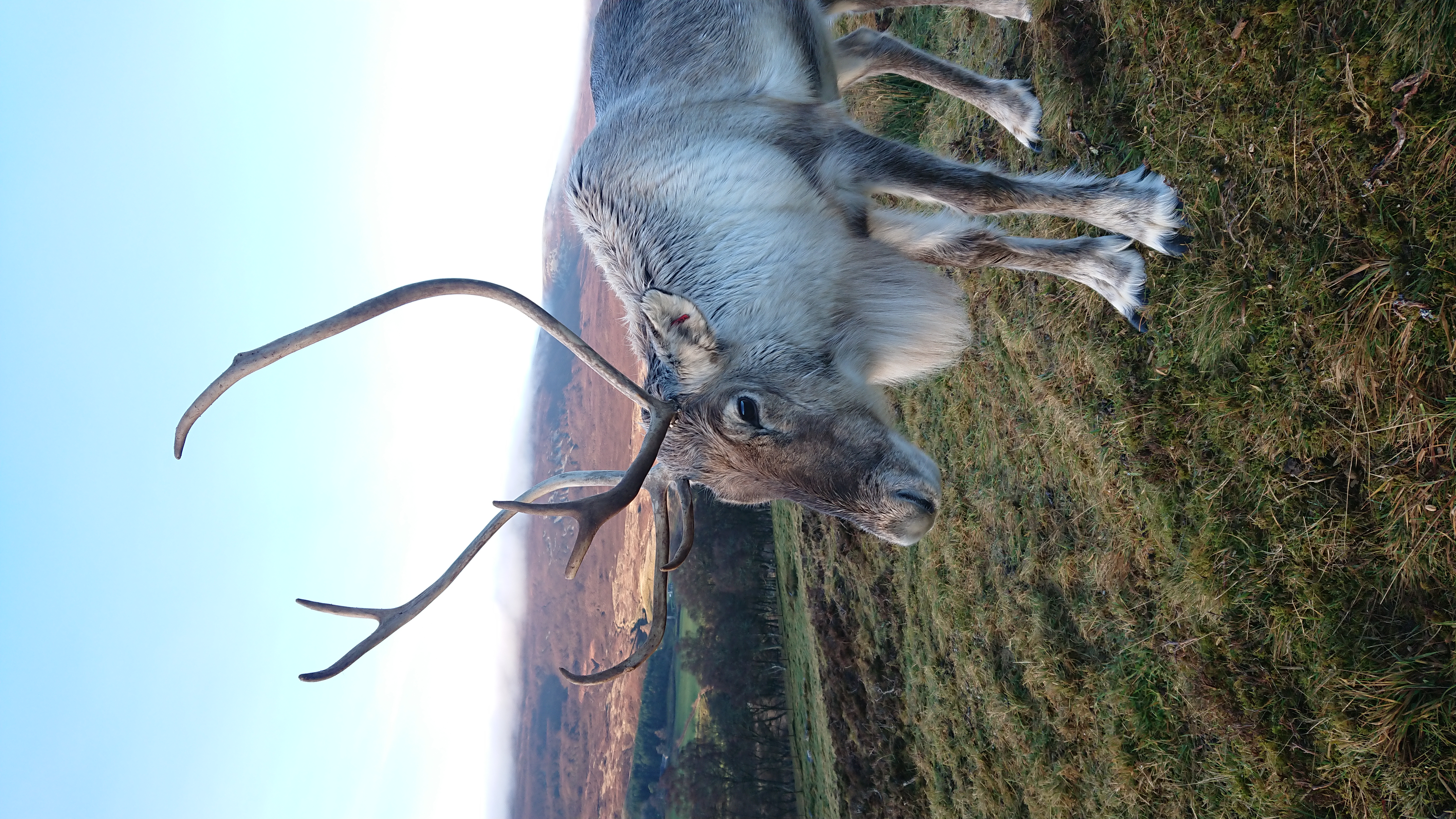
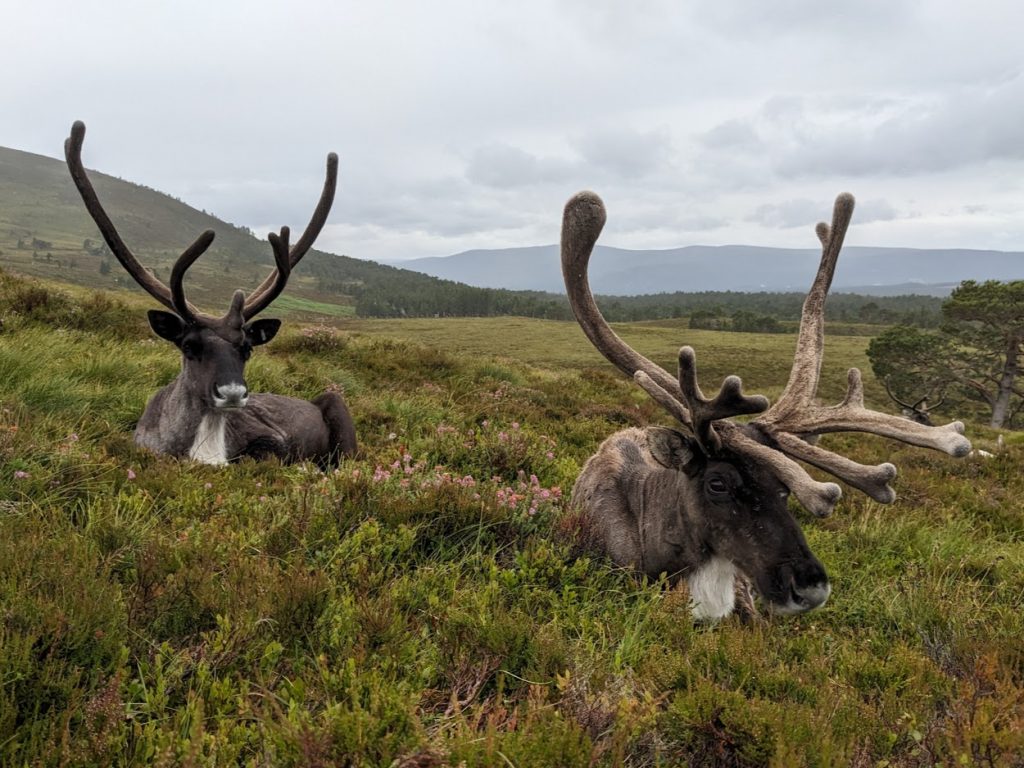
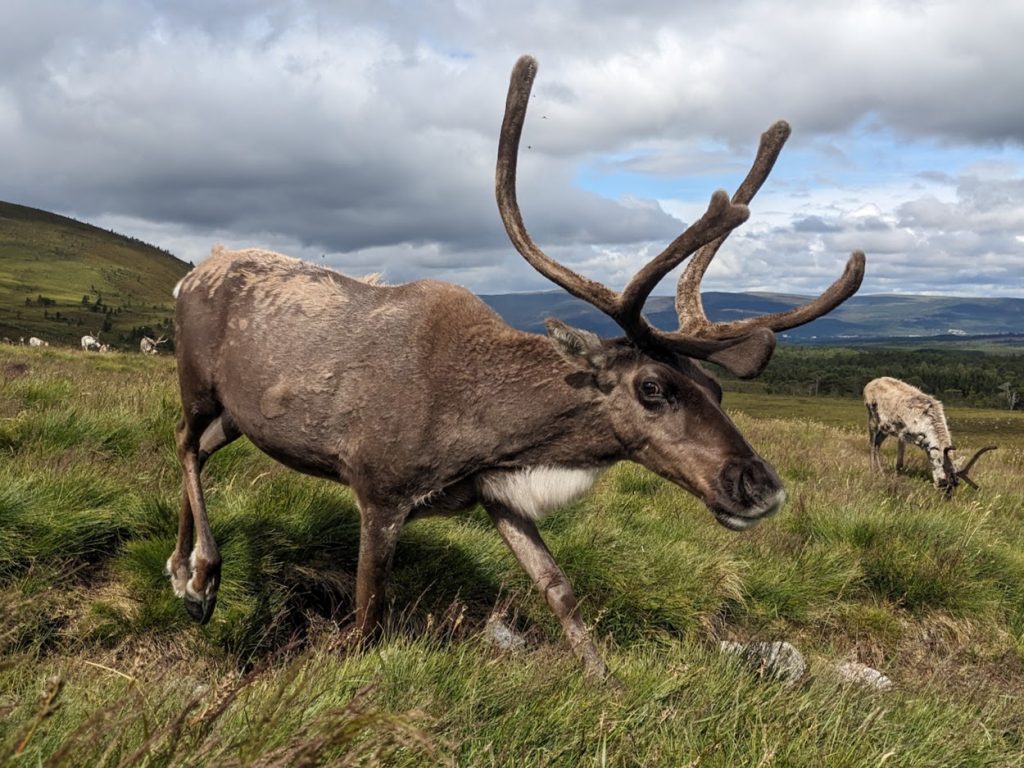
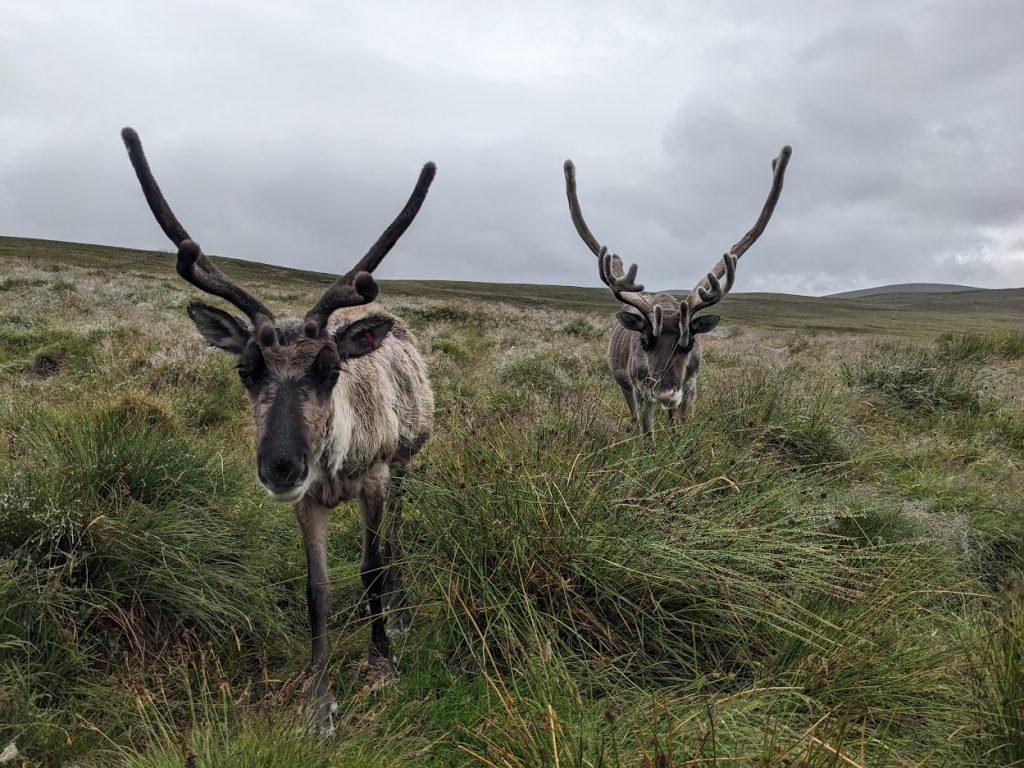
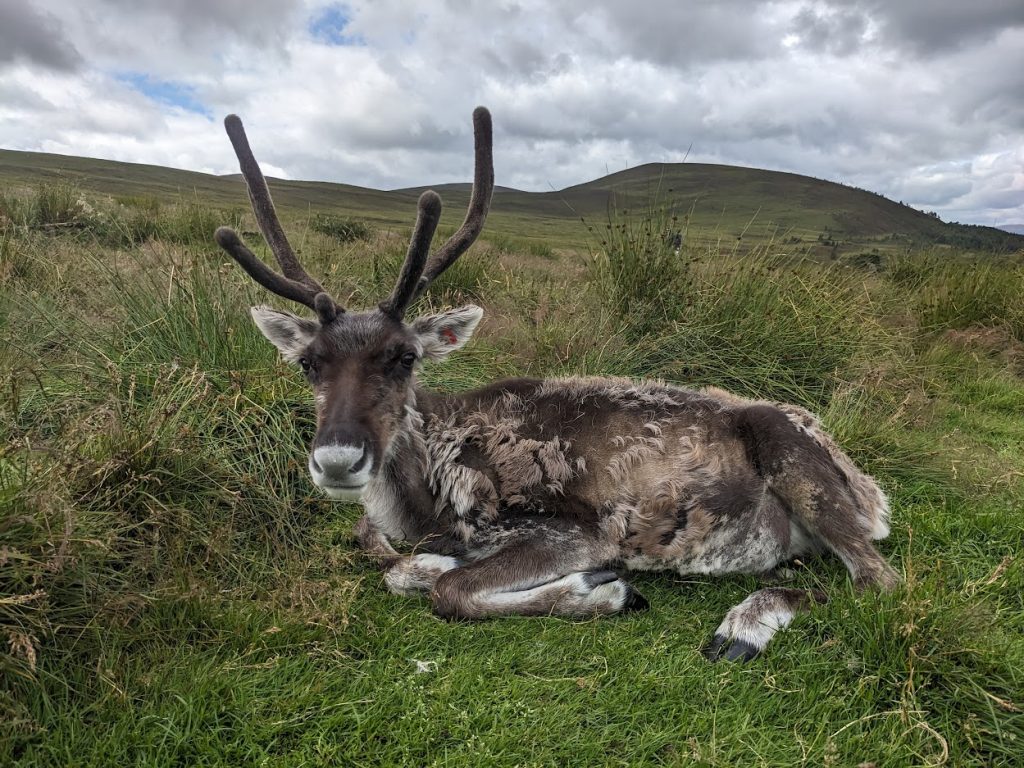
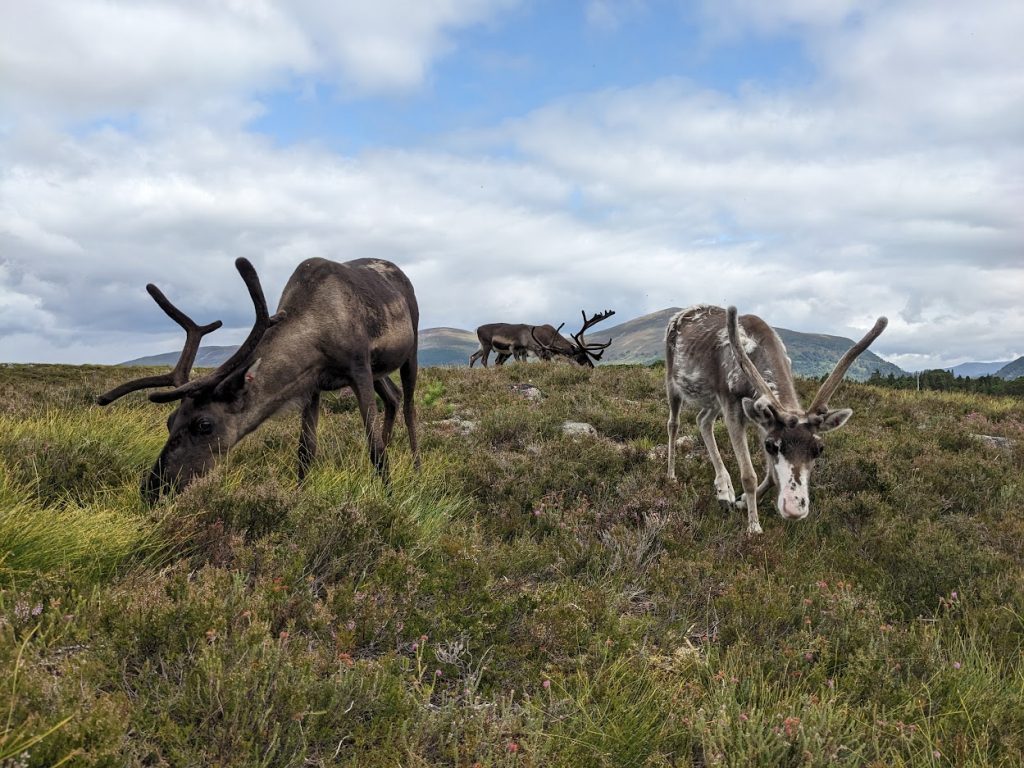
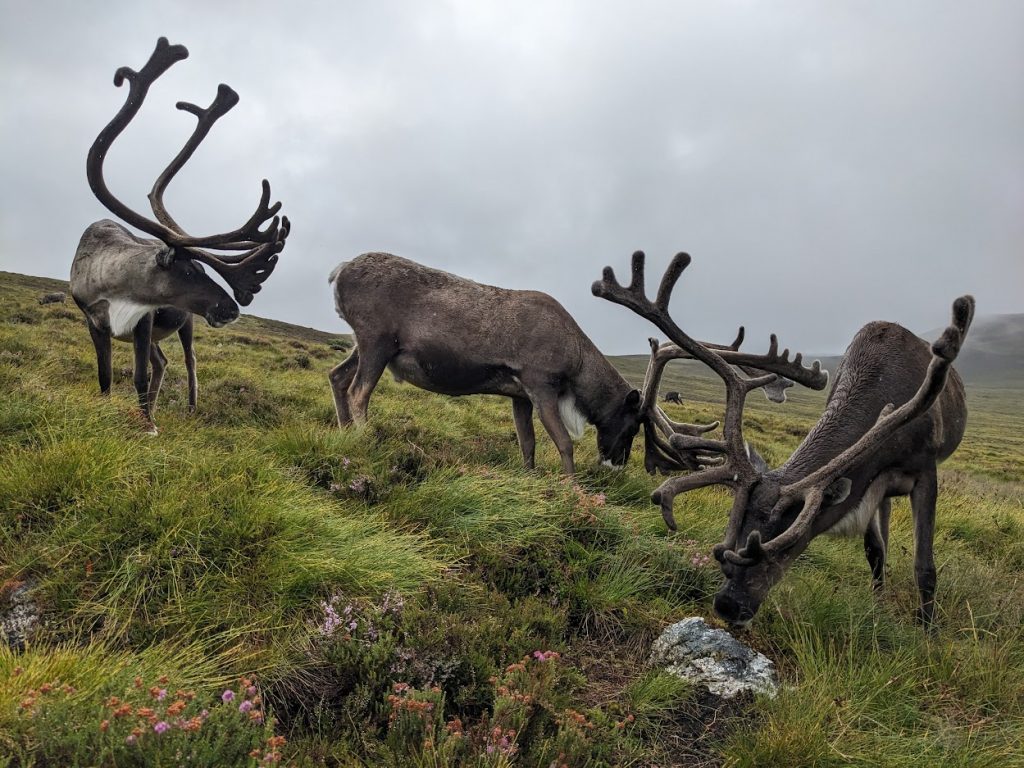
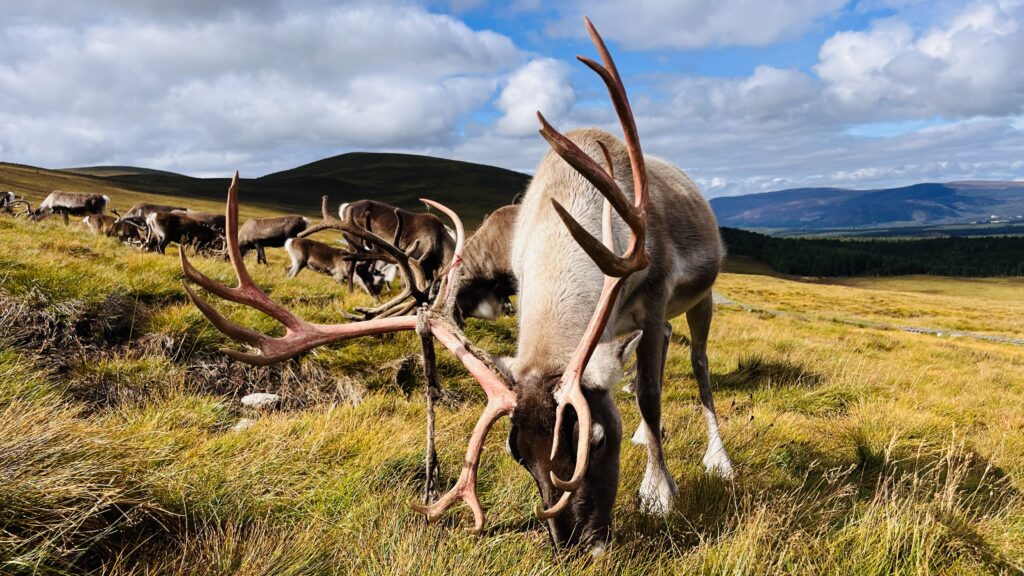
Now let’s talk about antlers! From little twigs on top of a calf, to magnificent displays fit for a castle fireplace once a bull has finished with them – antlers can be a great way to tell reindeer apart. After the age of three or four, when a reindeer is fully grown, you can usually count on a reindeer to grow the same set of antlers every year. The shape and size of a reindeer’s antlers is genetically inherited by their parents, and is unique to that reindeer, just like our thumb print (how cool is that?!). there are some factors that can influence this, such as the health of the reindeer, their age, if a male has been castrated or a female is caring for a calf. But generally, you can count on antlers being a very reliable way to identify a reindeer. Until they shed them of course!
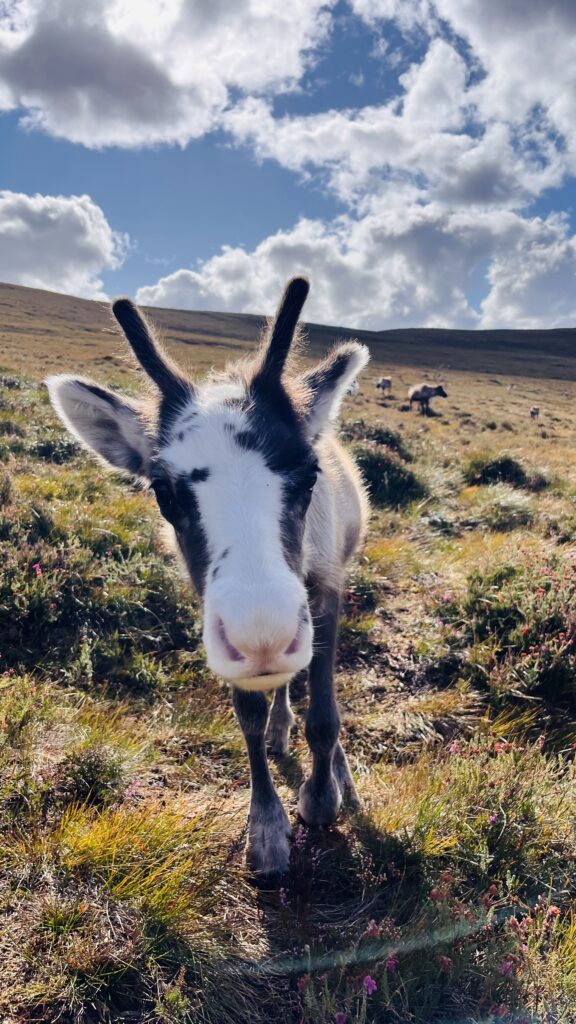
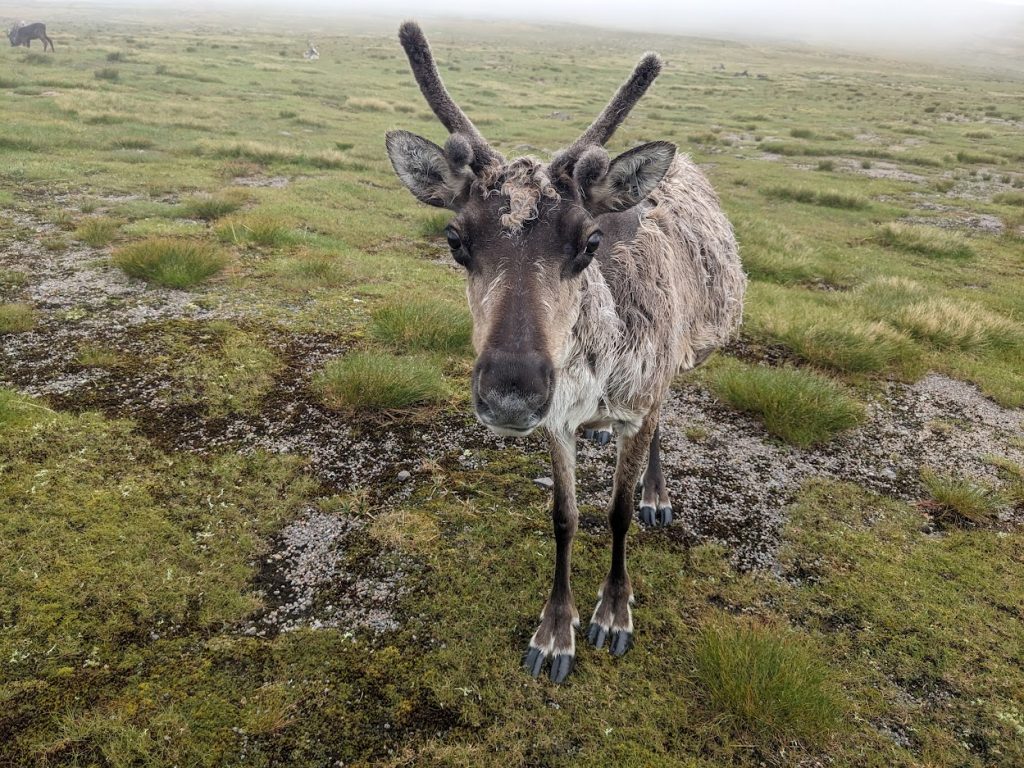
Twiglet antlers on Waltz!
Iskrem looking slightly different now the velvet has stripped.
How many points can you count? That can help you tell who’s who, in this case, Calippo.
Some antlers just stand out from the herd! Sherlock to name one!

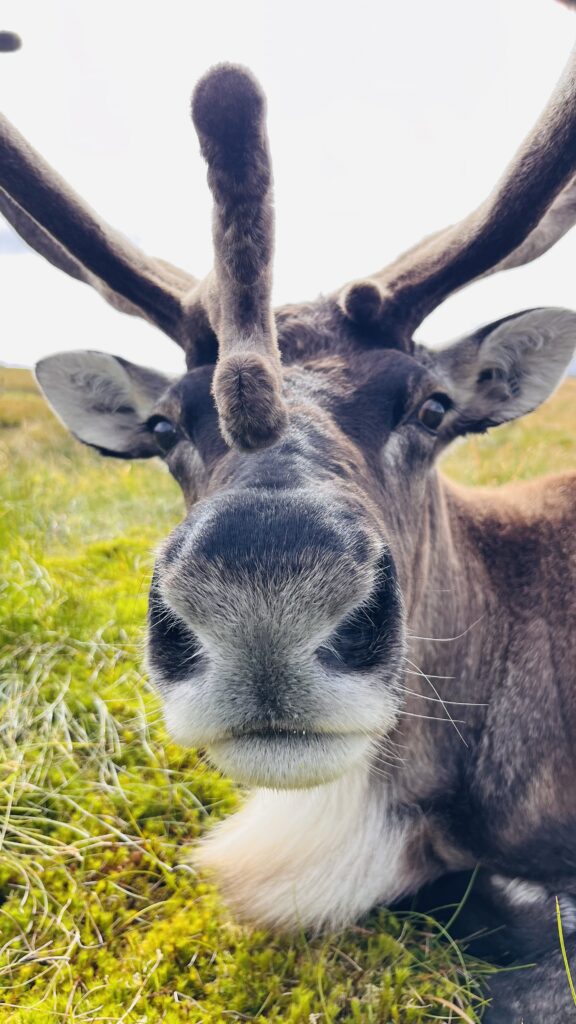
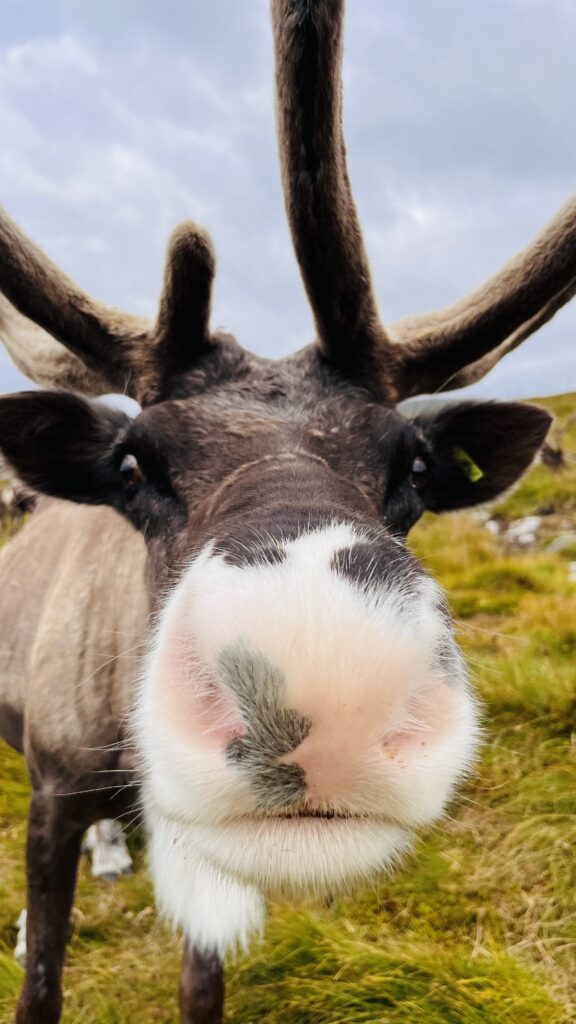
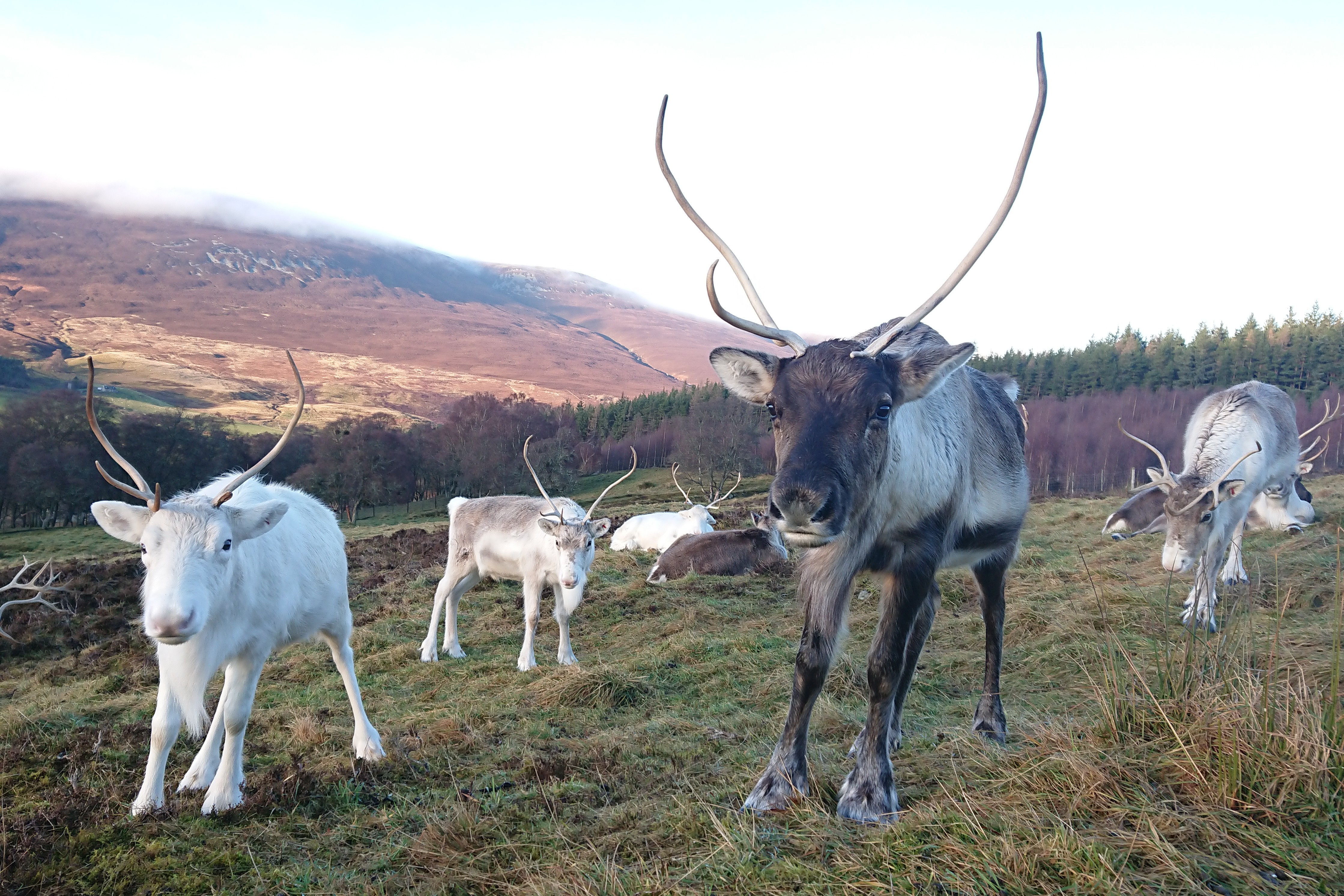
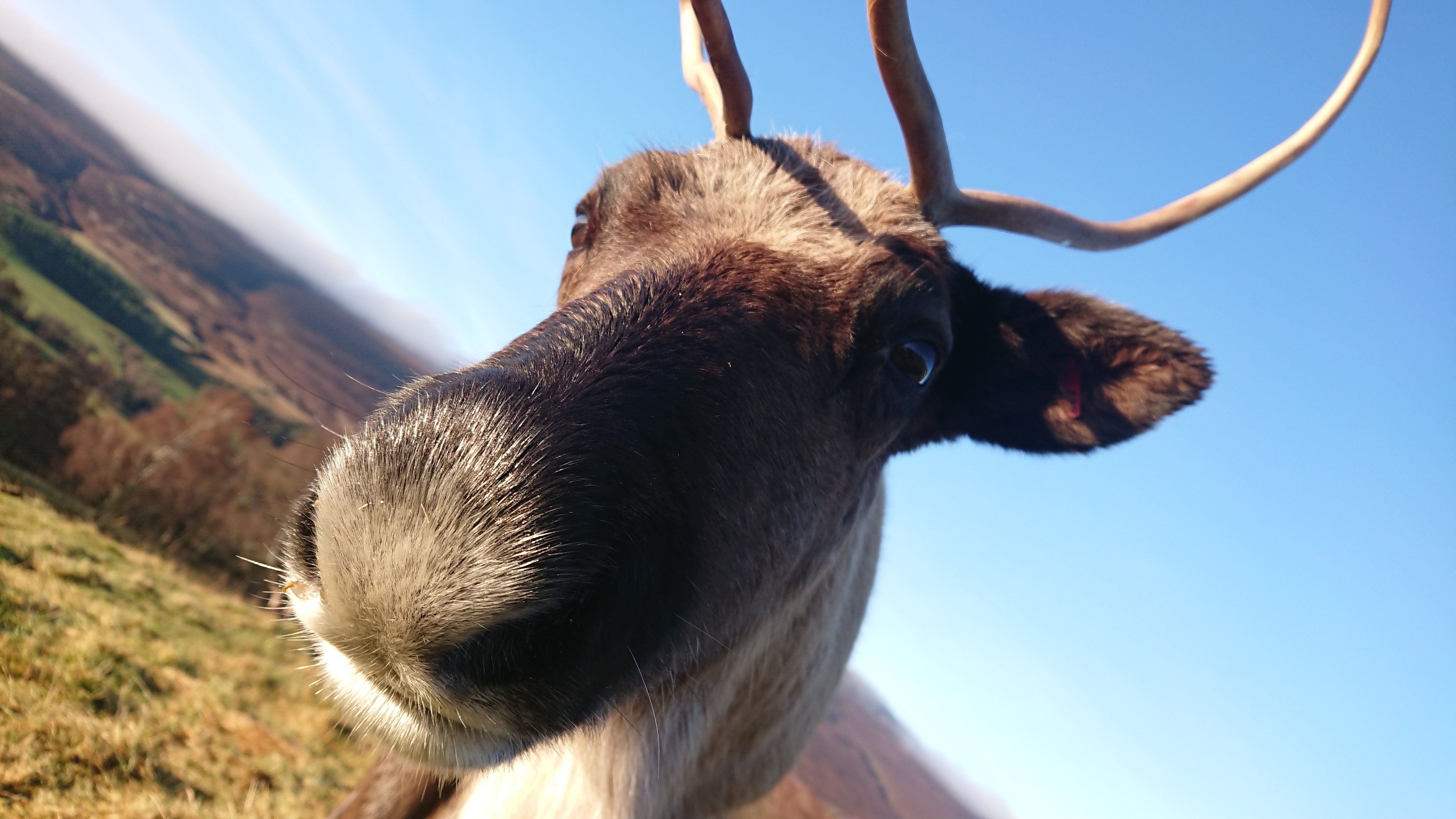
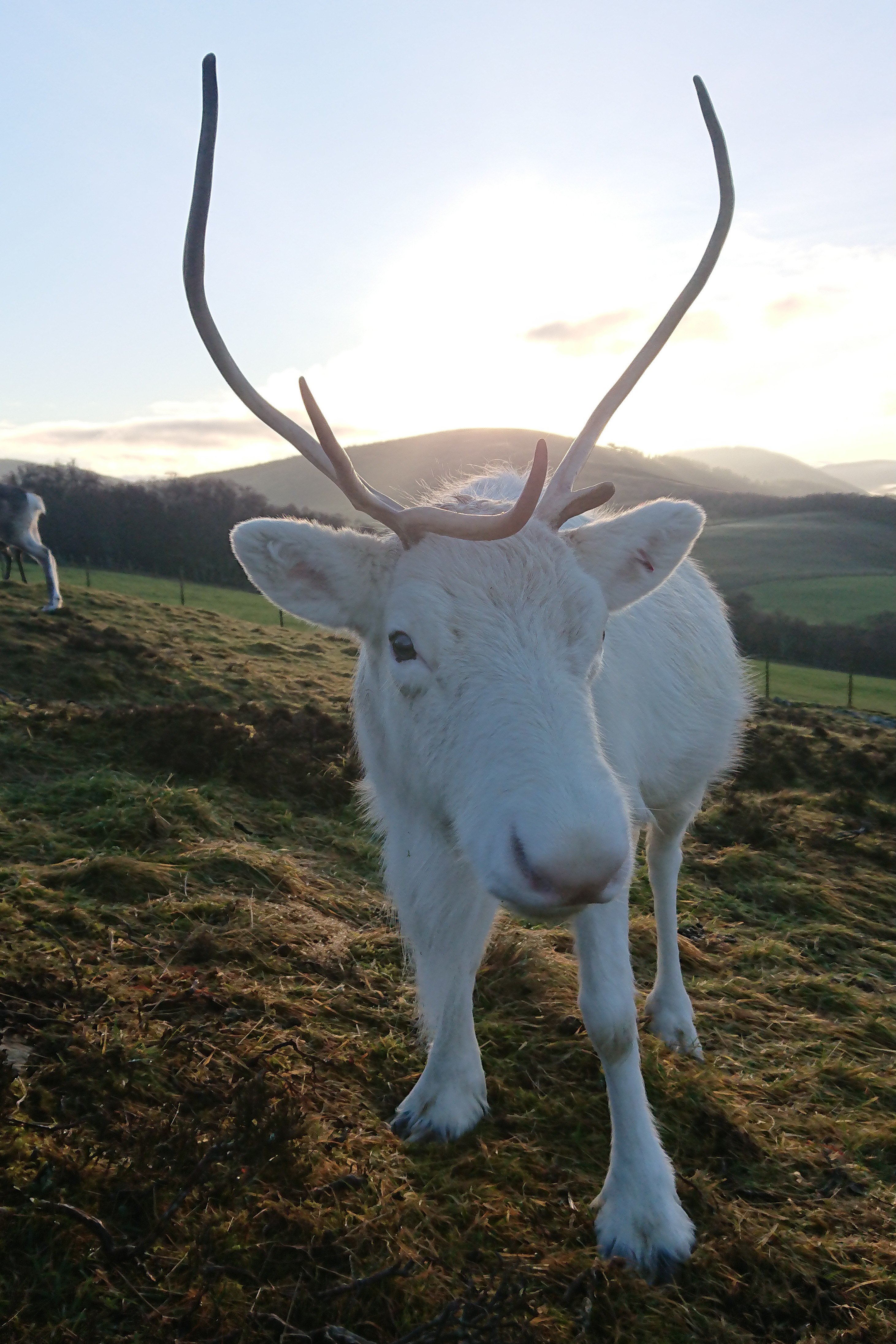
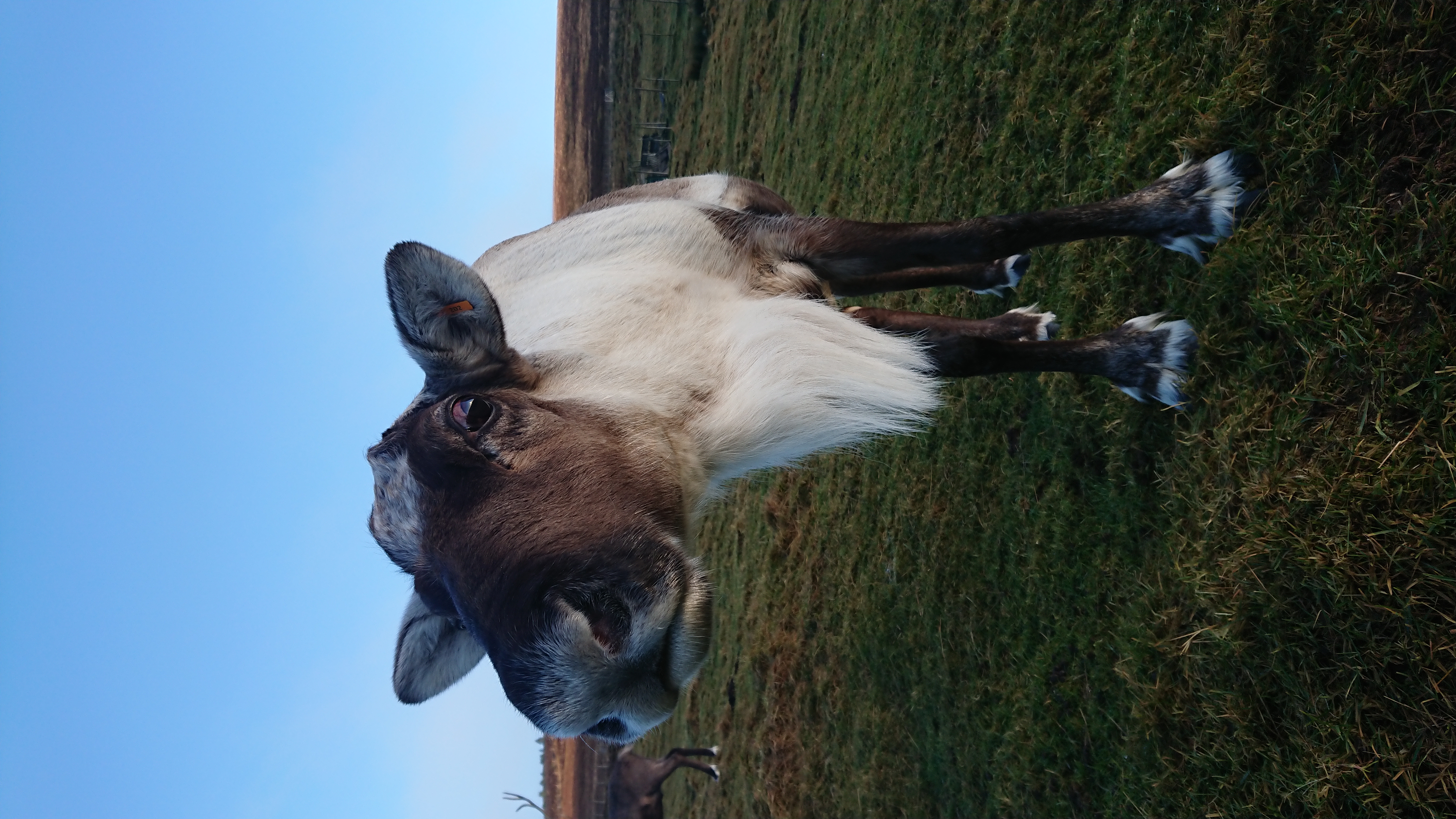
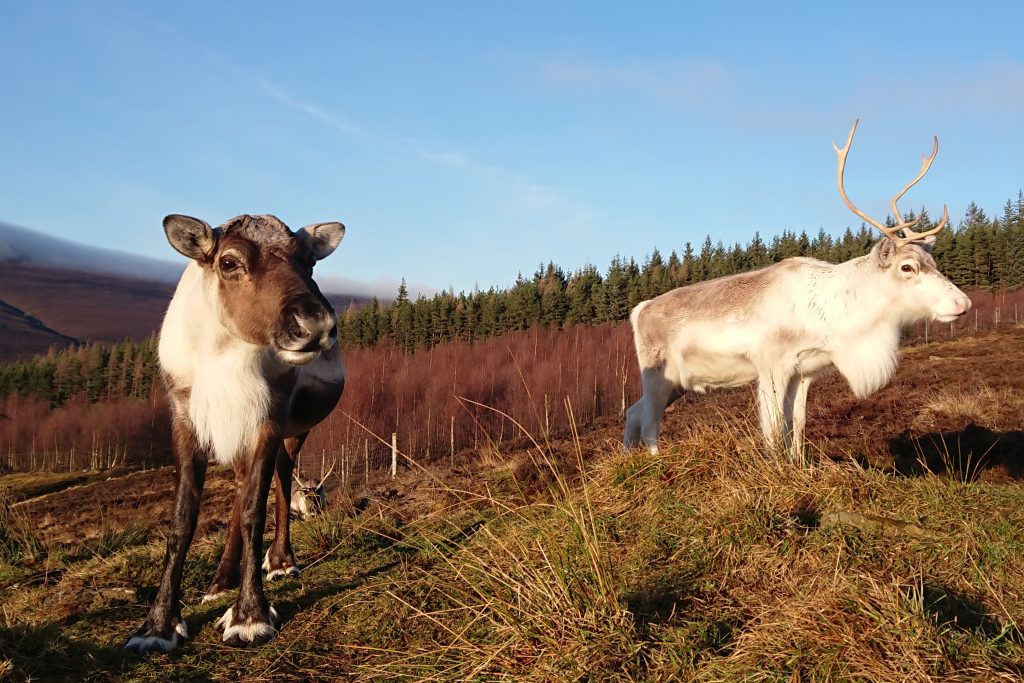
So, their antlers are gone, and you didn’t study your list of ear tag numbers – now what do you do? Well now you have the not so fun task that no body would possibly want to do… get up close and personal with 150 cute and fuzzy faces! The longer you look at the reindeer, the more obvious the differences in their coat and face markings and the shape of their bodies becomes. With an odd white reindeer here and a brown face with a white speckled nose there, you quickly begin to use markings and patterns to learn who’s who.
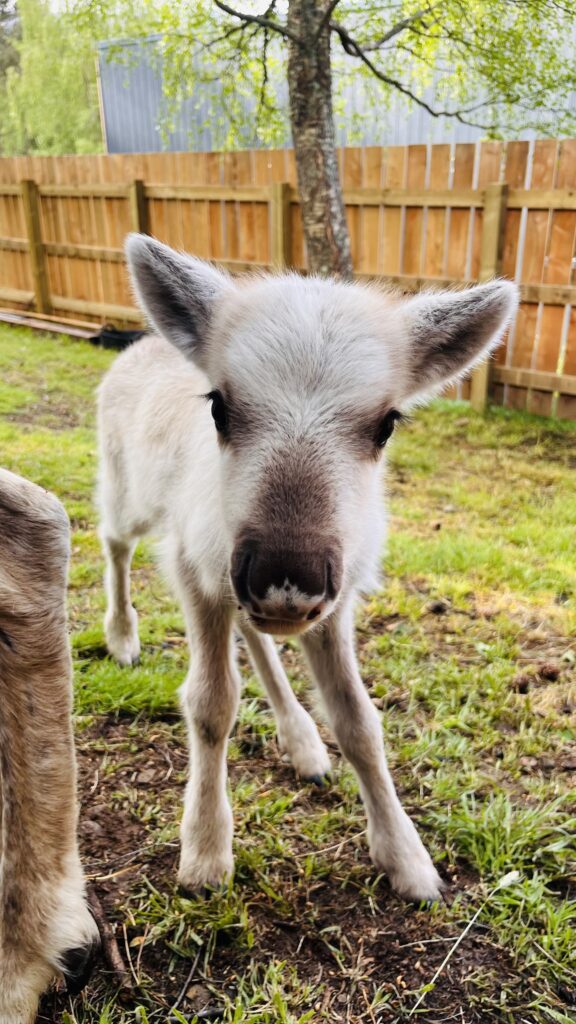
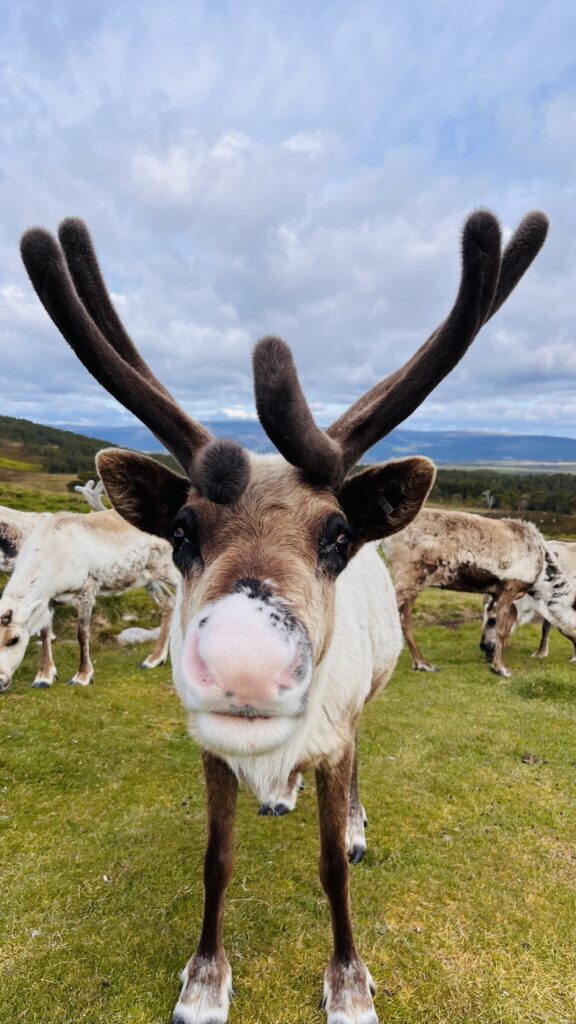
Such a tough job, studying the cute face of Lochi.
Speckled nosed Hemp is easy to spot.
A darker nose and a large blade antler, you must be… Kernel.
A pink nose with brown splotches, who might you be?… Spartan!
There’s only one Mr. Whippy!

But don’t forget those changing seasons… The reindeer you think you learnt in winter are likely to be all brown by summer. So, maybe you should get memorising those ear tag numbers after all.

Daisy
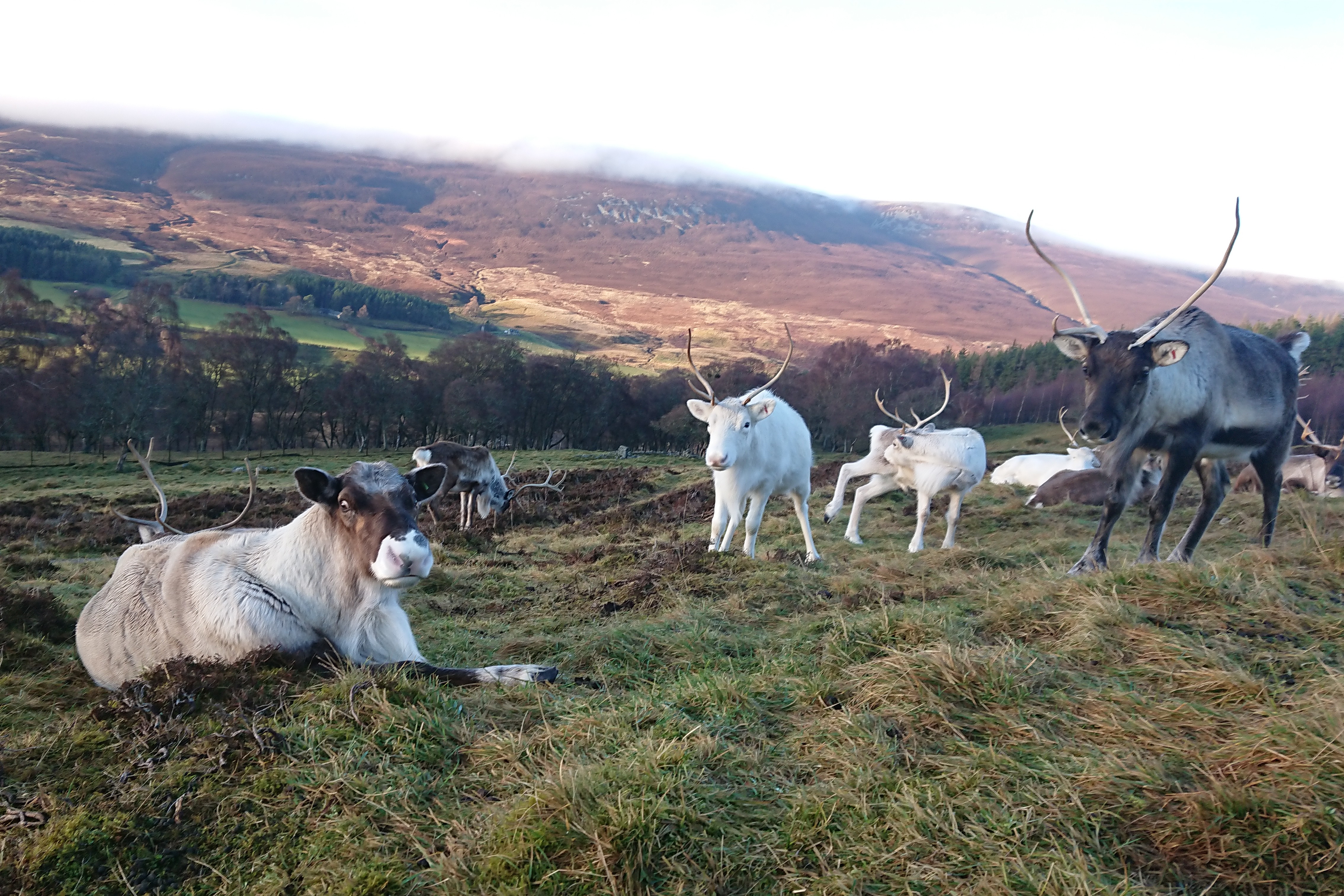
Well hello boys!

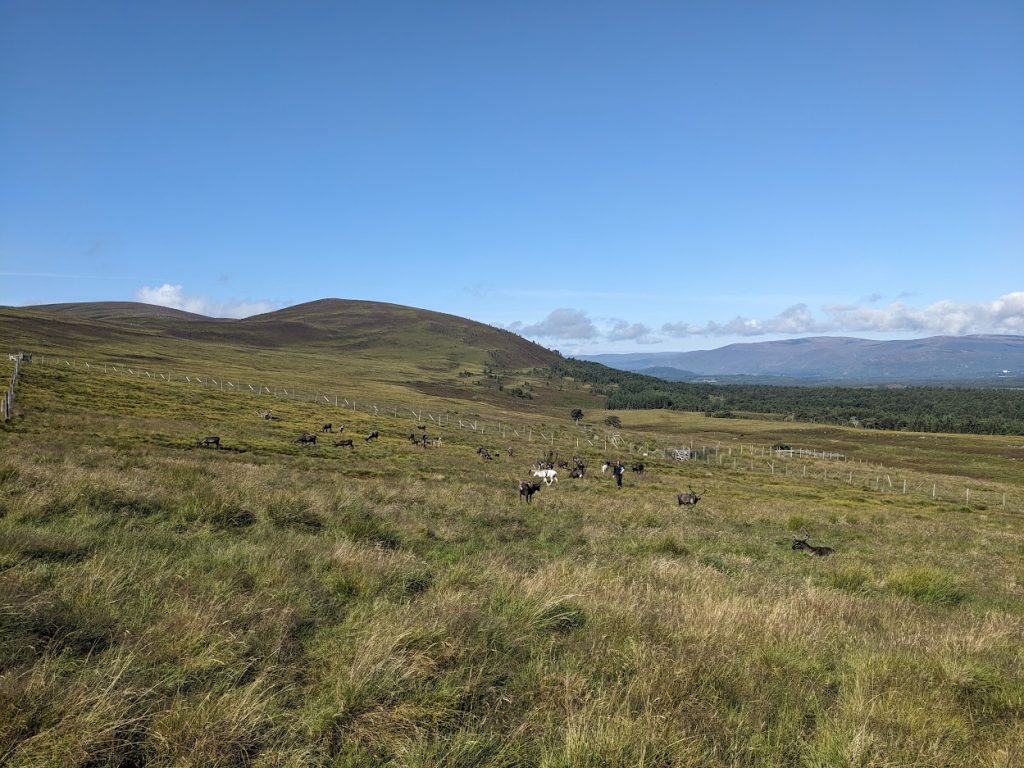
In the autumn, we move all of our entire males (apart from the 2 or 3 lucky chosen breeding bulls) over to our hill farm, away from the females and out of trouble for the duration of the breeding season. With no hint of love on the air, this keeps them calmer and easier to manage, though they still enjoy play-fighting. By December the rut is over and our breeding bulls have also joined them, so there is a slight vibe of an all-boys hangout. As Tilly is caring for these fellas every day, and she is less up on her social media, I thought I’d take the opportunity to grab some photos for you all this week when I was over at the hill farm.

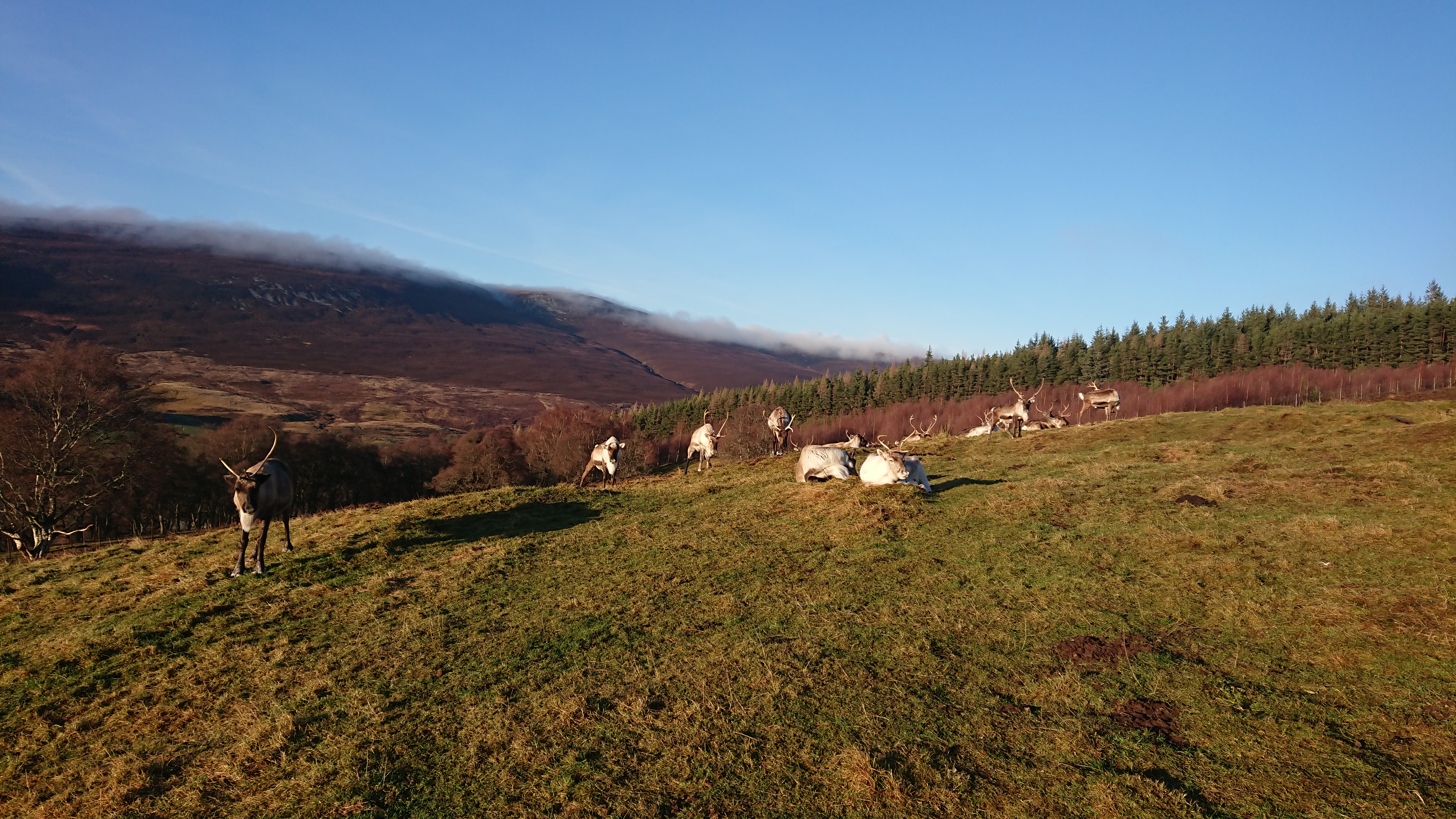
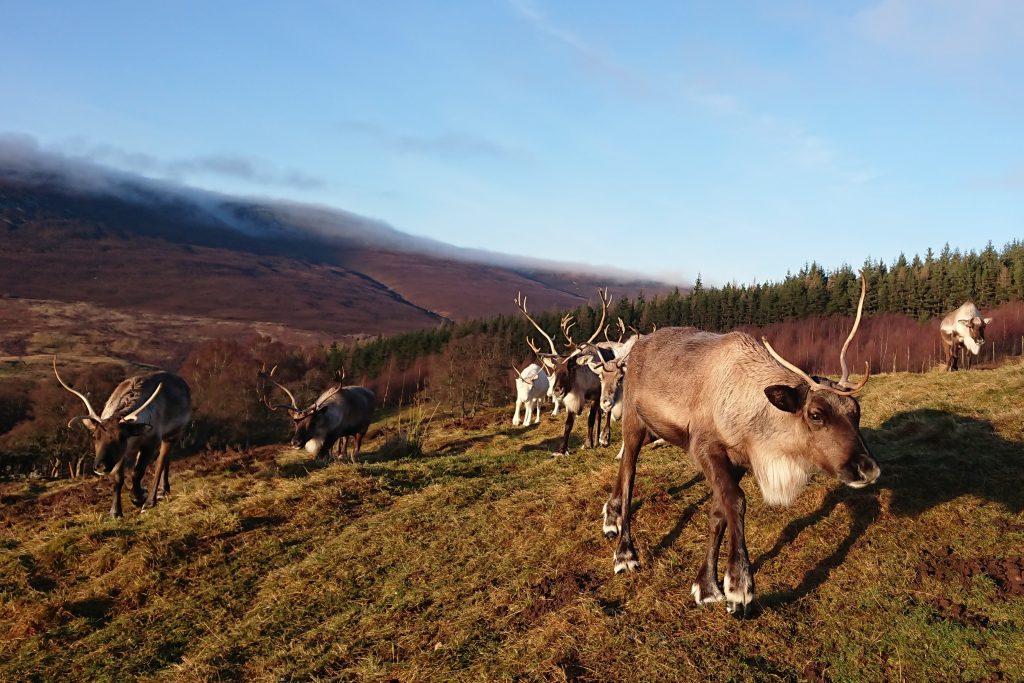
Boys hanging out chilling in the sunshine on the hill
Tub heading over to see what’s up
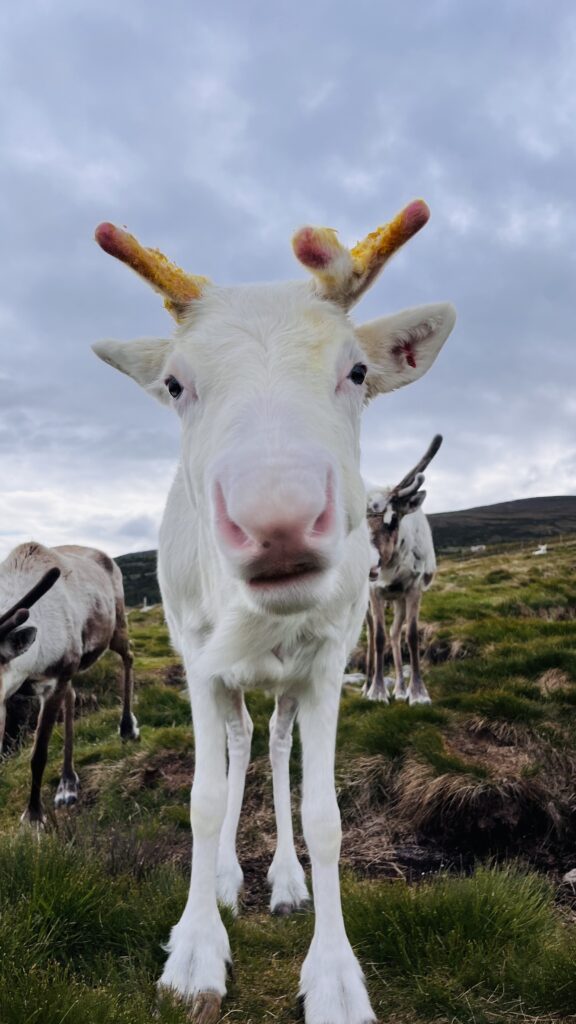
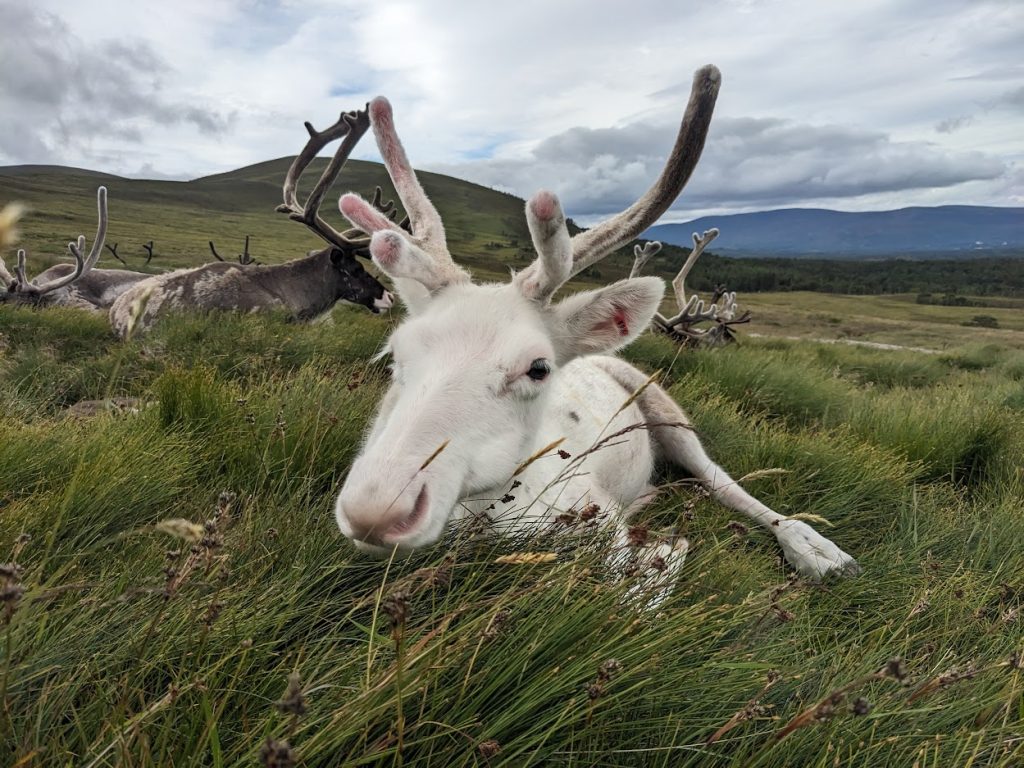
Spartan is a picture of relaxation! Pure white yearling 99, and Cornetto are closest to camera.
Jester and Scoop resting up for winter
Yearling males 99, Kulfi, Cornetto and Zoom
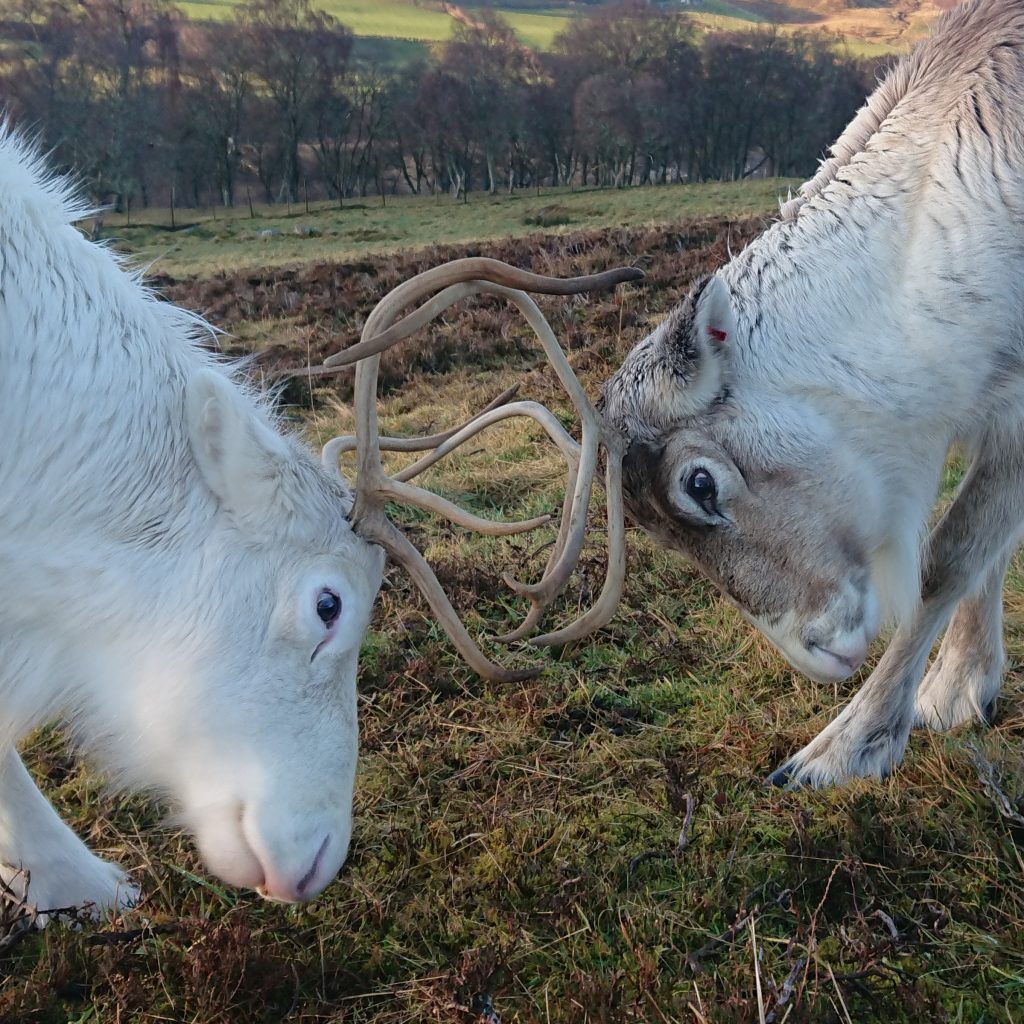
The bulls spend a lot of time practicing their tussling skills – here’s a friendly bout between 99 and Zoom
2-year-old Akubra looks a bit sleepy for tussling just now!
2 year old Cowboy (centre) is certainly in charge of yearlings Calippo (left) and Iskrem (right)
Too close Calippo!
Pure white 99
The more mature bulls have already cast their antlers. Spartan and Sherlock are now getting a rest from carrying all that weight on their heads!
Look at that big fuzzy nose! Mr Morse.
Mr Whippy is the biggest of the yearlings
Like some of the other young bulls, Zap has broken parts of his antlers. He’ll grow back a full set next year after casting this set, a completely natural process.
Sunny, who we hand-reared last year. He’s grown into a very handsome fella.
Big Morse and young Kulfi enjoying the winter sun.

Andi

Photo Blog: July 2023

July has been a good month with not a great deal of unusual things going on within the herd really – which is actually rather nice! The boys in the hill enclosure are generally eating lots and putting all their energy into growing lovely antlers and big bellies! Towards the middle of July the reindeer finally start to look themselves and some in particular look very smart in their short summer coats.

School holiday season is definitely upon us! We’ve got very busy with visitors, running three Hill Trips a day during weekdays and two on weekends. The Paddocks and Exhibition have also been popular and the reindeer here at the Centre have done a good job of ‘babysitting’ our two hand-reared calves (Winnie and Alba) overnight. They are now big enough to spend the daytime with the herd on the hill. This allows them to get some good exercise every day and lots of great grazing but they return each evening so they don’t miss out on their night time bottles of milk!

I’ve been lucky to see some of the free ranging females out on the hills too – all looked great and some stonking big calves out there. Well done mums, keep it up!

Hopefully the following photos will give more of an insight into what’s been going on this month.

3rd of July – Lupin and Bond relaxing after a Hill Trip.
4th of July – The herd heading up to the shed for a routine temperature check. We try to do this around once a week at this time of year.
5th of July – Sunny leading the herd through for their breakfast. What a good boy!
6th of July – Jelly strutting his stuff.
7th of July – 99 (named after the ice cream) is one of our leucistic reindeer. He was one of the first reindeer to moult into his smart summer coat and is in excellent condition.
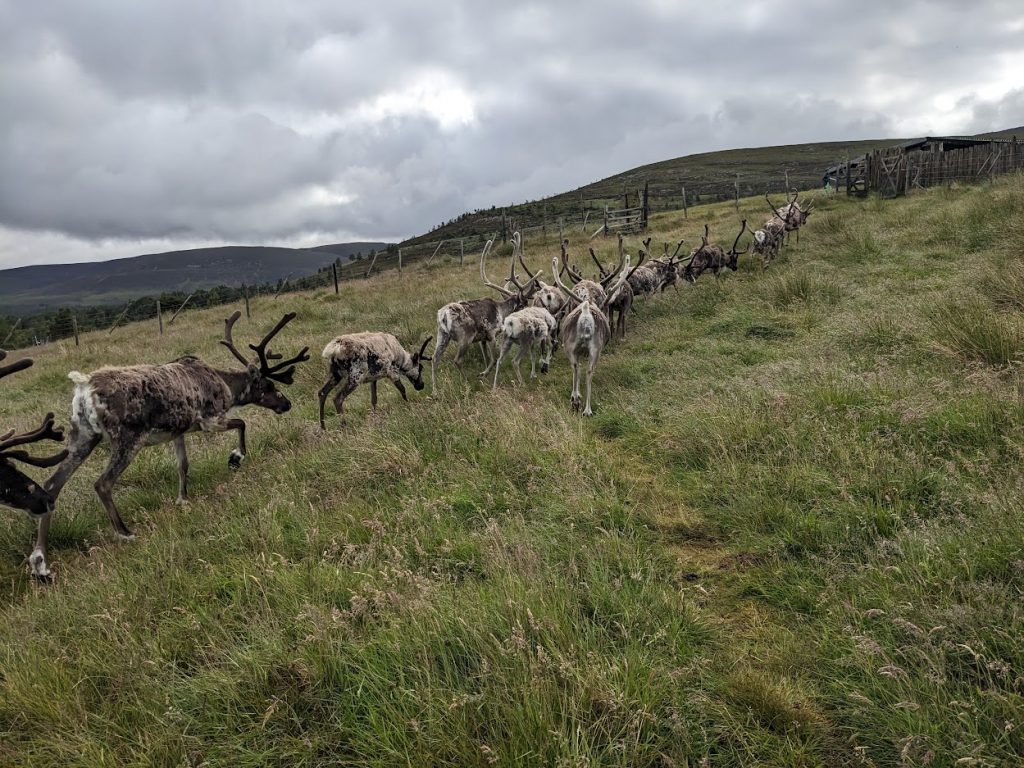
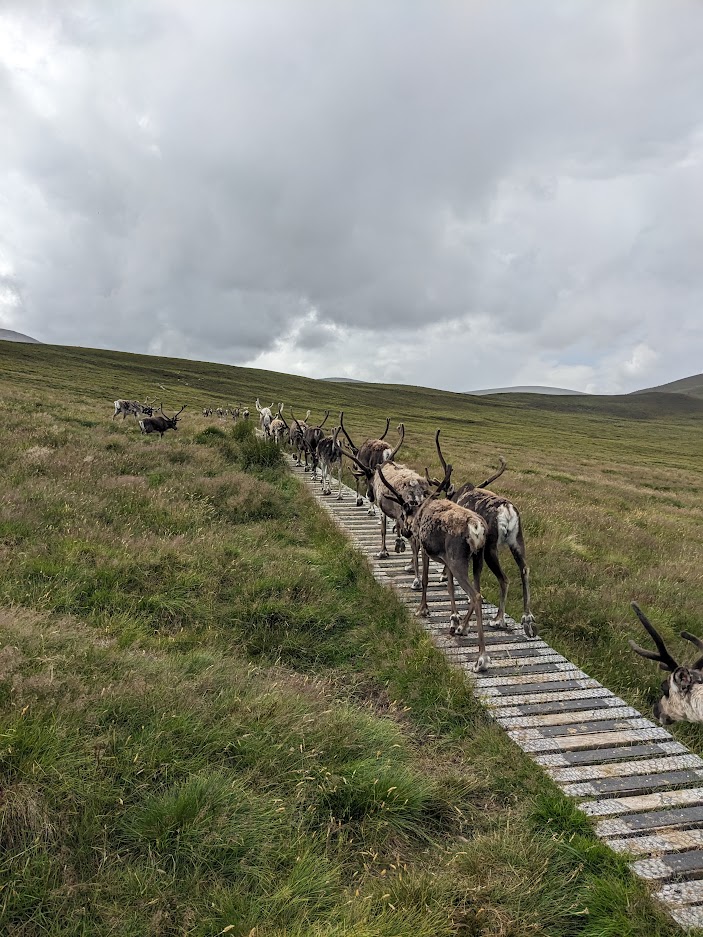
10th of July – The herd on the move.
11th of July – Wafer and Haricot looking soggy after a wet morning.
13th of July – A hill walk on a day off and was lucky to bump into a herd of our free ranging cows and calves. This is three year old Turtle who was looking very well.
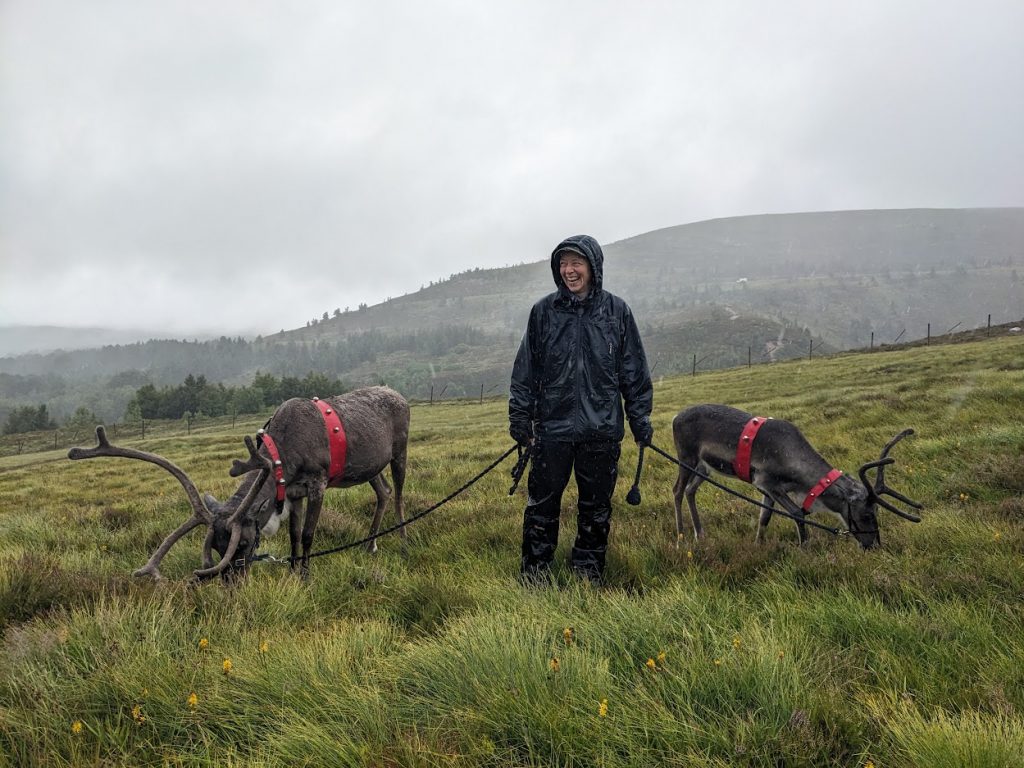
16th of July – Cicero, Andi and Scoop on a VERY wet morning harness training. Both boys happily grazing not fazed by the situation and Andi is still smiling despite the downpour!
17th of July – Sunny (last year’s hand-reared calf) still looking a bit scruffy!
18th of July – Alba and WInnie on their way up to “Reindeer School” for the day. They spend the evenings and nights here at the Centre in the Paddocks and the day time on the hill with the herd – good grazing and exercise.
20th of July – Yearlings Calippo and Kulfi.
23rd of July – So much antler! Morse, Spartan and Kernel.
25th of July – LX and Busby. I think they both thought they were missing out on their breakfast!
26th of July – Blue skies above the hill enclosure! Summer returned for a day!

Ruth

Book Now