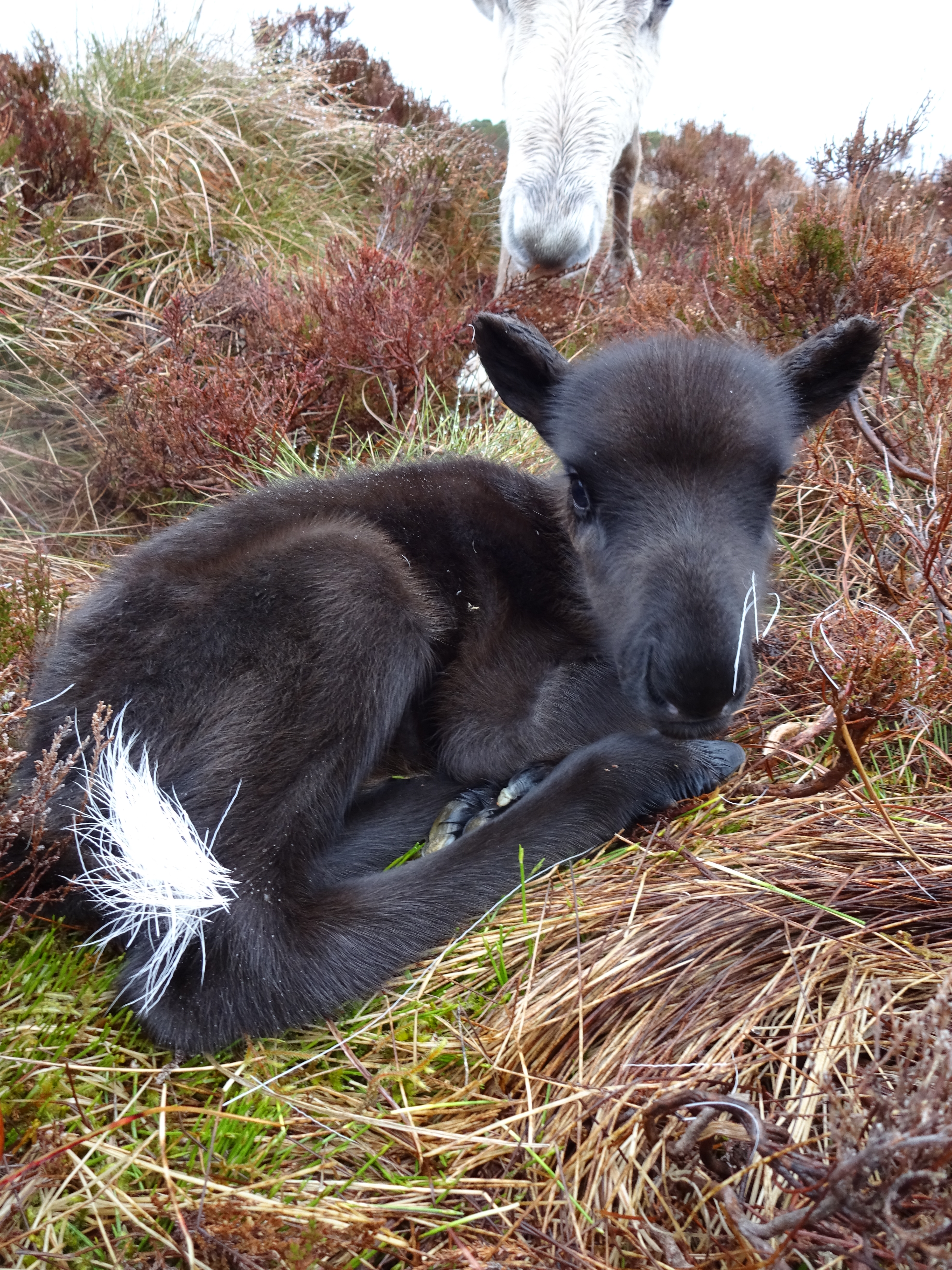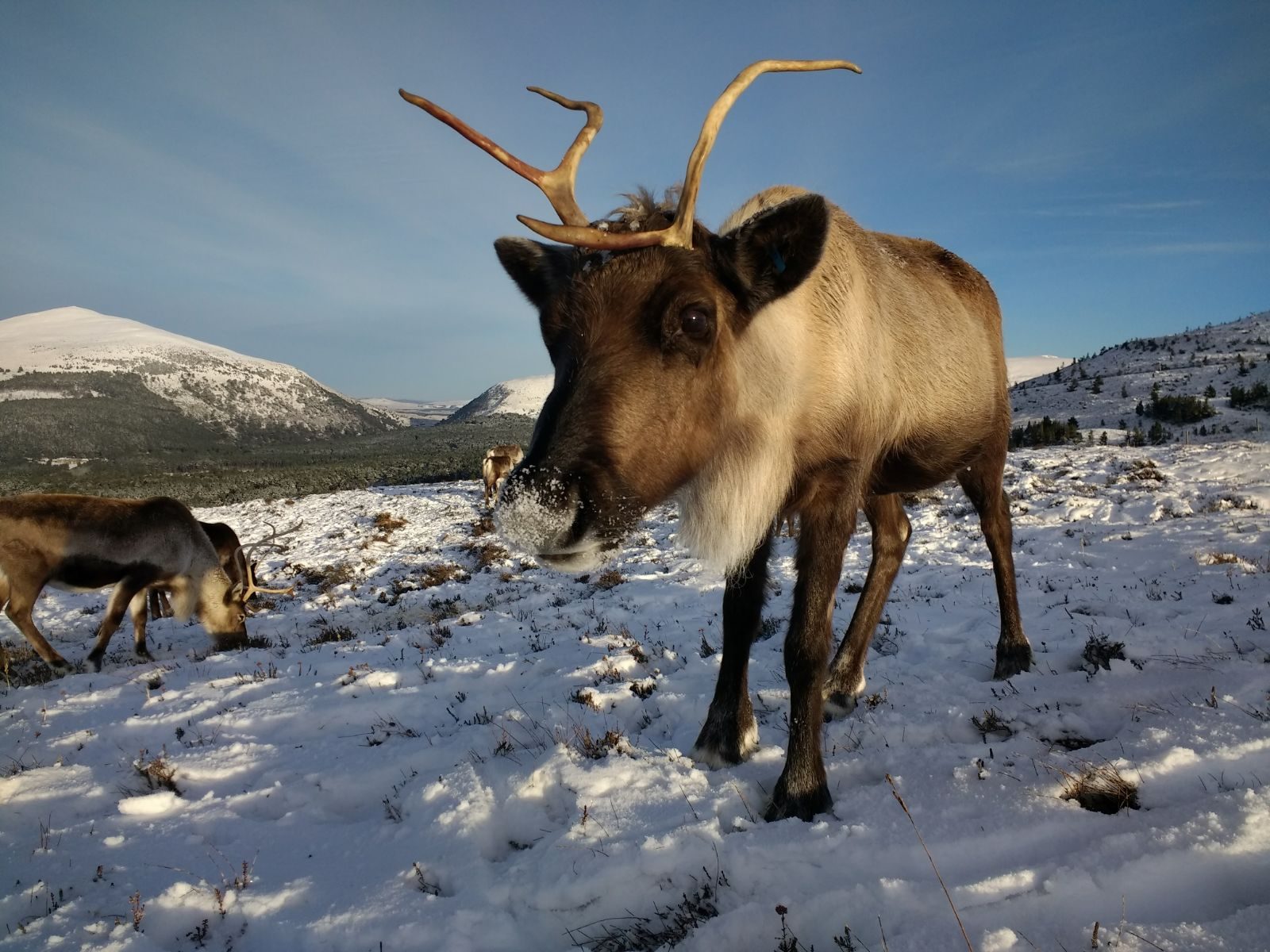
This winter we have prolonged periods of cold snowy weather, as I write this the weather forecast predicts it’s not going to be above zero during the next two weeks! It’s pretty chilly for us herders even under our many layers, but for the reindeer it’s ideal (if a little mild!) and we have a big happy free-ranging herd.
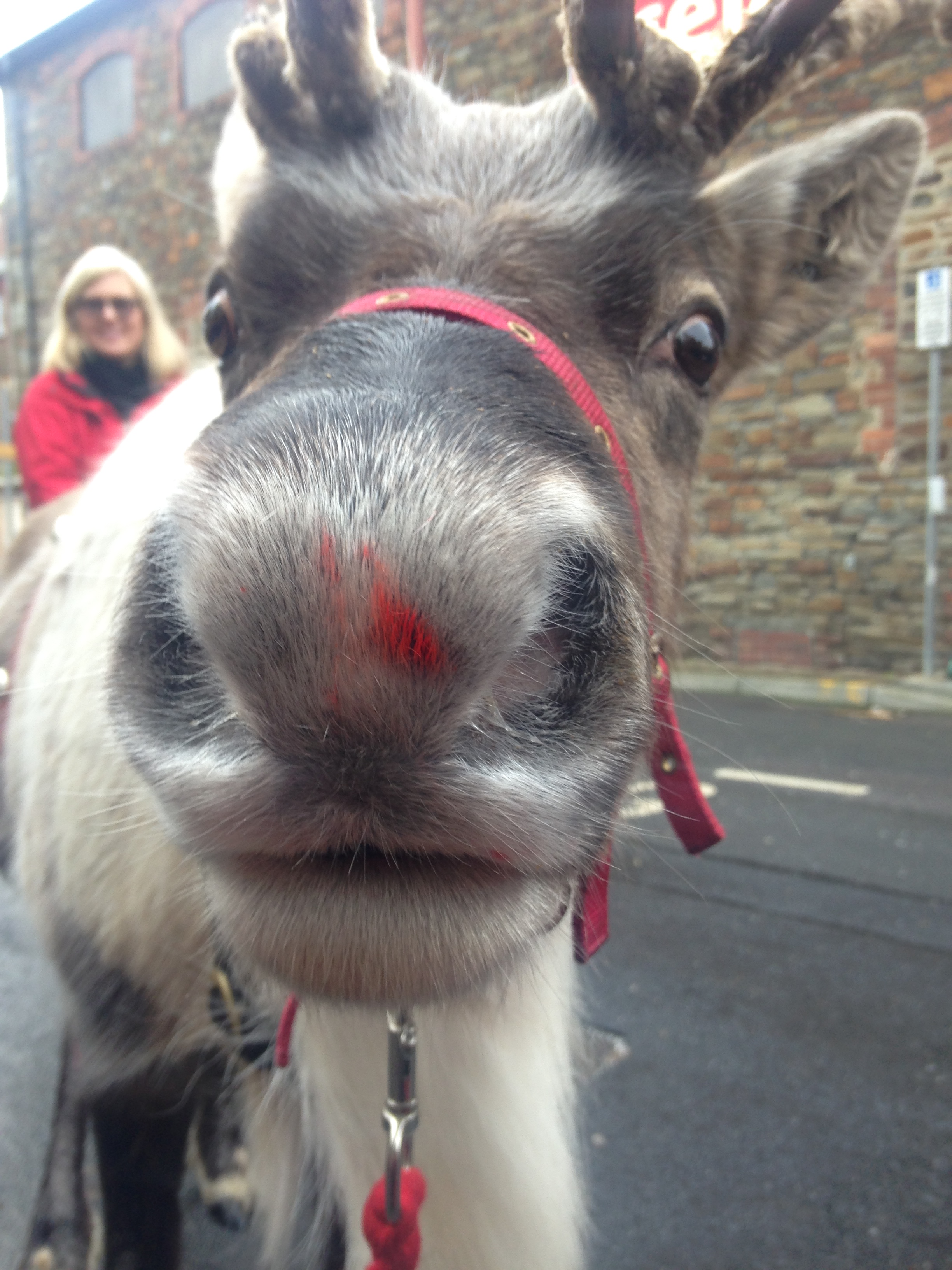
On Hill Trips we often talk about how reindeer are adapted to Arctic and subarctic life by describing their thick winter coat, large hooves, beards, and their amazing clicking back feet. However, in my opinion, one of the most wonderful and endearing adaptations of a reindeer is their beautifully soft velvet noses!

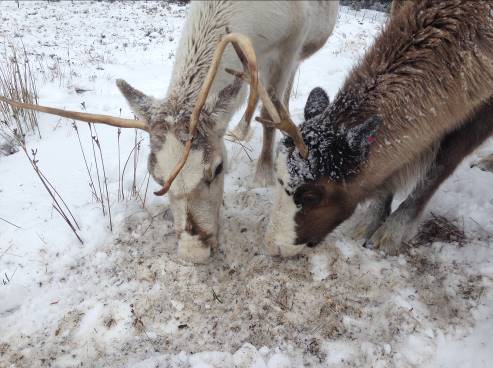
Out of the 40 odd species of deer in the world, reindeer (and Caribou) are the only deer which have hairy noses rather than shiny, moist ones. This prevents the build up of frost which would occur on a cold wet surface during exhalation; perhaps this is the reason why male polar explorers (and Scottish reindeer herders) often grow beards!
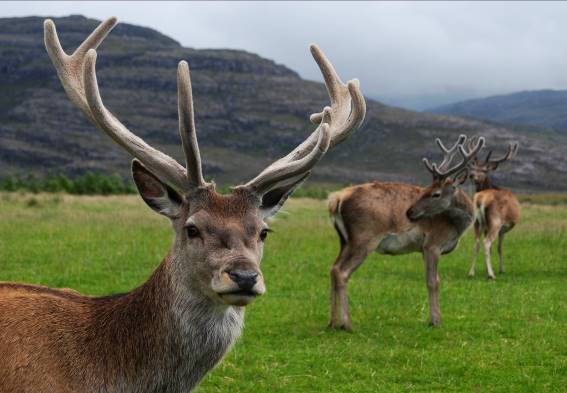
https://commons.wikimedia.org/wiki/File:Red_deer_stag.jpg
However, the most special part of a reindeer nose is actually on the inside. This blog will endeavour to delve under the cute furry exterior to hopefully show how truly remarkable a reindeer’s nose is…. as well as a good excuse to show lots of lovely fuzzy photos!
There is a complicated and highly specialised arrangement of cartilage, bone, fleshy bits, mucous membranes and blood vessels that make up their nasal passages. Together they form an extremely large surface area; the shape of which is often described as a ‘rolled scroll’ or sometimes a ‘seashell’. This specialised structure allows a reindeer’s nose to remain warm and retain moisture in freezing temperatures as well as allowing them to expel excess heat on warmer days.
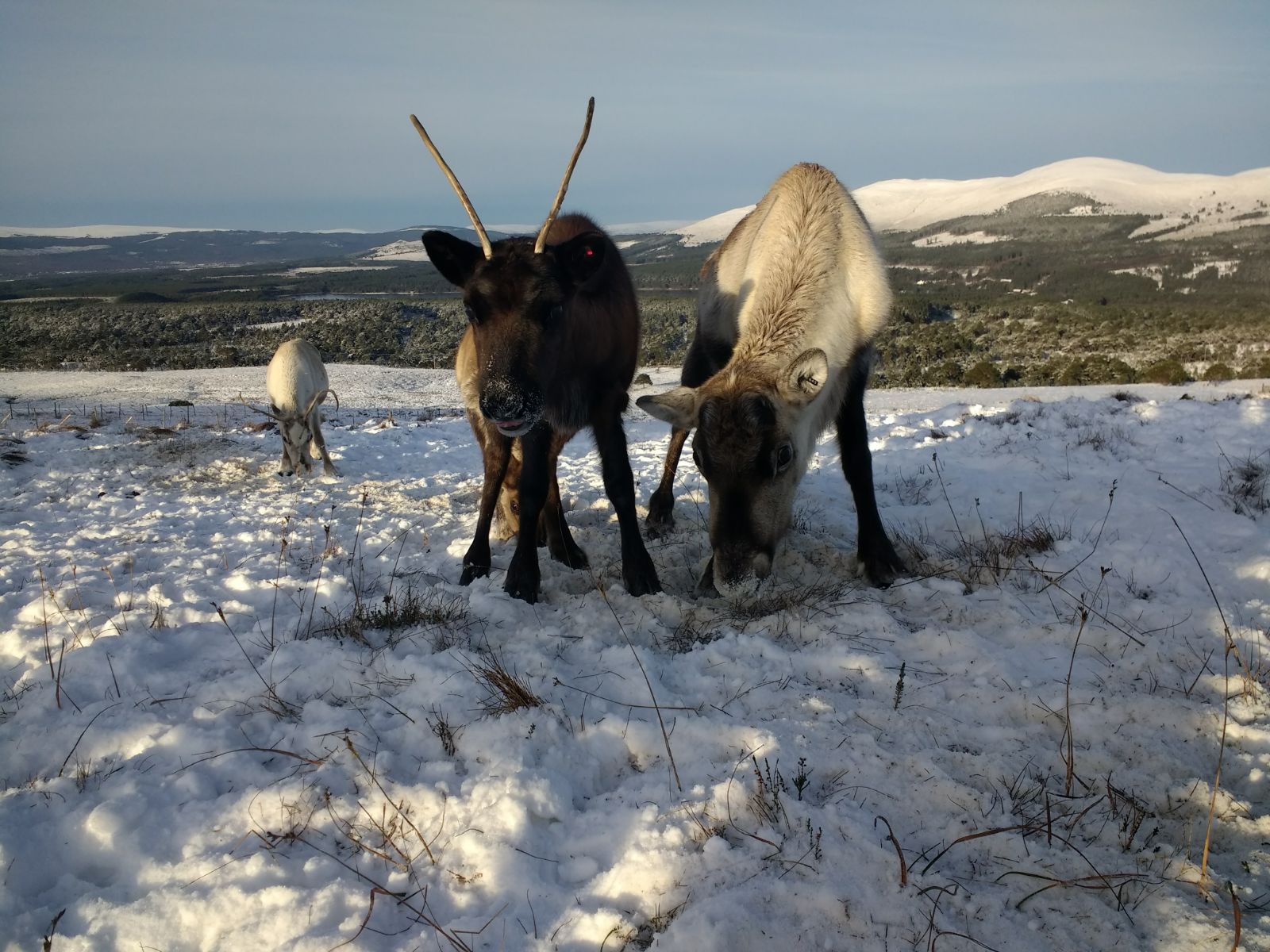
A reindeer would soon be chilled if freezing air was to reach their lungs on every breath. To overcome this they have the fascinating ability to change the temperature of the air they inhale before it reaches the lungs, and vice versa. This is all thanks to their ingenious nasal structure, which works as a counter-current heat-exchange system.
For example, if the outside air temperature is -40⁰C, the temperature when the air reaches the reindeer’s lungs is about +38⁰C. In other words, they can change the temperature of the air an incredible 70-80⁰C in less than one second! Additionally, winter air tends to be cold and dry, especially for reindeer that live in higher latitudes. In order for the heated air not to be over dry when it reaches the lungs, a bit of moisture is released from the internal mucous membranes into the air when the reindeer inhales. Move over Rudolph with your shiny red nose, I think that is pretty magic!
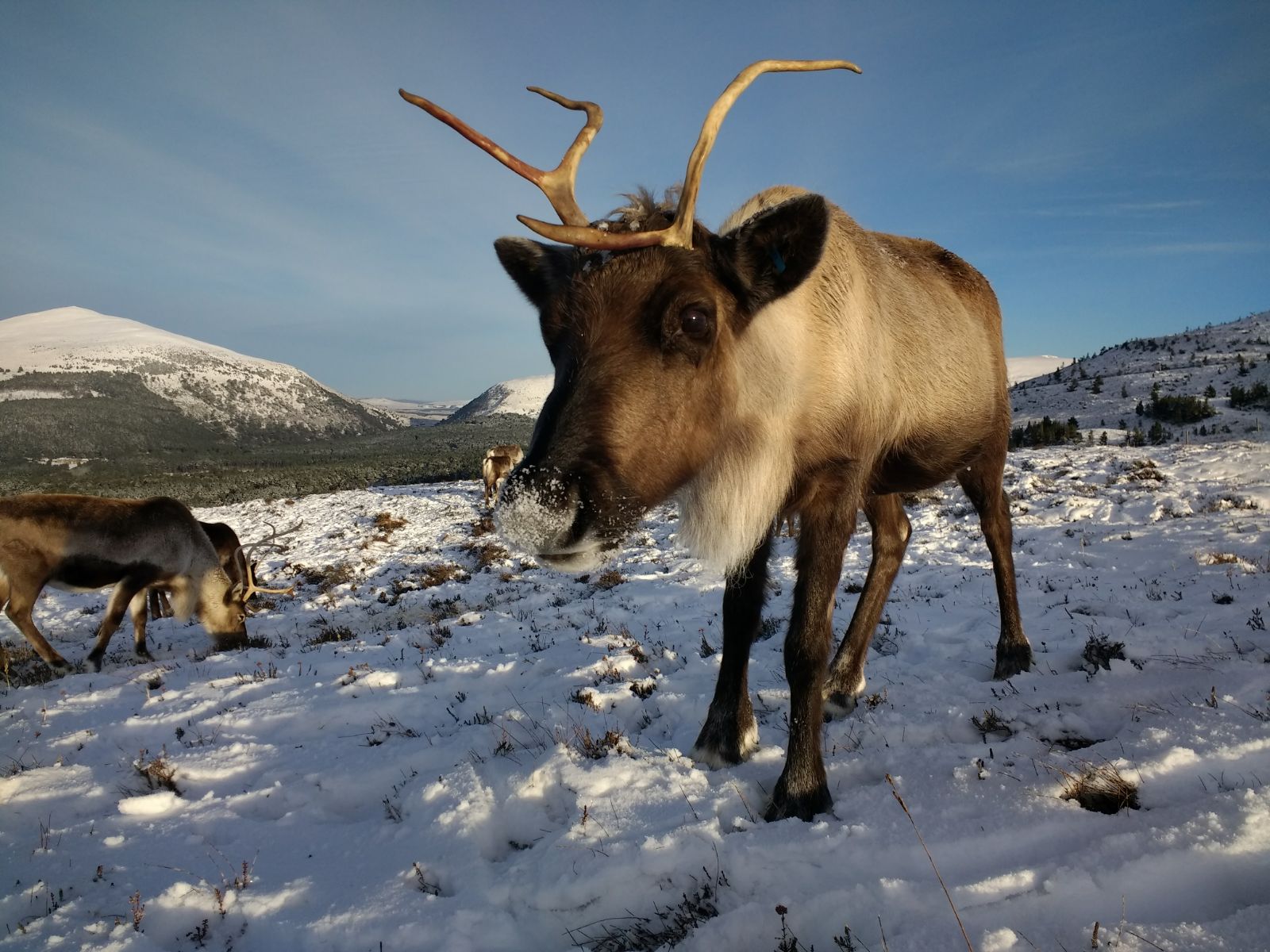
On exhalation the opposite happens so a reindeer is able to cool its warm breath, in order to conserve as much body heat as possible. When breathing out they also conserve as much water vapour as possible; especially important when snow may be the only form of water they are able to get!
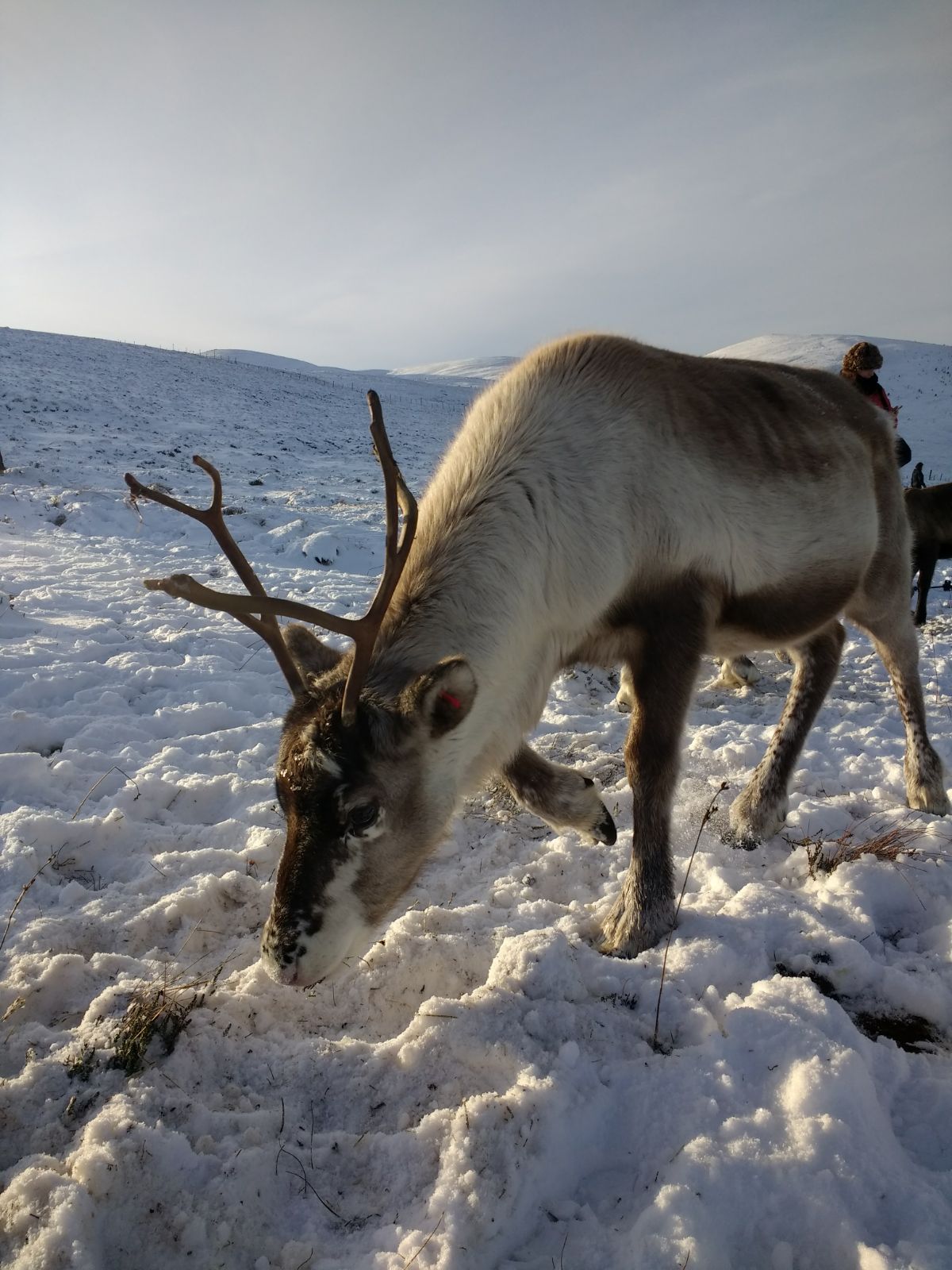
So when it’s cold in winter, us meagre humans can see our breath as we exhale. However, a reindeer standing at rest in sub-zero temperatures will have no visible breath steaming from their nostrils! That’s because air leaving a human nose is about 32⁰C and the water it contains condenses into visible water droplets as our warm breath meets the cold air. In a reindeer’s nose, warm air is cooled down by about 21⁰C before it is exhaled, saving the majority of the heat. The mucous membranes in the snout recover the moisture, enabling the water in the air to condense inside the nose which then trickles into special folds which direct it to the back of the nose and into the throat, meaning the reindeer exhales drier and partially cooled air.

Ruth
References:
https://geminiresearchnews.com/2016/12/magical-reindeer-nose/
The Real Rudolph, Tilly Smith