Daisy

Roaming freely since 1952
Daisy
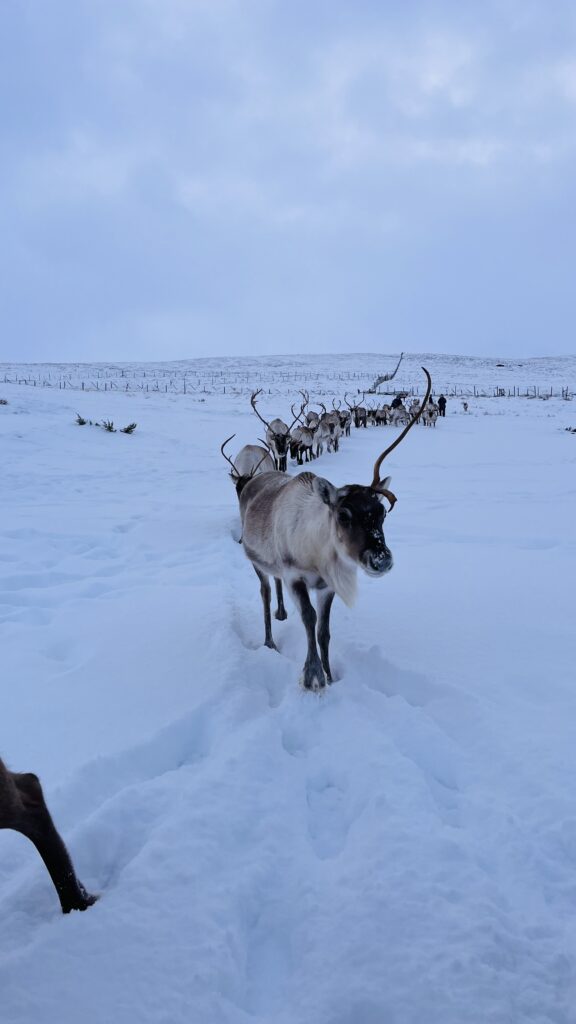
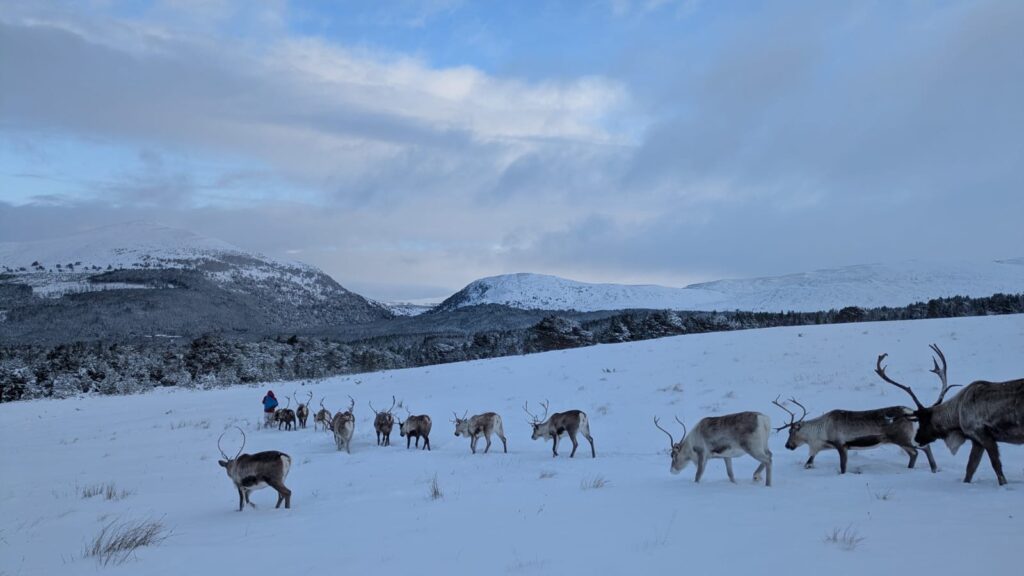
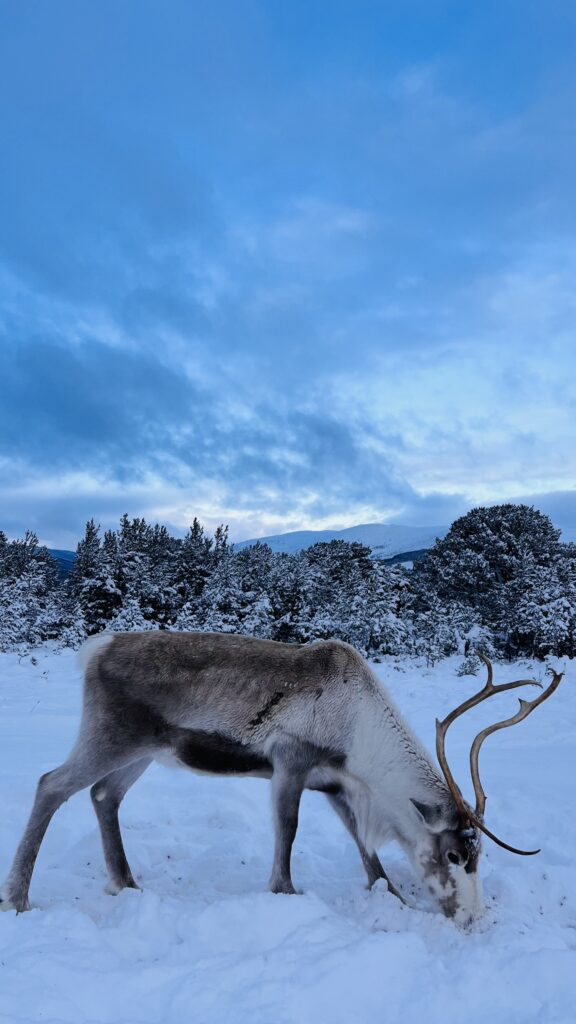
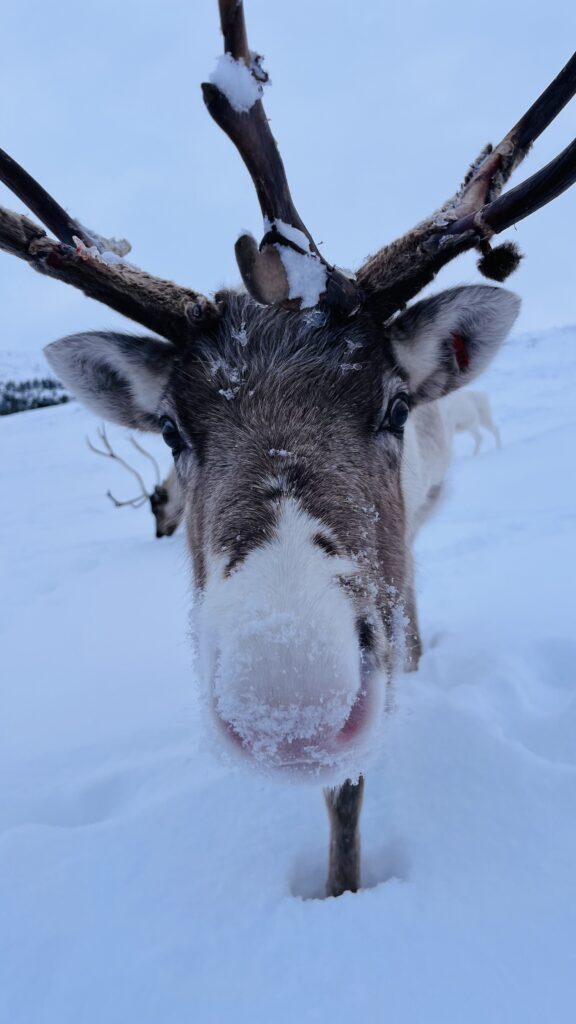
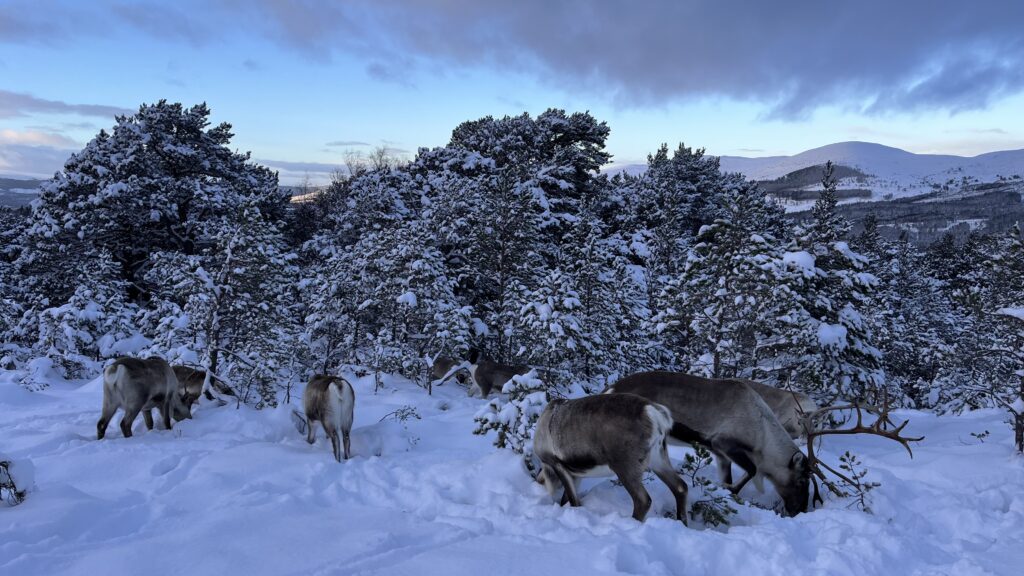
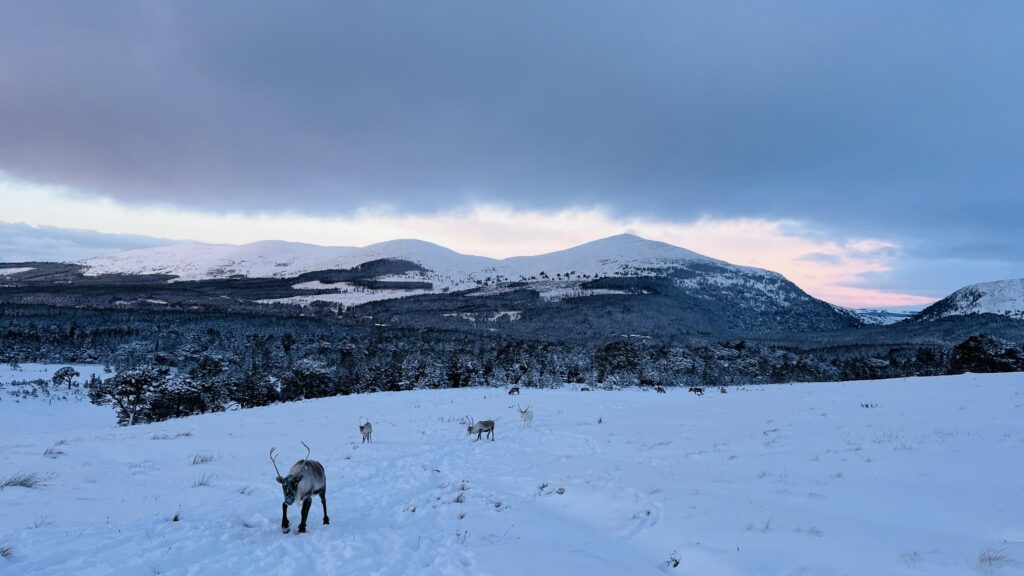
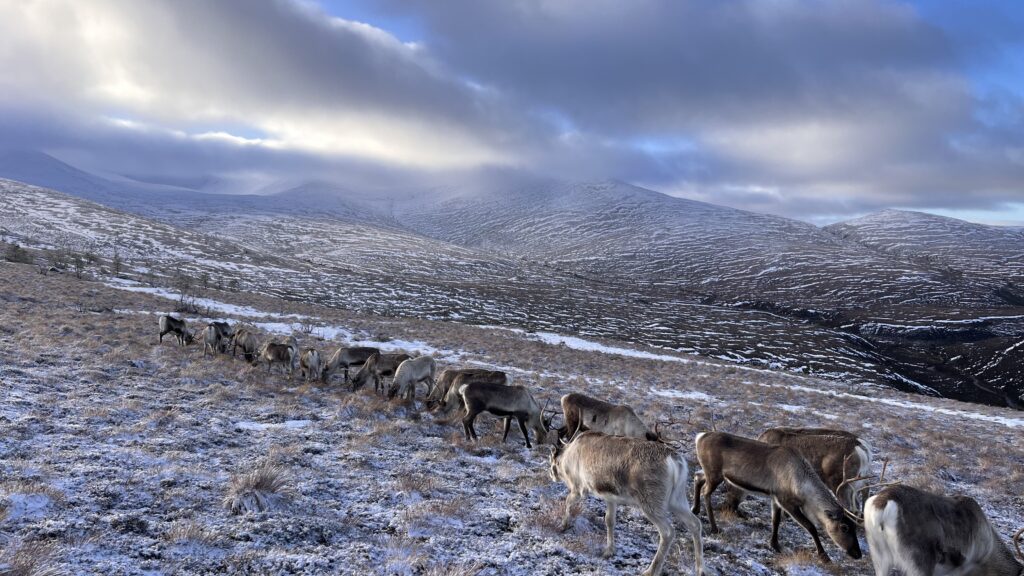
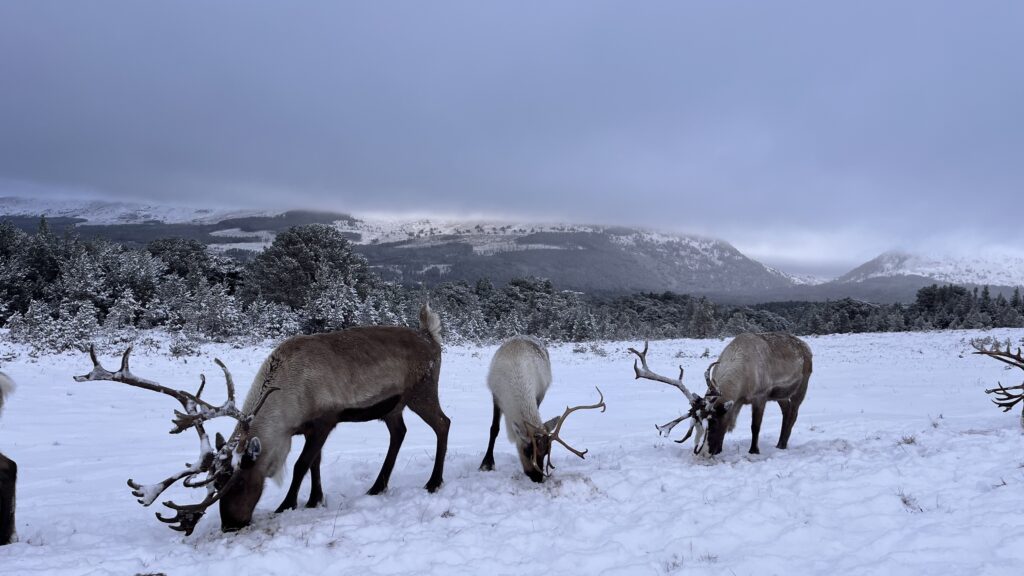
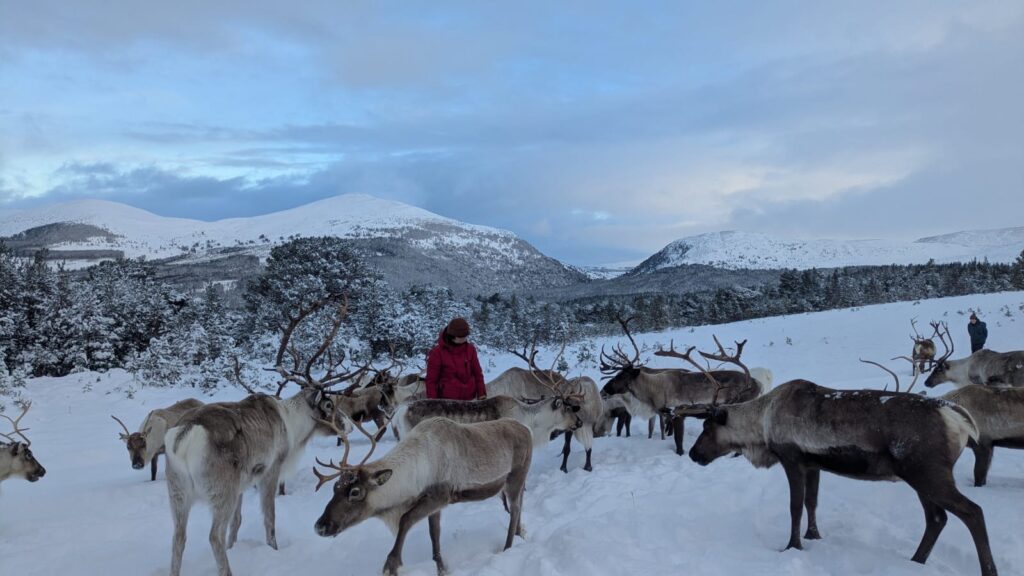
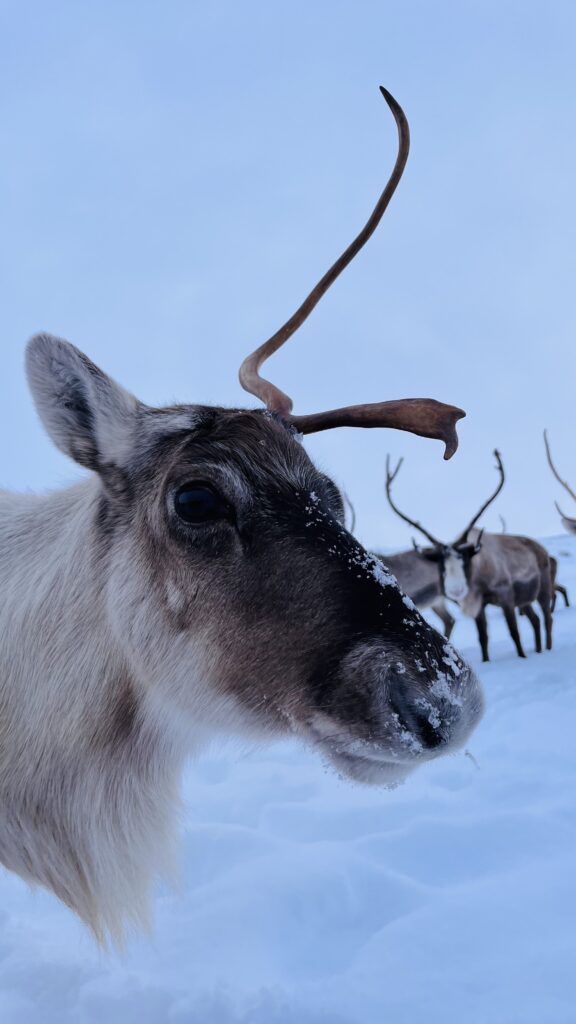
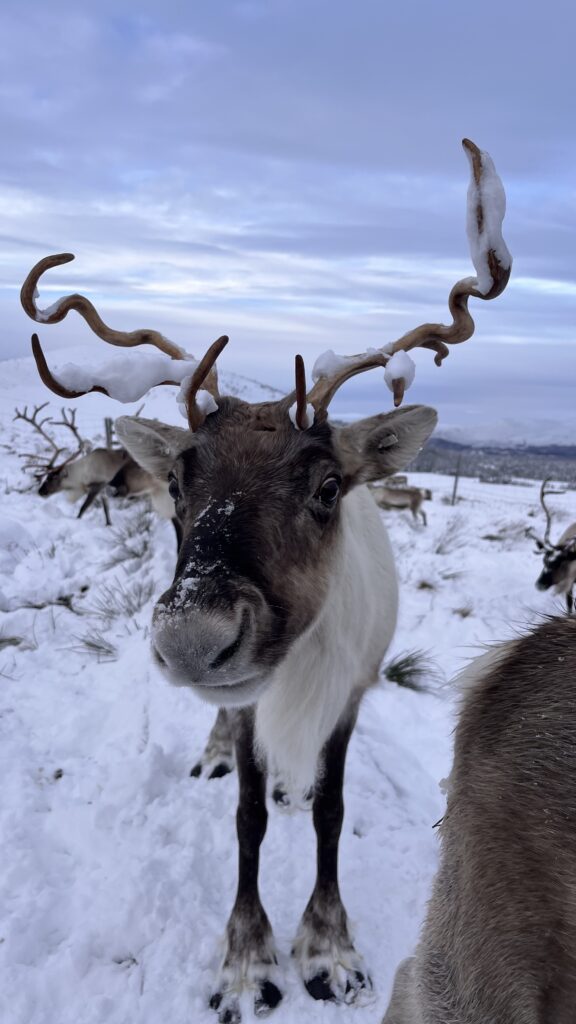
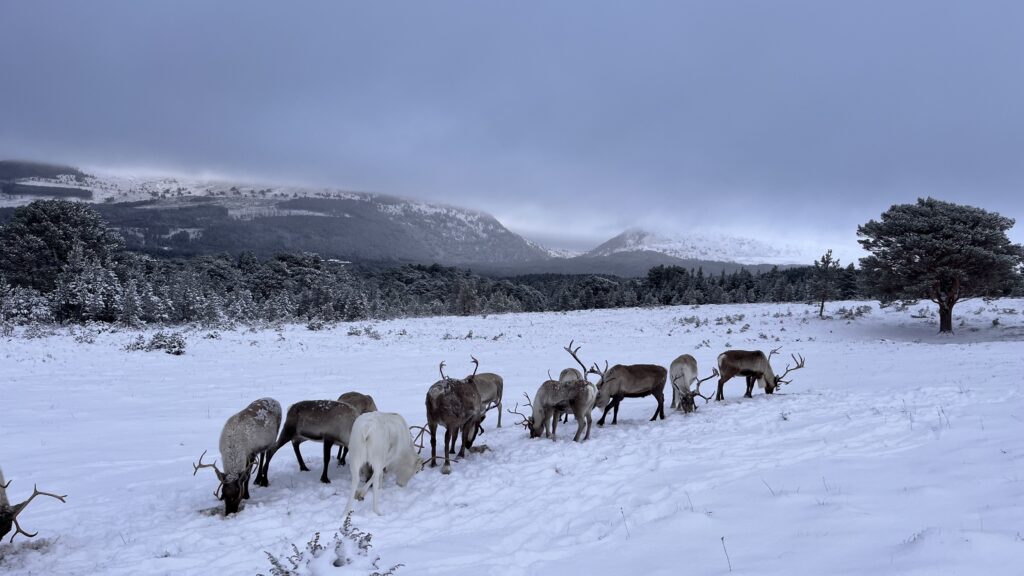
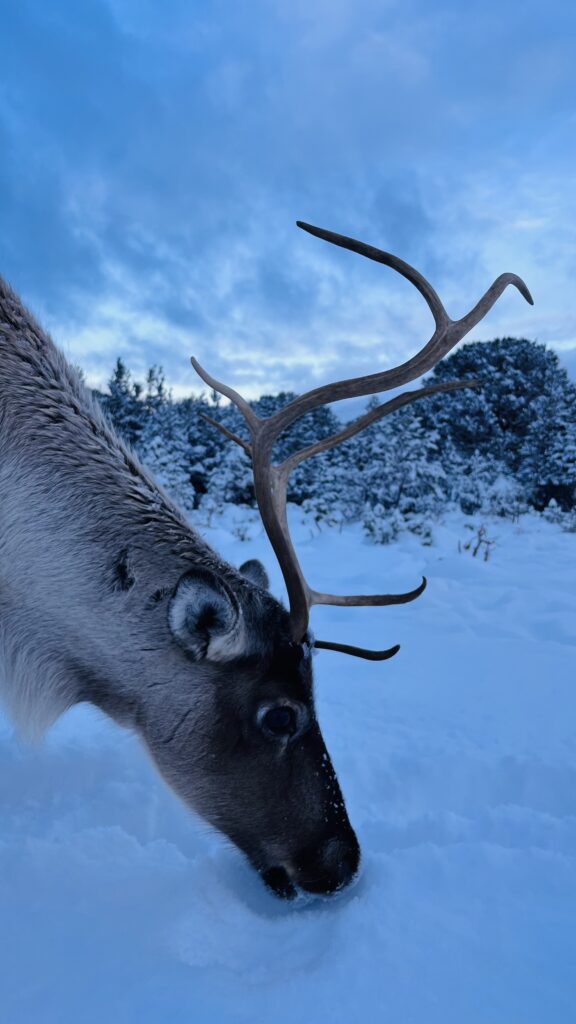
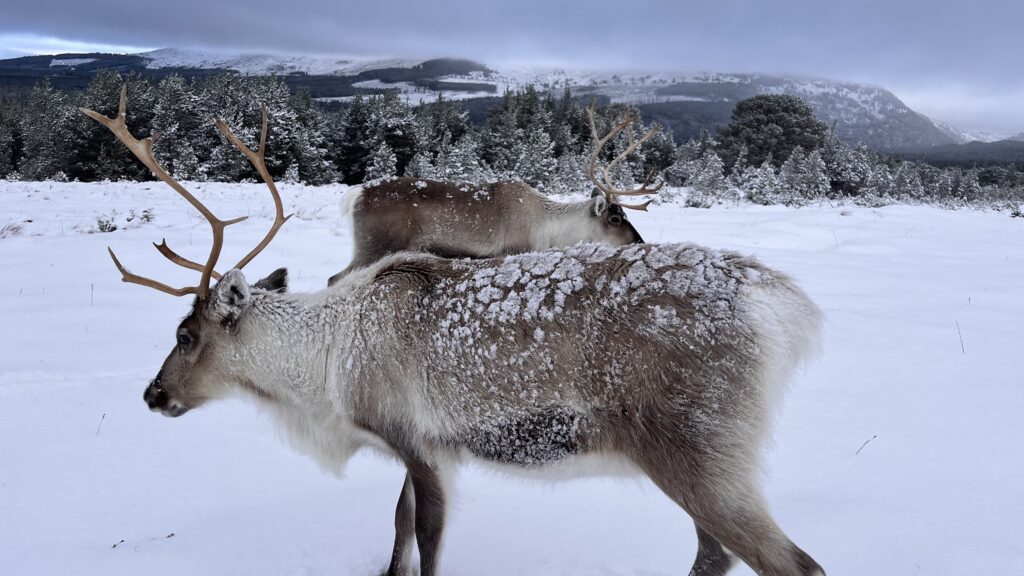
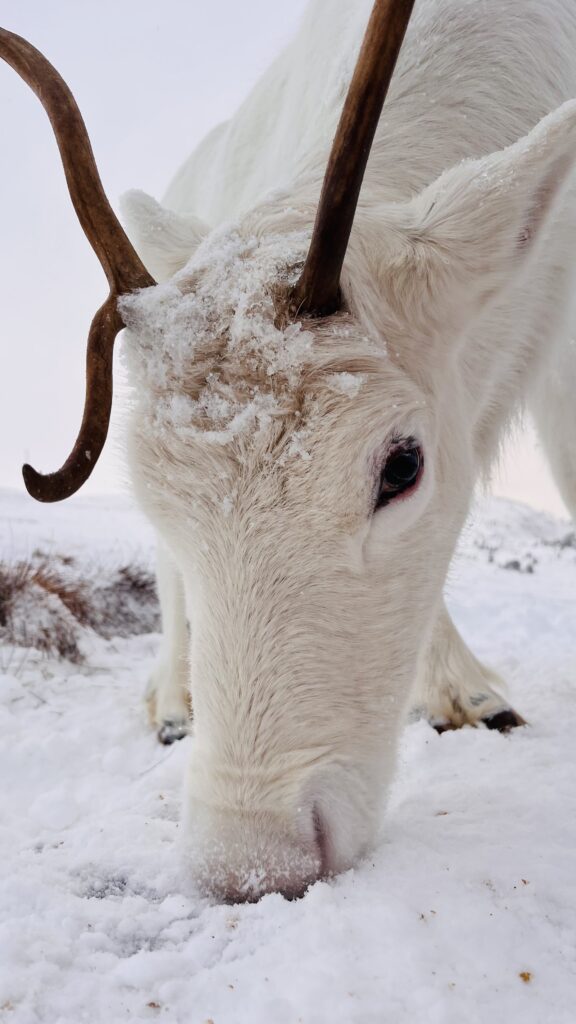
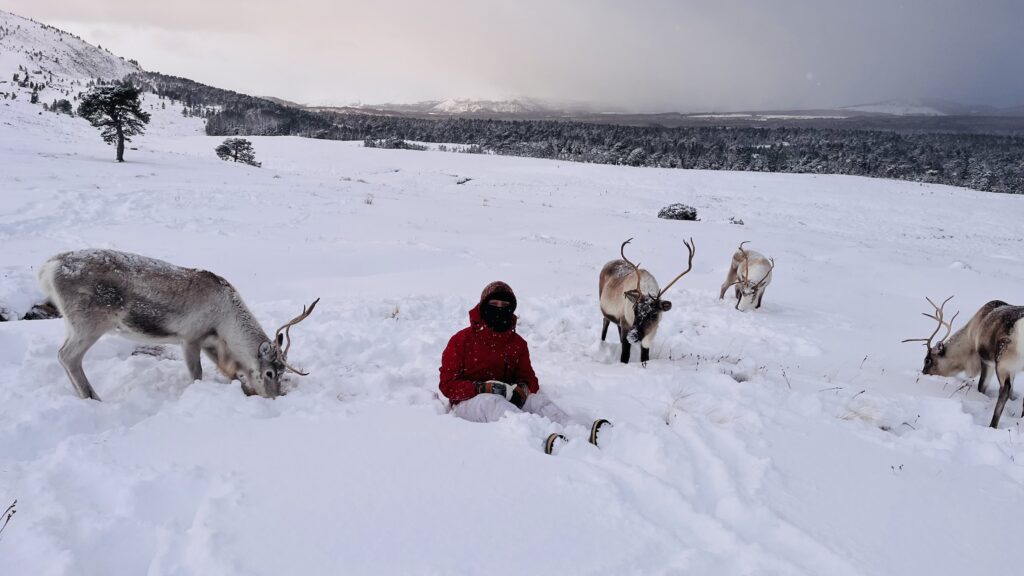
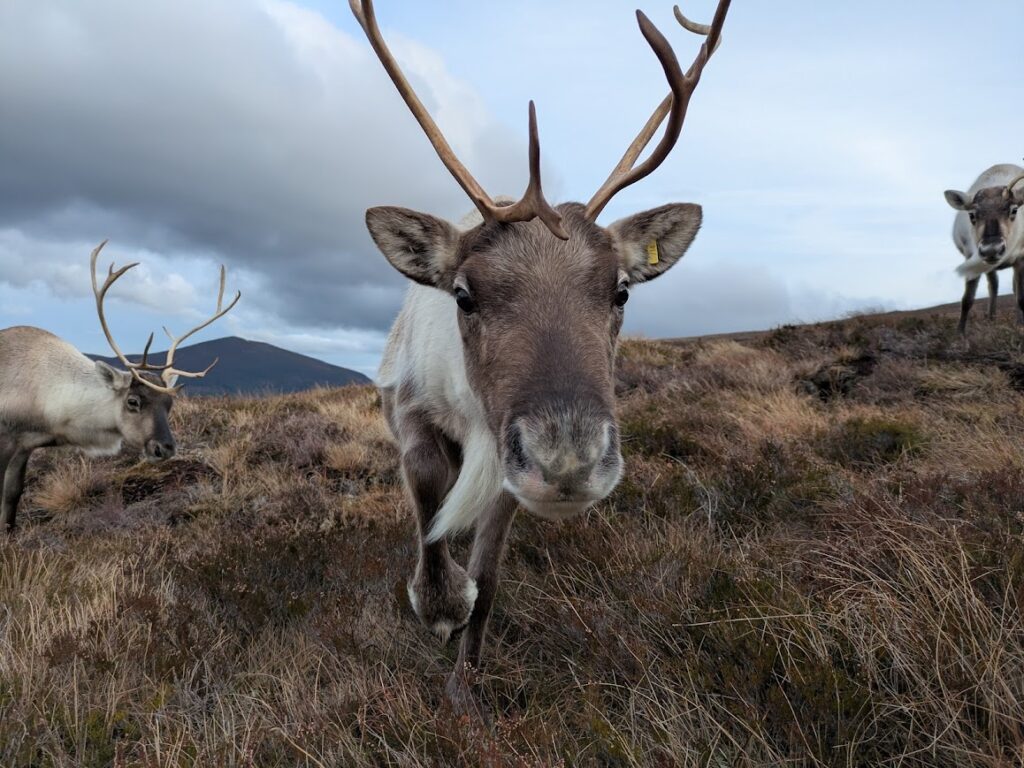
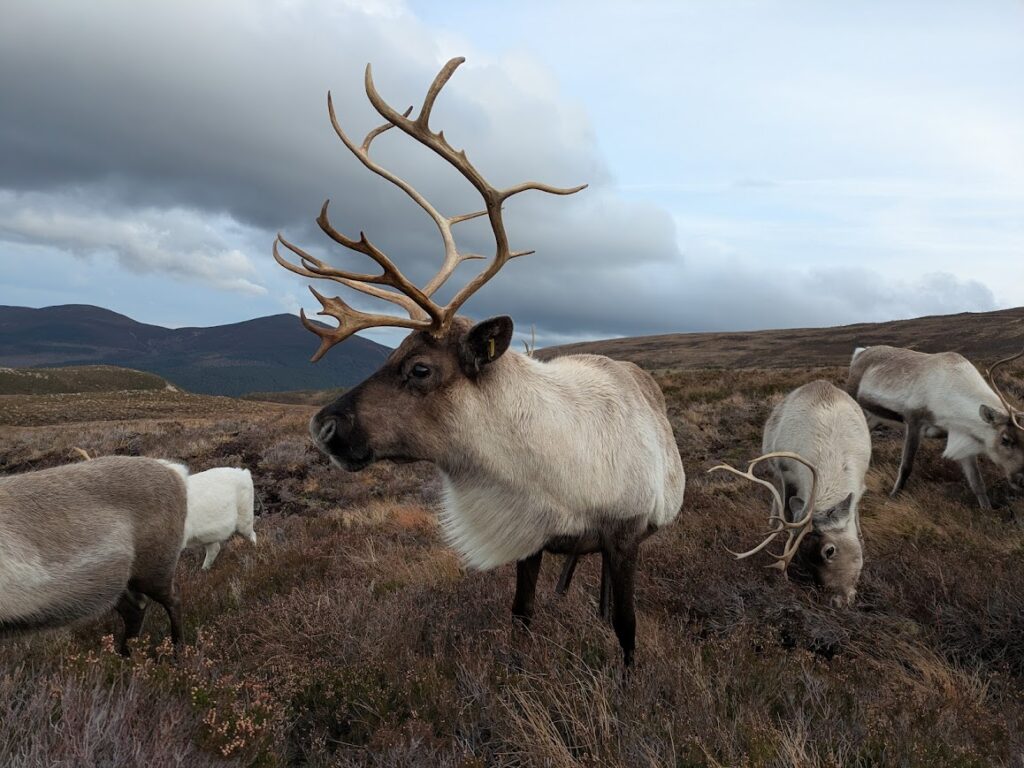
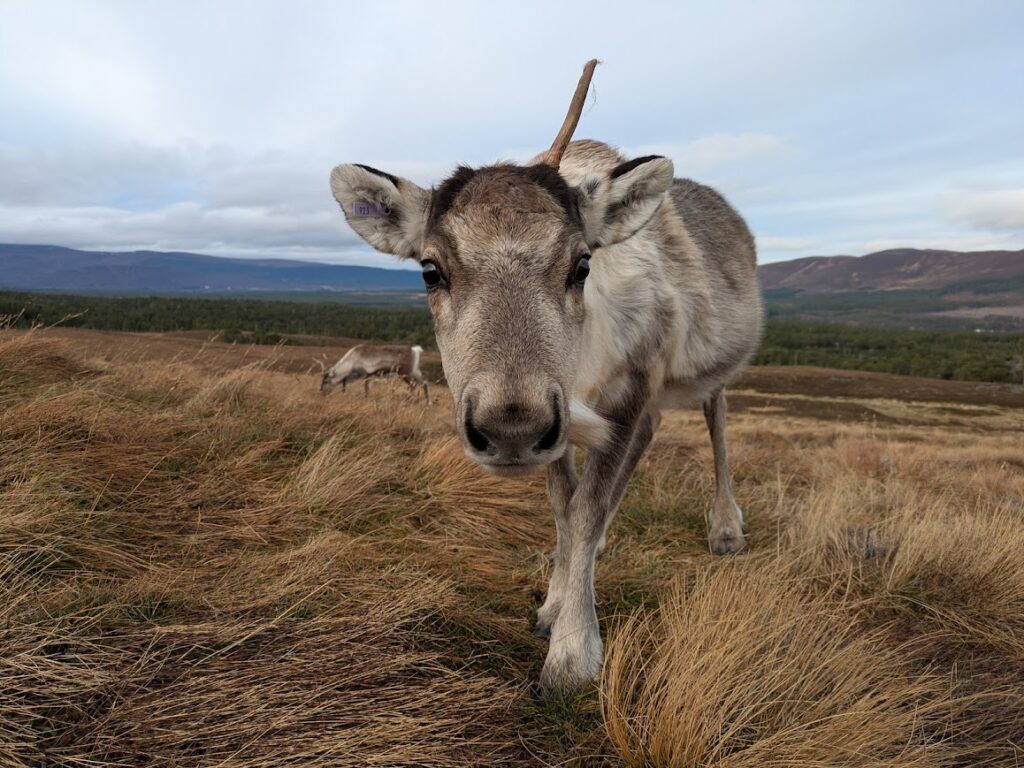
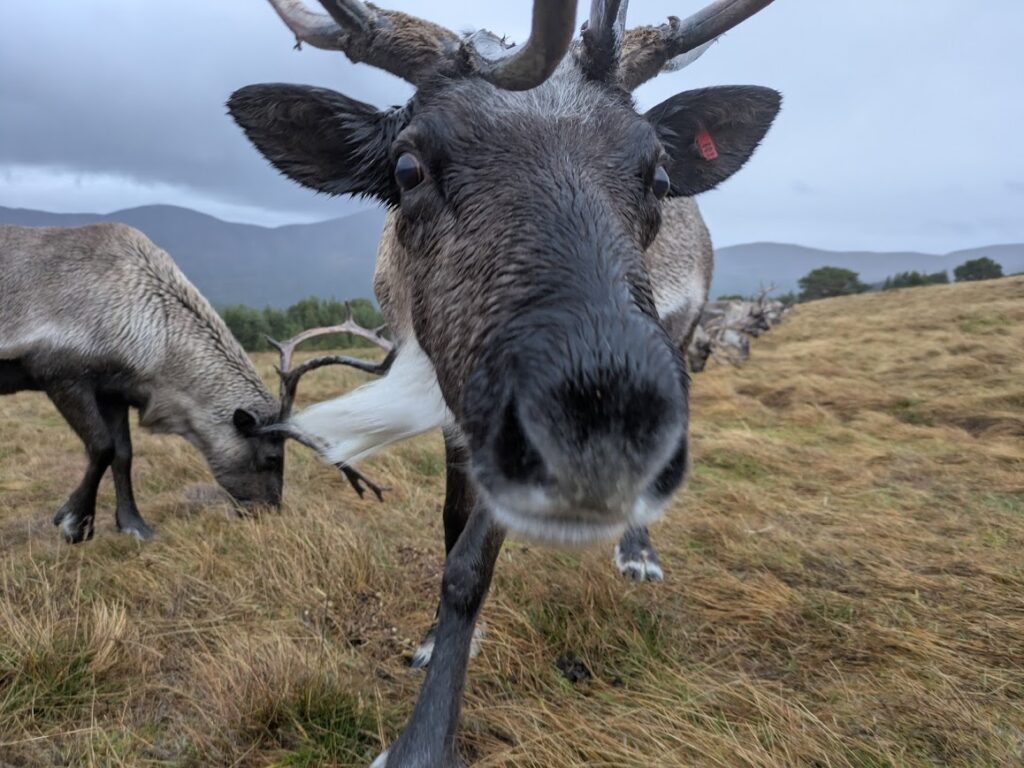
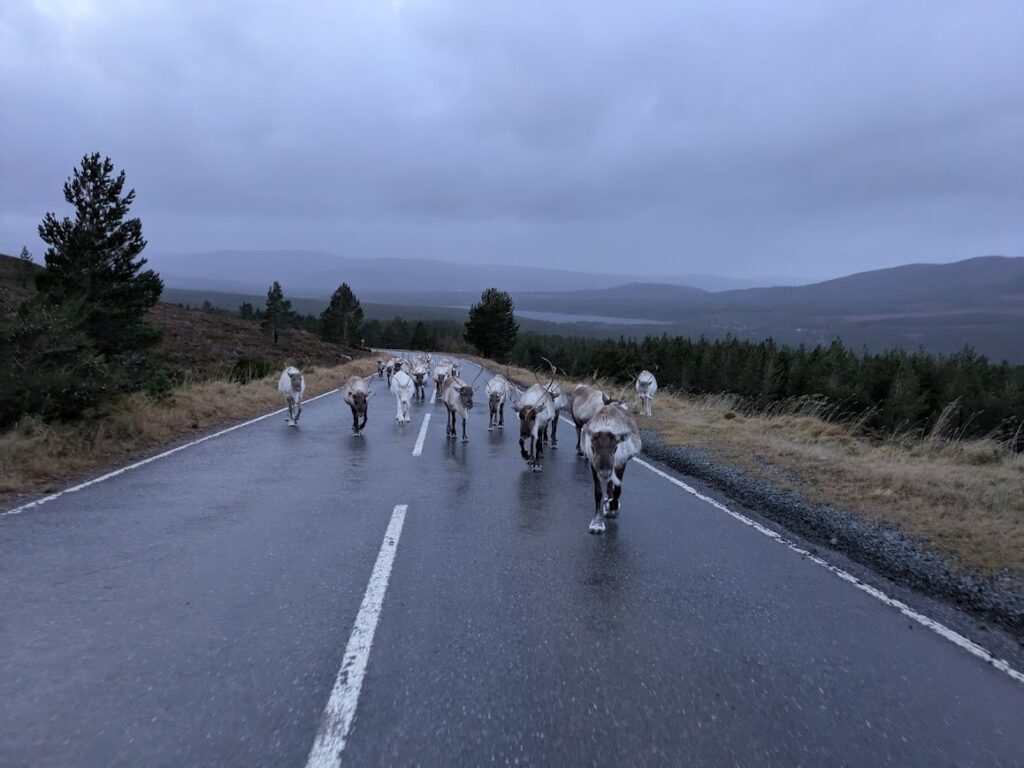
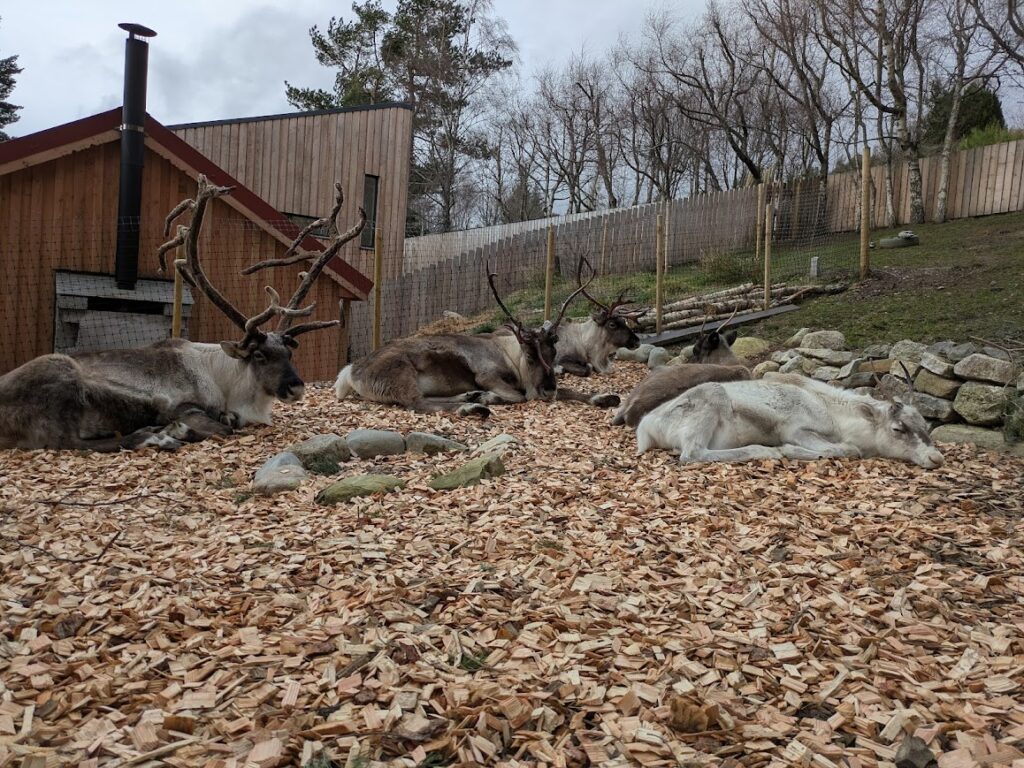
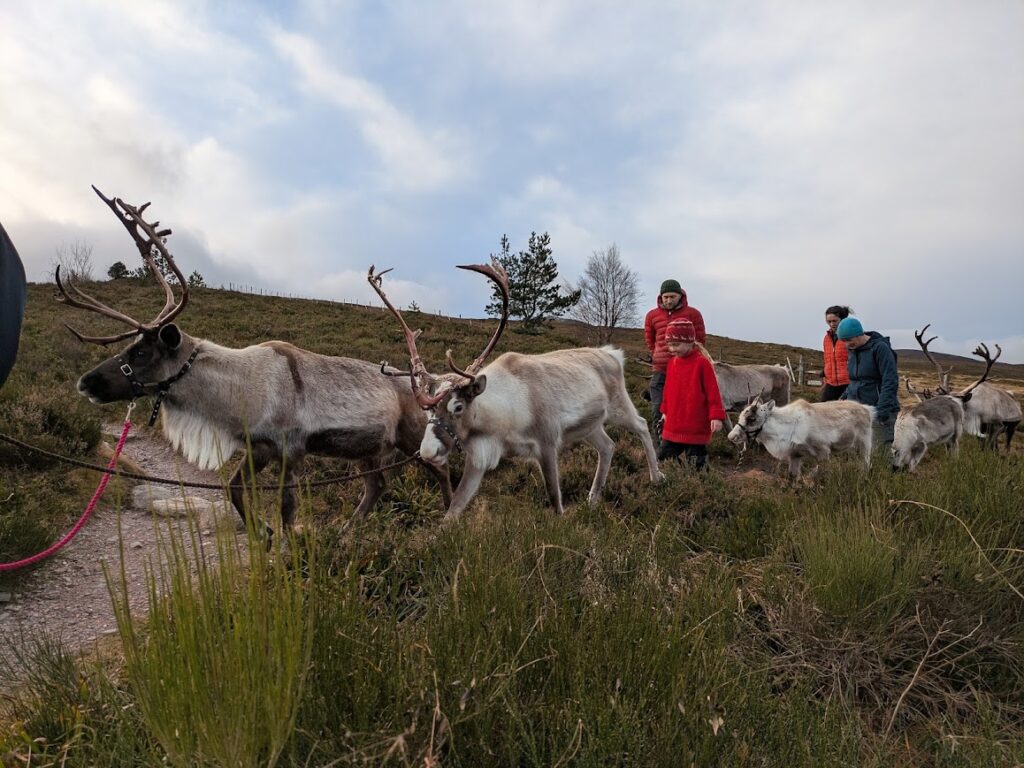
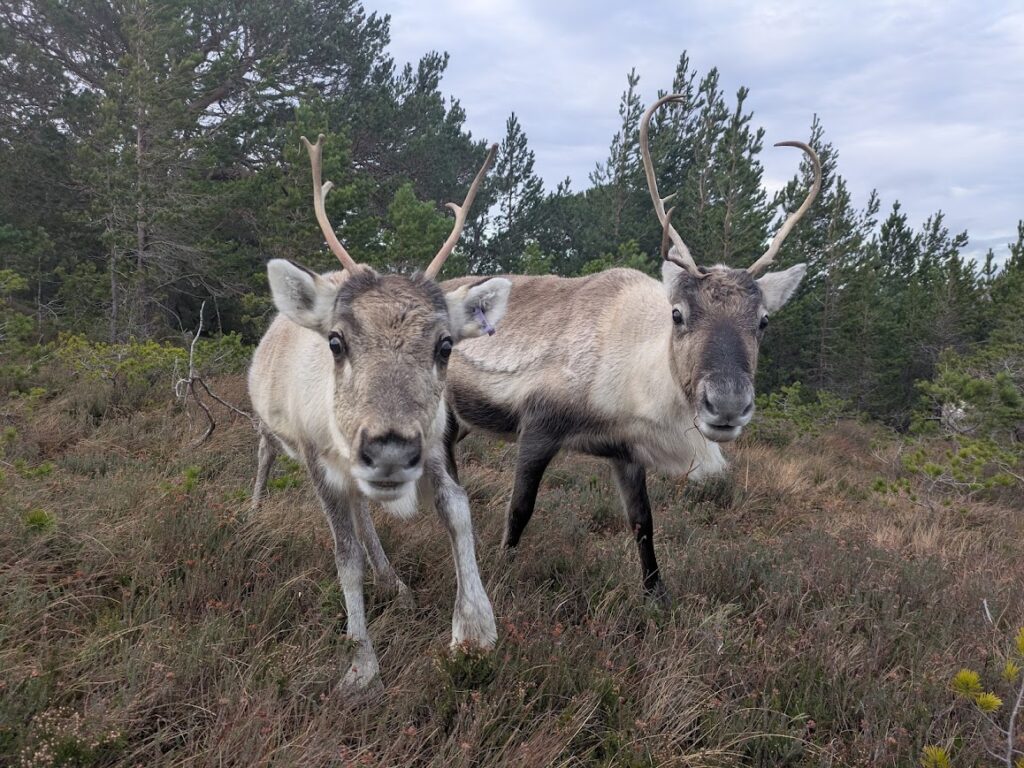
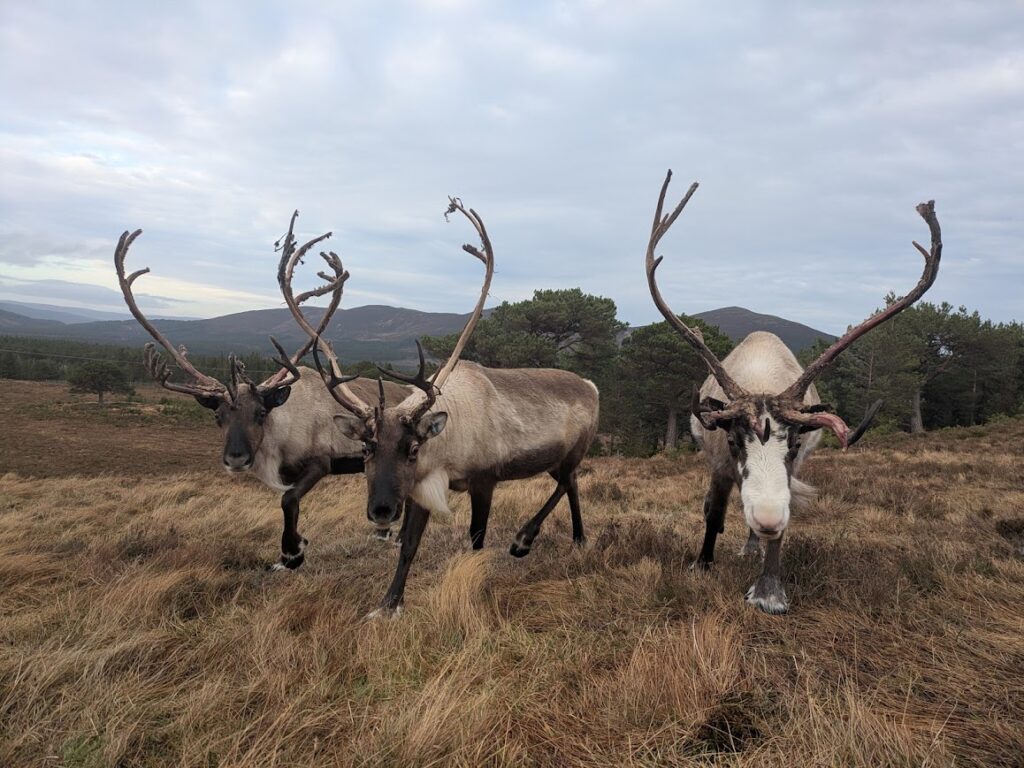
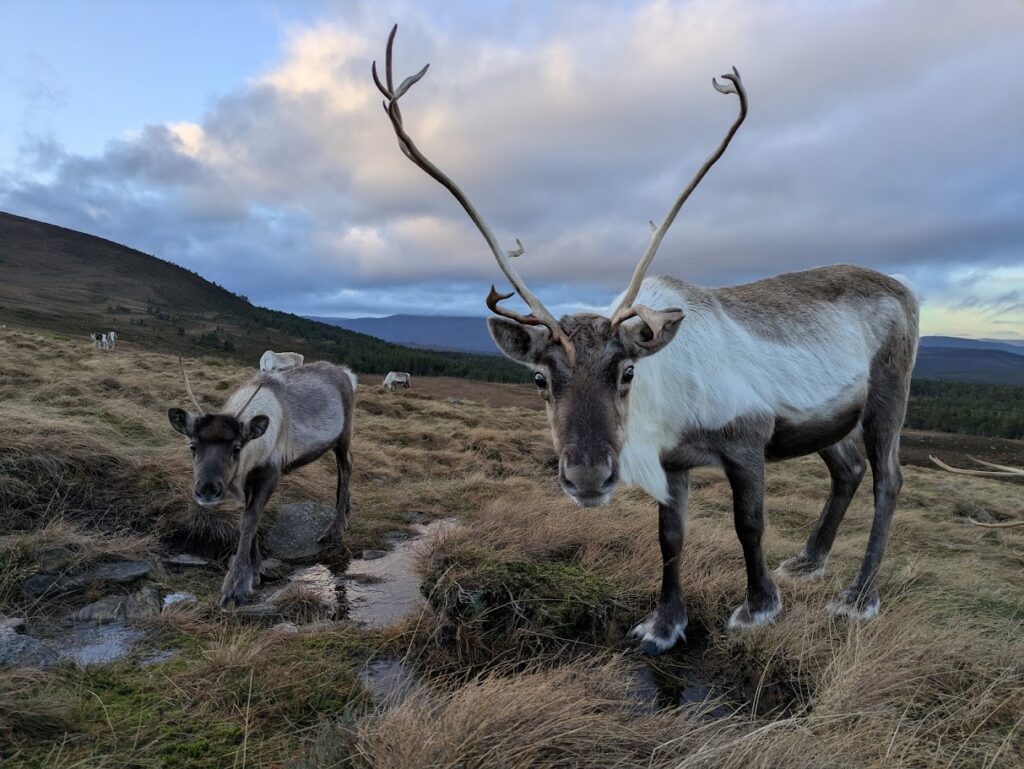
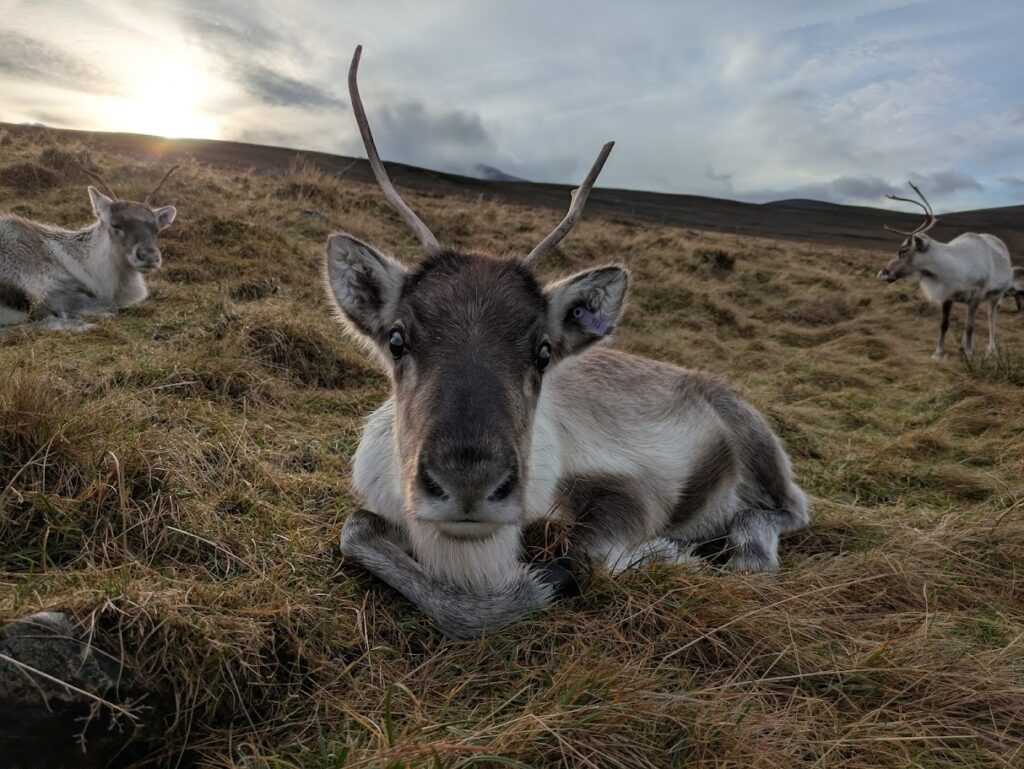
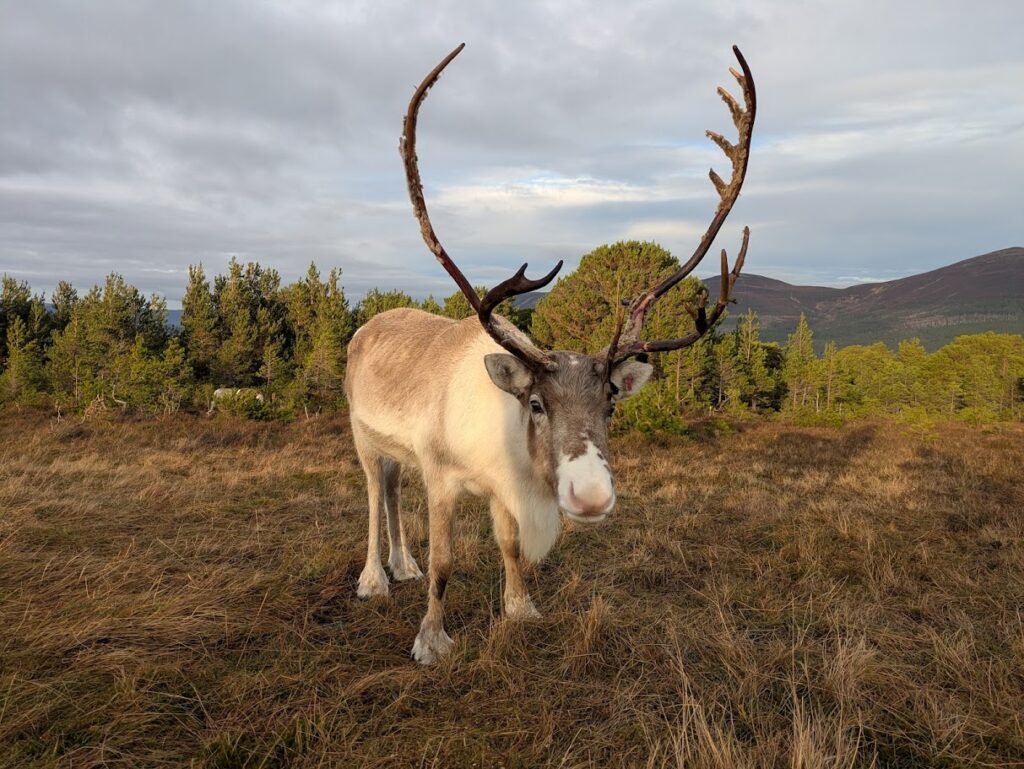
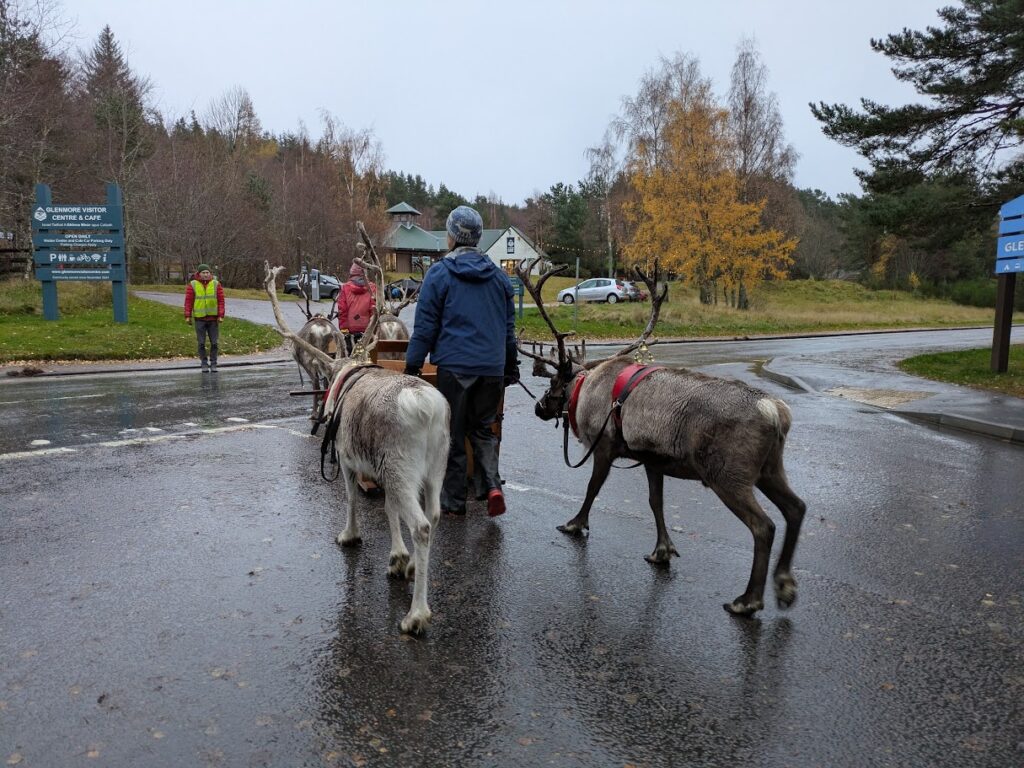
The last photo blog of the year! I’ve actually been rather rubbish at taking photos this month as it’s just been so busy (and rather dark with the shortest days of the year) but here’s a wee look at some of the pics I’ve taken on my phone over the past few weeks.
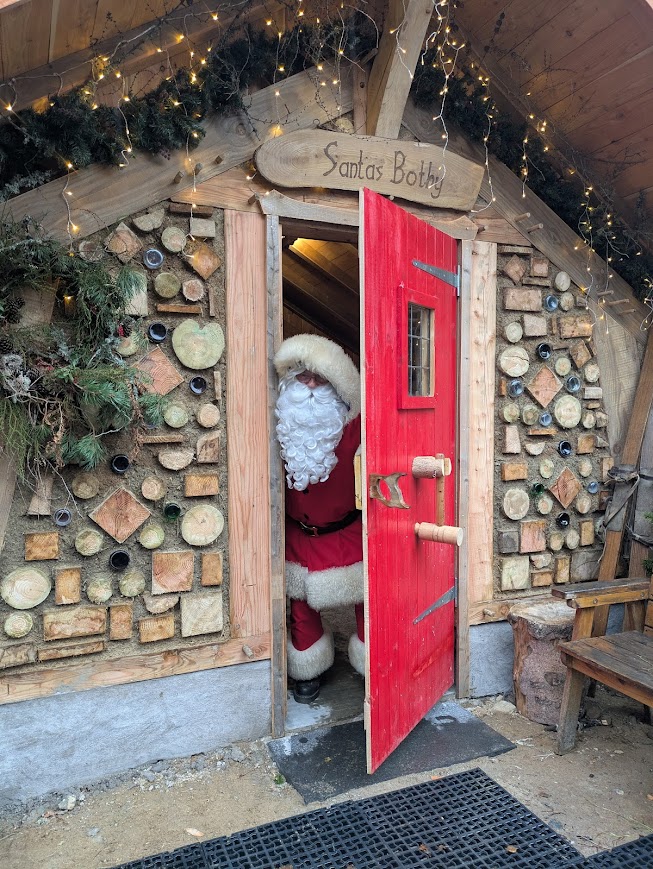
Christmas events went well with teams making us all very proud. Hill Trips have been mostly sold old for weeks (well done if you got tickets) and Christmas Fun was mostly sold out too – it’s been great to see so many people enjoying the brand-new Exhibition and folks getting to meet Santa! Meanwhile up on the hill the reindeer have all been well and unaware of the slight frazzled state of the herders down at the Centre.
Enjoy the photos and Merry Christmas! A big thank you to all who have read the blog over the last 12 months.
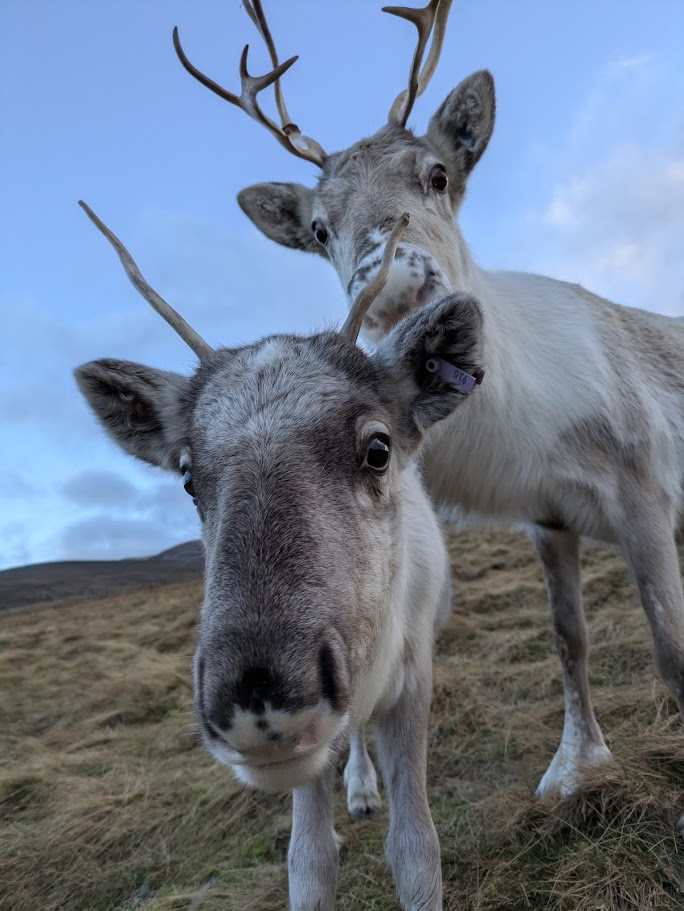
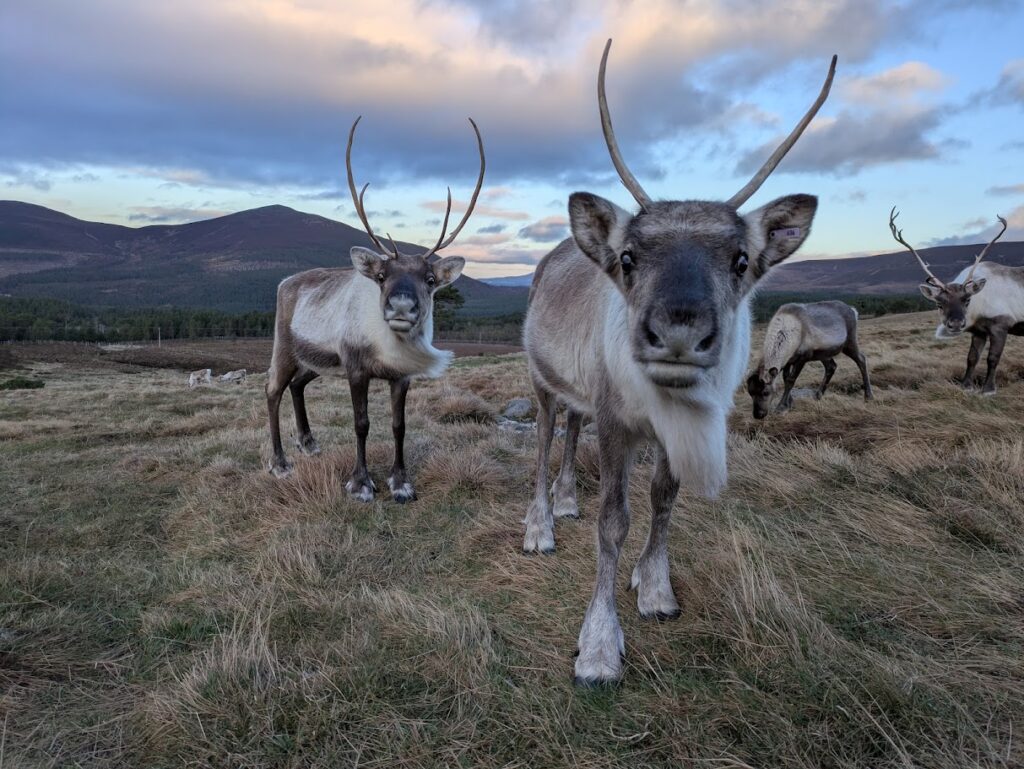
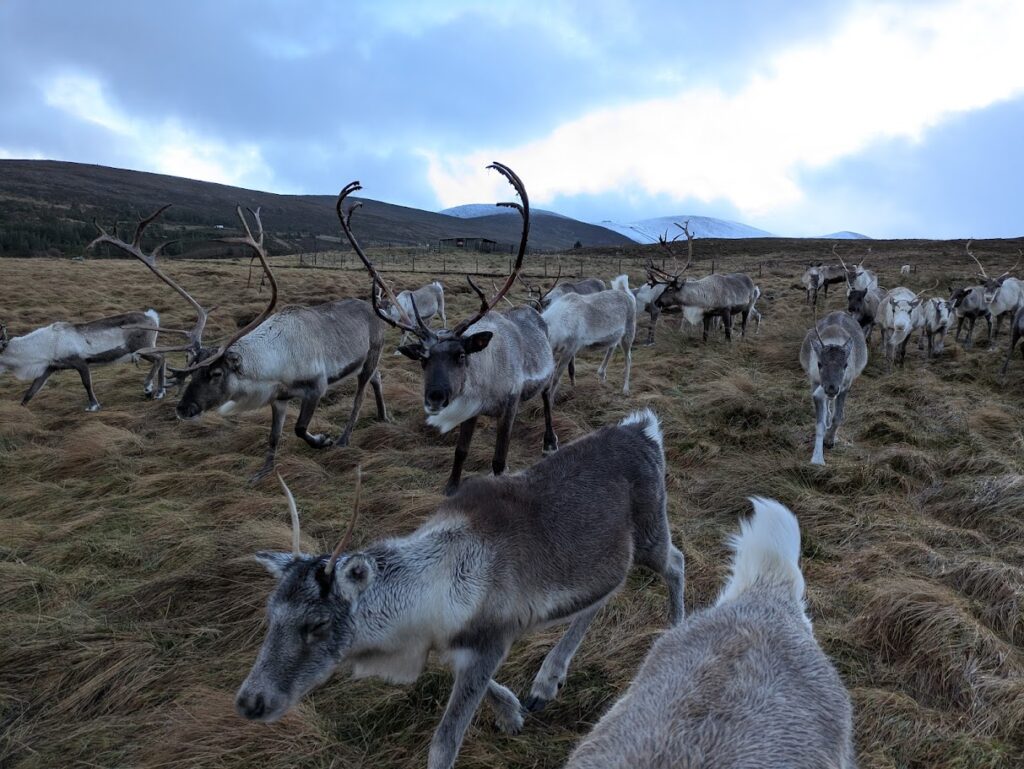
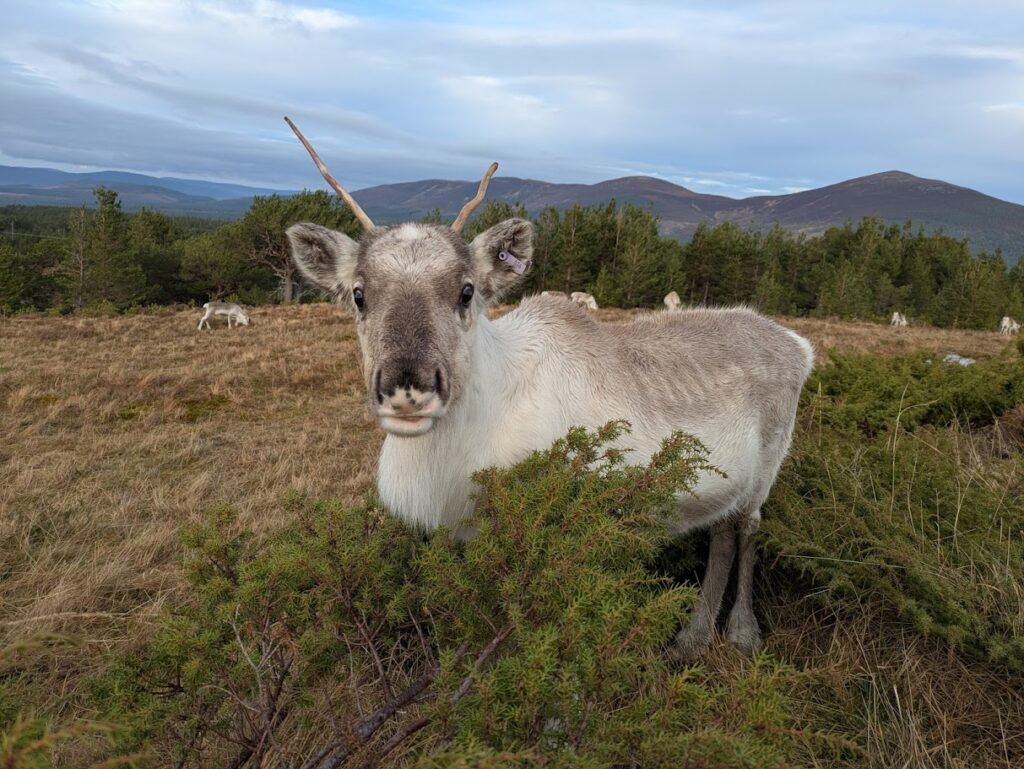
Ruth
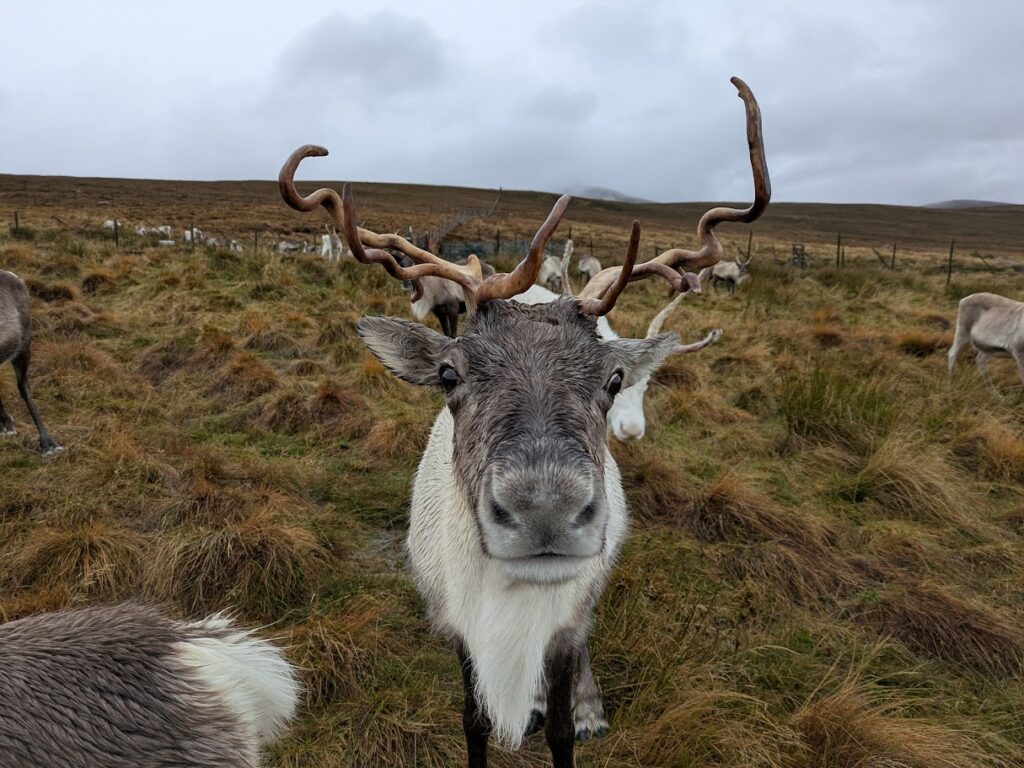
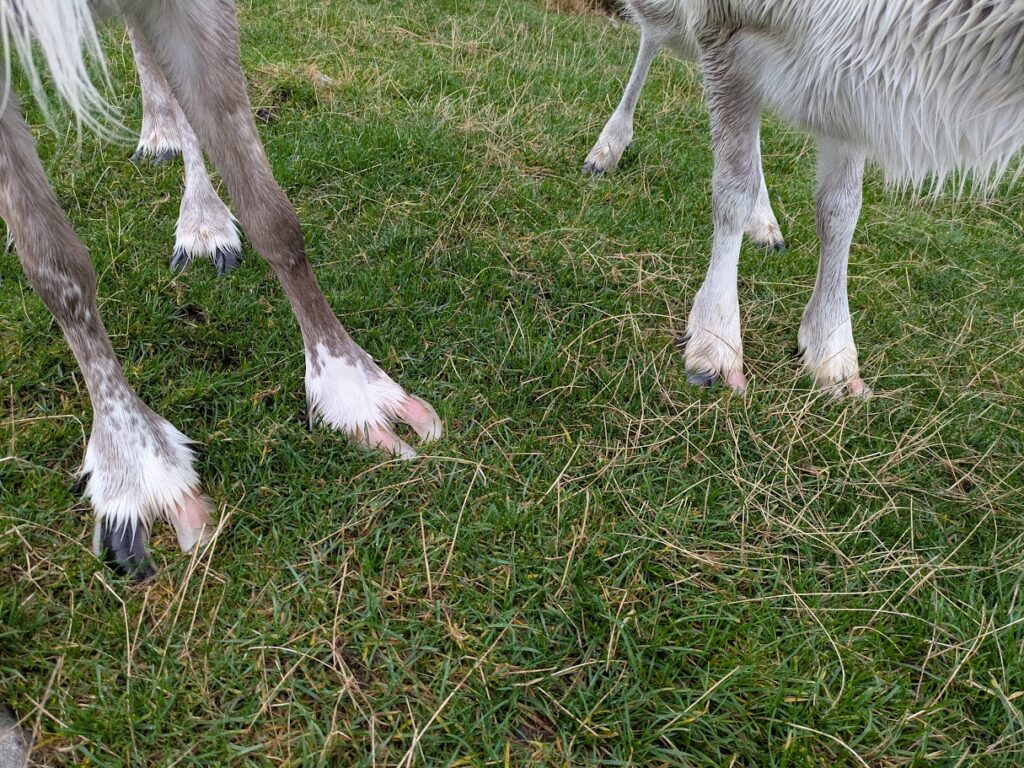
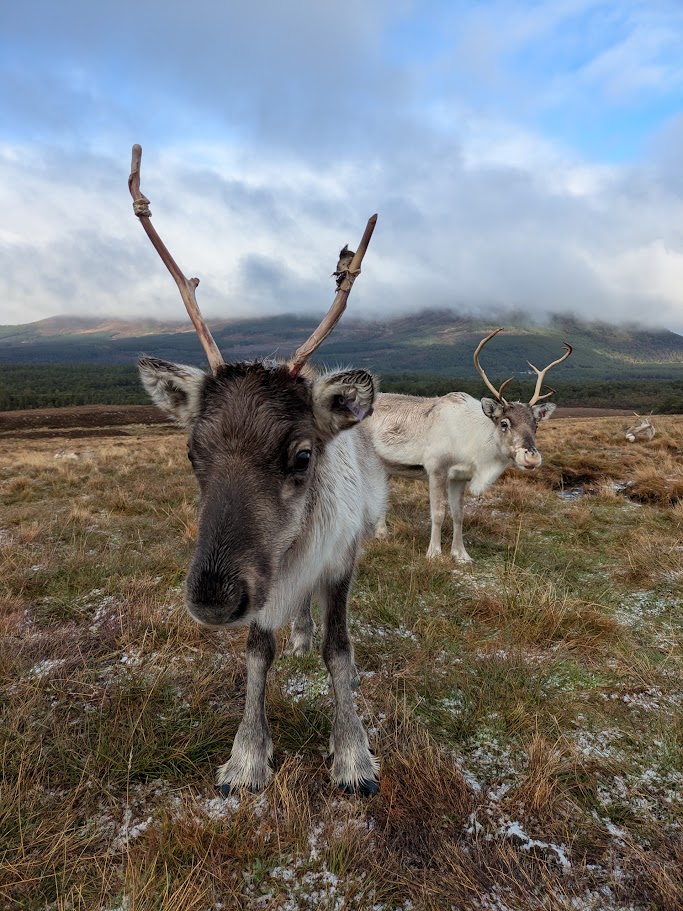
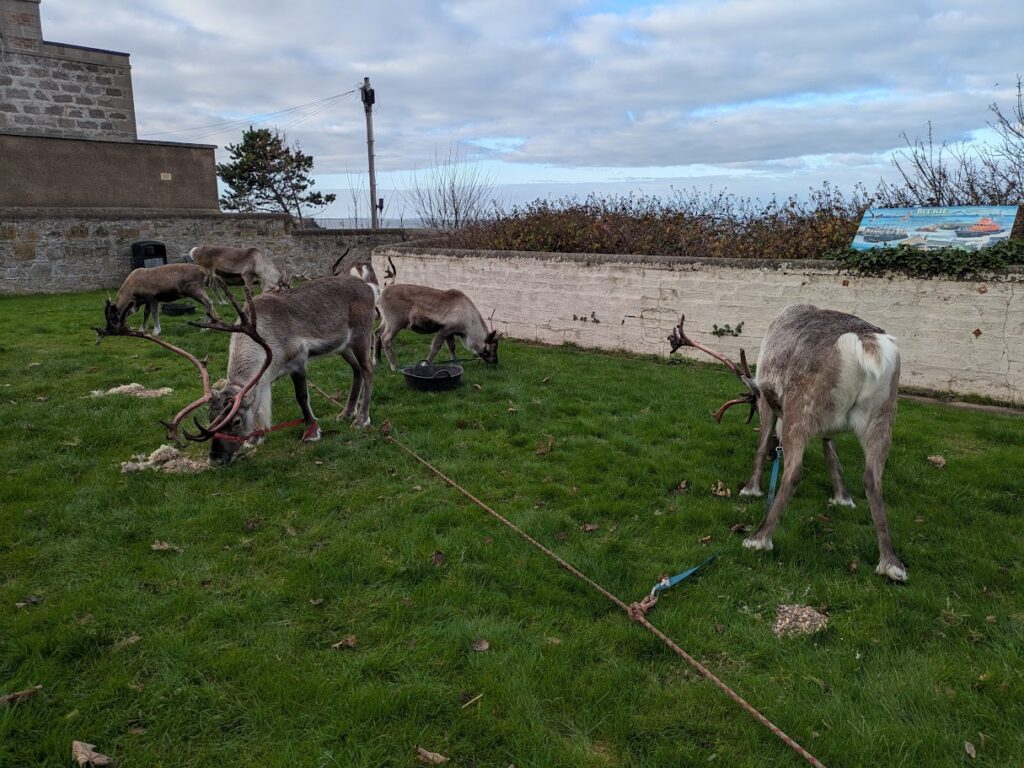
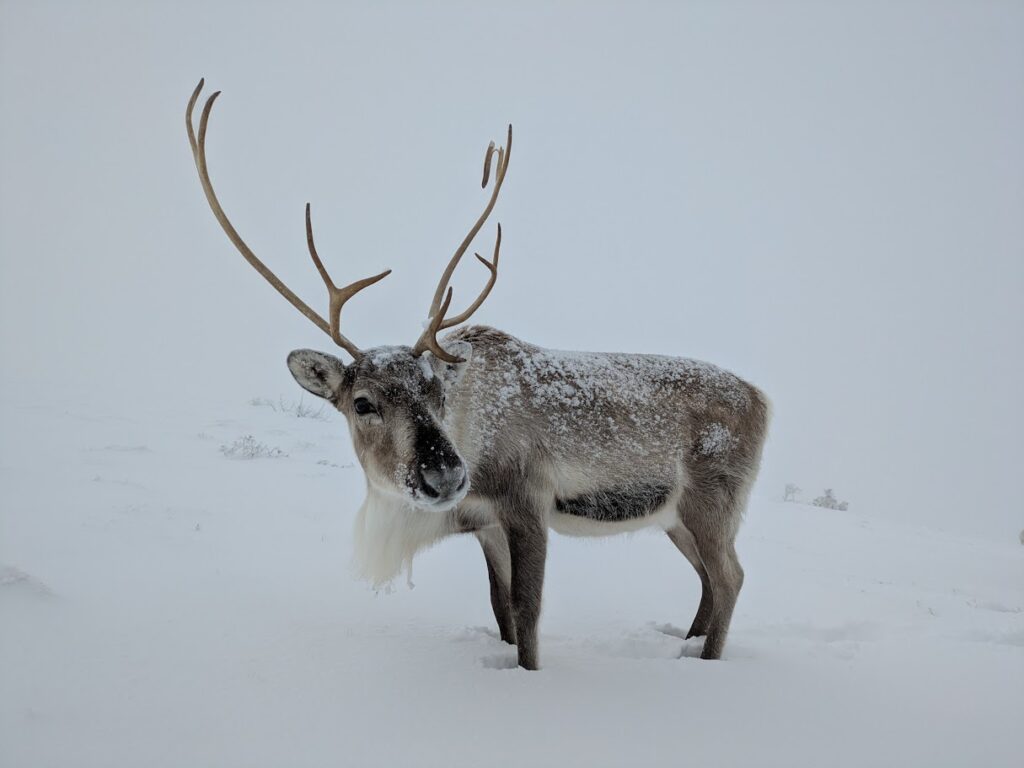
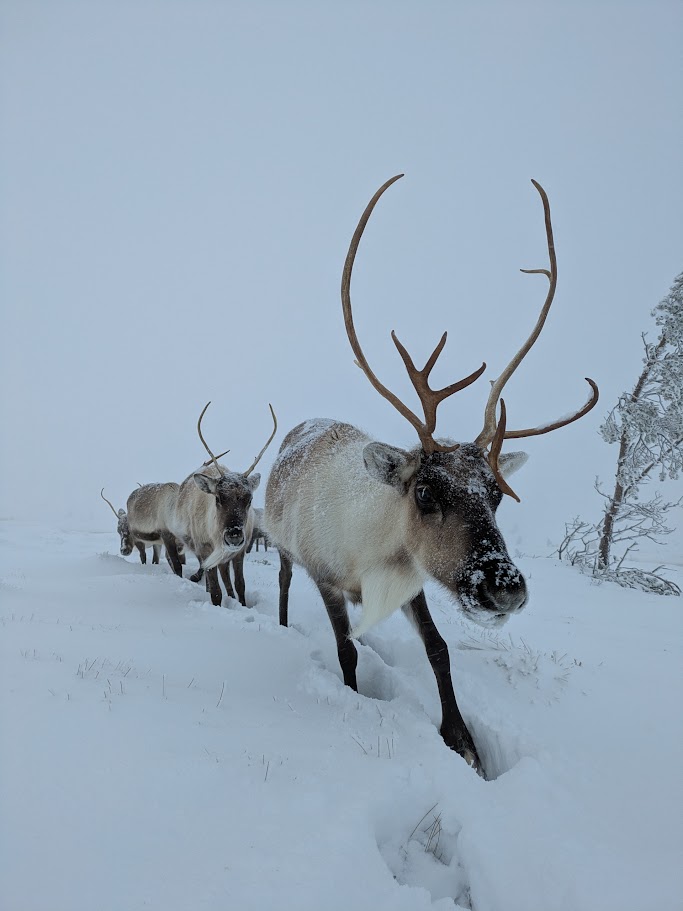
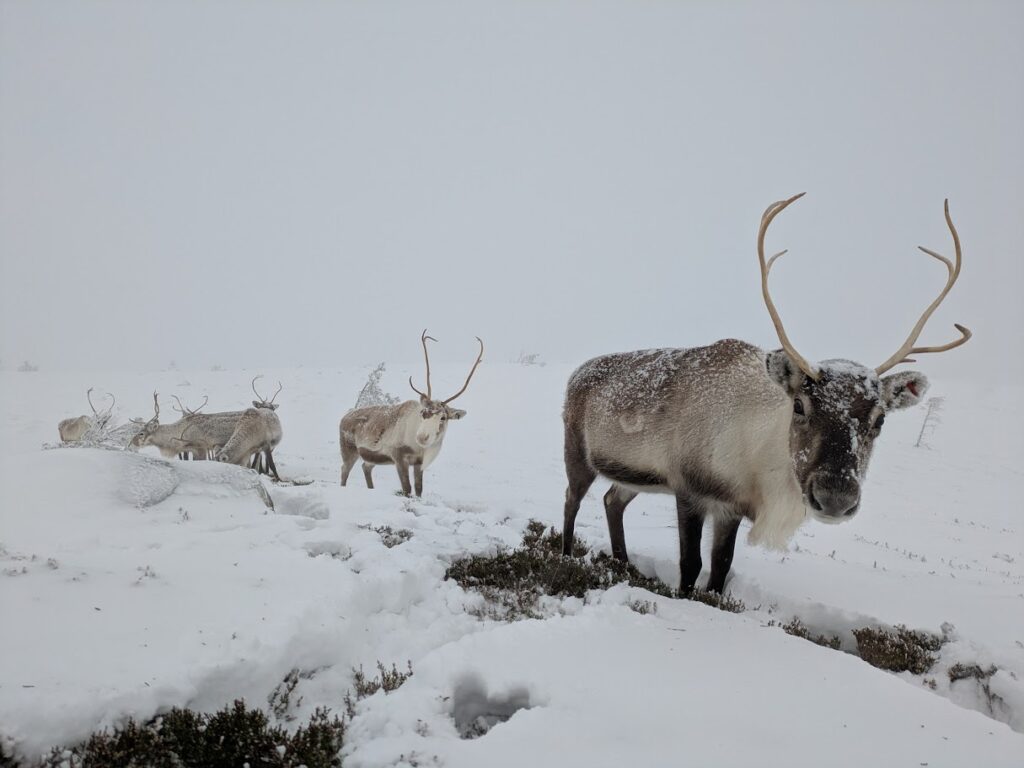
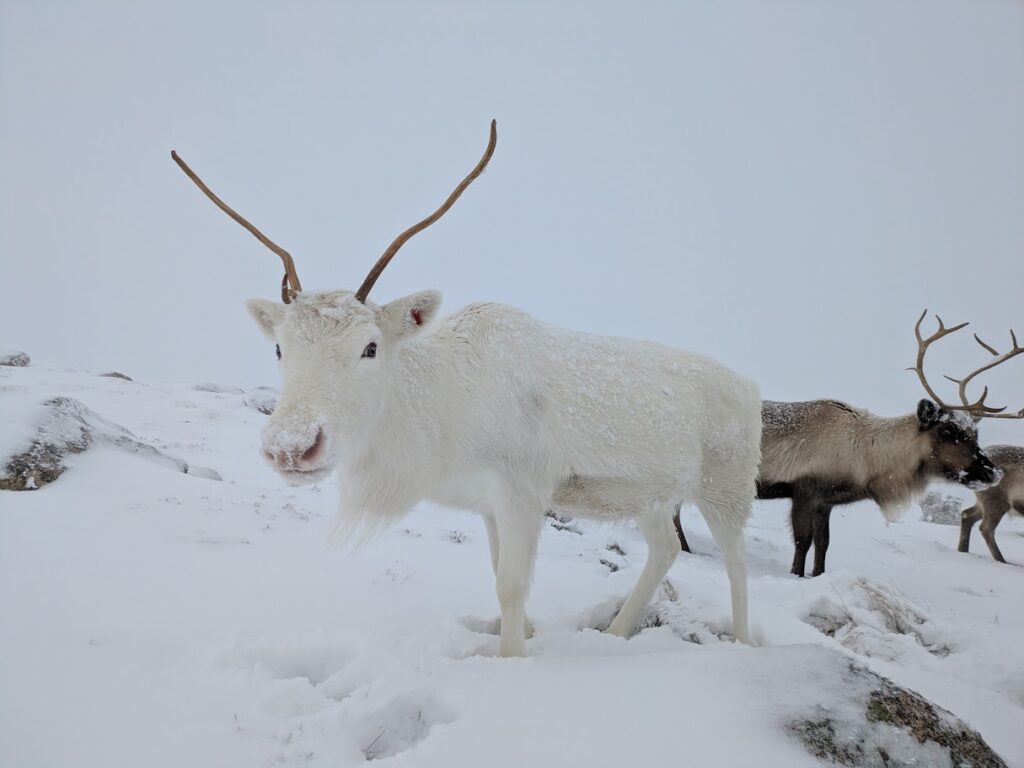
November has whizzed by. Even more so because I took a week off at the beginning of the month. Don’t worry though, this blog has just as many photos in as normal!
When I left at the end of October the rut was still underway for a couple of our breeding bulls. On my return the rut was well and truly over, and sleigh training had started! One reason I love this job is that every season is different with new things happening every few weeks.
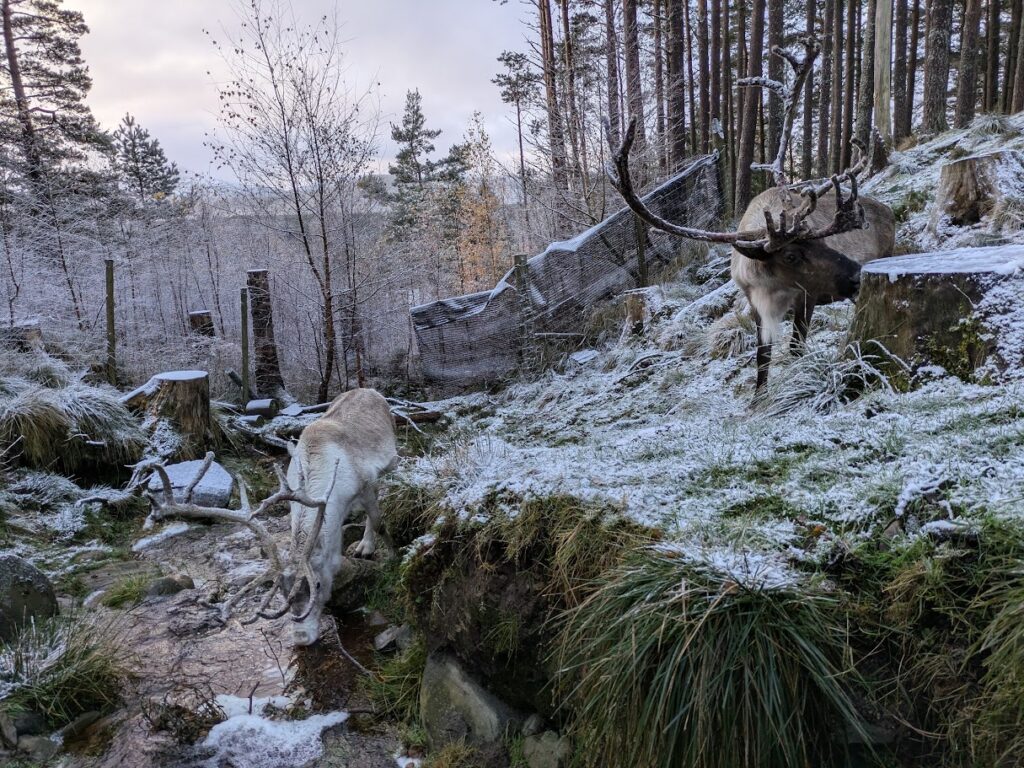
Hopefully you’ll enjoy this snapshot of November. The snowy days were some of my favourites!


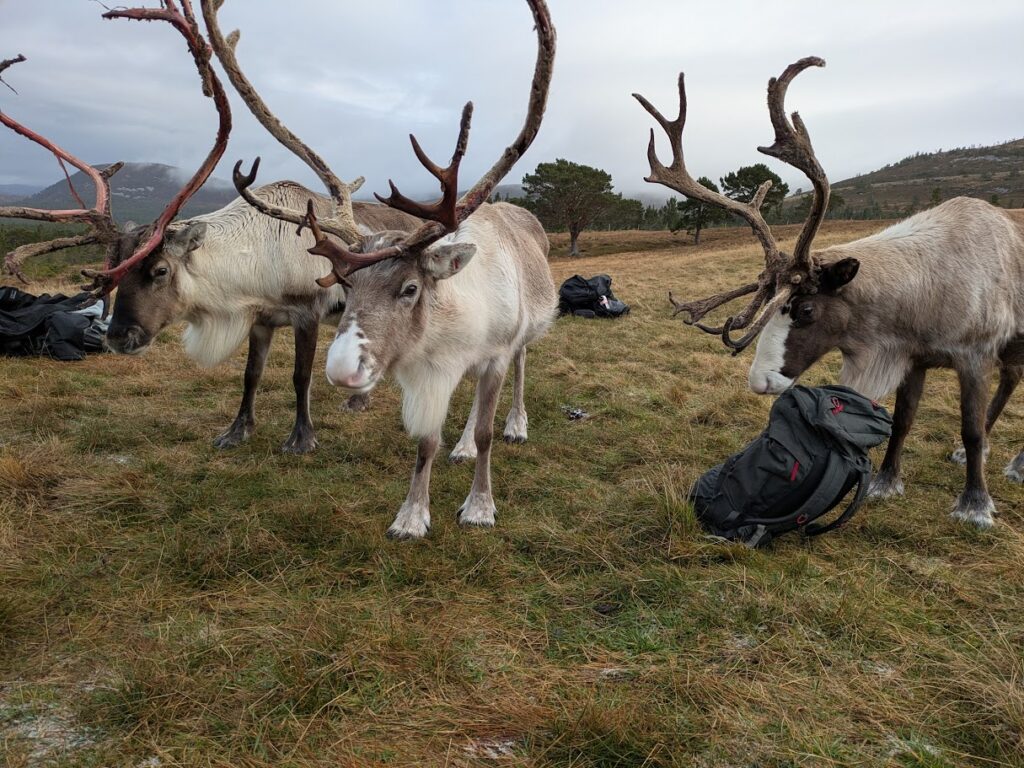
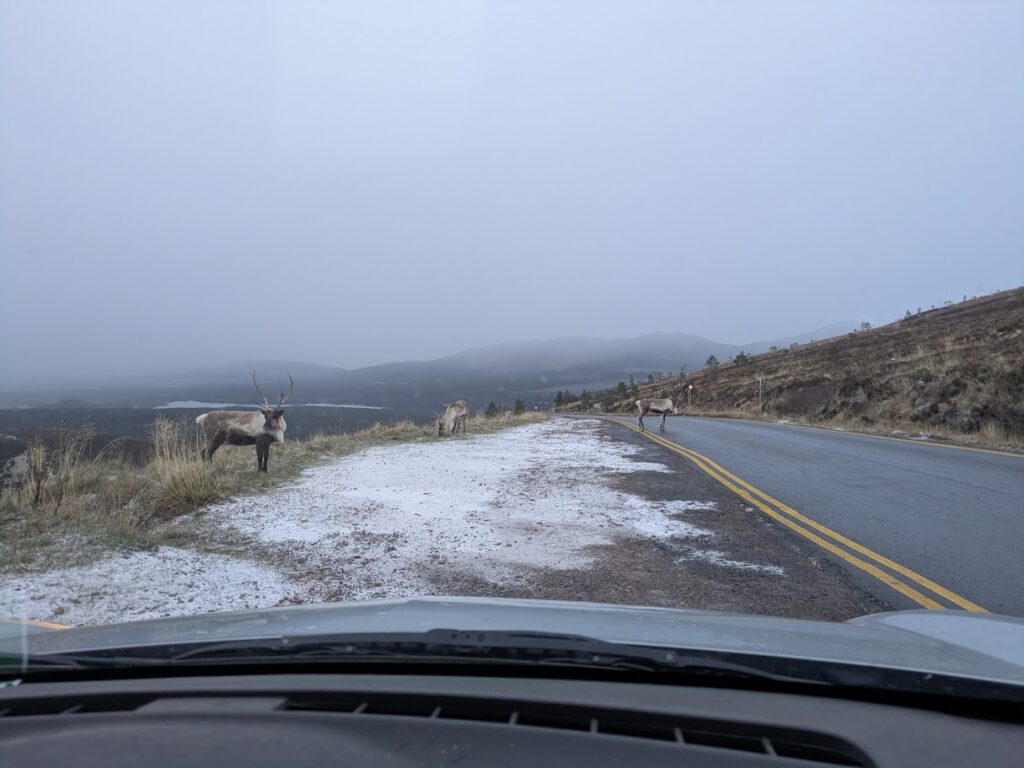
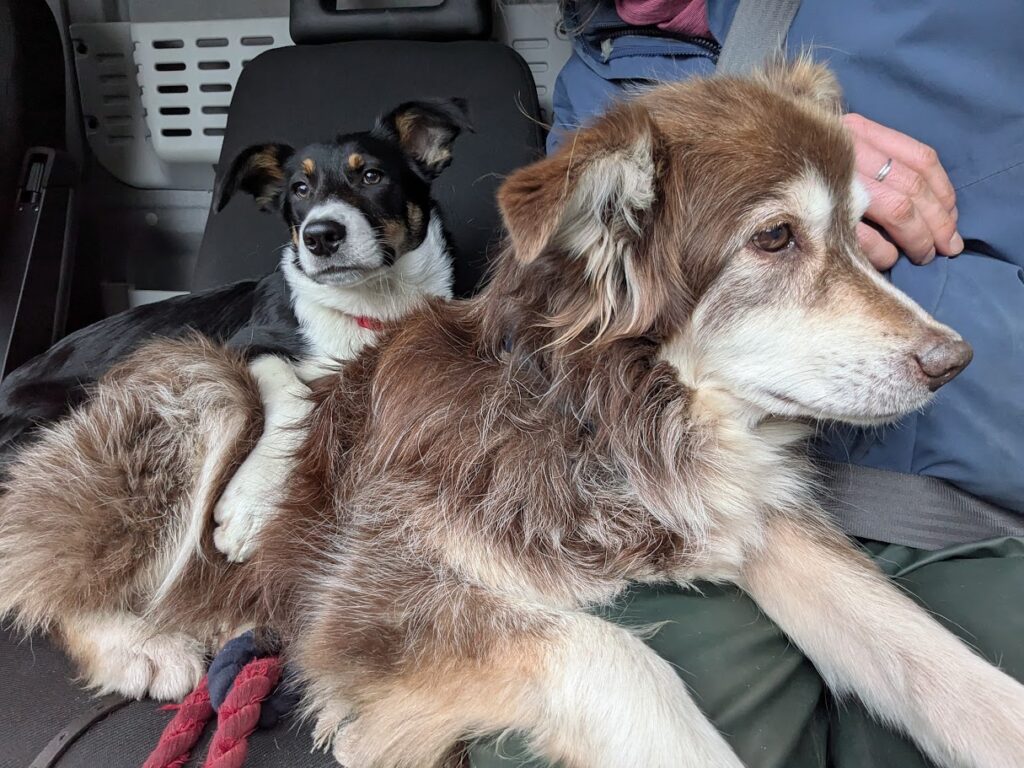
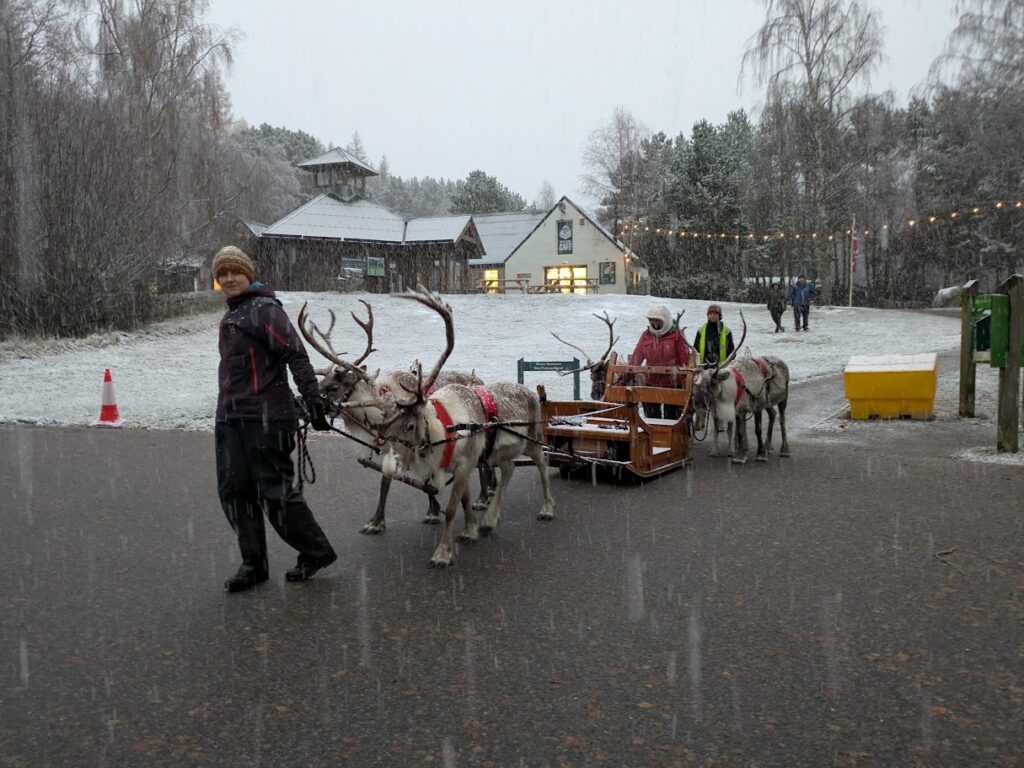
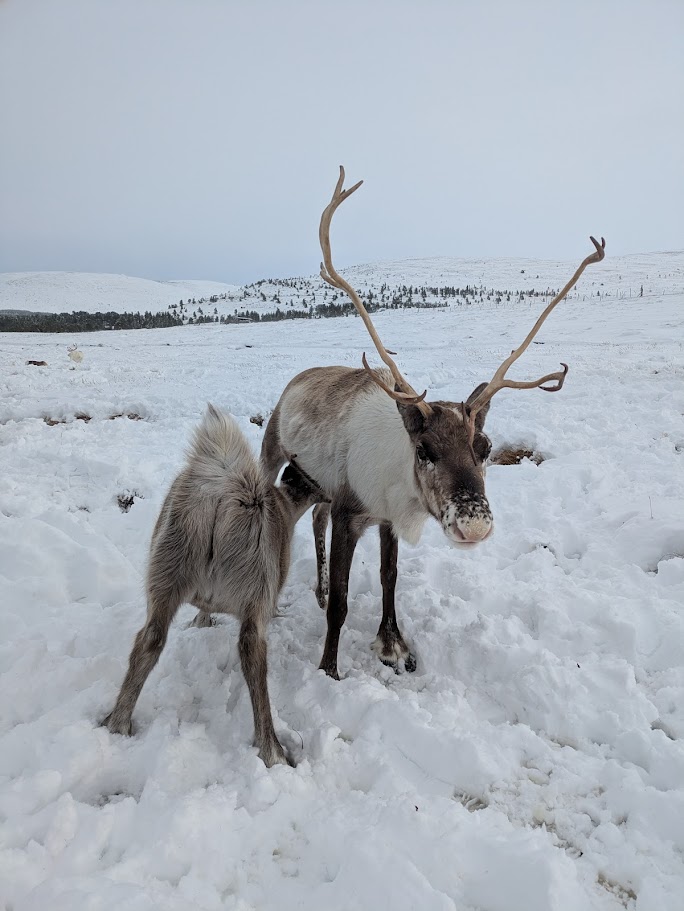
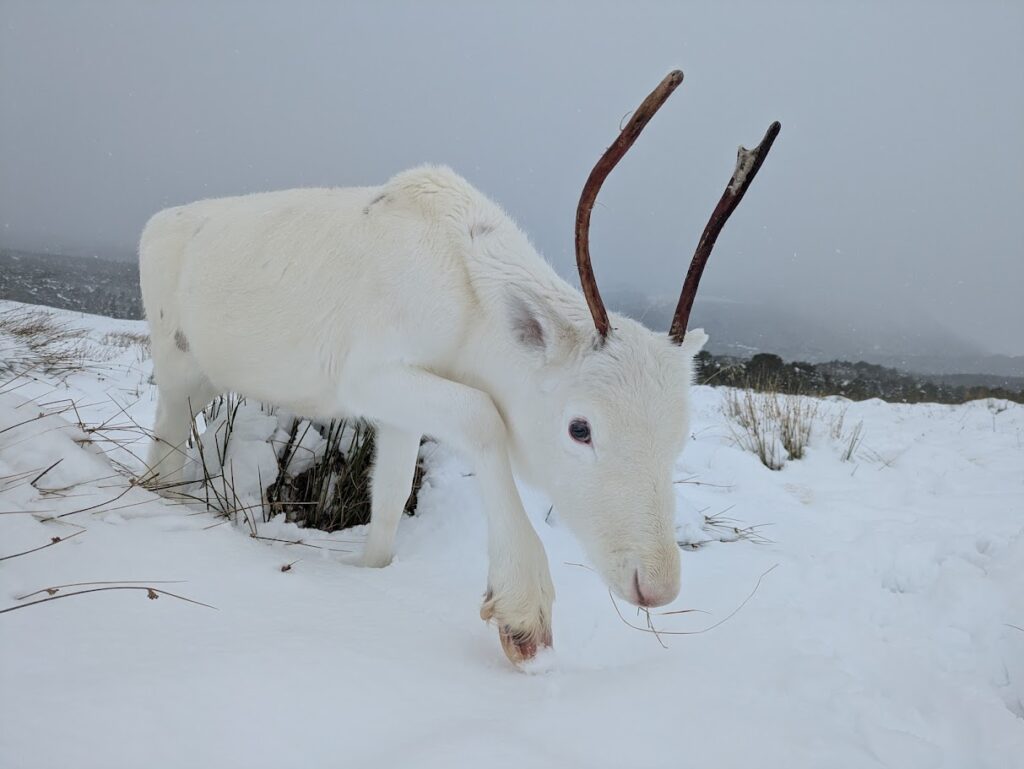
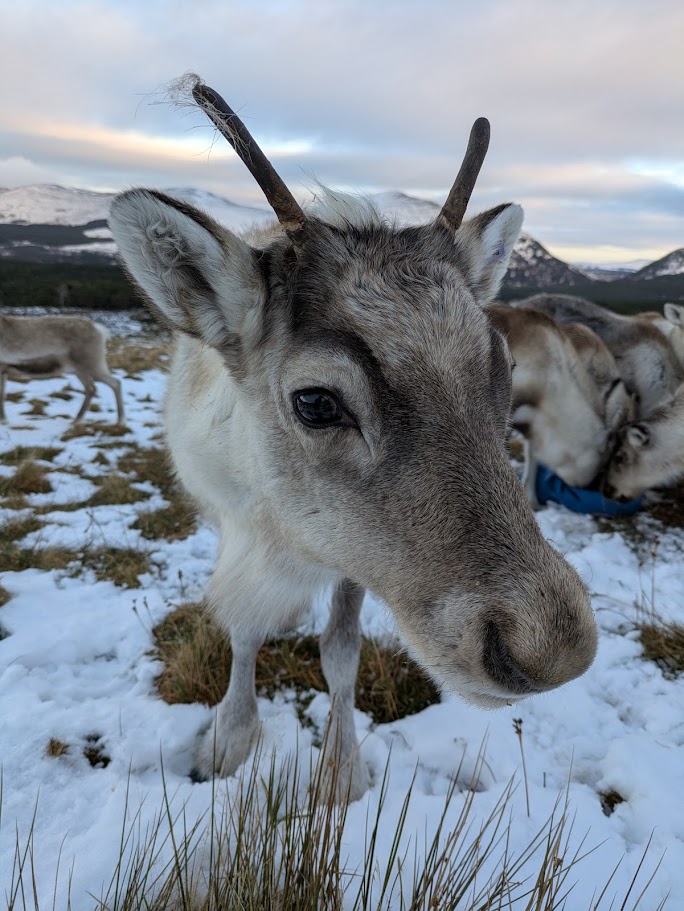

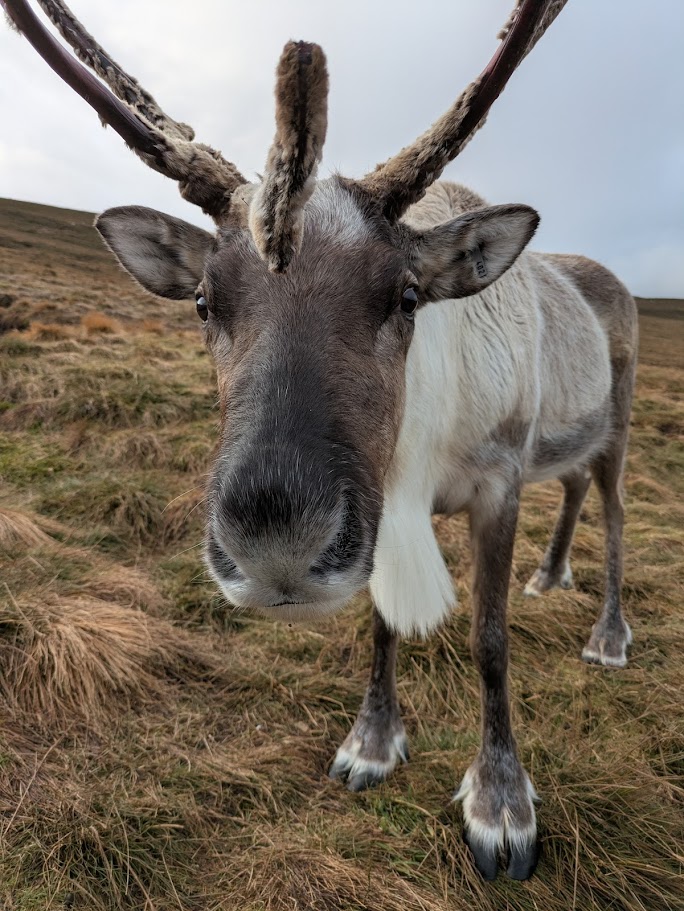

Ruth
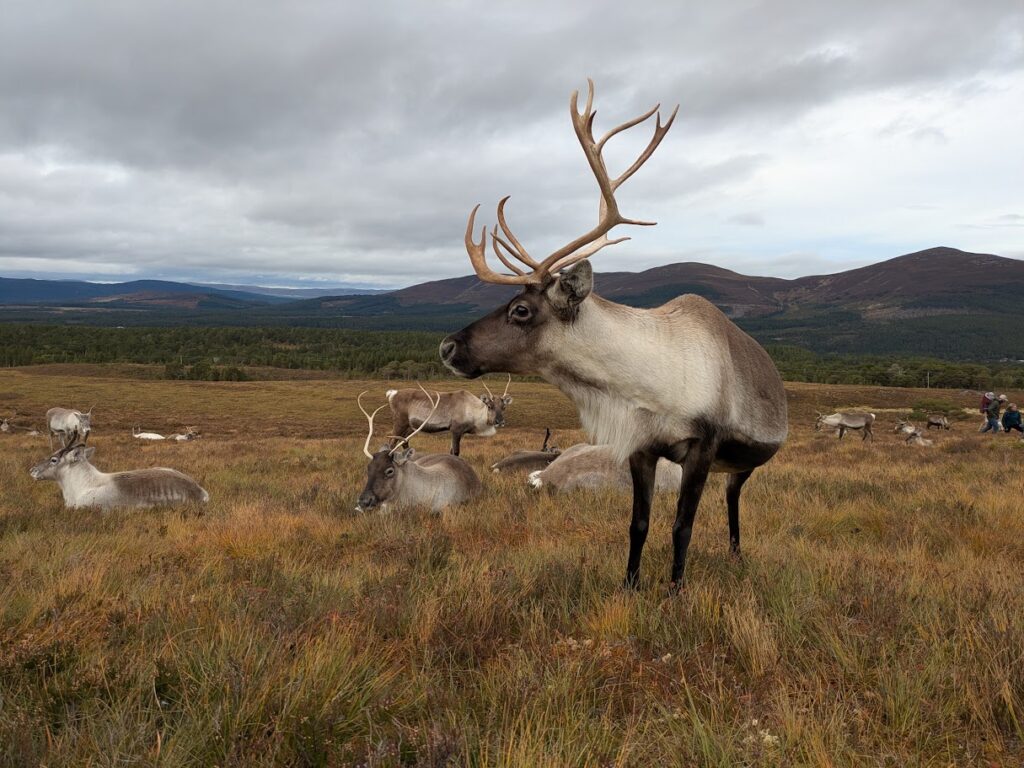
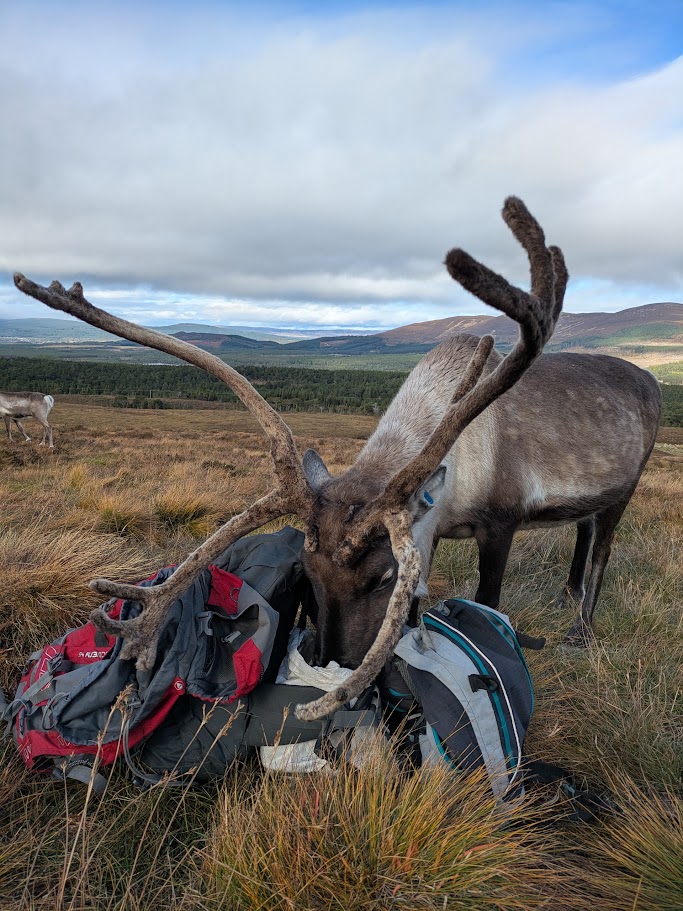
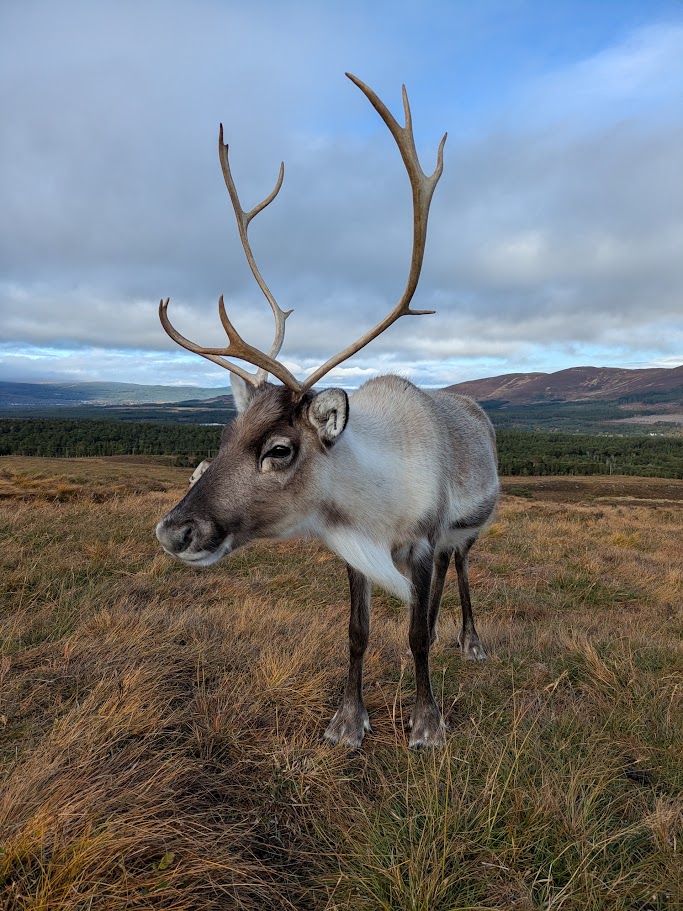
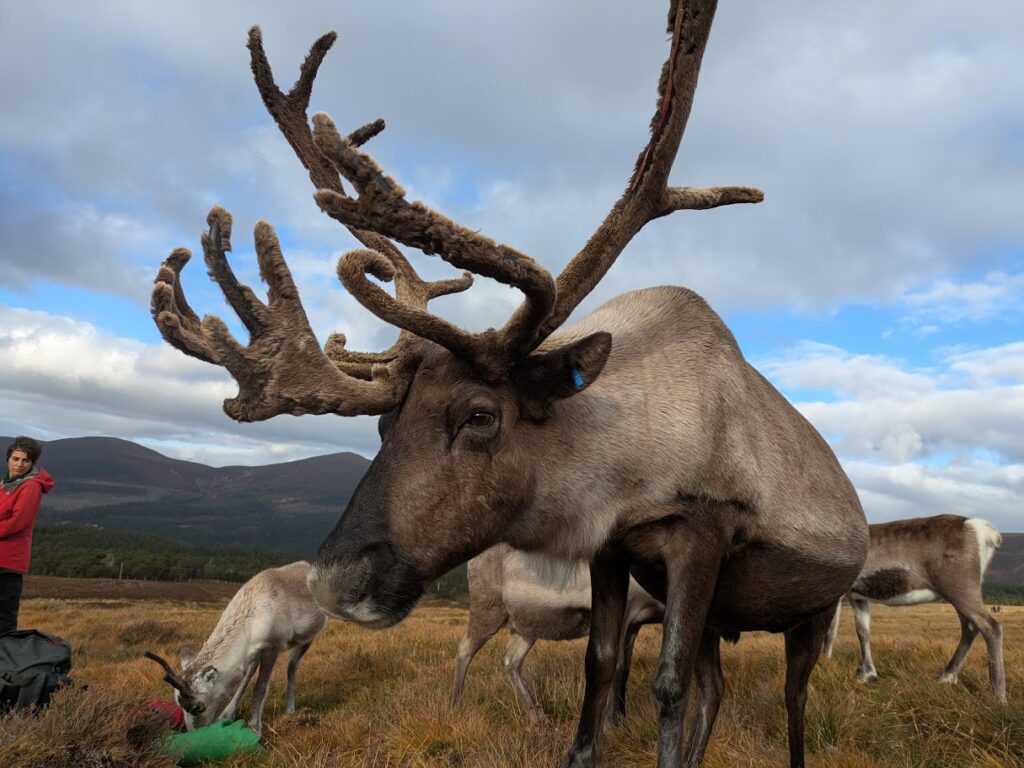
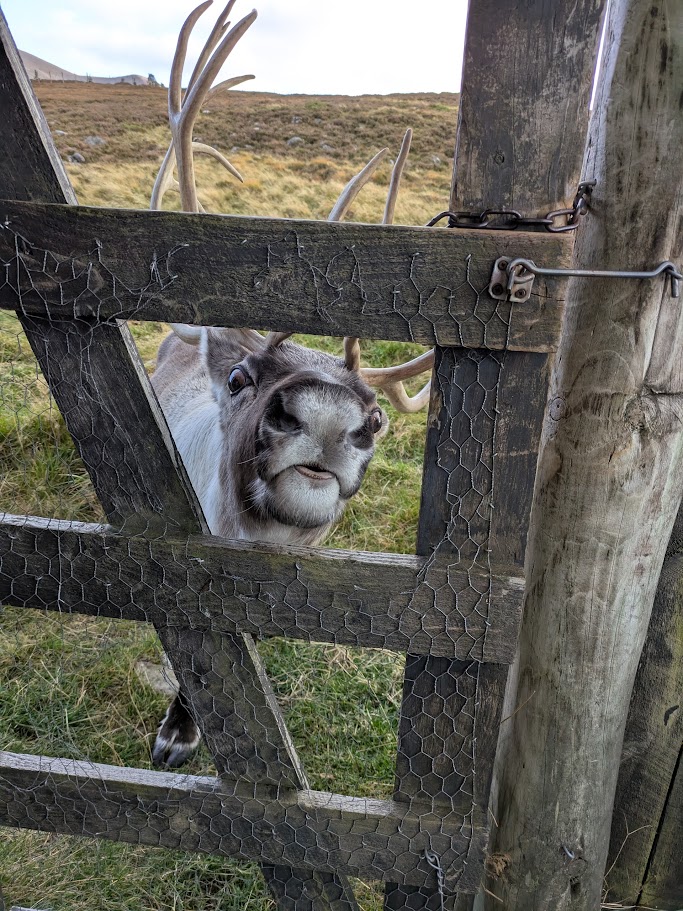
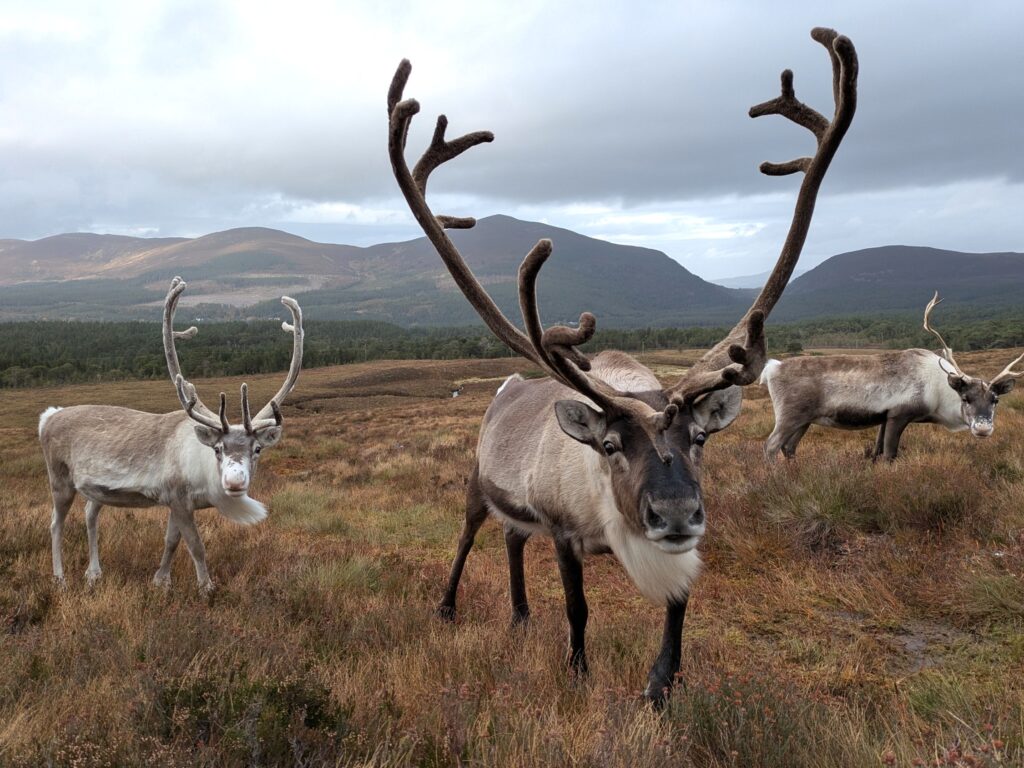
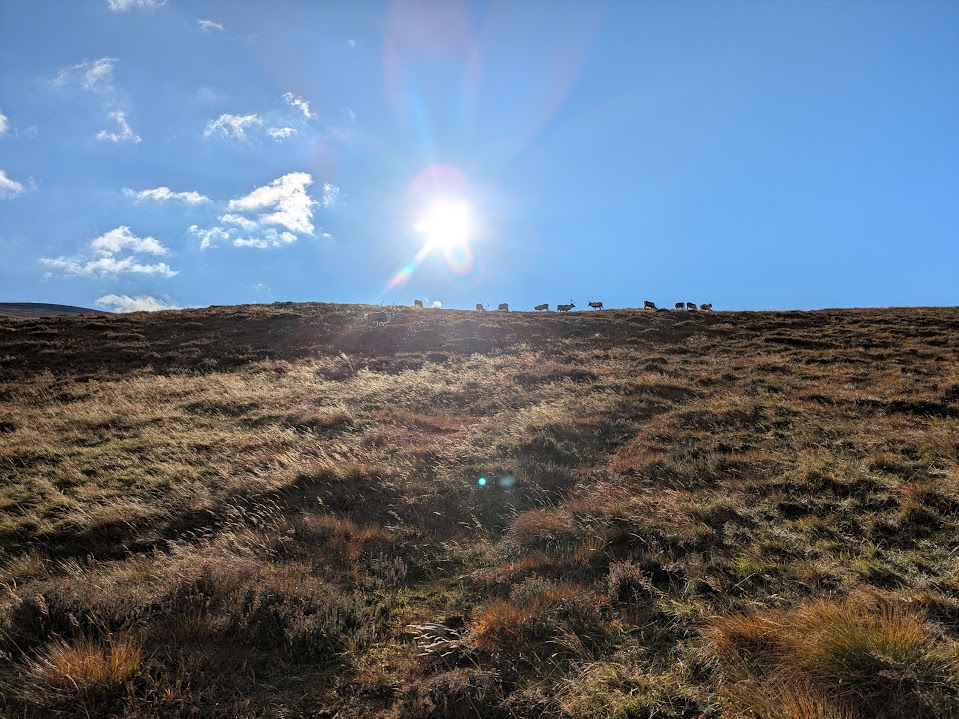
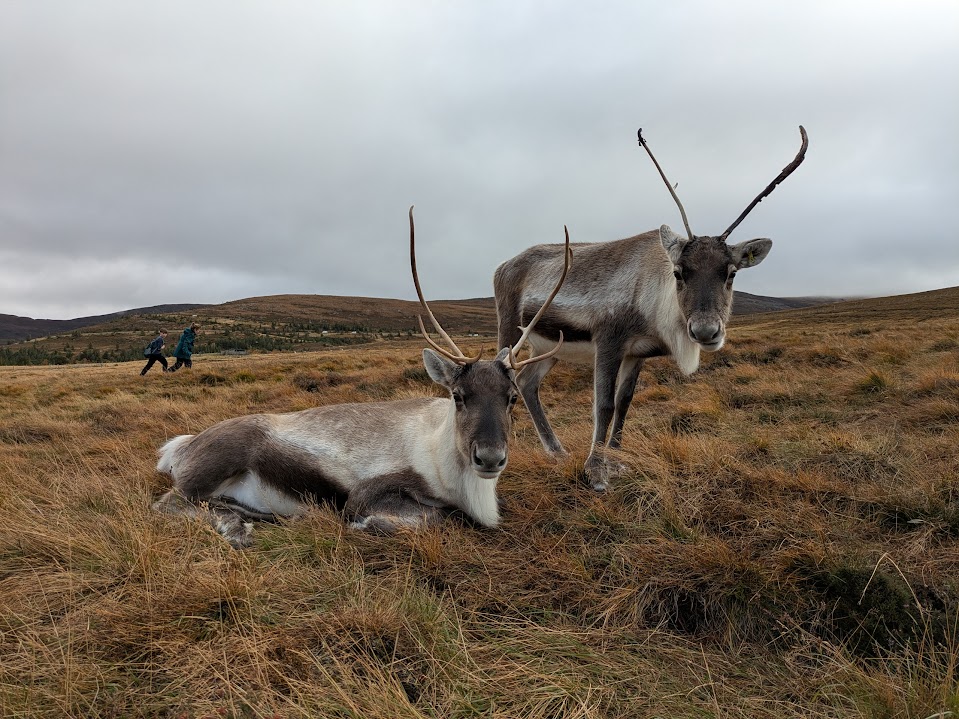
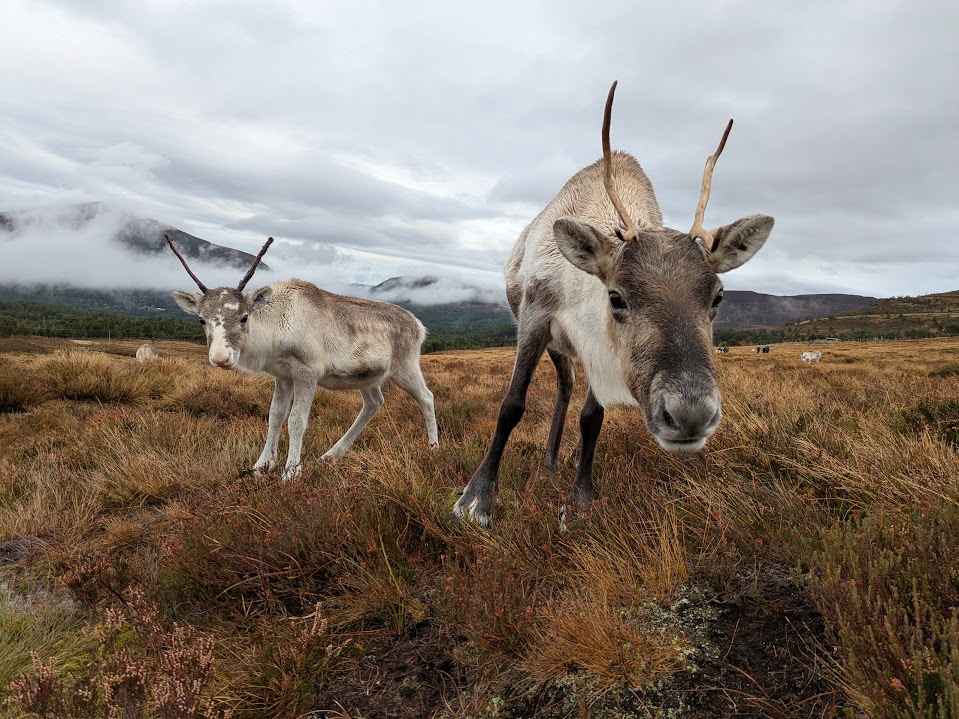
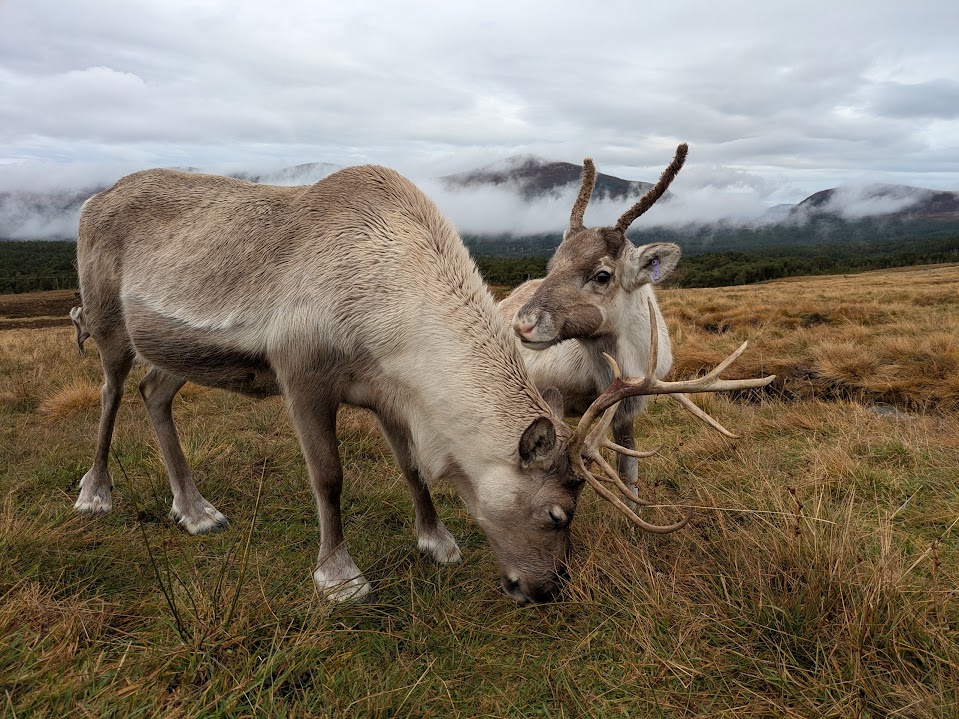
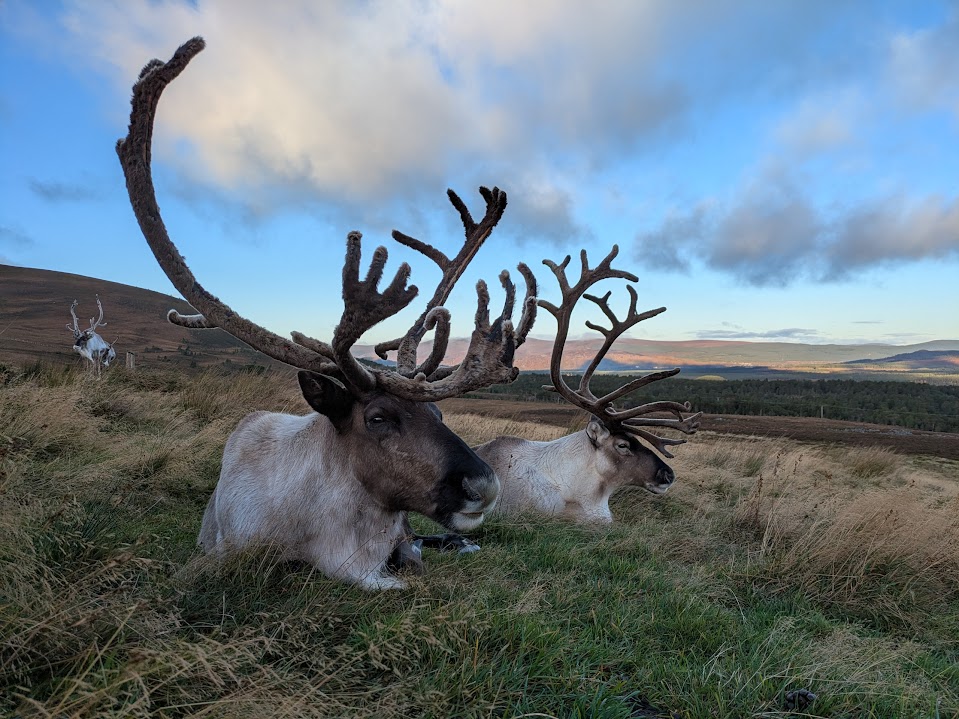
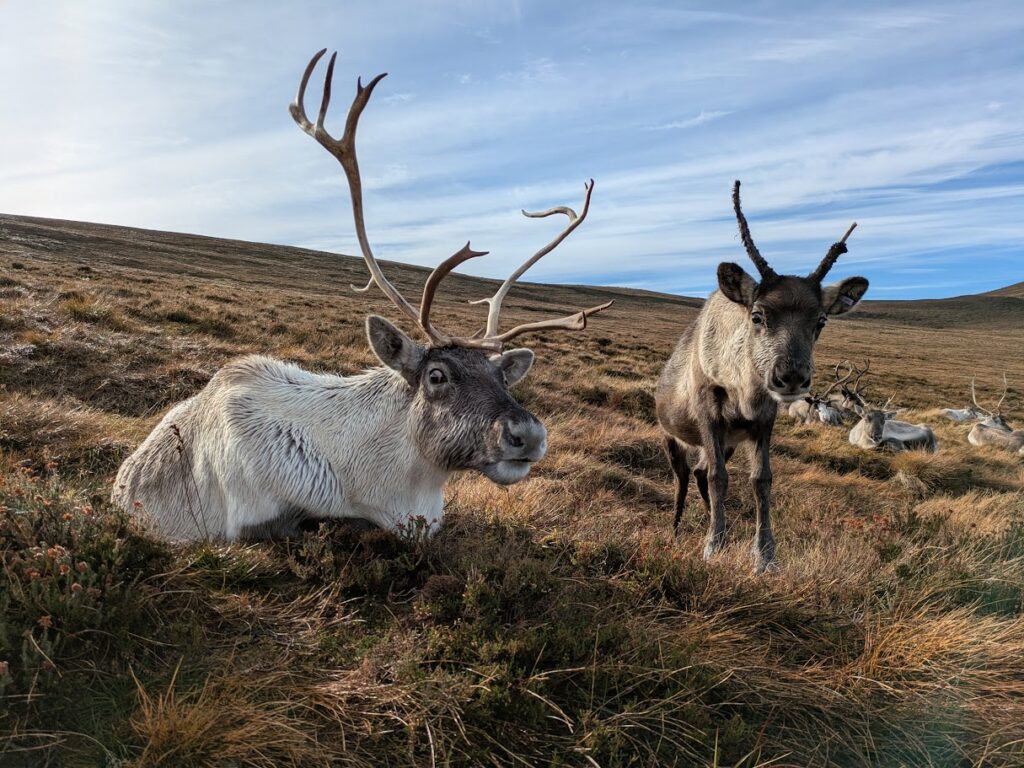
Where has October gone?! It was a pretty hectic month here with the rut in full swing, halter training the calves, free ranging reindeer keeping us busy, and three weeks of October holidays. But it’s been very fun and hopefully a successful rut – we’ll find out in the spring! The big news was that we managed to open the Exhibition! We did a very ‘soft opening’ just letting the October holiday makers have a look around to test things out. The best place to find up to date information regarding our Paddocks and Exhibition is still our website, or feel free to give us a call.
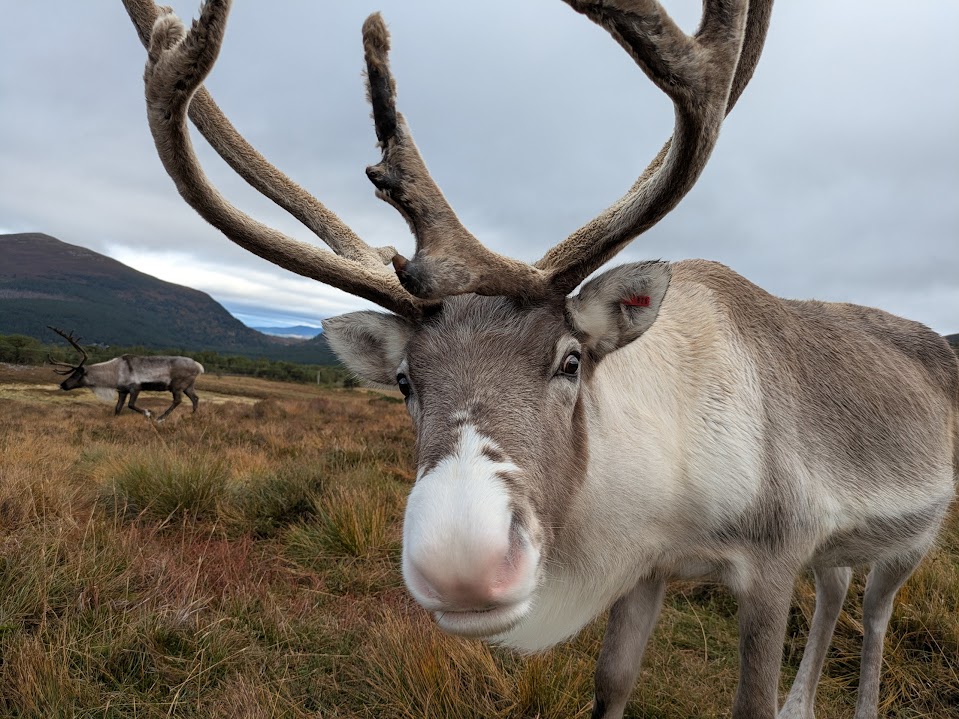
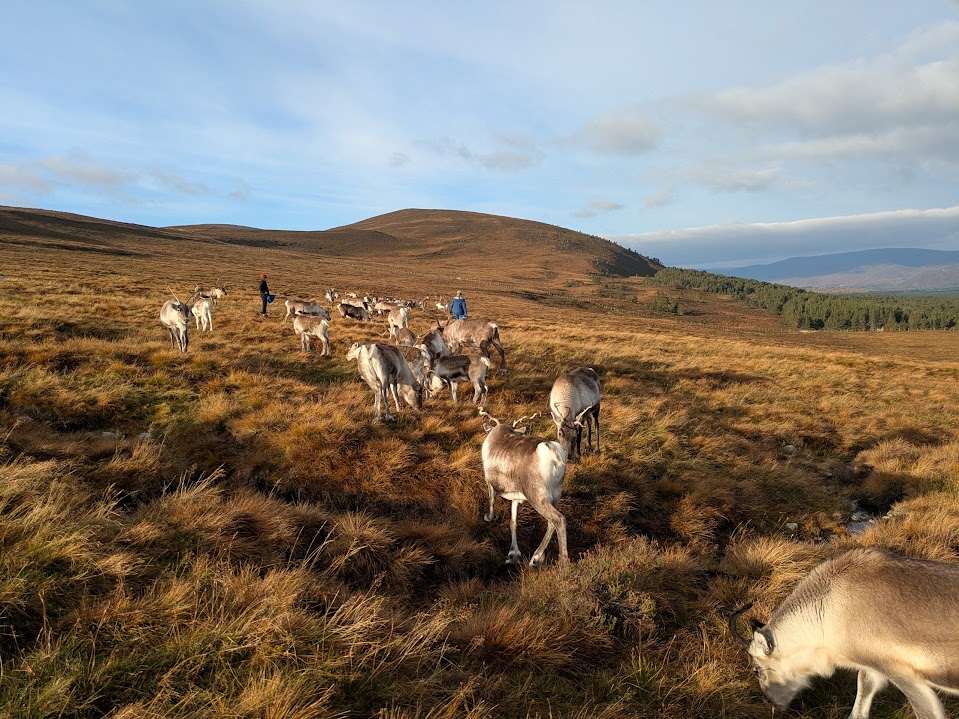
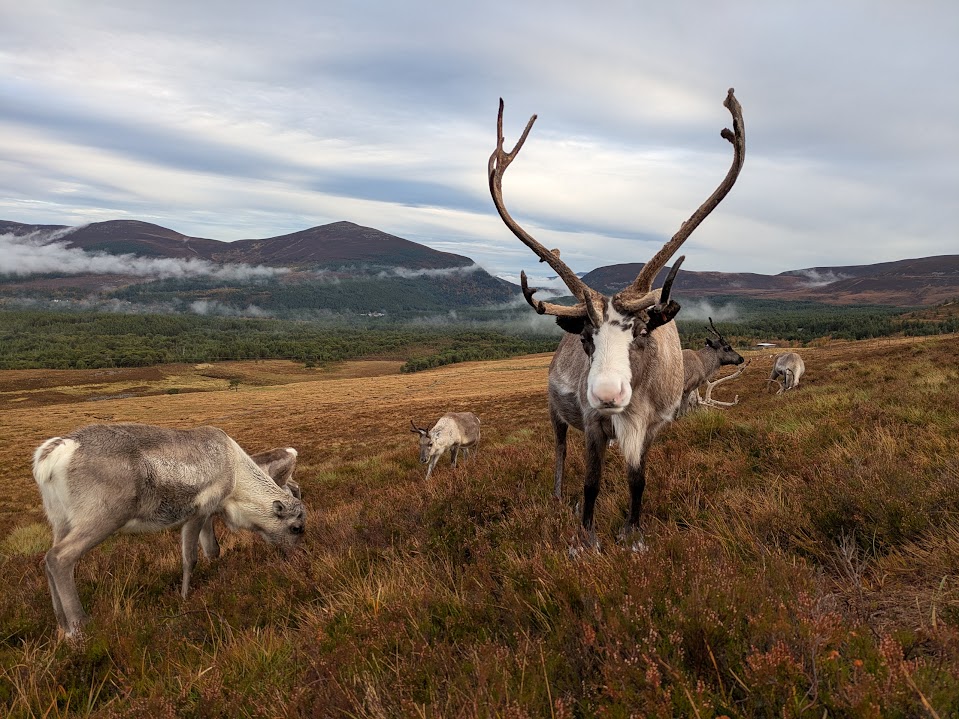
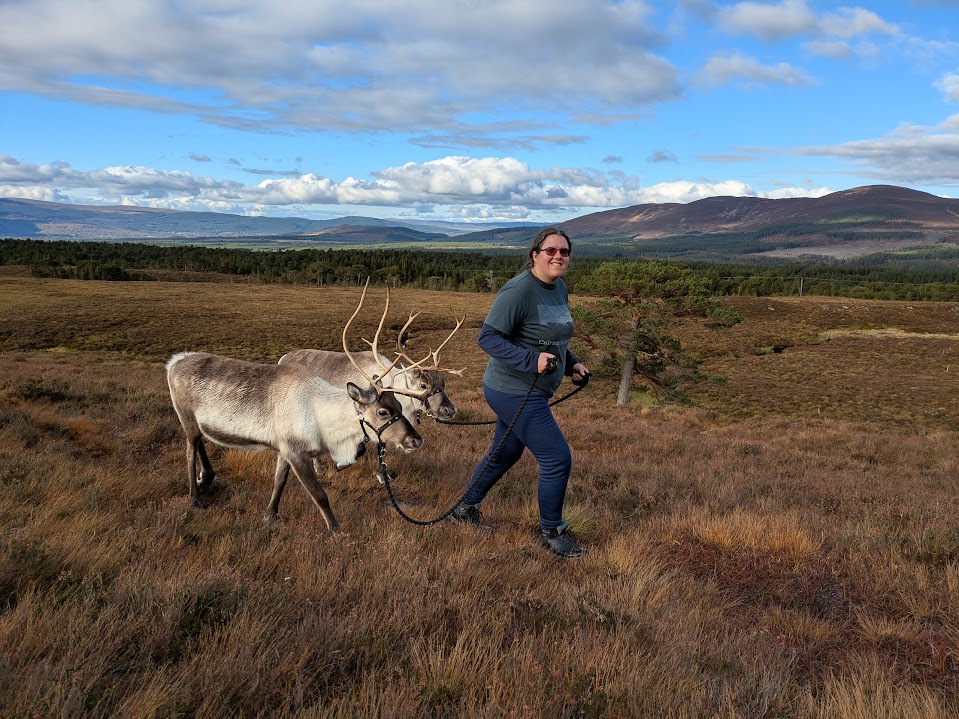
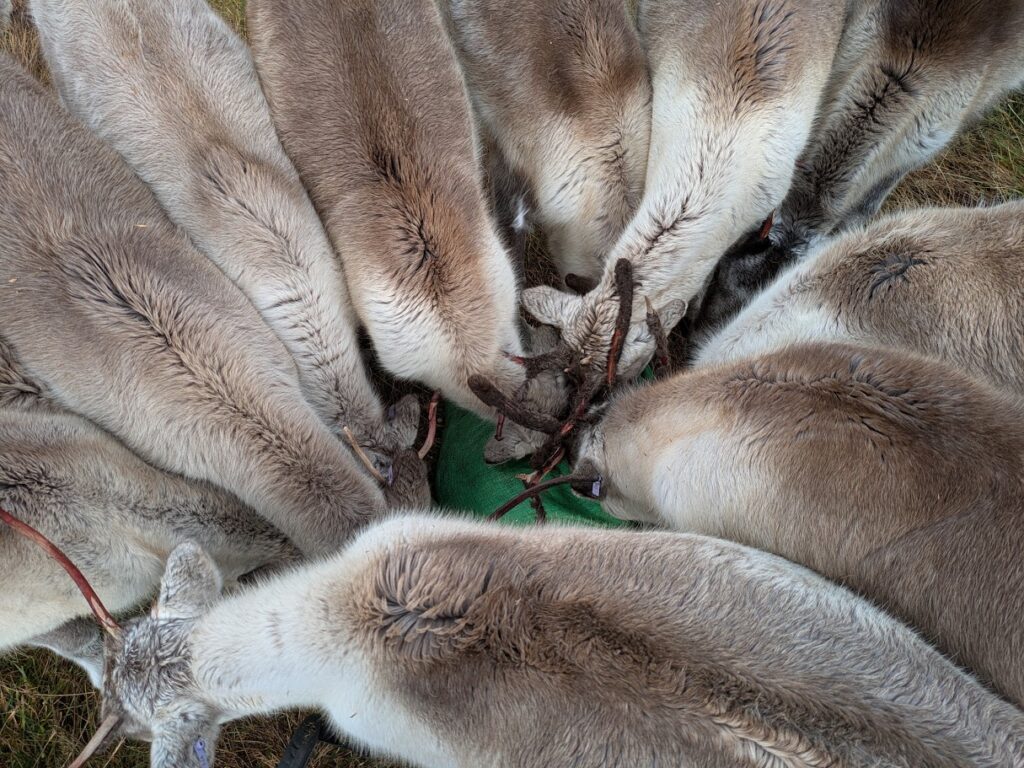
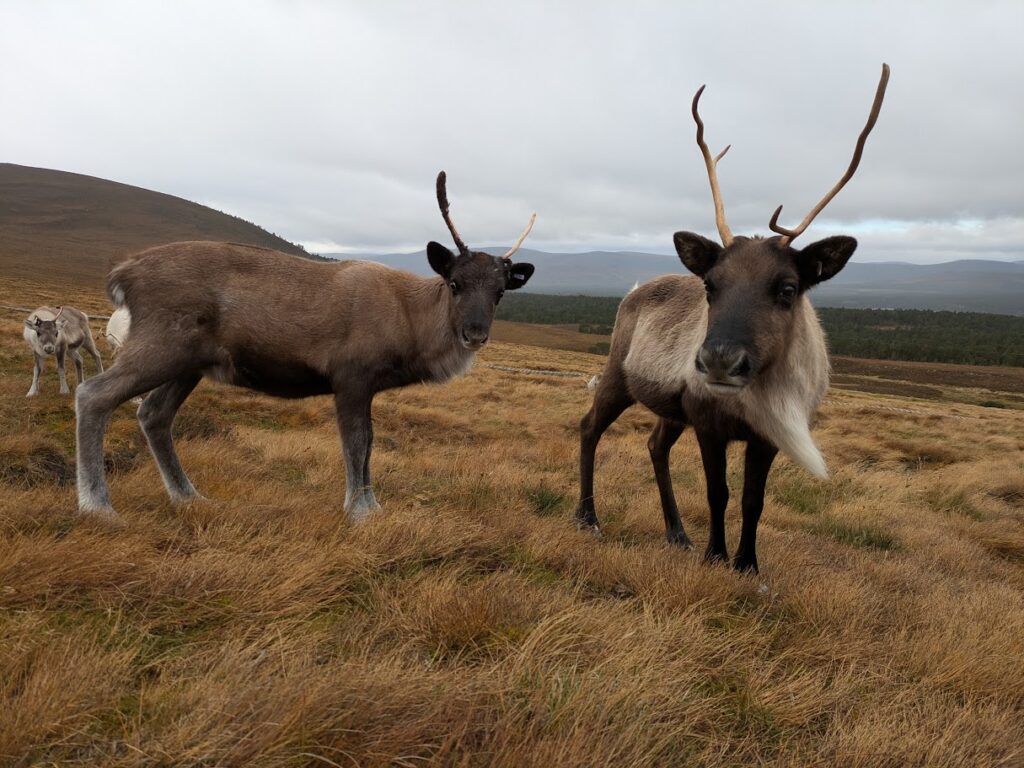
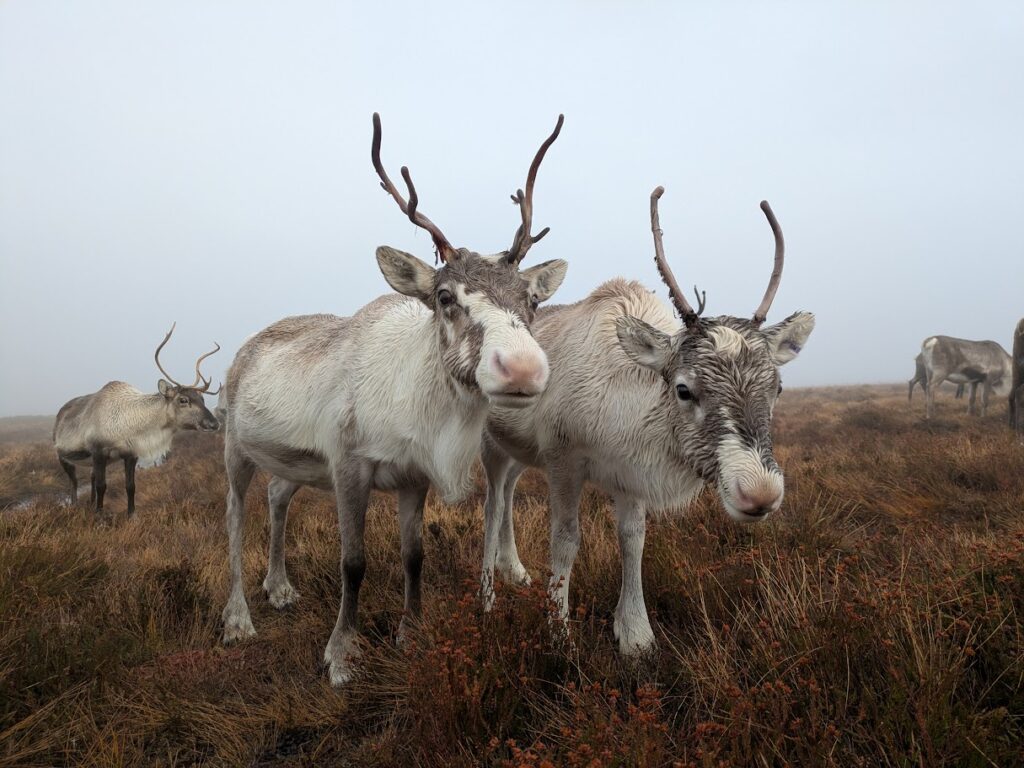
Ruth
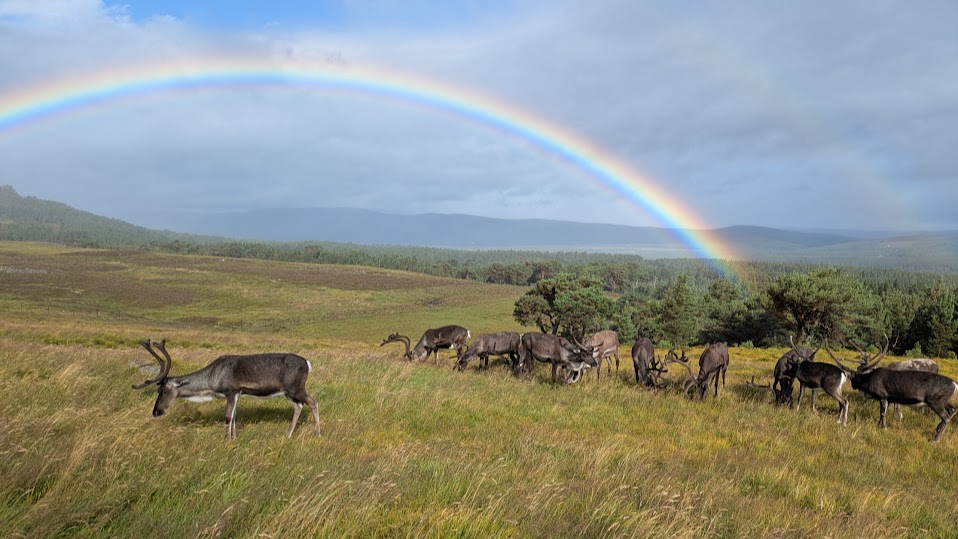
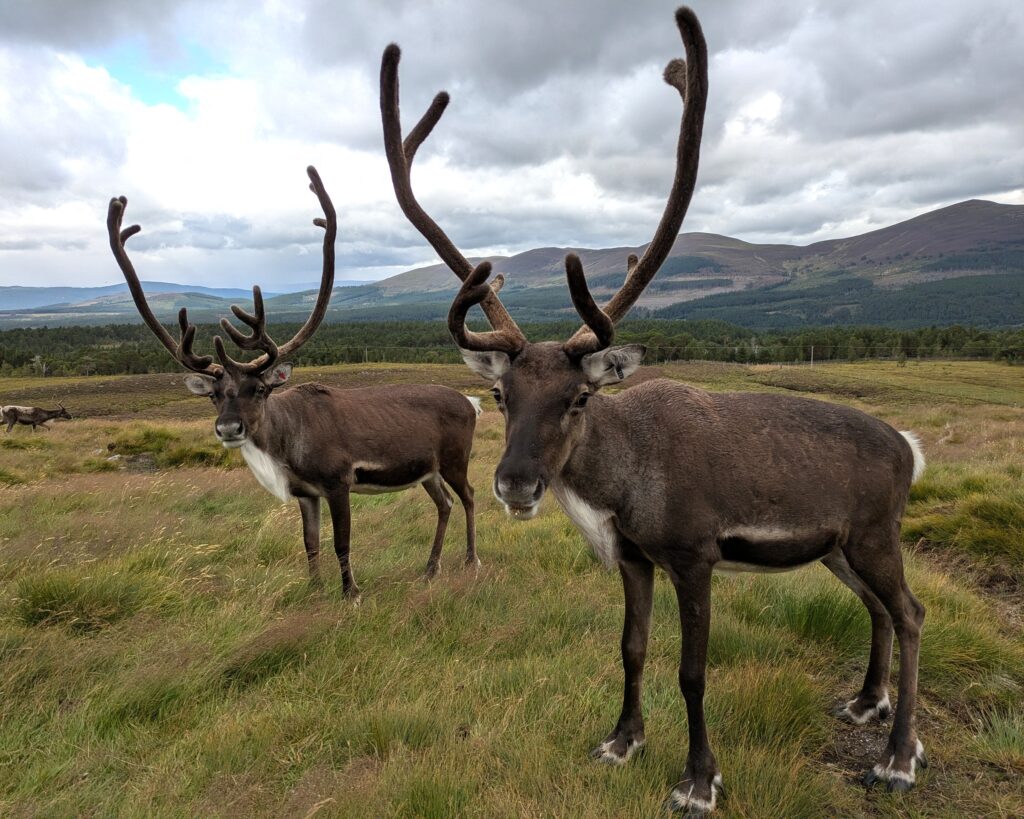
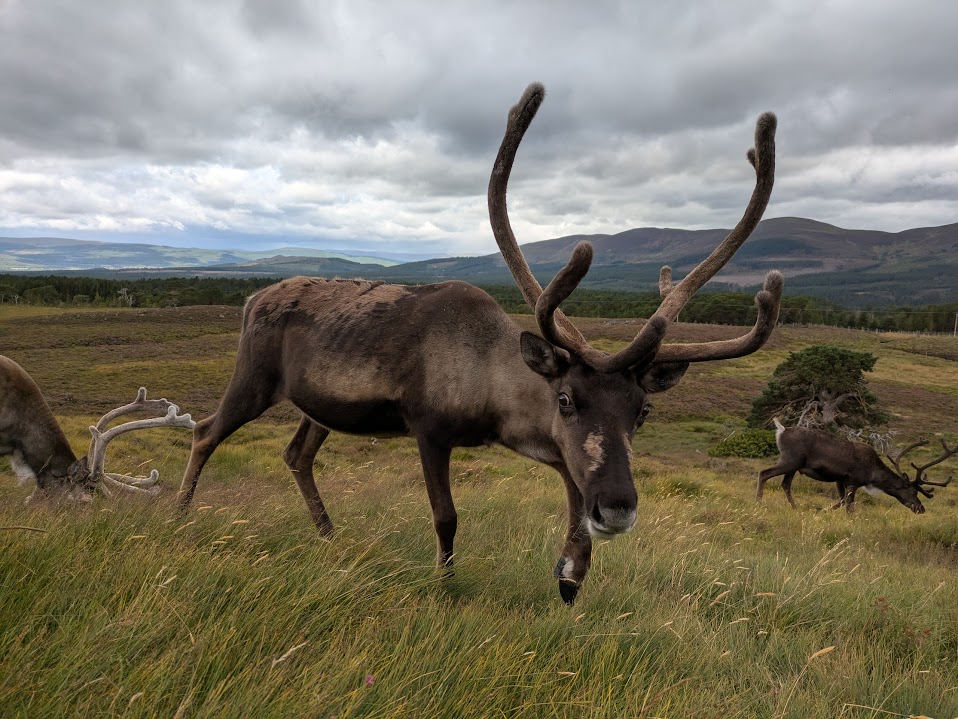
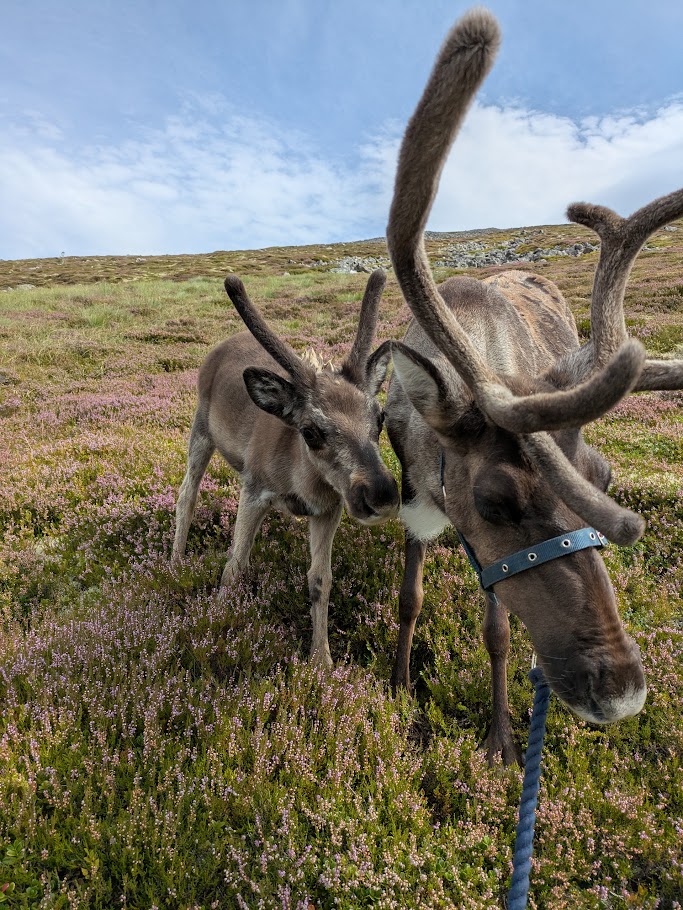
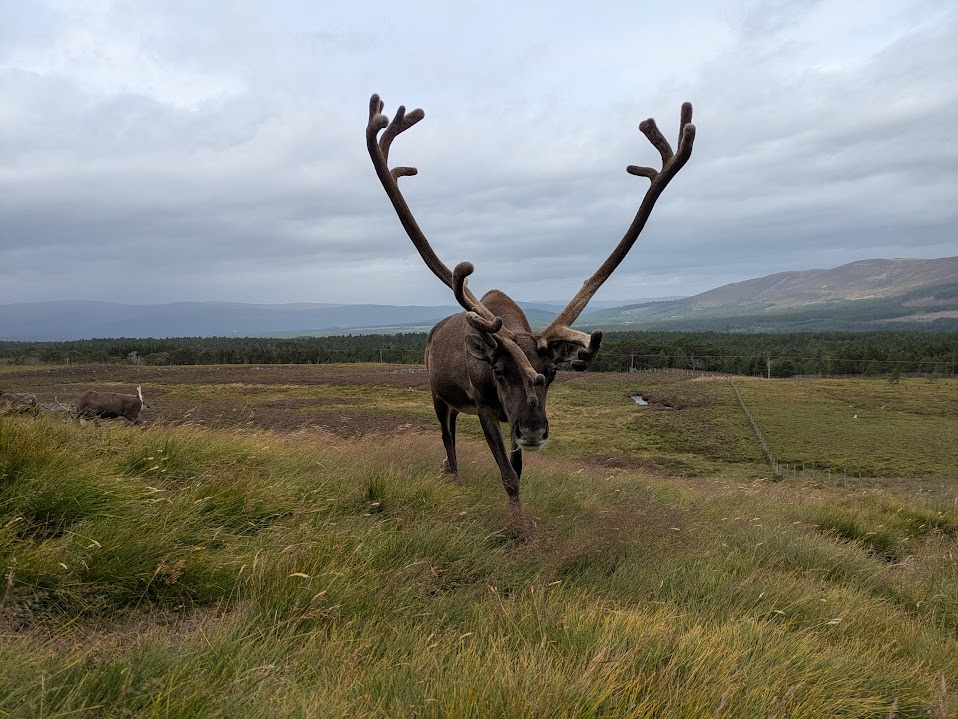
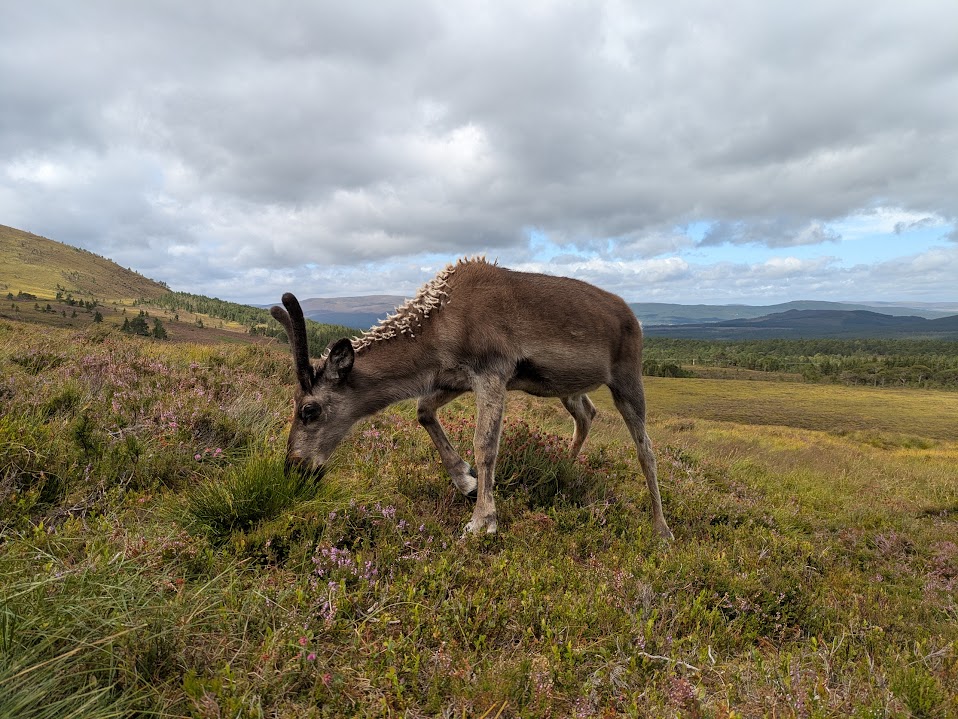
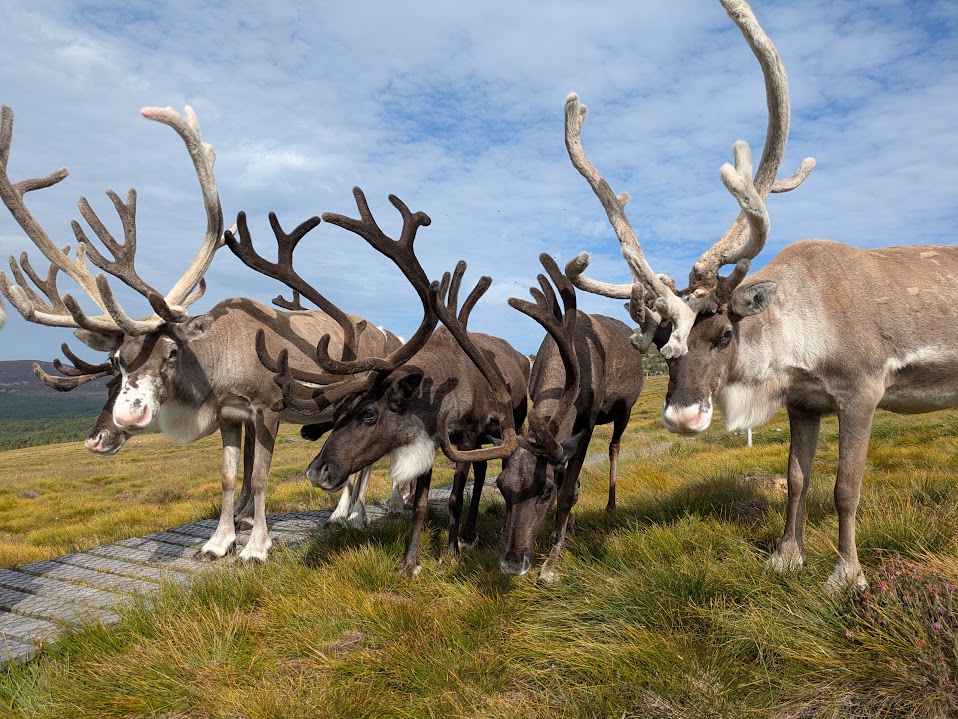
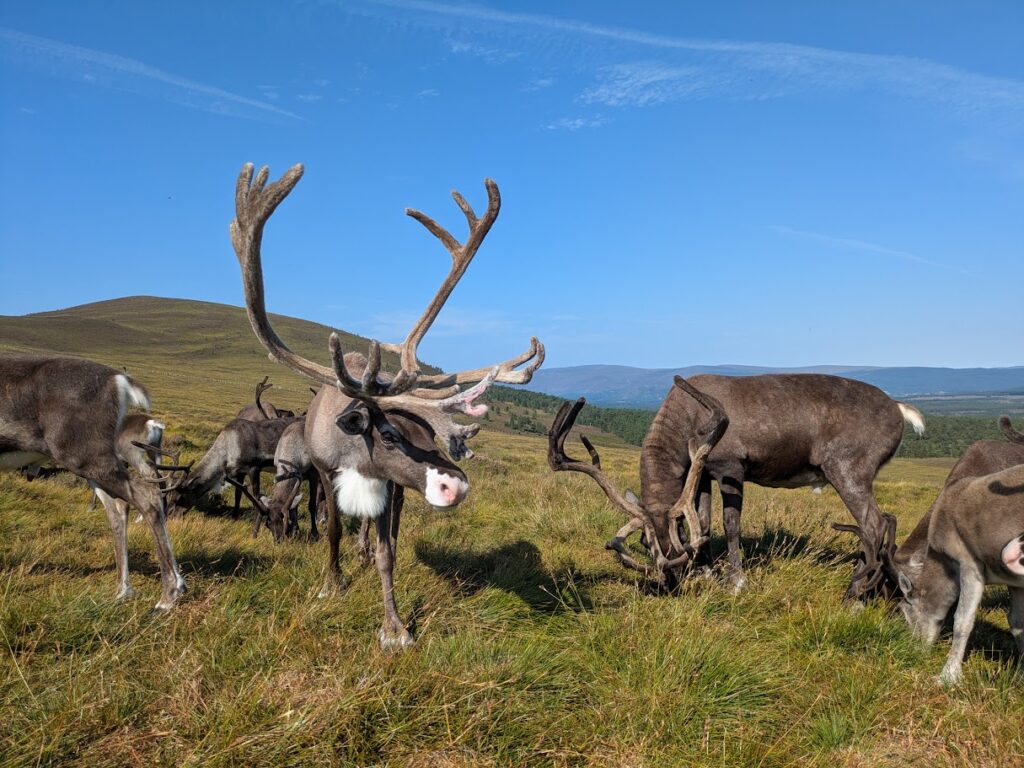
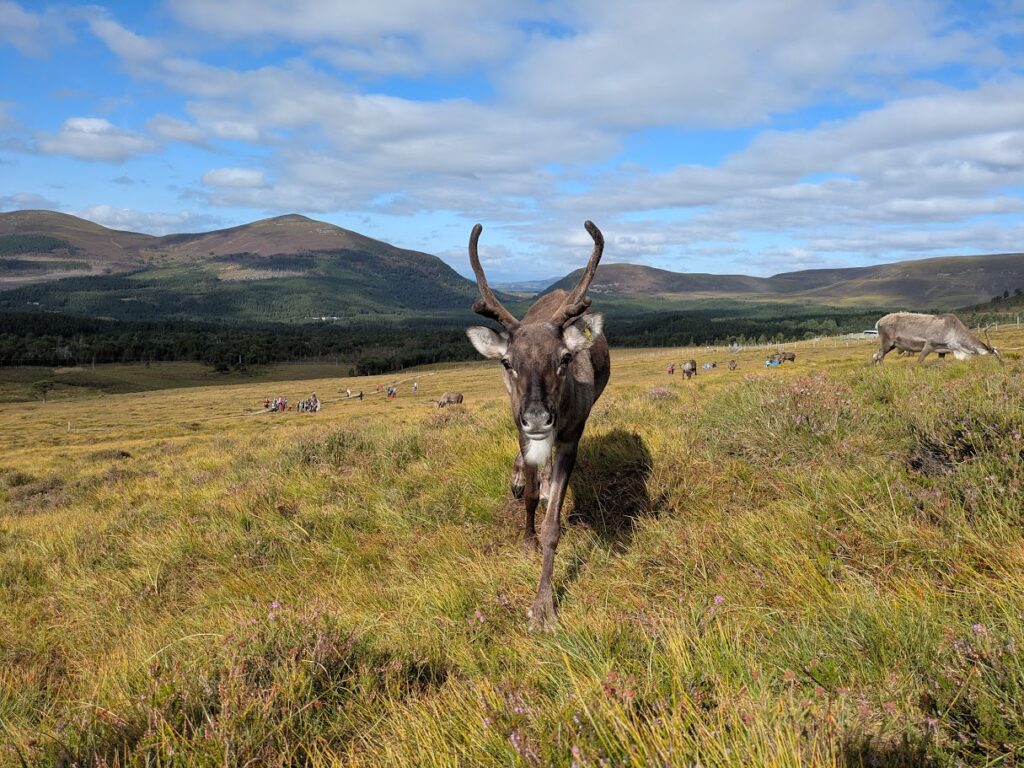
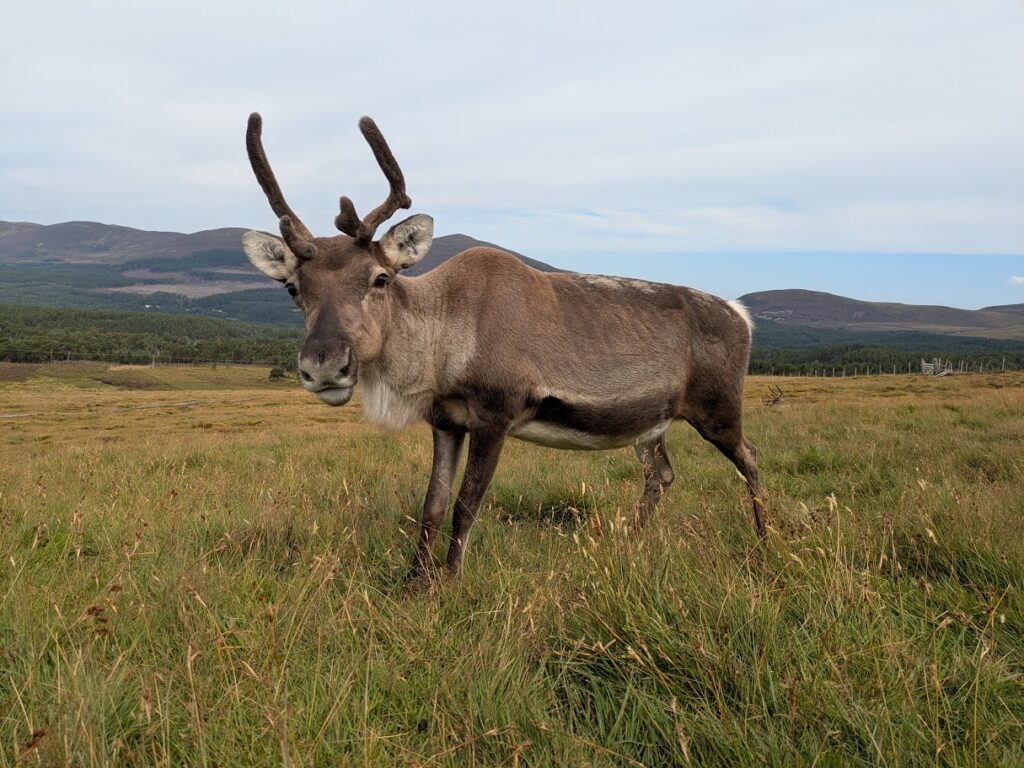
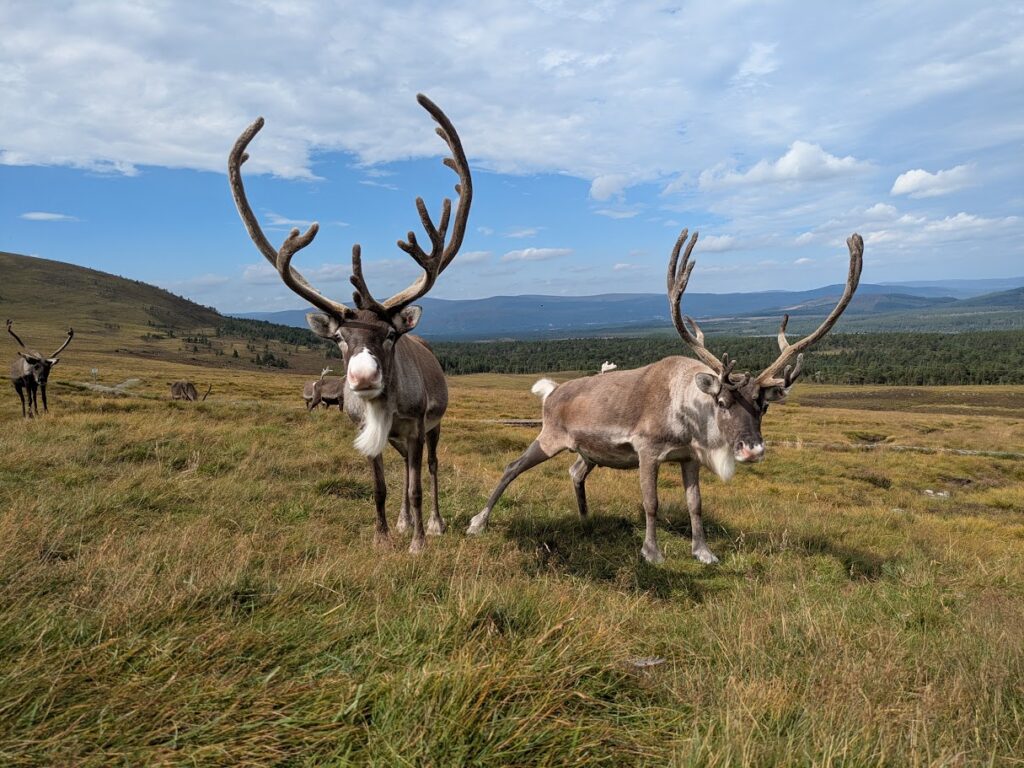
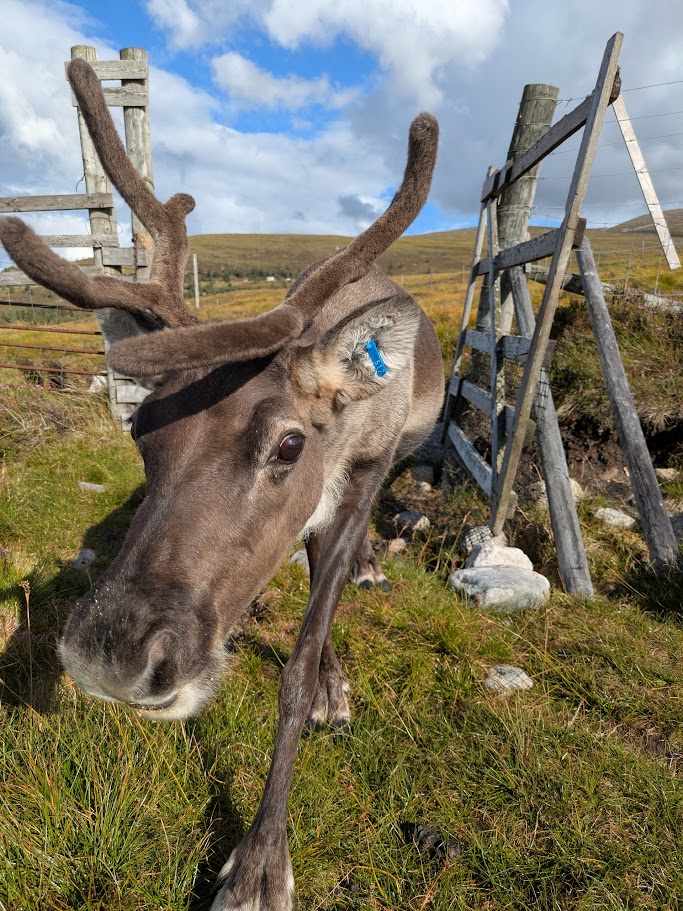
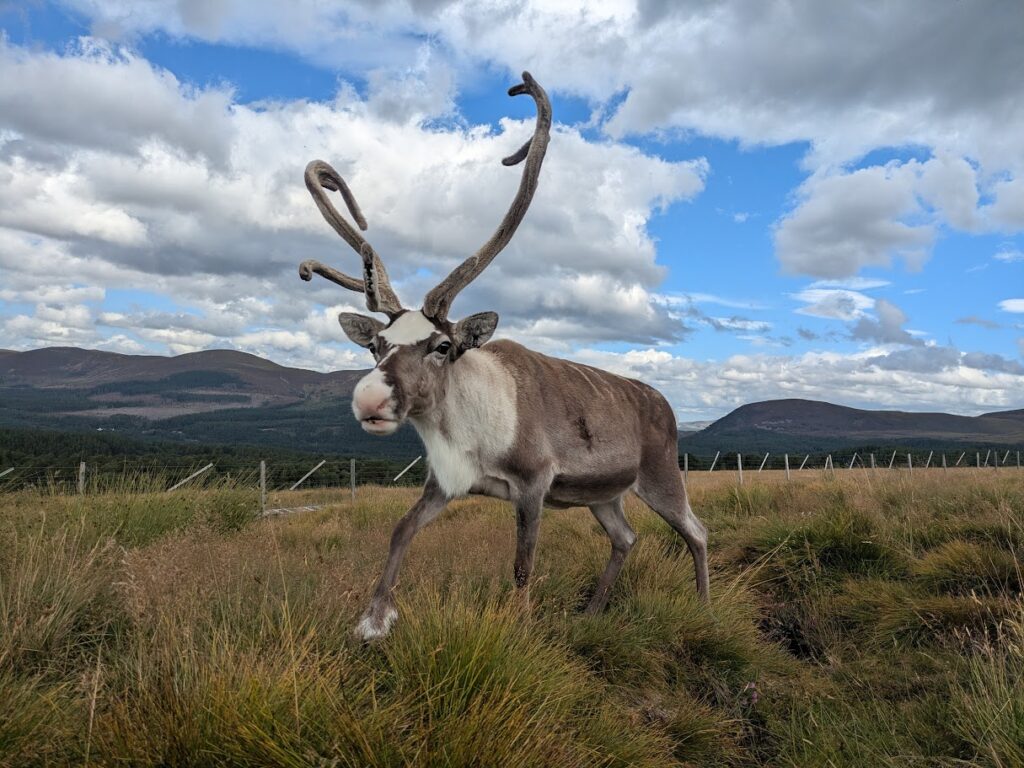
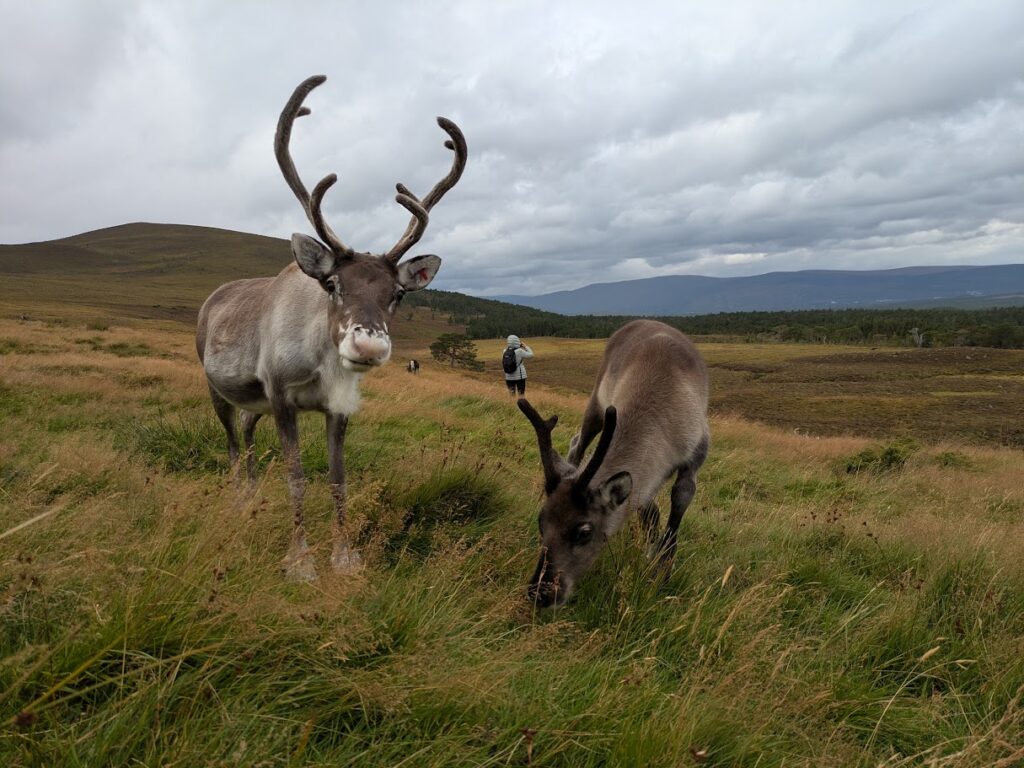
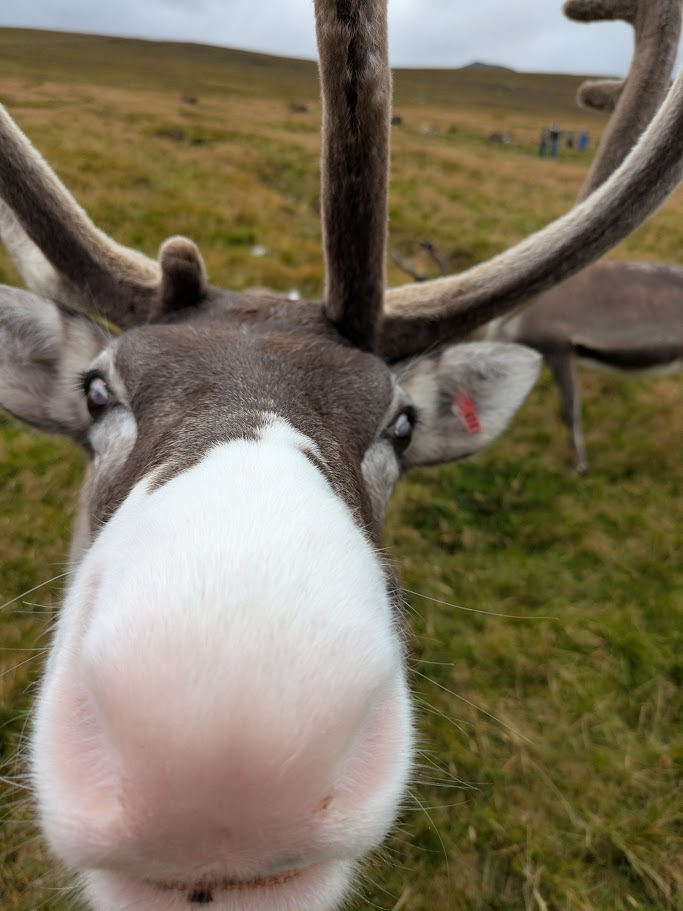
August has been a busy and fun month. We’ve had lots of visitors and three sold out Hill Trips almost everyday. Lots of people have also been coming into the Paddocks to see the reindeer on display there, and very excitingly the Exhibition is nearly ready. It’s looking super! You’ll definitely hear to social media and our website when we’re open.
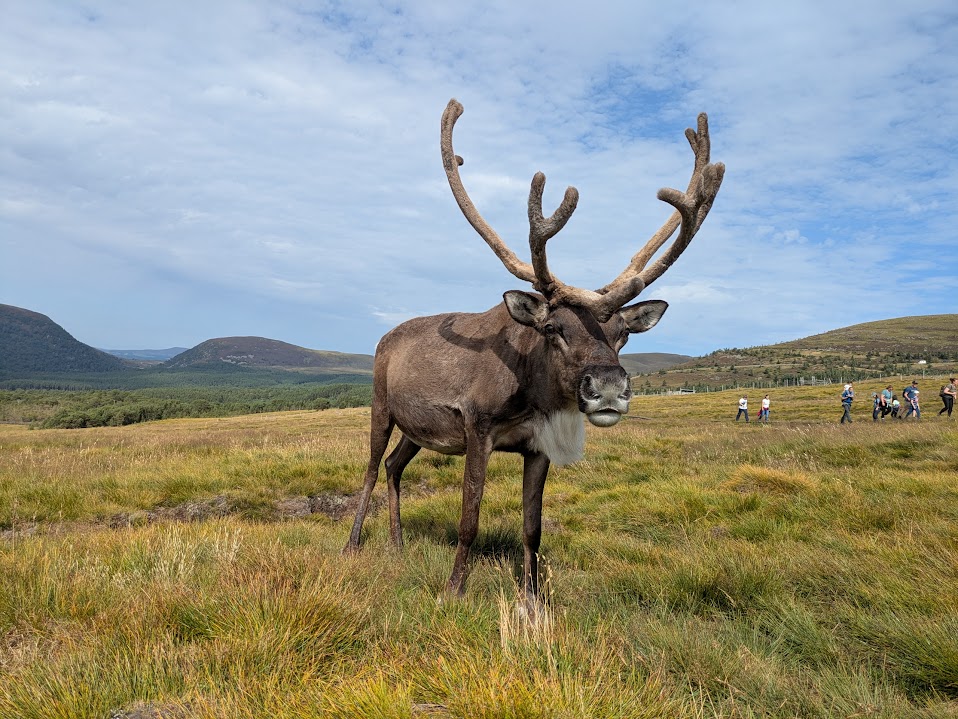
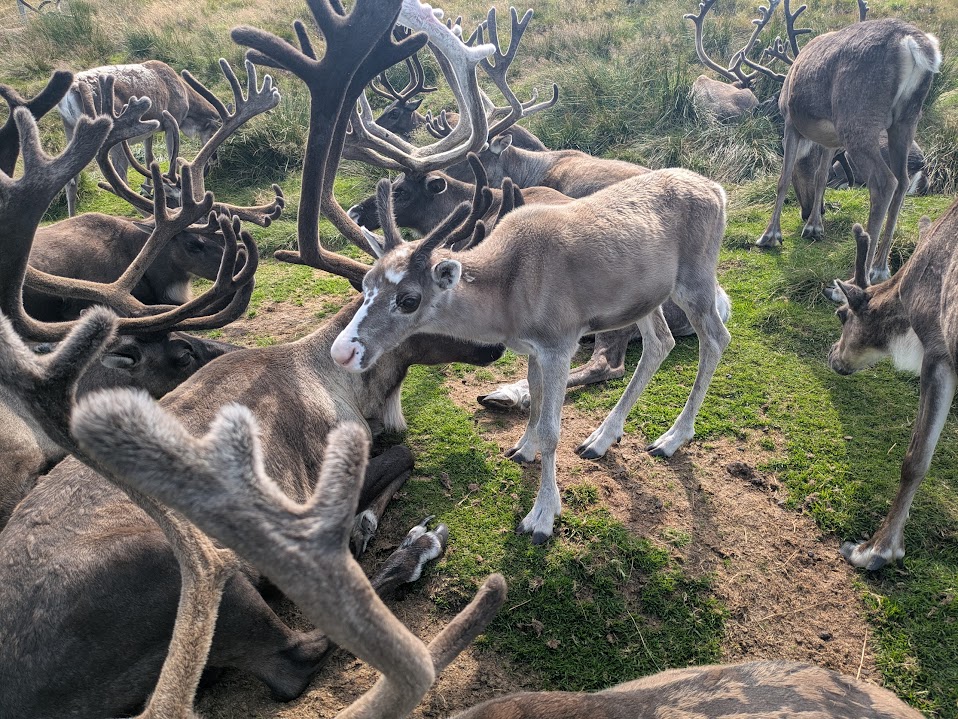
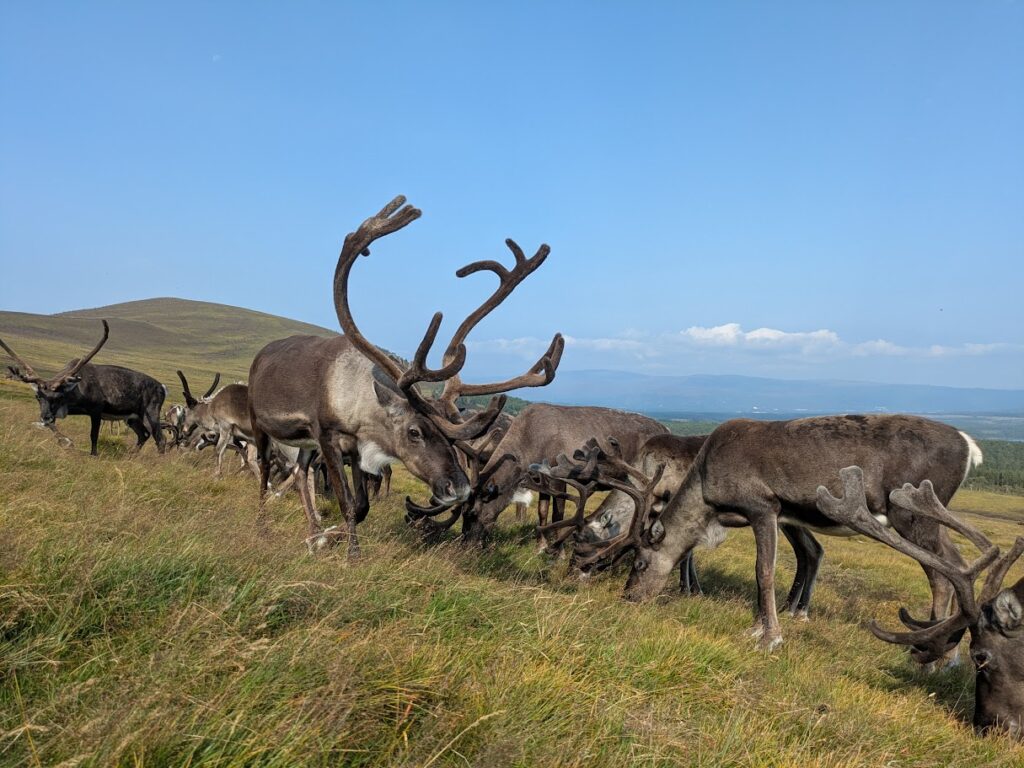
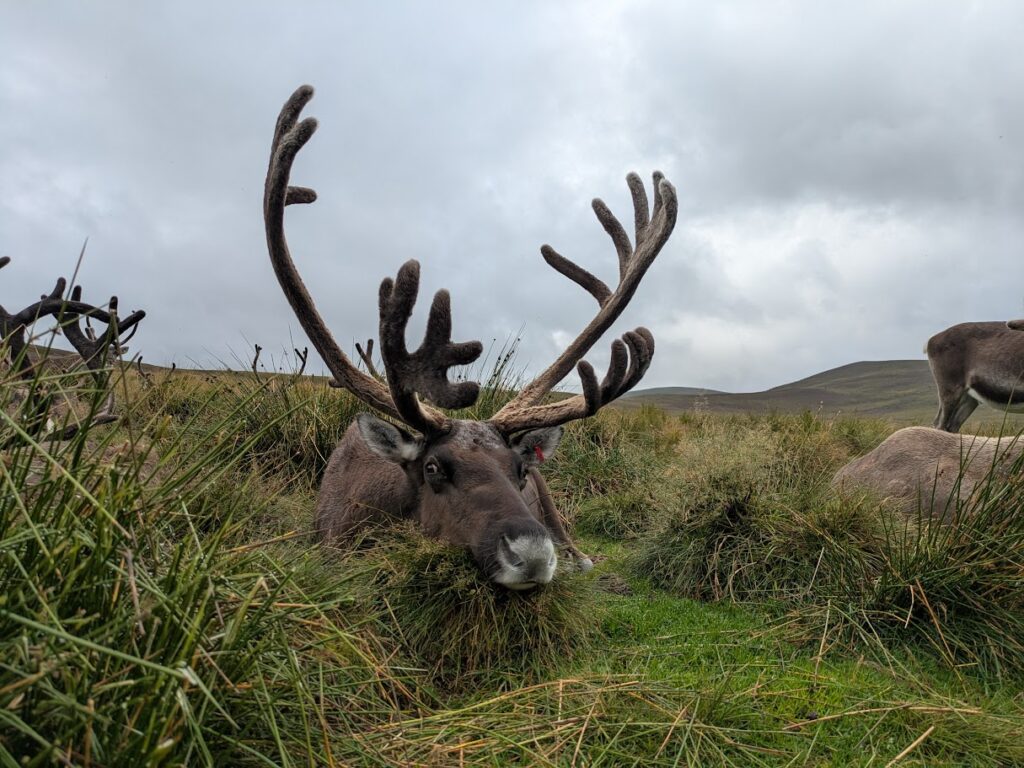
We’ve also been having lots of free range action which every herder loves! Generally we start to see the free ranging females more as they come down in altitude as the weather gets cooler and the mushrooms appear on the side of the hills. We start bringing in the mums and their calves back into the enclosure any time in August. They spend June through to August/early September out roaming the hills learning how to be little wild reindeer and enjoying all the best grazing, but when the autumn rolls around it’s time for them to learn what a feed bag is and in time, how to walk on a halter etc. The following photos are a small snapshot of what’s been occurring this month…
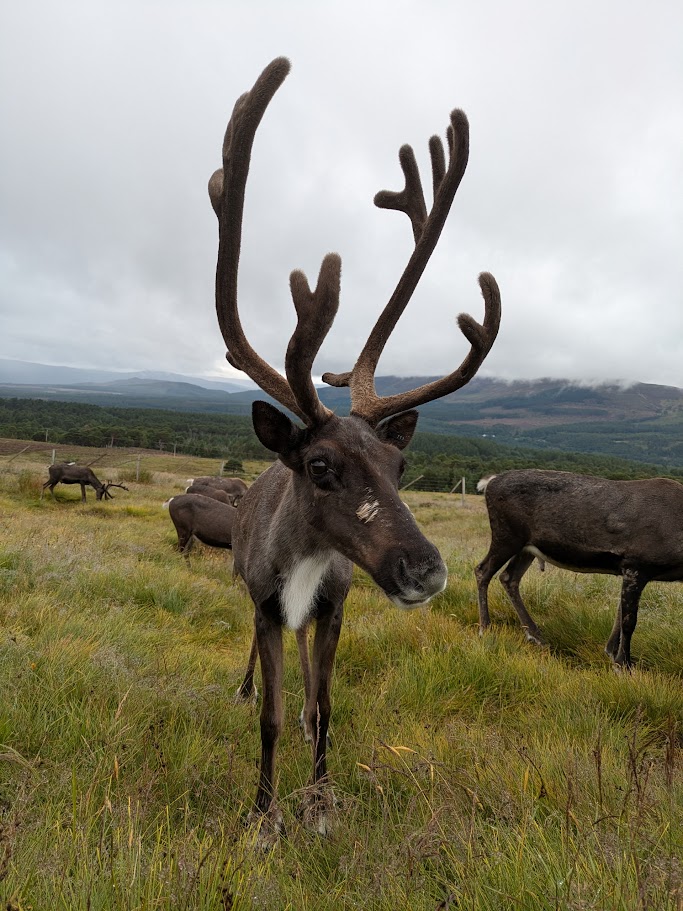
Ruth
July has been a good month with the reindeer finally starting to look good in their short sleek coats. We’ve some very hot days, but the reindeer have very faired well. They felt the heat on occasions but thankfully have ways off cooling down, I actually think they dealt with it better than me! Check out this old blog to see how the reindeer cope in higher temperatures.
We’ve been busy with three Hill Trips every weekday, and two on weekends. The Paddocks has also been popular and behind-the-scenes there are exciting things going on in the Exhibition. We still don’t have an opening date, but things have progressed well in the last couple of weeks. Exciting! Here’s some pics of some of our lovely male reindeer taken over the past month…


Ruth
Every reindeer herder looks forward to May – it’s pretty much the best month of the year for us with calving time for the reindeer dominating it. But May is also one of my absolute favourite months for other reasons too, the trees are coming into leaf, the plants in my garden are growing like mad, the weather is generally fairly amenable, and the migrant birds are back.

Mention May to any reindeer herder and calving is – I guarantee – the first thing that pops into their head. Reindeer are very seasonal with their breeding, and whilst the occasional calf might be born in the last few days of April, the vast majority arrive in May every year. Calving is a wonderful time of year for us – who can resist the cuteness of a a newborn reindeer? – though it comes with a fair amount of stress too, as we do our best to keep everyone happy and healthy. You’ll find lots of blogs about calving if you use the search function on the blog page here (only visible on a laptop/desktop) if you’d like to know more. Plus lots of lovely photos – of course!

But I have other connotations for the month of May. The second one are the cuckoos. We’re lucky enough to still get plenty of cuckoos in this area, although nationwide they have declined by about 65% since the early 1980s. Even the least ‘birdy’ person in the UK surely knows their iconic call, and I associate them so much with May. They call from the forest below the reindeer’s hill enclosure all through the month, and the far-carrying sound is so reminiscent of all the early mornings over the years that I have trudged about on the hill side looking for cows with their newborn calves. Cuckoos seem to stop calling earlier than some species, I’ve noticed, and already as I write (early June) I realise that I’m barely hearing them any more. Such a short season, and yet they are utterly ingrained into our conscious in spring! Read more about other migrant species who are summer visitors to us in one of my previous blogs here.

The third thing I really associate with May here in the Cairngorms is the cotton-grass (Hare’s-tail Cotton-grass, to be precise), which grows on acidic moorland and is familiar to many, with it’s bobbing cotton-wool like flower heads.


It’s not actually a grass but a sedge, and some years give particularly good displays, where it can almost look like it has snowed. It comes into flower in May, and grows particularly well in the bottom of our hill enclosure on the flatter areas there, which tends to be where the cows and their calves hang out during the month.

So there we are – the three ‘c’s that are incredibly strongly associated with May to me. The fourth would be ‘chaos’, but that’s part and parcel with calving so can be combined into one!
Hen
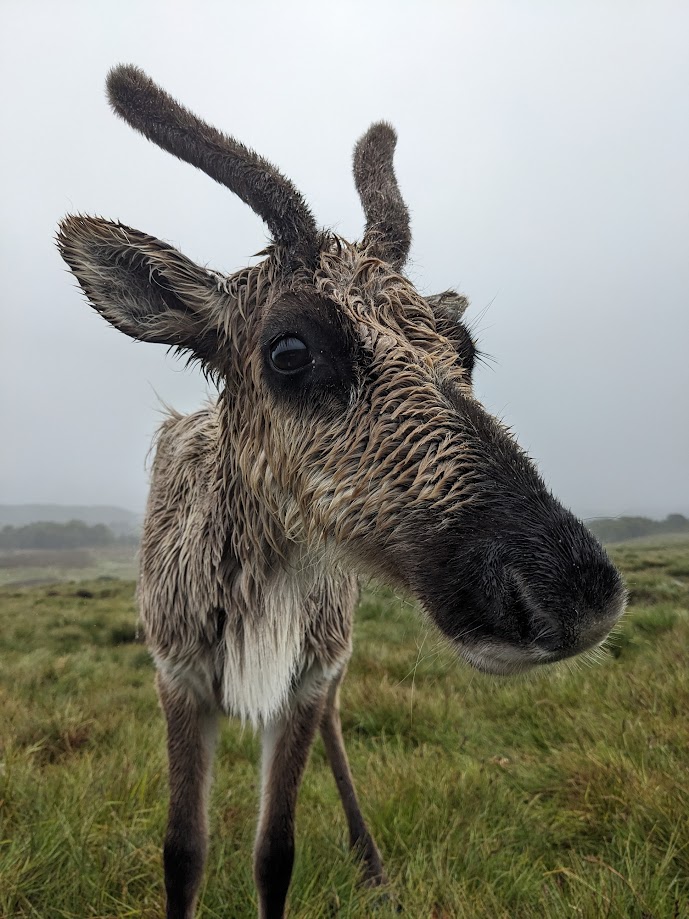
Scruffy reindeer month! Not their most photogenic season but a wonderful time of year nonetheless. The cows and calves left the enclosure to free range in the mountains and the males in our enclosure are looking super with lovely velvet antlers.




Ruth
I was over at the hill farm recently helping to feed our bulls and was pleased to see how good yearling Zoom was looking. And that reminded me that I’d promised Ruth I would write a blog telling the story of when we found him last year.
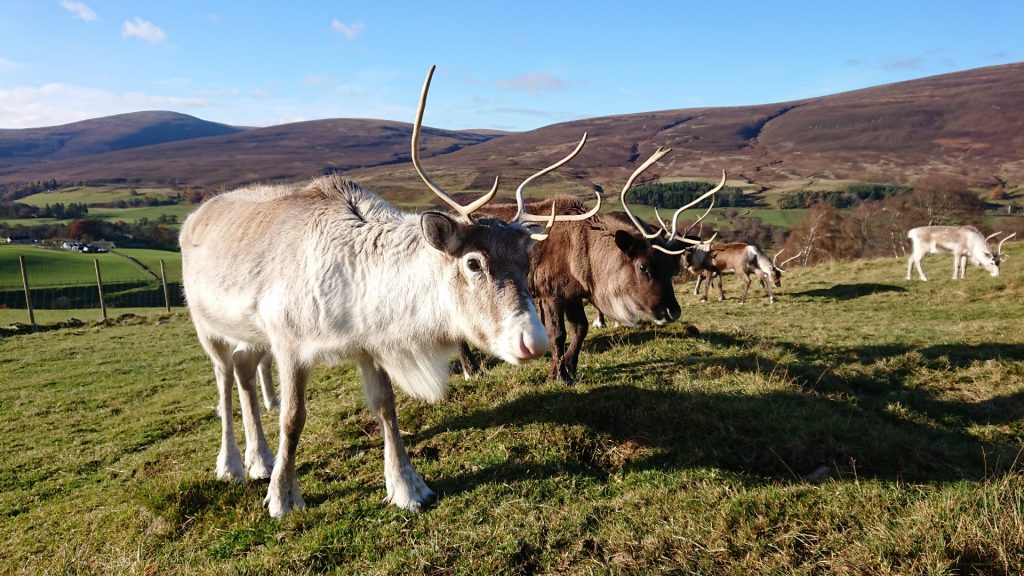
Zoom was born on the 8th May 2022 to mum Angua, one of the shier members of the herd. He had white face markings, like dad Spartan, and in fact was almost identical to full sister Chickpea. After a couple of weeks bonding with Angua in the enclosure, the pair of them headed to the high tops of the mountains for summer.
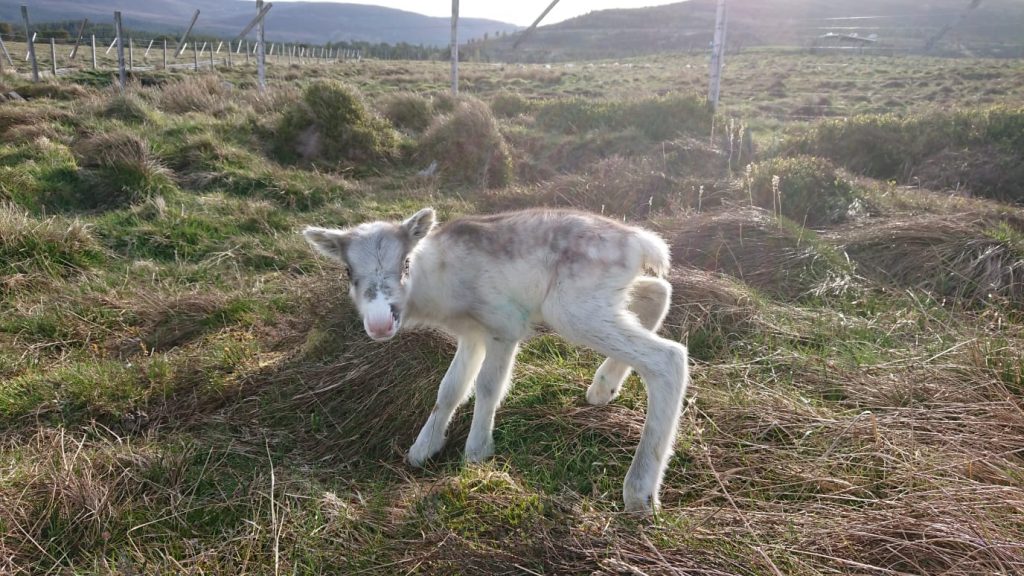
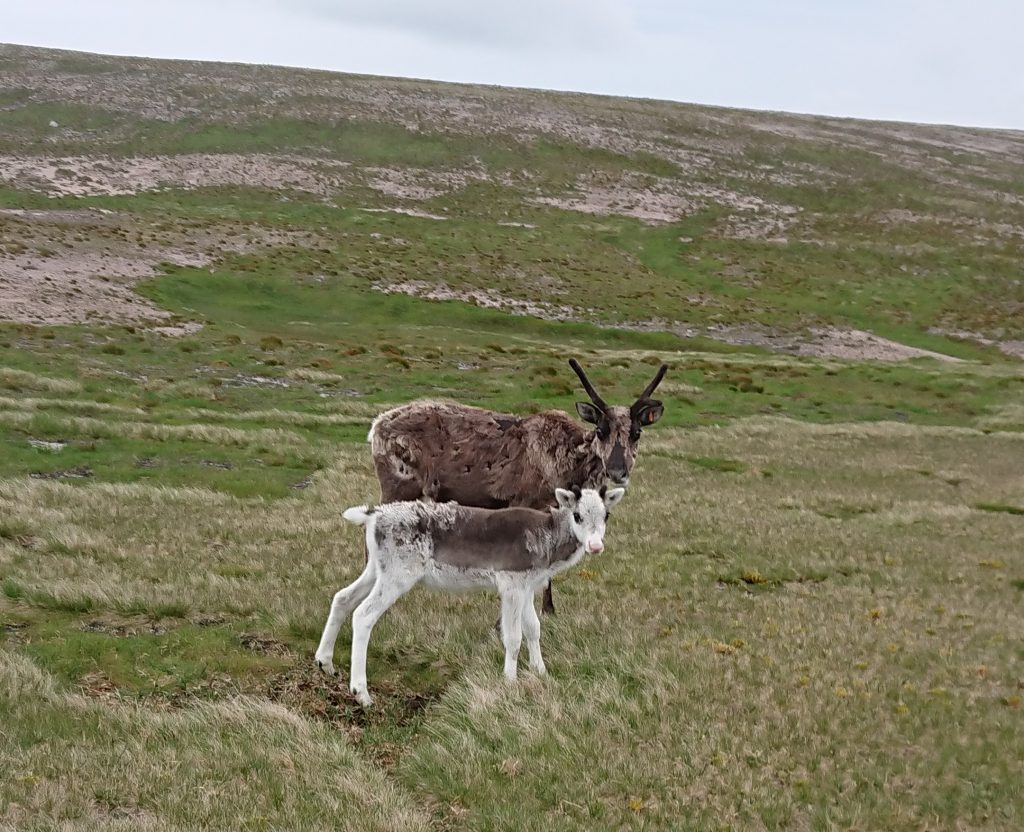
We get out as often as possible over the warmer months to check on the cows and calves, but inevitably the weather and other factors sometimes get in the way of this, and as the reindeer move around a lot too we can go for weeks or months without seeing a particular individual. I saw Angua and her calf high on the mountains in mid-July – both looking very scruffy as they were moulting out their winter coat, but otherwise looking grand.
As the autumn came round, cows and calves started returning to the hill enclosure, and we went out to different areas too to fetch back some who had wandered too far. Whilst we don’t worry too much about not seeing a reindeer for a few months, by late September, the main stand out reindeer we hadn’t seen were Angua, her calf (now newly christened Zoom) and also her 2-year-old daughter Chickpea.
October rolled round and we were rushed off our feet preparing for the Adopter’s Weekend, celebrating our 70th anniversary. Typically, it was on the Friday, the day before the weekend, when we received a phone call from a hill walker, Richard, letting us know that his group had met a lone reindeer, and it had started following them. Reindeer are a herd animal so it is unusual to find one alone, and as we knew there were very few out on the mountains, Lotti and I scrambled to head out and try to catch them. We loaded up two of our steady Christmas reindeer, Olympic and Clouseau, from the Paddocks and drove the 35 minutes or so to the walkers’ car park nearest to Richard’s location. He called to update us that he had been up near the summit but had turned round to escort the reindeer back down to meet us – “Please hurry!”.
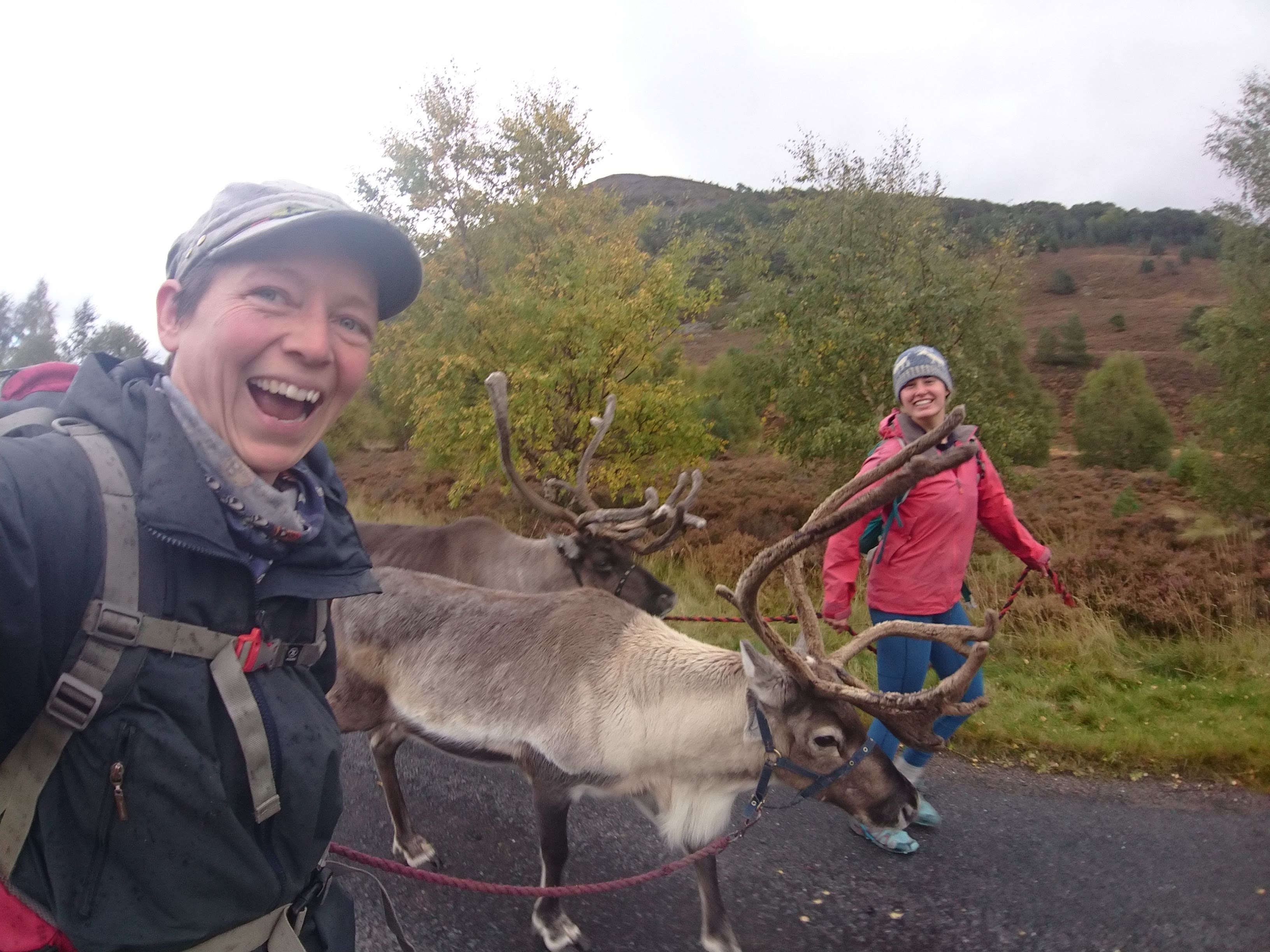
Olympic and Clouseau were delighted to be out on an adventure and we hurriedly popped their headcollars on, unloaded them and set off up the path through the forest. As we walked we debated which reindeer it could be. Richard hadn’t been able to spot an eartag, which suggested it may be a calf, but a calf was unlikely to have had enough exposure to humans to choose to follow one… We wondered how we would go about catching them too. The idea behind bringing along two tame lads was that even a shy reindeer was likely to want to come up and join other reindeer if alone, and this would hopefully give us a chance to get hold of them – sometimes this involves reaching beneath the tame reindeer’s belly to get hold of a leg, then holding on until your colleague can pop on a headcollar – not the way we’d prefer to do things but sometimes the only option. But if the lone reindeer was very wild it would be hard to get that close…
Much sooner than anticipated, we spied movement ahead, and all of our assumptions were blown out of the water. Not only was the lone reindeer in question indeed a calf, Richard was hurrying down the path literally with his arm over their neck, hand gently guiding on their shoulder. For a species that tends not to like contact, and for a calf that was basically unhandled, this was incredible! No need to worry about how we were going to catch them! We could immediately see from the white face markings and size that this was Angua’s calf, Zoom – rather scrawny and a little underweight, but otherwise looking healthy. It was a simple matter to pop a headcollar on Zoom (for the first time in his life) and after thanking Richard profusely, we headed our separate ways – us back down the track with our extra reindeer, and Richard back up the mountain.
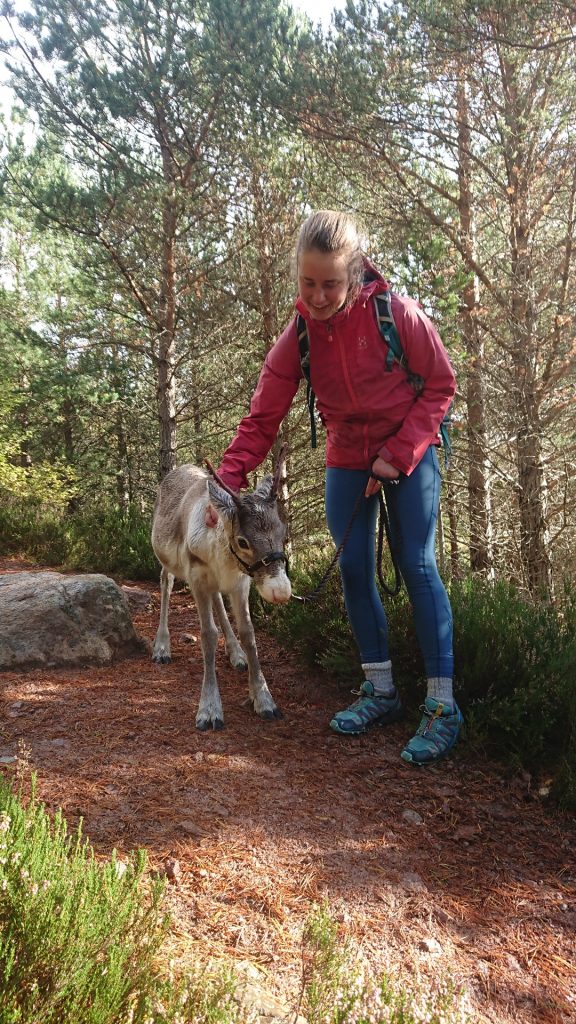
Reindeer usually protest a little the first time they are on a headcollar, but wee Zoom just seemed relieved to have found some friends, and Lotti & I had an easy walk back to the truck, still both astounded at the turn of circumstance. We arrived back at the Centre before the end of the day and Zoom quickly looked at home. Any adopters who visited us that weekend might have seen him, already friendly and confident. He buddied up with Sunny, who had been orphaned and hand-reared, and was often closely following Clouseau, latching onto him perhaps because he was the first reindeer he’d seen after being all alone. We joked about how Clouseau had got a calf of his own (despite being a castrate!).
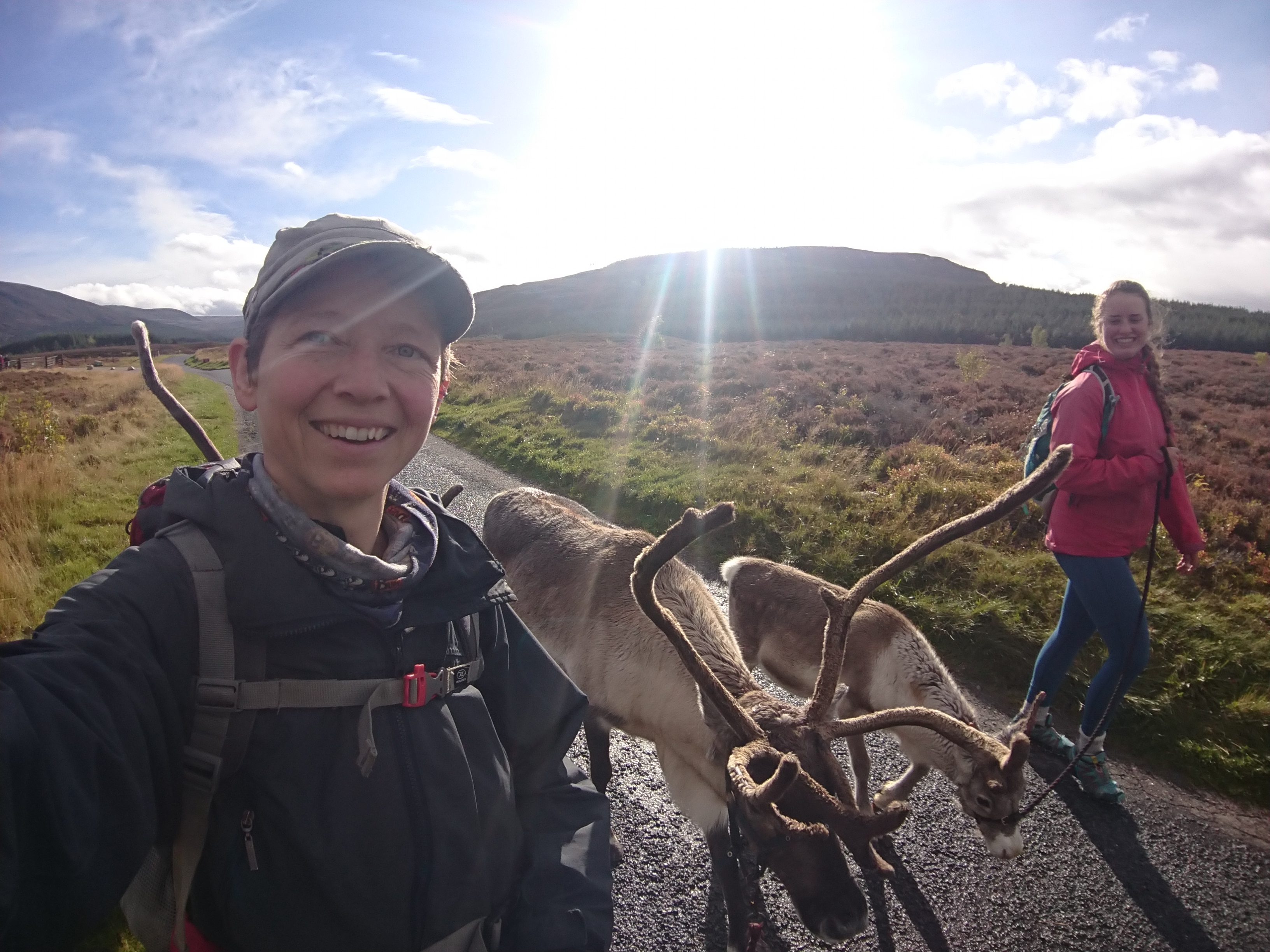
Sadly we never saw Angua again, and the probable explanation is that she must have died at some point in the autumn, leaving poor Zoom to wander on his own. But animals are resourceful and he did exactly the right thing – putting his trust in the right kind human – thankfully Richard was good enough to get in touch with us and go out of his way to get Zoom down – we still talk of the special “Richard Ruffle” that he used to guide Zoom at his side.
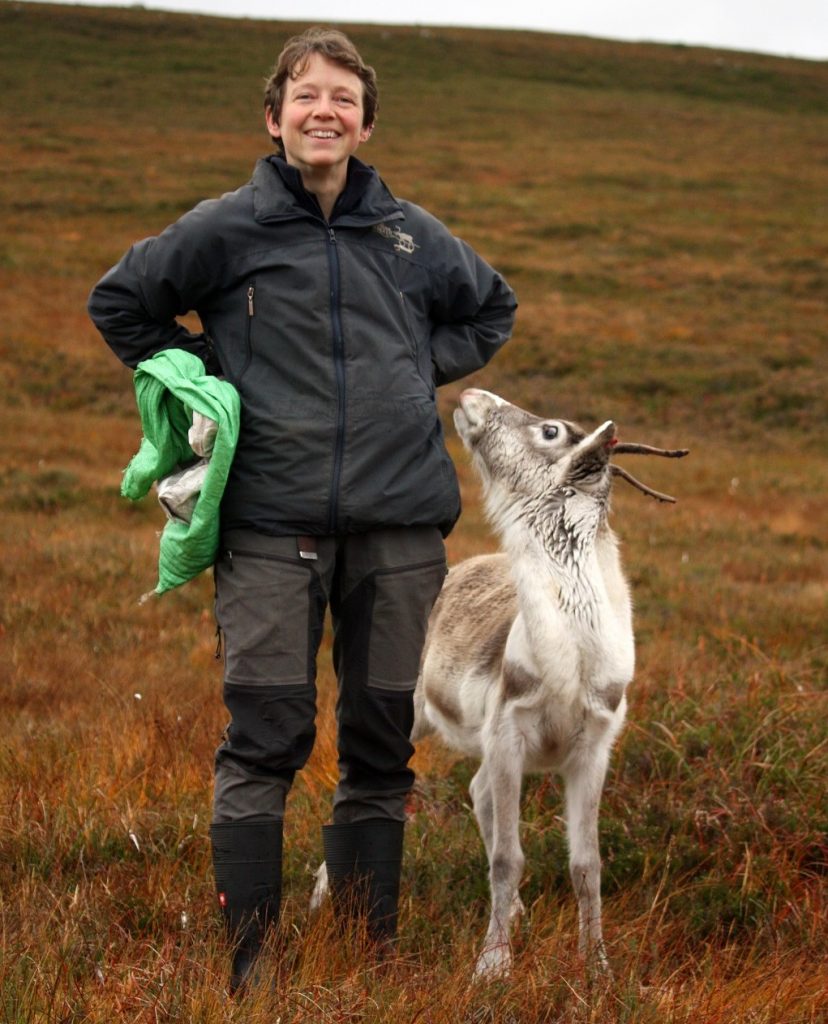
The other good news was that Zoom’s sister Chickpea made it home too, though it wasn’t for several months. There was the occasional report, and even a photo of her, at the far extent of the reindeer range, but every time we went out searching, there was no sign. Then in February, when we called in the free-ranging herd for breakfast, there she was – she’d found her own way back. She had clearly been unwell at some point – her coat was scruffy and she’d already cast her antlers – but she was otherwise her normal cheeky self.
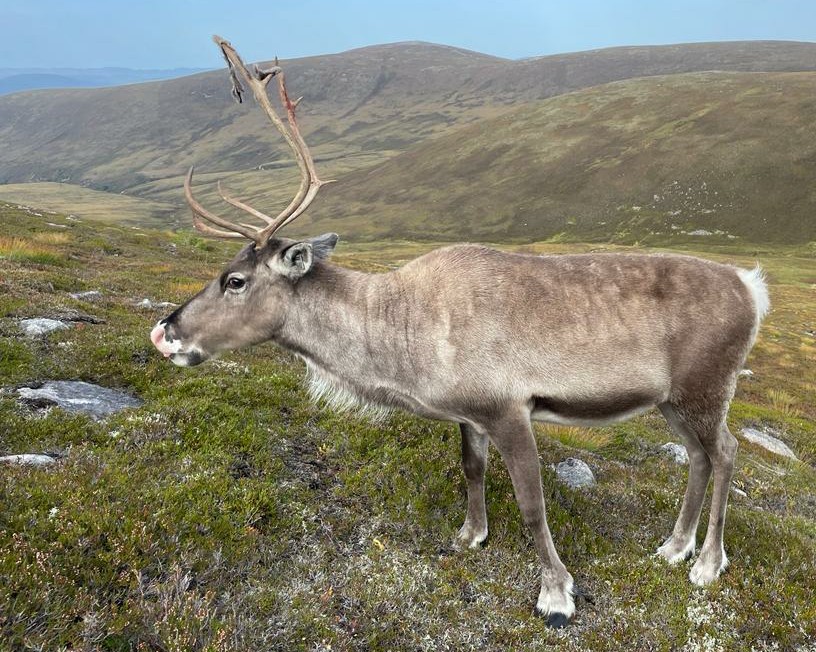
2023 has been a much better year for both of them, and Zoom and Chickpea are looking fantastic.
Andi
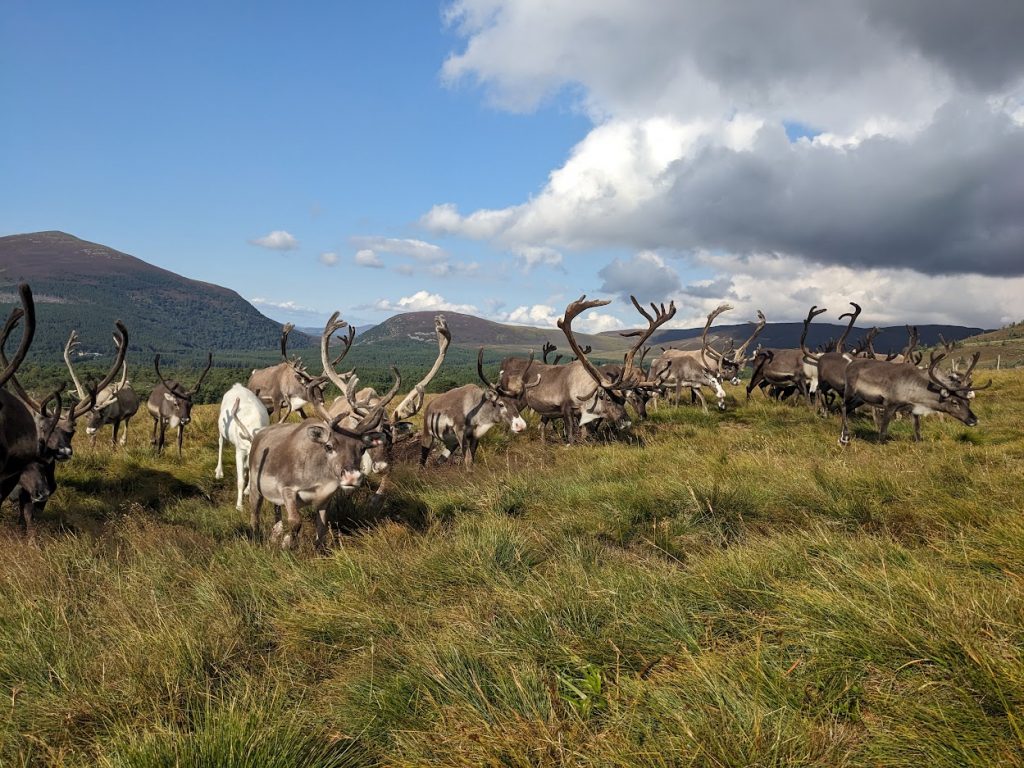
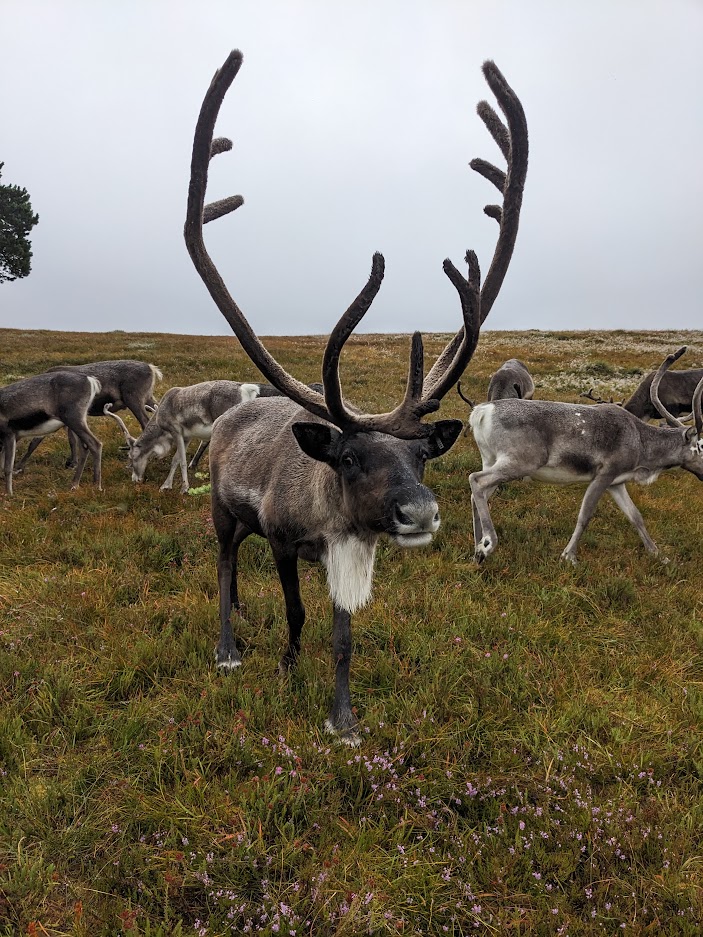
Reindeer identification is definitely one of the most challenging aspects of the work here at the Reindeer Centre. Of course there are a few individual reindeer that are very distinctive and easy to spot like Sherlock with those enormous antlers and Dr Suess with his with white nose. I’m also pretty confident telling apart the two white yearling males (99 and Mr Whippy) as long as they’re not too far away!
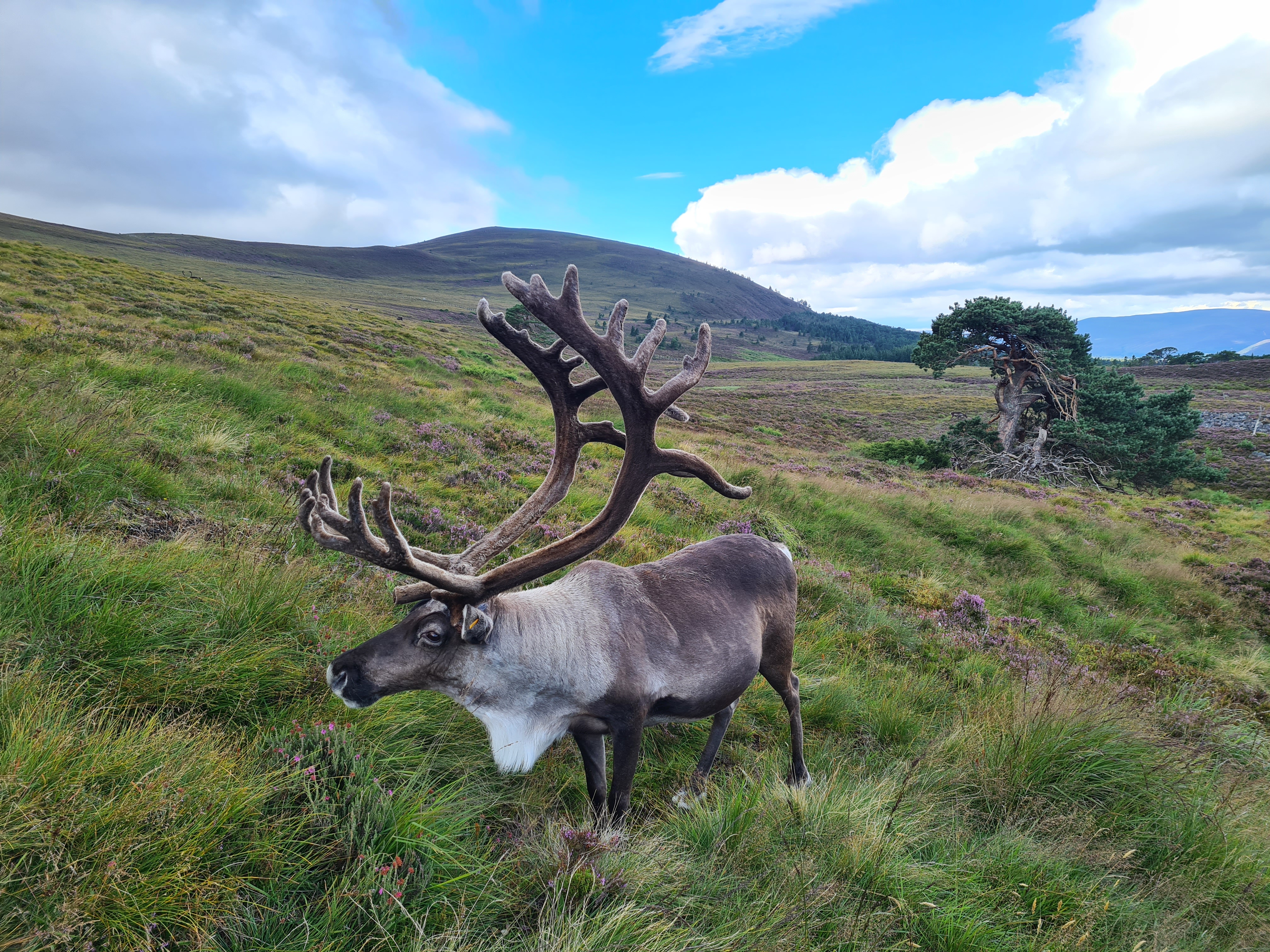
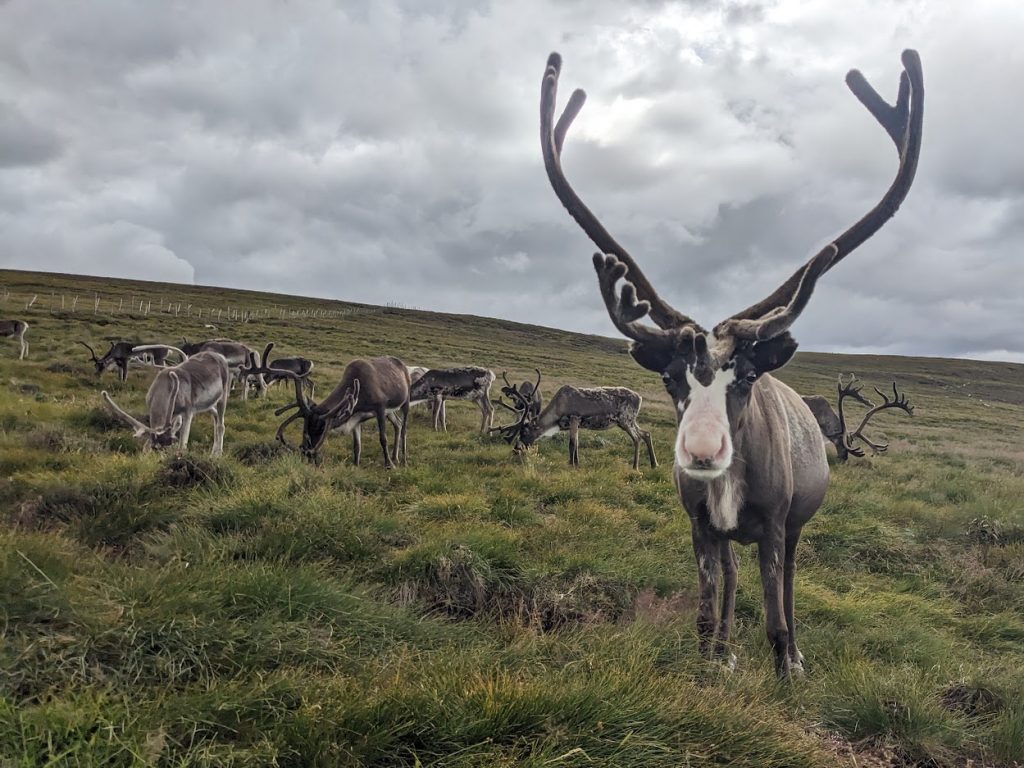
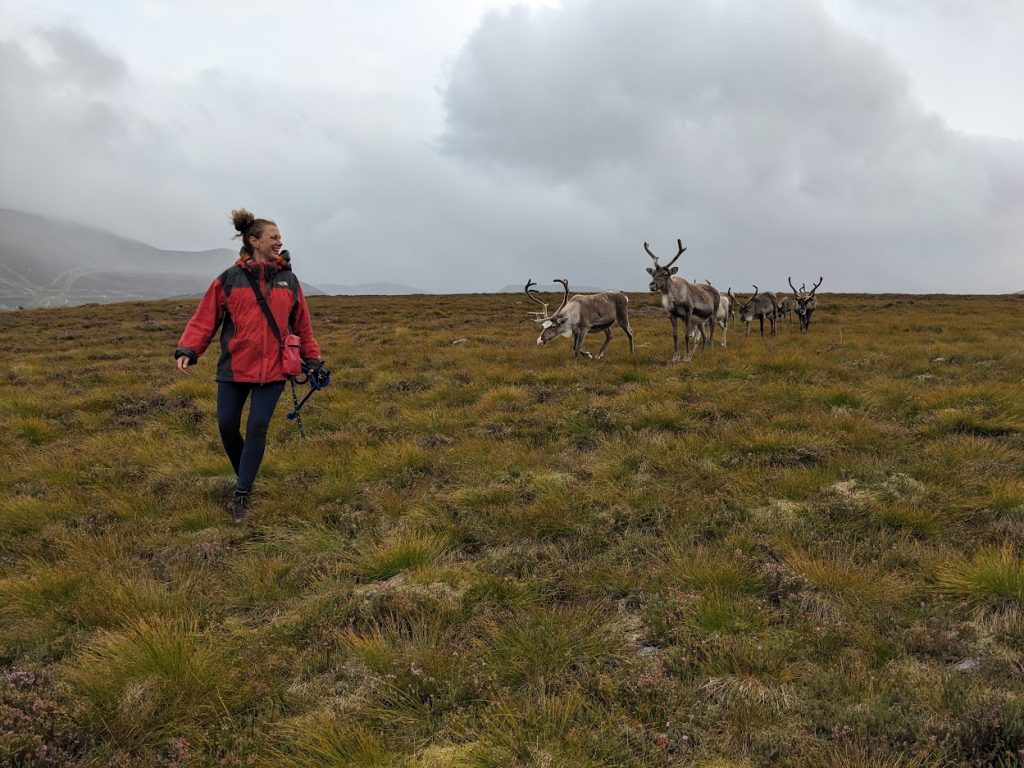
I’ve been taking as many opportunities as I can to try to get to know who’s who for the less obvious members of the herd. During the summer months while I’m here, the hill enclosure is home to a lovely smaller herd made up of some of the bulls. It’s a good time to try to learn a few reindeer while they’re part of a smaller group and I can see them most days.
The ear tags on the reindeer are colour coded depending on the year they are born, for example last years calves all have red ear tags (I was lucky enough to be volunteering the day they were tagged!). As a rule, I tend to look for any distinguishing features first like coat colour, markings, antler shape and size, and body size. After that, I’ll try to spot what colour the ear tag is. Some of the older reindeer are easier because there are fewer to choose from with that year’s colour ear tag.
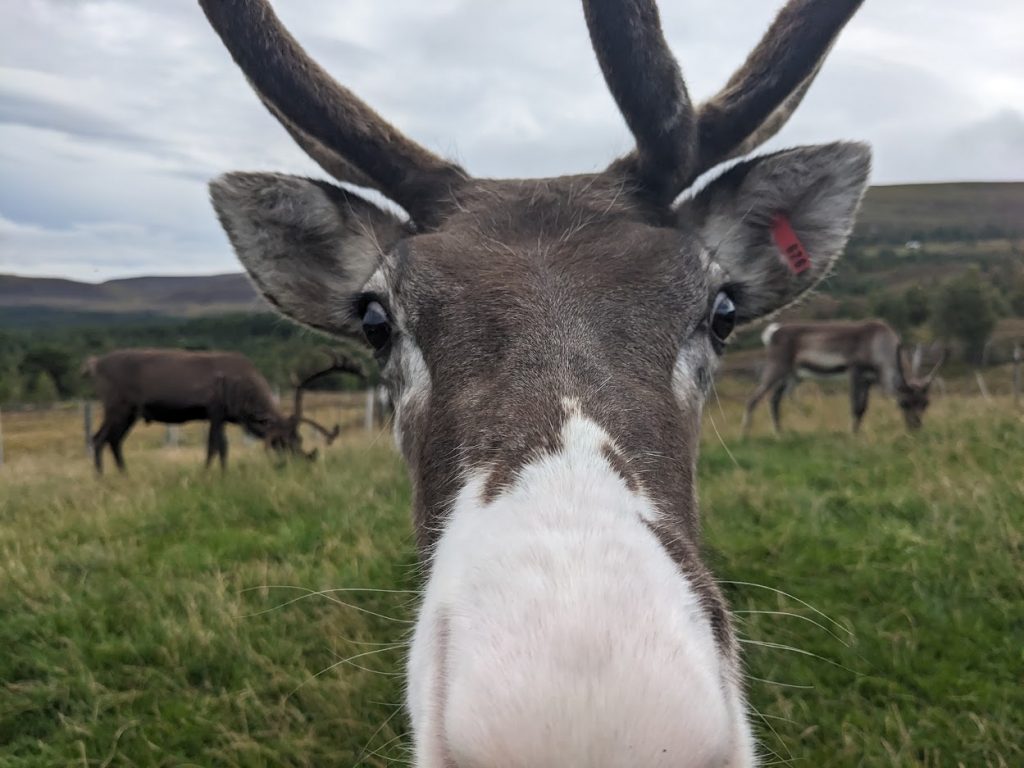
As well as the more obvious physical features, its been really helpful to speak to the other herders to get hints and tips on how they remember who’s who. For example, Sheena pointed out that Poirot’s antlers come out straight from his forehead like two fingers or the number “11” and his number is “211”. Isla told me how she remembers Arta’s name because the pattern on his nose looks like artwork and Mollie told me that Cicero has the biggest of the silvery coloured antlers.
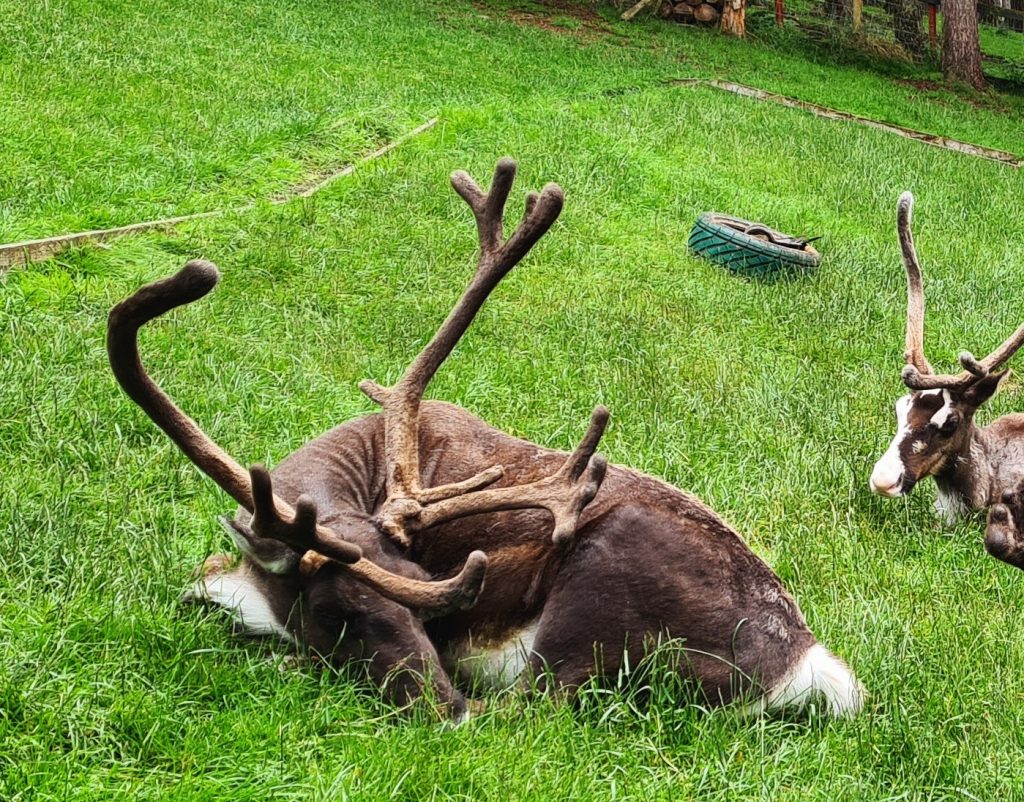
This week I learned that Merida, Dr. Suess’ mum, also has a lovely white face and I was able to spot my personal favourite, Beanie, thanks to her lovely speckly nose and the fact that she was with a group of two cows with their calves.
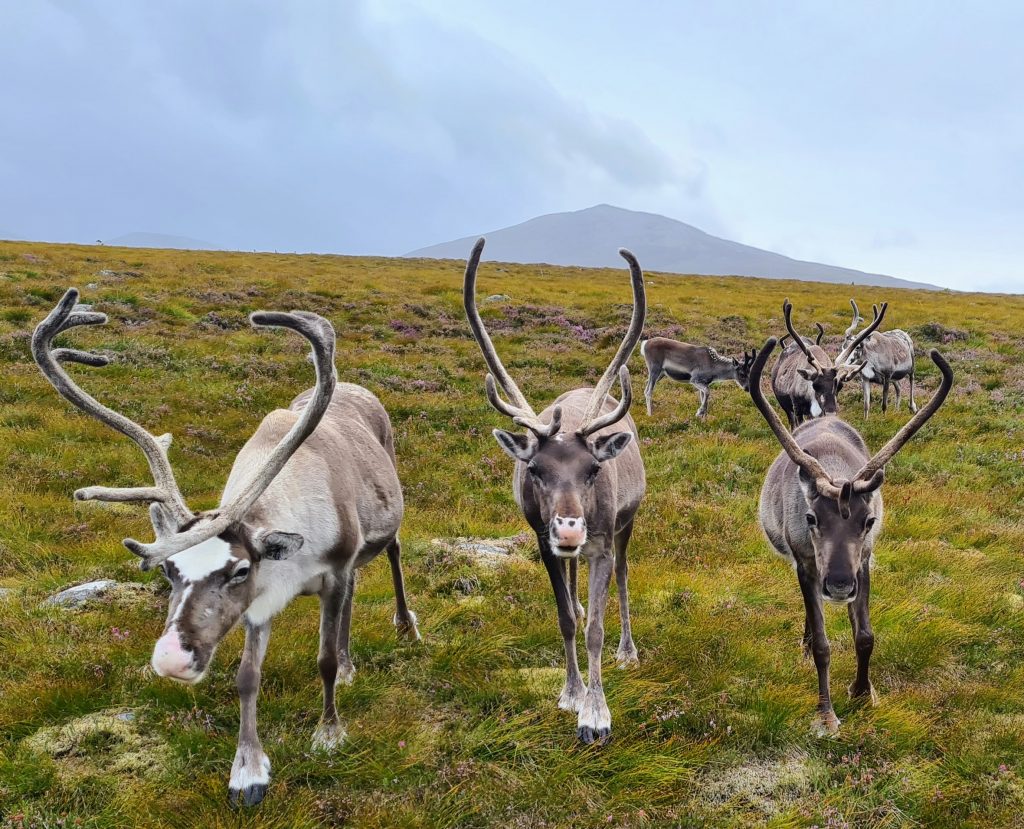
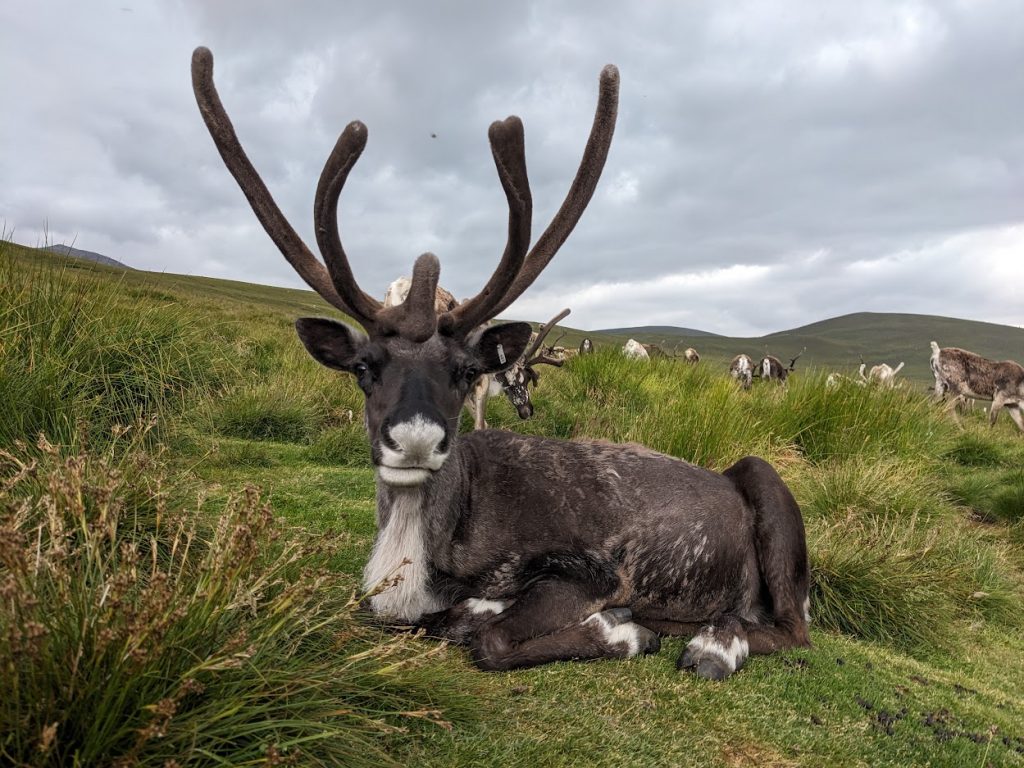
However, often, just when I get the hang of this ID game, things start to change. The boys summer coats don’t really last more that a few weeks it seems so no sooner was I was feeling very confident identifying Lupin and Kernel with their beautiful dark summer coats they’re both already growing their winter coats! We’re also bringing some of the girls into the enclosure which is adding ever more complexity to the task. My ID skills are definitely a work in progress and I’m loving taking every opportunity to watch the herd and learn who everybody is.
Fran