Boomerang reindeer

After all summer wandering out on the free range, the females come back to the enclosure and we check them and separate who we need for the rut and who can go back out. This year, three of the girls going back out were Sambar, Okapi, and Cailin. They have been known to return occasionally, and this is the story of one time where the toublesome trio turned up almost daily and would be outside the enclosure and need to be pushed out..

Take 1: 30th September 12:30pm ish

Morna and I had just finished the hill trip and were checking the reindeer in the other enclosures, where there were bulls and cows.

“Silver mount – fine, top corridor – fine, bottom corridor – three extra?”

Okapi, Sambar, and Cailin had waited outside the gate used their big brown eyes and fluttered their eyelashes to trick an unsuspecting visitor to let them in, much to Bandy’s delight. We separated them and pushed them back out on the hill.

2
Bandy and his herd of girls

Take 2: 3rd October  08:20am

Hen, Andi, and myself  checked the roads in the morning as we always do, and found Okapi and Cailin standing at the side of the road staring down in to the enclosure like a golden eagle on a levrit, scheming.  Sambar was found the day before alone outside the enclosure and so we took her in until we could find her some company out on the free range. Maybe they were scheming, taking turns going in to the enclosure a day at a time! So we lead the two girls into the enclosure, reunited them with Sambar, and once again pushed them out.

3
Okapi looking moody in the mist

Take 3: 4th October 16:3pm

RTC (reindeer traffic control) were called out as the troublesome trio were causing a blockage on the Cairngorm road. Morna and I headed out to move them, and after a small discussion of the question we seem to be asking a lot recently “take them up or down?”, we moved them up on to windy-ridge. There was a glimmer of hope as they walked over the summit, that they were finally heading into the hills.
4
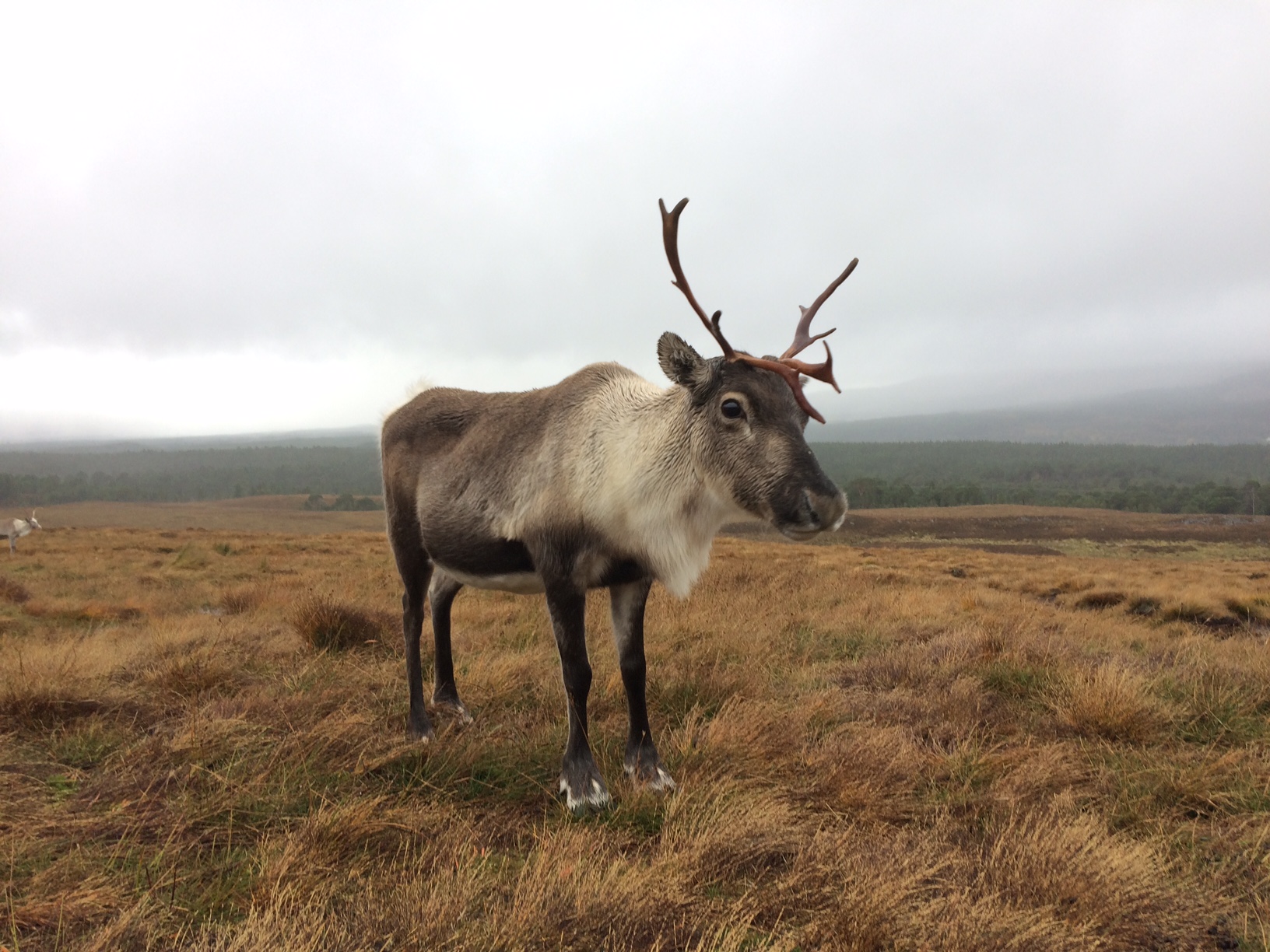
Sambar, happy to be back?

Take 4: 5th October 08:10am

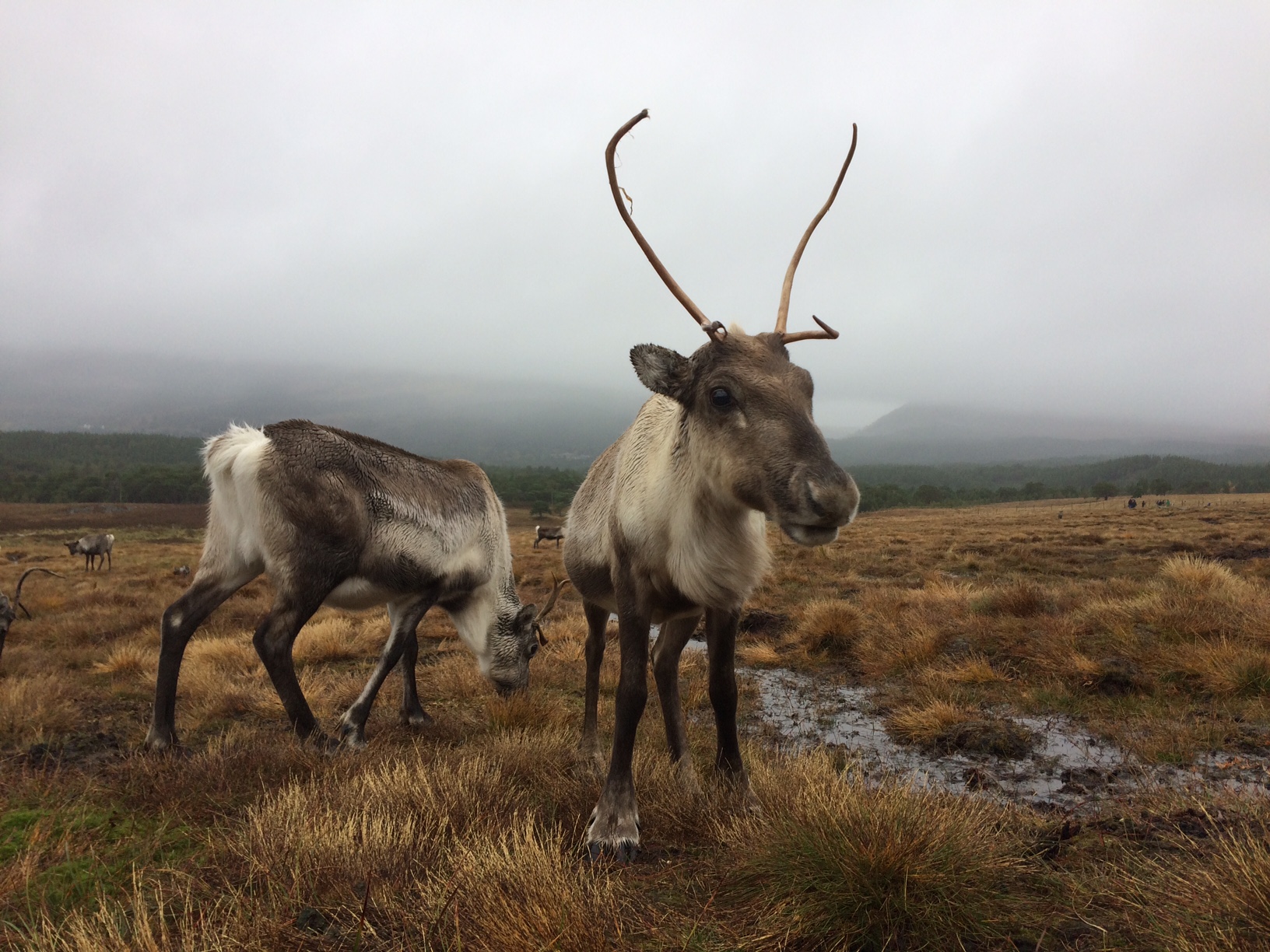
The three girls are once again found below Cairngorm road and I volunteered to take them out to ‘the flats’ (that is the plateau area below the northern corries) and I was determined to take them out where they wouldn’t come back. I had a bucket of feed, wellies and flat cap, but unfortunately no gloves, which I soon regretted as my hands felt as if they were being pierced by shards of dry ice. We walked through a glen, over a river, dodged the bogs (which are always deeper than your wellies). Eventually I stumbled onto a deer track that was poached with Roe deer, Red deer, and now Reindeer tracks. We eventually stopped at the base of Lurcher’s crag, I scanned my surroundings to see if there was a road, footpaths or anything else nearby where the reindeer could be a nuisance. But we were enclosed by the over-towering hills. I gave them some feed and after a one-to-one with them about why they should head in to the hills, I headed back.
5
A good shot of Cailin, with her characteristic hair tuft between her antlers!

“I hope that’s the last I see of them for a while”, I thought to myself as I left…… but I doubt it!

Olly

How does Svalbard get his name?

Each year all the calves are named in September after spending the first four months of their lives free-ranging in the Cairngorms. Every year we select a theme to name the calves by. In 2011 the theme was “Games and Past Times”; as a result we have Scrabble, Rubiks, Rummy, Origami, Monopoly, Puzzle and Jenga amongst others.

However, as with any rule there is always an exception and Svalbard, also born in 2011, is the odd one out for that year!

Svalbard is currently in our Hill Enclosure here in the Cairngorms and, because of his large white nose (not to mention his fondness for food), he often stands out leading visitors on our Hill Trips to ask what his name is. This has prompted me to answer the question, why is Svalbard, called Svalbard?!

 To fully answer I’m going to first take us to the Arctic Ocean and the archipelago of Svalbard itself…

1
You talkin’ about me?!

The Svalbard archipelago of Norway is found in the Arctic Ocean north of mainland Europe, approximately halfway between Norway and the North Pole.

Svalbard is an incredibly wild place with a land area of 61,022 km2 and a human population of only around 2700 (for comparison Scotland’s land area is 77,933 km2). Approximately 60% of the archipelago is covered with glaciers! The islands are home to only a few species of mammal which include polar bear, Arctic fox and its own subspecies of reindeer, called the Svalbard reindeer (Rangifer tarandus platyrhynchus).

2.png
Svalbard is located in the Arctic Ocean. Map from Wikipedia.

The Svalbard reindeer has inhabited this harsh wilderness, and has been geographically isolated from other reindeer for over 5000 years. As a result they have become very well adapted to the particular landscape and roam on nearly all non-glaciated areas of the archipelago. The Svalbard reindeer wins the award for being the most northerly living herbivore mammal in the world!

3
A wild Svalbard landscape. Photo from Wikipedia.

The Svalbard reindeer is the smallest subspecies of all reindeer and caribou. Bulls average 65-90kg in weight, and cows between 53-70kg compared with our Cairngorm reindeer where bulls can weigh 150kg. Svalbard reindeer are very distinctive for having short faces and short legs, making them appear ‘dumpy’. They also have a very think, long winter coat. The long coat also contributes to their short-legged appearance and even starved individuals can appear fat in the winter!

4.jpg
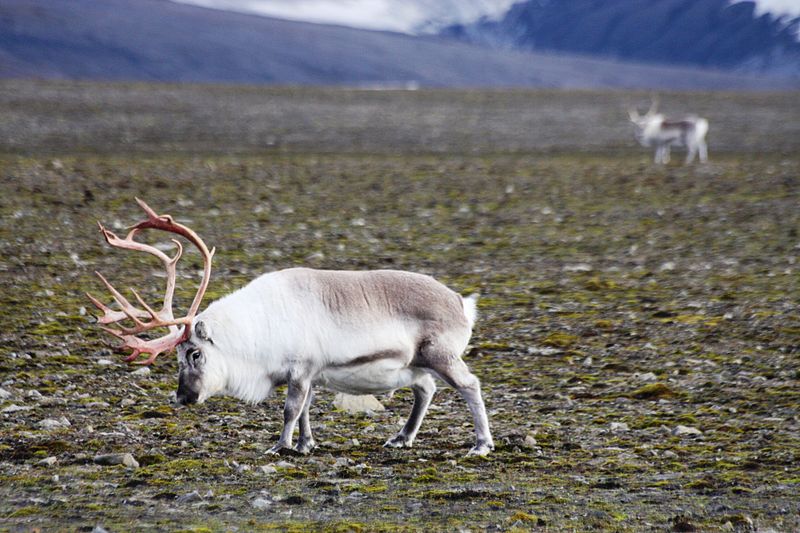
A Svalbard bull with tiny legs! Photo from Wikipedia.

Svalbard reindeer may make short altitudinal movements, or slightly longer inter-island journeys across the sea ice but they are mostly sedentary and therefore have low energy demands. The lack of migration could be a reason why they have evolved short legs, also helping them have conserve heat with a smaller surface area.

However, don’t let their short legs deceive you! They can reach speeds of up to 60 km an hour on a good running surface, giving them the ability to out run a polar bear, the only predator they face on Svalbard (apart from man).

Unlike the majority of Reindeer on the Norwegian mainland the Svalbard Reindeer have not been domesticated, and also do not live in large herds but tend to be solitary or stay in small groups.

5.jpg
Svalbard reindeer, with proportionally shorter legs. Photo from Wikipedia.
6.jpg
Not sure what our Scottish lassies would make of these fellas! Photo from Wikipedia.

I’m digressing, so back to our Scottish Svalbard…

7.jpg
Back to me… finally!

Svalbard was born on the free-range in May 2011 to Arnish, as a result his exact birthday is unknown. Arnish and young Svalbard were not seen between July and October that year, until Svalbard turned up by himself  in October at the Hill Enclosure, without his mother, who was sadly not seen again.

When this orphaned calf turned up, he was given a name according to the theme for that year. But the herders at the time kept commenting on how dumpy and short-legged he was; as a result he was quickly nick-named “the Svalbard reindeer”. Before too long, the name stuck and he’s been Svalbard ever since! Thankfully for him, he lost his stocky proportions and we now have a handsome reindeer with a big personally!

This whole blog was basically an excuse to show some cute photographs of a young Svalbard (and to research a future holiday destination!) so here come the pictures…

8.jpg
Svalbard with his mother, Arnish (who never grew antlers). Looks like he’s got pretty long legs here!
9.jpg
Svalbard – perhaps I can see the short legs here?
10.jpg
Svalbard in his gangly teenage phase?
11.jpg
Svalbard as a young bull in 2013 with his obvious white nose.


Ruth


Why the reindeer loves its mushrooms

For those of you who forage, or for those of you who are naturalists, or even for those of you who aren’t, you’ll know that now is the time for mushrooms. The reindeer know this too, and they have long clocked into the secret of where the best places are, and at this time of year they can be found down in the woods, where all the best mushrooms grow.

img-20170815-wa0000.jpg
Spotted you!

Reindeer can eat mushrooms that are poisonous to us, and will even seek them out. They have a trick to this that is shared by many other ruminants – having four stomachs and a specialised form of digestion.

Reindeer digestion works as follows:

  • The reindeer eats a lot of food very quickly and stores it in its first stomach.
  • The reindeer brings the eaten food back up to its mouth and chews it (chewing the cud) then swallows it into stomach number 2. Stomach number 2 contains many microorganisms which can break down the plant material in a way in which us mammals can’t.
  • The reindeer brings the food back up into the mouth and chews it a third time. Now the food is mixed with microorganisms and the reindeer chews them all up too. Yummy. The food is then swallowed into stomach 3.
  • Stomach number 3 absorbs all the water from the food and passes it onto stomach number 4, which is similar to our stomach and contains lots of acid to break the food down further.
  • Food passes into the intestines and all the goodness from the food and the chewed microorganisms is absorbed.
Anatomy_and_physiology_of_animals_The_rumen.jpg
The complicated stomach of a reindeer, with four stomachs. The rumen, the largest of the four, contains the microorganisms which break down food for the reindeer. Diagram from Wikipedia.

This incredible process means that the microorganisms living in the stomach deal with all the mushroom poisons, and the reindeer gets off scot free. It also means that reindeer can live off of lichen over the winter, when no other food is available, giving them a big advantage over other animals.

IMG_20170908_164050209.jpg
A carpet of lichen provides a tasty snack for a mother and calf, all thanks to fantastic digestion abilities.

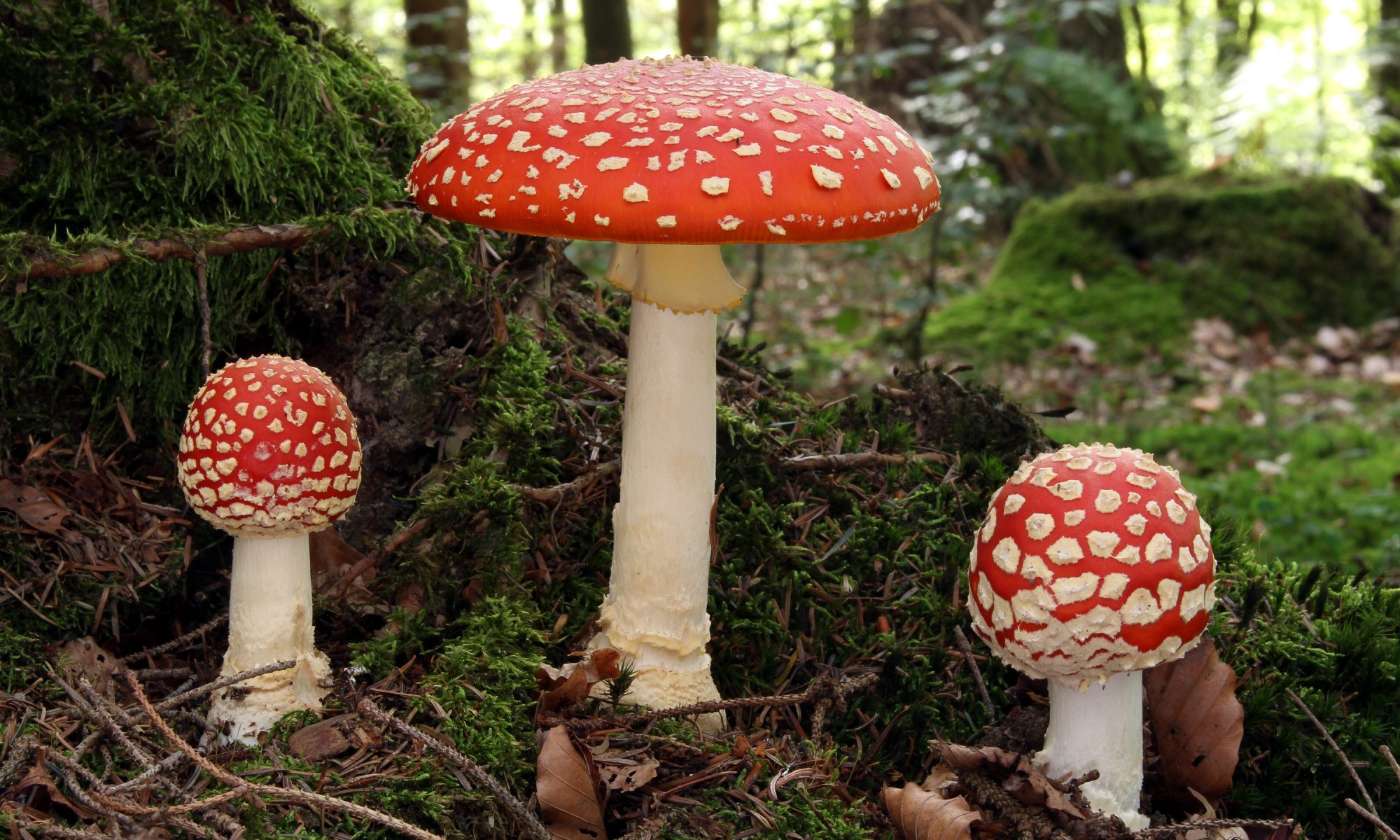
So with the poisons all gone, the reindeer is free to enjoy the mushroom (and any of its other properties!). One of their favourites is the Fly Agaric, the traditional ‘Christmas mushroom’, with its red cap and white spots, and hallucinogenic chemicals. This we believe is sometimes the culprit for any missing reindeer that we find later on in the day, sleeping soundly beside a pile of chewed stems!

fly2.JPG
A beautiful arrangement of Fly Agarics. Photo from Wikipedia.
IMG_20170523_103606609_HDR
Hmmm..

Morna

All Silent On The Hill

All silent on the hill – just the wind, maybe a raven overhead. Then, in amongst the herd, surrounded by soft clicking as the reindeer move around us. Easy to stand with eyes closed and hear how they move, where they are, feeling a timeless sense of ‘reindeer-ness’ that stretches way over the northern lands. Imagining the clicking in a white-out in the winter, wind howling but always hearing where each other are. It’s a reassuring herd message, effortless on the reindeer’s part and made by their hooves.

One of the herd here is leucistic – a white coloured reindeer named Blue (born in a cheese-themed naming year). Blue is also deaf, so doesn’t hear the clicking. One day I saw Blue wandering off alone, and wondered how the herd relates to him, a herd member who doesn’t respond to the kind of reindeer body language and communication that is shared by the clicking. Like, if there’s the need to run, Blue may not hear how the clicking speeds up around him. It’s not a problem here – there’s no danger to run from, and the herd live out their lives to the full and any unusual behaviour is noticed straight away.

blue
How does Blue think?

The path up to the herd goes over the Utsi bridge – named after Mikel Utsi, the Sami reindeer herder who introduced and established the first herd here back in the 1950s. Before then, the Cairngorms hadn’t seen reindeer for perhaps 1000 years, and way before then, it would have been in the Ice Age climates that the reindeer really thrived across the land. Mikel Utsi died in 1979 and the bridge was rebuilt at that time and named after him. His name is carved into a large granite boulder by the bridge and we pass this boulder many times each day. For me it’s a very special thing – this boulder probably came here with the glaciers as the landscape was formed, and there’s an odd sense of completeness with the Ice Age, the boulder, Mikel Utsi and the reindeer.

Why did I come here? – well, I wanted to understand reindeer better by being around them and amongst them. I’ve had a long term passion with Ice Age cave paintings and carvings, and have dealt with antler (mainly from Scottish red deer) as part of what I do. I work as Leaf Trading Post, supplying antler and prehistoric materials to flint knappers, museums and the like. I also work as Helen Leaf Designs, which is where I create beautiful things inspired by nature and prehistory. I work with antler, wood, silver and bronze. I’m interested in the traditional carving of Inuit and Maori peoples, but I try to work in a way that’s true to myself rather than just copy another culture.

I love working with antler of all kinds, but reindeer antler is special as it ties me in to the prehistoric images that inspire me so much. I’ve learnt so much about reindeer in my week here – kind of like reconnecting with my own Ice Age self. So now, when I carve a reindeer into antler, I understand more of the face, the antlers, the muzzle, and the lines of colour and shape. I can also recall the feel of their fur, the soft calling between mother and calf, and yes, the clicking of the hooves as the herd passes.

Helen

A Recovery Mission

Whilst many of our visitors come and meet some of our reindeer, mostly the males, in our hill enclosure, it’s great to remember that our herd all get to free-range for part of the year. The males, who are a little lazy at times and can’t be relied on to actually go and ‘be’ reindeer, rather than hanging out on the car parks, do most of their free-ranging on  mountains over on the Glenlivet Estate (which are a little more isolated) over the winter months – December-May. The females, however, are out and about for most of the year on the Cairngorms. Their range is vast, with our leased land covering thousands of acres on the high ground.

When they reach the boundary though, there is no fence, nothing to stop them, so on occasion a small group of reindeer will wander a little further than they should. Thankfully most of our neighbours are pretty understanding, and we do our best to retrieve any “wanderers” as soon as possible. So it was that Fiona and I set off on a showery morning across to Glen Feshie, where we’d received a report of some of our girls hanging out on one of the hills. Glen Feshie is perhaps eight miles away from the hill enclosure, as the crow flies – a thirty minute drive by road.

image4
The beautiful rolling hills at Glen Feshie

First up, we spied at the hills using a telescope from a good vantage point, and it was only a minute before Fiona spotted a reindeer, then two, then three. Fantastic! It can be like looking for a needle in a haystack at times, so we were off to a good start! We then drove to the car park and set off walking up the track through the woods, an easy trail to follow but all uphill. Fiona has been keeping pretty fit with lots of running recently, whereas I have not, so I was certainly feeling my inferior fitness! We had Tiree with us, Fiona’s dog, who we can use to push the reindeer in the right direction if necessary. She was bouncing around, full of energy and excited about being somewhere new!

It took us about 45 minutes to get clear of the trees, but once we were, we quickly spotted the naughty reindeer just a few hundred metres ahead. They were loving the good grazing and plentiful lichen – no wonder they’d decided it was a good spot to hang out. Time for a plan of action! We left Tiree waiting off to one side, blending perfectly into the hillside, and I skirted round towards the females, shaking a small bag of feed and calling. Three heads shot up in the air, suspicious, but it wasn’t long before one decided I was friend not foe and started making her way over, swiftly followed by the others. Peering at each, we identified them as Fern, Cailin and Clootie. Fiona was close behind me with three headcollars tucked into her jacket, and it was perhaps the easiest time either of us had ever had catching females: offer bag of food, reindeer nose goes in, arm round neck, headcollar on. Within 2 minutes we had our three lassies on headcollars, looking slightly betrayed by their greed! Of course when we got back we told a slightly different tale to the other herders, about how they were only captured due to our extreme skill and herding prowess (which wasn’t believed for a second…).

image3
Fern and Clootie couldn’t quite believe what their greed had done to them
image1
Fiona delighted that we’d been prepared and brought food
DSC_2234
Lunch with a view!

Before starting down, we sat and had a spot of lunch (the reindeer too), admiring the view, then Fiona went on ahead with Tiree back to the car park (reindeer and dogs not being a good mix as they resemble wolves, their natural predator) and I pottered along behind with the reindeer.

DSC_2239

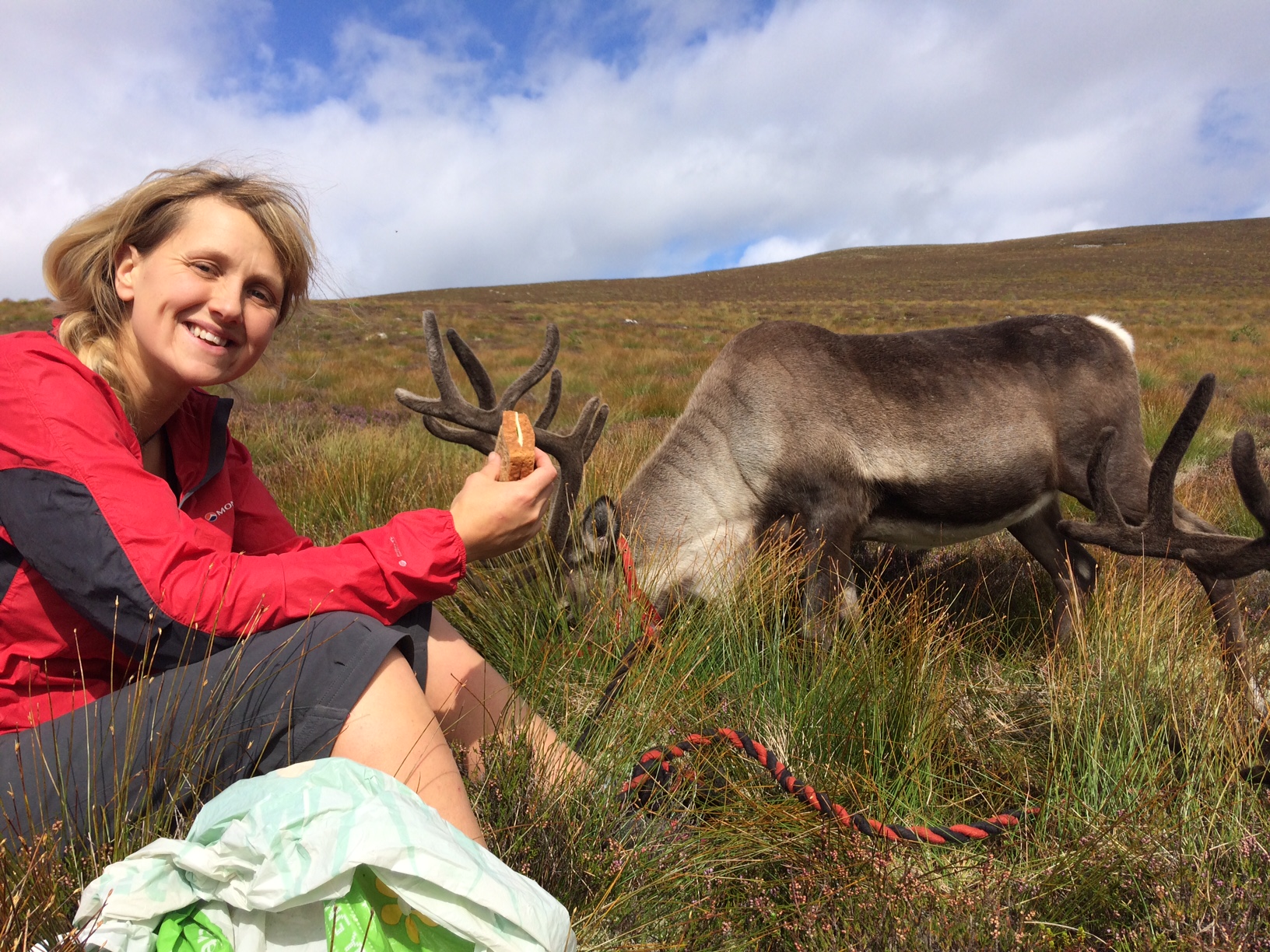
Fiona then ran back up to join me and help with the girls, who didn’t seem too fussed by the unexpected change to their day, and were enjoying all of the mushrooms alongside the track – especially Cailin!

image6
Cailin tucking in to a path-side mushroom

With only one quick detour off the path to avoid a hillwalker with a dog, we soon reached the car park, and about two minutes later Tilly arrived with the cattle truck to transport the reindeer back to the right side of the mountains.

DSC_2241
Retrieved!

Thirty minutes later, we pulled up beside the road, led the girls back out and up to our hill enclosure for the night, where they enjoyed a good feed (hopefully reminding them that it’s a good area to stay near!), before going back out to free range the next day. Hopefully they’ll now stay in the area they are meant to be in!

Andi

A Visitor’s View

Once or twice each day, we take a group of people up the hill to see the reindeer in their natural habitat. Many people cannot believe how friendly and inquisitive (and often greedy!) they are, and it can be wonderful for us to see visitors’ reactions to these wonderful creatures.

Its interesting for us to hear how our visitors percieve the hill trip, and so this week, our blog post comes not from us, but from a blog written by a couple of our visitors. Click on this link to view the post on the ‘Find Yourself Lost’ blog by John and Holly.

The photos capture incredibly well the natural beauty and wildness of the Cairngorms, and we thank John and Holly for their willingness for us to share their post.

Memorable reindeer of the past: Minstrel

Having been brought up with the reindeer I have had numerous favourites during that time, one of which was Minstrel. He was a dark coloured male and born in 1998 into the sweetie and chocolates theme. I was 11 when he was born. I remember when he was just 1-2 years old he became quite unwell but with lots of TLC and extra lichen he pulled through and made a full recovery. I think having spent this time with him getting better I grew a soft spot for him.

He was a very greedy reindeer which meant he was also super tame… especially as he had the extra handling when he was unwell. If he ever got his head in the bag of food it was an absolute mission to get it back out again! When he got to the age of 4 he became a Christmas reindeer and from the moment we trained him to harness and pulling the sleigh he was an absolute pro! For many years we would call on his expertise to help train new Christmas reindeer who were learning the ropes.

Minstrel 2
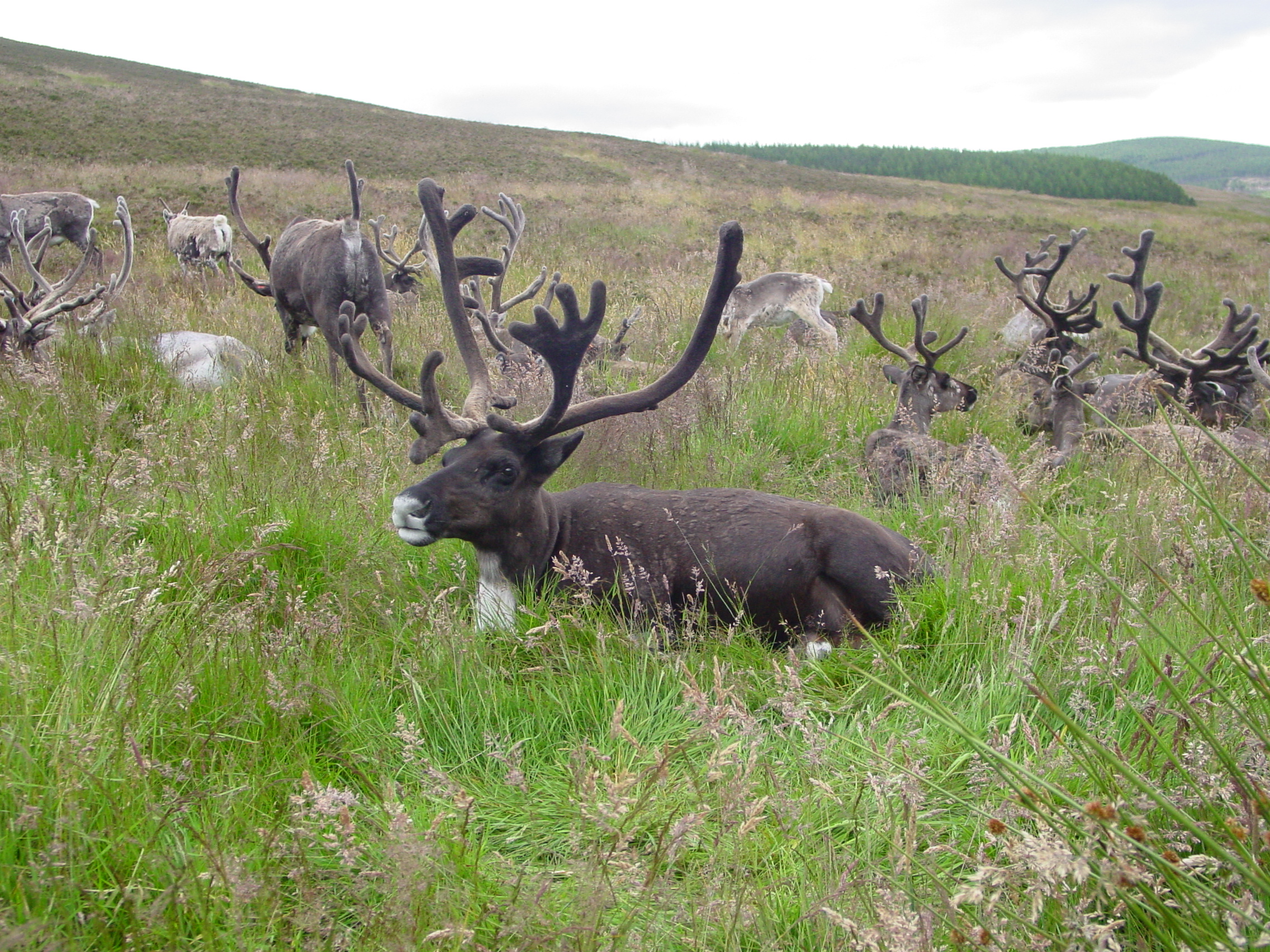
Minstrel taking a wee rest amid the rest of the herd, probably digesting all that food…

Minstrel went from being young to old, there never seemed to be a middle part. So even though he was middle aged for a long time he was always referred to as an ‘old boy’! On Christmas events he would take part in a parade, whether it be pulling the sleigh or walking at the back being the perfect role model, then as soon as the team went into a display pen Minstrel would eat his food (or mainly all the lichen off the top of all the food bowls) then take position right in the middle of the bed of straw for the next couple of hours. He has even been known to completely fall asleep, mid event, out on his side even with a potential snore in there!

Minstrel adopt 09
Look at all the lichen under his feet!

He had a lovely nature and lived to a good age. He would eat anything offered to him, even a banana flapjack as someone once witnessed. He is one of those legend reindeer we will always talk fondly and forever compare other reindeer if they are misbehaving, wishing they would be more like him.

Fiona

Identifying reindeer: A summer guide

Every reindeer has their own name, based on a different theme every year. Last year the theme was ancient civilisations but we have also had more ridiculous themes such as pop stars (Elvis, Marley, Blondie) and cheeses (Feta, Mozzarella, Brie). However, with almost 160 reindeer in the herd, there is a lot of reindeer to identify and name! I work as a herder during the summer which is a bit easier for identifying the reindeer, so this blog will describe how I go about naming them.

In the summer the reindeer’s antlers are nearly fully grown and most have distinctive shapes which grow back the same every year. The big breeding bulls usually have huge antlers that stand out amongst the crowd, for example Bovril, who has large dark antlers with two big blades at the front (the blade is the part of the antler witch grows downwards over their face to protect it). The Christmas reindeer (those who have been castrated to control the breeding) usually grow smaller but more ‘messy’ antlers that go off in all directions. This year Nutkins, a very friendly five year old, has small antlers that have parts growing in around seven directions!


Bovril 0815.JPG
Bovril has huge dark antlers when covered in velvet. He is also one of the biggest and darkest reindeer in the herd.
Nutkins.JPG
Nutkins searching over my shoulder for some food.

Another main difference for the reindeer at this time is they have moulted their thick winter coats to reveal their much thinner and darker summer coats. There is a lot more variety in colours between these, some being very dark, such as Orkney, or much lighter like Origami. A few also have interesting facial markings such as Laptev who has a pink nose. These reindeer are all so distinctive that they can be identified from a distance.


Orkney 0814.JPG
Orkney can be easily identified by his dark coat and greedy personality!
Processed with VSCO with a8 preset
Origami

Origami saving some energy walking on the board walk. He has completely moulted his winter coat in this picture, which is almost pure white in places, unusual for a summer coat on a reindeer.

Laptev.jpg
Laptev with his very distinct pink nose.

All the reindeer have different personalities. On hill trips it is usually the same group of four or five reindeer that come up for hand feeding and don’t leave until all the food is gone! This means that all us herders can easily identify the greediest reindeer in the herd (such as Orkney as mentioned before).

If the reindeer is normal coloured with ordinary antlers and a shy personality, identifying them can be harder. In this case we can get a bit closer to the reindeer and look at their left ear which will have a coloured ear tag. Every year has a different colour of tag and a different theme for naming (eg. 2013 was a yellow tag and the theme was cheeses). There is usually only three or four reindeer from each year so it is easier to narrow it down and work out the differences between them in each year.

If all else fails, we can cheat! Every ear tag has a different number and each herder has a herds list so we can easily look up who it is we are struggling to identify.

Most of the reindeer mentioned in this blog are currently up in our hill enclosure so if you’re planning a visit soon why not try and identify one for yourself!

Julia


A Picture Paints a Thousand Words

Hello, my name is Olly; I’ve been working at the Reindeer Centre (on and off) for about 3 years now. I first came up volunteering for work experience when I was studying Countryside conservation and Wildlife management at Sparsholt College. I started once more this season in May and since being here there hasn’t been a dull moment.

I keep on being badgered to write a blog but I have never been sure what to say. I am also dyslexic and so unfortunately writing is not one of my favourite things to do, but… I do like to take pictures! So here are some photos of mine that I have taken since I have been back with my perspective on them. And as they say, “a picture paints a thousand words”..

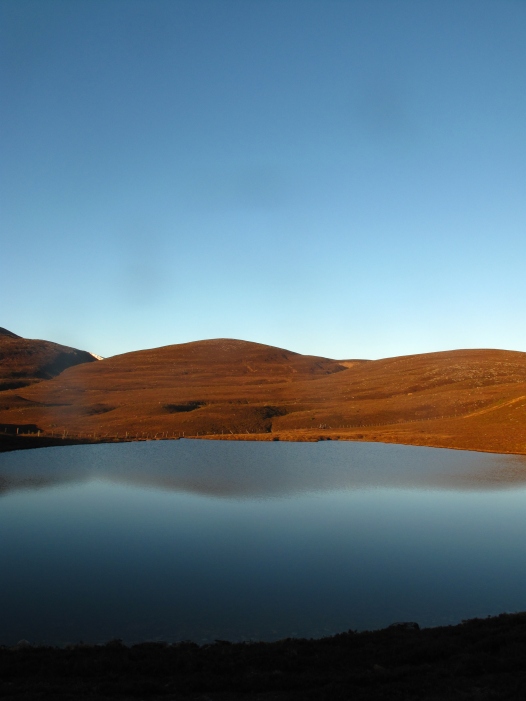
Picture 1: May time is calving time, which means its time for 5am starts, in our search for the newborns out on the hill. I often like an early start (as long as I have a strong coffee) as you’re seizing the day. What a day it was, not a cloud in sight and just a soft cooling breeze with the hill alight with the morning sun. I was also excited to see Black Grouse lekking in the enclosure. We eventually found the new mother Gazelle and her wee one, who was a strong healthy male.

IMG_0084.JPG
Black Loch looking out to Creag Chalamein


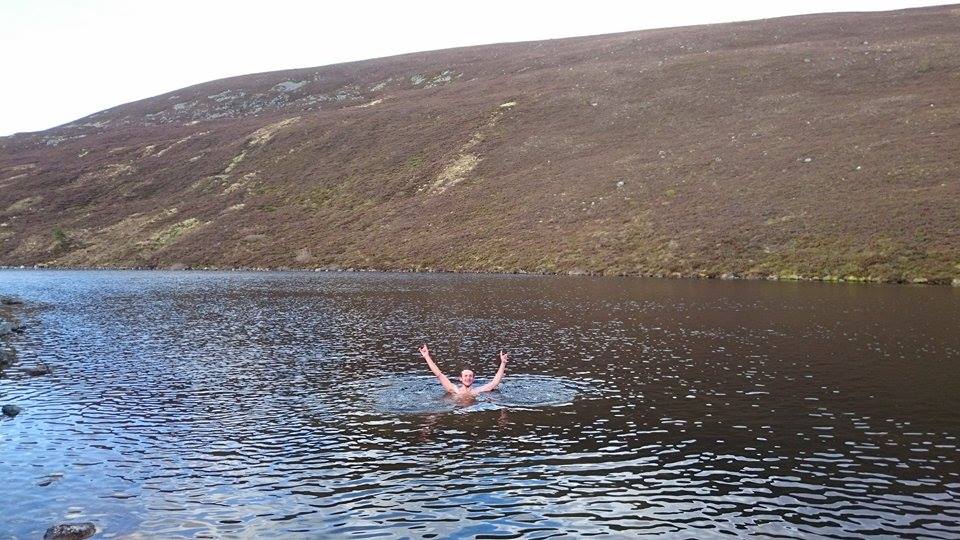
Picture 2: One thing I love about it here are all the lochs and rivers, as a few of us at the Reindeer Centre made a New Year’s resolution to jump in a fresh body of water once a month or week. Trying to do this down south was rather difficult and I had to go to the coast to achieve it. But now in Scotland there’s somewhere to swim around every corner. Since being back I have been in 5 different lochs and a couple of rivers. It may be cold at times but you’re surprisingly warm once you’re out, athough I’m usually on a run when I do jump in so the blood is pumping. But I highly recommend an occasional dip.

18425765_10159170589900643_1857260241_n.jpg
Nothing like a quick dip to warm (or cool) the cockles of your heart.


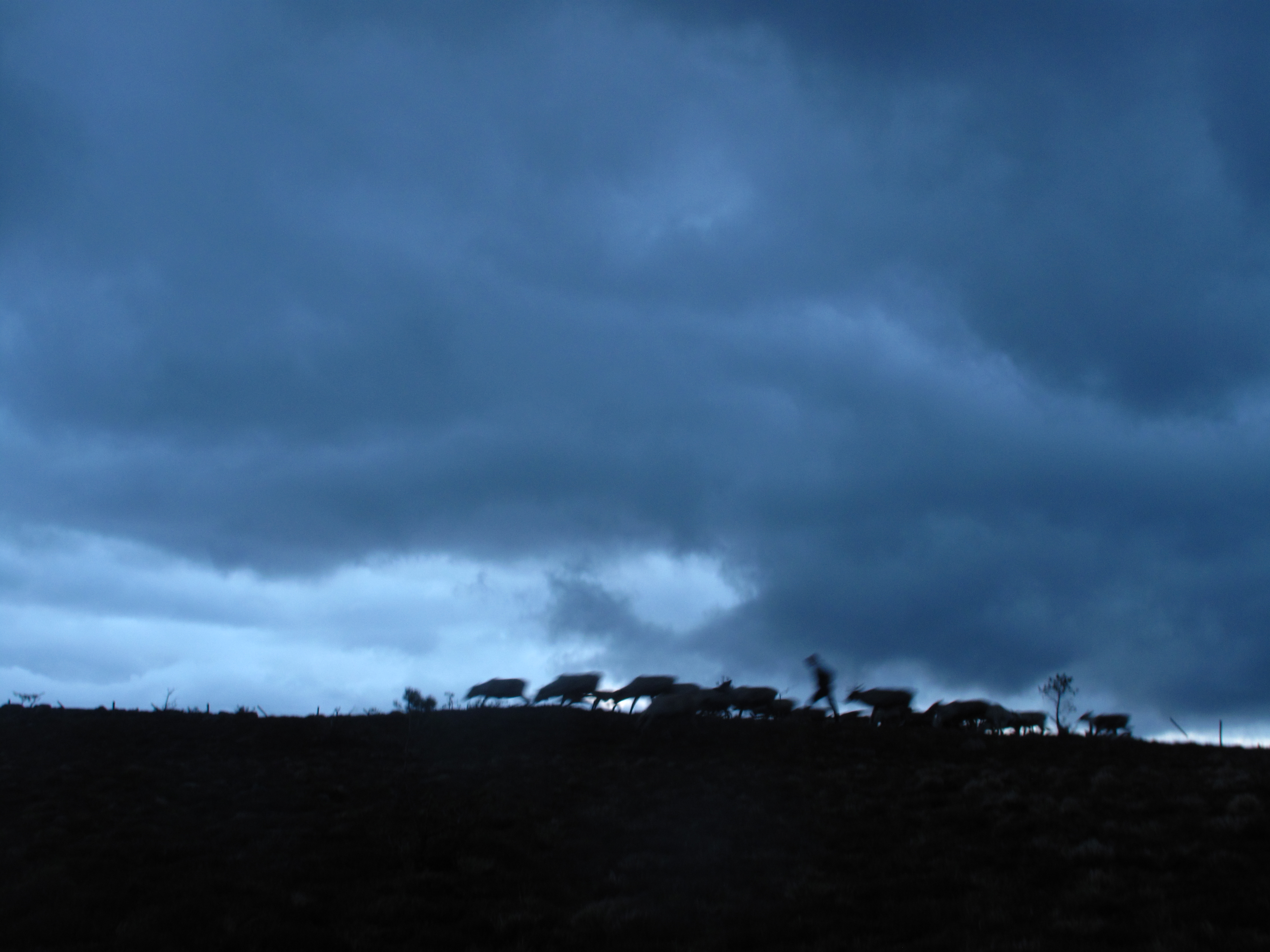
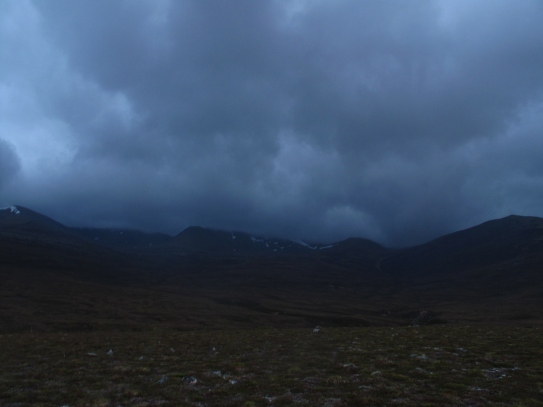
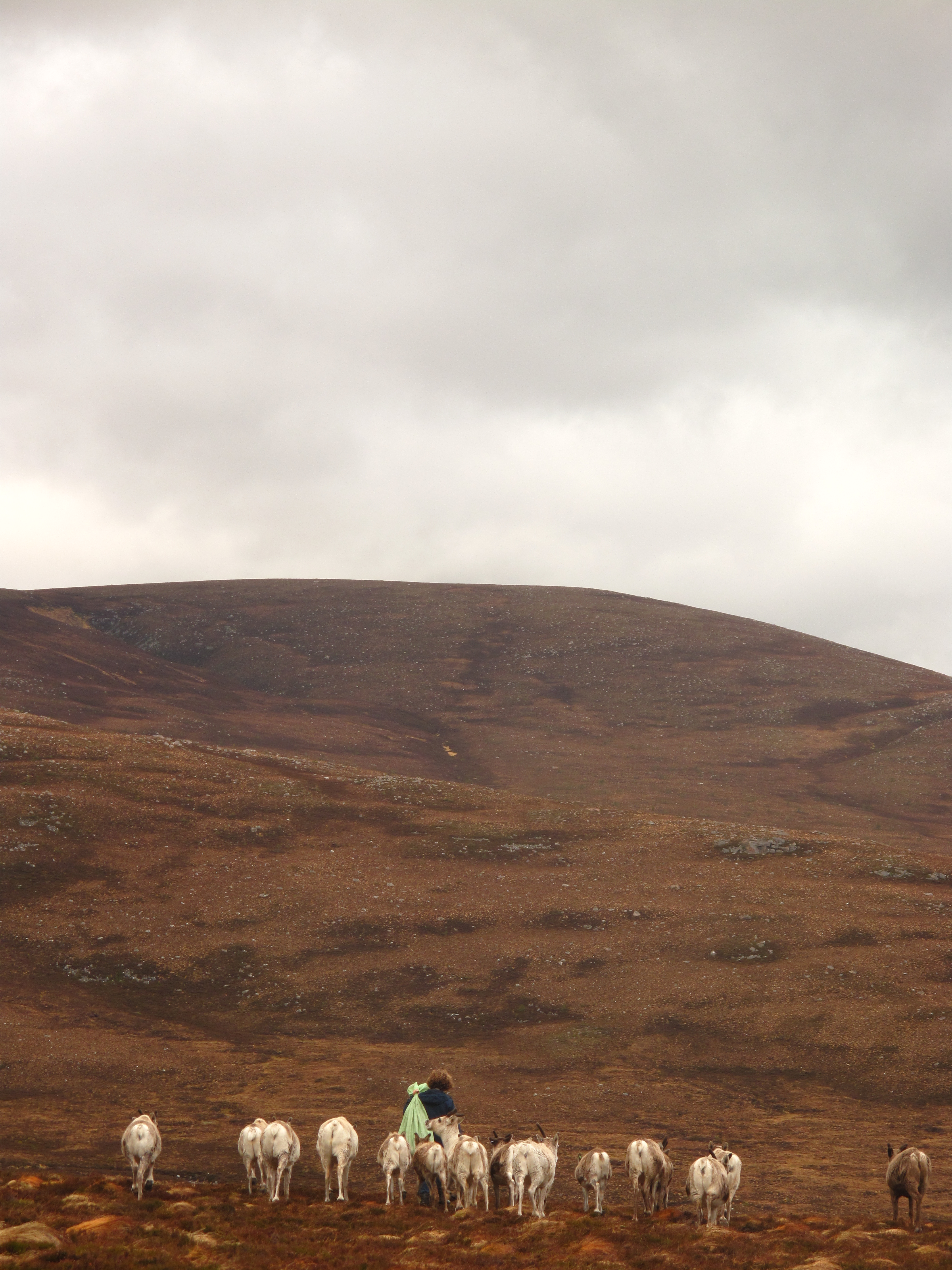
Picture 3 and 4: The long socks and trainers were on, my belly was full of stew and the calf was well rested…. It was time for the cows and calves to head out on the free range. We headed out late in the evening to lessen the chances of us bumping into dogs and as we came over the brow of the hill the hills were looking fierce, but the show must go on.

With Tilly leading one of the females (Fern) on a halter; myself, Fiona, Morna, and Ceris followed from the sides and the back in case the reindeer decide to go their own way. At one point they did, but we managed to get them on the right path in the end.

Pushing them out wasn’t so bad. All you had to do was keep the right distance – far enough not to scare them but close enough to keep them moving. Apart from almost falling off the edge of a scree at one point it was just a case of getting them far out in to the hills. As we let them run off, it was rewarding to see calves running up in to the hills alongside their mothers.

Now came the race against the light! We were lucky and just as it became pitch black we made it back to the van, although going through the trees past Utsi’s bridge was rather eerie. We eventually got back to Reindeer House and celebrated with a wee dram.

IMG_0129.JPG
The clouds looming low over the hills as we set off.
IMG_0134
The cows and calves silhouetted against the low cloud.


Picture 5: The woman in this photo herding the reindeer is called Sally. She often wears a shirt with a sunflower design on it which suits her personality to a T. She brings sunshine to Reindeer House as she is a true pleasure to work with, and has to be one of the jolliest people I have ever met.

IMG_0123.JPG
Sally closely followed by the herd.


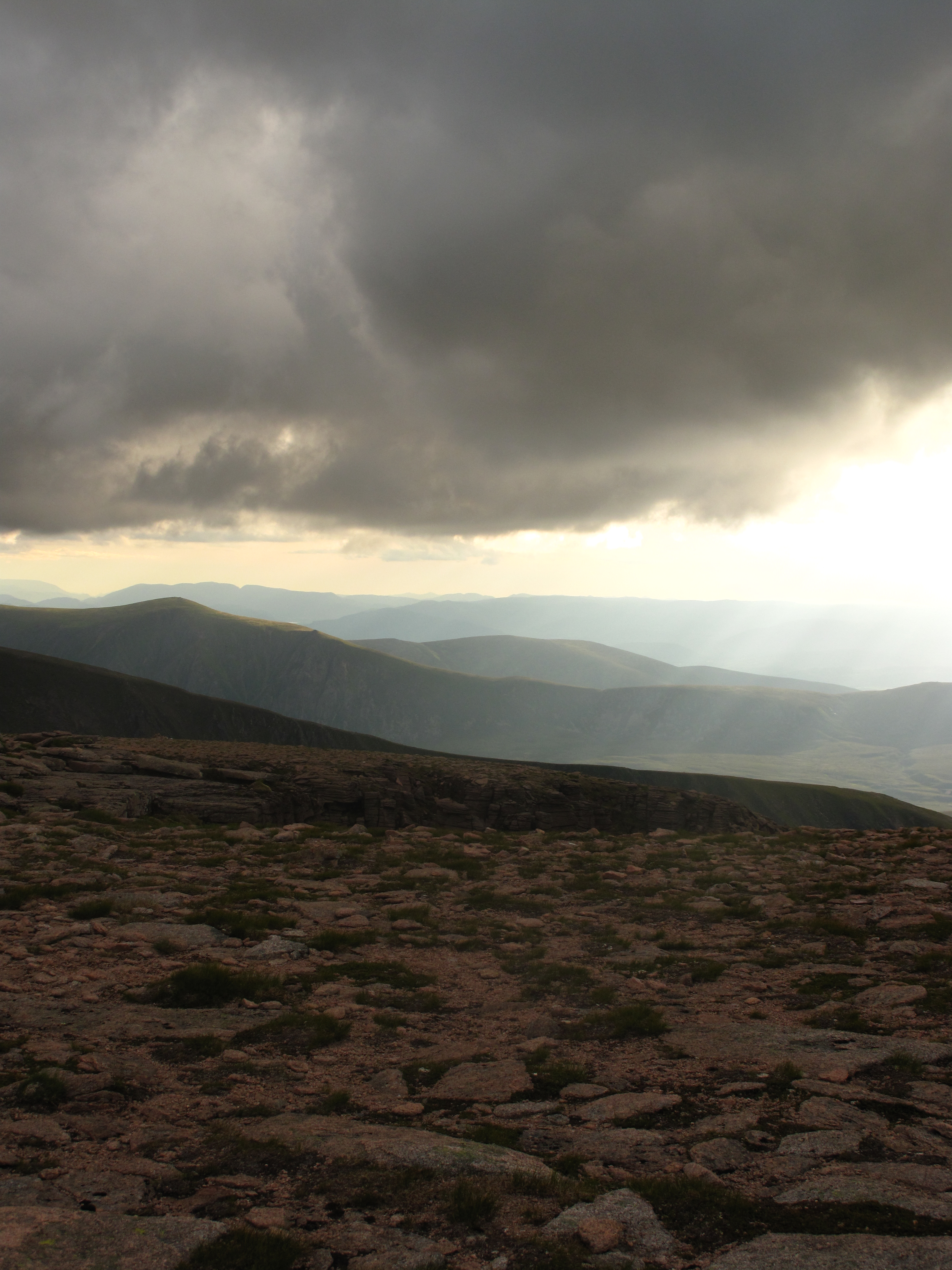
Picture 6: Though our days are busy and the hills and forestry tracks are a hive of activity, once the clock reaches 5:30pm Glenmore turns into a ghost town. With the sun setting late in the evening, we go to the hills. It is treat to have this on your doorstep and is a grand way to end the day, by gazing into the distance of this colossal landscape. It really makes you think how small we all are.

IMG_0300.JPG
The hills shining and bright as the sun goes down. We feel like the only ones alive.

Olly
 

All you ever want to know about leucism

So what’s the deal with leucism?

Are all white reindeer leucistic?

Are all leucistic reindeer deaf?

How is leucism passed on?

How is leucism different to Albinism?

These are questions I have pondered while fixing the boardwalk, closely accompanied by Blue, our male leucistic reindeer. The subject of leucism is quite hotly debated and seems only those with a Doctorate in Pathology may comment, but here goes:

IMG_20170523_162633668.jpg
Blue inspecting my handiwork.

Leucism (pronounced loo-kiz-im) is a genetic peculiarity which gives a white colour. The condition is recessive. It is a defect in the skin, not the pigment cells. Leucistic animals are all perfectly white. It seems however that there are differing levels of the condition – partial and full.

One other characteristic of leucism is deafness, however is seems that this is not always the case. Leucism is developed during the early stages of embryonic development and can influence the central nervous system. It therefore most commonly affects sight and hearing.

IMG_20170523_103606609_HDR.jpg
Blondie, a leucistic (and deaf) female, sleeping peacefully and completly unaware that the rest of the herd has walked away and we are standing nearby.
If a condition is recessive it means that the offspring must receive the leucism gene from both parents to develop the condition. We have leucism in the herd. It doesn’t affect the carriers at all but if they breed with a carrier there is 25% chance that their offspring with have leucism. We currently have two leucistic Reindeer that are both deaf – Blue and Blondie.

Blondie’s(ll) father was Sirkas (Ll) and mother was Glacier(Ll) both carriers, therefore there was a 25% chance that Blondie was born with leucism. Glacier had nine calves of which only one was born with leucism but of course several carriers.

Blondie and Lego 2 0511
Blondie and her calf Lego, both pure white.
Blondie Dec 08
Blondie nicely camoflauged against the snow. Leucism does have its advantages!

Blue’s(ll) father is Lego who had leucism (ll), Blue’s mother is Lulu who was a carrier (Ll). There was therefore 50% chance that Blue would be born with leucism.

Blue 0613
A baby Blue, very obviously un-camoflauged against the heather (but very cute).

Albinism is a total deficiency of melanin producing cells in the skin. It is a skin mutation. There is a total lack of pigment. Albino animals have pink/red eyes. The pigment (colour) that would normally be seen in our eyes is missing so the blood vessels behind are seen in the eye, given the appearance that the eye is red in colour.

As I do not have a Doctorate in anything (except drinking tea) these are not comments but merely my interpretation of several articles written by Doctors of Science.

Dave

Book Now