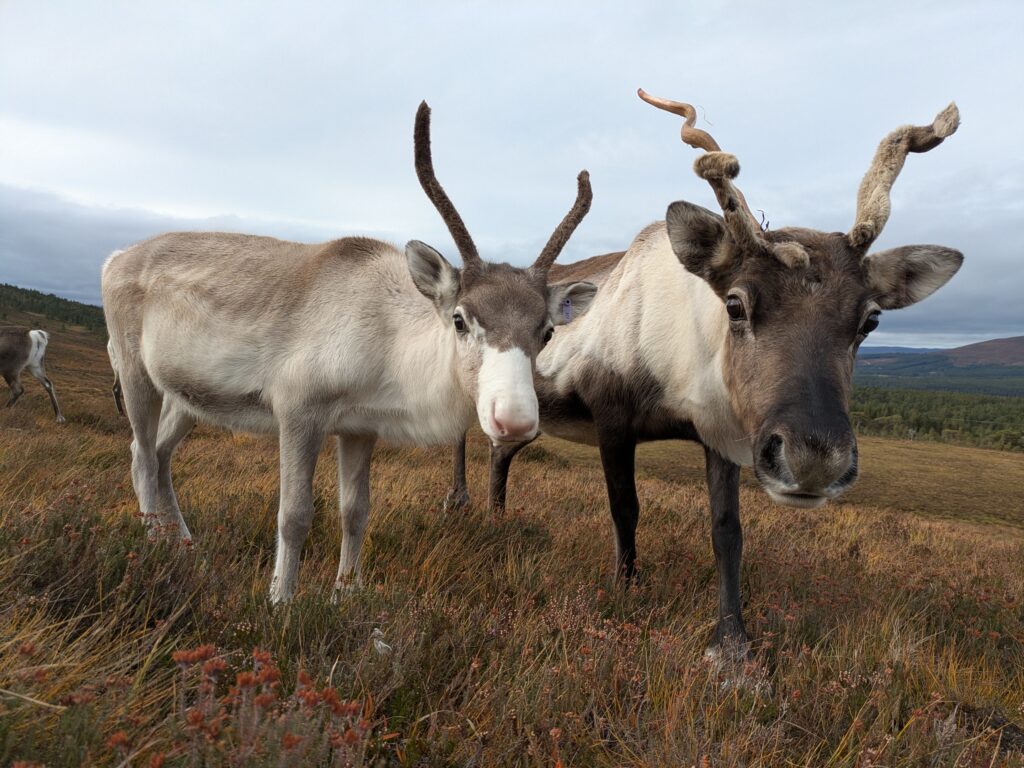
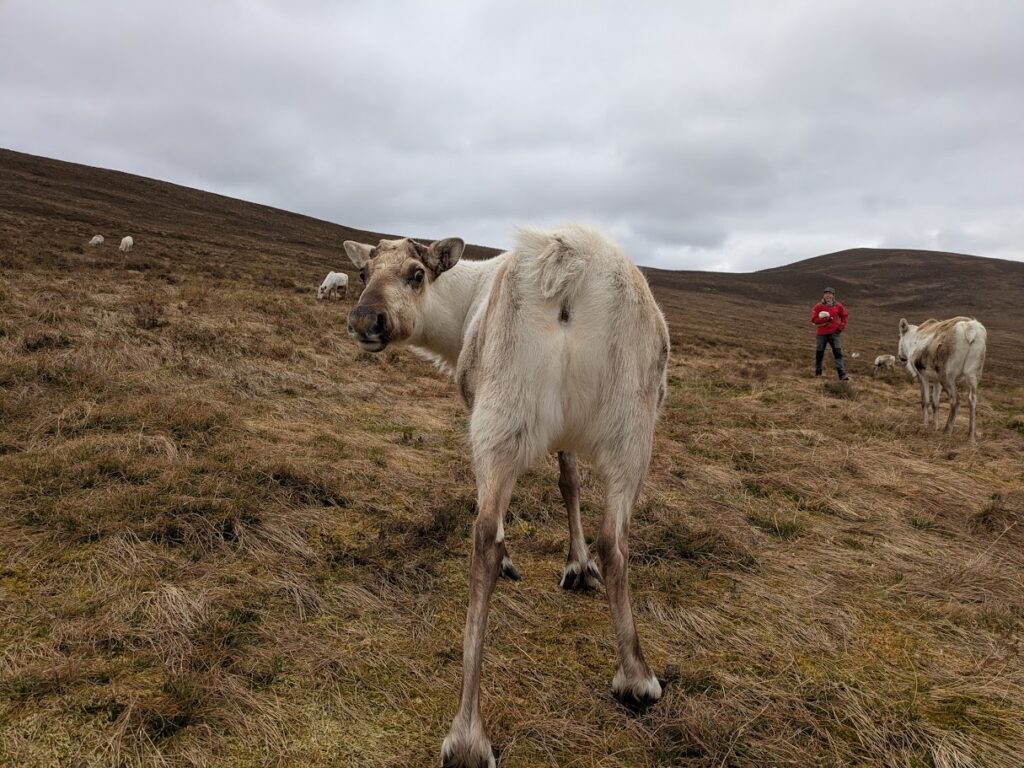
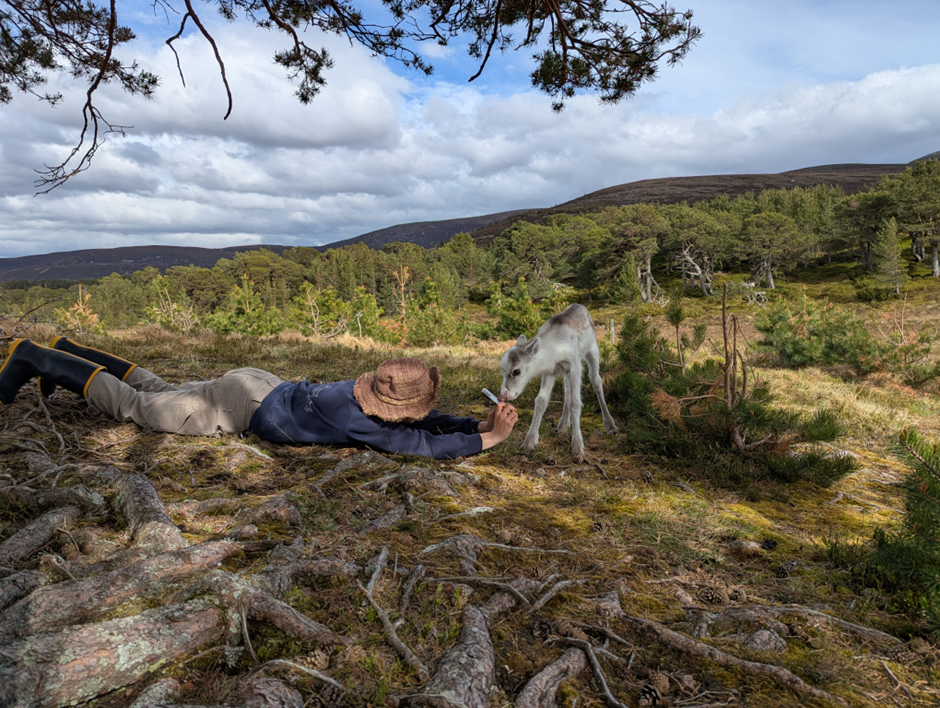
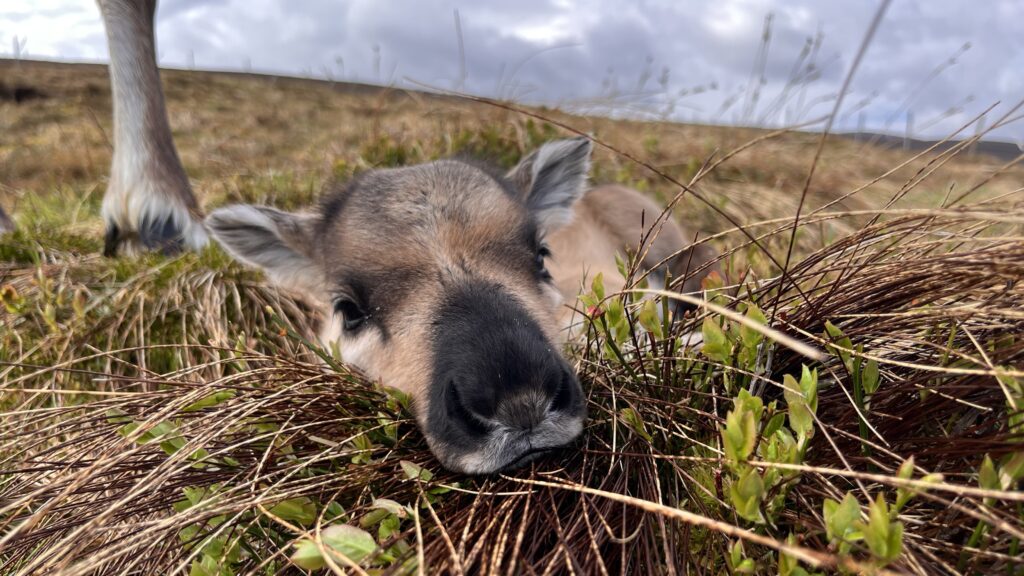
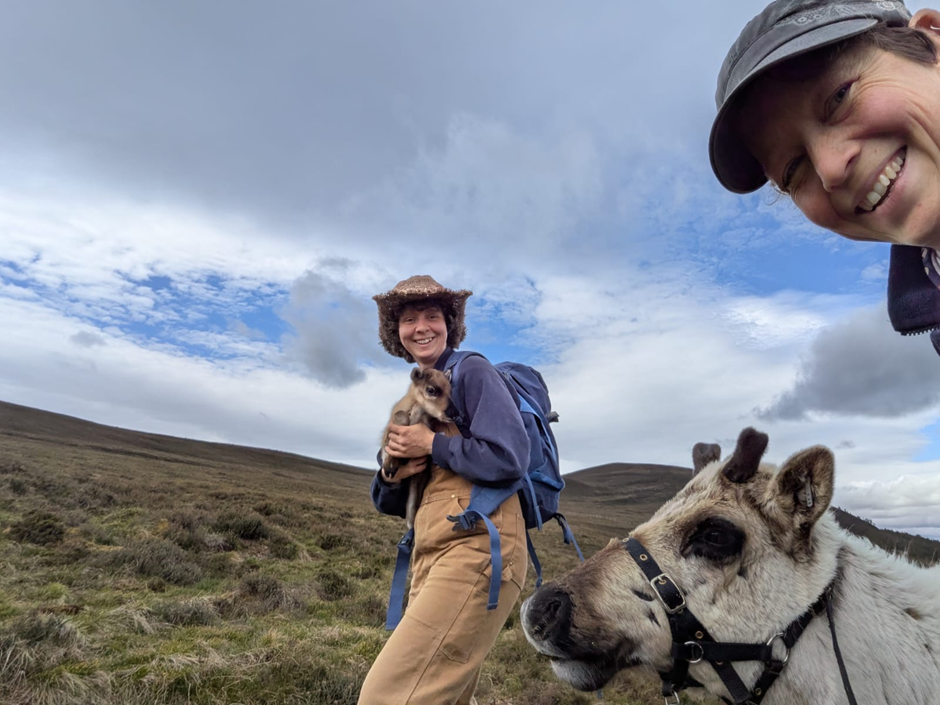
October has been a lovely month as more of our cows have come back to our hill enclosure and it has allowed us to catch up with our old girls. The characters of our calves that were born this year are starting to shine through and over the next few days our wonderful reindeer adopters will learn the theme we have chosen to use to name our youngsters.
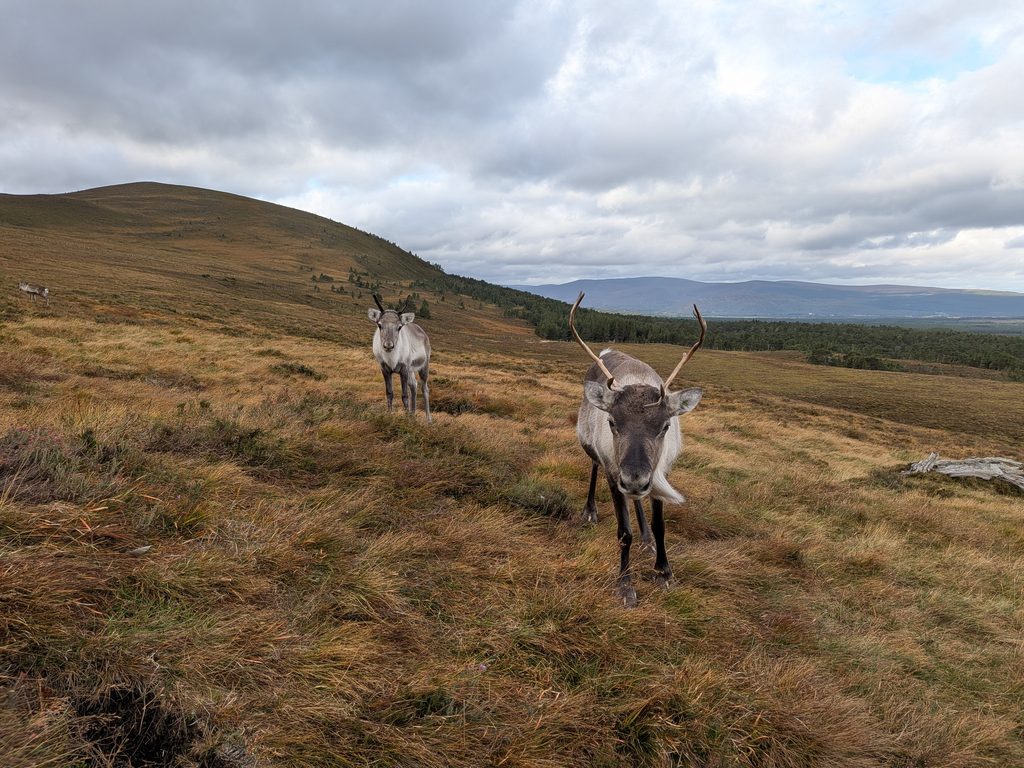
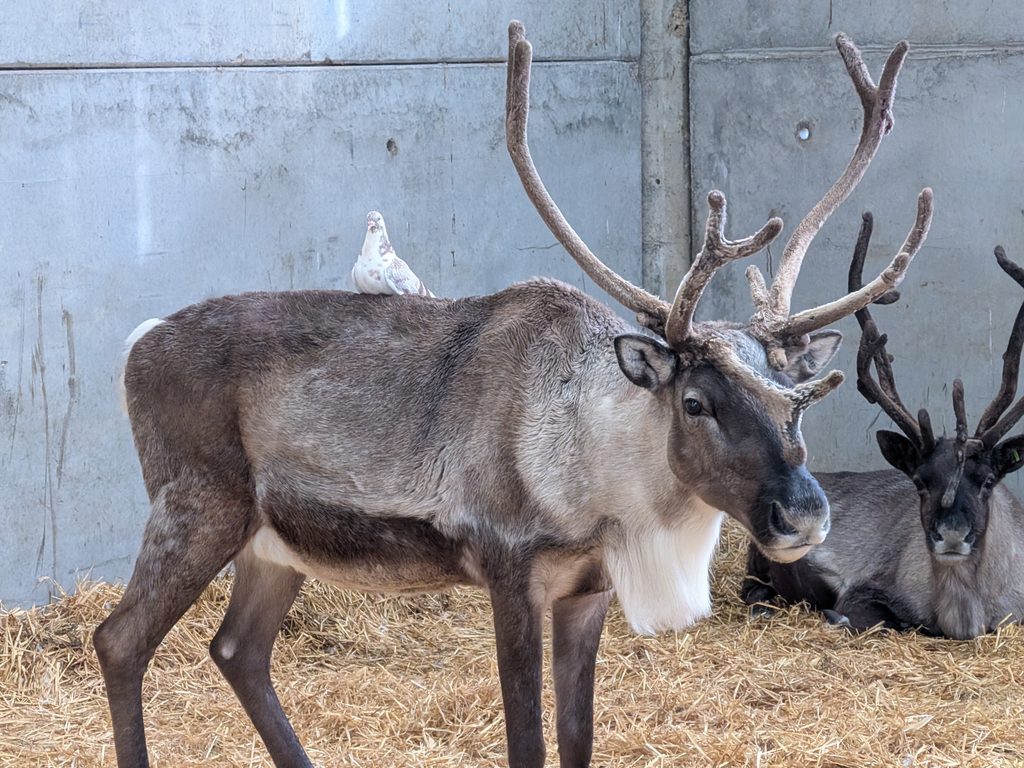
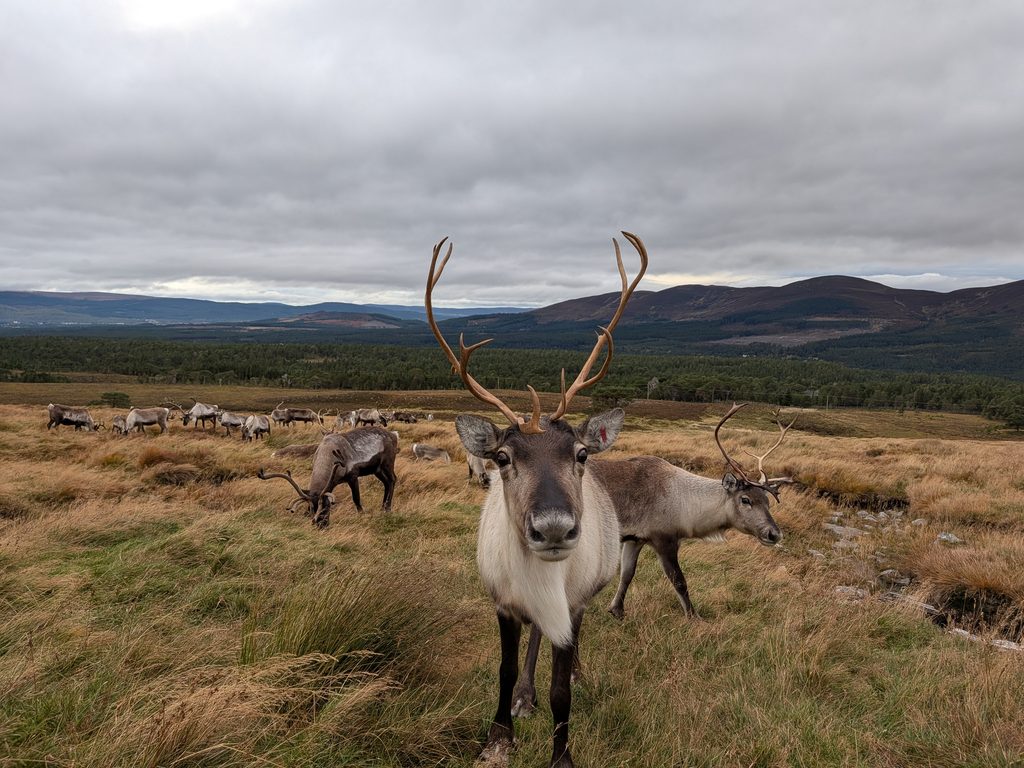
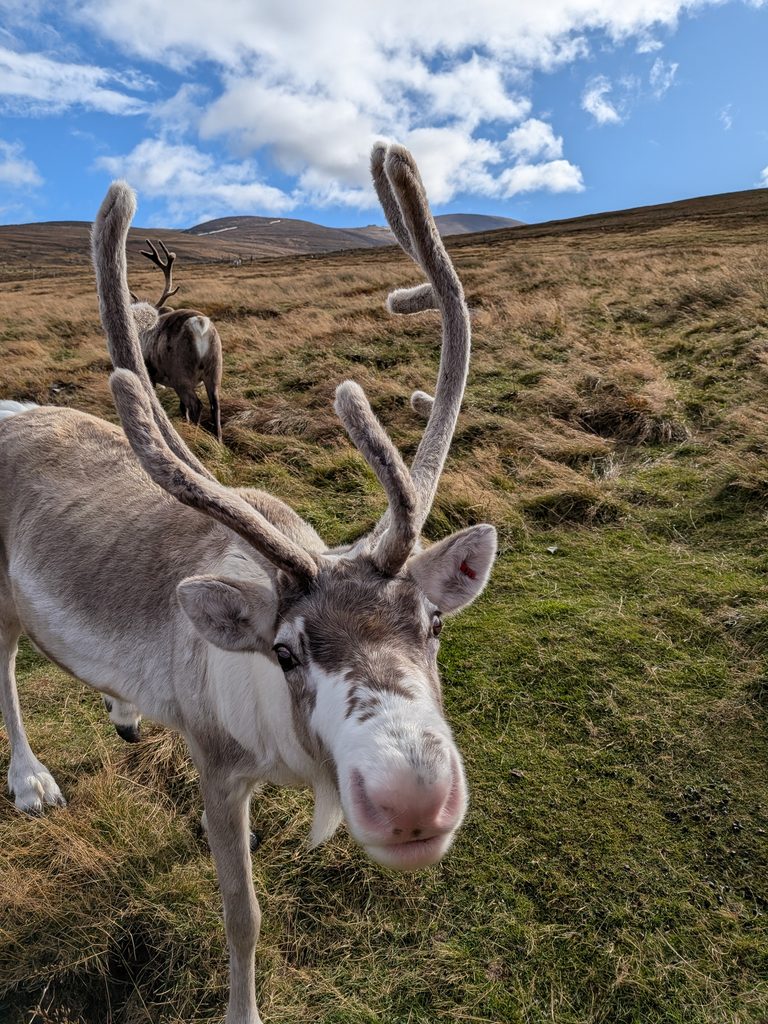
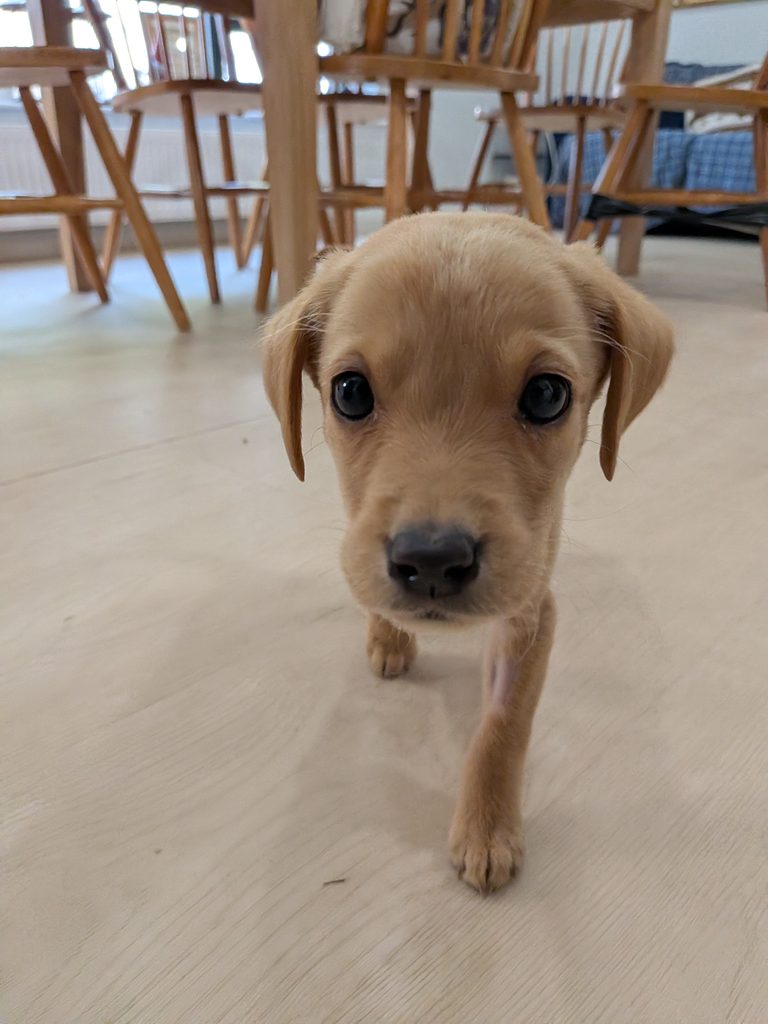
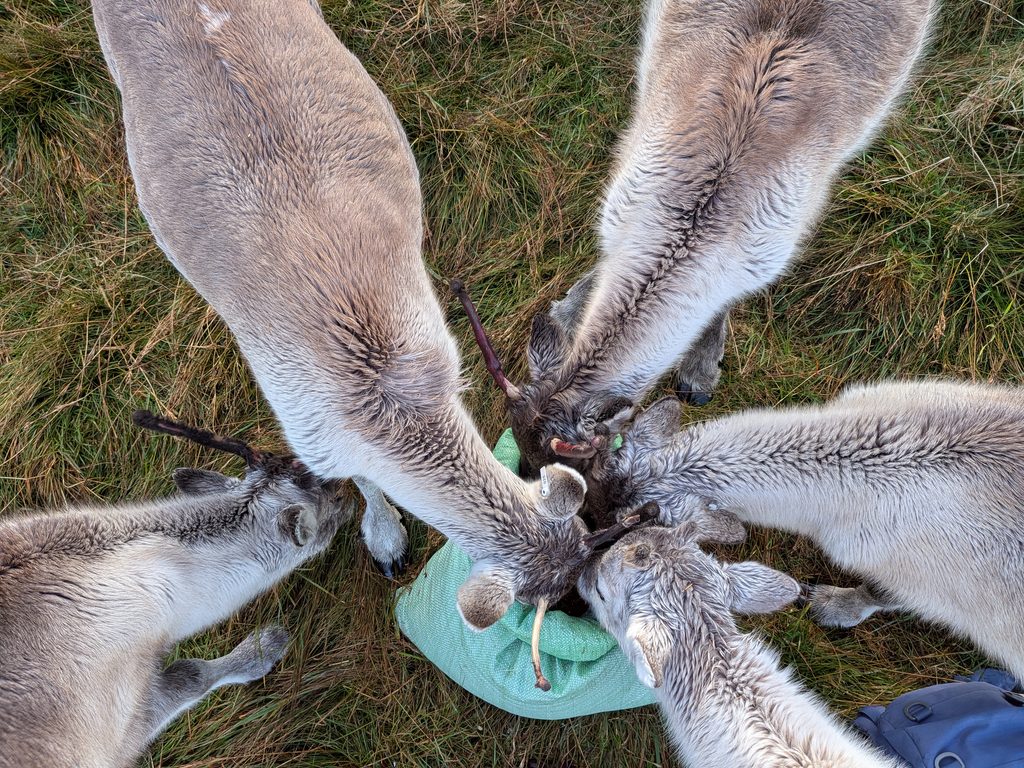
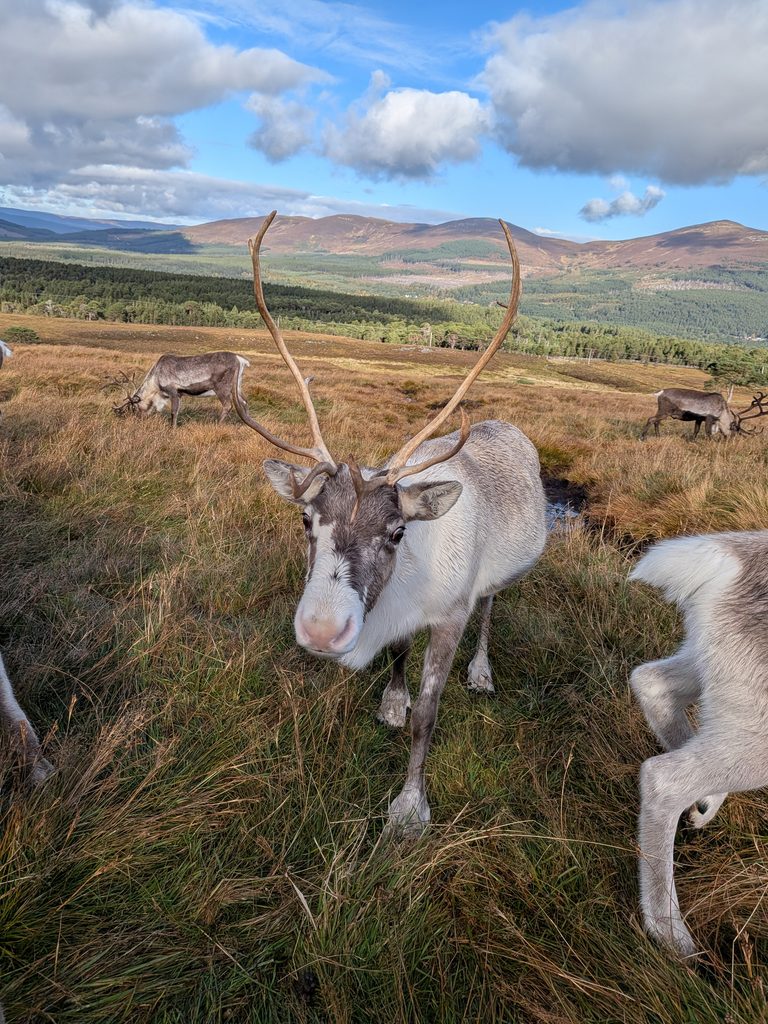
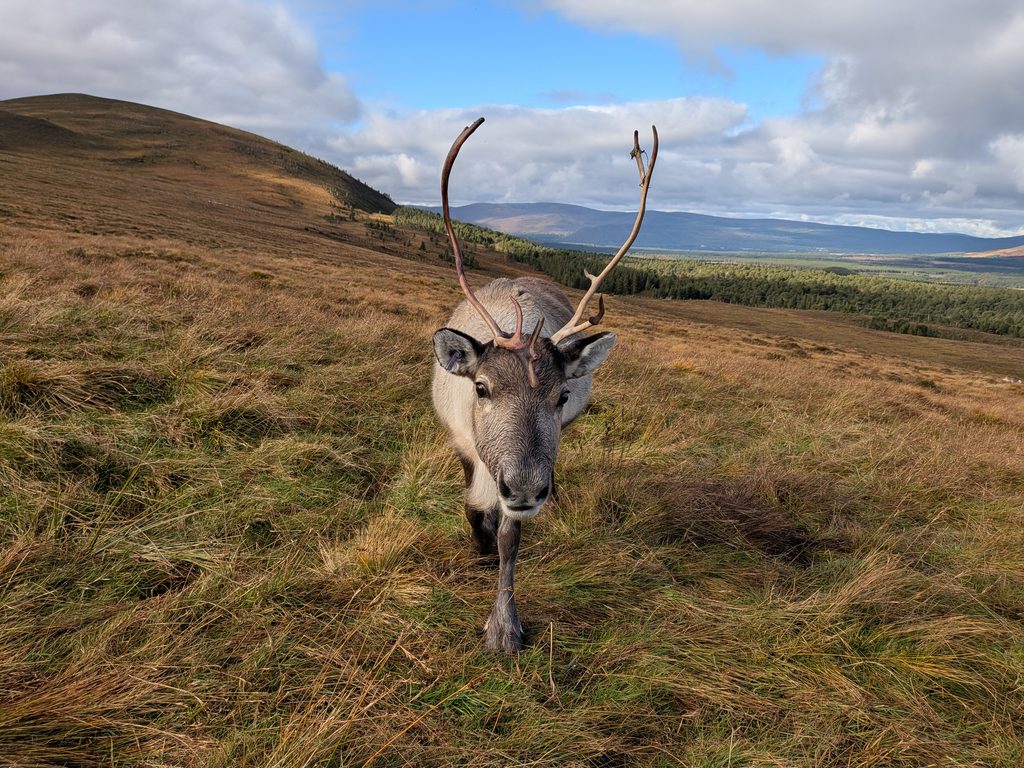
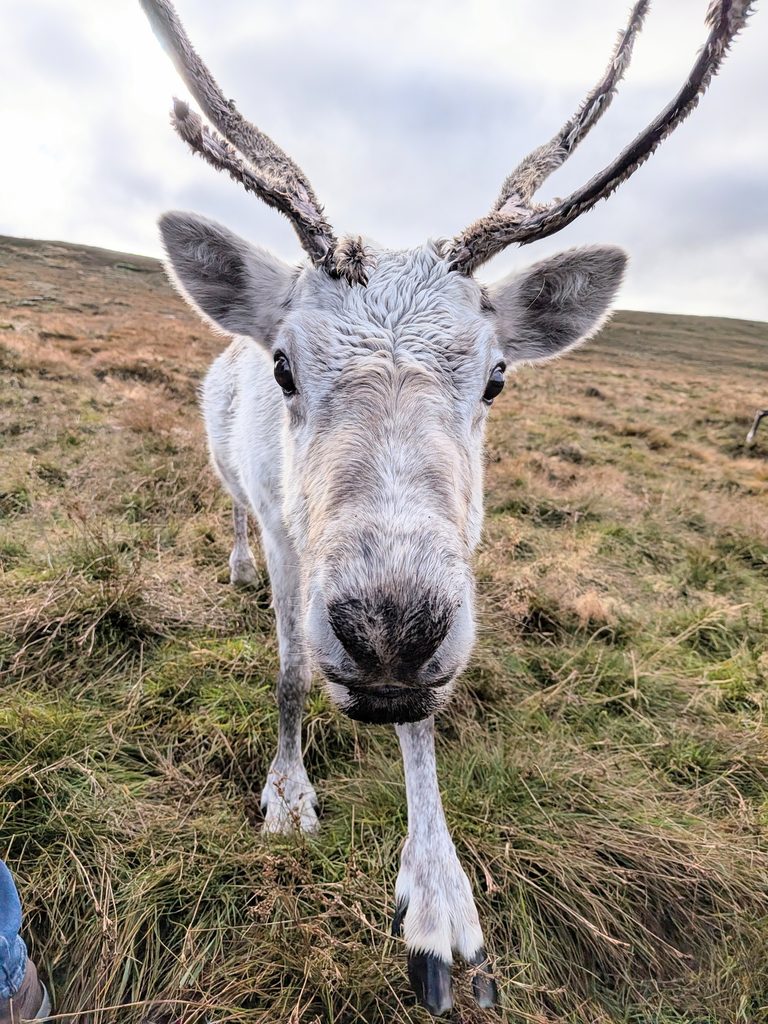
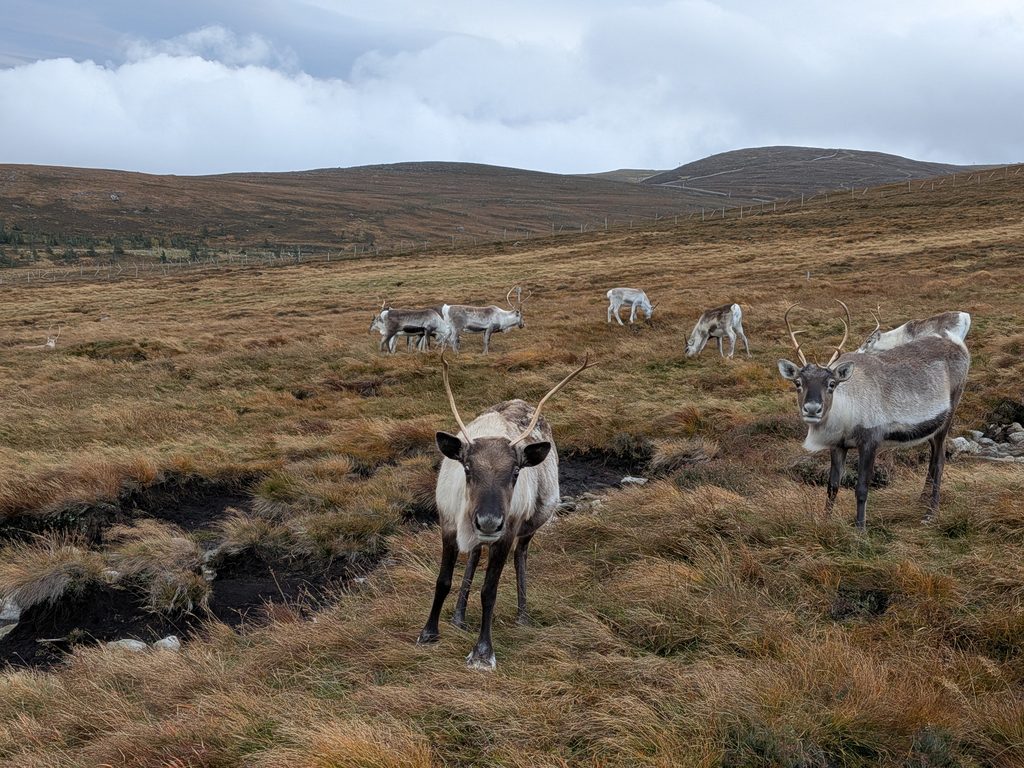
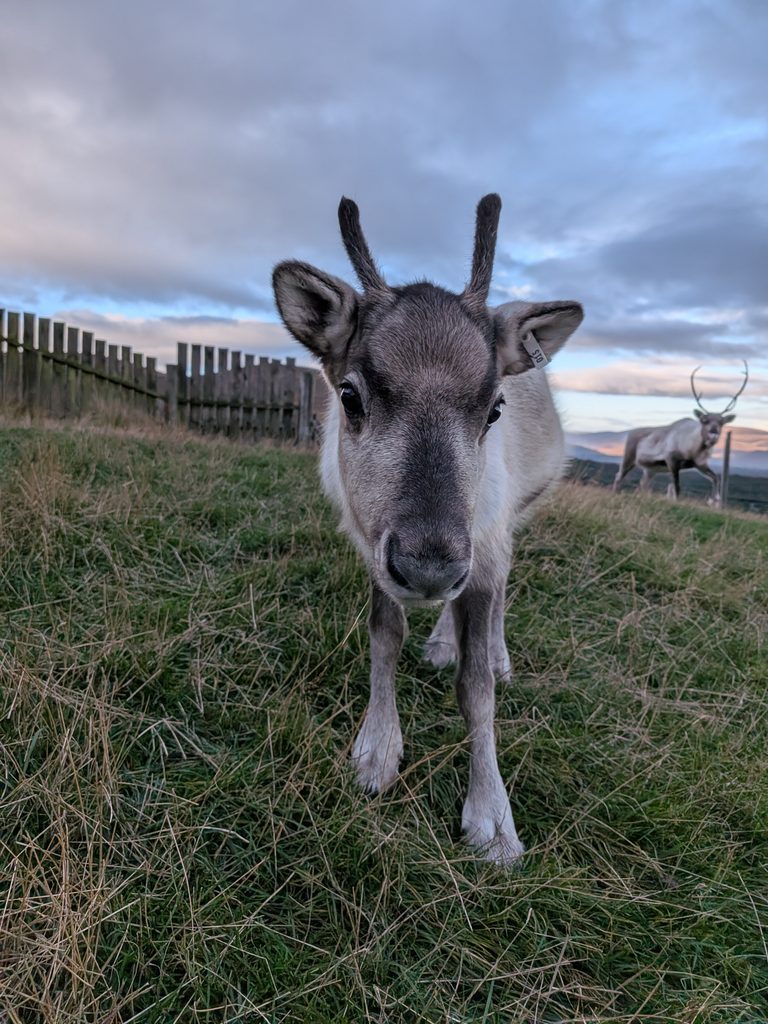
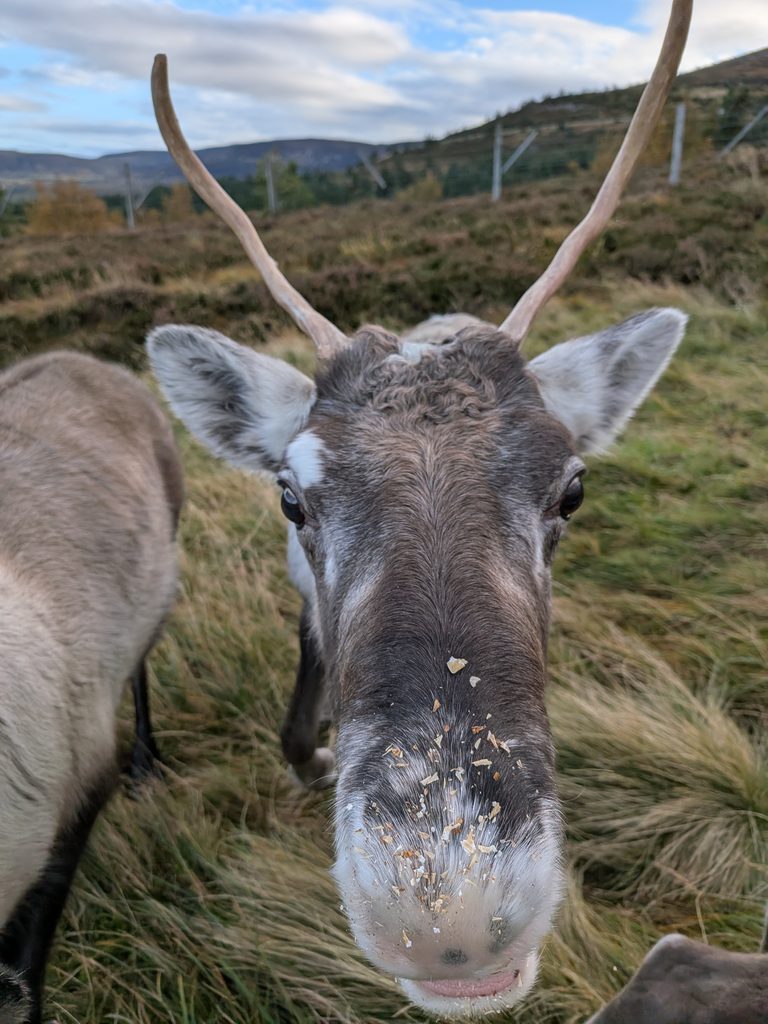
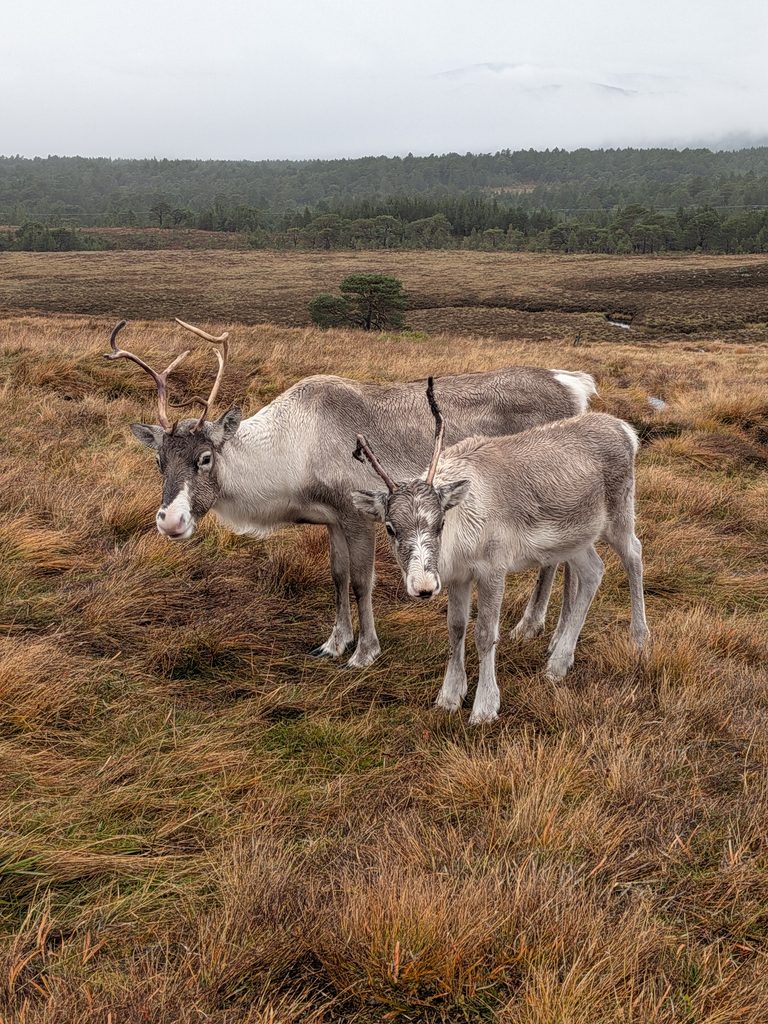
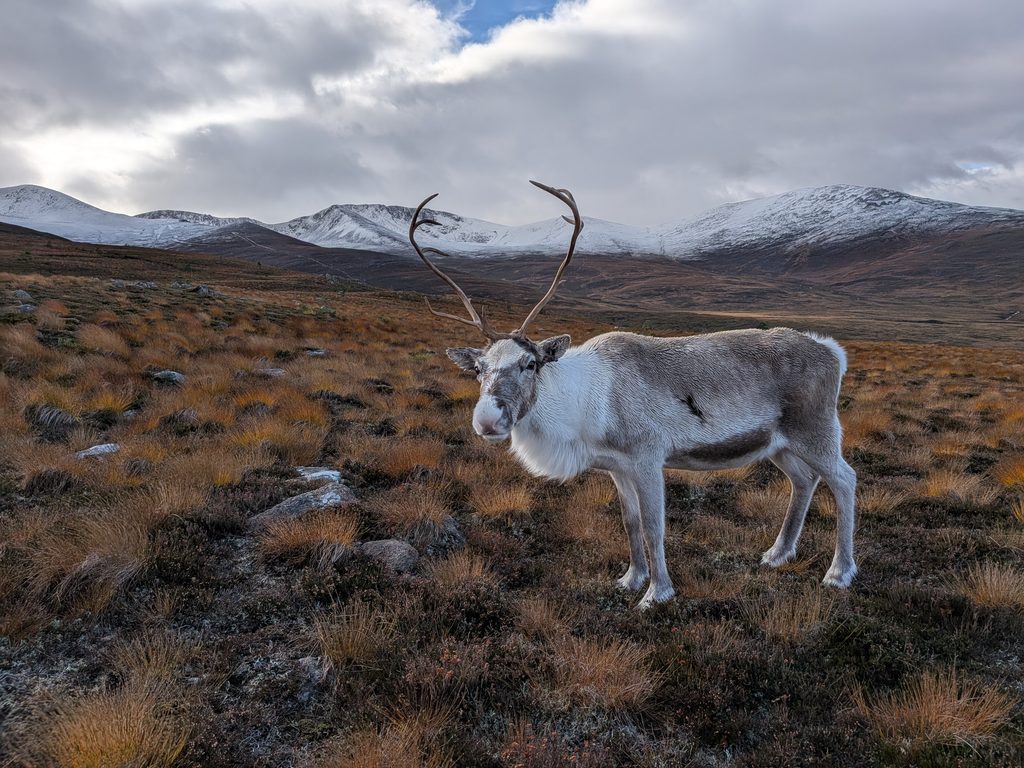
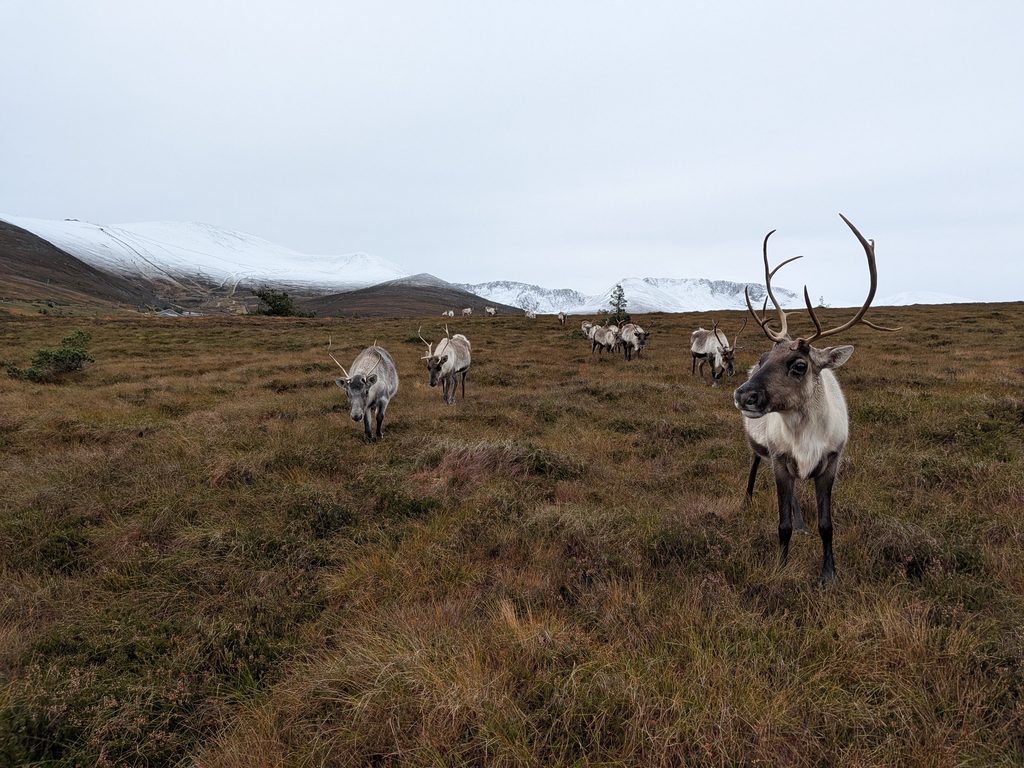
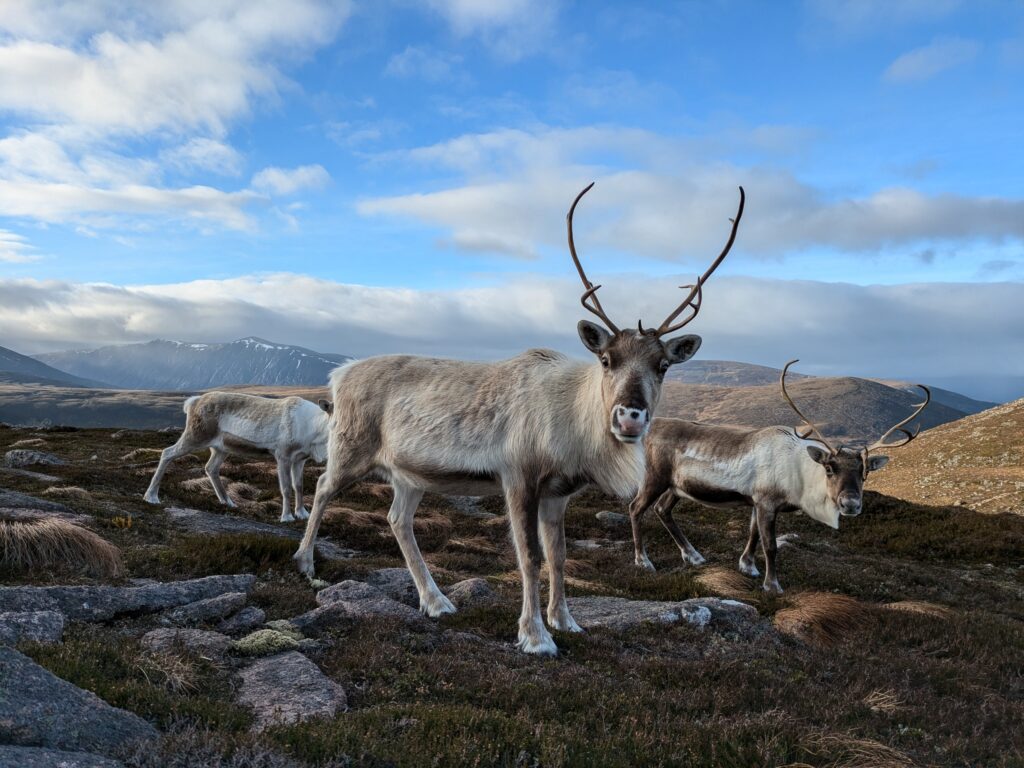
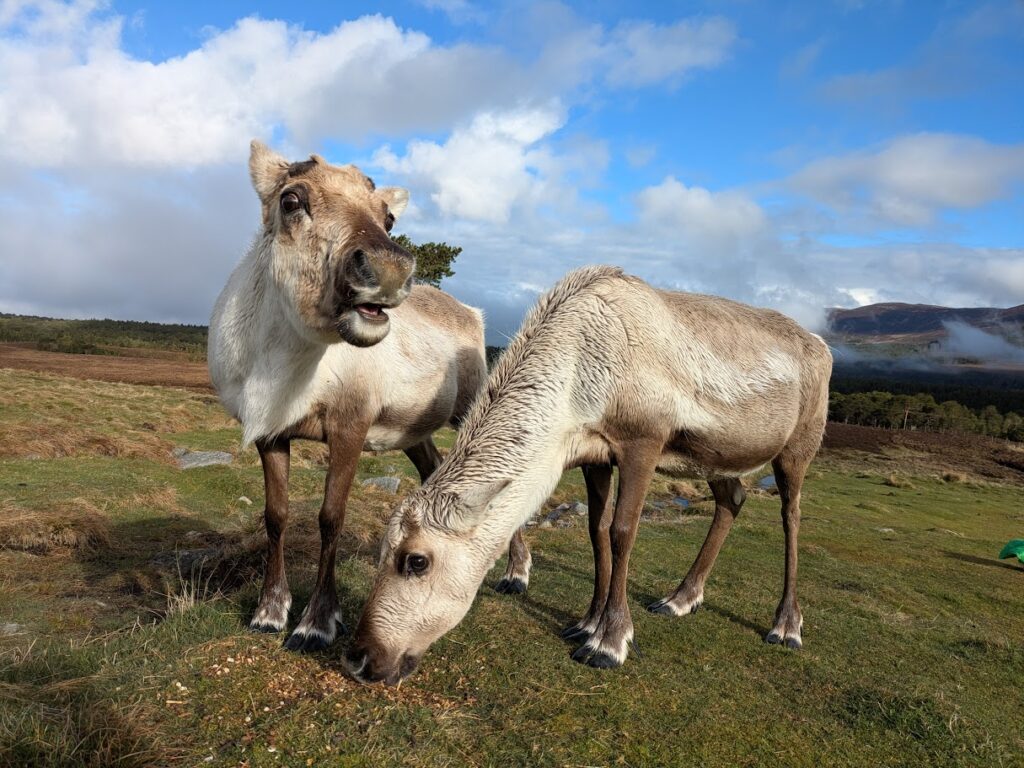
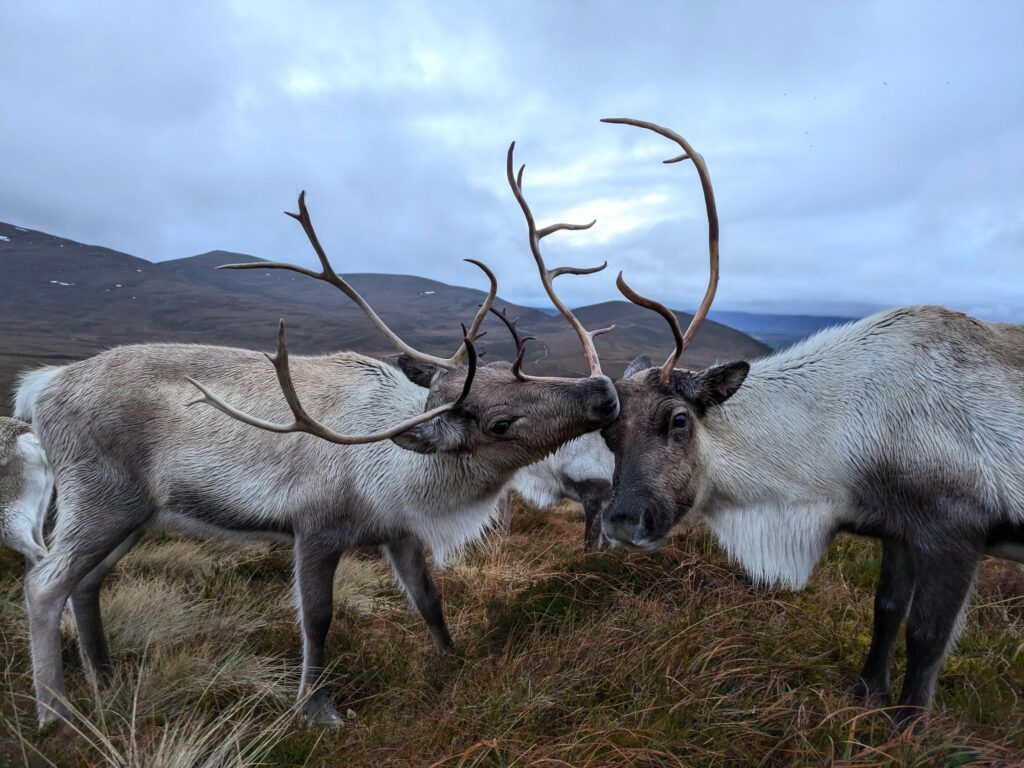
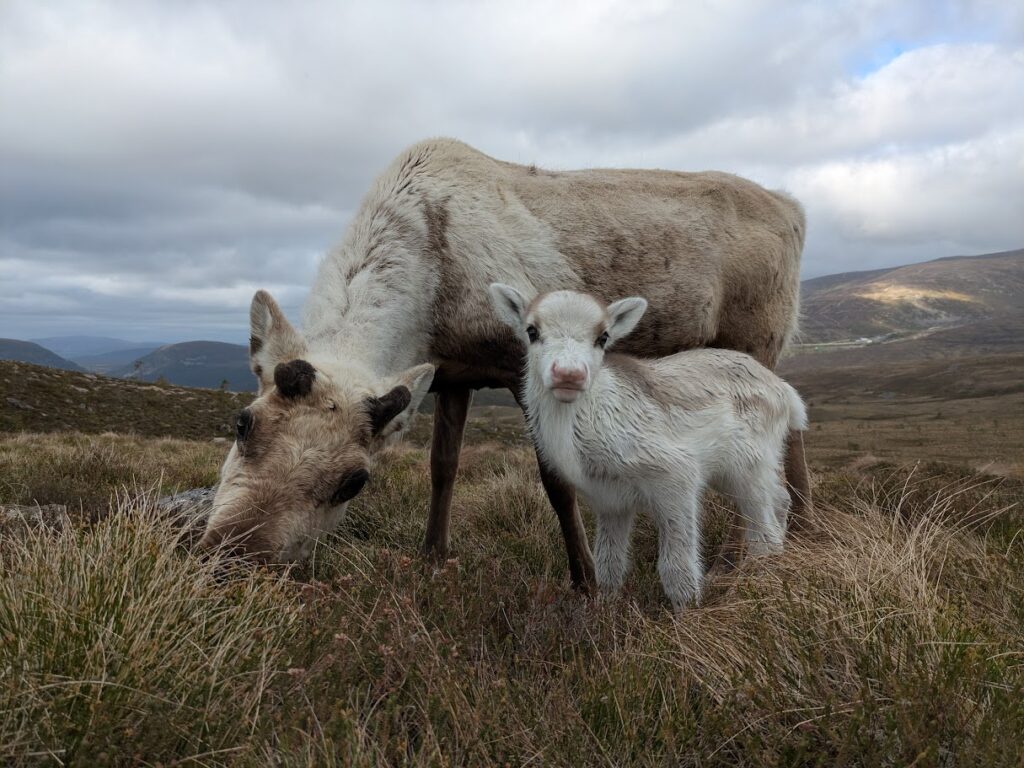
2nd October: Suebi and her calf after one of our Hill Trips.3rd of October: Cicero has a passenger! (Druid behind) A trip to the farm to help Tilly with our older reindeer resulted in this hilarious image. We brought the reindeer off the hillside down to one of our sheds for a quick check over and then fed them back out on the hill side.4th October: Glacée and Ceilidh have spent the summer out on the free range and were brought into our enclosure for a short stint.7th October: Kulfi has learned that hanging around the herders means there might be a chance for extra food.8th October: A recent addition to the herd- Willow the little Labrador!11th October: During the run up to winter our calves get preferential feeding; it also helps the calves get used to us herders, after being on the free range for the first 4-5 months of their lives.11th October: Lovely Pinto after one of our Hill Trip’s. She can be a quiet lass but as you can see from the intent in her eyes- she can be won over by food.12th October: Ceilidh has inherited the strong-willed gene from her mother, Glacée, but can also be very greedy.13th October: It is normal for us to not see reindeer for a few weeks/months whilst the reindeer are out on the free range for the summer. Diamond had not been seen for a wee while before she was brought back into out hill enclosure. It was an absolute treat to have her lovely face in our enclosure and she has now been moved to our hill farm for the winter.14th October: Over the last couple of days, we had been visited by all of our old girls. Here is Hobnob, who is 17 years old alongside Shannon (on the right) who is one of our 3 year-old-cows.16th October: Possibly the smallest reindeer of the herd. Pumkin’s calf is in the running for cutest calf of the year.17th October: Oatcake fresh off the free range and enjoying handfeed.21st October: Borlotti and her Calf. Borlotti has done well raising her little one over the summer as he is one of the biggest calves this year.22nd October: Merida with the first snow of the season behind. 24th October: Moving free rangers! Here we have Fab (on the right), River (on the left) and Salsa behind River.
This weeks blog is time to talk about plants! We’re venturing out onto the flats and hills here in the Cairngorms to take at look at the sorts of plants the reindeer eat, and those they don’t.
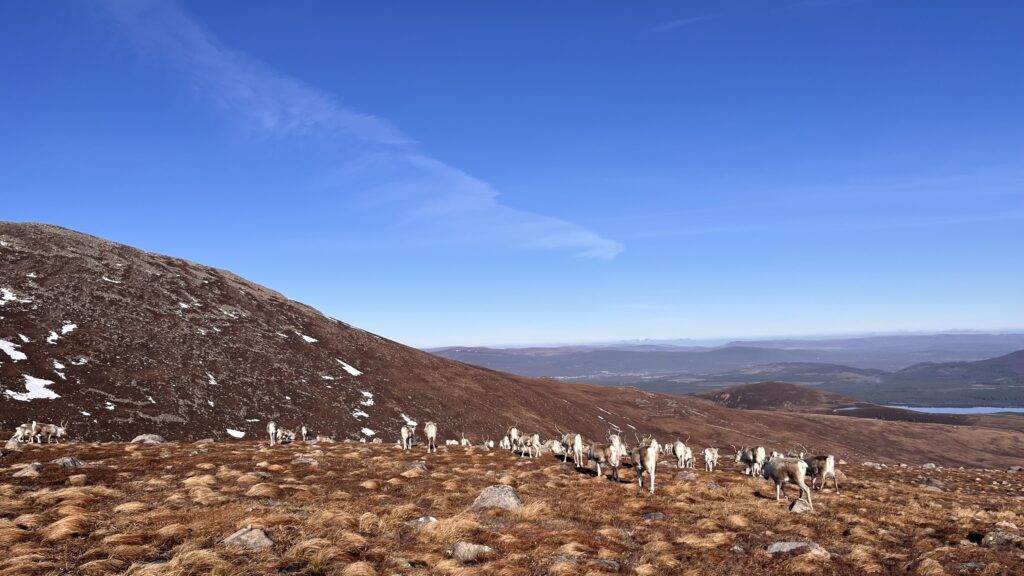
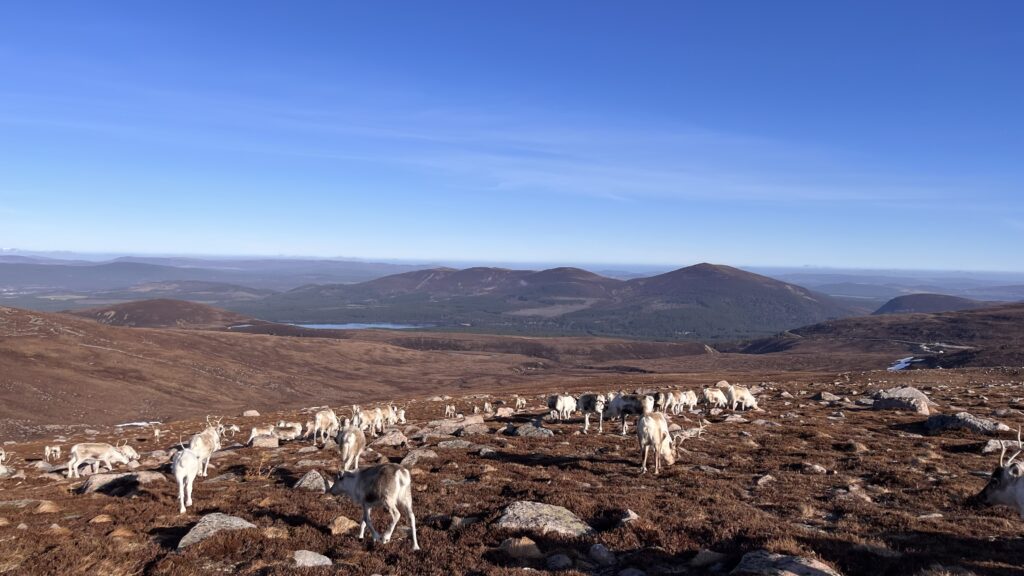
The herd travelling across the hills.
An ecosystem has many teeny, tiny moving parts. Every living thing has a role, providing something, maintaining something, preventing something, killing something. Every little cog is vital to keep the natural machine moving successfully. So, to begin let’s talk about what the reindeer’s role is in this machine to better understand their relationship with the plants growing under hoof.
A rocky open landscape of low growing vegetation. Chickpea and Morven roaming the hills.
In the most basic terms, a reindeer is a gardener. They migrate vast distances on a daily and annual basis, trampling the ground as they go with their wide hooves, churning the vegetation and exposing spots of soil. Into which, their poop deposits! Reindeer, like many other animals that roam big distances, will not have a “toilet spot”. They’ll go as they move, effectively fertilising their own hoof prints!
This behaviour rejuvinates the ground with seed dispersal from their food, keeping the ground alive and replacing what’s been grazed at. They also help keep the ecosystem moving as a prey species, their numbers being controlled by predators – never growing too large that they begin to over graze and over trample areas (you can see how it all starts to come together).
A balanced food chain is very important for making sure the ecosystem remains healthy, and not pressured at any level.
So now we know the reindeers’ job, lets see what keeps them fed and what they help to grow. Green thumbs at the ready!…
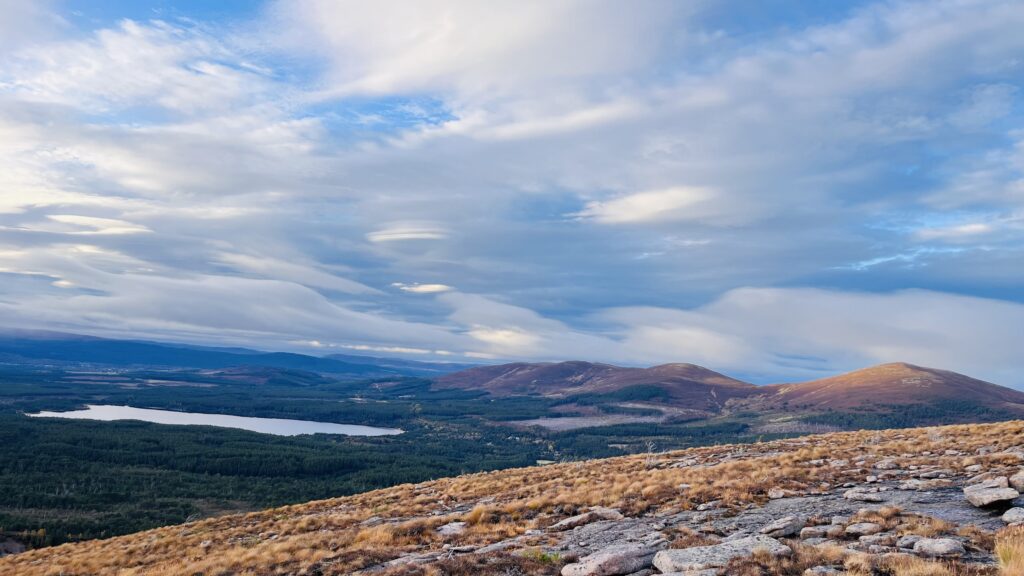
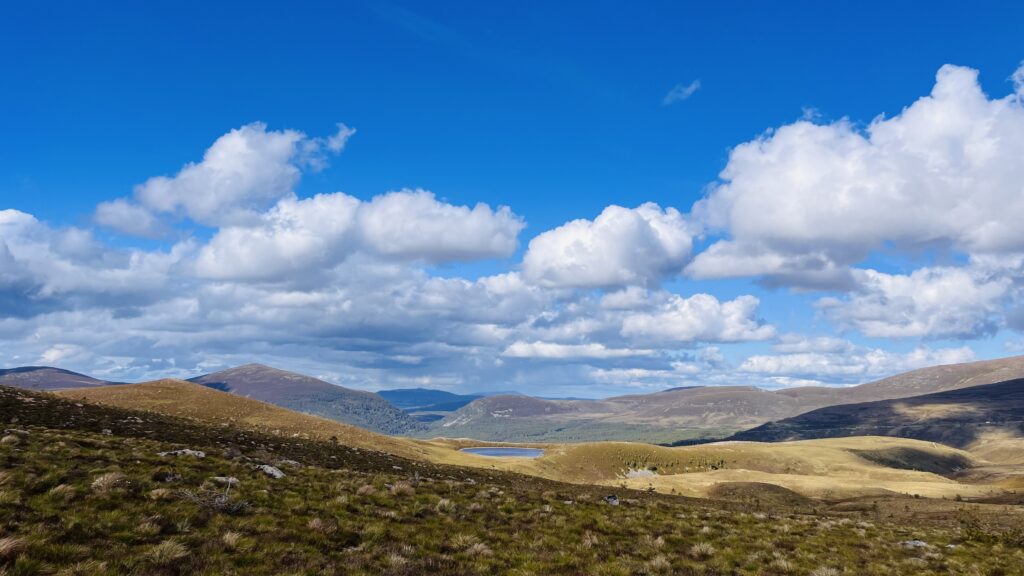
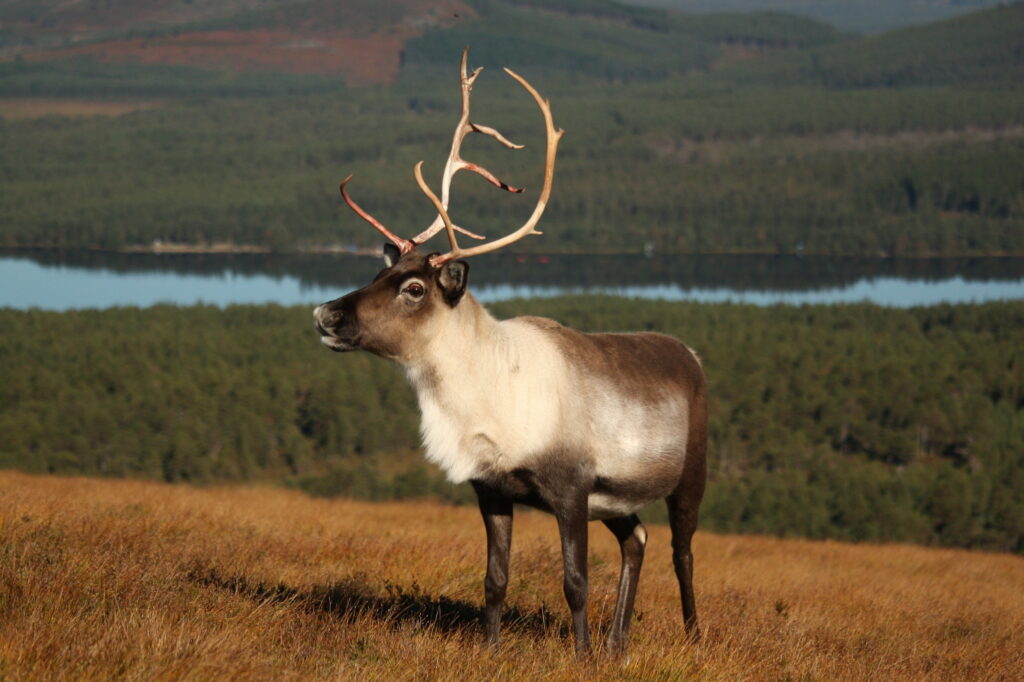
From Loch Morlich, through the forest and up out of the treeline. The reindeer home range is the expanse of higher hills. As you look around their chosen landscape you’ll notice all the low growth of vegetation, skirting close to the rocky ground.
The ground is rocky, the temperature low, and high winds batter over the hills – what plant life is hardy enough to grow here? Let’s start with every reindeer’s faviourate snack, lichen. Easy to grow in many different conditions, the particular lichen (also known as reindeer moss) that is growing on the hills has no competition for light due to no trees or tall shrubs, can easily gorw in the rocky ground, and survives the intense winds, so is able to grow in large blankets. Like all the other plants we’re grateful for, carbon is a food source, so thank you lichen for your offsetting efforts! It makes up a very large portion of the reindeer diet, up to around 70% during winter months when most other plants lose a lot of their nutrition, or simply die back in the freezing conditions.
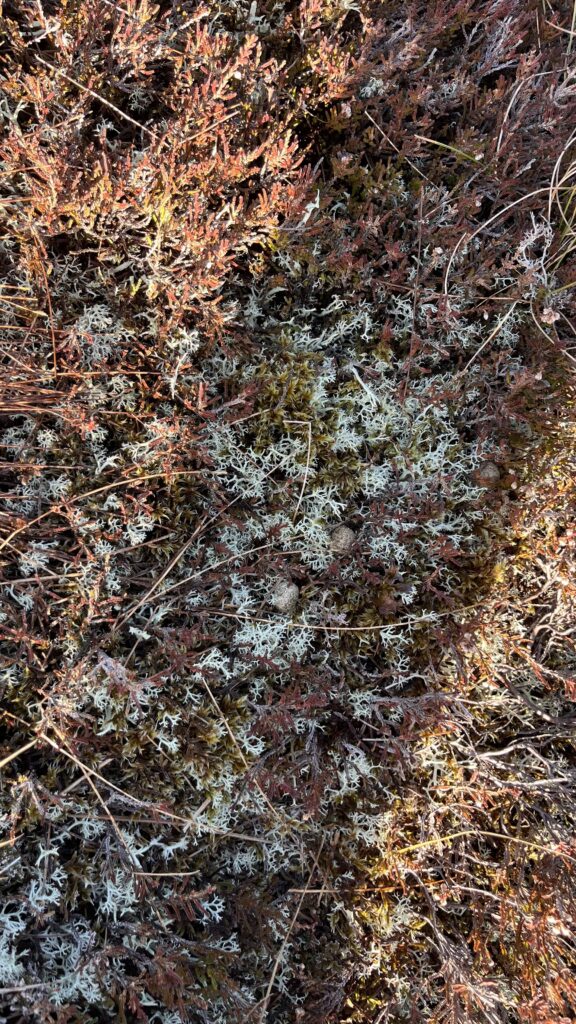
Pick out the lovely bright green sprigs of lichen here.
While we’re thanking the lichen for their carbon efforts, we have to talk about sphagnum moss. Jump off the squishy blankets of lichen and land yourself right into a peat bog! This amazing plant covers vast areas of the reindeer landscape we have in the Cairngorms. Growing up to 20 times its dry size when wet(!), sphagnum moss absorbs water and prevents plant matter from breaking down once in its water-logged form. This means that you can have layers and layers of boggy peat, all storing carbon. There are spots in Scotland where peat bog is as deep as 10m, holding thousands of years of carbon storage! Peatland is actually the largest terrestrial carbon sink on Earth, so an extremely important plant for all of us. Thank you peat bogs, we love you!
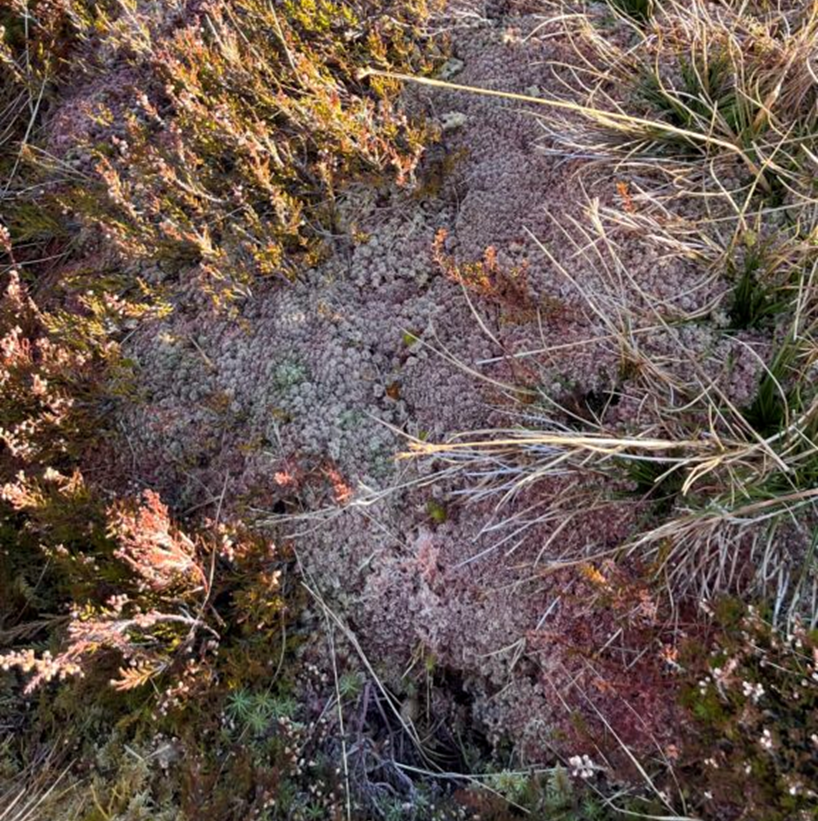
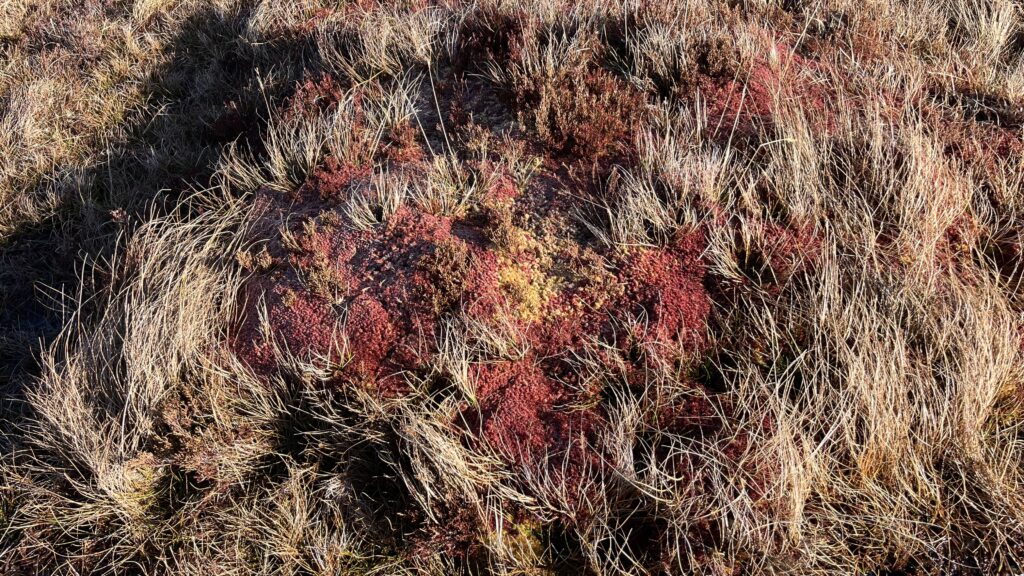
Swollen sphagnum moss holding a nice amount of water. Squishy hummock of sphagnum moss in amoungst some longer grasses.
While we haven’t seen the reindeer ever nibbling away at the peat patches, they do sometimes squish their muzzles into them and drink the water the moss is retaining. During summer when the small and narrow streams begin to dry up, the sphagnum moss still retains a lot of water and can provide the reindeer with a good drink in the heat.
Lochs and burns lie along the flats, with water becoming less available as the reindeer travel along the much higher ground on the mountain tops.
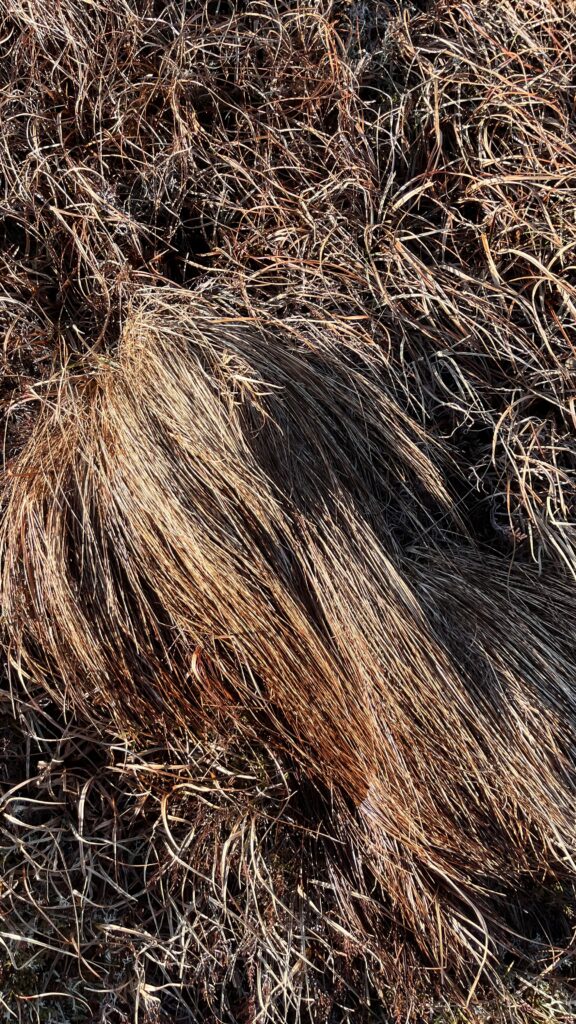
You’ll have noticed some longer grasses in the above photos of the sphagnum moss. These are clumps of deer grass. Deer grass is a type of sedge, thick and long, it is able to grow in areas of high winds and heavy rains, prefering a peaty landscape to grow. Acting as a stabiliser for the soil, the highly fibrous root system prevents erosion, holding everything together. This is one of the grazing plants for the reindeer, growing along the tops of the hills and down to the tree line.
Long growing deer grass lying flat to the ground. Like the other food sources for the reindeer, it’s easily burried in deep snow.
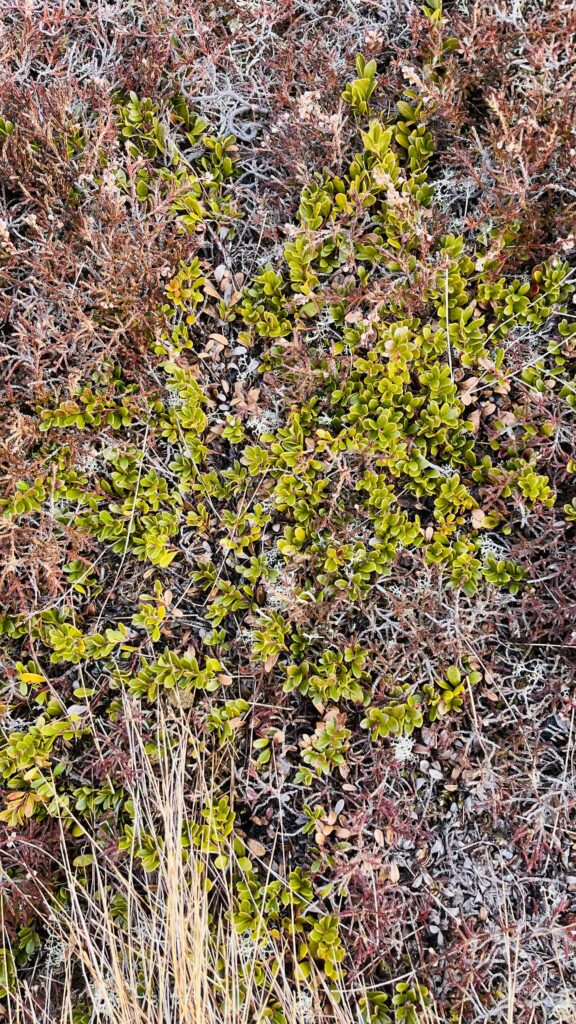
As we move more into the leafy vegetation found in the hills, we can talk about the ever abundant heather, and not so abundant lingonberry. The heather shrubs cover almost the entirety of the reindeers’ landscape, the other plants growing in between. Heather is another plant frequently grazed on by the reindeer, but is extremely resilient to feeding wildlife. It is quick to replace grazed buds and each plant is capable of producing a maximum of 15,000 seeds per germination season! That’s a lot of dispersing for the reindeer to be getting on with! Between the two of them, they’re very good at keeping the landscape nice and heather-y.
The lingonberry plants, like the heather, are very good at growing in bogs, and can cope positively with harsh cold, windy conditions like those found on mountain plateaus. Like the blaeberry that grows further down the hills in the woods and up to the tree line, the berries produced by the plants can also be a tasty treat for the reindeer.
Bright green leaves of the lingonberry plant stand out beautifully amoungst the lovely purple of the heather.
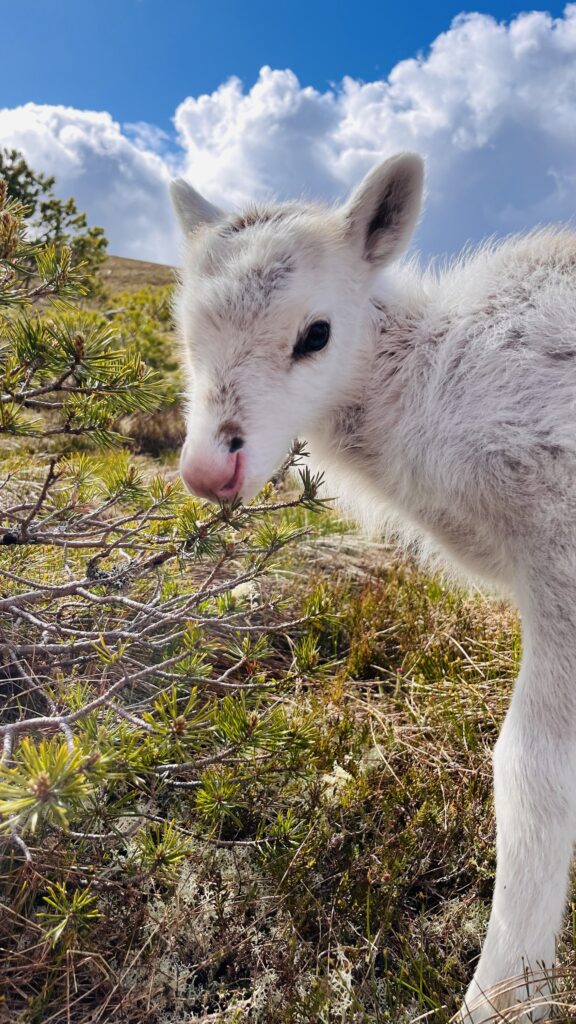
I realise that is a lot of information about plants! So, if you’ve stuck with me till the end I’ve included a final very cute photo below of baby Quickstep out on the free range last summer as a reward! It’s nice to take the time to learn more about our surroundings and not just appreciate the reindeer, but also their home, and how important each and every bit of it is.
Quickstep munching on a Juniper shrub high in the hills.
Hopscotch is one of those reindeer in the herd who isn’t up in your face and super greedy but is very reliable when it comes to catching and handling because of how very tame she is. She has aged into a really sweet old girl and having had her fair share of calves over the years it’s so great she has passed that on as they too are very sweet. She’s a funny one Hopscotch because her mother, Fada, really had quite a wild character and always gave us the run around but Hopscotch couldn’t be sweeter or tamer if she tried. Luckily she has passed that onto her calves and Fada’s aloof streak has been phased out.
Hopscotch in late autumn looking like the impressive reindeer she is.
Juniper is her oldest daughter and she is unique as she doesn’t grow any antlers. This however doesn’t stop her dominance within the herd and she certainly won’t be pushed off her food in a hurry. That is where her front feet come into play! She has also had two calves so far – Fab and Cha Cha. Like the rest of their family they enjoy their food!
Hopscotch (left) and Juniper (right), as a polled reindeer never grows antlers. Hopscotch having recently cast her antlers is looking a lot more like her daughter here!
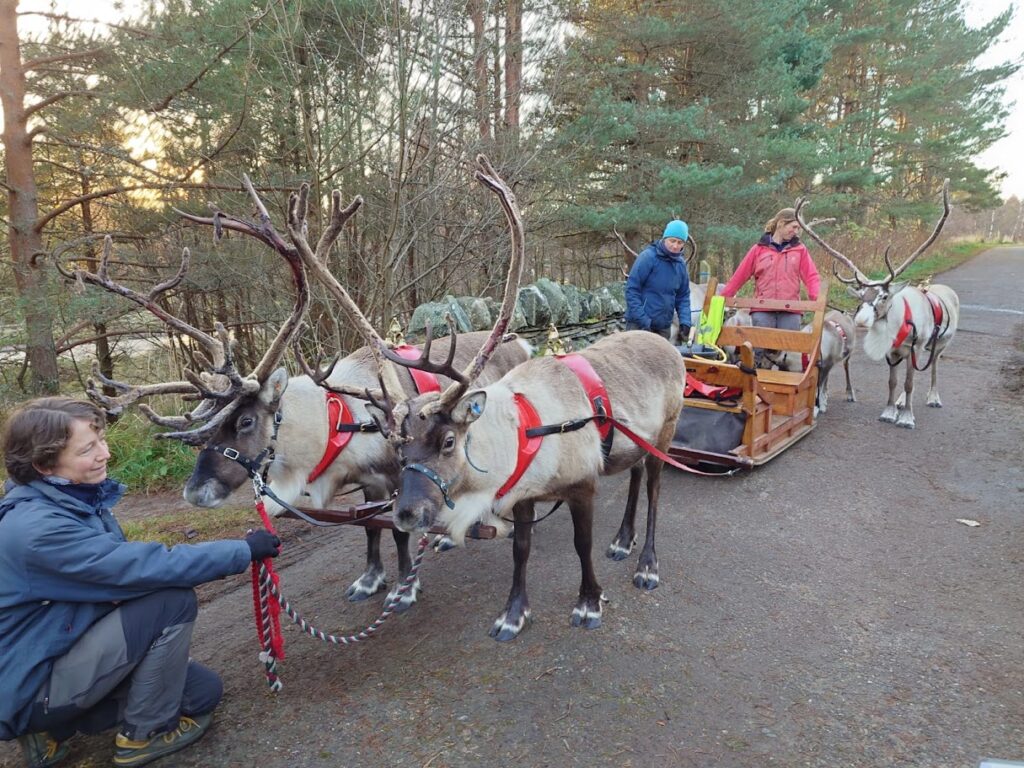
Her next born is Busby. He is one of our lovely ‘Christmas reindeer’ who is trained to harness and pull the sleigh. His character is super tame, friendly and inquisitive. He is certainly one of my favourite Christmas reindeer to work with because he actively seeks out attention, which usually revolves around food, but makes him great to work with but also a really good role model to the younger, less experienced reindeer. As a calf when he was still with mum Hopscotch he actually came in from the free range in quite poor condition, for whatever reason. However, we worked hard on turning him around and now I’d say he is one of our fattest reindeer in the herd! That is a compliment, nobody wants a skinny reindeer.
Busby (right) getting ready for another Christmas Season, training in Glenmore.
Zambezi is a young female at only 3 years old. Like her mum and sister she spends most of her time out on the free range then comes into our mountain enclosure at certain times of year whether it’s for the rutting or calving season. She grows quite a similar shaped antler to her mum which I’d say is very upright and tall. Her nature is greedy but she’s not quite got her brother Busby’s tameness. Probably the female in her as opposed to her dopey brother 😉. As a calf she was a real mummy’s girl and they were never seen too far apart.
Hopscotch (right) and daughter Zambezi (left) sharing a lovely moment together.
Hopscotch’s last calf was born in 2025 and he is called Foxtrot. He is the palest in colour compared to his siblings and has a white patchy face. Having worked with him over the Christmas period and general handling since then he is showing all the signs to be just like big brother Busby. Sweet and greedy but not pushy, just a lovely natured wee chap. I’m really looking forward to watching him grow into the herd.
Hopscotch and Foxtrot free ranging during Foxtrot’s first summer! Hopscotch and Foxtrot from autumn 2025 – while they may not look overly similar, their personalities put them very much like mother like son.
Now Hopscotch is 15 years old she is definitely retired from calving and will go on to live her life out free ranging on the Cairngorms. She can leave the breeding now to her two daughters Juniper and Zambezi. Busby will do her proud when it comes to showing off on Christmas events and being chief hand feeder on our guided Hill Trips and little Foxtrot will navigate through the next few years as a young bull and if we decide not to breed from him then, like his brother, he will become a Christmas reindeer too. She’s got a lovely succession of family behind her, Hopscotch, but equally she’s doing great herself even at her grand age.
I’m almost at a complete reindeer year now, having worked through late summer, the rut, Christmas, and free range season, the last for me to complete the set – calving season! I was ready to be inundated with calves everytime I went up the hill each morning, but this May saw a steady trickle of calves, keeping all of us herders on tender hooks for which cows would calve next.
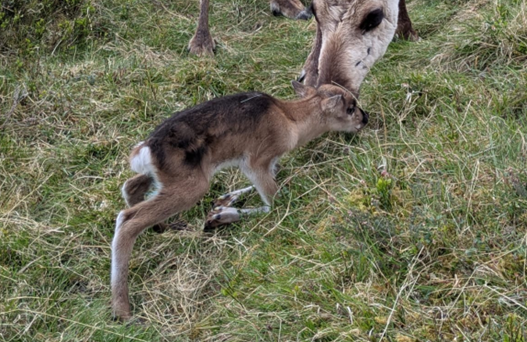
Some of the calves are incredibly tame right from day one, maybe because their mums are very friendly, or sometimes, in the case of this little guy – they’re just very curious about the world! (And maybe slightly dopey…)
My first trip up the hill at the very start of May left me disappointed to find that no cows had gone off to have their calves overnight. But I didn’t have to wait long for my first calf of my first calving season! (As we wait to let our adopters know which cows have calved this year, I won’t give away any of the wonderful mums at this time, but that doesn’t have to stop us from admiring all their beautiful babies!)
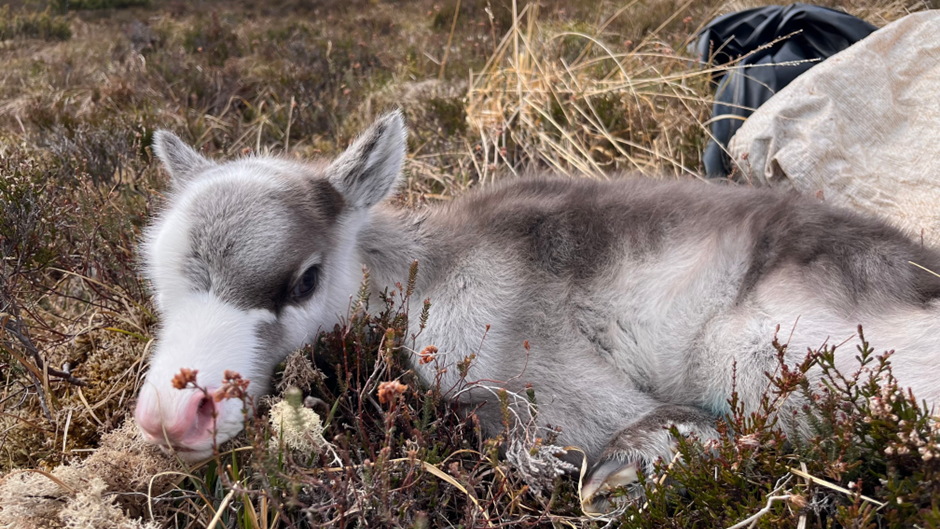
My first calf was a very small female with lovely, what we call ‘normal’ colouring. She did very well following her mum for quite a distance, while Amy, Kate and I gently pushed her from a distance towards the calving pen. The reason we do this is to put all our cows and calves together into a nursery area for the first couple of weeks of the calf’s life. From there they then return to the herd for a week or two before setting out onto the free range as a mini herd of mums and youngsters, set to return from the mountains in autumn.
An instant favourite reindeer for me, my first calf!
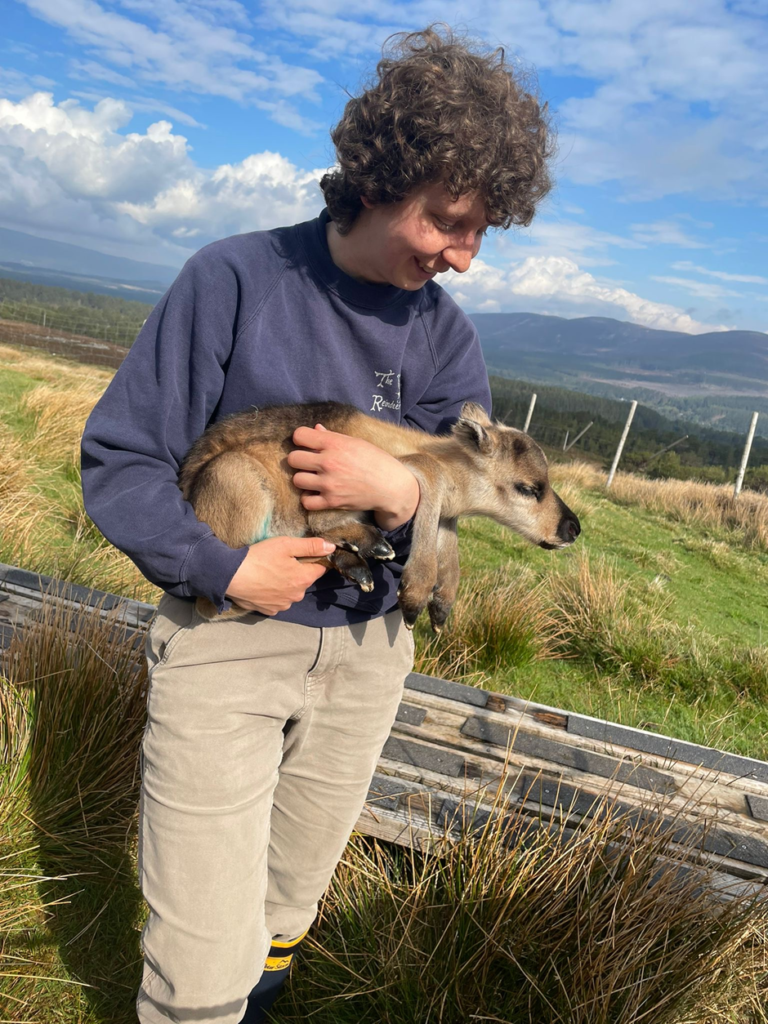
Calf number one of my top three calves this season, made it as far as she could before she flumped down tired into the grass and mum started to graze. Amy was then tasked with the awful responsibility of carefully carrying the calf alongside her mum into the calving pen – what a nightmare…
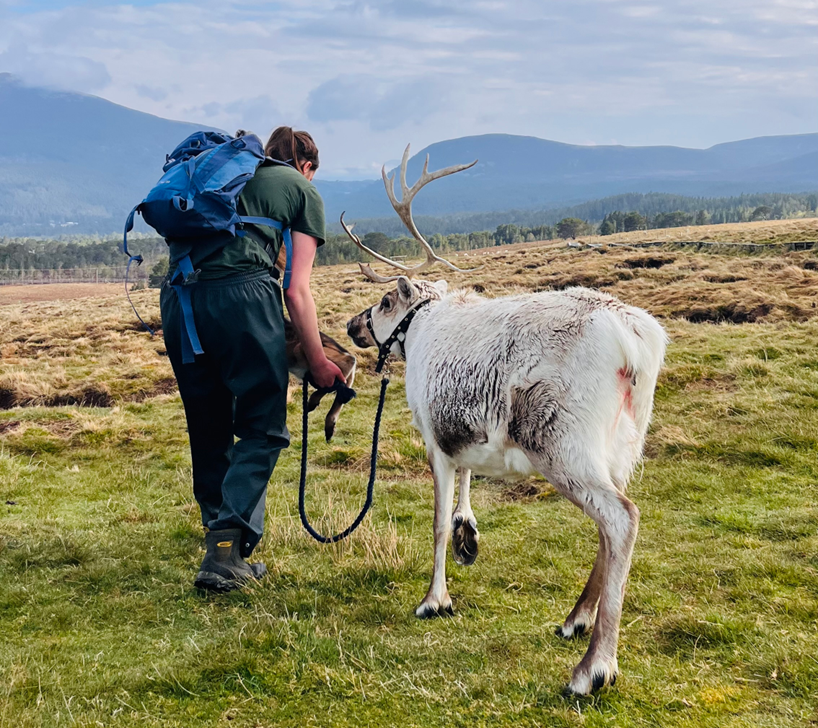
Amy juggling mum and baby, making sure to keep them close together and give them all the time they need while we make our way across the Hill Enclosure.
It’s really important when we’re moving the calves like this that we take it slow, allow lots of moments for the mum to be able to nuzzle her calf and for us to keep the calf right next to her. This could be by carrying her slightly in front, next to her face, or it could be by bending right over and carrying the calf by the mum’s back legs. These methods keep the mum calm knowing her baby is right where it should be and the calf can be constantly reassured by smelling, feeling, or hearing its mum.
Once we had got the calf over to the calving pen, we have to treat the calf. We use an antiseptic spray on the remainder of the umbilical cord (which leaves the calves bright blue), and we treat the calves with spot on, giving them protection straight away from the ticks that can be found on the hillsides. While Amy treated the calf, I held her close by mum before we put them both in with the other cows and calves that were mere days older than this one.
It’s a tough job being a reindeer herder.
With the excitement of finding my first calf over, the others started to come in a steady stream. As did the exciting moments up the hill. From hanging out daily with the growing calves – both in size and confidence, to setting out on my own for the first time to find a mother and her new calf in order to treat the calf. Thankfully, my first go of solo catching a calf to treat was one born to a very experienced mother who was very calm while I did everything I needed to. Calf number two was a success and I left mum and baby in a quiet spot with a very large pile of feed and lichen for a well deserving mother.
A great experience dealing with this adorable little guy!
My final top calving moment, and calf number three was my long awaited calving bet!… Every calving season, us herders will all pick a cow we want to back for calving season who hopefully won’t be the last cow to calve. The loser (whose cow is the last to have her calf that year) has to bake a cake for the many victors for calf naming night later in the year. It had become a running joke how much I didn’t want to bake the cake, and as the calves were born and the days ticked by – the joke was losing its steam and I’d begun planning recipes. But, I was saved at the very last moment, coming in second to last, my chosen reindeer had saved me from the jaws of baking and a wonderful female calf joined the herd! (Cue the celebration…)
Saved from baking – another favourite reindeer for me that’s for sure!
The next day after she was born and had been treated, it was time to bring mum and my saviour into the calving pen, so I set out following Andi across the enclosure to track down mum and calf and hopefully push them in. They had quite a walk to move them across the hill and it was pretty clear right from the first few steps that the calf was going to struggle to move through all the deep heather that mum had settled them both in. So, incoming that awful task that no one wants to do… I volunteered as tribute to carry lucky calf number three across the enclosure.
The walk took quite a while and required a lot of stopping to let the mum lick her calf’s face and to check on her. The calf was very relaxed and sleepy for the entire walk, but like any animal, they’re all different and need different allowances, and this particular female can be quite… grumpy is probably the best word. So we kept them close together and made sure that mum was in control. Finally we made it to the calving pen and they joined the nursery herd, much to the cow’s delight – nursery pen meant lots of lichen!
Anyone order a calf taxi?
So, as June starts, calving season comes to an end and it’ll soon be time to walk the cows and calves out onto the free range. Having had the oppertunity to help with that in the start of June last year as a volunteer, it feels like a full circle moment. Maybe I can ditch the ‘L’ plates now…
Over the past year and a half our new exhibition & paddocks have been a non-stop project. One thing we knew we wanted to achieve was to make the new and improved paddocks a haven for local wildlife.
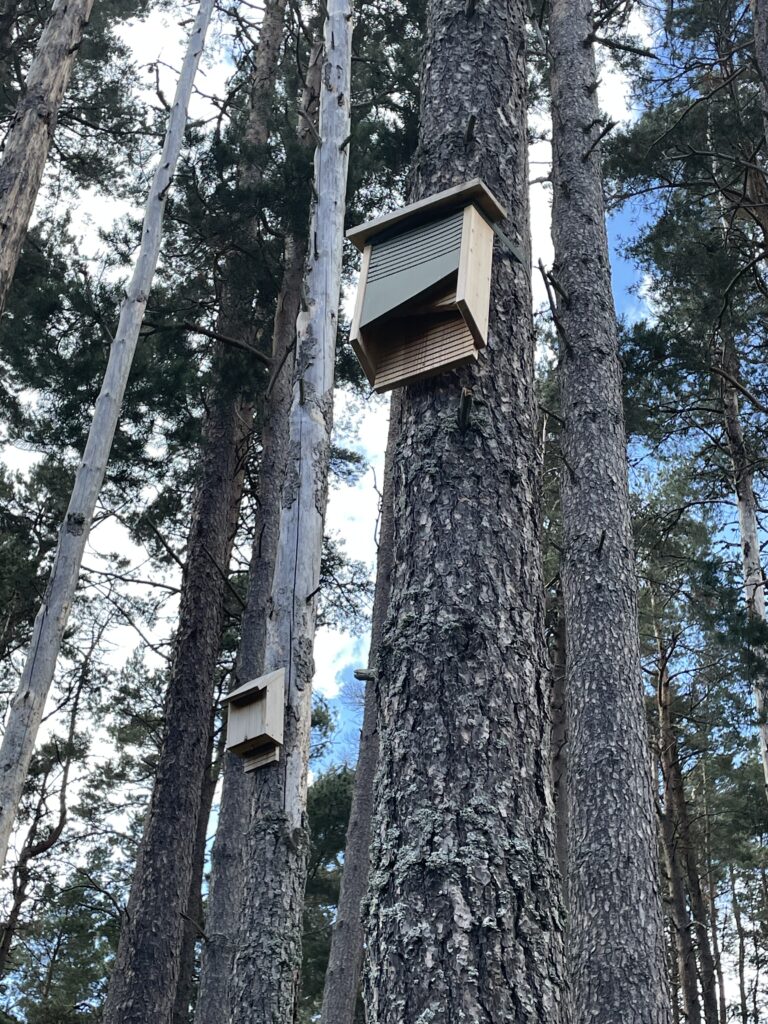
Our mission to make a home for wildlife within the paddocks started with some bat boxes. We strapped these to some trees and snags at the edge of the woods our paddock reindeer overnight in. With bat boxes, you want to make sure they are at least 4 metres off the ground, and that the bats will have a clear flight path to enter – so no low branches blocking them. A sheltered position that gets direct sun for a good portion of the day provides the cosy conditions the bats want. Somewhere undisturbed by artificial lighting is preferred too.
Bat boxes on trees.
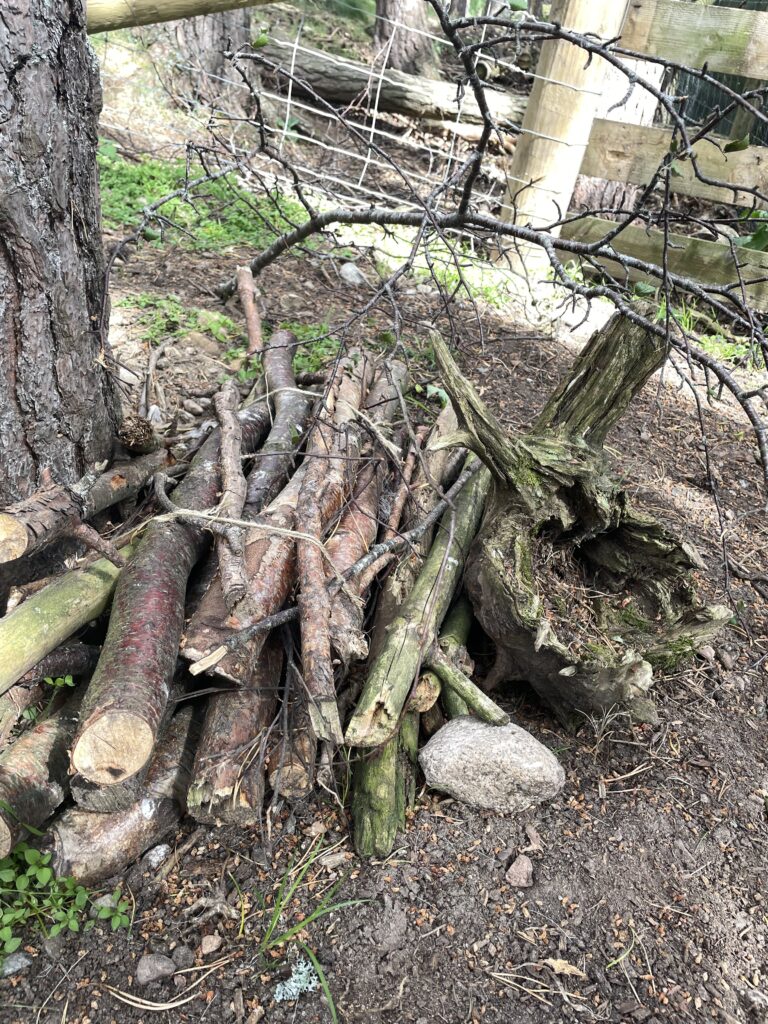
I put together some stacks of deadwood – these provide brilliant habitat for a whole host of invertebrates, and other small animals. These are pretty self-explanatory to make – and weren’t much effort as we have so much brash and deadwood on the ground from all the ongoing works in the paddocks, and the frequent windy weather that brings down branches from the pine woods.
Deadwood pile.
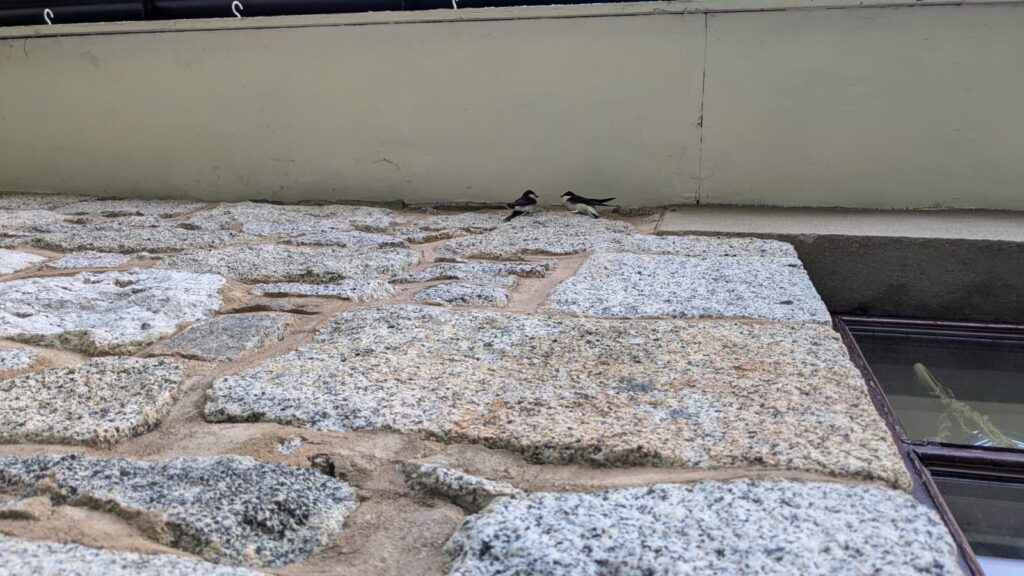
In 2024 Lotti put some house martin nest boxes on the old building – now exclusively staff residence, after seeing some house martins eyeing it up as a nesting site. This inspired us to do something with the new building. We decided it wasn’t suitable for house martins, but they aren’t the only birds suffering from a lack of nesting sites.
House martins on the old building.
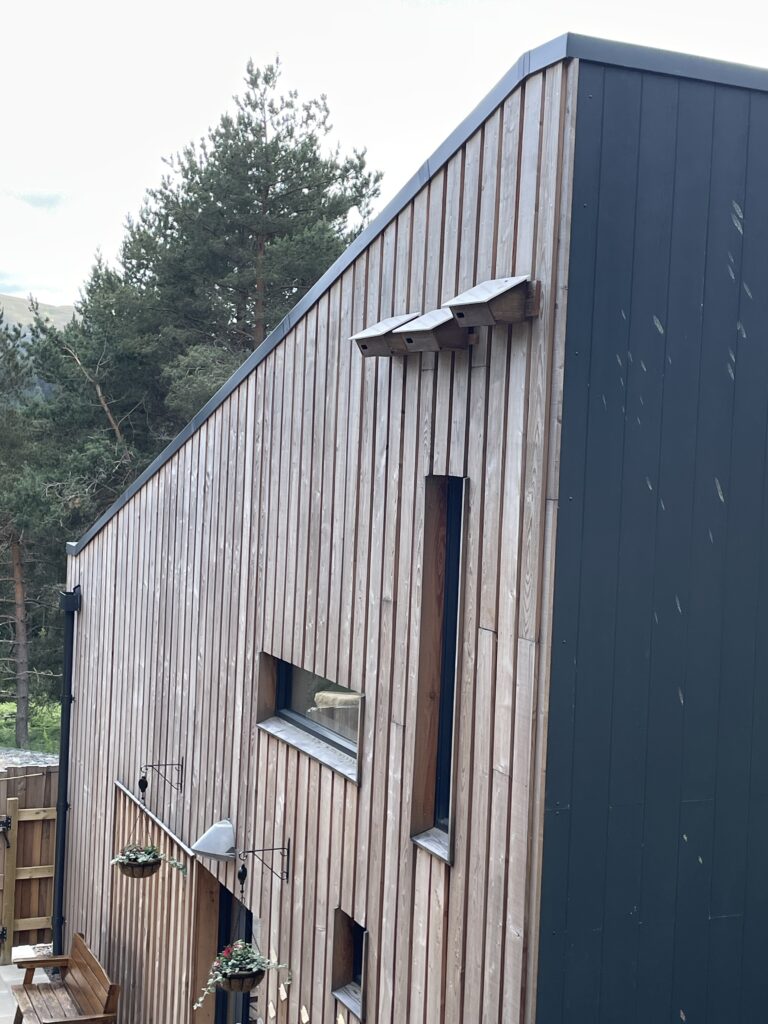
We were kindly donated some swift boxes by ex-herder Jack (thanks, Jack!). Me and Cam had an exciting (terrifying) time, taking turns at the top of a very tall ladder to get these up on the side of the main building. We managed three. Maybe one day we’ll pluck up the courage to put the rest of them up! Swift boxes should be placed close under the eaves of a building, as high as possible. Swifts want a clear flight path to swoop down and then up into their nests, so it’s important there are no nearby obstacles in their way. North or east facing placements are best, to avoid the worst of the afternoon summer heat.
Swift boxes on building.
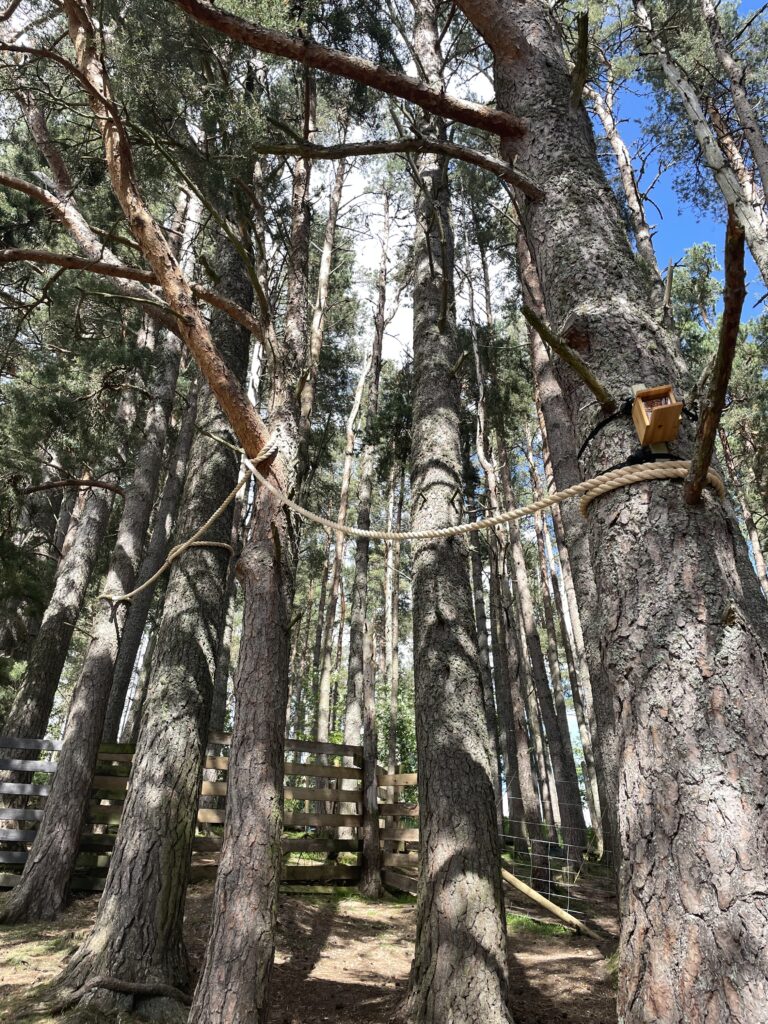
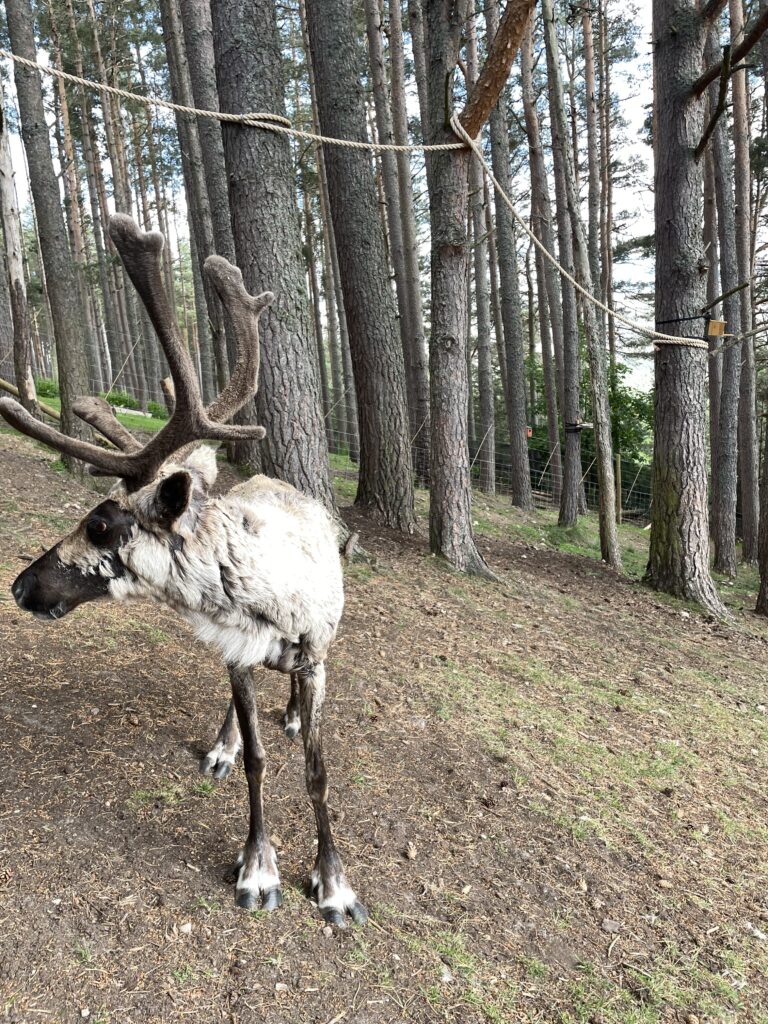
Daisy has recently been hard at work putting together a squirrel feeding station, with ropes for them to scamper tree-to-tree. Squirrel feeders are specially designed for just the squirrels to access, and you can buy special squirrel food blends that best resemble their natural diet.
Daisy’s squirrel station.Limpopo waiting for the squirrels to turn up.
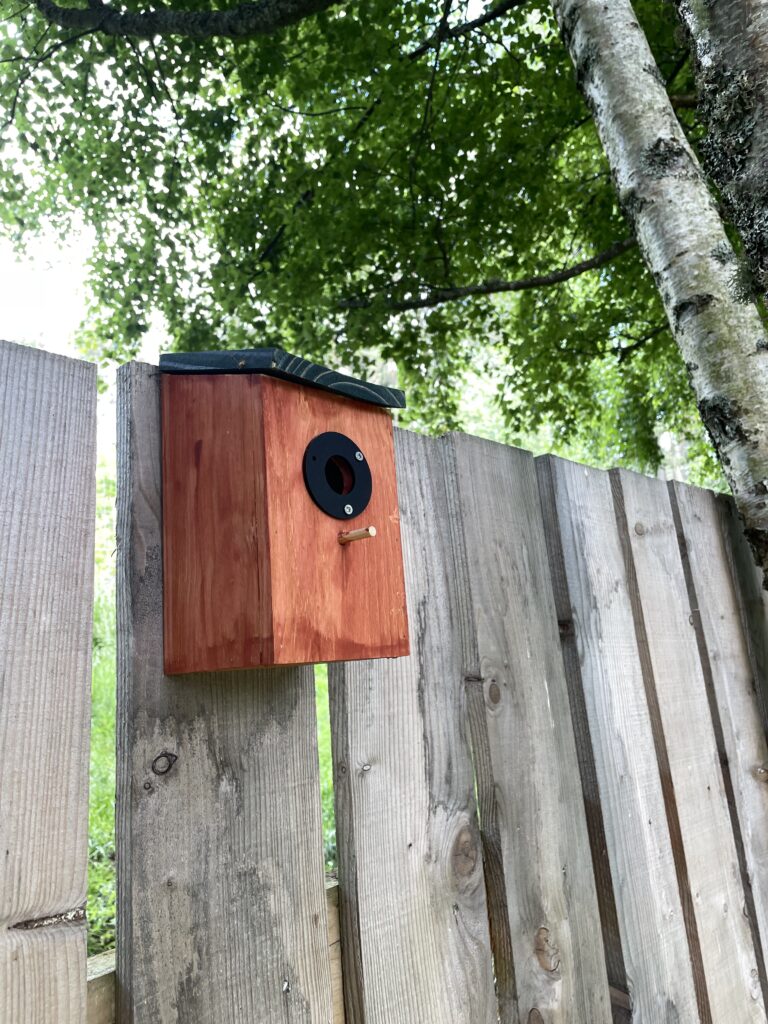
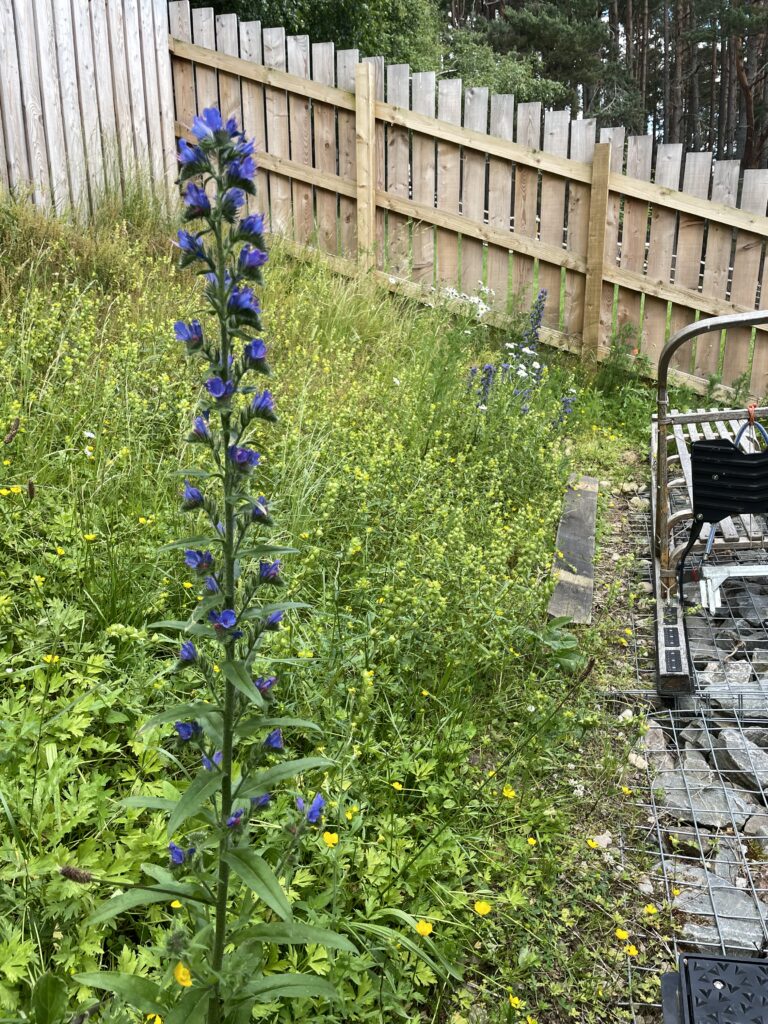
As well as these specific efforts, we’ve also put up multiple nesting boxes for small birds, and sowed a wildflower bank behind our staff room which should hopefully continue to flourish and improve over the coming years.
Bird boxes. Wildflowers behind the building.
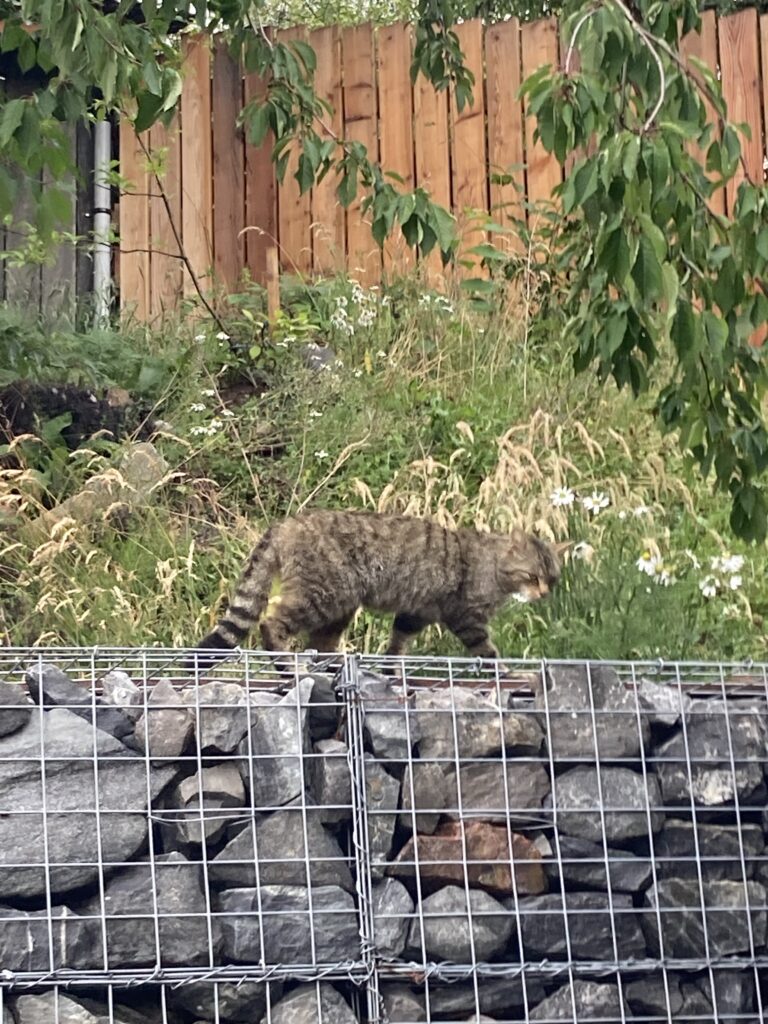
We’ve had some great wildlife sightings in the paddocks in the past year. We’ve had multiple visits from Callie the Scottish wildcat (part of a release scheme in the area), a resident badger in the woods last winter, and to my delight a beautiful male adder last summer! We also have an abundance of different bird species, small mammals like red squirrels, shrews, voles, and moles, and undoubtedly plenty of invertebrates. Hopefully our efforts in the paddocks will bring in even more, and we can make our wonderful local wildlife feel at home.