
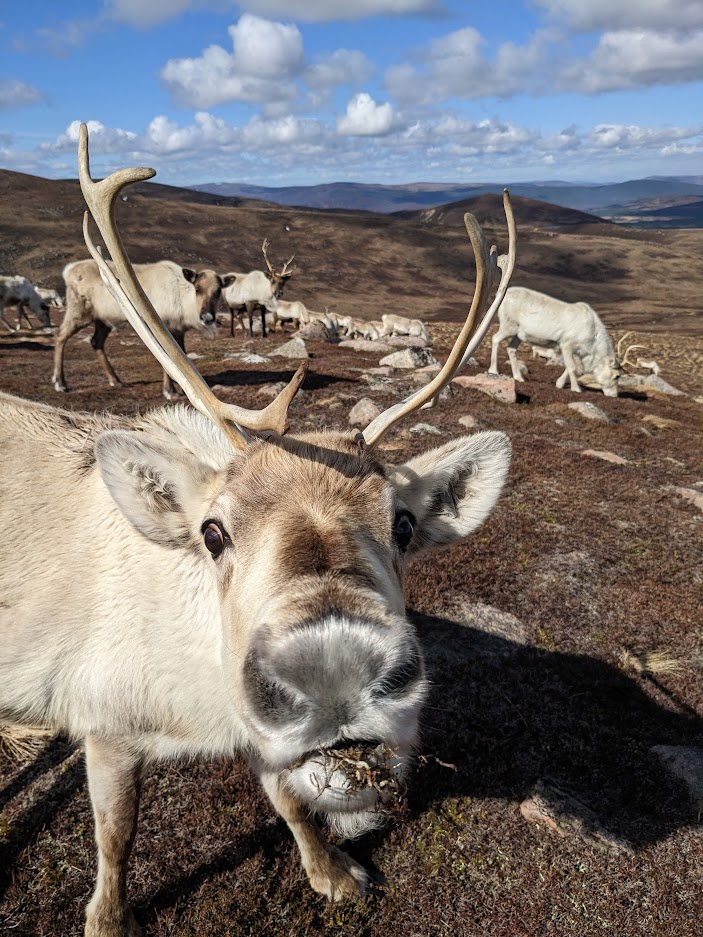
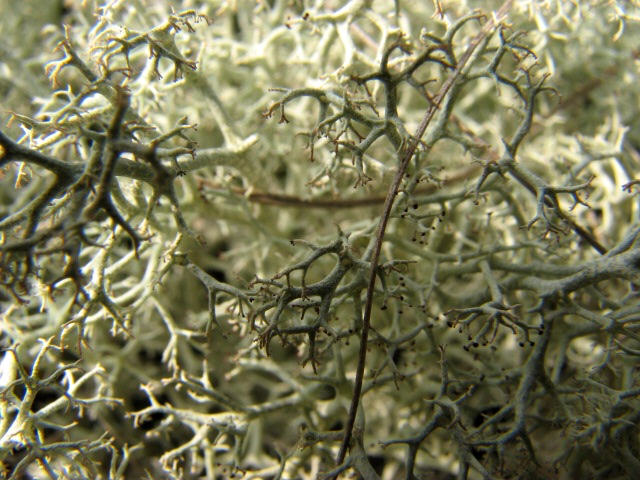
“Lichen, any of about 15,000 species of plant-like organisms that consist of a symbiotic association of algae (usually green) or cyanobacteria and fungi (mostly ascomycetes and basidiomycetes)” (Britannica, 2025). Now that’s a lot of big words and what do they actually mean? What really is a ‘symbiotic association of algae’? And why is lichen so important for reindeer?
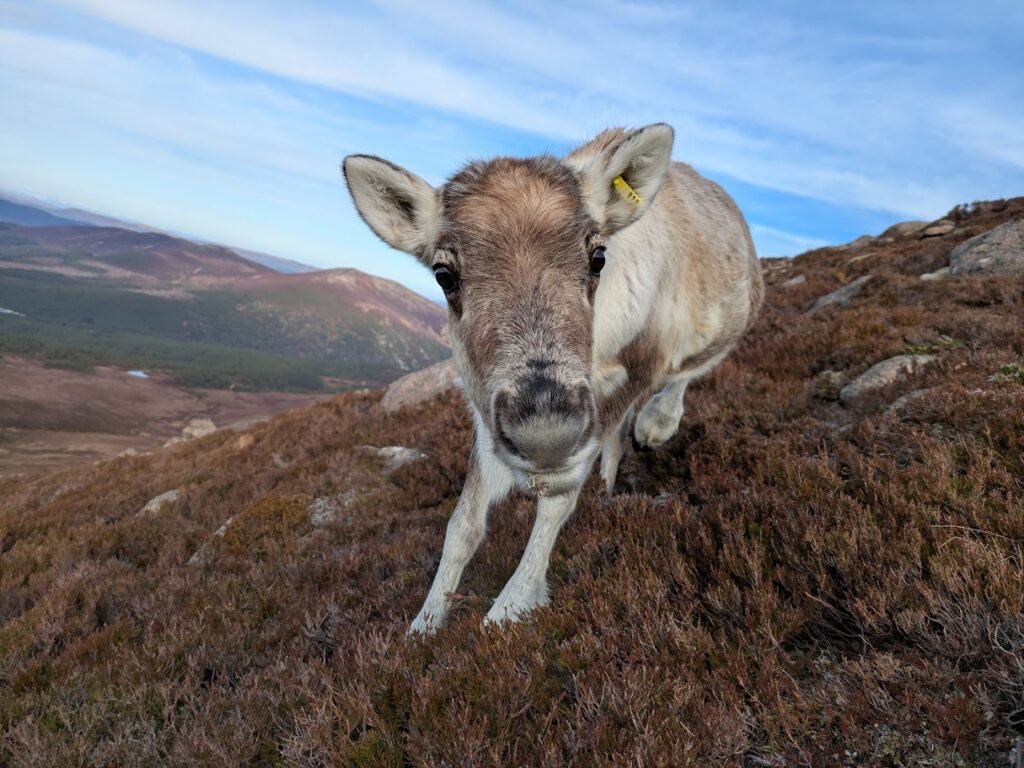
Let’s look at the bigger picture to start. Cast your minds to the vast open landscape that makes up a subarctic tundra ecosystem. Excitingly enough, we can talk about our very own Cairngorm mountains for this, as our reindeer live in the only ecosystem of its kind in the UK.
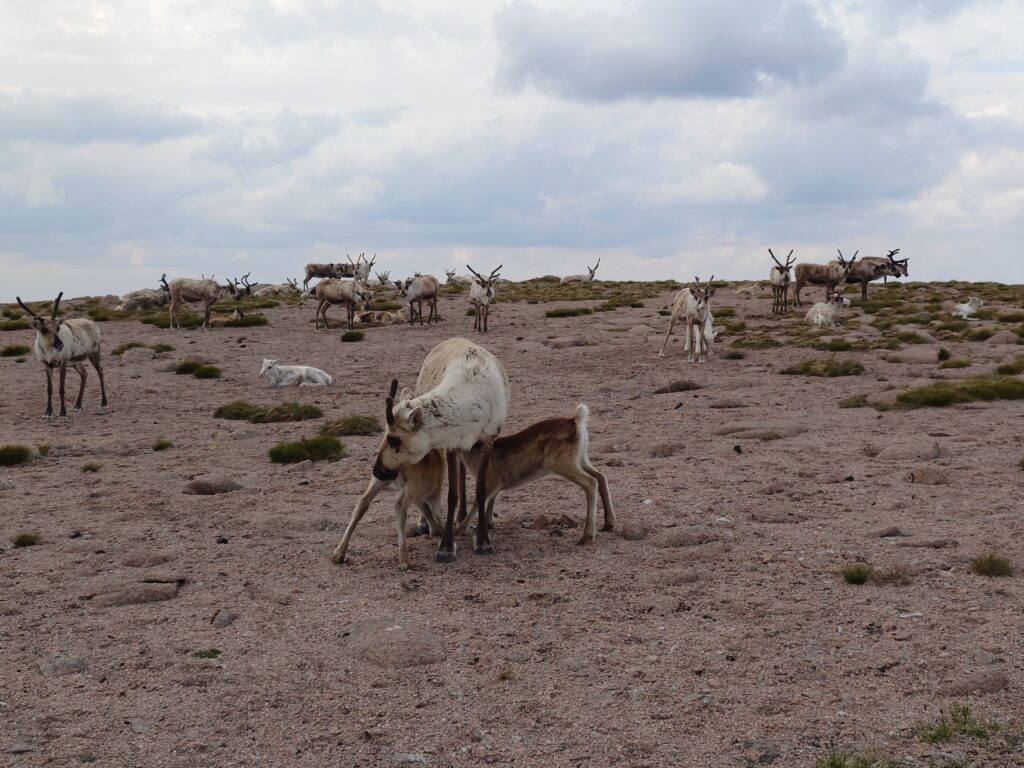
A subarctic tundra ecosystem falls south of the Arctic Circle line and includes treeless habitats of permafrost and generally short flora growing seasons due to harsh weather and low temperatures. It can include fragmented plant growth, like rocky mountainous peaks with scatterings of low growing vegetation including mosses, grasses, dwarfed shrubs, and lichens.
These harsh conditions mean that lichen do not have to compete for space or light with other forms of vegetation, enabling the lichen to grow in blankets across mountain plateaus. Due to their unique differences to other plant life, they are also able to grow on exposed rocks and as part of biological soil crusts. These soil crusts are found in cold and dry areas and make up the majority of all living ground cover in these almost uninhabitable places. The crusts are made of living material that sit on the top few millimetres of ground, meaning larger plants are unable to root and grow due to the ground conditions.
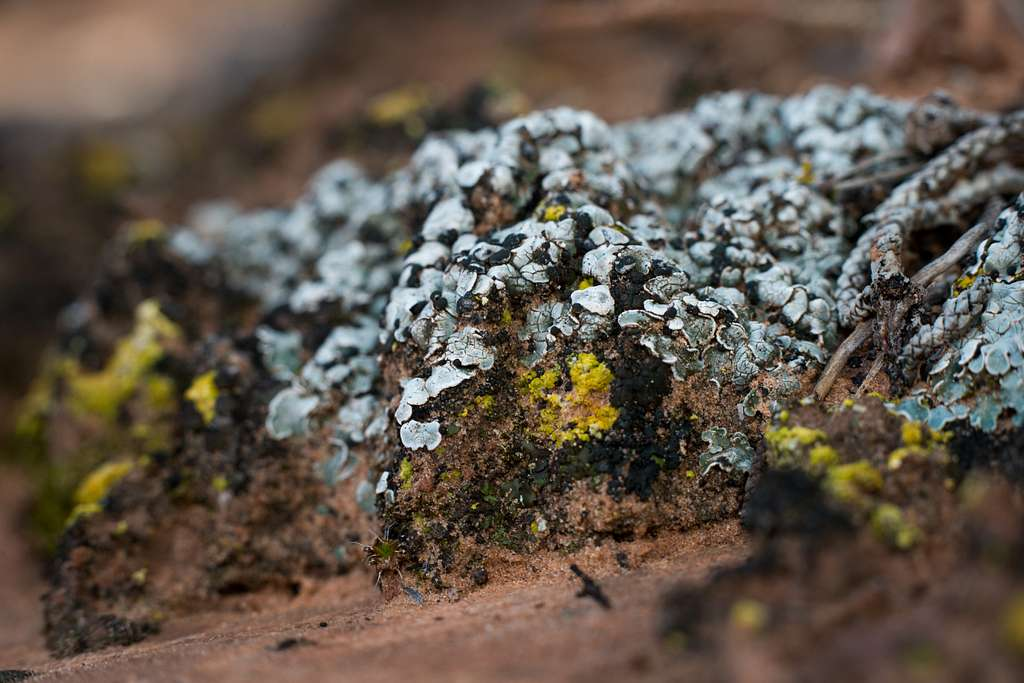
So that brings us back to our opening question, what is a symbiotic association of algae? What is lichen? From what we understand of lichen, it is a community of living organisms from both the fungi and the algae family. The fungi provide the water and minerals, as well as giving the lichen its structure, and the algae provides the food in the relationship, through photosynthesis. This happy partnership allows the lichen to grow and cope with harsh conditions that a normal single organism may not be able to thrive in.
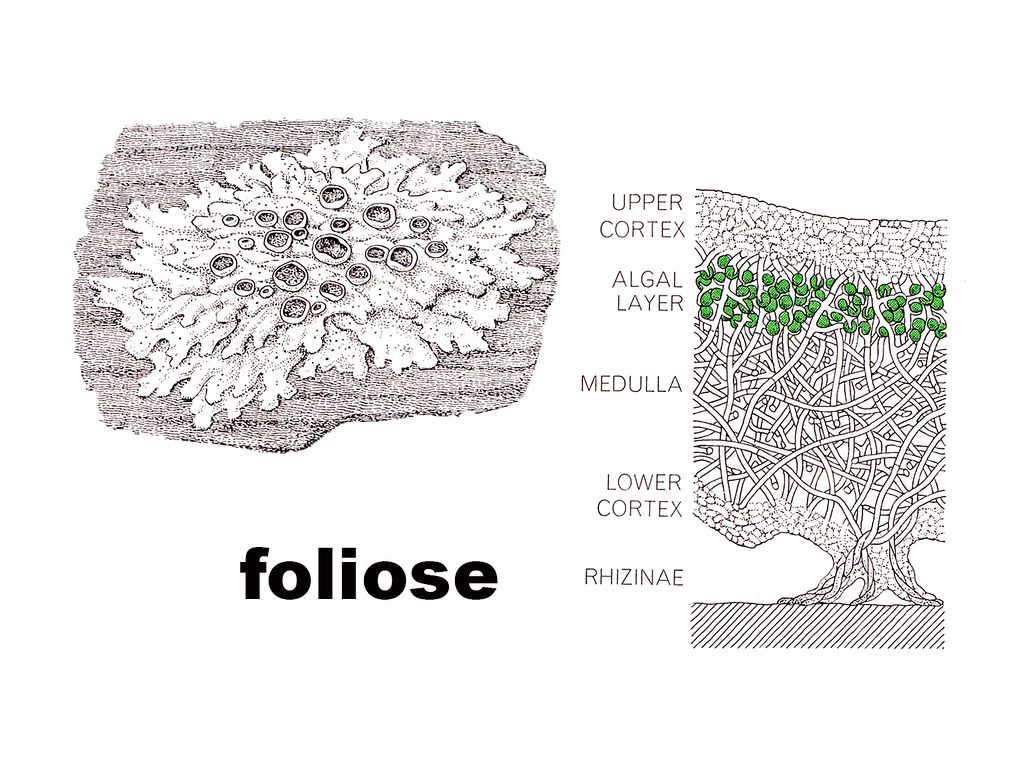
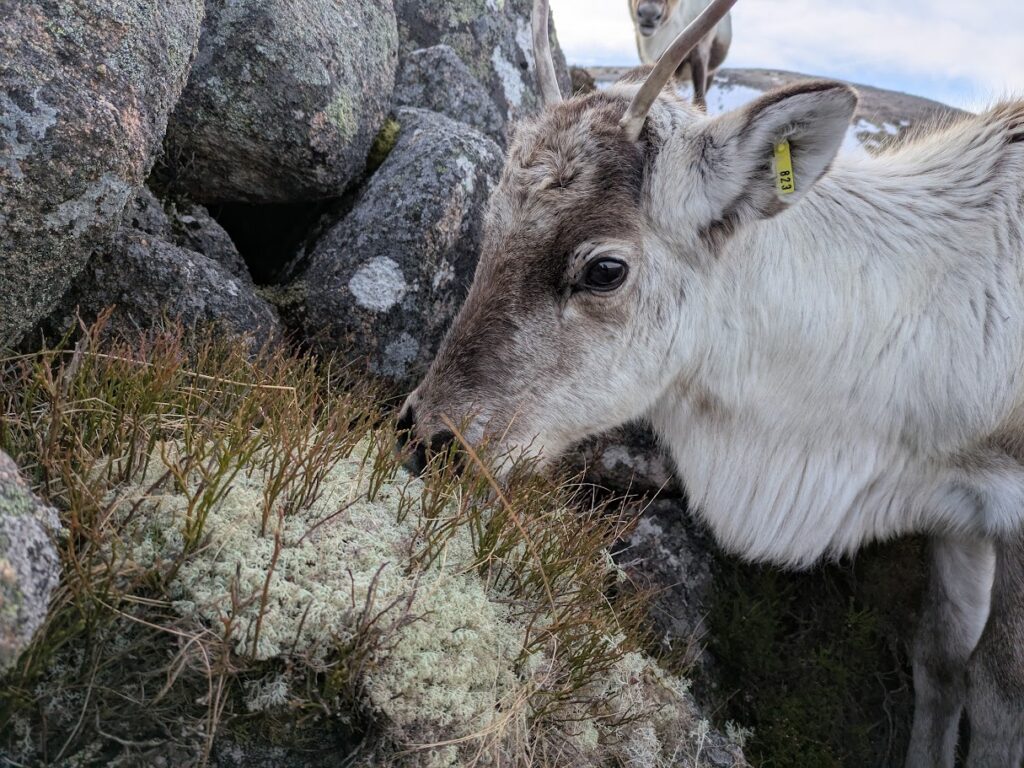
Now let’s add the reindeer into the mix! Reindeer rely heavily on lichen, consuming so much that it can make up to 70% of their annual food intake. This is because those harsh landscapes we spoke about earlier have very little choice available for the reindeer, but they can always rely on the lichen to grow all year round. Reindeer even have specialised gut floras to be able to properly digest the carbohydrates lichen contains.
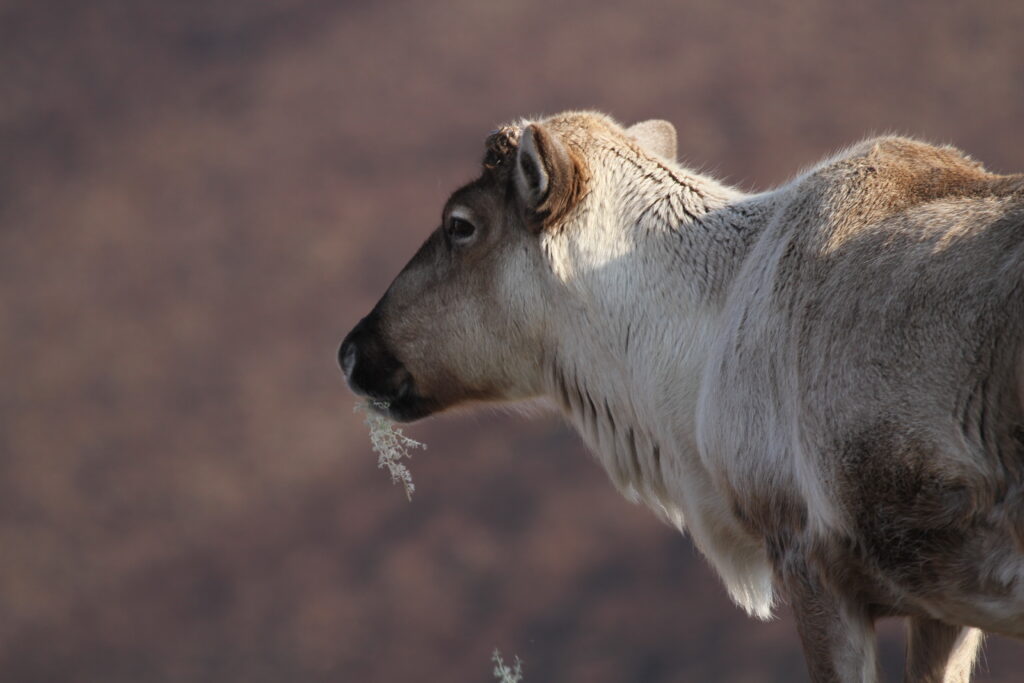
Maybe it’s not that it tastes good then, maybe it’s because they have little other choice?…
But if you asked our reindeer, they would tell you it’s the best thing on the menu!
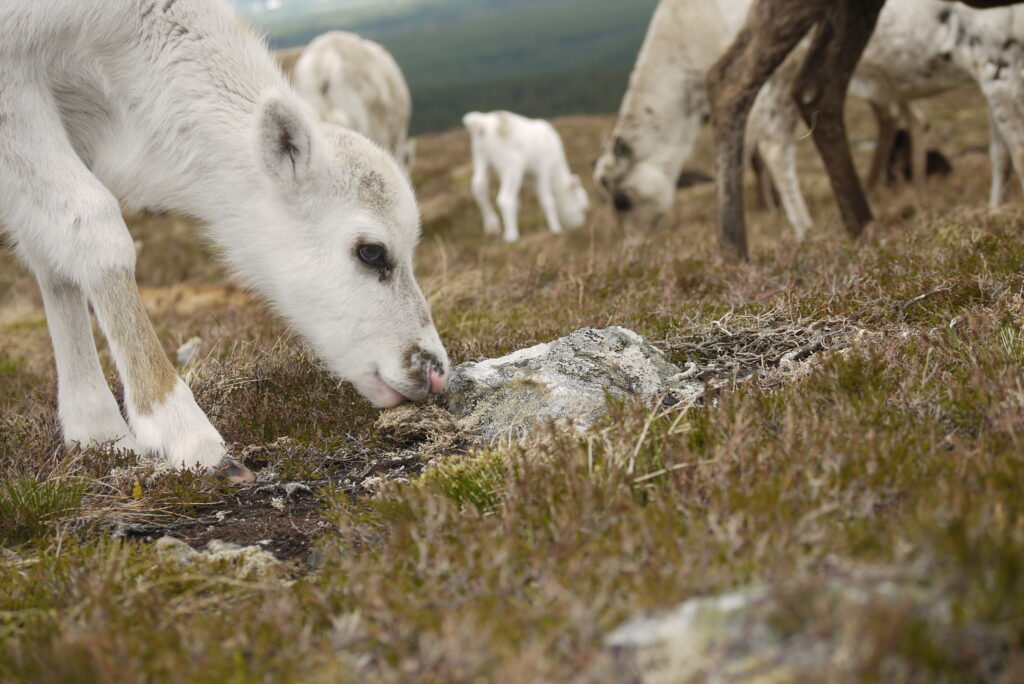
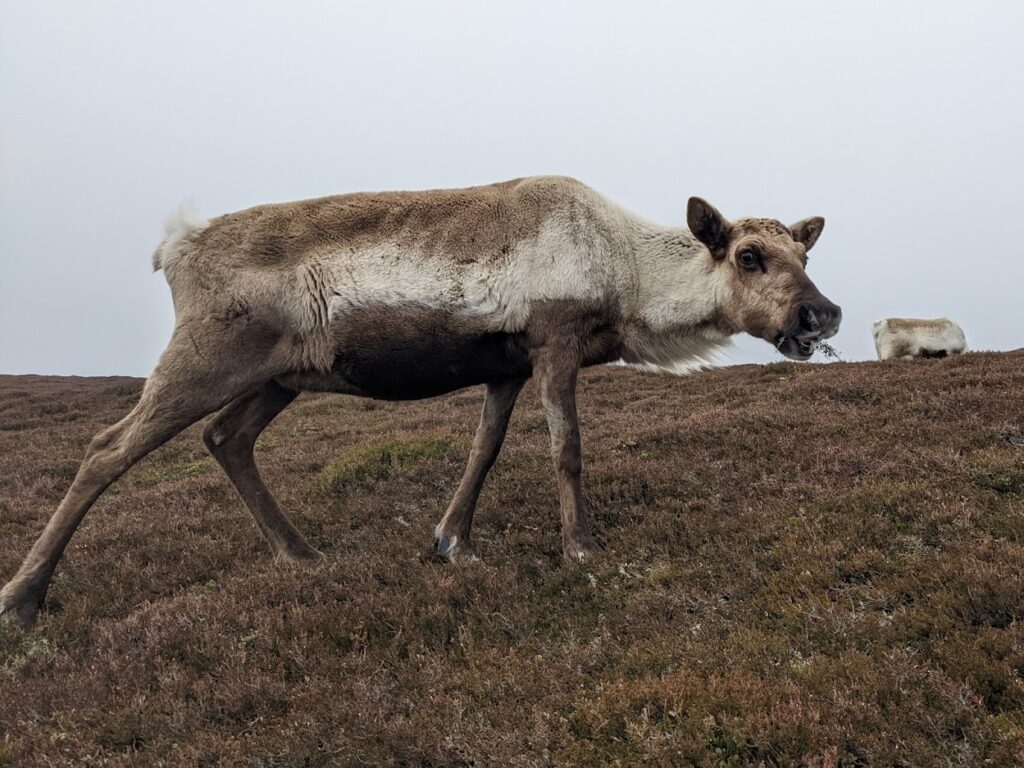
Daisy
Resources to learn more:
https://www.britannica.com/science/reindeer-lichen: Lichen – what is it and why does it taste good? If you’re a reindeer anyway… https://www.britannica.com/science/biological-soil-crust: Lichen – what is it and why does it taste good? If you’re a reindeer anyway… https://britishlichensociety.org.uk/learning/what-is-a-lichen: Lichen – what is it and why does it taste good? If you’re a reindeer anyway…