
Rangifer tarandus platyrhynchus
A wonderful past blog written by herder Hen detailing how the species Rangifer tarandus (more commonly known as reindeer) is broken down into seven different subspecies, got me thinking that I didn’t know too much about these differences. What adaptations did each subspecies have to equip them for their differing environments? I decided to start my research with the Svalbard reindeer – the smallest of all the reindeer and only found within the islands of Svalbard.
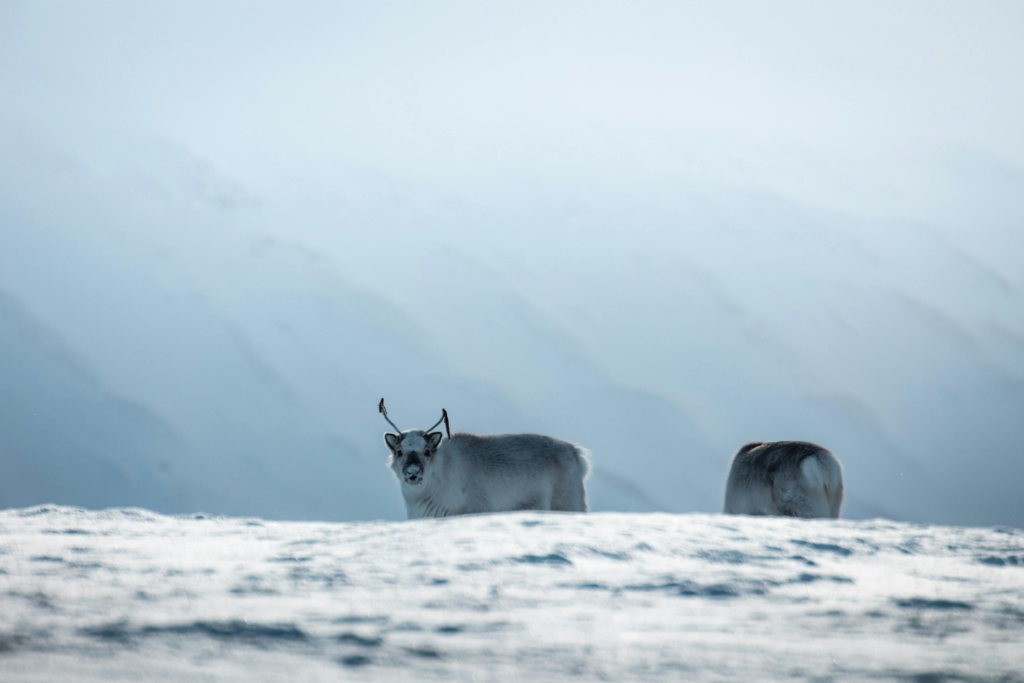
It is estimated that Svalbard reindeer became isolated from other populations of reindeer around 10,000 years ago when the vast ice sheet covering the Barents Sea melted as the earth warmed after the last ice age. Svalbard then became cut off from mainland Europe, effectively trapping any land mammals.
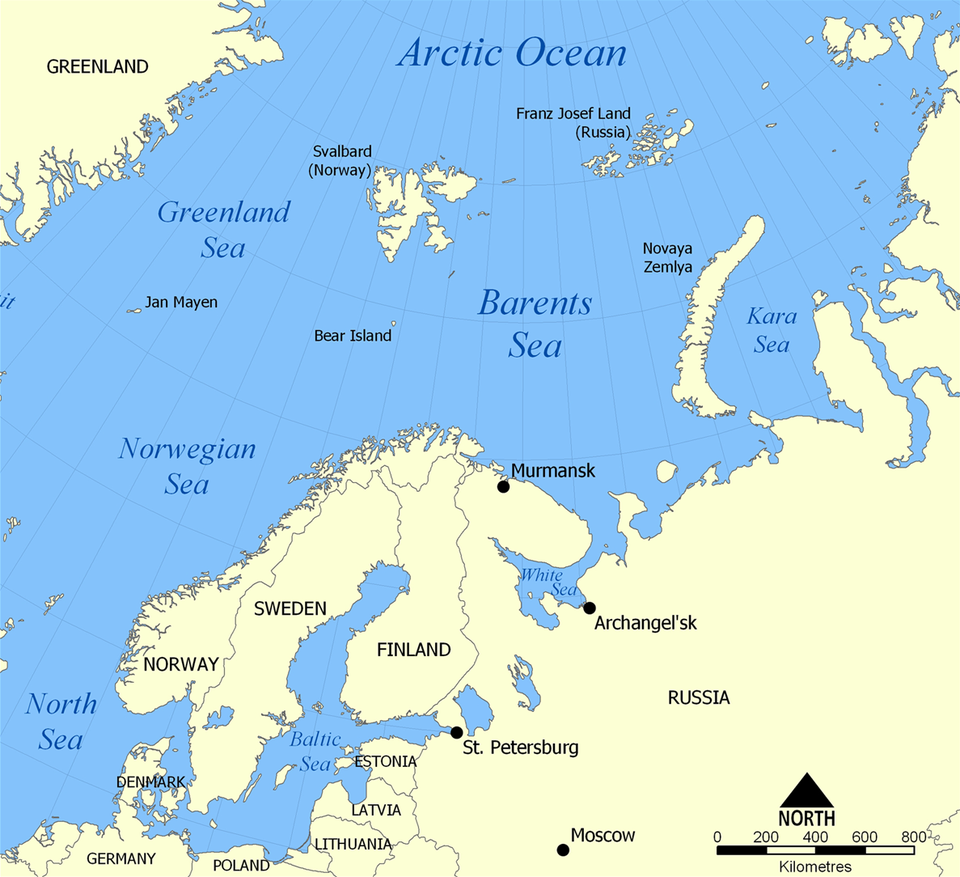
So, what happened to them 10,000 years ago to equip them with living on an open, isolated, arctic tundra landscape? Unlike other subspecies of reindeer, the Svalbard population dropped its need to migrate, only needing to cover short distances on a regular basis, remaining on mountain ridges and plateaus – continuously exposed to the elements. They also lacked forests for cover and fed primarily on short-growing lichens and vegetation.
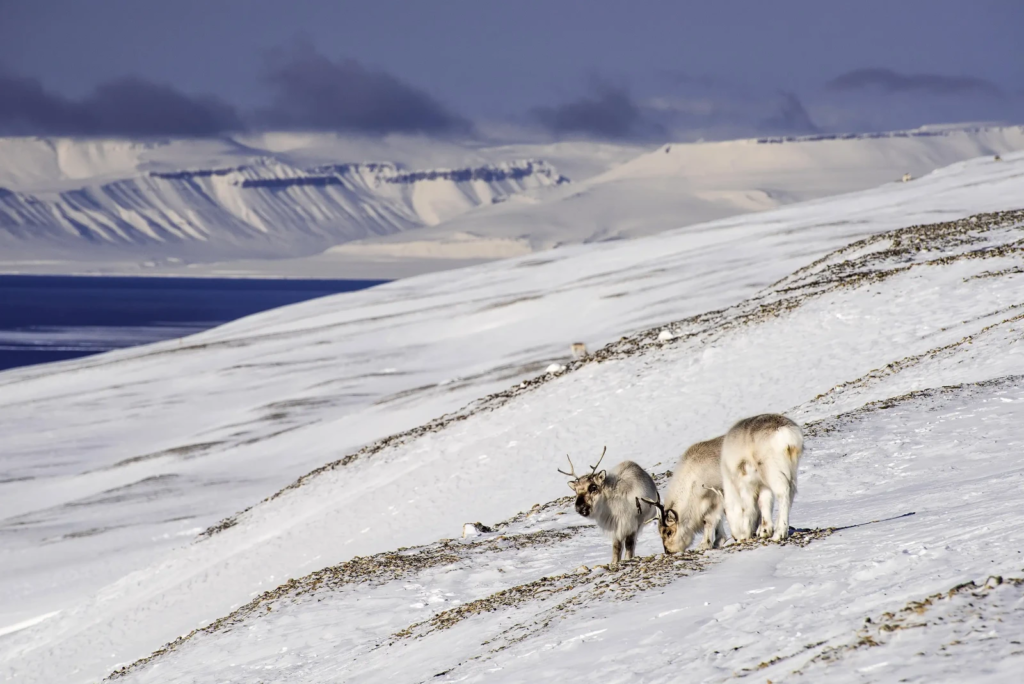
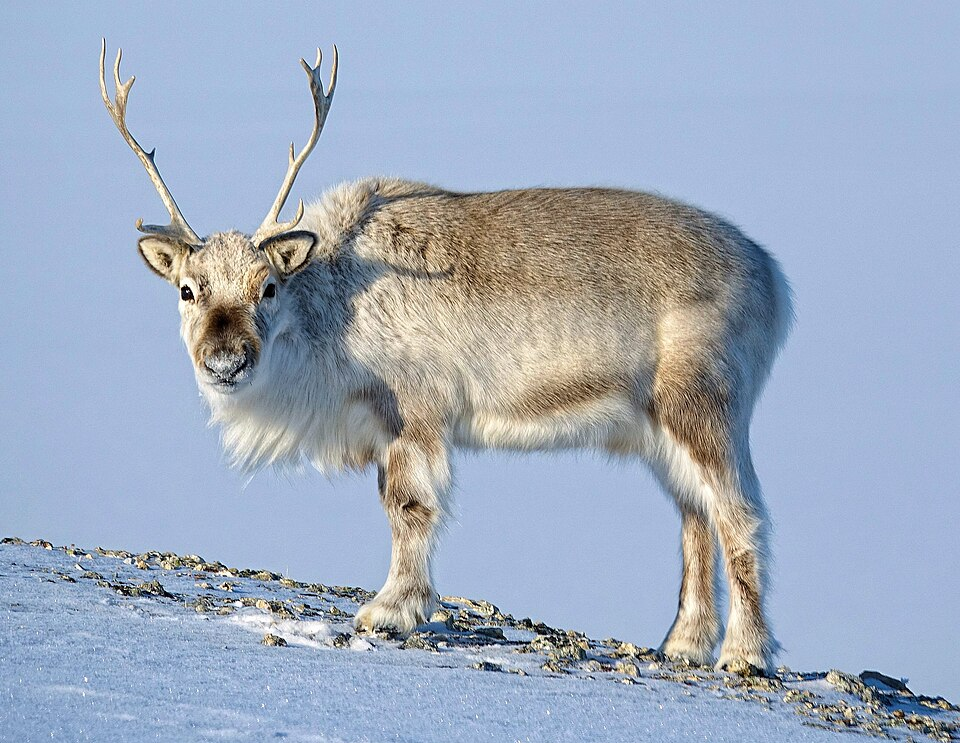
Apart from the occasional polar bear… the Svalbard reindeer also doesn’t have the worries that other subspecies have regarding predators. Due to these changes in their food chain and environment, the Svalbard reindeer evolved to have far shorter legs than the other subspecies. They could still reach a maximum speed of 60 to 80km/h but didn’t require the longer legs of other reindeer – so to conserve body heat, their legs became shorter.
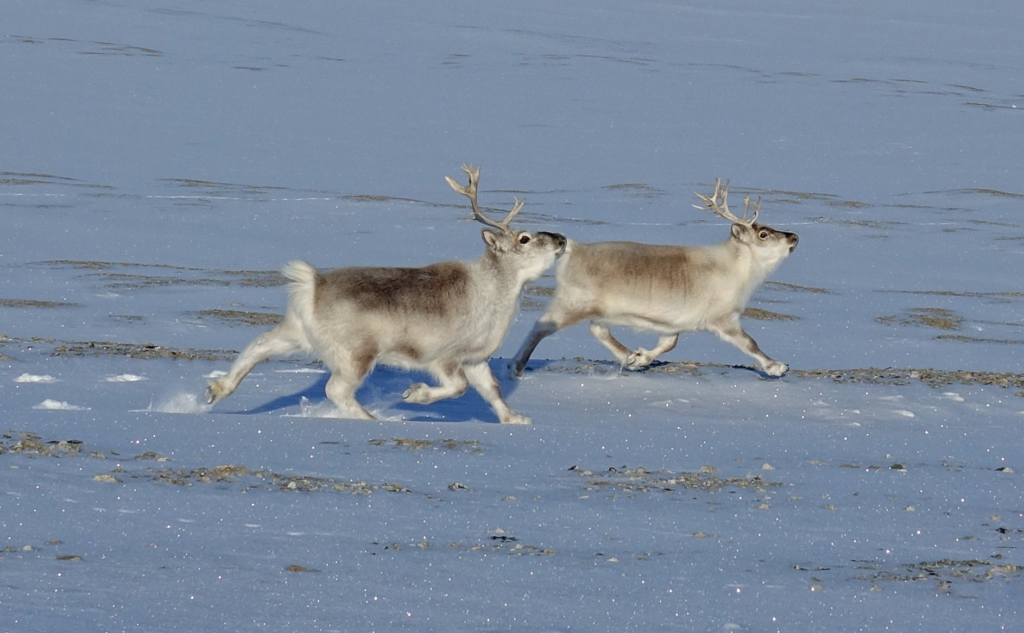
Another unique adaptation to the Svalbard reindeer is their difference in circadian rhythm to other subspecies of reindeer. Svalbard has an extremely reduced day length in winter months. There are between 100 to 150 days per year during which there is no light and the sun does not rise above the horizon. Research has concluded that the Svalbard reindeer has a mutation in a gene associated with maintaining circadian rhythm, allowing their bodies to cope with lack of sunlight (vitamin D etc.). Another change in the genetic make up of this subspecies in comparison to the others, is a change in the genes associated with eye/ optic nerve development – allowing their eyes to adapt to winter conditions.
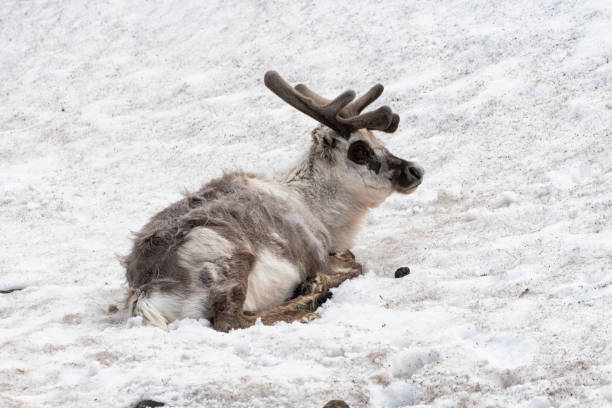
Their diet is very similar to other subspecies of reindeer, feeding on low growing vegetation found along ridges, plateaus and mountain slopes. Feeding to excess on healthy vegetation during summer and then relying on fat reserves and limited grazing during winter when vegetation is limited, but lichen can be found in abundance. The Svalbard population is more of a solitary subspecies than the typical social herd structure of other populations of reindeer. They are often only found in groups of three to five and so over grazing is not as much of a concern in a smaller region, such as Svalbard. However, despite this, starvation is the most common cause of death due to worn teeth grazing on sparse vegetation growing amongst rocky landscapes, or from food frozen into ice pastures.
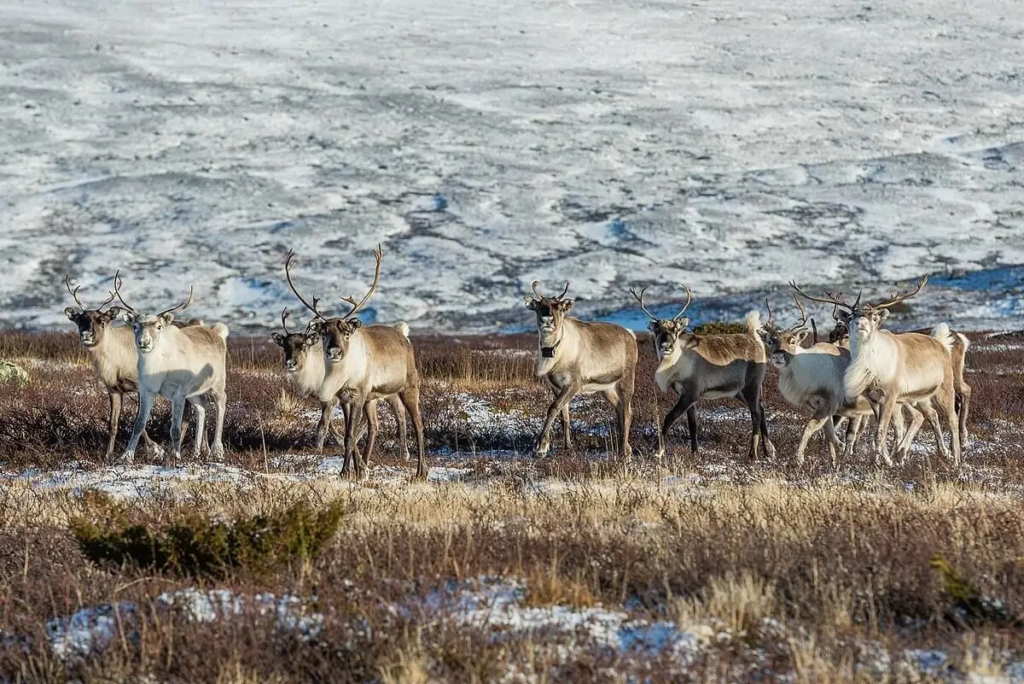
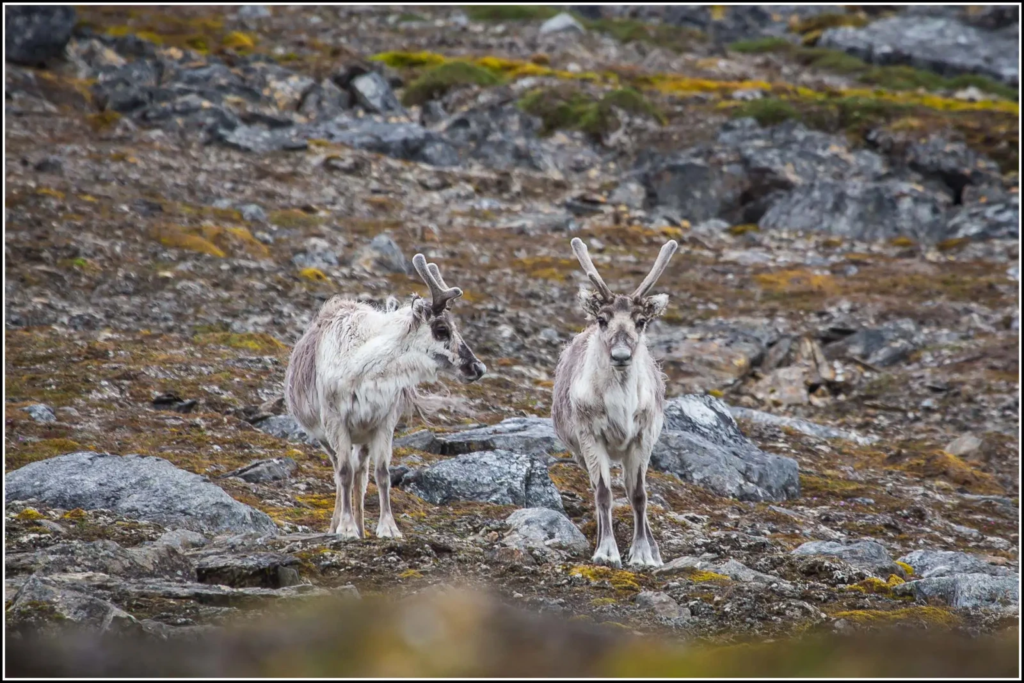
Despite their challenges and differences, one thing is for sure… the Svalbard reindeer are one darn cute animal!
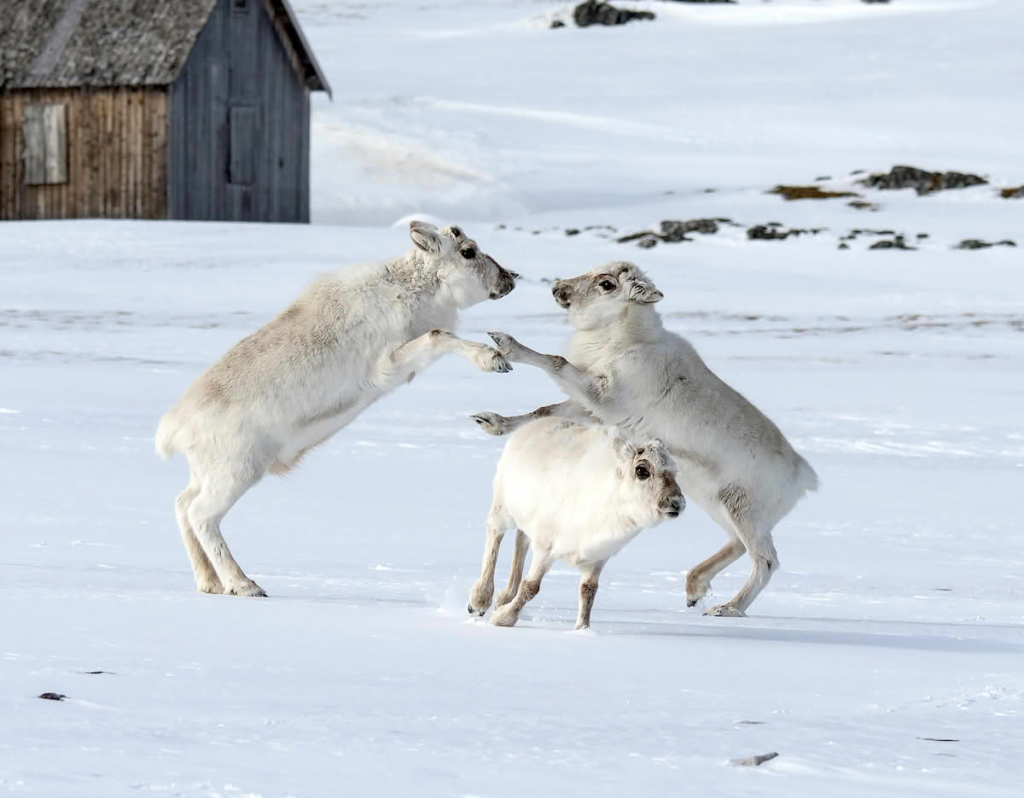
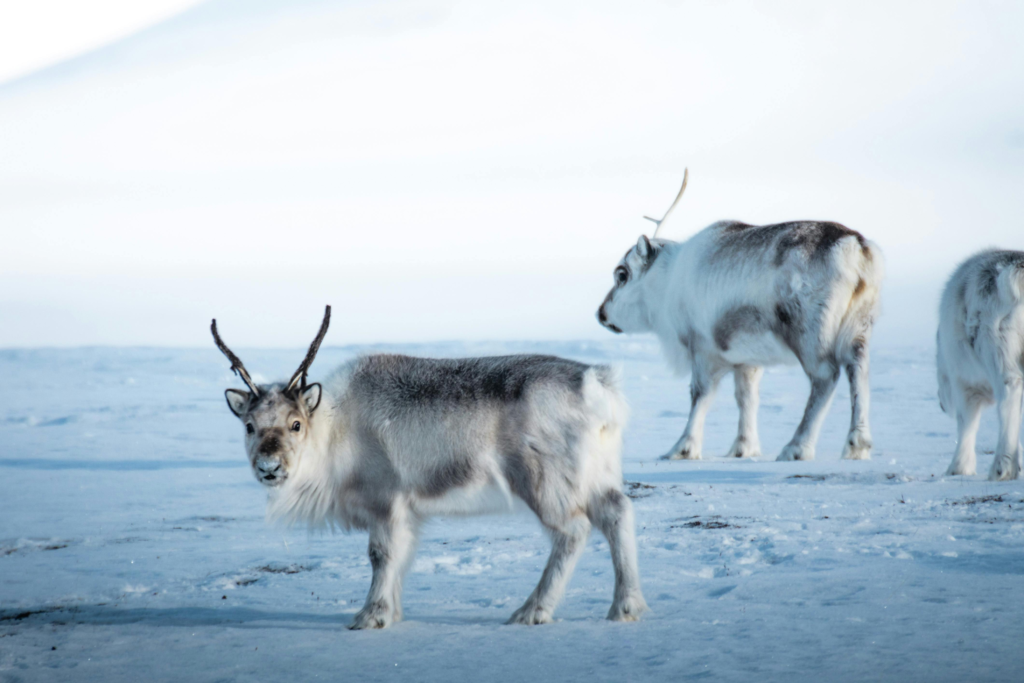
Okay, no more cute photos! I’ll leave it there until next time when we look at the cool adaptions of another subspecies of the Rangifer tarandus.
Daisy
More reading:
https://polar-latitudes.com/discover/wildlife/svalbard-reindeer/
https://www.americanscientist.org/article/the-eurasian-arctic-during-the-last-ice-age
https://www.aurora-expeditions.com/eu/wildlife/arctic/mammals/svalbard-reindeer
https://academic.oup.com/gbe/article/17/9/evaf160/8233719
https://npolar.no/en/species/svalbard-reindeer/#3
Brilliant thank you. I didnt realise there were that many different subjects species
Very interesting. Thank you.
Another great educational blog👍