Making a Home for Wildlife

Over the past year and a half our new exhibition & paddocks have been a non-stop project. One thing we knew we wanted to achieve was to make the new and improved paddocks a haven for local wildlife.

Our mission to make a home for wildlife within the paddocks started with some bat boxes. We strapped these to some trees and snags at the edge of the woods our paddock reindeer overnight in. With bat boxes, you want to make sure they are at least 4 metres off the ground, and that the bats will have a clear flight path to enter – so no low branches blocking them. A sheltered position that gets direct sun for a good portion of the day provides the cosy conditions the bats want. Somewhere undisturbed by artificial lighting is preferred too.
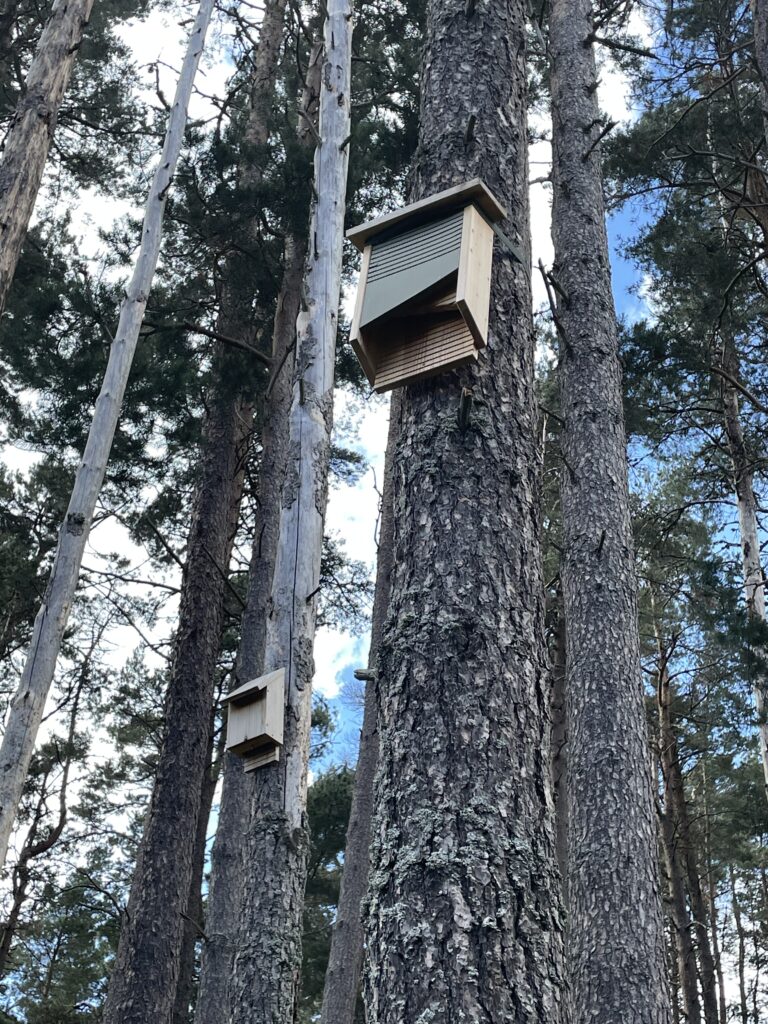
Bat boxes on trees.

I put together some stacks of deadwood – these provide brilliant habitat for a whole host of invertebrates, and other small animals. These are pretty self-explanatory to make – and weren’t much effort as we have so much brash and deadwood on the ground from all the ongoing works in the paddocks, and the frequent windy weather that brings down branches from the pine woods.
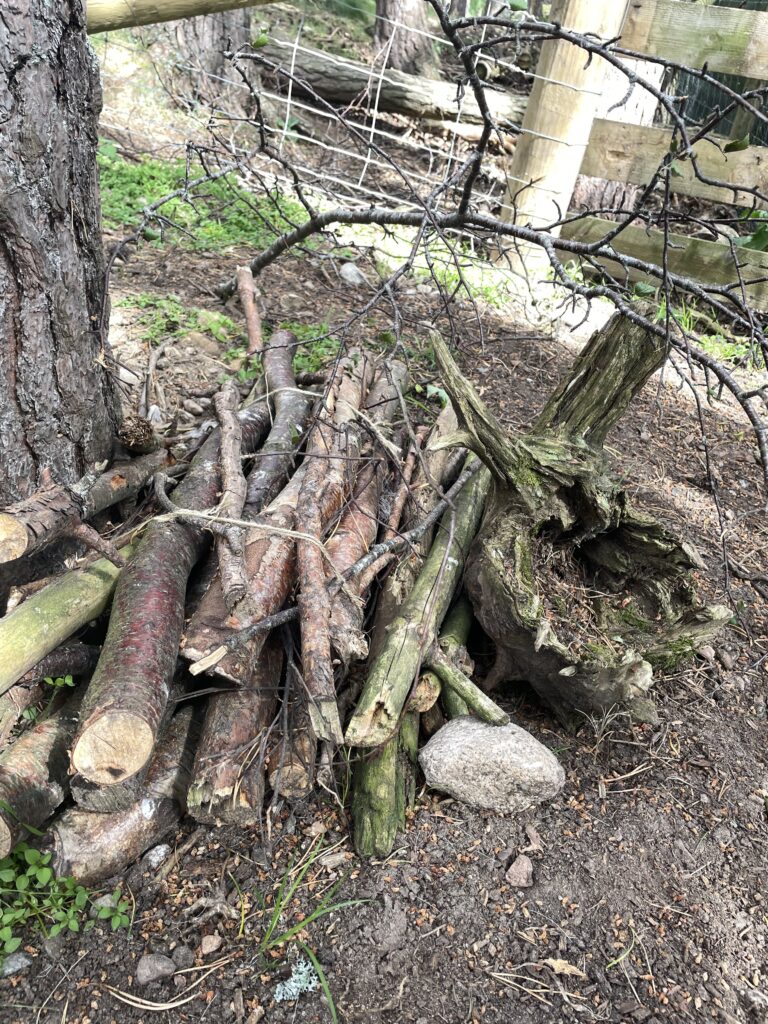
Deadwood pile.

In 2024 Lotti put some house martin nest boxes on the old building – now exclusively staff residence, after seeing some house martins eyeing it up as a nesting site. This inspired us to do something with the new building. We decided it wasn’t suitable for house martins, but they aren’t the only birds suffering from a lack of nesting sites.
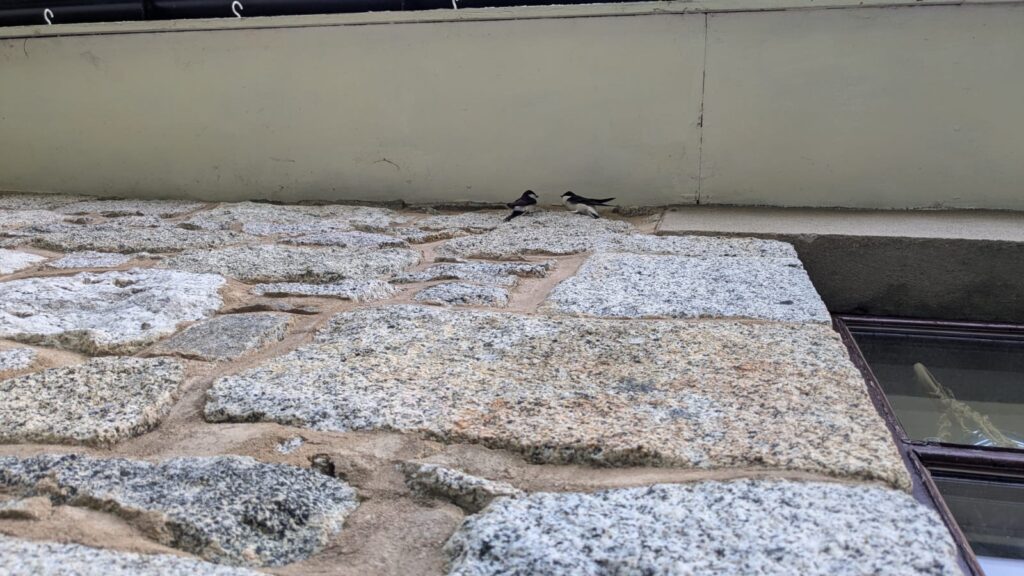
House martins on the old building.

We were kindly donated some swift boxes by ex-herder Jack (thanks, Jack!). Me and Cam had an exciting (terrifying) time, taking turns at the top of a very tall ladder to get these up on the side of the main building. We managed three. Maybe one day we’ll pluck up the courage to put the rest of them up!  Swift boxes should be placed close under the eaves of a building, as high as possible. Swifts want a clear flight path to swoop down and then up into their nests, so it’s important there are no nearby obstacles in their way. North or east facing placements are best, to avoid the worst of the afternoon summer heat.
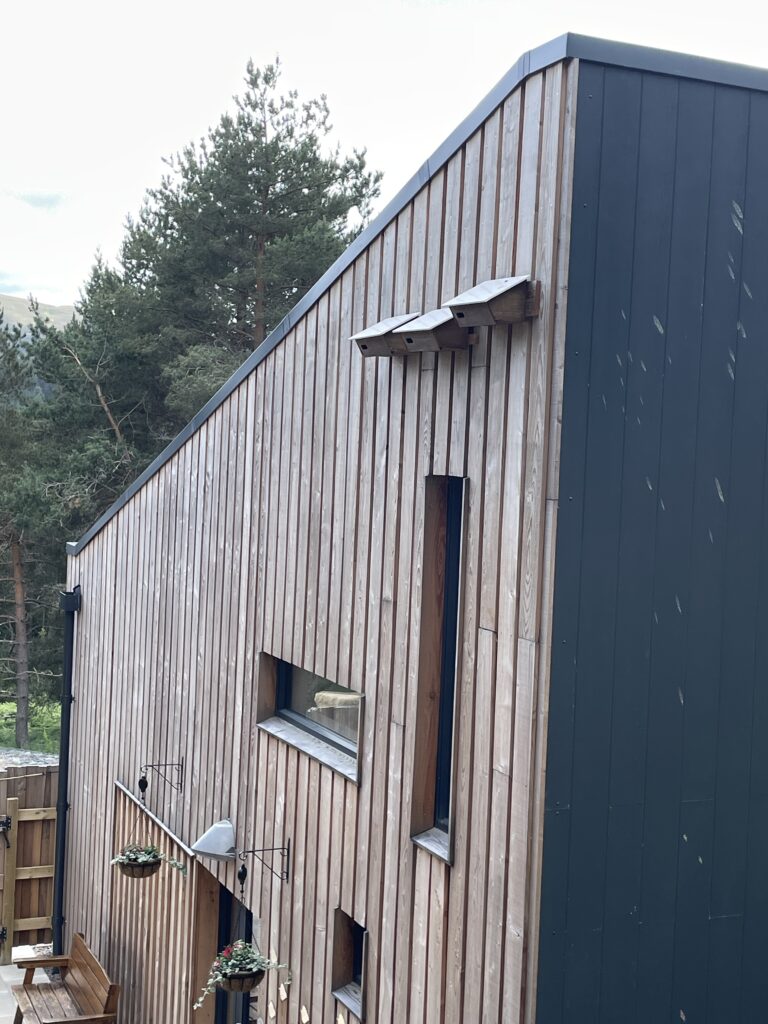
Swift boxes on building.

Daisy has recently been hard at work putting together a squirrel feeding station, with ropes for them to scamper tree-to-tree. Squirrel feeders are specially designed for just the squirrels to access, and you can buy special squirrel food blends that best resemble their natural diet.
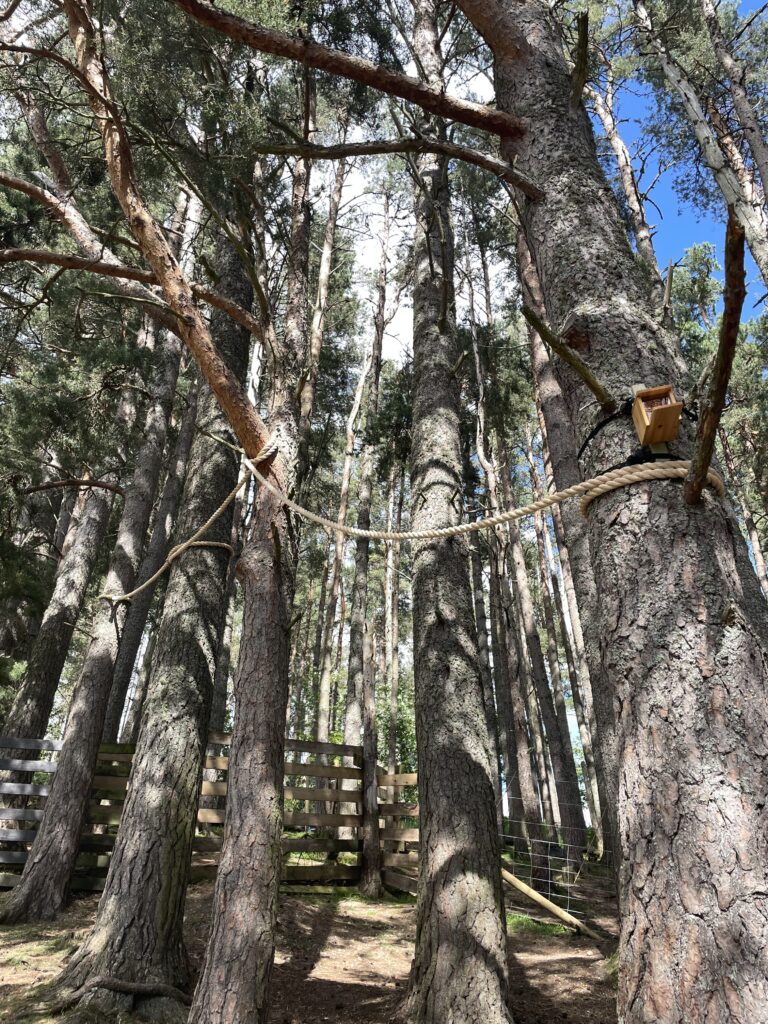
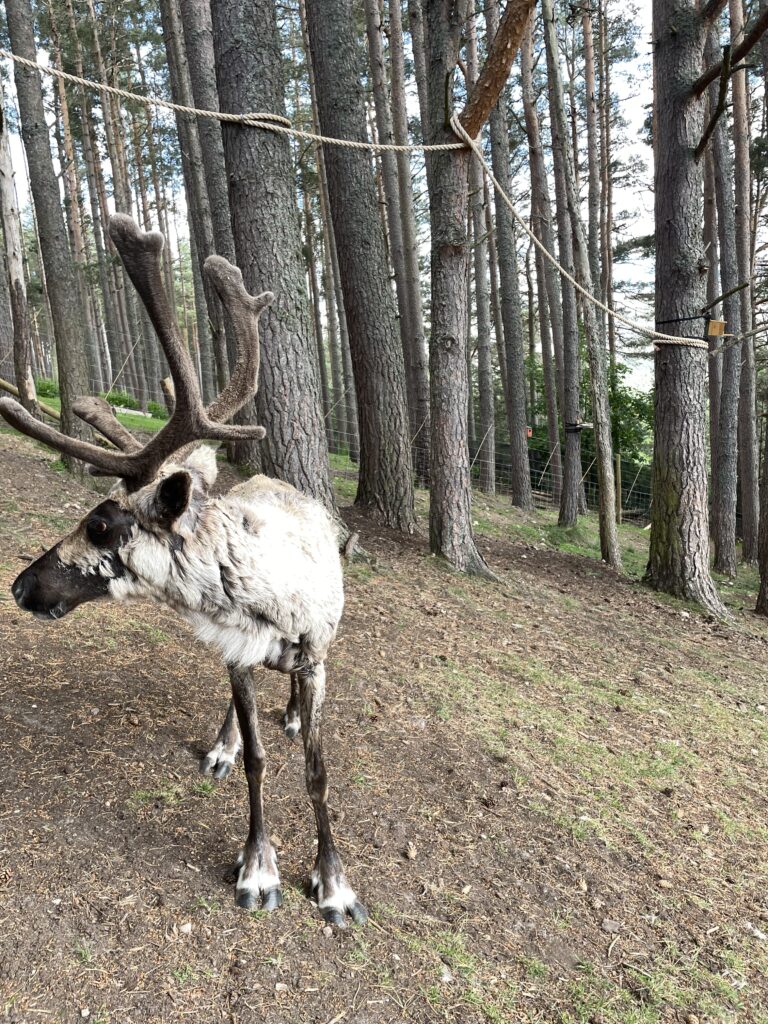
Daisy’s squirrel station.
Limpopo waiting for the squirrels to turn up.

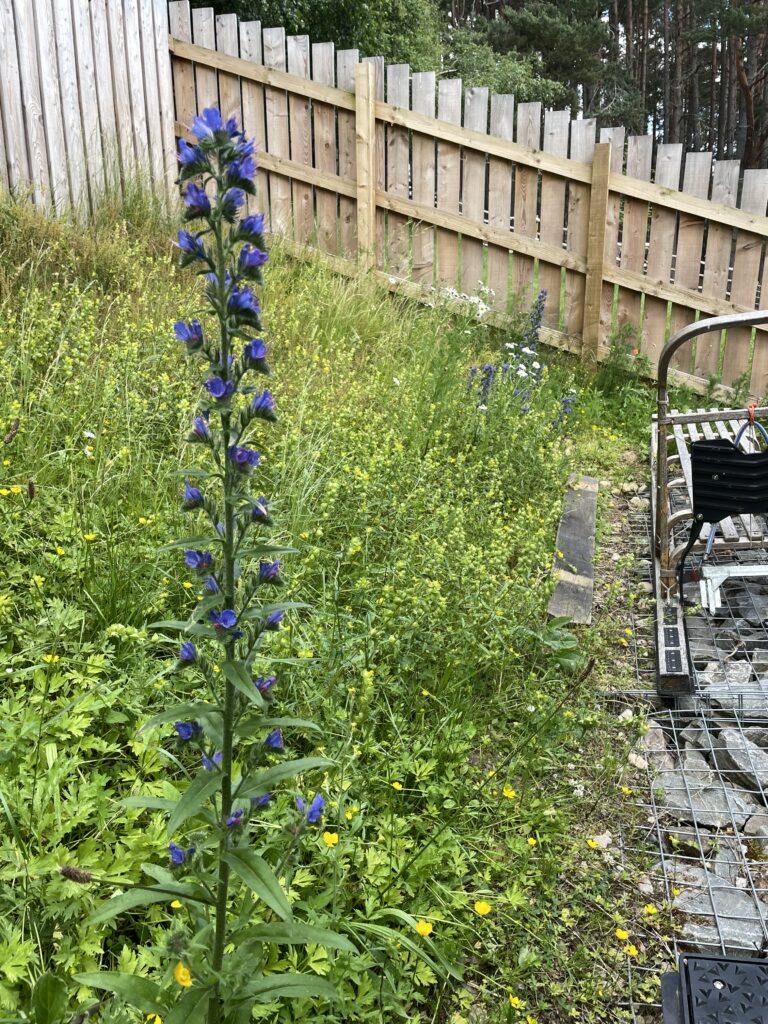
As well as these specific efforts, we’ve also put up multiple nesting boxes for small birds, and sowed a wildflower bank behind our staff room which should hopefully continue to flourish and improve over the coming years.
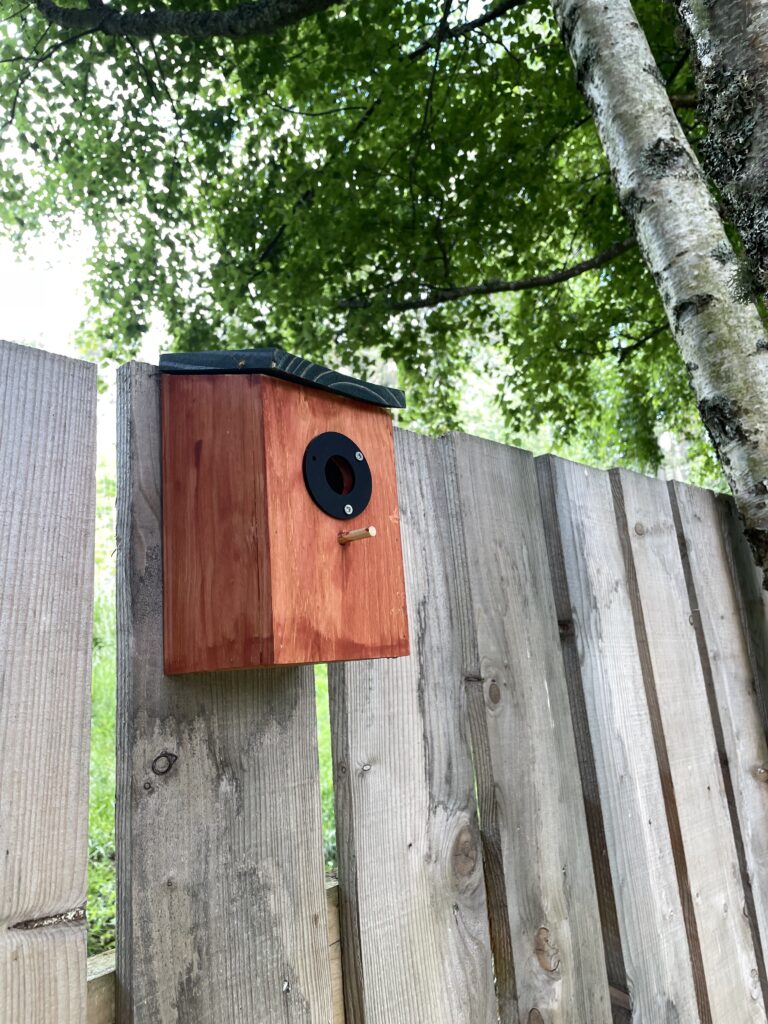
Bird boxes.
Wildflowers behind the building.

We’ve had some great wildlife sightings in the paddocks in the past year. We’ve had multiple visits from Callie the Scottish wildcat (part of a release scheme in the area), a resident badger in the woods last winter, and to my delight a beautiful male adder last summer! We also have an abundance of different bird species, small mammals like red squirrels, shrews, voles, and moles, and undoubtedly plenty of invertebrates. Hopefully our efforts in the paddocks will bring in even more, and we can make our wonderful local wildlife feel at home.
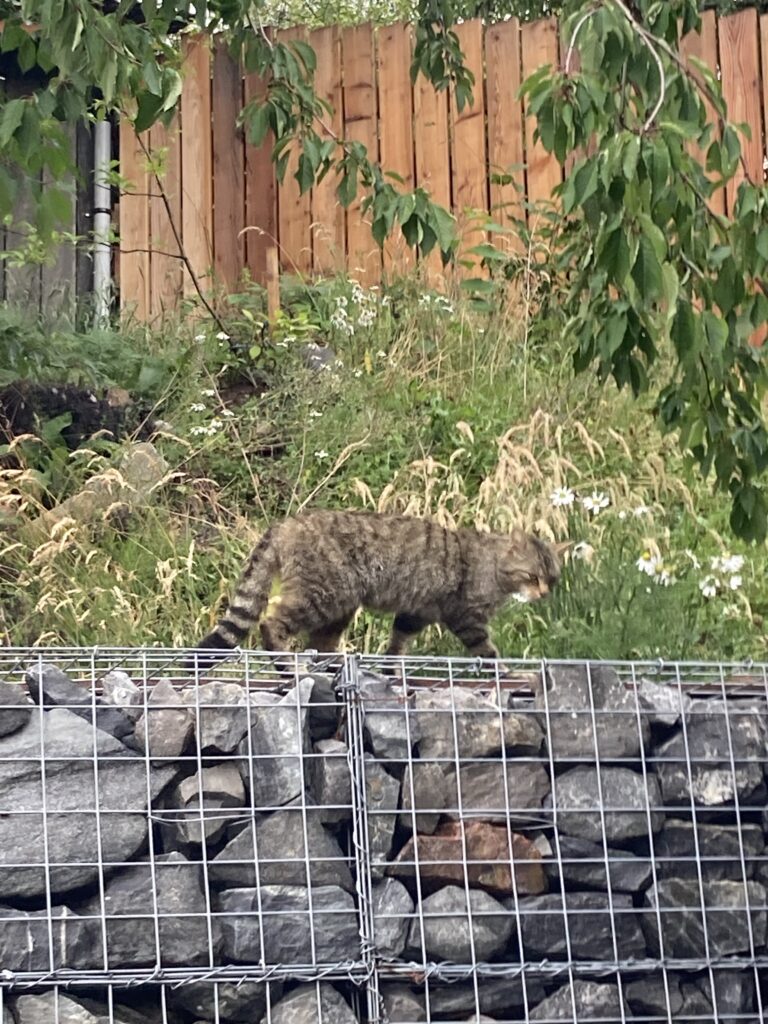
Callie the wildcat.

Kate

There’s more to us than reindeer…

Coming to visit us in the Cairngorms again when this is all over? Here’s a blog that’s been adjusted slightly from an old newsletter about the wonderful wildlife that surrounds us here in the Cairngorms:

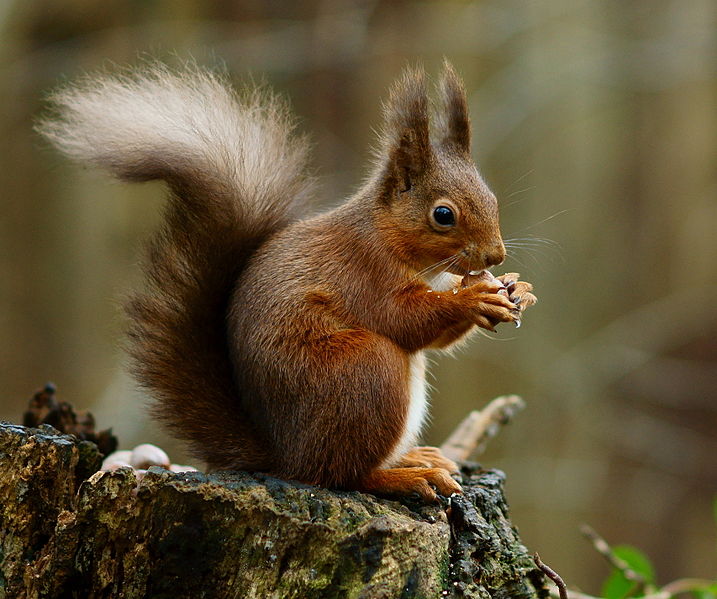
It’s not just reindeer that you might see here, there’s so much more. Around 25% of the UK’s threatened flora and fauna can be found here, and some of it is very easy to spot. The Red Squirrel is perhaps one of the most iconic animals in Scotland, but there’s no need to search too hard for them at Reindeer House as they are usually to be found on the peanut feeders in our garden or in the reindeer paddocks beside the house. Sometimes people soon forget about the reindeer when the squirrels make an appearance!

Photo by Peter Trimming

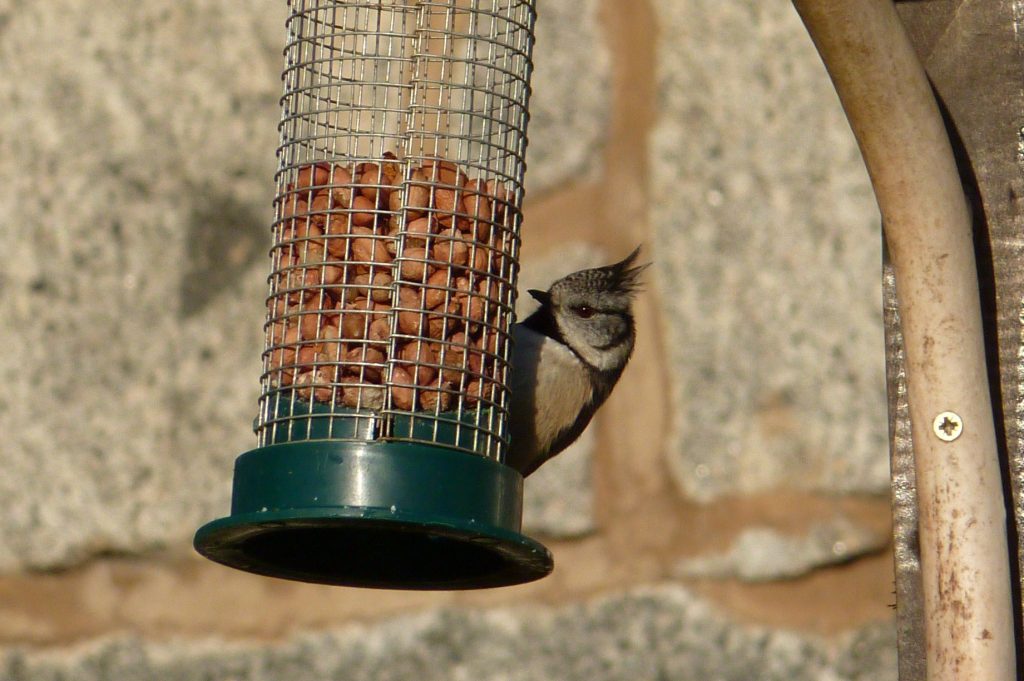
Crestie on the feeder. Photo by Hen Robinson

Another bird feeder highlight is the Crested Tits, a much sought after species for bird watchers due to their rarity. And like the squirrels, look no further than our front garden (but only in the winter months)! Every winter we have absurdly good views from our office window, mere feet away. The bird table is also visited by Siskins, Chaffinches, Blue Tits, Great Tits, Coal Tits, Robins, Blackbirds and Dunnocks. Among many other species, Crossbills are to be found in the forests around Reindeer House, and Pine Martens are seen regularly right outside the house at nighttime, much to our delight.

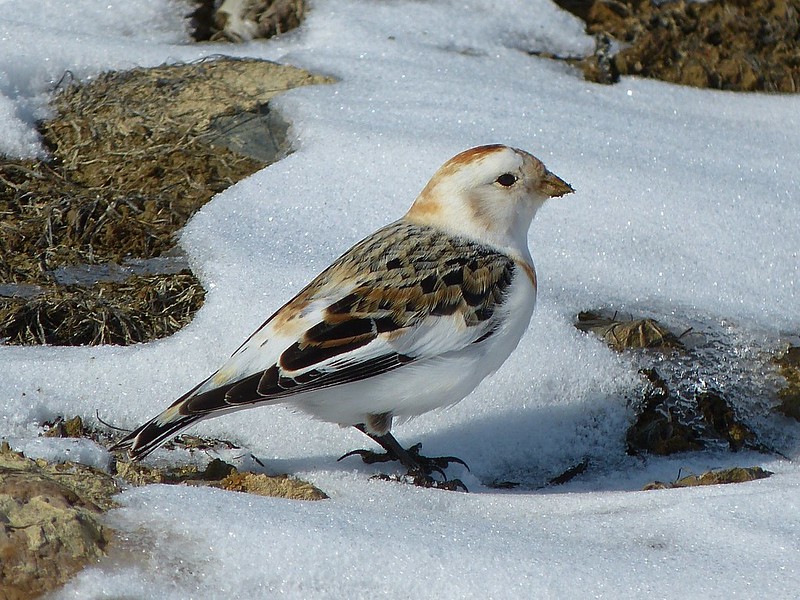
Many visitors to our hill enclosure remark upon the Mallards pottering around amongst the reindeer, a somewhat surprising sight it seems, especially so in the snow. The ducks do have an ulterior motive as they are after the barley in the reindeer feed, arriving every day on schedule to clear up after feeding time! They could well be the best fed ducks in Scotland. Other enclosure visitors are the Snow Bunting flocks in winter, having bred up on the high mountain plateau during the summer; and sometimes we have a pair of curlew in summer residence too.

Snow Bunting in winter plumage

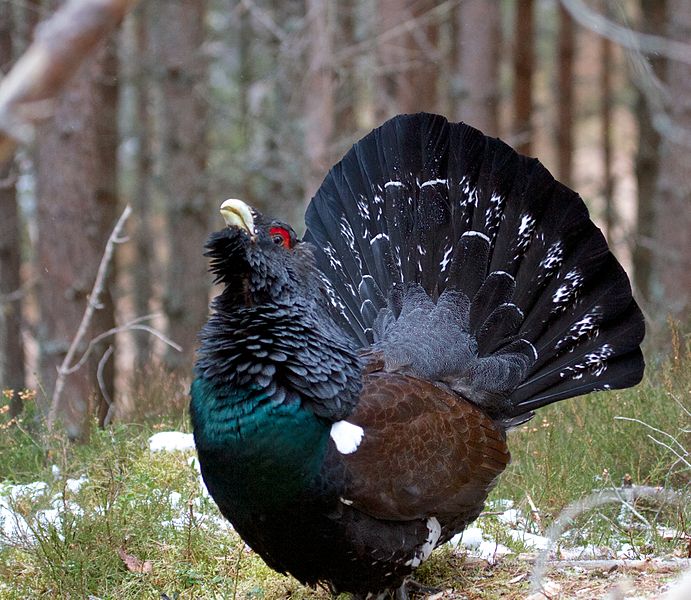
In fact our 1200 acre enclosure on the slopes of the Cairngorms is home to a variety of wildlife all year round, much of it being rather secretive. May expeditions to search for newly born calves at an unsociably early hour result in good views of Black Grouse, displaying right in the middle of the enclosure. However, by the time we take visitors up the hill at 11am the grouse have sensibly retired for the day. The Red Grouse are easier to see, and are a common sight on the reindeer treks in the summer as they nest near our trek routes. Most exciting of the grouse species is the elusive Capercaillie, of which we see a few of each year in the pine forest down near Utsi’s Hut, in the far reaches of the hill enclosure.

A male capercaillie displaying. We more often see the smaller, brown females. Photo copyright: sighmanb

And there’s plenty more. We spend hours out on the Cairngorm plateau in the summer, checking the female reindeer and their calves (if we can find them!), and frequently see the most alpine of the grouse species, the Ptarmigan; and Dotterel, rare migrant waders. Golden Eagles are spotted occasionally too.

Dotterel high up on the mountains in their summer breeding grounds. Photo by Andi Probert

So while our focus is undoubtedly the reindeer, sometimes they do have to share the limelight with other species. Reindeer were originally native to Scotland, and while we will probably never see the likes of bears, wolves and wolverines roaming free here again, visitors to the Cairngorms can catch a glimpse of the past as the reindeer browse the heathery slopes.

Hen

Book Now