
Welcome back to the final installment of Reindeer Around the World! For the last blog in the series we’re travelling west to look at the four subspecies of Caribou that cover Canada, Greenland and a few northern states and Alaska of the USA. So firstly, are caribou and reindeer the same animal? Short answer, yes. Long answer, no, they’re not.
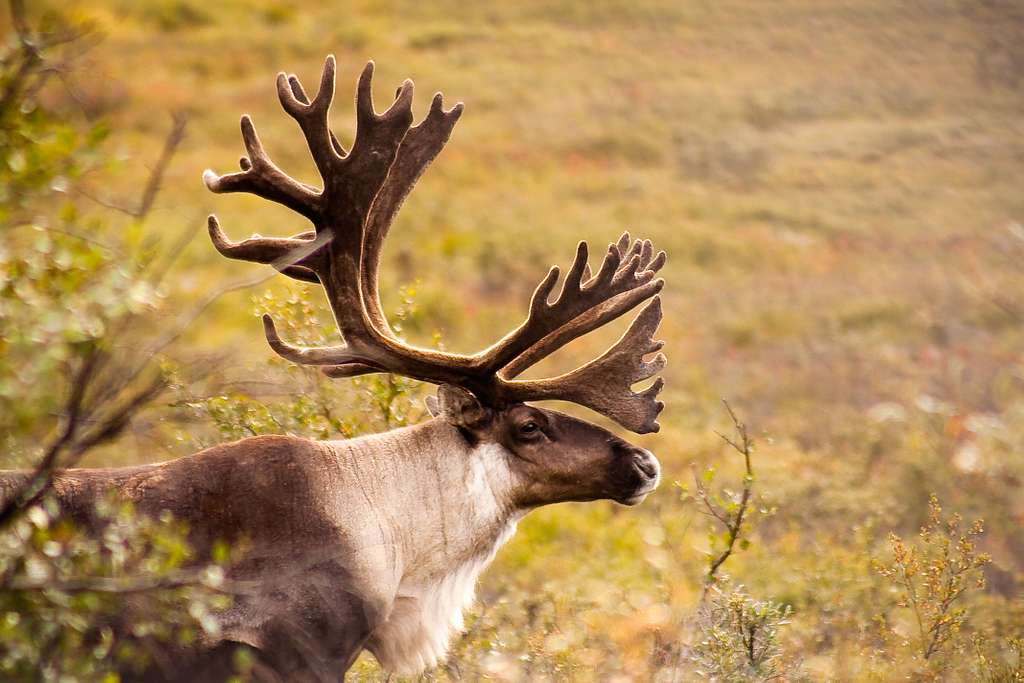
In North America, the reindeer populations are seen as two difference categories of animals: semi domesticated = reindeer, and wild = caribou. But from an ecological stand point, the caribou are broken down into four subspecies:
- Peary Caribou Rangifer tarandus pearyi
- Woodland Caribou Rangifer tarandus caribou
- Porcupine (or Grant’s) Caribou Rangifer tarandus granti
- Barren – Ground Caribou Rangifer tarandus groenlandicus
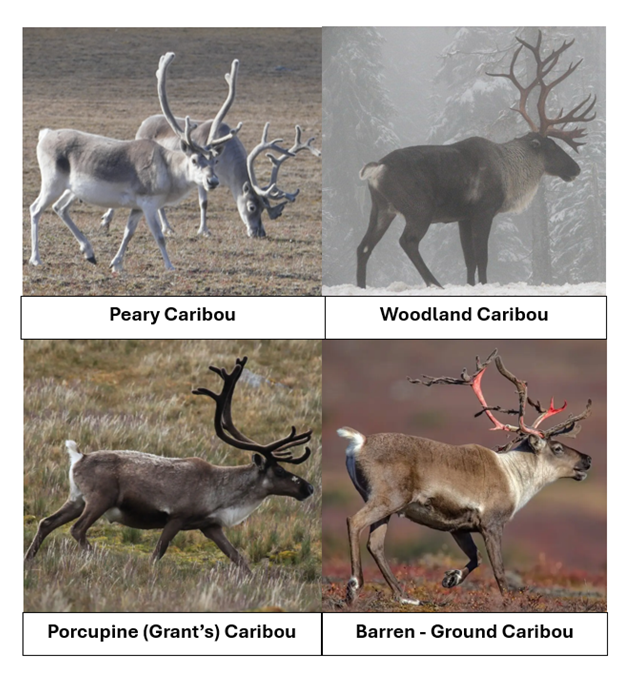
You’ll notice the similarity in scientific name with the European subspecies of reindeer we’ve previously looked at, confirming they are the same species, but each have slight differences. So, what makes each subspecies of caribou different to each other, and to the reindeer we know and love here in Scotland.
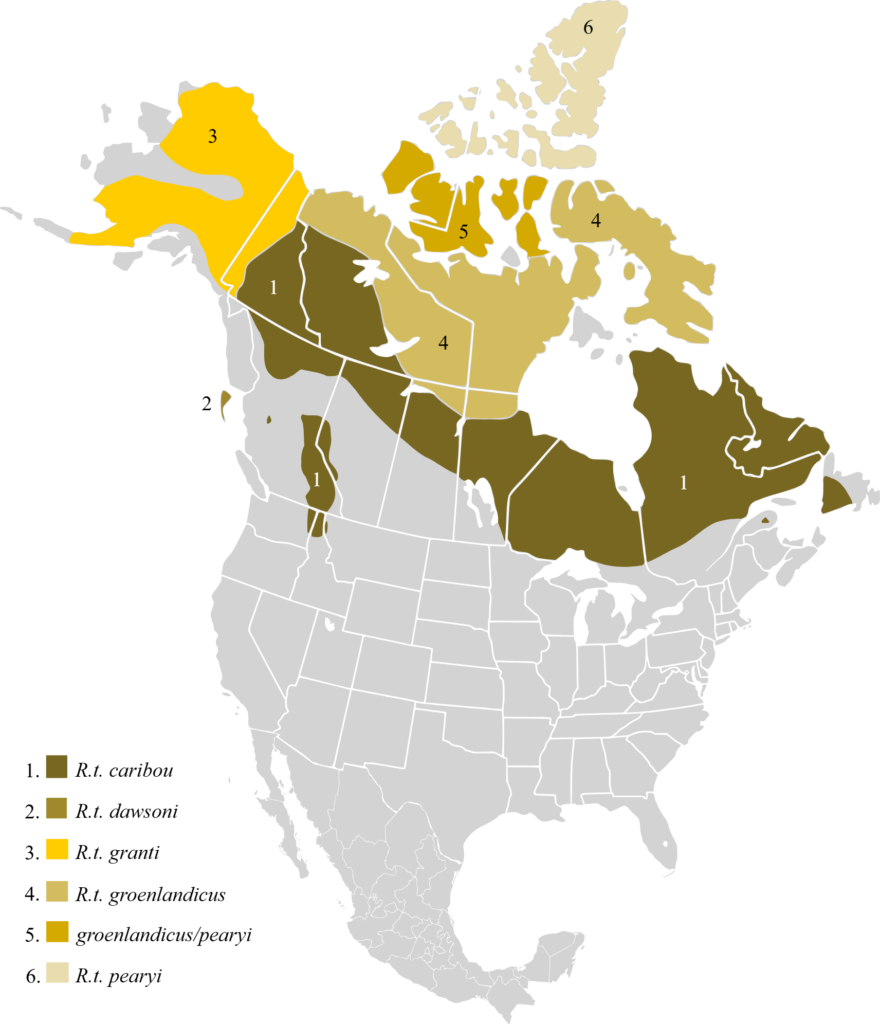
The Porcupine caribou closely resembles the barren-ground caribou, covering similar landscapes in the northern most territories seen on the above map. They cover a calving ground based on a river system including the Porcupine River – hence the name. They have a darker colouration to them, but their environmental adaptations and ecosystem role are what we’re familiar with throughout the other subspecies of reindeer we’ve been looking into.
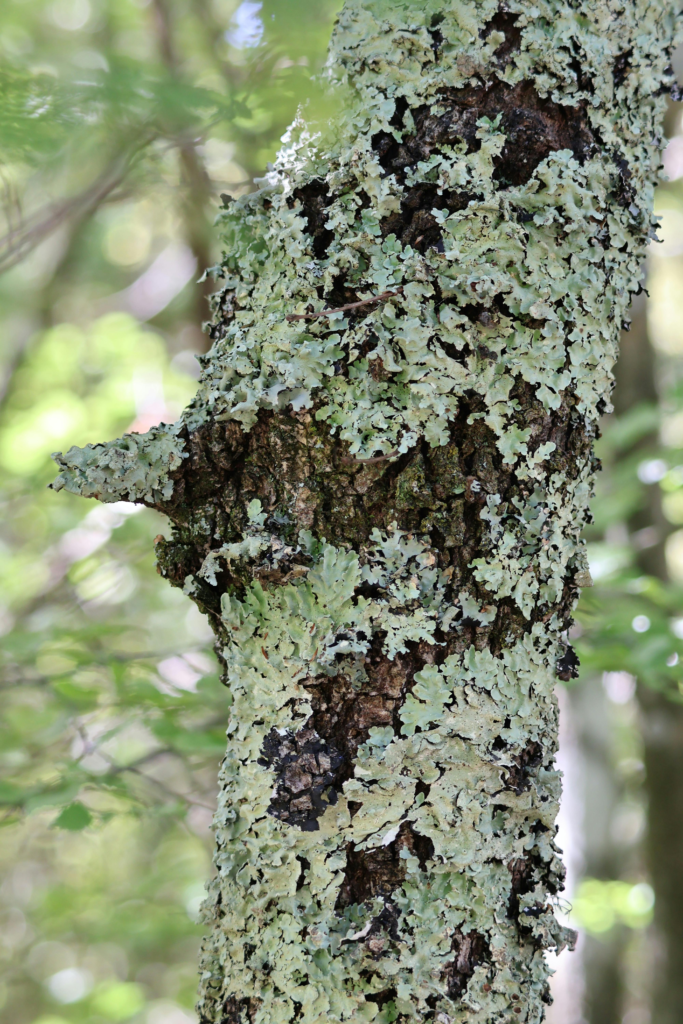
The woodland caribou is again very similar to what we imagine when we picture our tundra reindeer here at home. Adaptations for sub arctic habitats, dealing with deep snow and harsh temperatures, keeping on the move and fulfilling the same ecosystem role. The differences we know of with the woodland caribou are more to do with diet, it seems, than anything else. Inhabitating a lot of areas of old growth forest and smaller herds found in different rugid mountain ranges further south than any of the other populations, they have different species of fauna available to them to feed off. The woodland caribou feed almost exclusively from aboreal lichens for the colder half of the year, followed by dried grasses and some tree species throughout the warmer months.
The Peary caribou are the smallest subspecies of caribou and are found in much smaller herds than any other. During winter time you are most likely only going to find up to four of them travelling together and this expands to maybe a dozen during the summer months. They feed on similar plant life to the other subspecies, having limited choice due to their sub arctic and arctic home ranges. But unlike the others, they predominantly feed on purple saxifrage which can stain their noses with a purple tint. Their migratory path is not as large as other subspecies of caribou, moving up to 150km between winter and summer home ranges, sometimes between islands (seen on the map above as number 6). Similarly to the others they are ready for anything winter can throw at them, but do choose to avoid areas of very deep and heavy snow, retreating instead to rocky mountainous outcroppings and beached areas.
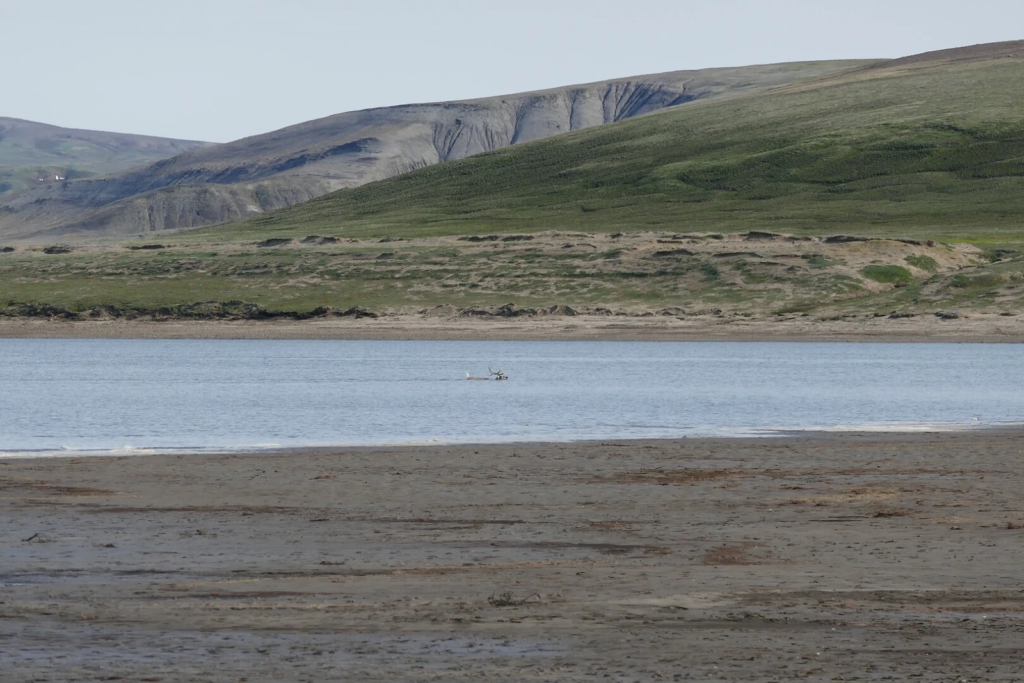
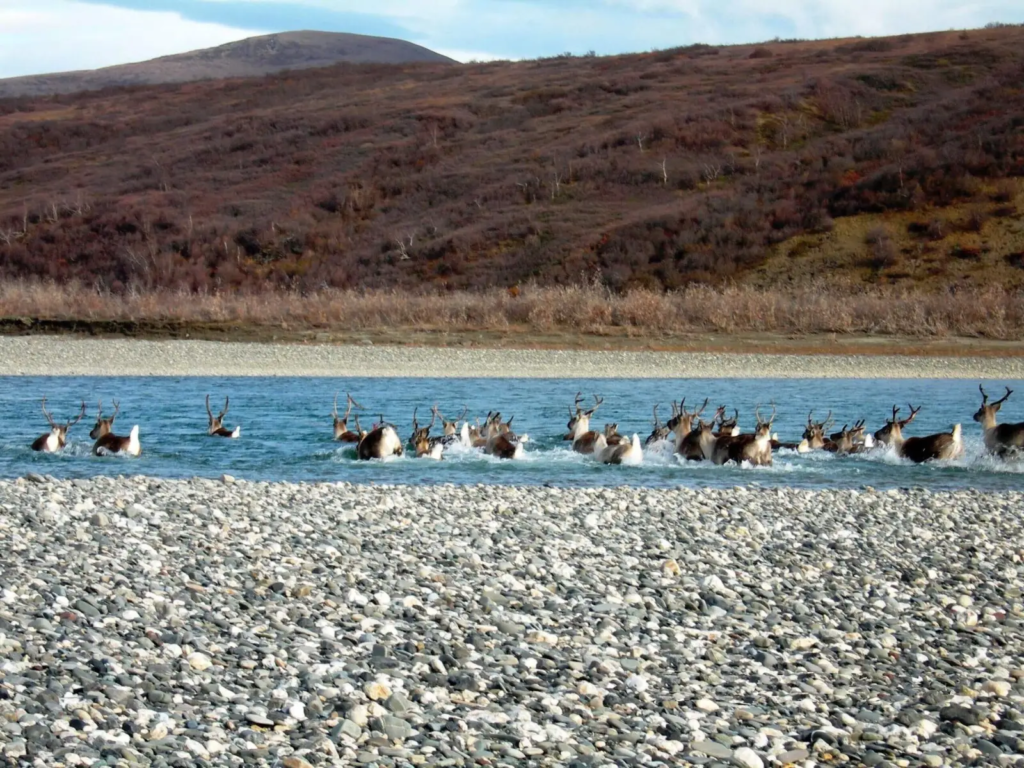
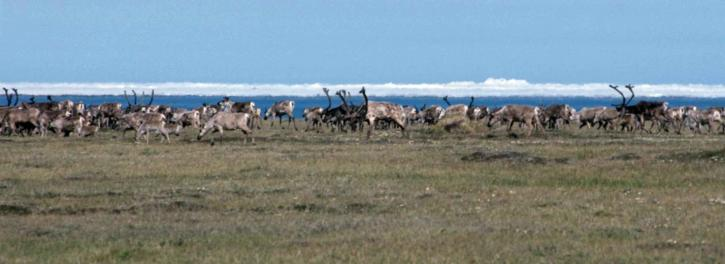
Finally, the last animal on our list to discuss… The barren-ground caribou. Maybe the best to last if that’s fair to say. Let’s meet the animal with the largest ground migratory path in the world! You heard that right, a bigger migration even than the wildebeest in the Serengeti. They migrate twice a year between summer and winter ranges with each journey potentially covering more than 1,000 km depending on the location of their calving grounds. They use higher spots for calving grounds, out of reach of predators such as the wolf, then descend to lower ground and migrate in large herds to areas for summer grazing. Their winter diet consits of some grasses, lichen and leaves from low growth trees. They share their other qualities and adaptations with the other subspecies of caribou, making them efficent at moving and feeding through shallow snow and coping with cold temperatures found in arctic regions.
And there we have it – we’ve learnt all about the different subspecies of reindeer all across the globe! Thanks for sticking with me, and I hope you’ve all enjoyed reading this blog series as much as I’ve enjoyed researching it. I feel it’s important to say there are other indivdual named herds that I haven’t covered, but to learn about the different adaptations and qualities, I think we’ve got all bases covered. Reindeer truly are a remarkable and wonderful animal, with clearly a lot more to them as a species than we may first realise.
Daisy
Further reading:
animalia.bio/porcupine-caribou
https://wdfw.wa.gov/species-habitats/species/rangifer-tarandus – desc-range
https://www.gov.nu.ca/sites/default/files/publications/2022-01/Peary%20Caribou.pdf
https://wwf.ca/species/caribou/