
Our blog this week is not written by us, but by one of our visitors. Some of you may have seen it on our facebook page, but it gives a brilliant outsider’s perspective on what we do and what amazing animals the reindeer are. With good information and some wonderful photos, click here to read the blog, written by Traveltoes Shaly.
Burns: Robert / Supper / Reindeer
Burns Suppers celebrate the life and work of the Scots poet Robert Burns. More commonly known as Burns Night the suppers take place on or around his birthday, 25th January and are effectively a second national day in Scotland. Here at Reindeer House we just love any excuse to get together and eat some fantastic food with some great company! For those of you that don’t know about the Burns Supper tradition here’s a brief overview of what we got up to last night at our Burns Supper, along with some tales of our reindeer named Burns, seeing as this is a reindeer blog after all!
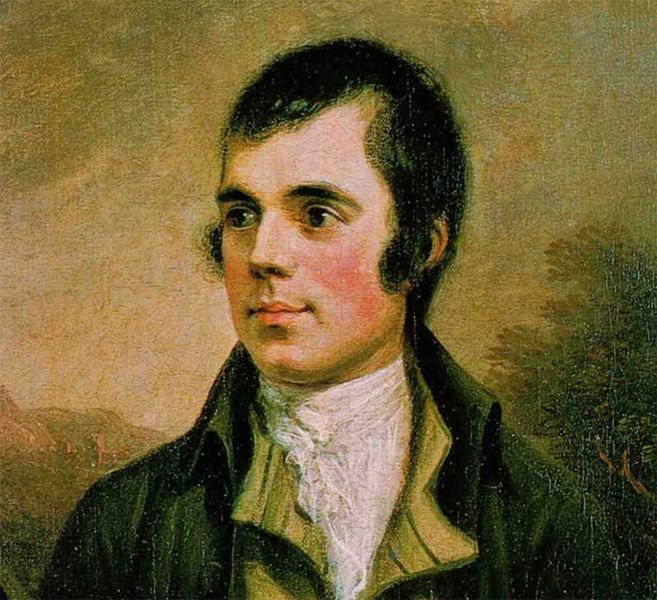
Robert Burns was born in 1759 in Alloway, Ayshire and lived until he was 37. He is known and celebrated worldwide for his poetry much of which was written in the Scots language or Scots dialect. Whilst many of his poems were of the Romanticism style he lived through a period of political repression. His work often reflected or commented upon this and some considered him to be a radical and revolutionary which perhaps helped give him such a huge following during and after his lifetime.
The poem and song “Auld Lang Syne” is sung all over the world on Hogmanay and is one of Rabbie Burns’ most famous works. Other well known work by him includes “Scots Wha Hae”, a patriotic song which became an unofficial national anthem for Scotland. It was written in the form of a speech from Robert the Bruce before the Battle of Bannockburn in 1314 where Scotland defeated England in Battle. Romantic work included (My Love is Like) “A Red, Red Rose” whilst “Tam o’ Shanter” and “To a Mouse” reflect on his upbringing as a tenant farmer. For us though at Reindeer House his “My Heart’s in the Highlands” seems most appropriate!
Farewell to the Highlands, farewell to the North,
The birth-place of Valour, the country of Worth;
Wherever I wander, wherever I rove,
The hills of the Highlands for ever I love.
My heart’s in the Highlands, my heart is not here,
My heart’s in the Highlands, a-chasing the deer;
Chasing the wild-deer, and following the roe,
My heart’s in the Highlands, wherever I go.
Farewell to the mountains, high-cover’d with snow,
Farewell to the straths and green vallies below;
Farewell to the forests and wild-hanging woods,
Farewell to the torrents and loud-pouring floods.
My heart’s in the Highlands.
If you needed further persuasion of Robert Burns’ stature then did you know he won a contest run by STV to be called “The Greatest Scot” of all time in 2009? It is a rather impressive feat to have beaten Mel Gibson (William Wallace) to the title don’t you think? Perhaps he was aided by some of his extremely impressive nicknames that make him sound more like a cross between a rap artist and a boxer:
– The Bard of Ayrshire
– The Ploughman Poet
– Or just plain Rabbie Burns

Burns Suppers have been taking place for over two centuries with the evenings format barely changing over the years. There is usually a general welcome followed by the “Selkirk Grace”
Some hae meat and canna eat,
And some wad eat that want it;
But we hae meat, and we can eat,
Sae let the Lord be thankit.
Supper usually then begins with a soup dish such as Scotch broth or Cullen skink before everyone stands for the “Piping” of the haggis (this is exactly how it sounds). We stand whilst the haggis is brought into the room by the cook whilst a piper plays a tune such as “A Man’s a Man for A’ That” written by Burns. Before you can eat the haggis though, you must first address it! “Address to a Haggis” is a poem written to a haggis with the opening line of Fair fa’ your honest, sonsie face” (translated as Nice seeing your honest, chubby face). At last we can eat the haggis! Served with neeps (swede) and tatties (potatoes) our meal last night was delicious! The evening concludes with an often amusing “Toast to the Lassies” and a reply for the laddies before a vote of thanks is given and everyone stands to sing “Auld Lang Syne”.


As you can see we had a fantastic evening, but back to the reindeer!
As well as giving us an excuse for a party at the end of January, Rabbie Burns is of particular importance to us because we have a reindeer named after him! This year our calves were named after authors, writers and poets so we obviously had to name one Burns. He has turned out to be one of the biggest, strongest and healthiest calves of the year. He is extremely tame and bold and quickly became quite a cheeky chappy. We have him marked down, along with Dr Seuss, as being one of the biggest characters of the next few year but hopefully neither of them will misbehave too much in the following years as young bulls like Fergus did.

When he came in off the free range in late summer with his mother Gazelle he had broken one of his antlers and it was growing over his face making it difficult for him to feed. We called out the vet who cut away the antler from his face and after a short while with a bandage in the shed he recovered well to become the strong healthy calf that he is. We are interested to see next year whether his antler will grow back in a more “normal” direction and shape or whether the pedicle from which the antler grows has been damaged and Burns will perhaps always grow one antler in a funny shape and direction.

Chris
The importance of reindeer to regions in the Arctic
Reindeer are an integral part of life in the far north. The cultures there rely on the animals for transport, food and skins.
Reindeer are the only animal suited to the cold that can provide the people living in the arctic regions with animal protein. They are raised for venison but almost all parts of the animals are used. The skin is an obvious, valuable and extremely useful product. The skins are used for clothing, rugs and numerous other everyday items. Reindeer are used as draft animals – transporting both people and freight from A to B.
Many of the people of the far north are nomadic. Families or groups migrate large distances to access seasonal pastures. Their reindeer graze and grow and then move on and the people who own them travel with them. Their possessions are on sleighs or directly on the backs of the reindeer. This blog will highlight some of the many arctic cultures and people, and discuss how these people live and especially how they care for, work with and use reindeer.

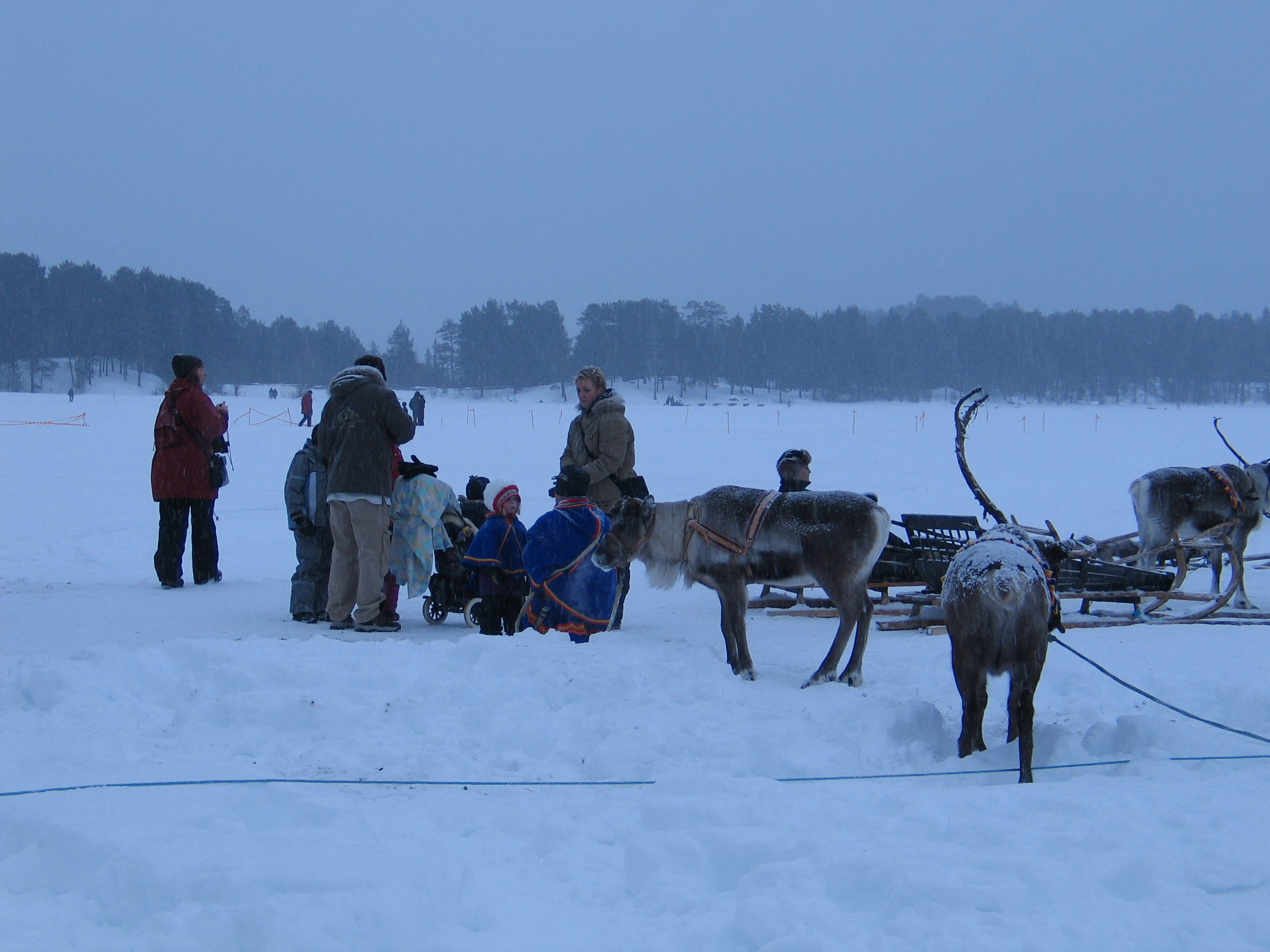
Nenets herders of Russia travel up to 1000km seasonally to survive the challenges of life so far north. The Nenets form the largest group of people in Northern Russia totalling around 40,000 people, with some 700,000 reindeer. The Nenets eat reindeer meat and use the skin of the reindeer as clothing.
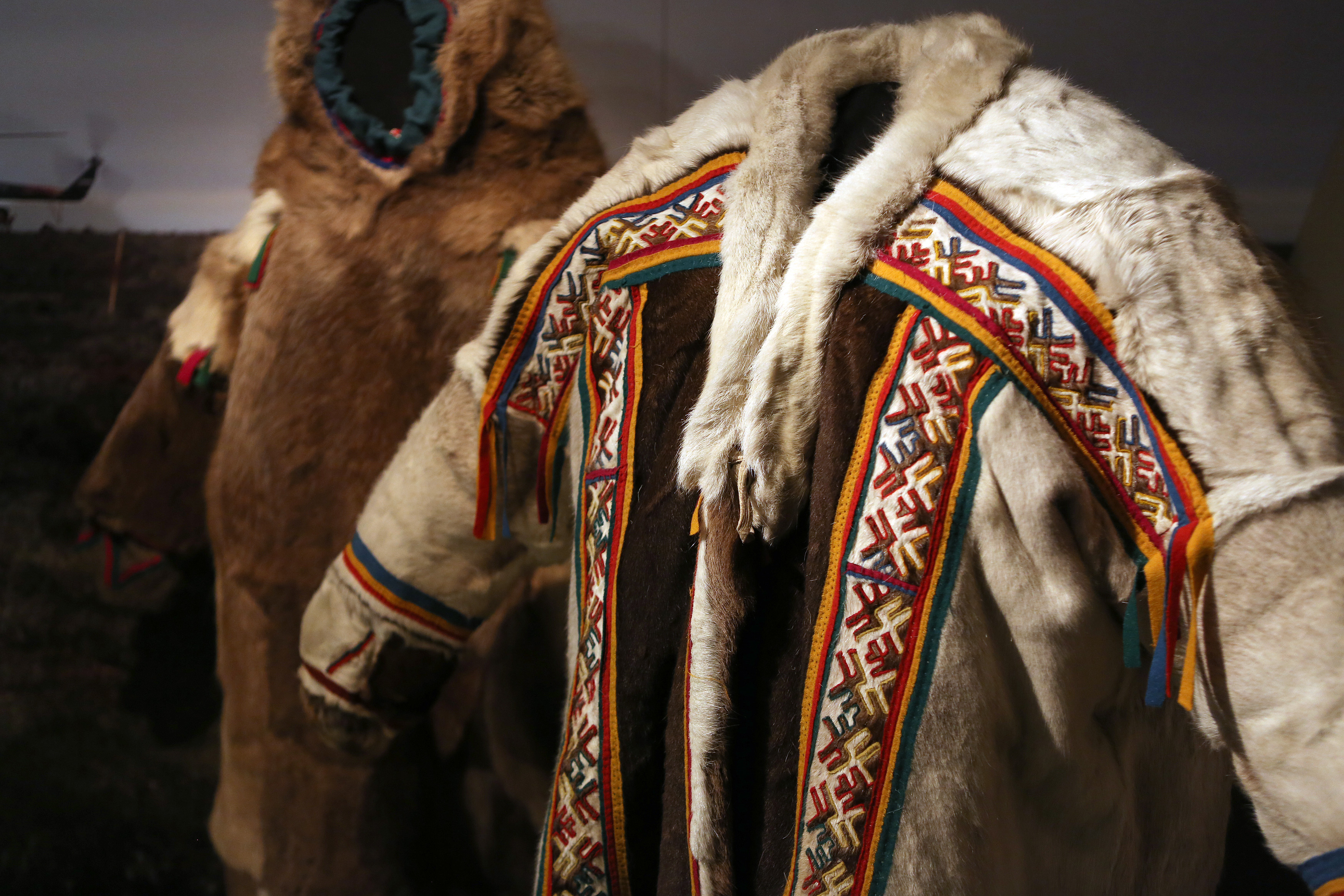

The Chukchi people of Eastern Russia trade reindeer meat and skins with coastal people who provide whale fat and seal skins. The Chukchi people make their tents out of reindeer skins.
The Evenki people in China live with small numbers of reindeer who are milked and used for transport. The reindeer are highly prized and not slaughtered for meat. The antlers are taken and used in traditional Chinese Medicine.
Sami people are the indigenous people of Scandinavia and today live in the far northern areas of Norway, Sweden and Finland. Currently around 3000 people in this area are involved full time in nomadic reindeer herding. The Sami culture is famous for its connection to reindeer. The Sami people produce wonderful crafts and engravings often using reindeer antlers and skins.
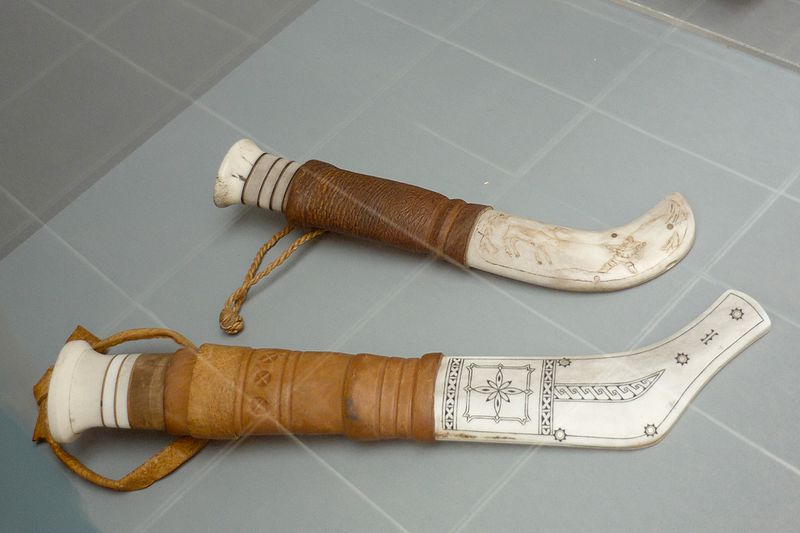

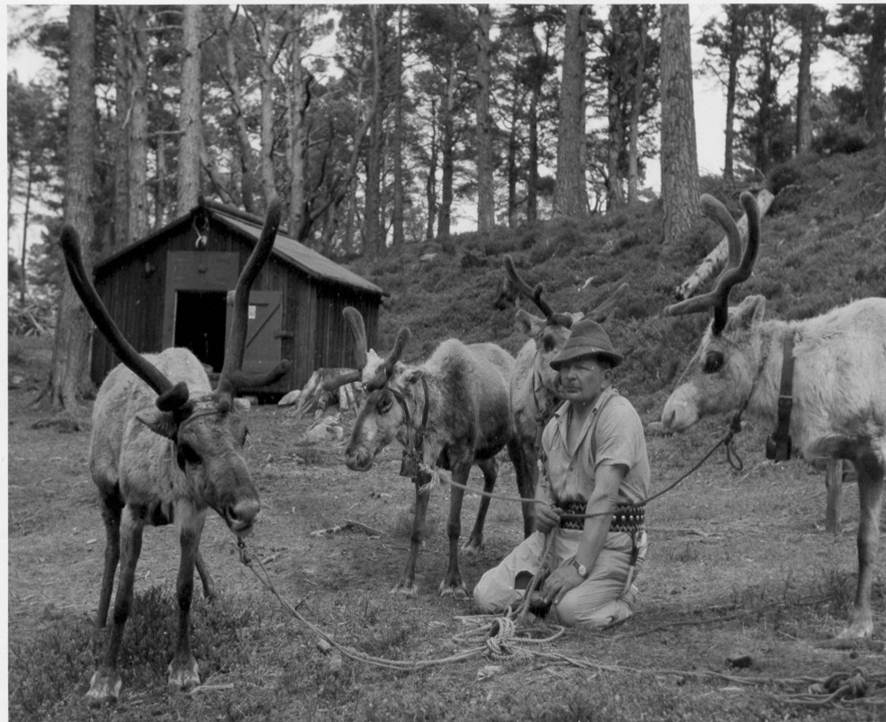
Reindeer herding is big business in the Arctic regions and without reindeer the survival of the people and their cultures would be in question. The Cairngorm Reindeer herd was of course established by a Sami reindeer herder. Mikel Utsi came from Swedish Lapland and brought his herding, reindeer husbandry skills and Sami culture with him to Scotland. These skills and culture continue and live on through us and our herding here in the Cairngorm National Park.

Dave
Calling all deer..
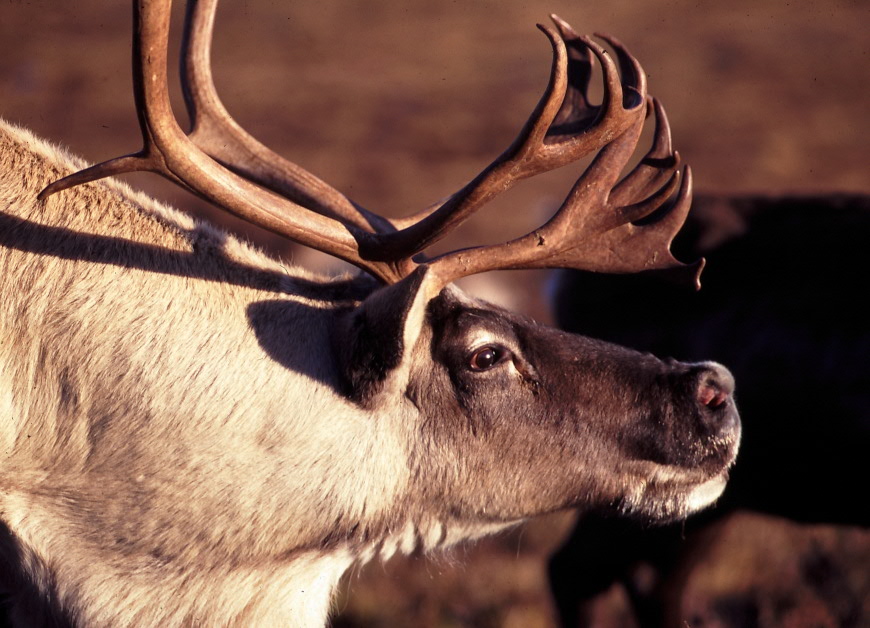
Deer in general are fairly quiet animals, uttering little or no noise in their daily lives. However there are two quite vocal times of year, in the spring when female deer calve and in the autumn when the males are competing for the breeding females.
In spring time whether it is a Red deer hind, a Roe doe or Reindeer cow they will call softly to their young when they are looking for them. In May time when our reindeer calves are born the mothers can get quite agitated if their young calves are not right beside them, grunting incessantly to call them back. Red deer hinds ‘mew’ to their young calves and a Roe doe gives a low whistle when calling her young.


But the call of the rutting males can be quite different and is sometimes meant to warn off competing males and signal ‘how big and tough’ they are. At this time of year in the forests and glens of Scotland the red deer are in full rut and they make a fabulous bellowing noise rather similar to the roar of a lion. There have been scientific studies on the meaning of bellowing and it has been proven that the more times a stag roars at one session the more likely he is to be a successful breeding male.


However Reindeer (and Caribou) do not bellow like red deer but instead ‘grunt’ rather like a female calling to her calf, but more ‘gutteral’. And the grunting only really takes place when a bull is chasing after a cow. It is not a loud noise and certainly is not a threatening call in the same way as the red deer bellowing.

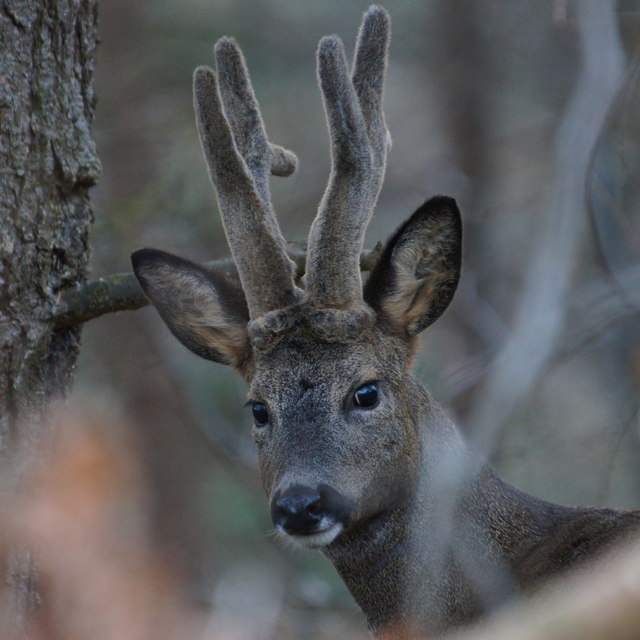
Roe buck, patrolling his territory will bark (like a dog) to challenge other bucks who dare to step a foot in his domain and Fallow bucks are different again, issuing a husky, rolling grunt in an attempt to attract the does and warn off other prospective males.


The non-native Sika deer, which were introduced into GB at the turn of the last century, have a characteristic kind of whistle, which turns into a high-pitched scream during the rut.

So there is a vast variation of noises from grunts to screams, even among the deer found here in Great Britain. So if you go out in the countryside at certain times in the year and hear something unusual, don’t take flight, it will probably be a female and young calf, or else a harmless male deer in full flow because it’s the rutting season..
Tilly
Glenfeshie Girls

Every year when the cows and calves come off the high tops from the summer one group tend to head towards Glenfeshie, a part of the Cairngorms they aren’t meant to be. We have got good communications with the landowners and gamekeepers over there so they let us know and we head over in the mission to catch them. It is always the same culprits. To name a couple– Fern and Wapiti. You may remember a blog in October of Andi and I recovering Fern from Glenfeshie in the autumn so she must have gone straight back!

Alex is chief free range reindeer herder and knows the hills best over there so he headed out the first few times to catch up with them. Once he knew their location he set up a corral with a few gates in the aim to catch the naughty reindeer. This all happened over the Christmas and New Year period, they like to pick the busy times! Alex went out a few times and fed them which gets them used to the feed again and a bit easier to manage. In the group were three calves who weren’t yet trained so they were fairly timid and didn’t let Alex get very close. But then we got the phone call at Reindeer House from Alex that he had them all in… calves included. Ye-Ha!!!

So Chris and I got everything together and headed off in Brenda (this is the name of our wee livestock truck). Alex was going to start putting halters on them. When we arrived it materialised Alex wasn’t on his own. With Emily (his wife) and two month old son in toe the three of them had caught all the reindeer. Start them young! Being the holiday period the hills were pretty busy with people walking and there were a few dogs around so Emily was on people and dog duty while we walked the reindeer up to the livestock truck. Remember the calves are pretty wild and not halter trained so there was a lot of persuasion going on. Luckily all their mothers are halter trained so they were easy. So in two runs, we walked all 11 reindeer up to the livestock truck and loaded them.

On route we phoned the Centre to get extra pairs of hands to lead them across to our enclosure where they have now been for a week. The calves are getting more and more bold everyday, eating the mixture and now joining in with our daily guided tours. It won’t take long for them to get pretty tame… the great thing about reindeer and thousands of years of domestication means working with humans comes second nature to them. We will halter train them over the next few weeks. Their names are Keats, Blyton and Harper to fit into our 2017 naming theme of poets and authors.

Fiona
Out on the mountains
Hello again, this is Oliver the reindeer herder, and yet again I have been polietly asked to do a blog. I know that others are writing much more interesting blogs than I, but hey ho! This blog is about the weather (not a forecast of the week), and not just any weather, but the reindeer and my favourite weather….. The Snow!

I have now worked with the reindeer in all seasons and there’s no better season than the winter. For me it’s because you’re seeing them in their element, in the conditions they have evolved to live in.

Even when the snow is coming sideways so thickly you can’t see two feet in front of you, and all you want to do is to go back and get a cup of tea, the reindeer look as if it’s just a dusting and go about their normal busness. The reindeer are so well insulated that they often get the snow lying on them (which makes them even harder to see). It shows just how hardy they are and to me, makes them look like some sort of ancient-ice-age-yeti-beast.

Just the other day we herded out the cows and calves on to the free-range (which is always the best part of the job). Who knows where they will go or what mischief they will get up to, out on the hills they are elusive, and I can see how they blend in like a chameleon. Sitting on the hill watching them is one of the most peaceful things I know. They are so quiet that in a blizard you could walk within inches of them and not know that they are right next to you.
For the reindeer (and us herders) we hope this wonderful snow stays with us at least a little into the new year. But for everyone, from us and the reindeer, have a great one!
Oliver
A different view of Christmas
I’ve been helping up at Reindeer House for a good few years now and, after moving back to England, have had to supplement my reindeer fix with helping at Christmas events near to home. I thought it might be interesting to put together a few thoughts and impressions gathered over the years.
I never cease to be fascinated at how people react to the reindeer. Yes, there are occasional doubters, but the herders are always happy to explain how the Cairngorm reindeer, with 1000s of years of domestication in their blood, and a familiarity with people and handling, seem quite happy to take a short trip away from their free-range life on the mountains.


I remember Magnus at Carlisle Races one Christmas. The reindeer pen was set back from the track, but quite near to the large screen which displayed the action. His eyes were glued to the screen when a race was on, only pausing to follow the horses, his head slowly moving right to left, as they galloped past on the track. This cycle was repeated until a race finished.

I chuckle when I recall being on the M6 in the reindeer van one snowy year. As we drove past one of those huge illuminated signs, displaying the message ‘Is your vehicle ready for winter?’, I couldn’t help thinking of the six reindeer and sleigh in the back. Now THAT’s what I call being prepared!

Some questions from the crowd become predictable (Which one’s Rudolf? Did they fly here? Where do they live?), but antlers (‘horns’) fascinate people. You do need to be sure, though, that no Santa-believing child is nearby when explaining why our Christmas reindeer have antlers. One year an antler broke off whilst the team were being harnessed up for the procession. There was a gasp from the onlooking crowd, followed by silence, then a solitary voice exclaiming ‘You’ve broken your reindeer!’. Cool thinking by the herders and a quick swap around saved the day.
Other questions have included: ‘What are they – donkeys?’. And often there are wide eyes and gasps of ‘But they are real! – and I don’t mean from children. It’s that magic, and the dawning realisation that reindeer are real creatures with very special needs, and not just props in a seasonal fairy tale, which make these encounters worthwhile.

Then there are dogs… The places where I help out are very doggy orientated, and folk like to bring their pets along to the Christmas events – some even lifting them up to get a better view. I can only assume that many people think of their dog as a child substitute, and cannot understand that, to a reindeer, it’s a wolf. Most owners will back off quickly when this is politely pointed out, but it was hard to understand the one who tried to push his dog through the barriers so that he could take a photo of it with the reindeer.
Reindeer characters come and go, but this years star for me has to be Svalbard, who spent much of the event attempting to eat the artificial sleigh decorations. By the end of the day the wreath was part dismantled. I’m not convinced, though, that Alex’s suggestion of making them out of real holly to deter nibblers would go down too well with the herders who have to dress the sleigh.

Kathleen
The making of the Cairngorms
Our reindeer roaming here in the highlands of Scotland live in a truly unique landscape, that has been sculpted over the centuries. However, the formation of the Cairngorms is not known by many, and so here I’ve summarised a brief part of it to explain how the reindeer got their home.
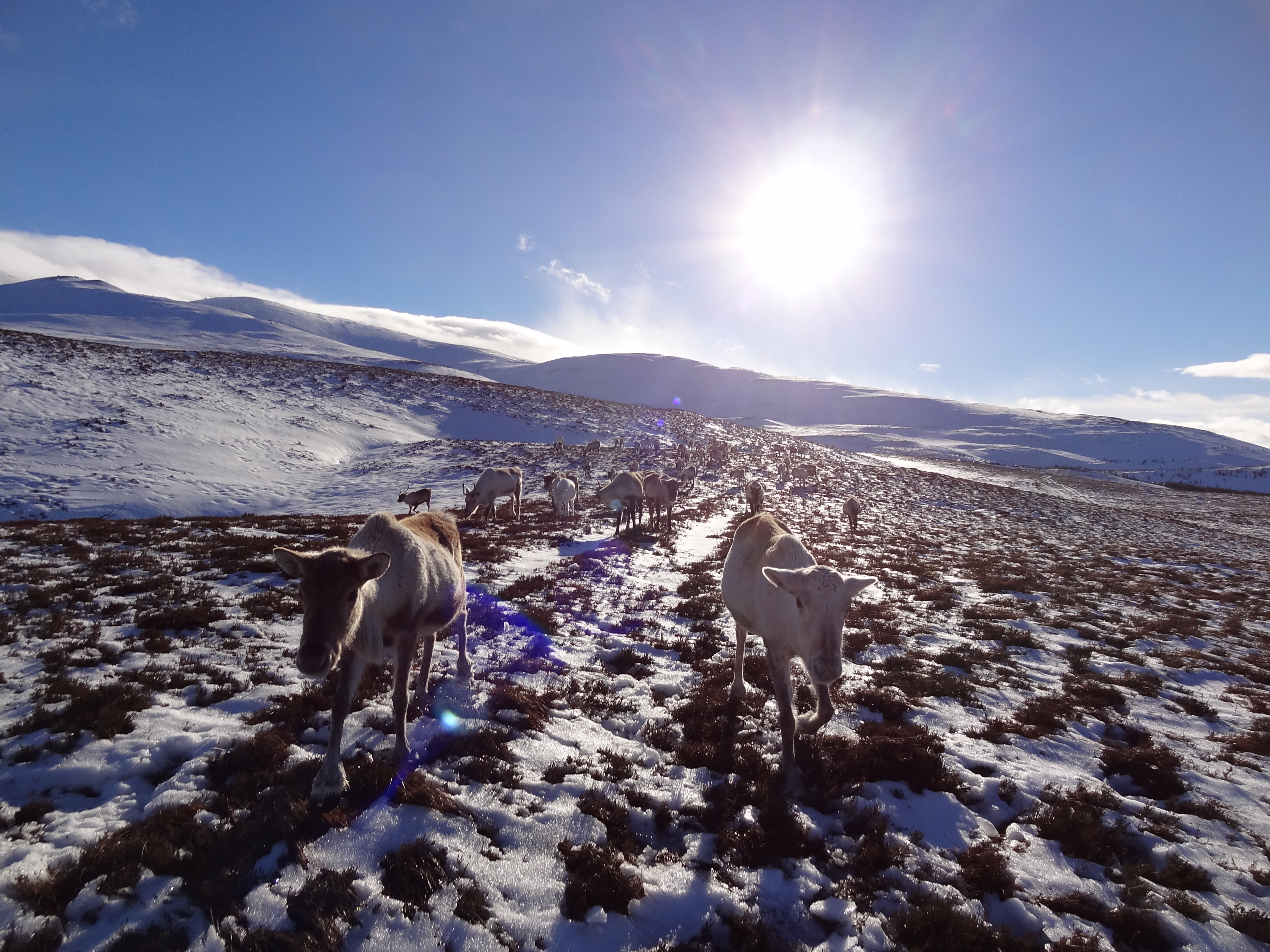
The Cairngorms are underlain by 427 million year old Granite and were, believe it or not, once in the range of the Himalayas standing far higher than today. Millions of years of degradation and the prolific effects of repeated glacial (cold) and interglacial (warm) cycles throughout the last 2.5 million years (Quaternary) have carved out the landscape in which we see today.
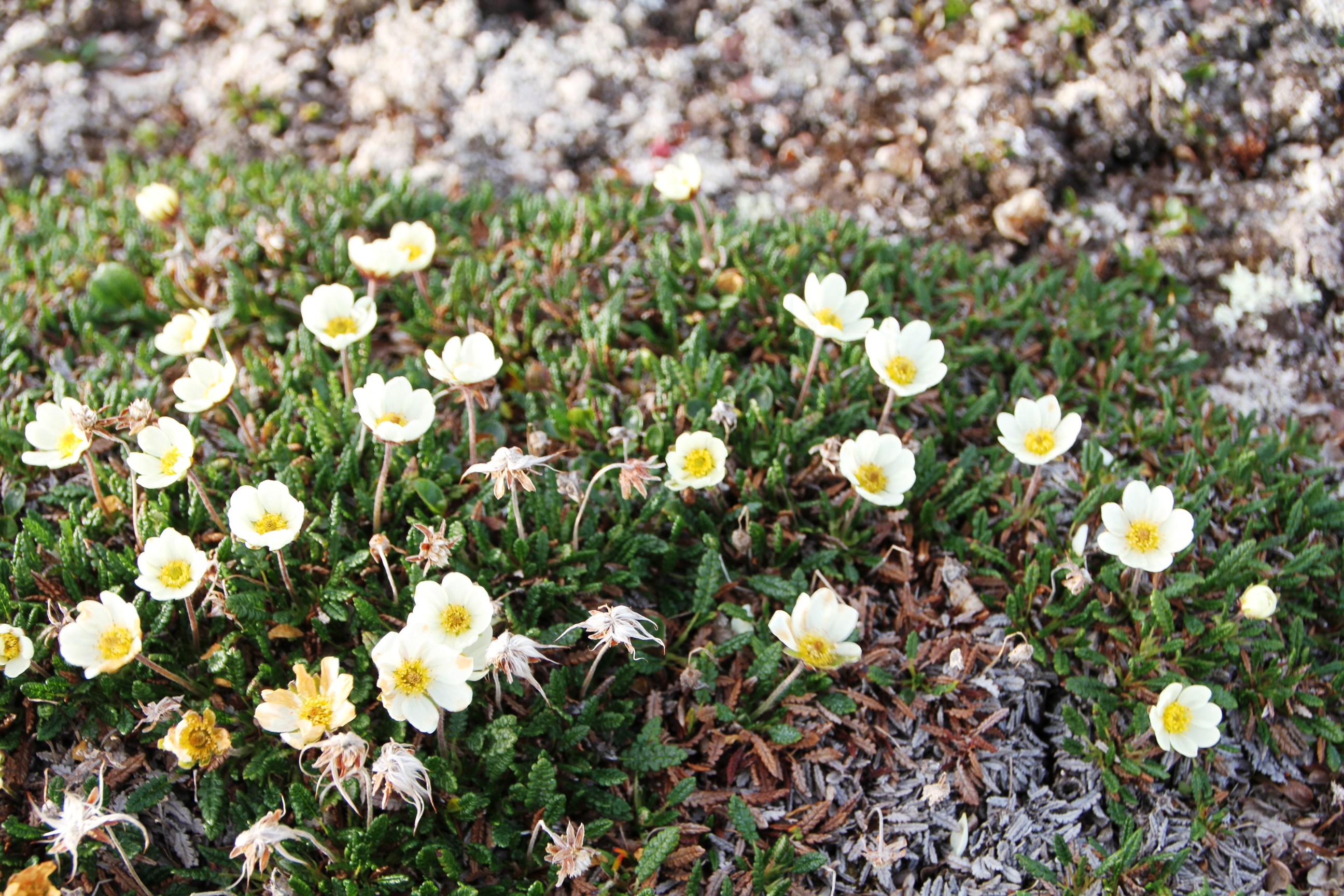
About 13,000 years ago, cold glacial conditions were increasing in many parts of the Northern Hemisphere. There have been many debates as to why this happened but scientists have hypothesized that this major cooling event was caused by an enormous dumping of fresh water into the North Atlantic by the large North America Lake Agassiz. As the ice retreated from the last glacial maximum 21,000 years ago the lake burst its banks causing a catastrophic flood. The flower (Dryas octopetala), the Younger Dryas or, Loch Lomond Stadial, marked the return to what we see today.

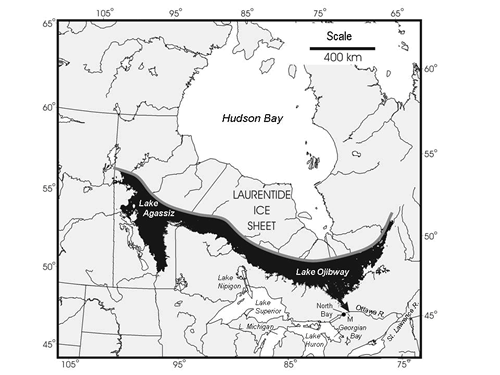

This cold water slowed down the oceans conveyor belt or ‘thermohaline circulation’ to an almost standstill, meaning there was a complete loss of heat transfer and a massive reduction in sea surface temperatures in the North Atlantic. The sea and the atmosphere share a sort of ‘love – hate’ relationship whereby if one is behaving well the other will behave; however if one decides to throw a spanner in the works its counterpart will throw quite the tantrum and this is exactly what happened. The rapid cooling of the previously warm salty sea water coming up the west coast of Scotland caused the atmosphere to cool dramatically; hence resulting in ice growth and incredibly cold conditions across much of Scotland.
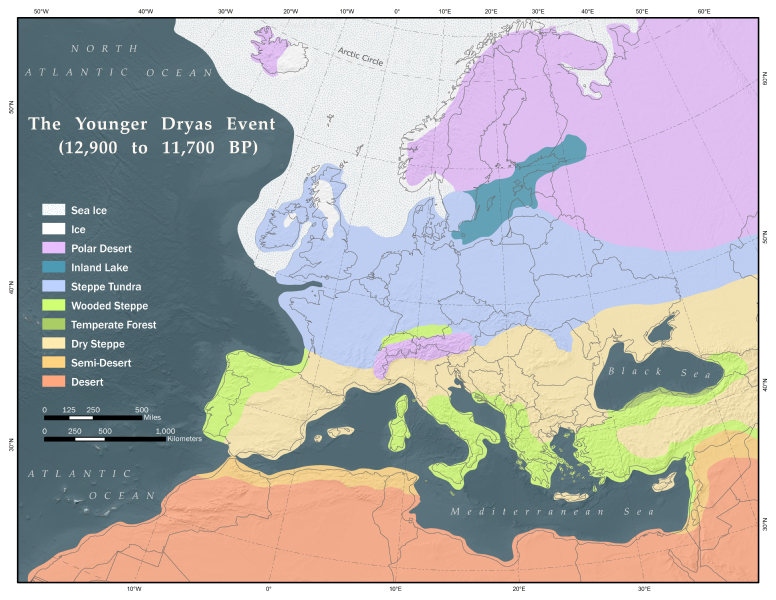

This last ‘hurrah’ of ice has sculpted much of the landscape we see today. As the ice retreated, Scots pine rose up the mountains pushing the level of steppe tundra with it. The subarctic conditions that now occupy this landscape mirror that of Arctic Canada and Siberia meaning that reindeer can survive and thrive here in the Scottish Highlands. These wonderful animals now inhabit a land forged by ice so can therefore thank these bouts of extreme cold as without them we would not have our reindeer here today.

Rob
The School of Tour
I added up how many years I’d been involved in Christmas tour with the reindeer the other day, and was astounded to realise that this was my eighth season. As I frequently tell visitors, “I only came for the summer!” but I seem to have fallen under the spell of the reindeer and the Cairngorms. Hen has been here even longer than me. So with several new herders this year, Fiona sent us off with Morna, with the idea that we’d show her the ropes as it were. Morna has been working with the herd all year, so knew the reindeer very well, but Christmas tour brings its own challenges which can take some adjusting to.
Over the months running up to Christmas, we’d been fairly entertained by the enthusiasm of Morna, Ruth and Olly about tour, and wondered how long it would take for the novelty to wear off! But spirits were certainly high as we got ready to set off for our week away, and we had great fun working out our team name: usually we’re just Handi, but this time we would be even MORHANDI!
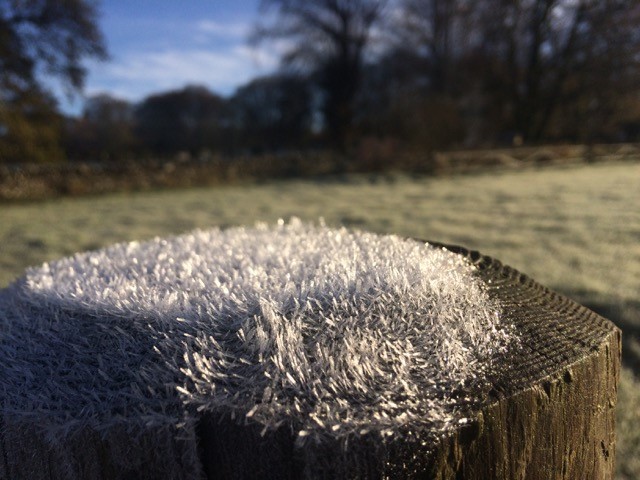
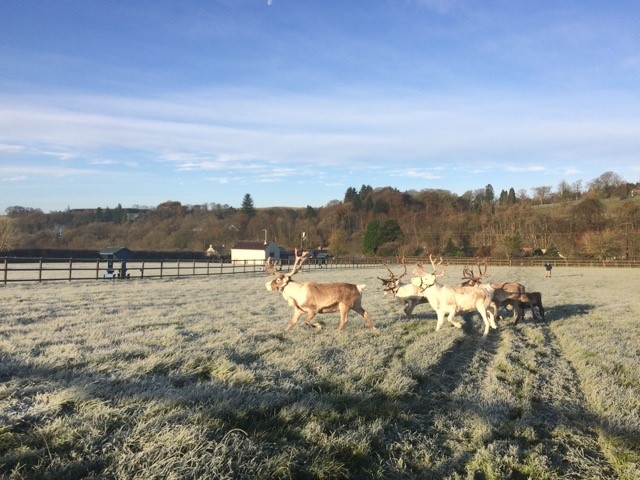
I hope you enjoy the photos below – we certainly enjoyed our week, and it was really odd when we dropped Morna off to visit her family and were left with just two of us in the cab… it felt like we’d lost part of our team!





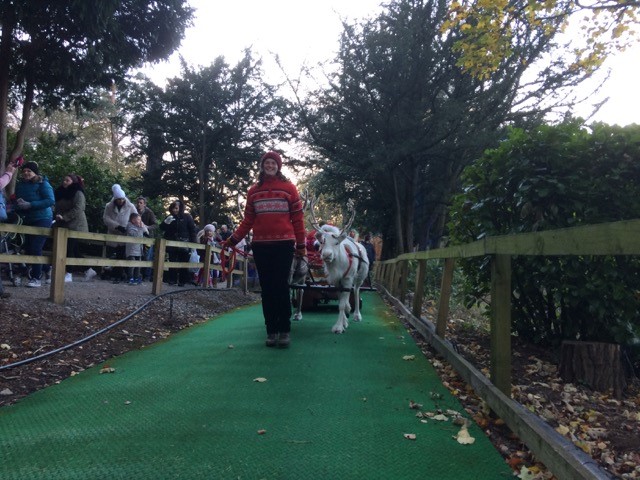

Tour time begins..
A couple of weeks ago saw the start of my experience of ‘Christmas Tour’ – the fabled hectic time of Christmas at Reindeer House, working away at events all over the UK. To kick me off, I had a week with the wonderful Hen and Andi in the far-flung lands of Cardiff and Yorkshire.
Much to Hen and Andi’s continual amusement, I’d been looking forward to Christmas approaching and tours starting. For what on earth sounds more fun that a week away on a road trip with some reindeer?!
As the day to leave approached I was feeling a little bit unsure of what to expect, and very unsure of what to take. But we upped-and-awayed, with mostly everything, and a prayer that what we’d forgotten wouldn’t be needed.
Here’s a few photos of our trip. With thanks to the wonderful team: the sleepy Svalbard, bowl-tipper Duke, Matto, Byron, and our lovely calves Beatrix and Austen!


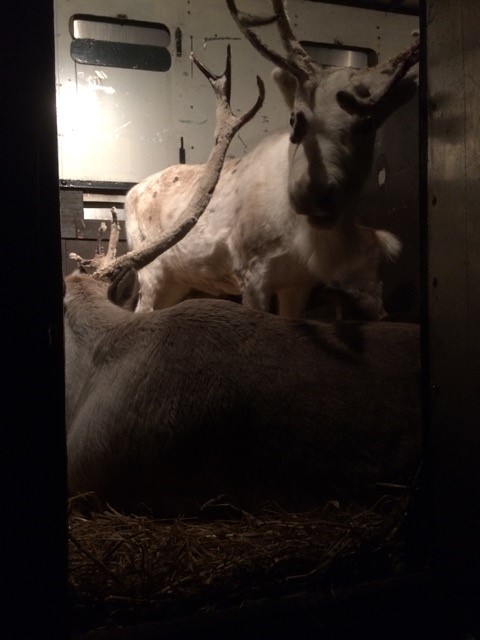
On arrival at our base we jump in the back of the truck to take the reindeer out to their home for the night, a lovely big bedded barn and field. But instead of 3 reindeer in the first compartment, we find only 1, the big-tummied Svalbard. After a moment of panic, and a “I’m sure we brought all the reindeer with us?!?!”, we discovered the reason…

We peer through to the next compartment and realise the small door between the two was left open. The wee calf Beatrix, small enough to slip through, had gone to join her calf-friend Austen, and Matto had somehow managed to follow, but poor Svalbard’s antlers were obviously too big, and he just couldn’t fit.


As the days flew by, we saw Cardiff, many motorways, Oxford and Yorkshire, a few lovely bases, and had some great food.

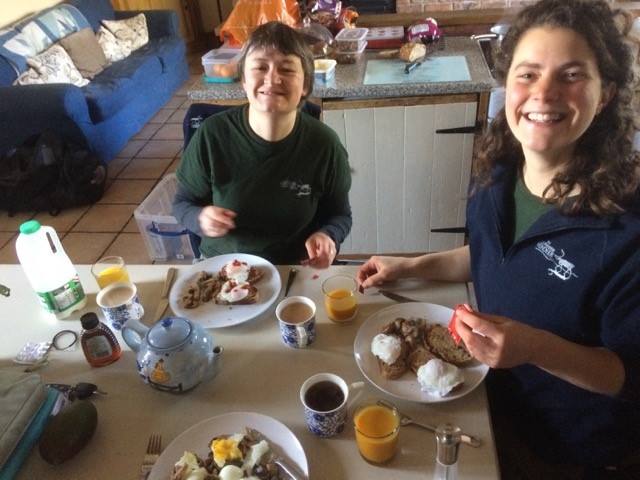
Al in all, only a couple of things got broken, some wonderful breakfasts were eaten, all 6 reindeer returned home safe and sound, and I think, Hen, Andi and I are still friends.

Morna