
Rangifer tarandus tarandus and Rangifer tarandus fennicus
Continuing on from learning about the lovely Svalbard reindeer (we all remember how cute those guys are!), this time we’ll look at the two other European subspecies of reindeer, the forest and tundra reindeer. Starting with the tundra reindeer…
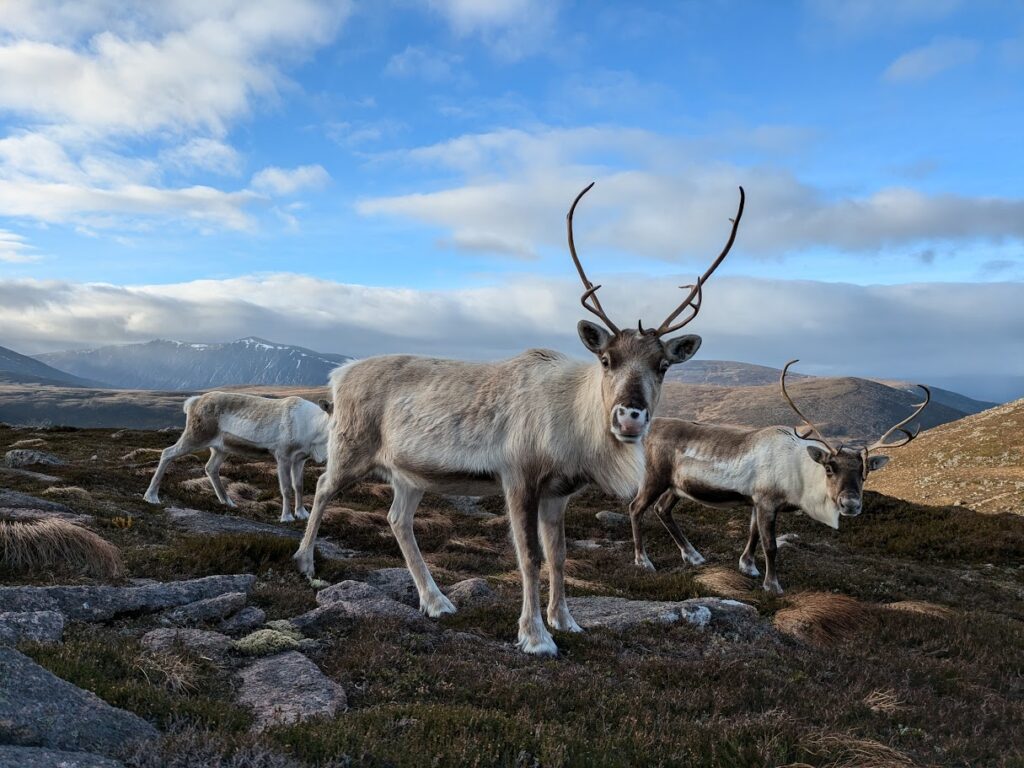
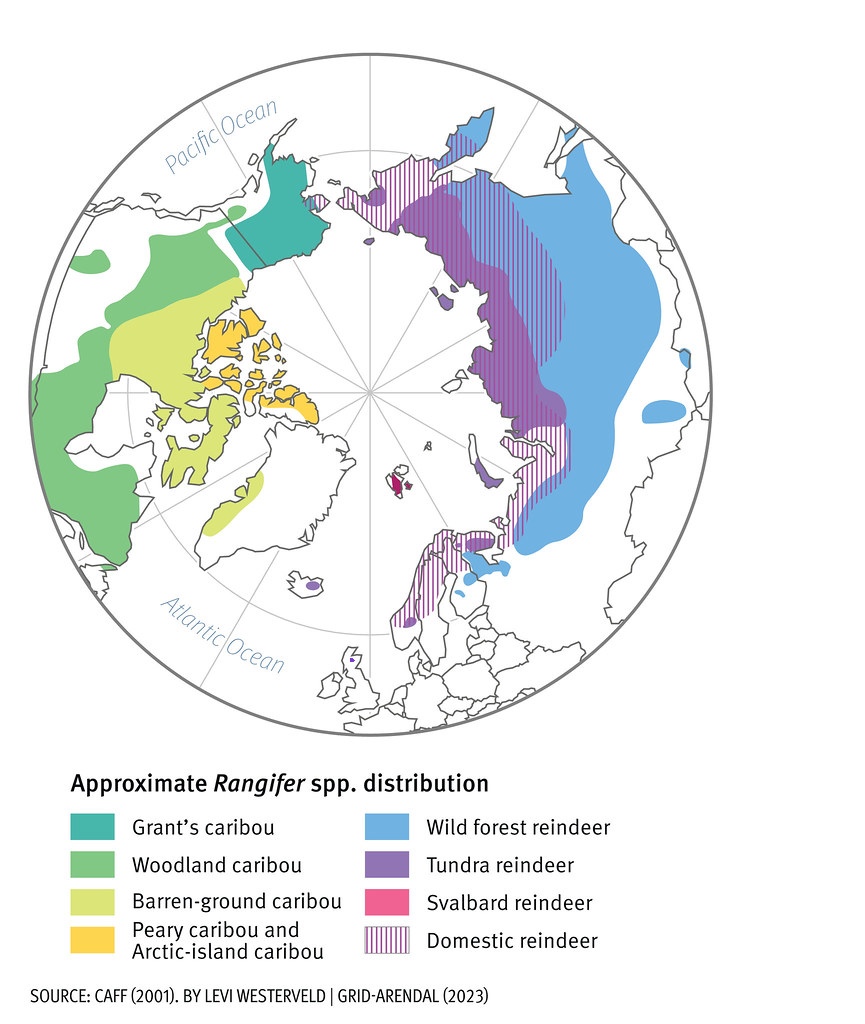
Found across Northern Scandinavia and across Northern Russia with a large population in Siberia. They are also found here in the Highlands of Scotland roaming the Cairngorm mountain plateau. The southern most population on continental Europe is found in the mountain regions of Norway, however it is quite tricky to know where the tundra reindeer population ends and the forest reindeer population begins.
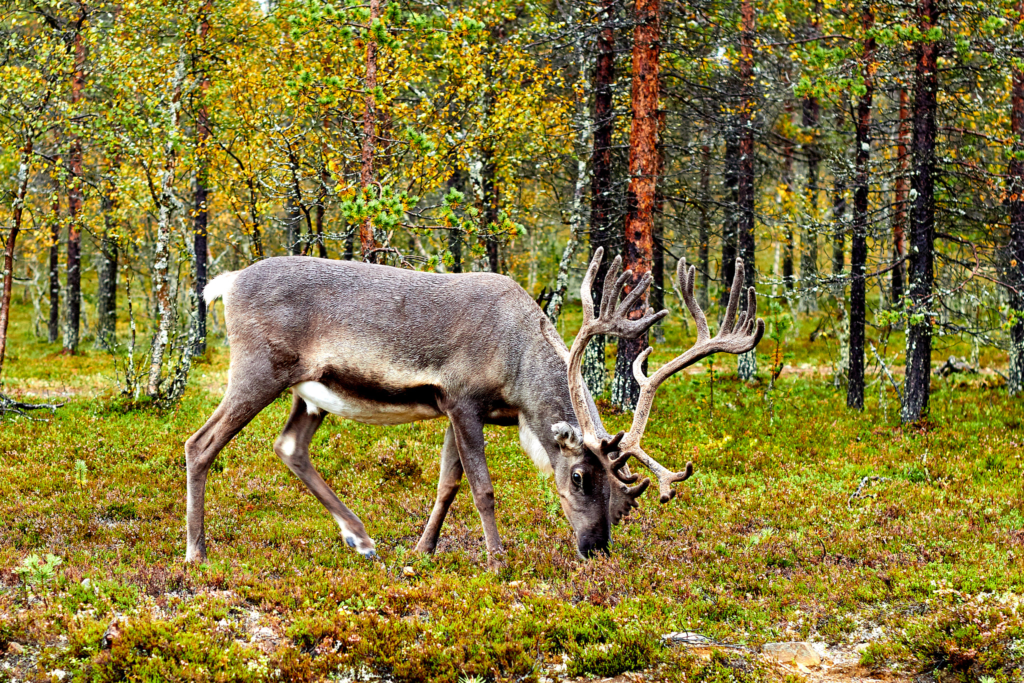
The most notable population of forest reindeer is found surrounding the Karelia region, near the border of Finland and Russia. The population is then further wide spread across Russia.
Unlike the Svalbard reindeer, these subspecies do follow a larger migratory pattern, and will usually cover anywhere from 12 – 34 miles per day. They move between areas following the availability of vegetation and to avoid the harshest environments during winter months.
The herds will also move alongside humans. Both species are heavily domesticated and have been for over 10,000 years now. Not only are the reindeer used for food, income, and general way of life by indigenous communities (most noteably in Europe – the Inari Sámi), but the reindeer themselves benefit. Knowledge passed down through generations regarding migratory behaviour, and the animals role in the ecosystem means a huge positvie impact on Arctic conservation. This not only benefits the domestic populations of reindeer, but also the wild ones, as well as all other forms of life living in these ecosystems.
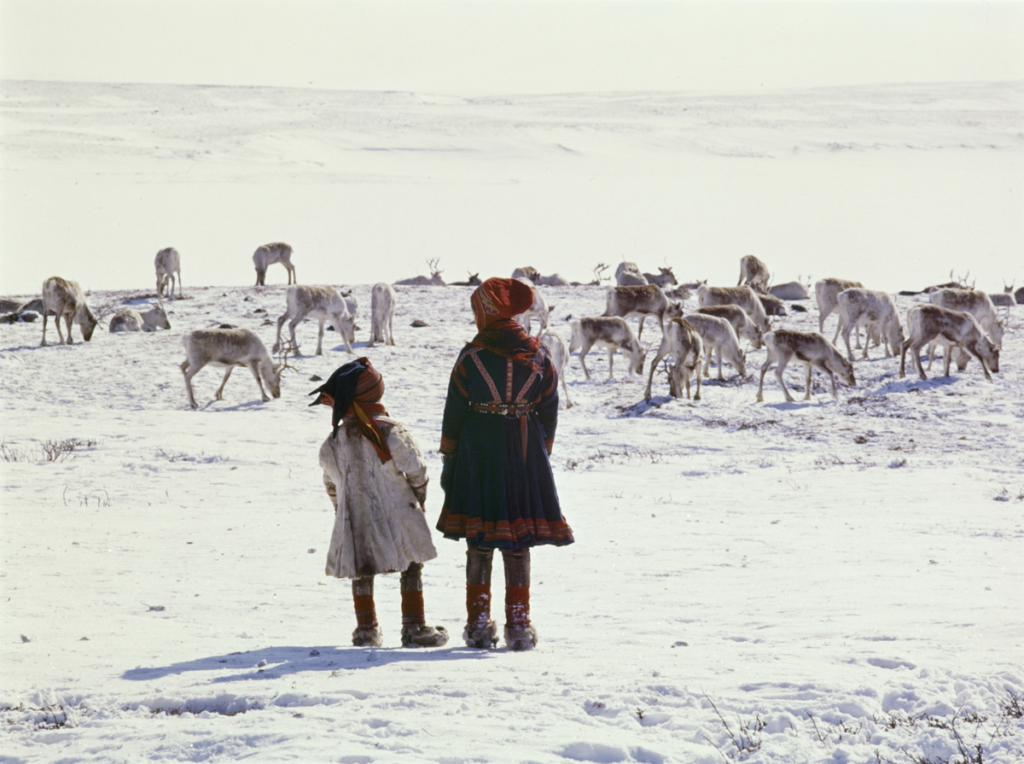
The vast numbers of these two subspecies, the distribution of their population, and their movement patterns, give them a much larger impact on the ecosystem than the Svalbard reindeer. With grazing habbits helping to maintain Arctic tundra, it prevents the release of stored carbon in the permafrost. Being farmed in the traditional methods that they are – constantly moving, following the behaviour of the reindeer rather than using other methods of stationary farming – the reindeer are still able to exhibit their natural behaviour. It has also maintained a positive coexsistence between man and the fragile Arctic ecosystem.
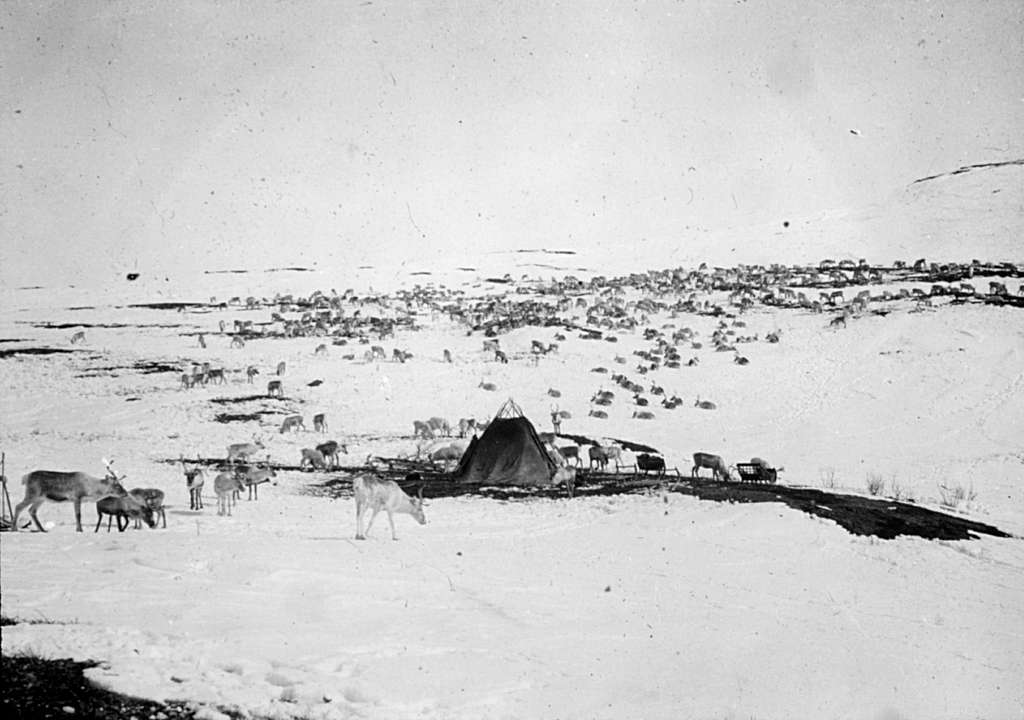
This means that the reindeer have not needed to adapt to a stationary lifestyle. Their bodies are still designed to cover large distances and they remain successfully adapted to their role in the ecosystem – dispersing seeds in the trampled ground they’ve moved over.
Something they have adapted for over the last 10,000 years though, is sledge pulling.
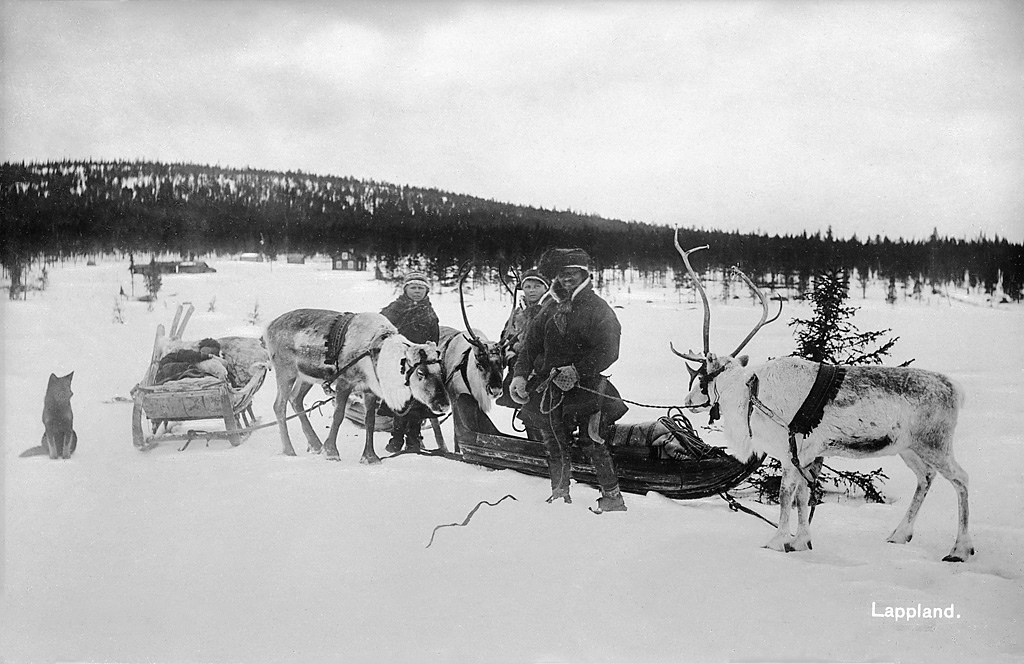
Due to living alongside humans for such a long period of time, the European tundra and forest reindeer are semi domesticated. They don’t perceive humans as a threat and are very accumstomed to interacting with people and being handled. This means their strength and good hoof structure can be utilised for sled pulling.
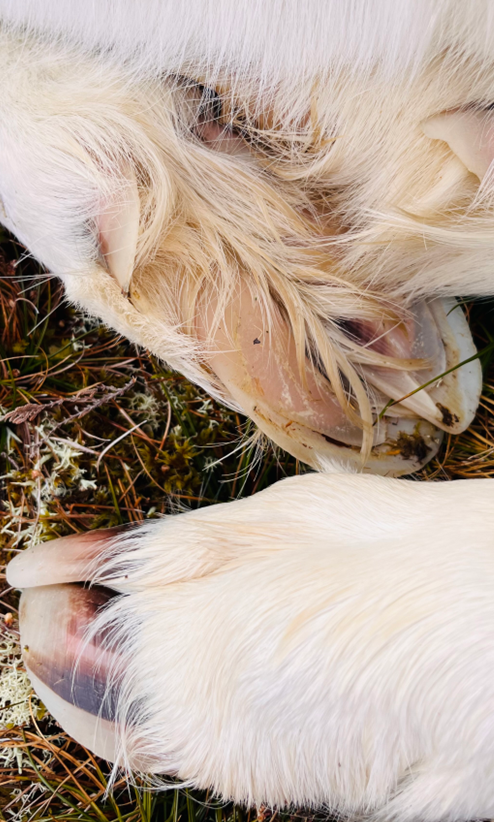
During the winter months, their footpads will shrink and tighten, this exposes the edge of the hoof and allows them to dig it in to the snow. They’ll maintain grip for descending and ascending hills/mountains, and still be able to run at high speeds without the risk of losing their footing. Their strong and muscular build, easy going/ docile nature, and drive for yummy rewards(!) makes them the perfect Arctic sled pulling animal. Second to the sled dog of course, also having worked alongside humans for approximately 8 – 10,000 years (I don’t think anyone could be happier pulling a sled than those guys!).
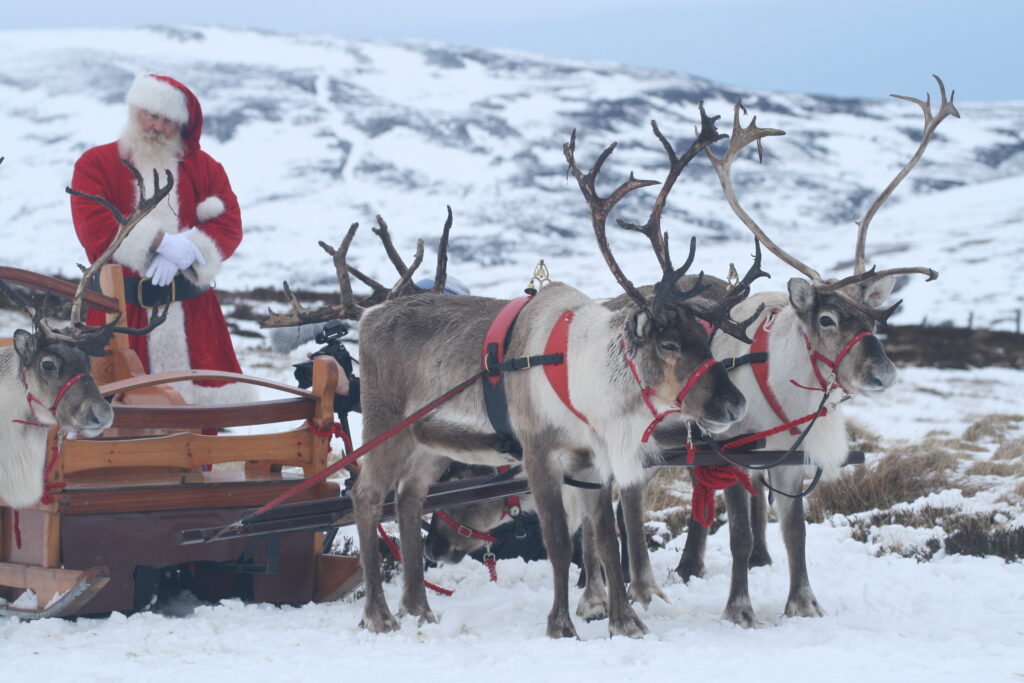
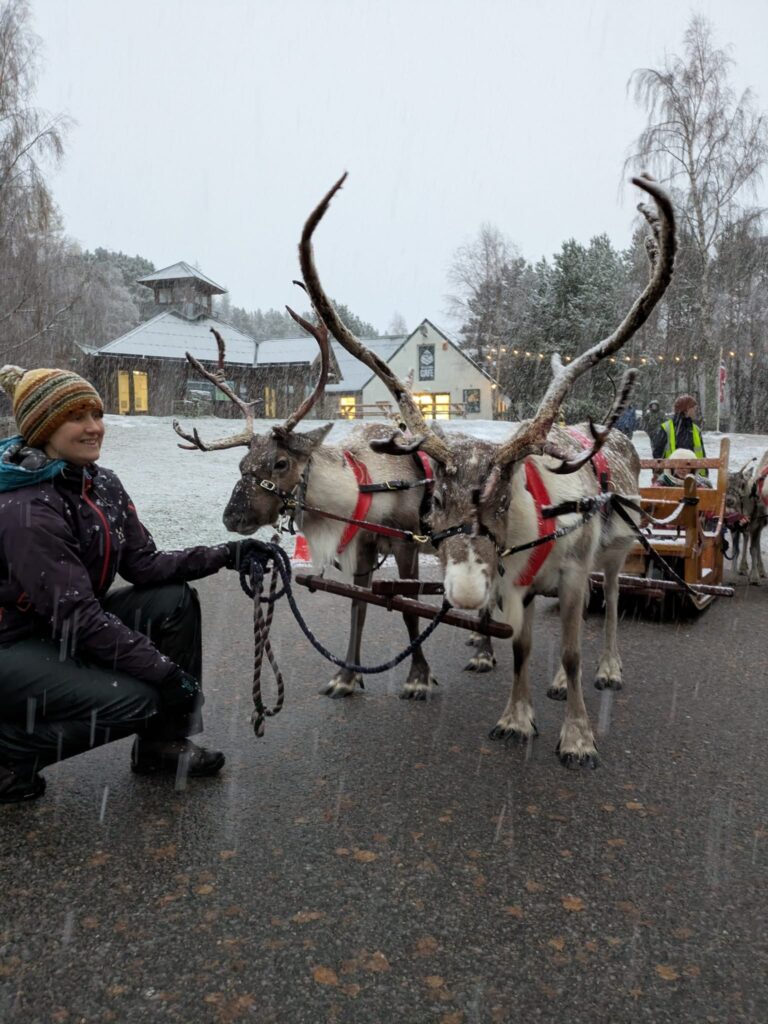
So, in summary, it seems the main adaptations for the European tundra and forest reindeer are behavioural more than physical. They have adapated to be more docile around humans, whilst still maintaining their natural drive to move. Not only for their benefit of chasing good grazing, but also for the benefit of the ecosystem – keeping the Arctic environment healthy.
Next time we’ll jump over 4000 miles from Europe to North America, and find out what the difference is between a reindeer and a caribou (if any).
Daisy
Further reading:
www.//oneearth.org/species-of-the-week-reindeer/
Reindeer and Caribou: Health and Disease, edited by Morten Tryland and Susan J.Kutz (CRC Press, 2019)
Thankyou